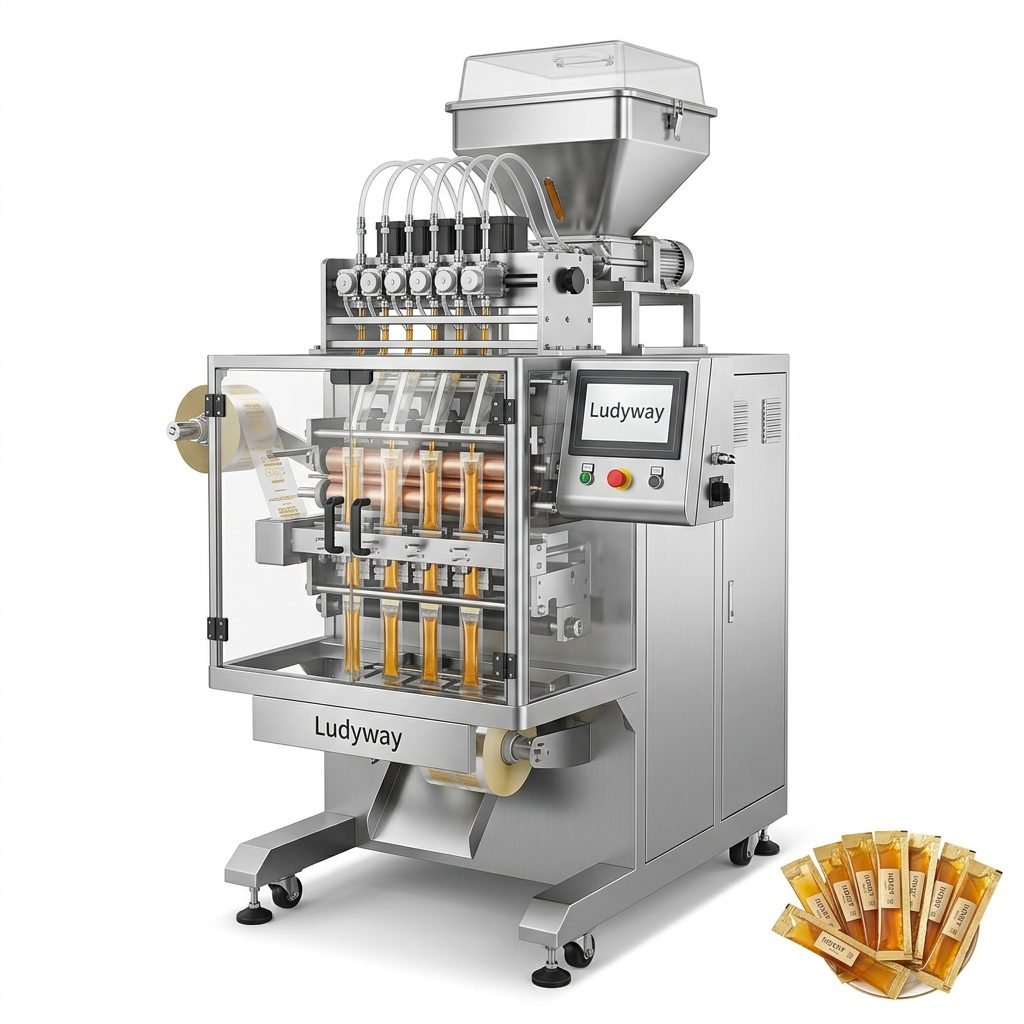
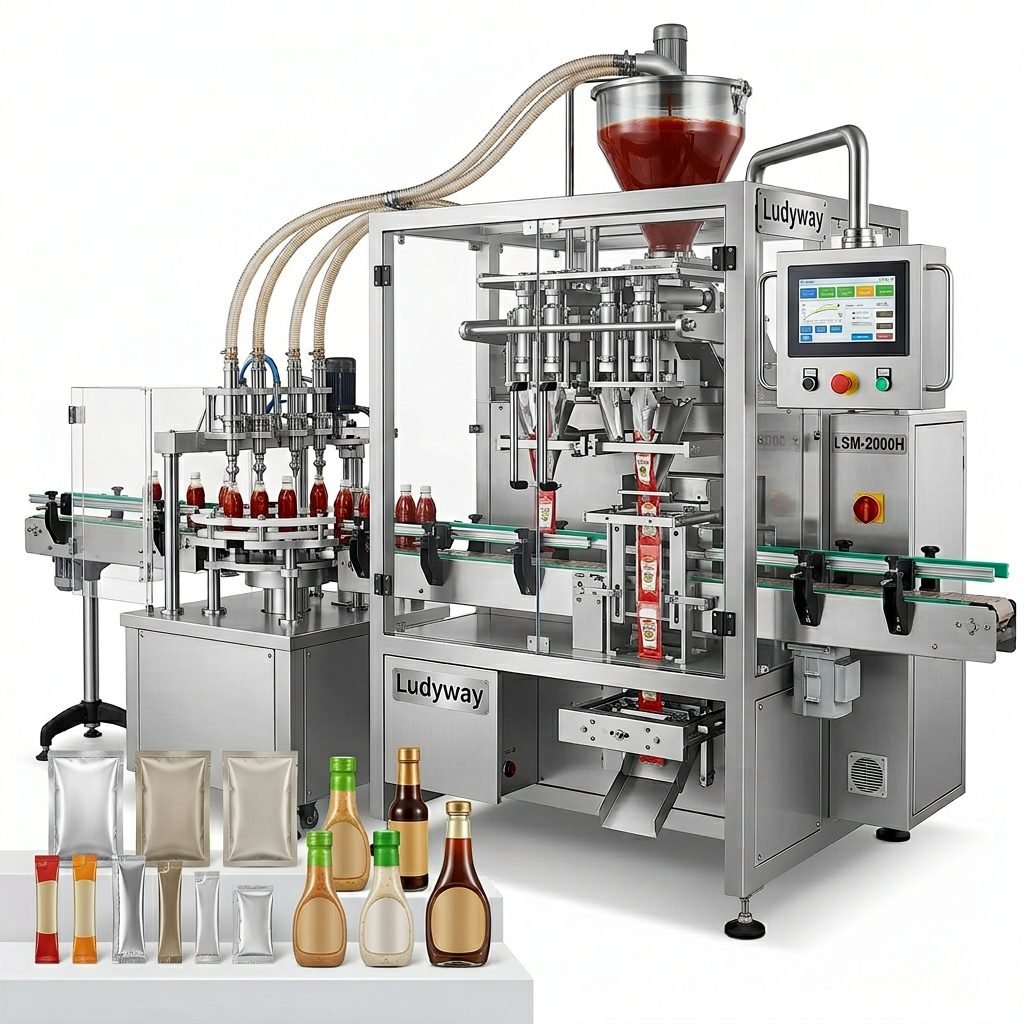
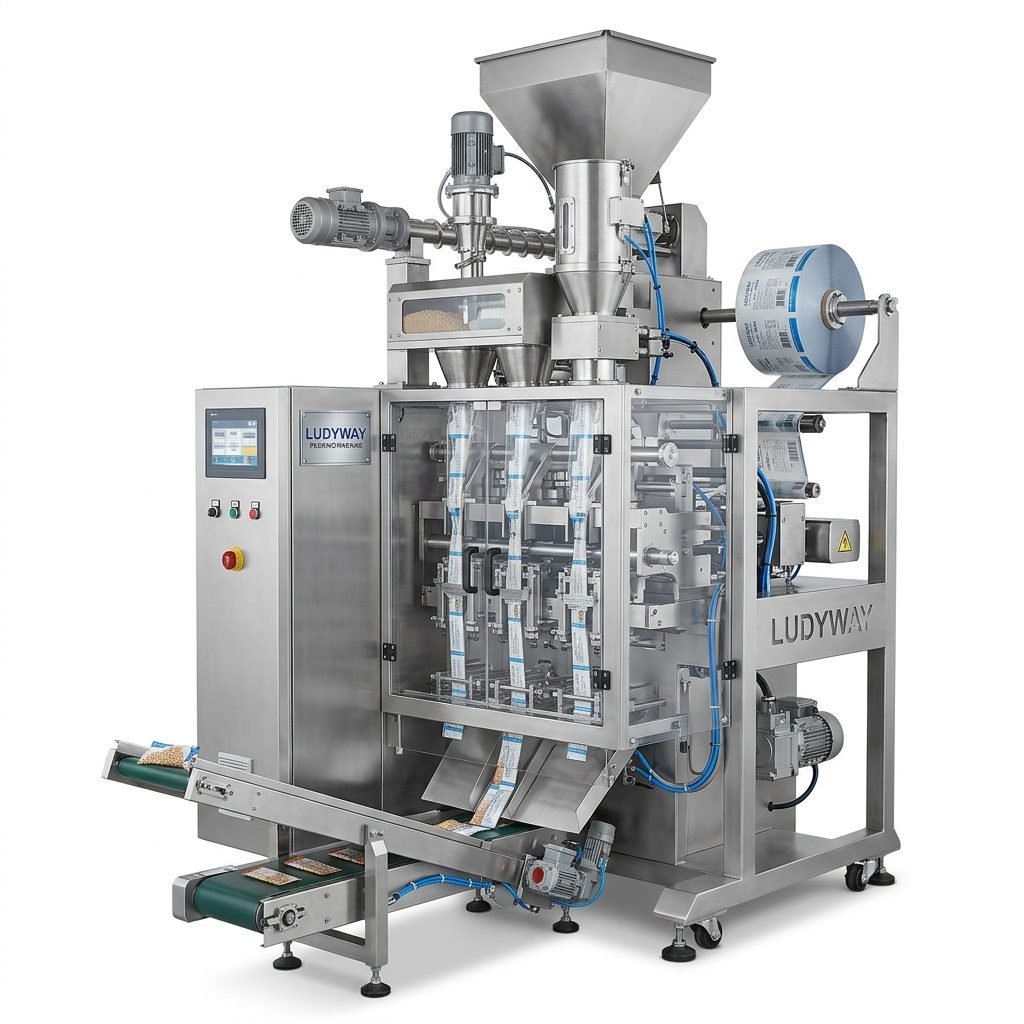
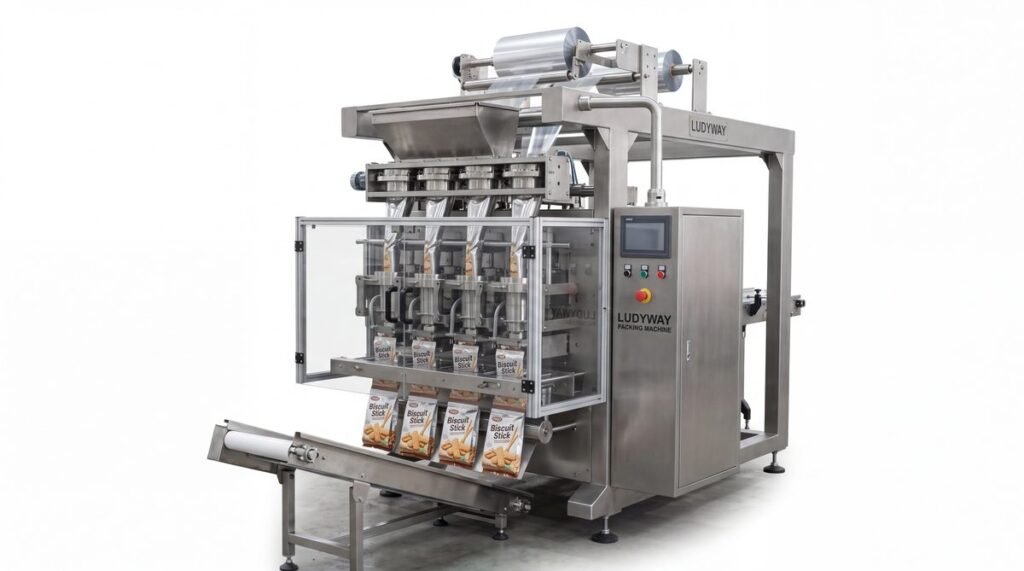
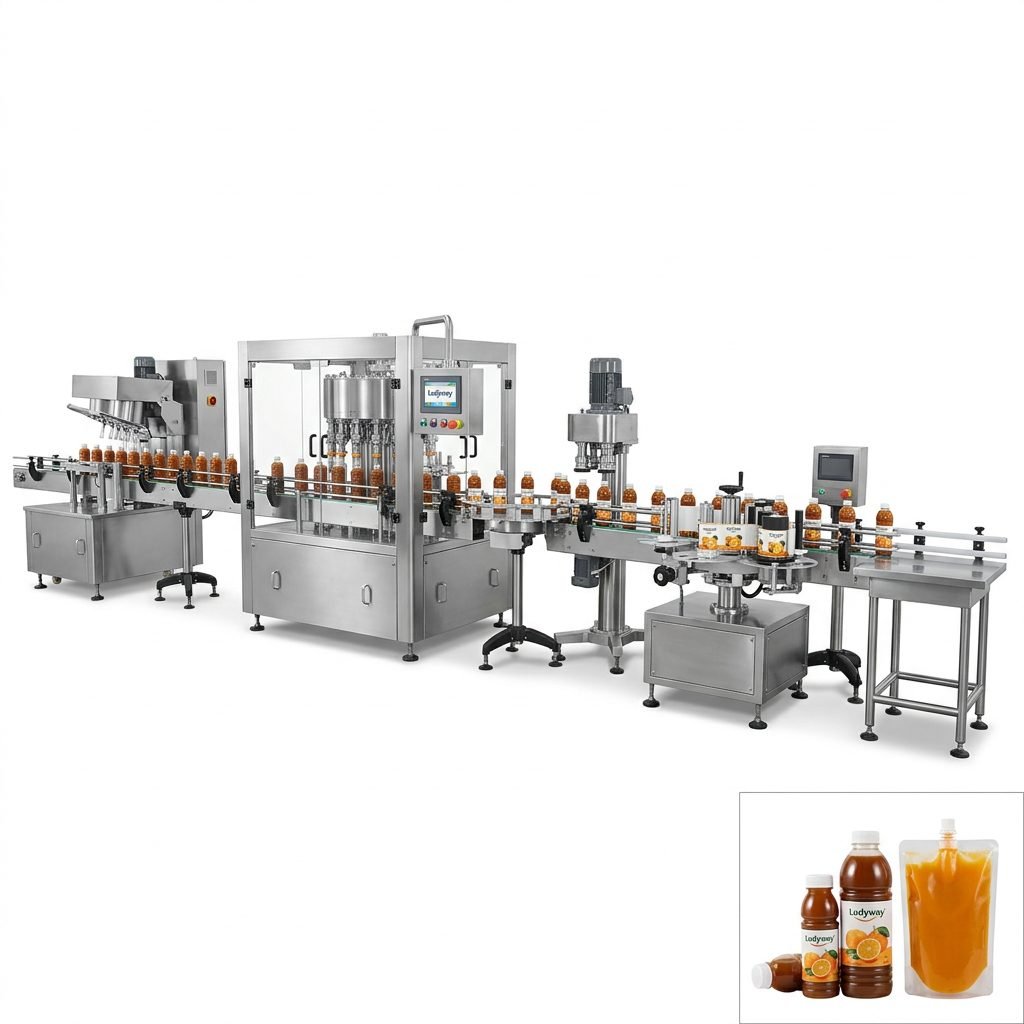
In the world of packaging production, the performance and longevity of your equipment depend heavily on the quality and compatibility of its individual parts. For manufacturers relying on OEM (Original Equipment Manufacturer) packaging machinery, understanding how to select, source, and maintain the right components is not just a maintenance task—it’s a critical business strategy. The right parts ensure minimal downtime, consistent product quality, and protection of your capital investment.
The Critical Role of OEM Parts in Packaging Operations
OEM parts are components specifically designed and manufactured by the original machinery builder or their authorized partners. Unlike generic or aftermarket alternatives, these parts are engineered to exact specifications, ensuring perfect fit, optimal performance, and adherence to the machine’s original safety and efficiency standards. Using non-OEM parts can lead to misalignment, increased wear on other components, voided warranties, and even safety hazards.
Key Insight: The true cost of a part isn’t just its purchase price. It includes the cost of downtime during failure, potential damage to other components, and the risk of producing non-compliant packaged goods.
How to Choose the Right OEM Components
Selecting the correct part goes beyond matching a model number. A systematic approach is required.
1. Identify the Exact Part Specification
Always refer to your machine’s official manual and parts list. Key identifiers include:
• OEM Part Number: The primary and most reliable identifier.
• Machine Model & Serial Number: Critical as parts can change between production runs.
• Component Description and Material: e.g., “Stainless Steel Auger Drive Shaft for Powder Filler.”
2. Assess Criticality and Material Compatibility
Classify parts based on their function:
• Critical/Wear Parts: Seals, gaskets, cutting blades, heating elements. These have a direct impact on package integrity and machine function. Prioritize genuine OEM quality here.
• Structural/Mechanical Parts: Gears, shafts, bearings. Precision is paramount to avoid cascading failures.
• Material Contact Parts: Hoppers, funnels, filler nozzles. Must be made from approved materials (e.g., food-grade stainless steel, FDA-approved plastics) to prevent contamination.
Strategic Sourcing of OEM Packaging Parts
Finding a reliable source is as important as choosing the right part.
Authorized Distribution Channels
The most secure method is to purchase directly from the OEM or their authorized distributors. This guarantees authenticity, comes with technical support, and ensures warranty coverage. Companies like Ludyway Machinery, with decades of engineering experience, provide direct access to genuine parts for their extensive range of packaging systems.
Evaluating Independent Suppliers
If using an independent supplier, due diligence is essential:
• Certifications & Documentation: Request certificates of conformity and material test reports.
• Return Policies & Warranties: Reputable suppliers stand behind their parts.
• Technical Support: Can they provide installation guidance or troubleshooting help?
Pro Sourcing Tip: Build a Relationship
Establishing a long-term partnership with a trusted supplier or directly with the OEM can lead to better pricing, priority support, and valuable proactive advice on part lifecycles and upgrades.
Best Practices for Maintaining OEM Parts
Proper maintenance extends part life and prevents unplanned stoppages.
Implement a Preventive Maintenance (PM) Schedule
Create a calendar-based or usage-based schedule for inspecting and replacing wear parts. This proactive approach, often detailed in the OEM manual, is far less costly than reactive repairs.
Proper Installation & Calibration
Even a perfect part can fail if installed incorrectly. Use proper tools and follow OEM torque specifications. After replacing critical components like fillers or sealers, always recalibrate the machine to ensure accuracy.
Cleanliness and Lubrication
Follow OEM guidelines for cleaning agents and lubricants. Using the wrong chemical can degrade seals and O-rings, while incorrect lubricants can attract dust or break down under operational heat.
Maintain Detailed Records
Keep a log for each machine documenting part replacements, dates, machine hours, and supplier information. This data is invaluable for predicting future failures and managing inventory.
Conclusion: An Investment in Reliability
Choosing, sourcing, and maintaining the right OEM packaging equipment parts is a disciplined process that pays significant dividends. It safeguards your production output, ensures the safety and quality of your packaged products, and maximizes the return on your machinery investment. By partnering with experienced providers and adhering to a rigorous maintenance culture, manufacturers can achieve the operational excellence required in today’s competitive market. For insights into building a reliable packaging line from the ground up, consider exploring resources on packaging system integration.
Frequently Asked Questions (FAQs)
1. Are OEM parts always better than aftermarket parts?
For critical, high-precision, or safety-related components, genuine OEM parts are almost always the superior choice due to guaranteed fit, material quality, and performance. For some generic, non-critical items (e.g., standard screws, simple O-rings from a certified material), a high-quality aftermarket part may be acceptable, but this carries inherent risk.
2. How can I verify if a part is truly genuine OEM?
Purchase directly from the OEM or their authorized distributor. Check for official packaging, holograms, or engraved part numbers. Reputable suppliers like Ludyway Machinery provide traceability and documentation for their genuine parts.
3. What is the most common mistake in maintaining packaging machine parts?
The most common mistake is reactive instead of preventive maintenance. Waiting for a part to fail completely often causes secondary damage and results in much longer, more expensive downtime than a scheduled replacement.
4. Should I keep a large inventory of spare parts?
It depends on the part’s criticality and lead time. For high-wear, critical parts that would halt your line (e.g., a specific cutting blade), keeping 1-2 in stock is prudent. For other parts, a reliable supplier with fast shipping, often supported by a global service network, can serve as your “virtual inventory.”
5. Can I upgrade an old machine with newer OEM parts?
Often, yes. OEMs frequently offer retrofit kits or upgraded versions of older parts that improve performance, speed, or hygiene. Contact the OEM’s technical support to discuss compatibility and benefits for your specific machine model.