In today’s competitive manufacturing landscape, achieving optimal efficiency and reliability on your production floor is paramount. This often hinges on a critical, yet sometimes overlooked, component: the integrated performance of your packaging equipment. Standalone machines, no matter how advanced, can create bottlenecks, inconsistencies, and maintenance headaches. The solution lies in a holistic approach—Comprehensive Packaging Equipment Engineering Services for Efficient Production Lines. This methodology goes beyond selling machines; it involves designing, integrating, and optimizing the entire packaging workflow as a cohesive, high-performance system.
The Core Philosophy: Engineering Systems, Not Just Installing Machines
Traditional equipment procurement focuses on individual unit specifications. Comprehensive engineering services shift the focus to the entire production line’s lifecycle performance. This philosophy is built on understanding the unique interplay between your product characteristics, desired output, factory layout, and operational goals. It transforms packaging from a cost center into a strategic asset that drives throughput, ensures product integrity, and enhances brand reputation through consistent, high-quality presentation.
Key Differentiators of an Engineered Approach:
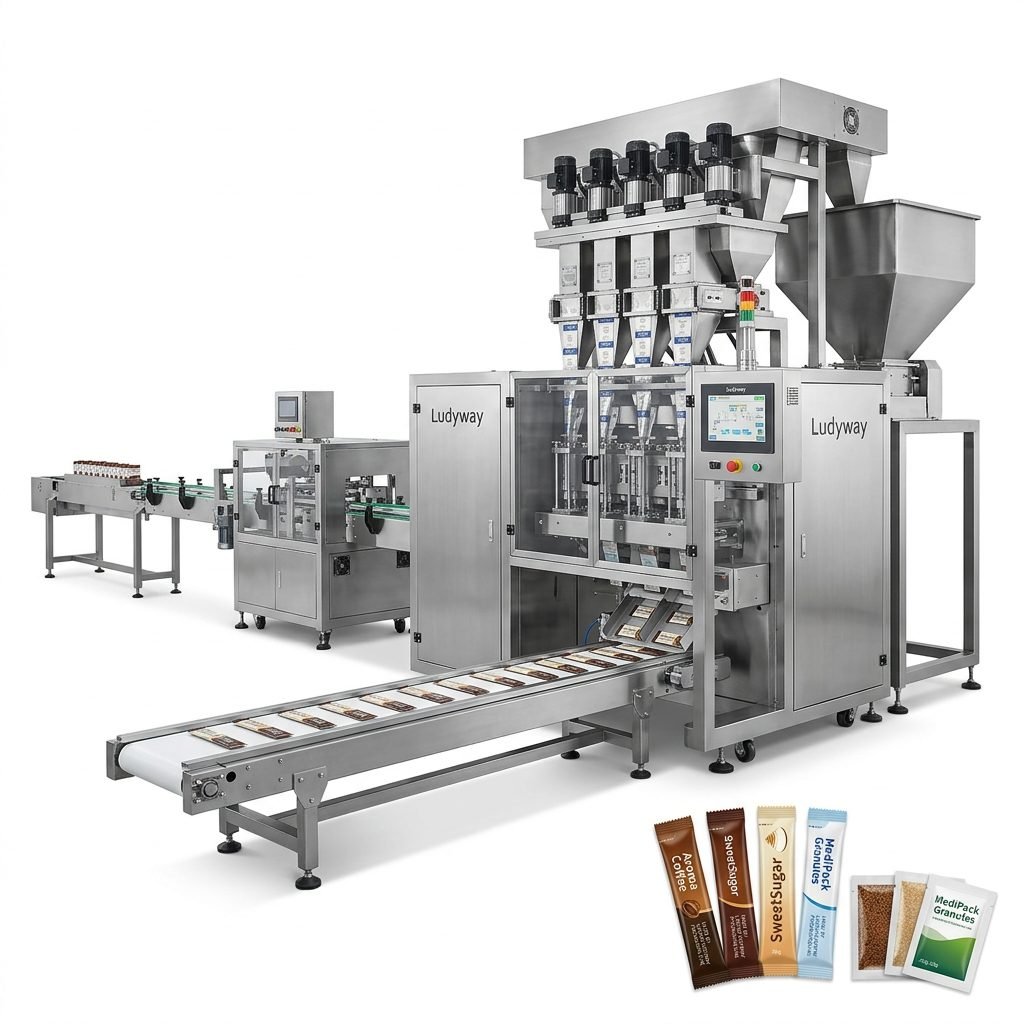
System Integration: Seamlessly connecting fillers, sealers, conveyors, cartoners, and palletizers into a synchronized flow.
Process Optimization: Analyzing and refining each step to eliminate waste, reduce changeover times, and maximize Overall Equipment Effectiveness (OEE).
Future-Proofing: Designing modular lines that can adapt to new product formats, packaging materials, or increased capacity demands with minimal disruption.
Essential Services Within a Comprehensive Engineering Package
A full-spectrum engineering service provider offers a suite of interconnected services. For instance, a company like Ludyway Packing Machine, with decades of industry experience, typically structures its engagement around several core pillars.
1. In-Depth Needs Analysis & Line Conceptualization
Every successful project begins with discovery. Engineers conduct a thorough audit of your current process, product specs (granules, powder, liquid, etc.), and growth objectives. This phase results in a detailed conceptual design, outlining the recommended machinery sequence, layout, and anticipated performance metrics, ensuring the proposed solution aligns perfectly with your business case.
2. Customized Machine Selection & Configuration
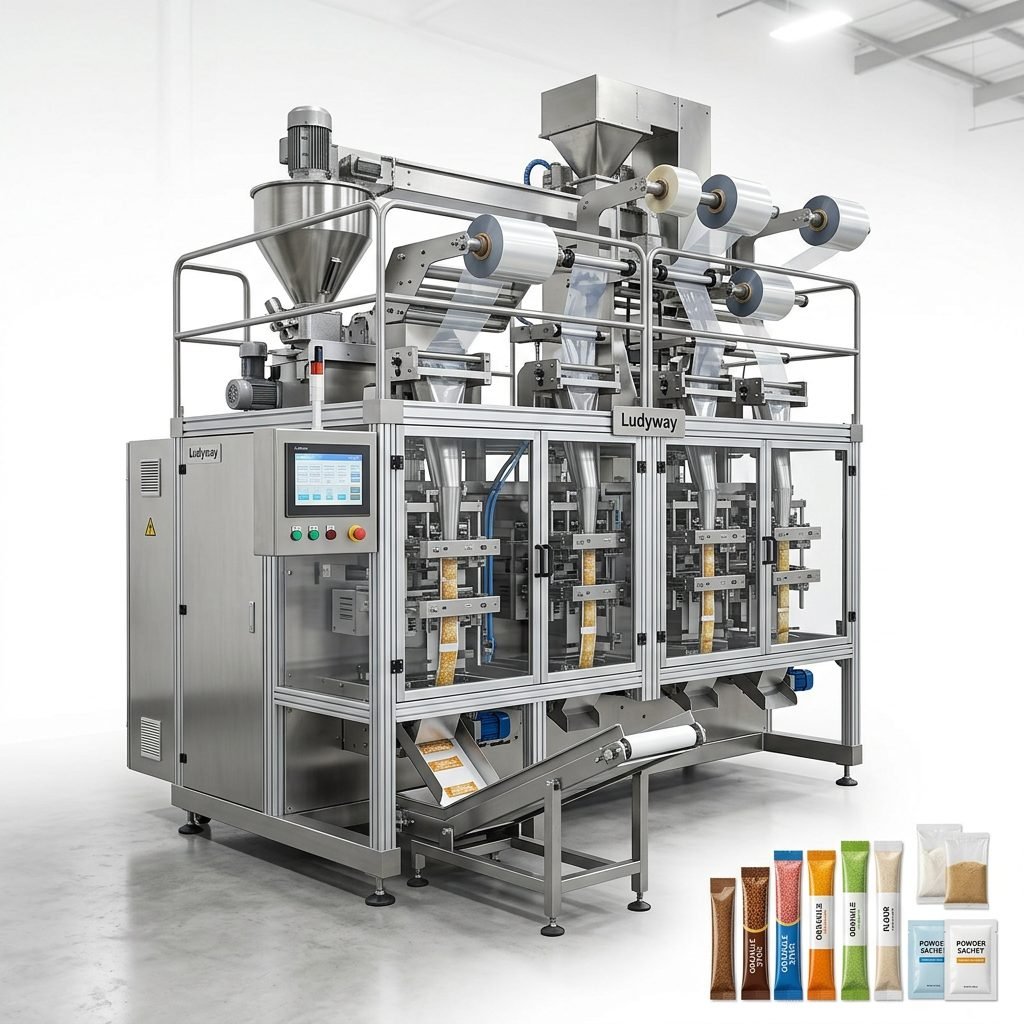
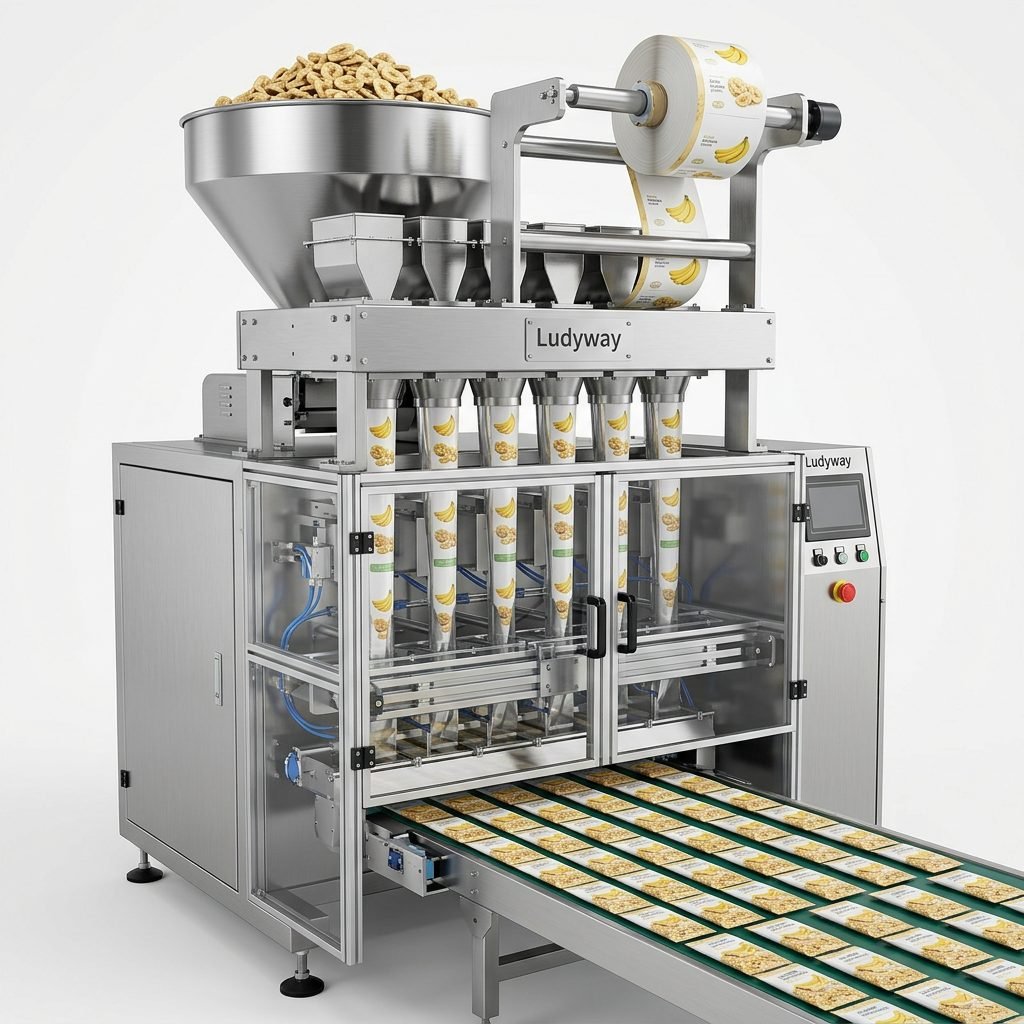
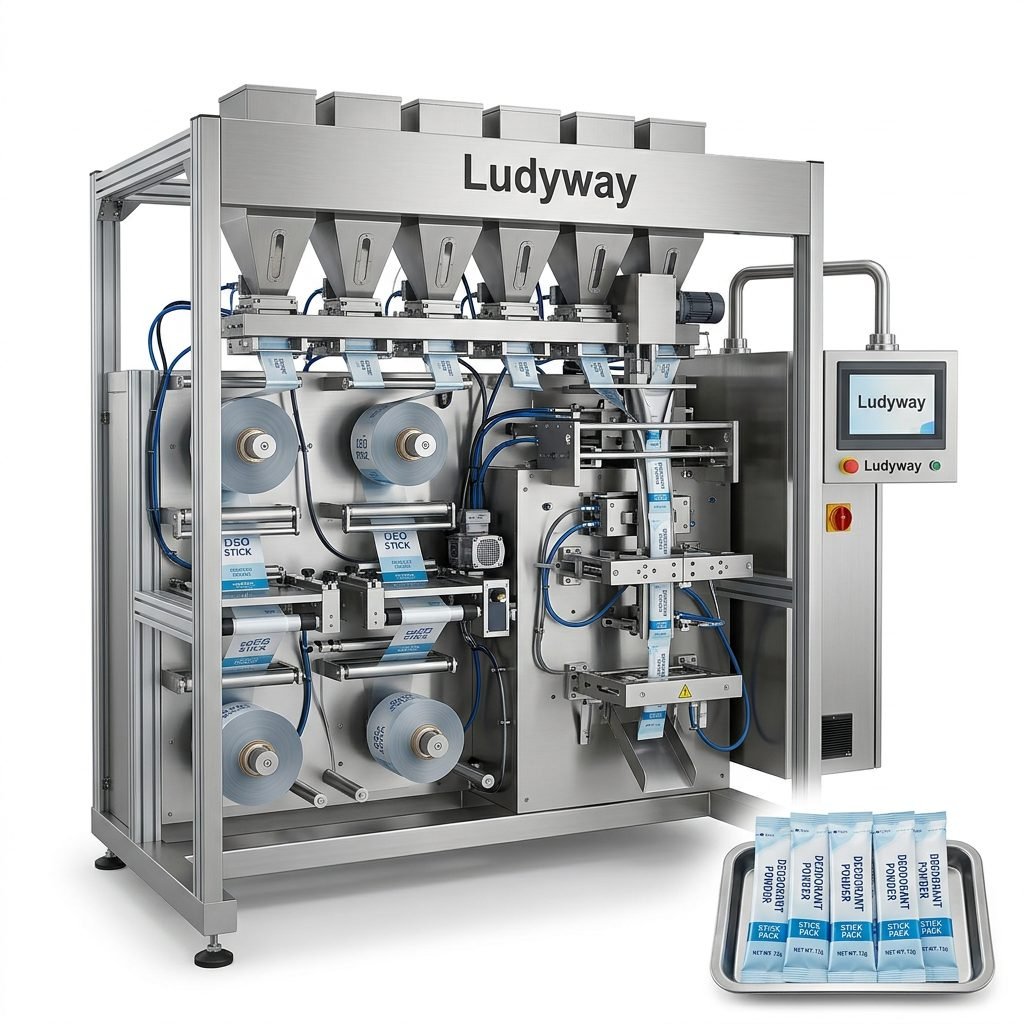
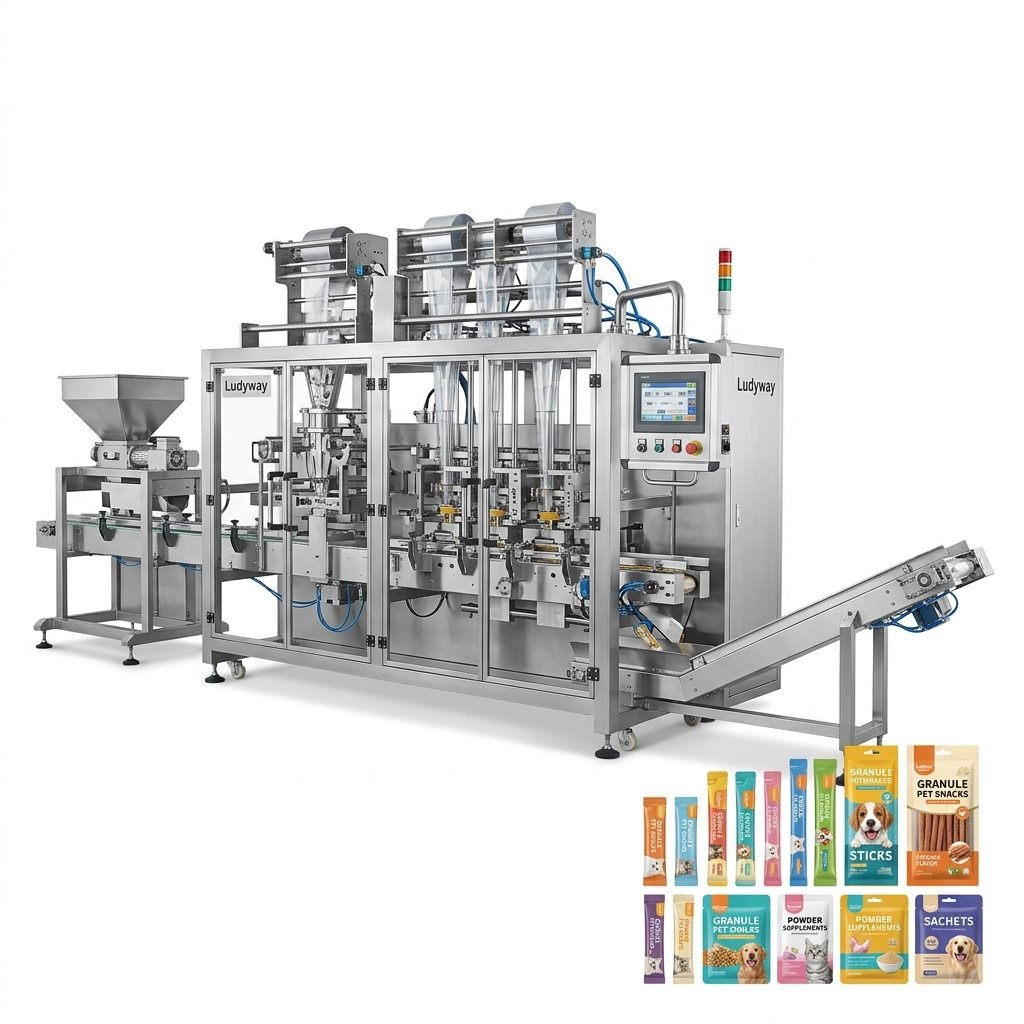
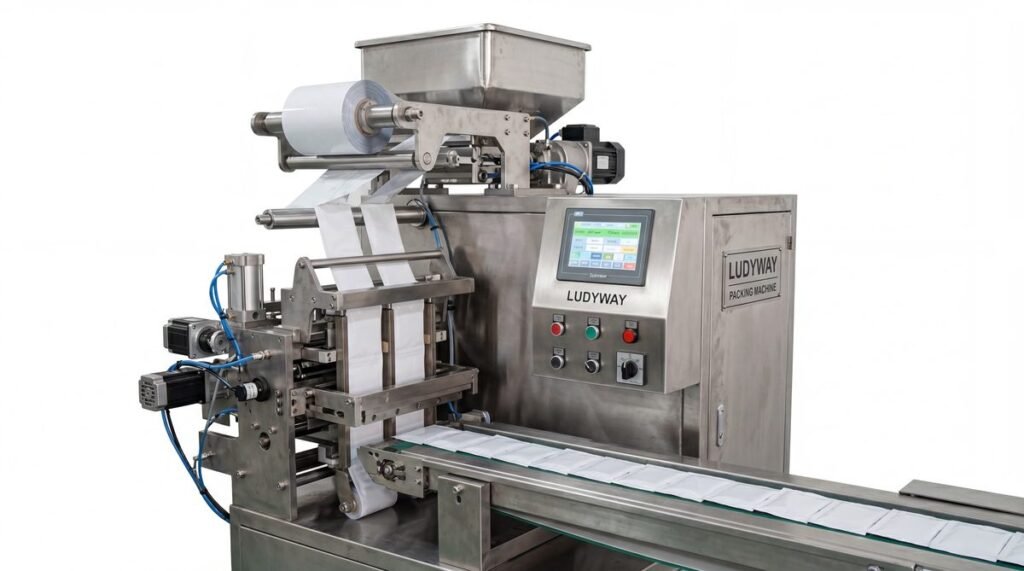
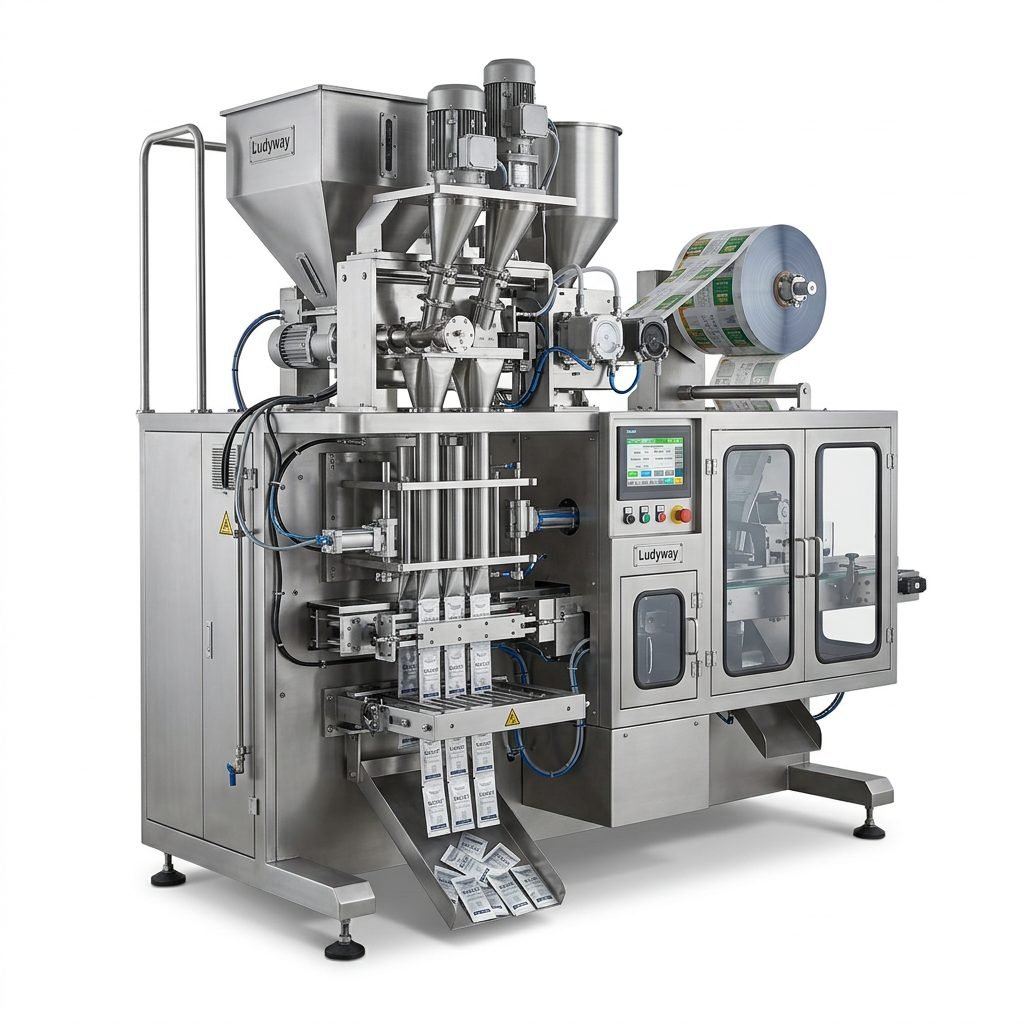
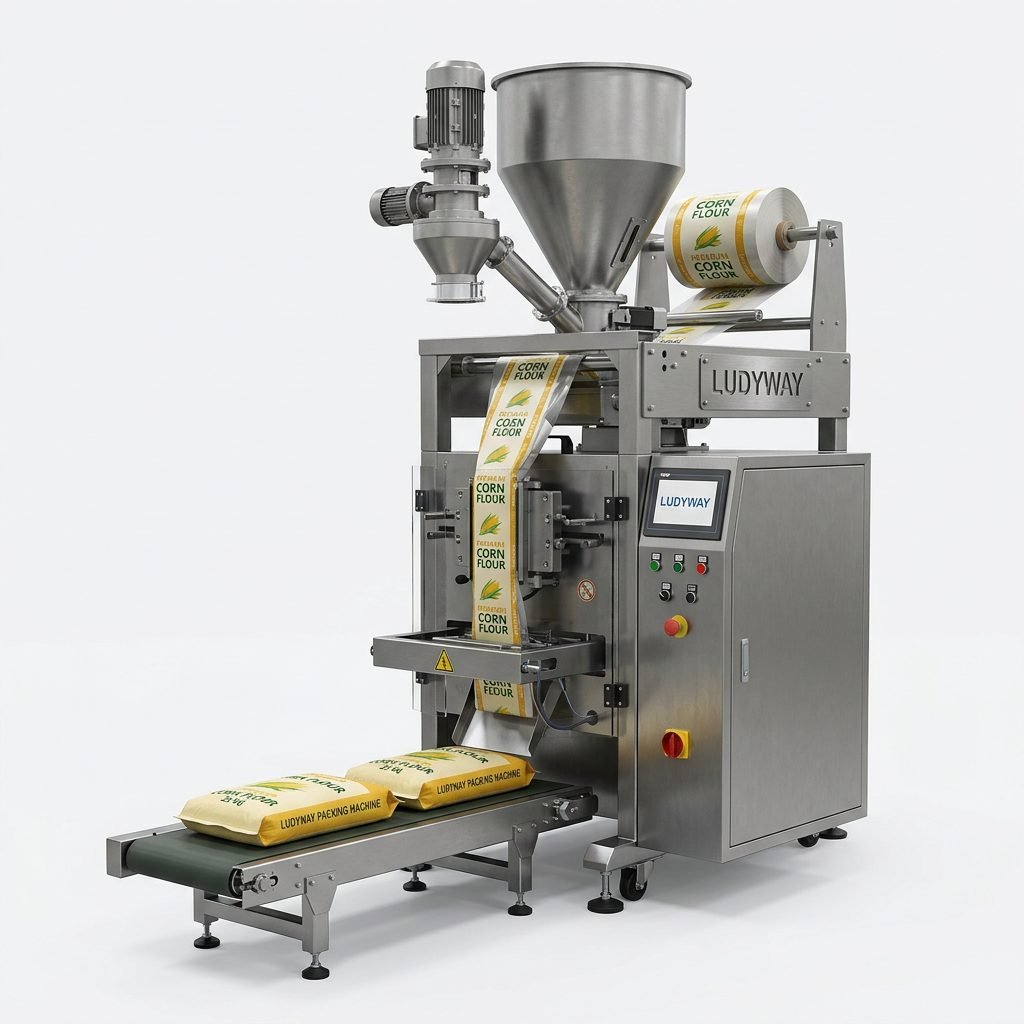
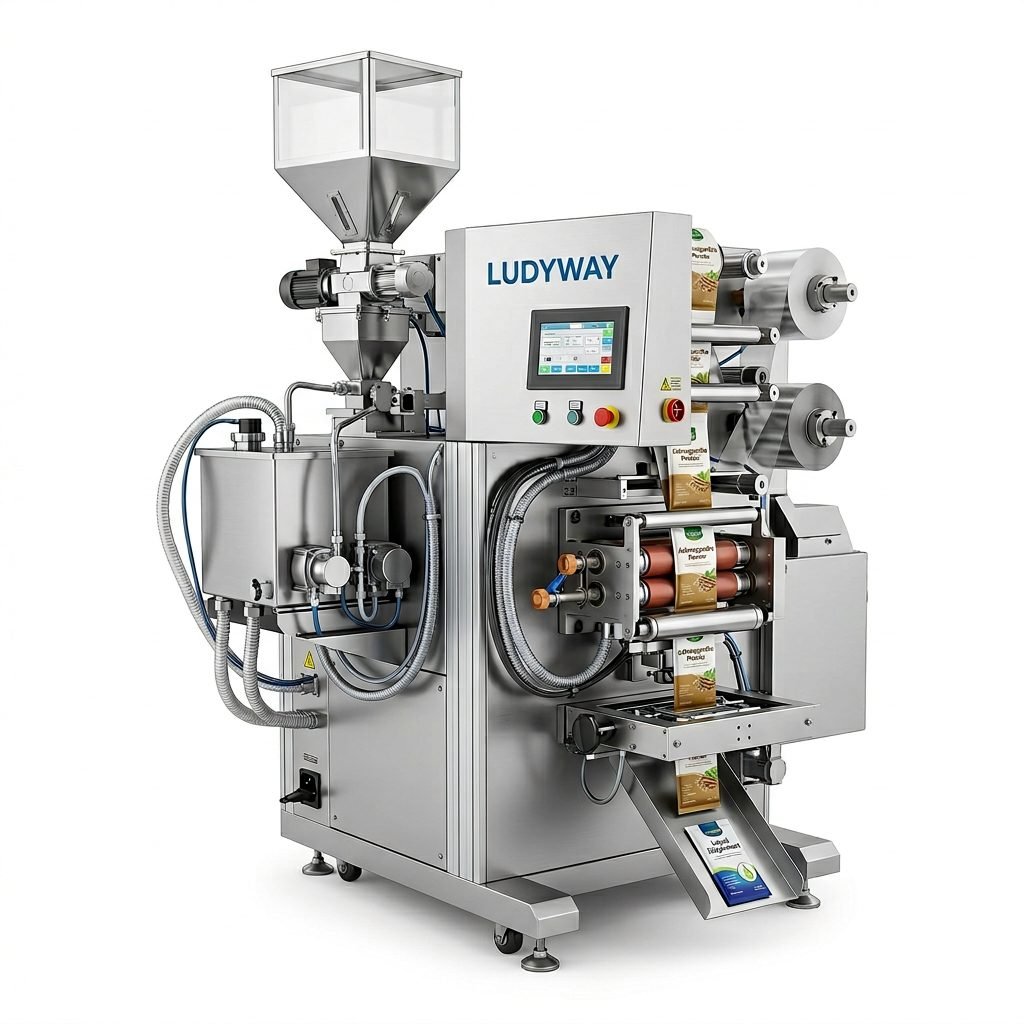
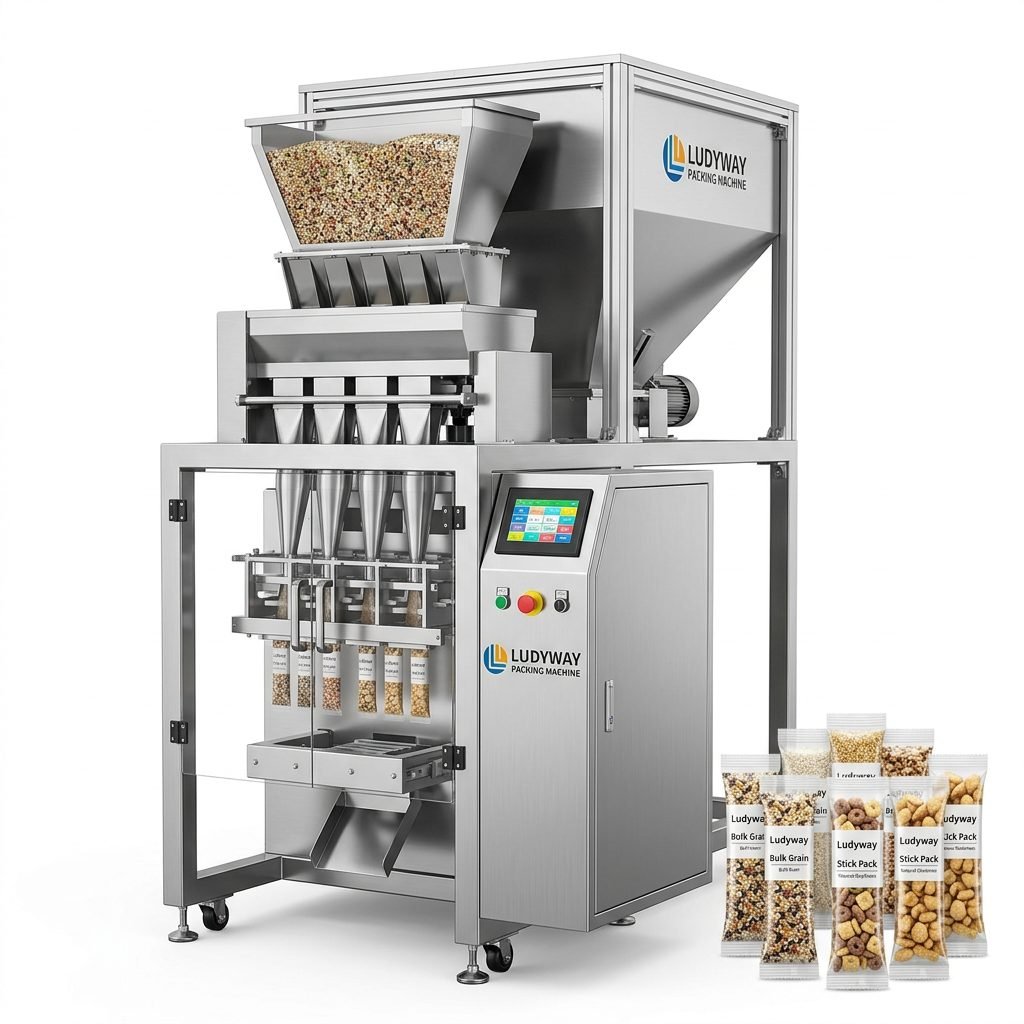
Leveraging a broad portfolio—such as the over 50 intelligent packaging machine models available from experienced providers—engineers select and tailor each component. This isn’t about off-the-shelf products; it’s about configuring multi-lane stick pack machines, precision sachet packagers, or liquid fillers with the exact specifications, from dosing accuracy to sealing integrity, required for your application.
3. Detailed Layout & Factory Floor Planning
Efficient material flow is critical. Engineering services include detailed CAD layouts that optimize the use of your 20,000㎡ facility or smaller spaces. This planning considers operator safety, maintenance access, raw material ingress, and finished goods egress, creating an ergonomic and logical production environment.
4. Control System Integration & Automation
The “brain” of the production line. Engineers integrate programmable logic controllers (PLCs), human-machine interfaces (HMIs), and often higher-level Manufacturing Execution Systems (MES). This unified control allows for centralized monitoring, recipe management, real-time diagnostics, and data collection for performance analysis, turning your packaging line into a smart, connected asset.
5. Installation, Commissioning & Performance Validation
Expert technicians oversee the installation, ensuring every mechanical and electrical connection meets specification. Commissioning involves rigorous testing with your actual products and materials to validate speed, accuracy, and efficiency. The line isn’t handed over until it consistently meets the guaranteed performance criteria, providing true peace of mind.
6. Comprehensive Training & Sustained Technical Support
Empowering your team is essential for long-term success. Engineers provide extensive operational and maintenance training. Furthermore, a robust support system—including remote diagnostics, readily available spare parts, and expert technical assistance—ensures maximum uptime and longevity for your investment, safeguarding your production continuity.
The Tangible Benefits for Your Production Operation
Investing in comprehensive engineering delivers measurable returns across your business.
Operational & Financial Advantages
✓ Enhanced Efficiency & Higher Output: Synchronized lines minimize idle time and bottlenecks, directly increasing throughput and capacity.
✓ Reduced Waste & Lower Total Cost of Ownership: Optimized processes and precise machines reduce product giveaway and material waste. Predictive maintenance planning prevents costly unplanned downtime.
✓ Uncompromised Product Quality & Consistency: Engineered precision ensures every package meets exact weight, seal, and appearance standards, protecting your brand equity.
✓ Improved Scalability & Flexibility: A strategically designed line can accommodate future product variants or increased volumes with modular upgrades, protecting your capital investment over time.
✓ Single-Point Accountability & Reduced Risk: Partnering with one provider for the entire system eliminates finger-pointing between multiple vendors and ensures cohesive project management from concept to production.
Choosing the Right Engineering Partner
Selecting a provider is a strategic decision. Look for a partner with a proven track record, demonstrated by 30+ years of industry experience. Evaluate their technical depth—can they handle the full scope from design to support? Assess their project management capabilities and their commitment to understanding your specific challenges. A partner invested in long-term cooperation and innovation will become a valuable extension of your engineering team.
Ultimately, Comprehensive Packaging Equipment Engineering is not an expense; it is an investment in the foundational reliability and efficiency of your production. It transforms a collection of machines into a streamlined, intelligent, and adaptable production asset. By focusing on the system as a whole, manufacturers can achieve new levels of productivity, quality, and agility, securing a powerful competitive advantage in the global marketplace. Partnering with an expert like Ludyway Machinery ensures this complex process is managed with expertise, from initial concept through to decades of reliable operation.
Frequently Asked Questions (FAQs)
1. How does a “turnkey” engineering service differ from buying machines separately?
A turnkey service provides a complete, ready-to-operate solution. The engineering partner manages everything from design, equipment selection, integration, installation, testing, and training. You receive a fully validated production line, whereas buying machines separately leaves you responsible for integration, compatibility issues, and performance gaps, often leading to higher long-term costs and delays.
2. What is the typical timeline for a complete packaging line engineering project?
Timelines vary based on complexity and customization. A standard integrated line project can take from 4 to 9 months from initial consultation to full production. This includes design, manufacturing, factory acceptance testing, shipping, installation, and on-site commissioning. Complex, highly customized systems may require a longer timeline.
3. Can you retrofit or upgrade our existing packaging equipment?
Yes, a core part of comprehensive engineering is optimizing existing assets. Providers can audit your current line, identify bottlenecks or outdated components, and design upgrade packages. This may involve integrating new control systems, adding automated modules, or reconfiguring layouts to improve performance without the cost of a completely new line.
4. How do you ensure the engineered line will work with our specific product?
Reputable providers conduct extensive product testing during the design phase. They will request samples of your product and packaging materials to run trials on their equipment. This empirical data informs machine selection and configuration. Furthermore, final commissioning is always performed at your facility using your actual materials to guarantee performance.
5. What kind of post-installation support can we expect?
Comprehensive support includes detailed operator and maintenance training manuals, on-site training sessions, remote technical support via phone or video, access to a digital spare parts catalog, and scheduled preventive maintenance visits. The goal is to ensure your team is fully empowered and the line maintains optimal uptime throughout its lifecycle.