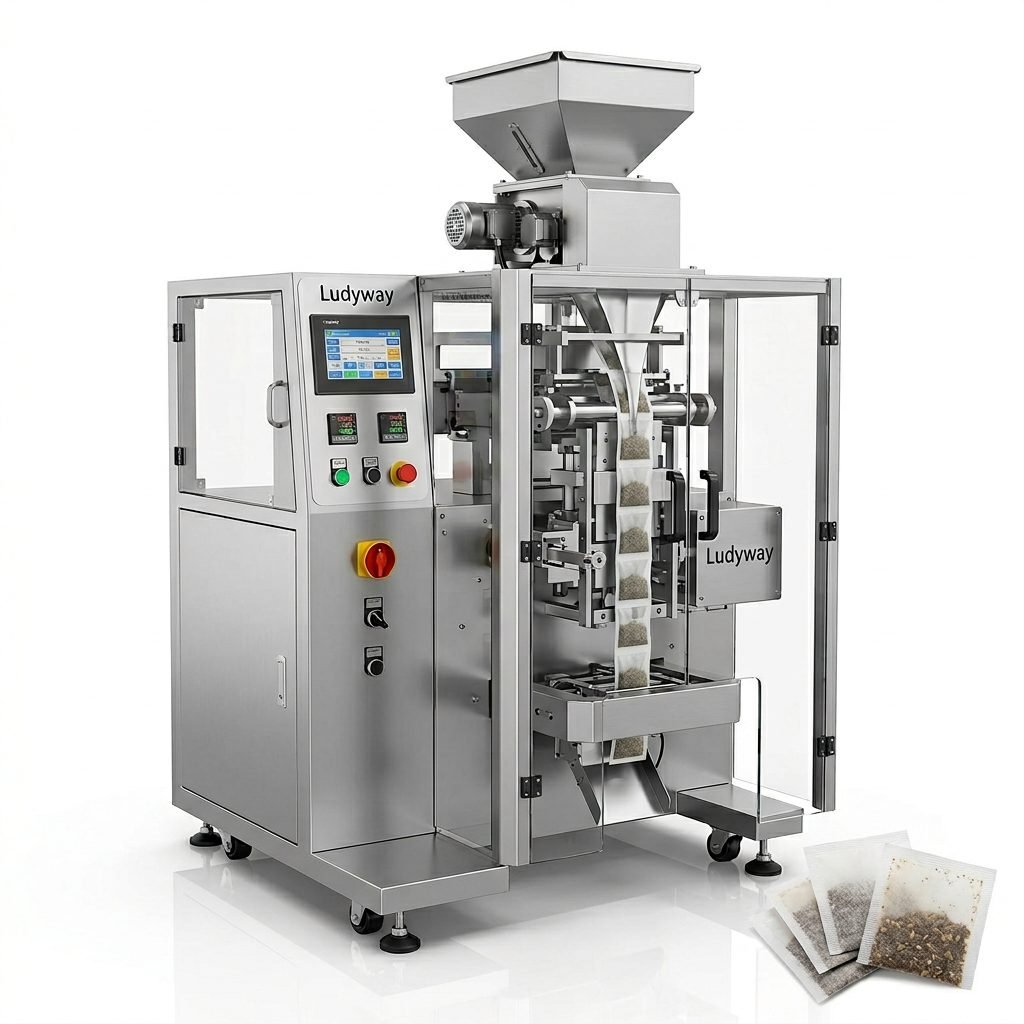
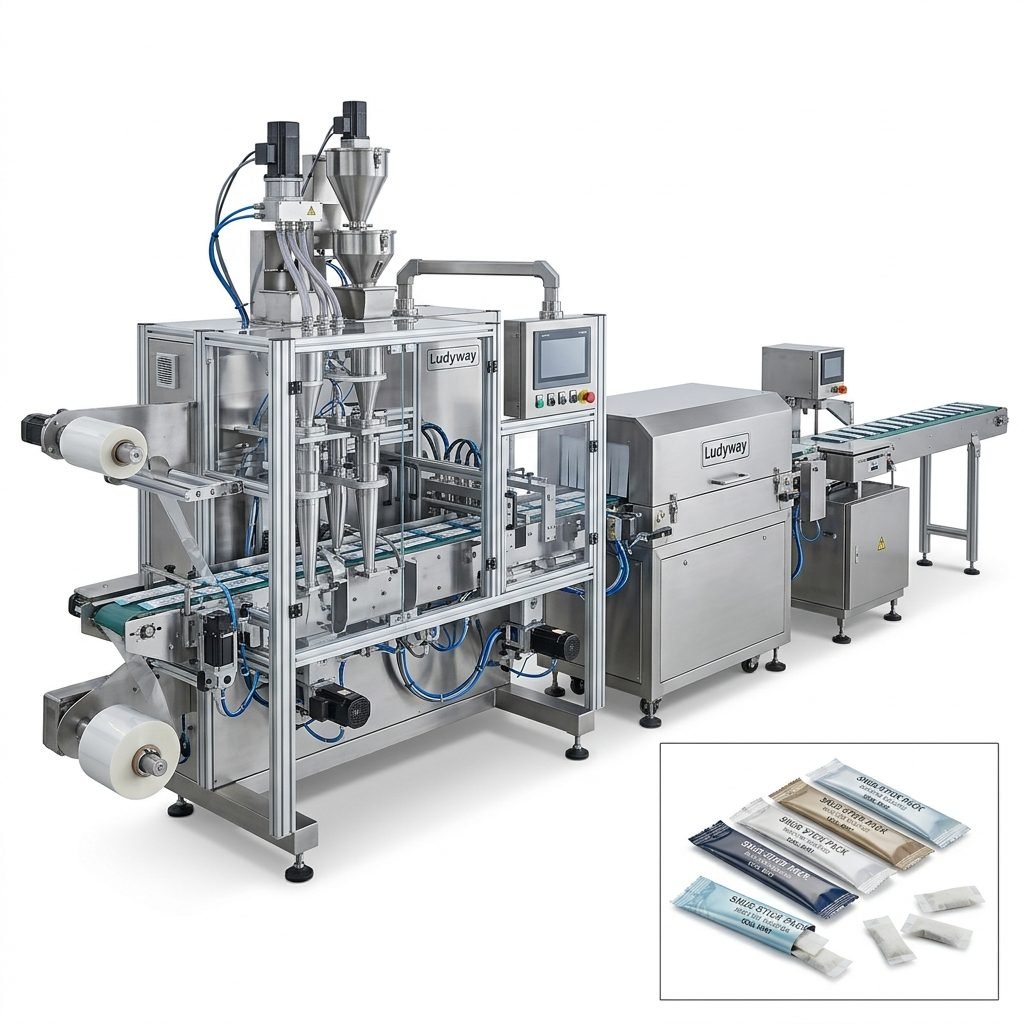
In today’s fast-paced manufacturing environment, selecting the best parts packaging machine solutions is crucial for achieving efficient and automated component packing. These advanced systems not only streamline operations but also enhance precision, reduce labor costs, and minimize errors. Whether you are packaging small electronic components, automotive parts, hardware items, or pharmaceutical supplies, investing in the right automated packaging technology can transform your production line.
Why Automated Parts Packaging is Essential for Modern Manufacturing
Automation in parts packaging brings numerous benefits that directly impact productivity and profitability. Manual packaging processes are often slow, inconsistent, and prone to human error. In contrast, automated systems ensure each component is packed with exact uniformity, at high speeds, and with minimal waste. This is especially vital in industries where precision, traceability, and hygiene are non-negotiable.
Furthermore, automated packaging solutions allow for seamless integration with existing production lines. They can handle a wide variety of part sizes, shapes, and materials, from tiny screws and bolts to delicate medical devices. By adopting these systems, manufacturers can respond more agilely to market demands, scale production up or down efficiently, and maintain a competitive edge.
Key Features to Look for in a High-Performance Parts Packaging Machine
When evaluating different parts packaging machine solutions, several core features determine their effectiveness and suitability for your specific needs.
- Versatility and Flexibility: The best machines can quickly adapt to different part types and packaging formats (e.g., blister packs, pouches, trays, clamshells) with minimal changeover time.
- Speed and Throughput: High-speed operation is critical for meeting large-volume orders without bottlenecks. Look for machines with optimized cycles per minute.
- Precision and Accuracy: Advanced vision systems and sensors ensure each part is correctly oriented, counted, and placed, eliminating underfills or overfills.
- Robust Construction and Reliability: Durable frames and high-quality components minimize downtime and ensure long-term, consistent performance in industrial environments.
- User-Friendly Interface: An intuitive HMI (Human-Machine Interface) allows for easy programming, monitoring, and troubleshooting by operators.
Types of Automated Packaging Systems for Components
The market offers a range of specialized machines, each designed for specific packaging tasks and part characteristics.
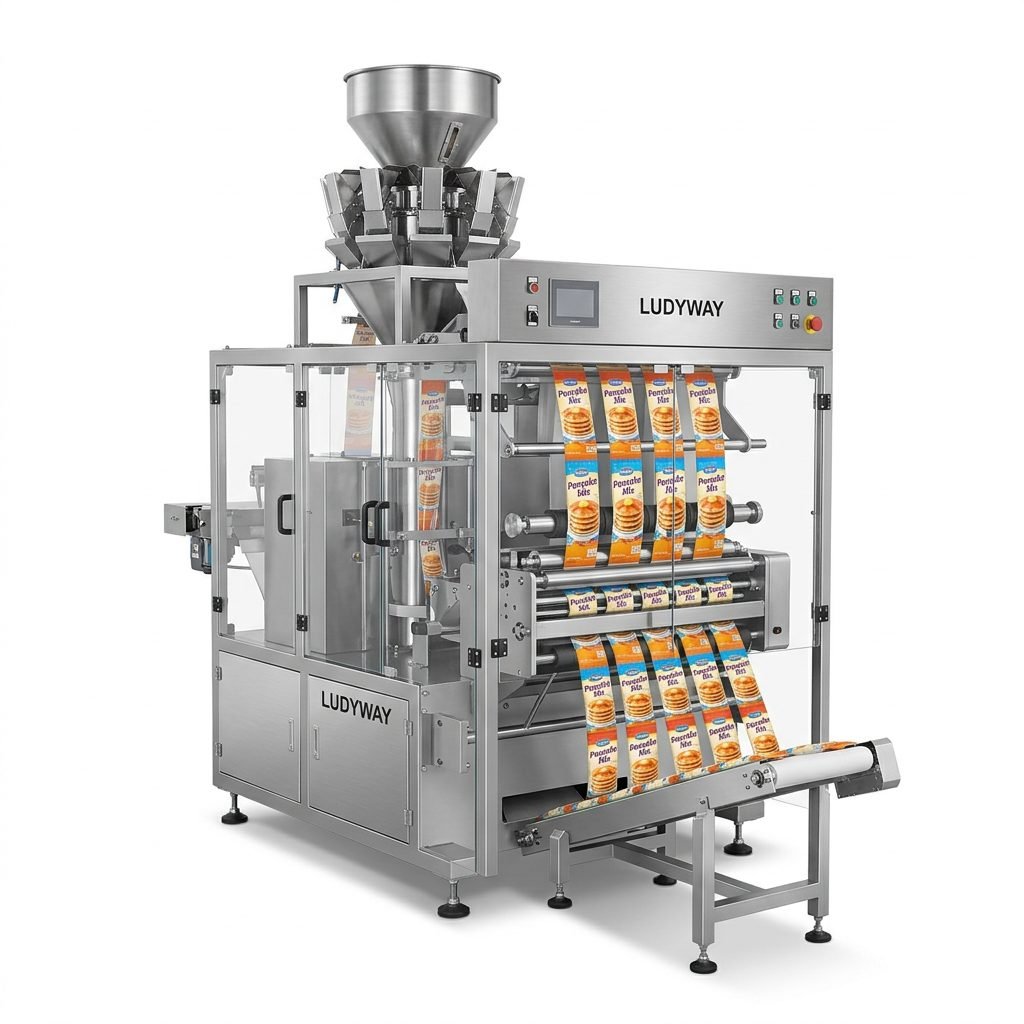
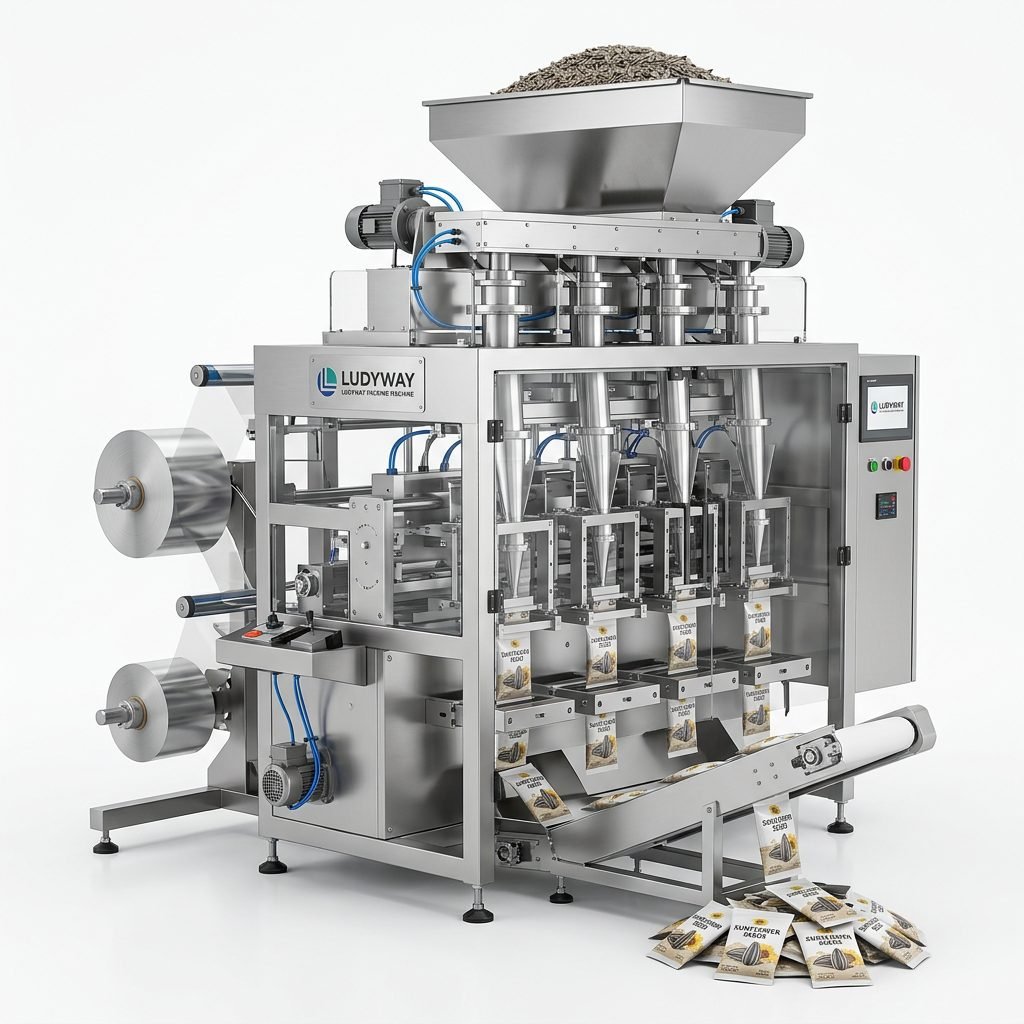
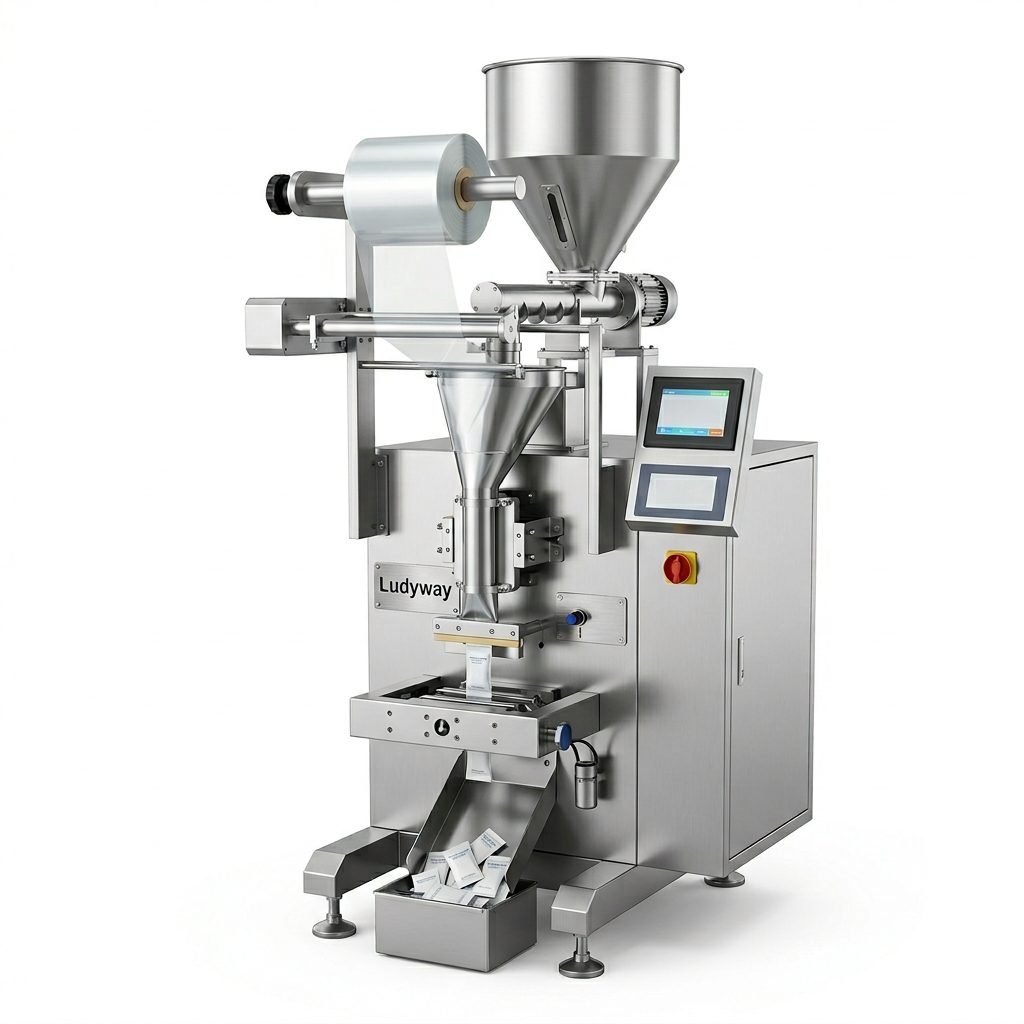
Vertical Form-Fill-Seal (VFFS) Machines
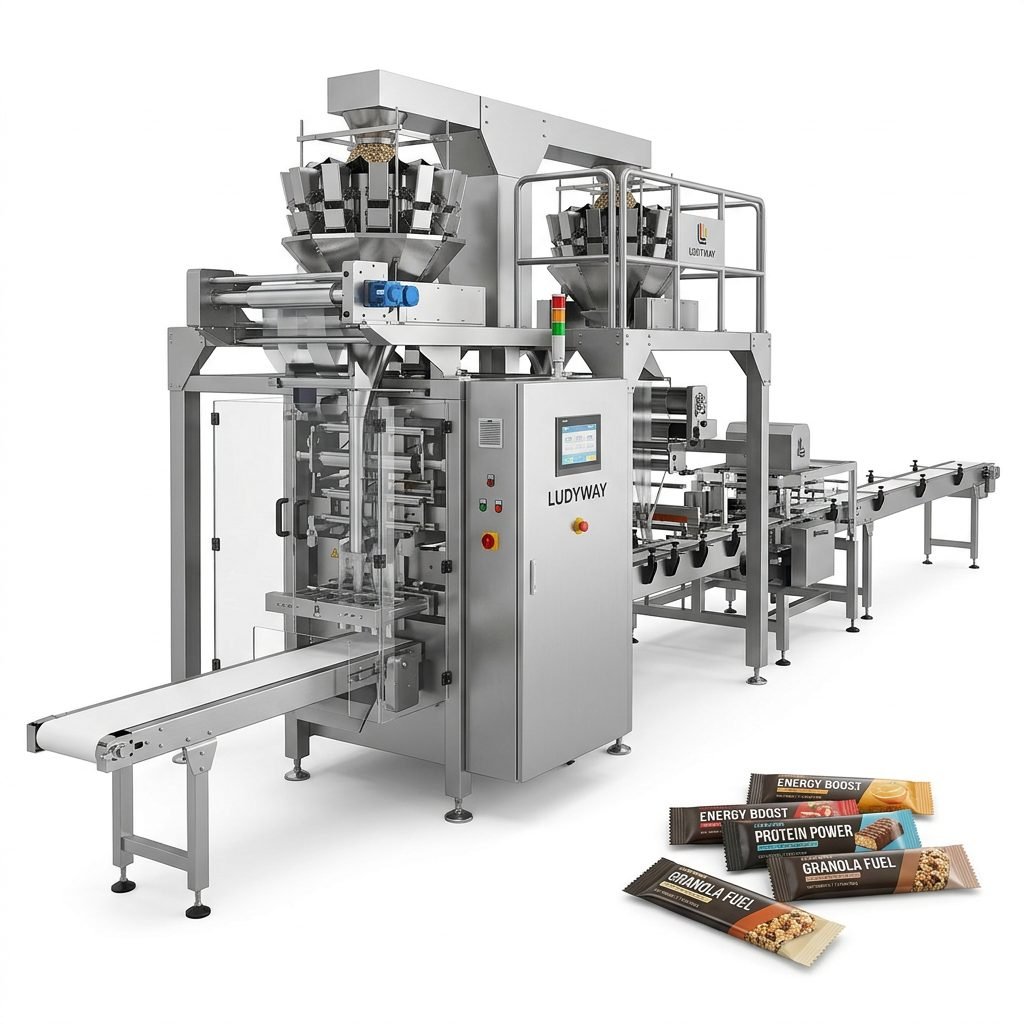
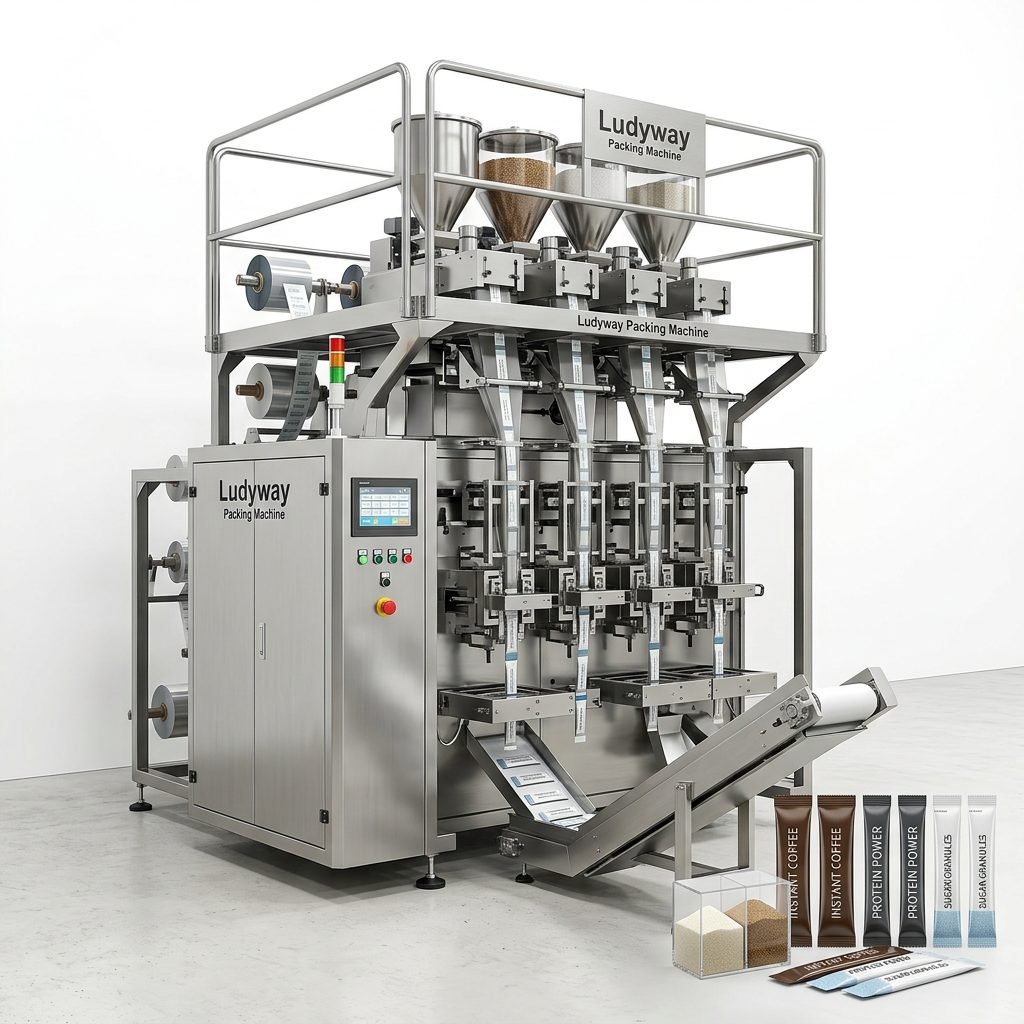
Ideal for packaging loose parts into pouches or bags. These machines form the bag from a roll of film, fill it with a pre-measured count or weight of components, and then seal it. They are highly efficient for granules, small hardware, and fasteners.
Blister Packaging Machines
Perfect for retail-ready packaging of individual items. They form a plastic cavity (blister) around the part and seal it to a cardboard backing. This method provides excellent product visibility and protection, commonly used for electronic components, pharmaceuticals, and consumer goods.
Counting and Sorting Systems
These systems use advanced optical or weighing technology to accurately count small parts before they are fed into the packaging machine. This is essential for industries where exact quantities are legally or functionally mandated.
Cartoning and Tray Packing Machines
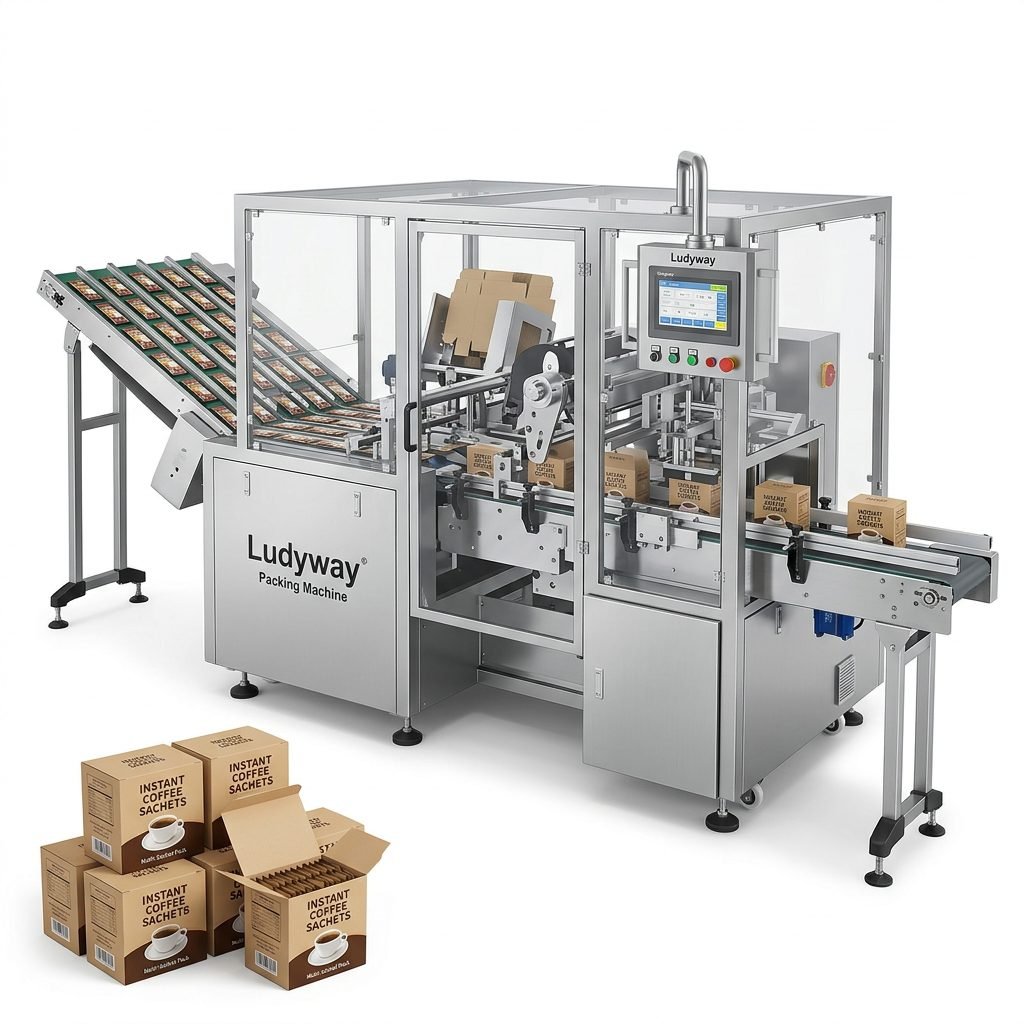
For packaging multiple parts into boxes, cartons, or trays. They can automatically erect the carton, insert the components (often fed from a previous system), and close it. This is a key step in creating bulk shipment packs or retail displays.
Integrating Automation: Building a Turnkey Packaging Line
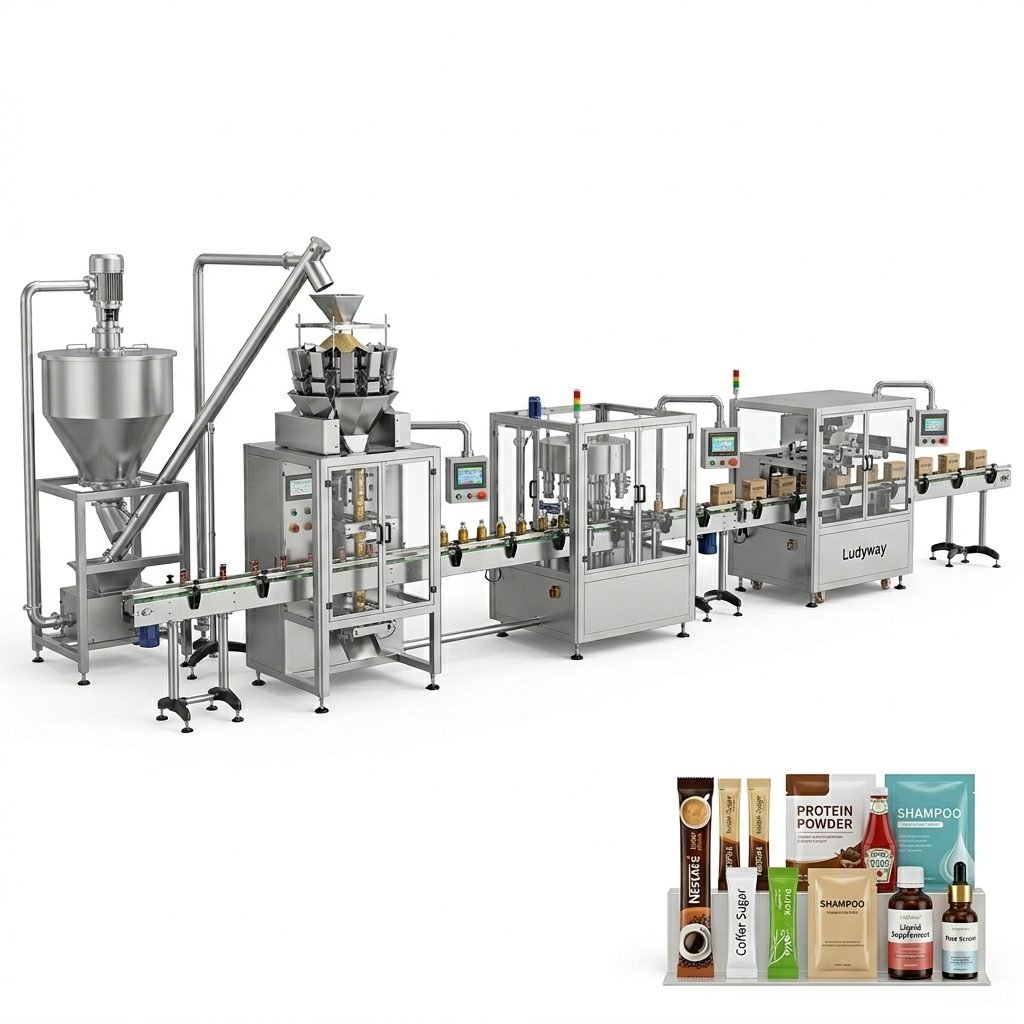
For maximum efficiency, a single machine is often part of a larger, integrated system. A complete turnkey solution might include:
- Component Feeding and Orientation: Systems like vibratory bowls or conveyors that align parts correctly.
- Primary Packaging Machine: The core VFFS, blister, or other machine that performs the first-level pack.
- Inspection and Checkweighing: Stations that verify count, weight, or seal integrity, rejecting any faulty packs.
- Secondary Packaging: Equipment that groups primary packs into cartons or cases.
- Palletizing and End-of-Line: Robots or systems that stack finished cases onto pallets for shipping.
Partnering with an experienced provider like Ludyway Machinery ensures all these elements work in harmony. With over 30 years of industry experience, they specialize in designing such cohesive, automated lines tailored to specific production goals.
Benefits Beyond Efficiency: Quality, Safety, and Sustainability
The advantages of automated parts packaging extend far beyond speed.
Enhanced Product Quality and Consistency: Automated handling reduces part damage and ensures every package meets the same high standard.
Improved Workplace Safety: Automating repetitive and potentially hazardous tasks minimizes worker strain and injury risk.
Reduced Material Waste: Precise control over film, cardboard, and other materials leads to significant cost savings and a smaller environmental footprint.
Complete Traceability: Modern machines can log production data, enabling full batch tracking for quality control and regulatory compliance.
Choosing the Right Partner for Your Packaging Automation Journey
Selecting the machinery is only half the battle; choosing the right supplier is equally critical. A reliable partner should offer:
- In-depth application analysis and custom solution design.
- Robust after-sales support, including training, spare parts, and technical service.
- A proven track record in your specific industry.
Companies that invest in continuous innovation, like those developing intelligent multi-lane packaging systems, are often better equipped to provide future-proof solutions. Exploring a company’s history and expertise can give valuable insight into their capability to deliver lasting value.
Frequently Asked Questions (FAQs)
1. What is the typical ROI for an automated parts packaging machine?
Return on investment (ROI) varies based on production volume, labor costs, and the specific machine. However, many manufacturers see a full ROI within 12 to 24 months due to dramatic increases in output, reduced labor expenses, and lower material waste.
2. Can one machine handle parts of vastly different sizes and shapes?
Many modern machines are designed with quick-change tooling and adjustable settings to accommodate a range of products. However, for extremely diverse part profiles, a modular system or multiple dedicated machines might be more efficient. A consultation with an expert is recommended to assess your needs.
3. How important is after-sales service when purchasing packaging equipment?
Extremely important. Reliable technical support, readily available spare parts, and operator training are essential for minimizing downtime and ensuring the long-term productivity of your investment. Always evaluate a supplier’s service network and support commitments.
4. Are automated packaging systems difficult for operators to learn and use?
Not at all. Today’s systems feature intuitive touch-screen interfaces with recipe storage and step-by-step guides. Most suppliers provide comprehensive on-site training to ensure your team can operate, perform basic maintenance, and troubleshoot the machine confidently.
5. How do I ensure the machine meets industry-specific regulations (e.g., for pharmaceuticals or food-contact parts)?
Work with a supplier who has experience in your industry. They should be able to provide machines built with compliant materials (e.g., stainless steel, FDA-approved plastics), design features that meet GMP guidelines, and the necessary documentation for validation processes.