In today’s fast‑paced industrial landscape, achieving consistent product quality, maintaining stringent hygiene standards, and maximizing production efficiency are paramount. For sectors like food, pharmaceuticals, and general manufacturing, the right packaging equipment is not merely a production step—it’s a critical component of brand integrity, regulatory compliance, and market competitiveness. High‑performance packaging solutions bridge the gap between raw production and a market‑ready product, ensuring protection, accuracy, and appeal.
The Critical Role of Specialized Packaging Equipment
Packaging serves multiple vital functions: it preserves product freshness and potency, provides essential consumer information, and acts as the primary marketing interface. In sensitive industries, the stakes are even higher.
Why Industry‑Specific Design Matters
Generic packaging systems often fall short of meeting the unique demands of different sectors. High‑performance equipment is engineered with these specific challenges in mind, incorporating features that address cleanliness, precision, and adaptability directly.
For the Food Industry: Safety, Speed, and Freshness
Food packaging must guard against contamination, manage varied consistencies (from granules to viscous liquids), and often operate at high speeds to meet large‑scale demand. Advanced solutions offer:
- Hygienic Construction: Easy‑clean surfaces and compliance with food‑safe material standards.
- Accuracy & Consistency: Precise filling to minimize product giveaway and ensure uniform portioning.
- Flexibility: Quick changeover capabilities to handle different product types and package sizes, reducing downtime.
For the Pharmaceutical & Health Industries: Precision and Compliance
This sector demands uncompromising precision and strict adherence to regulatory standards (e.g., GMP, FDA). Packaging equipment here is pivotal for:
- Dosage Accuracy: Micro‑level precision in filling powders, granules, or liquids is non‑negotiable for efficacy and safety.
- Contamination Control: Designs that prevent cross‑contamination and facilitate sterile or clean‑room operation.
- Traceability & Documentation: Integration capabilities for serialization and data logging to support audit trails.
For General Manufacturing: Durability and Efficiency
From chemicals to consumer goods, manufacturing packaging needs robust, reliable, and cost‑effective solutions that can handle diverse materials and optimize logistics.
Key Features of Modern High‑Performance Packaging Systems
Contemporary high‑performance packaging machinery integrates several advanced technologies to deliver superior results.
Core Technological Advancements
1. Intelligent Automation & PLC Control: Modern systems are governed by sophisticated Programmable Logic Controllers (PLCs) and touch‑screen HMIs. This allows for precise parameter setting, recipe storage for quick changeovers, and real‑time monitoring of production metrics like speed, count, and error rates.
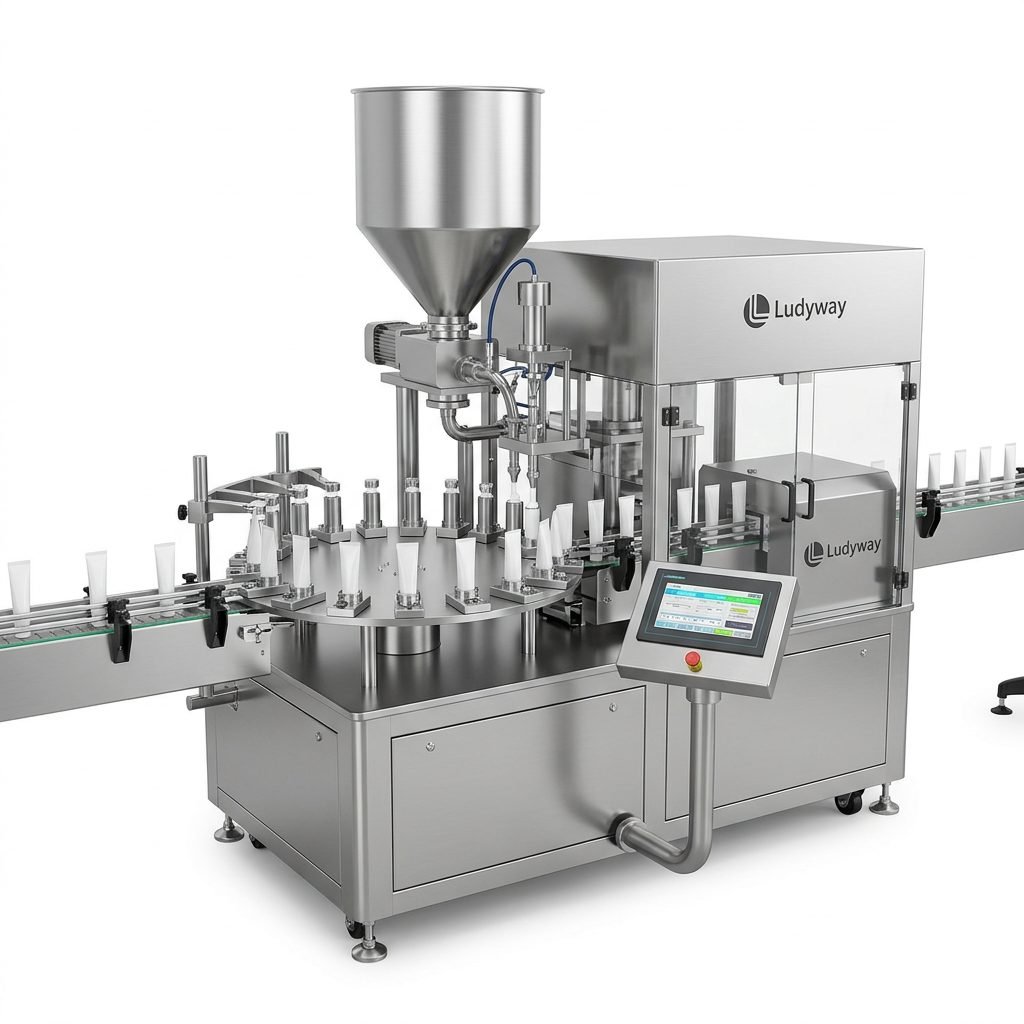
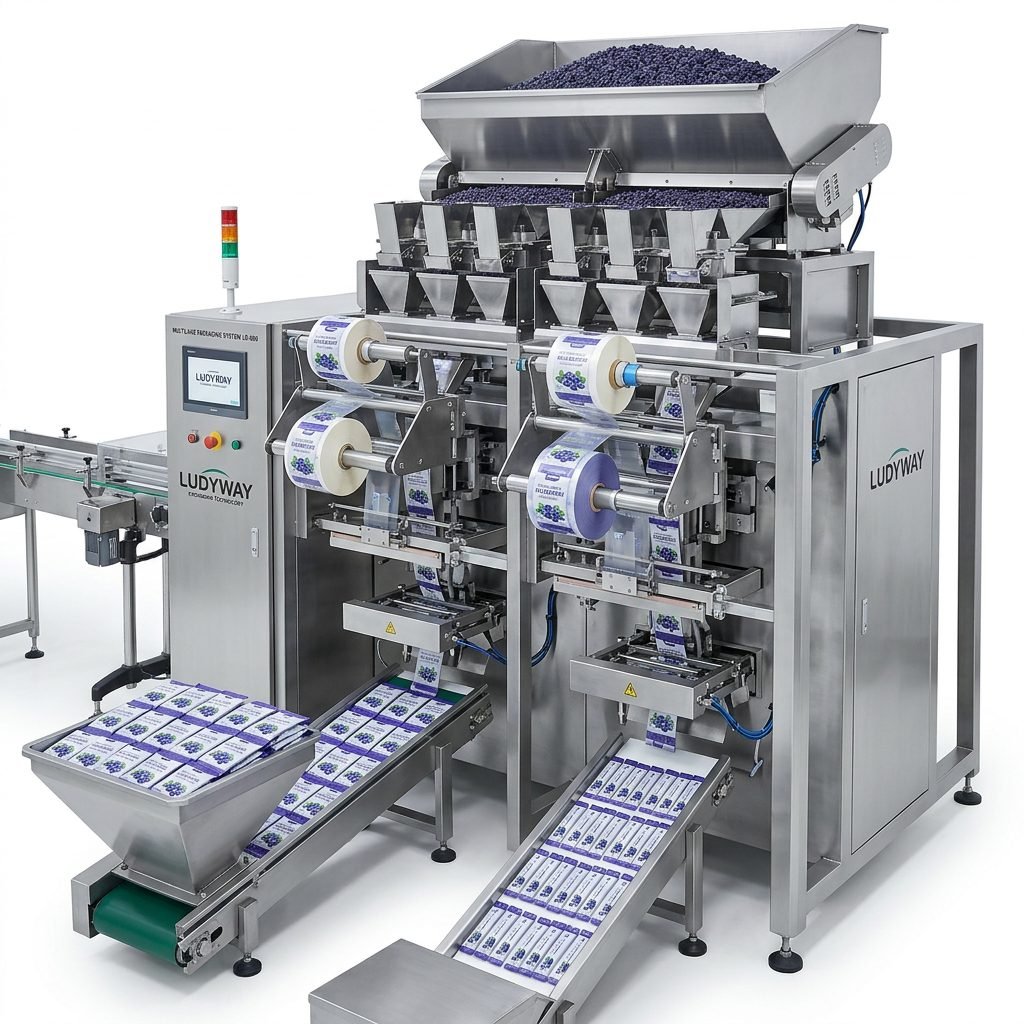
2. Precision Filling Technology: Whether using auger fillers for powders, volumetric cups for granules, or piston pumps for liquids, the focus is on achieving accuracy with minimal waste. Advanced systems feature servo‑motor drives for unparalleled filling consistency.
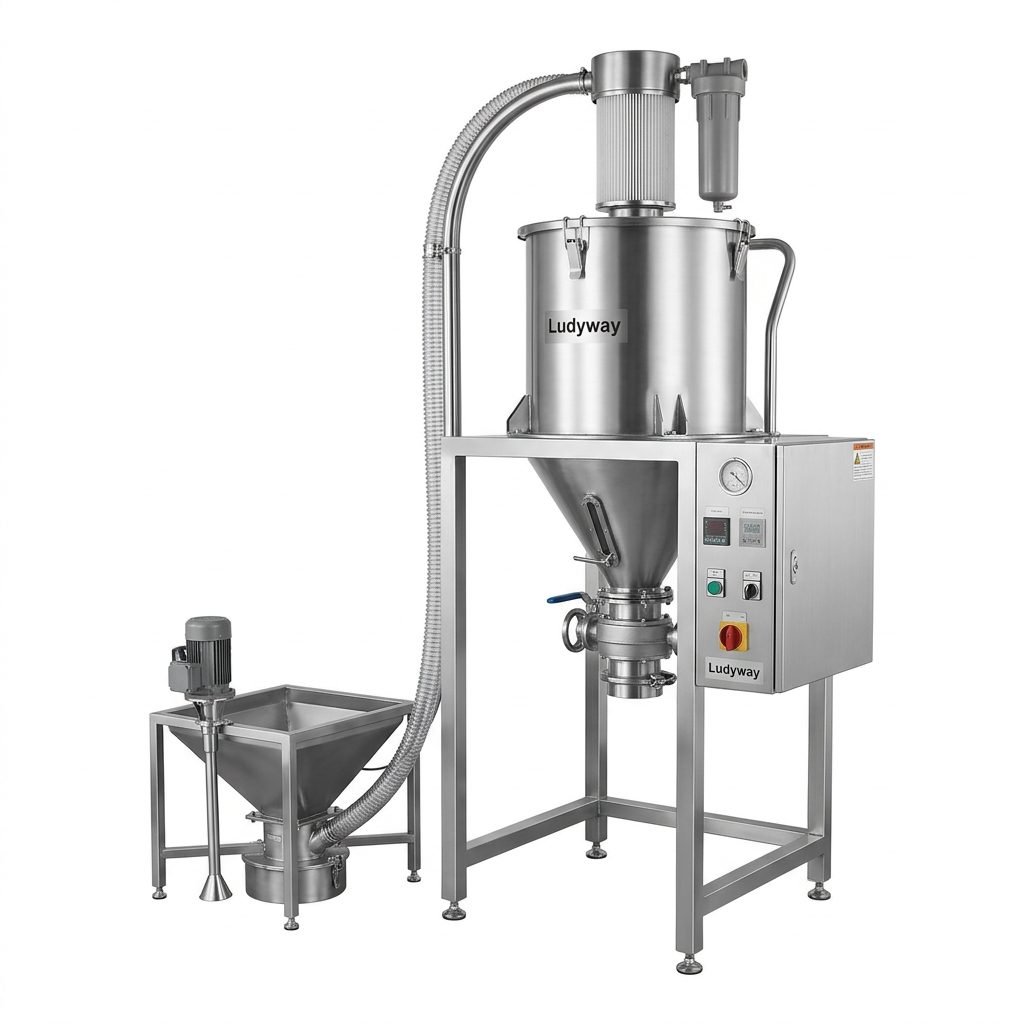
3. Robust & Hygienic Material Handling: Construction from high‑grade stainless steel (e.g., SS304, SS316) ensures durability, corrosion resistance, and ease of sanitation. Designs often feature rounded corners and minimized crevices.
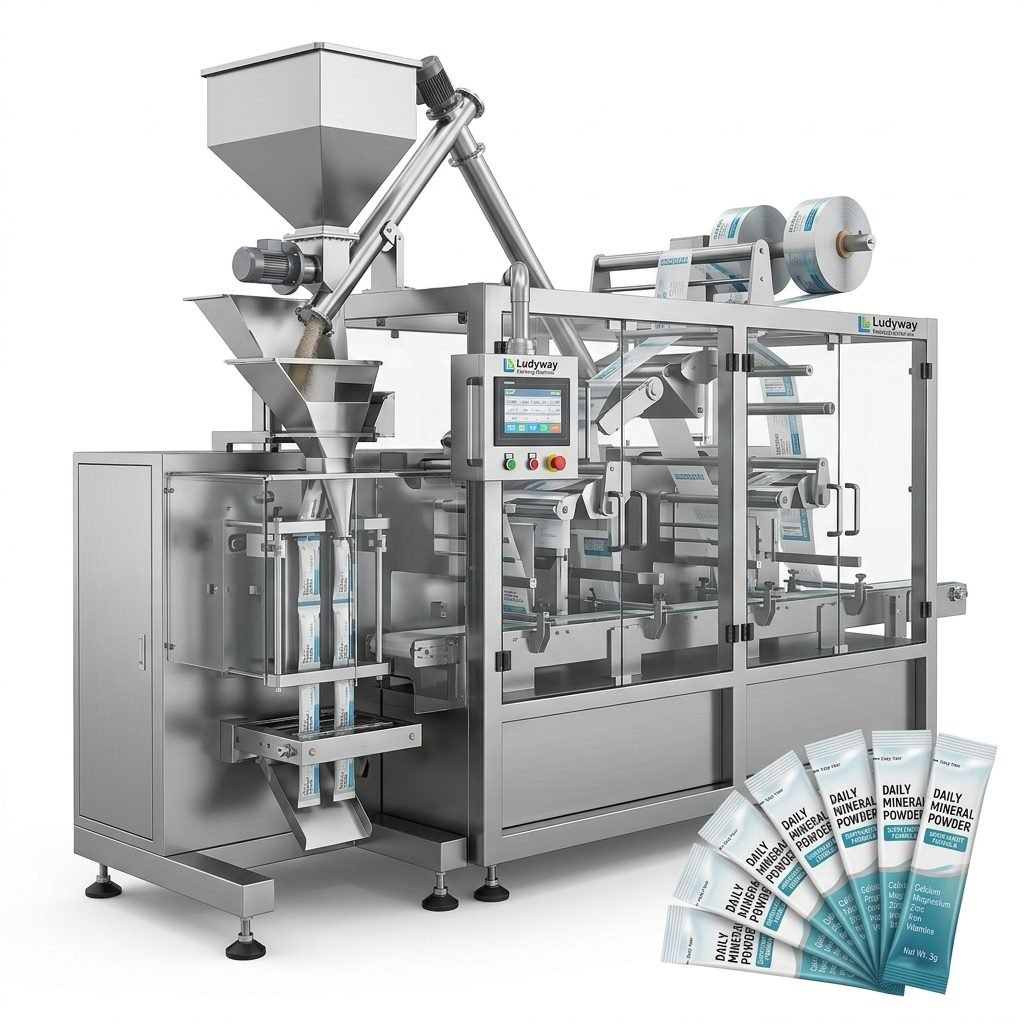
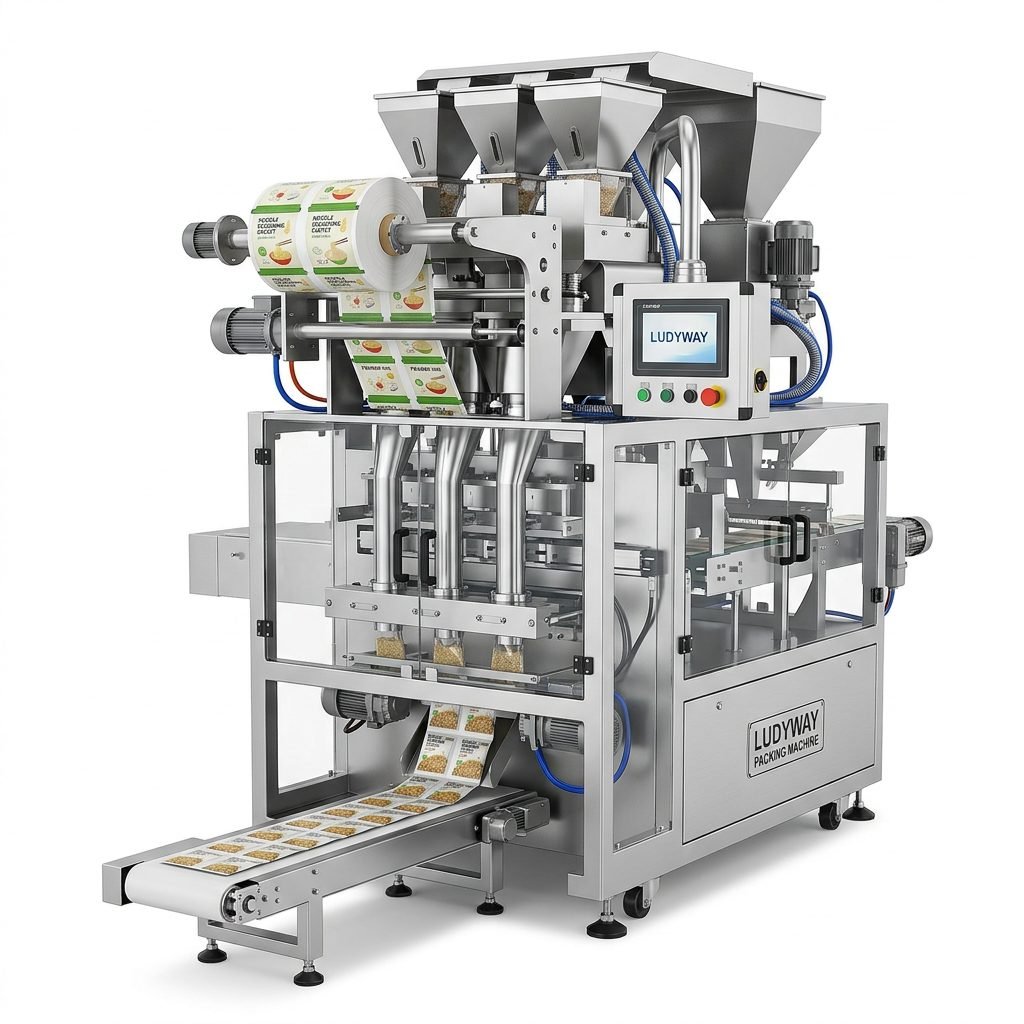
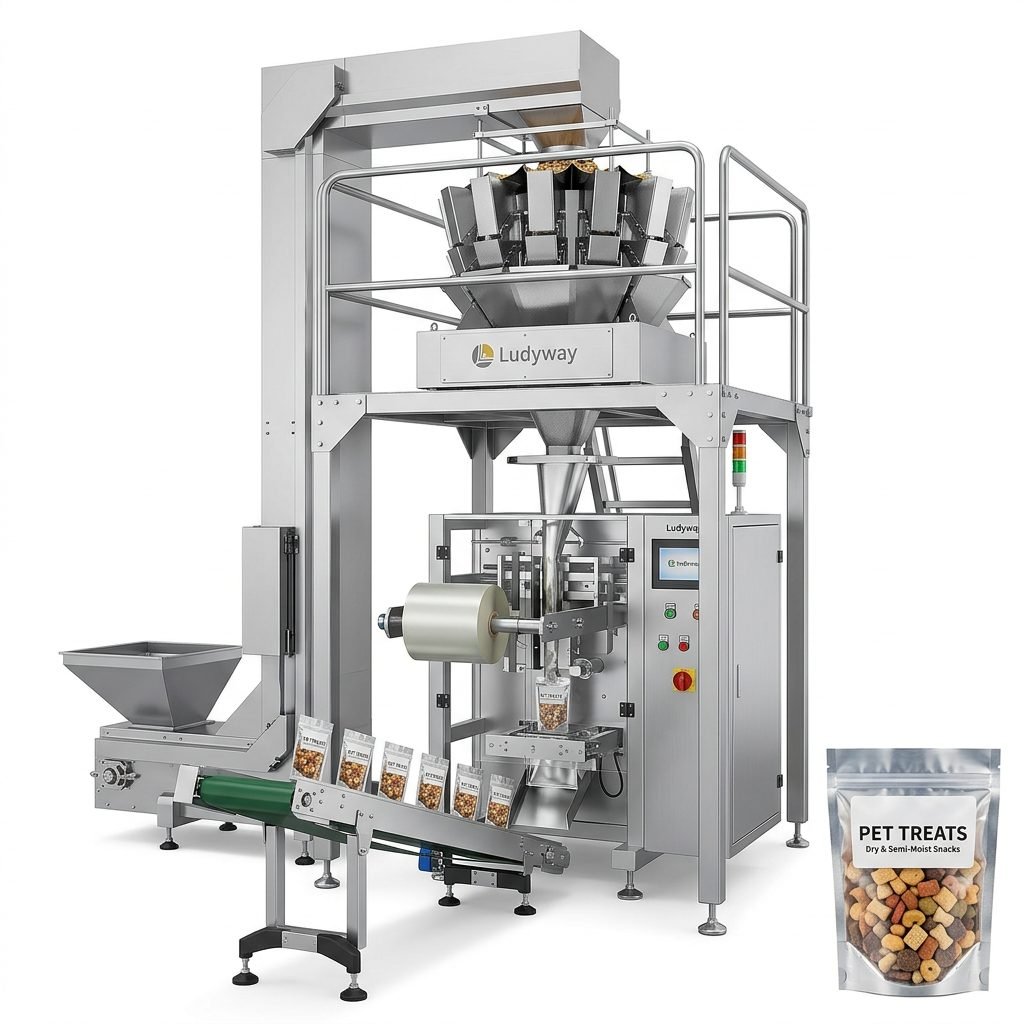
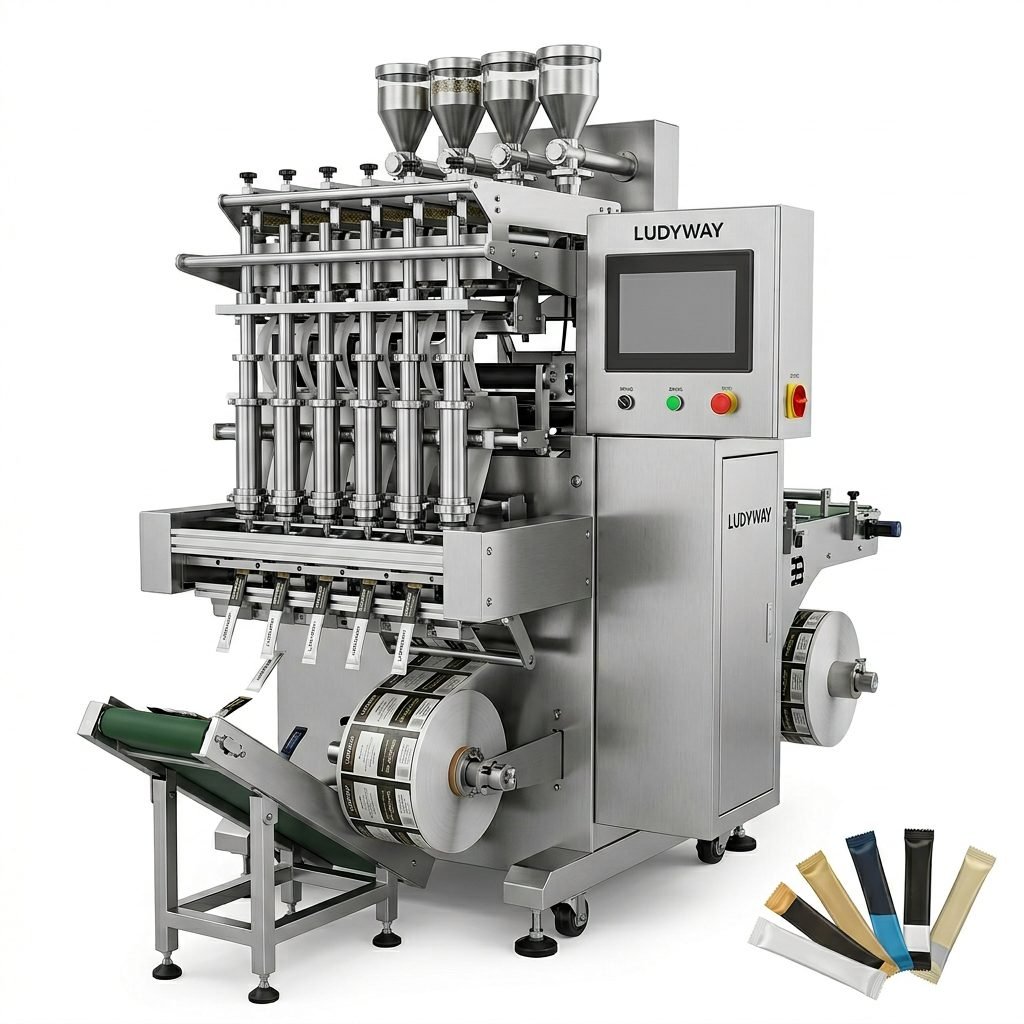
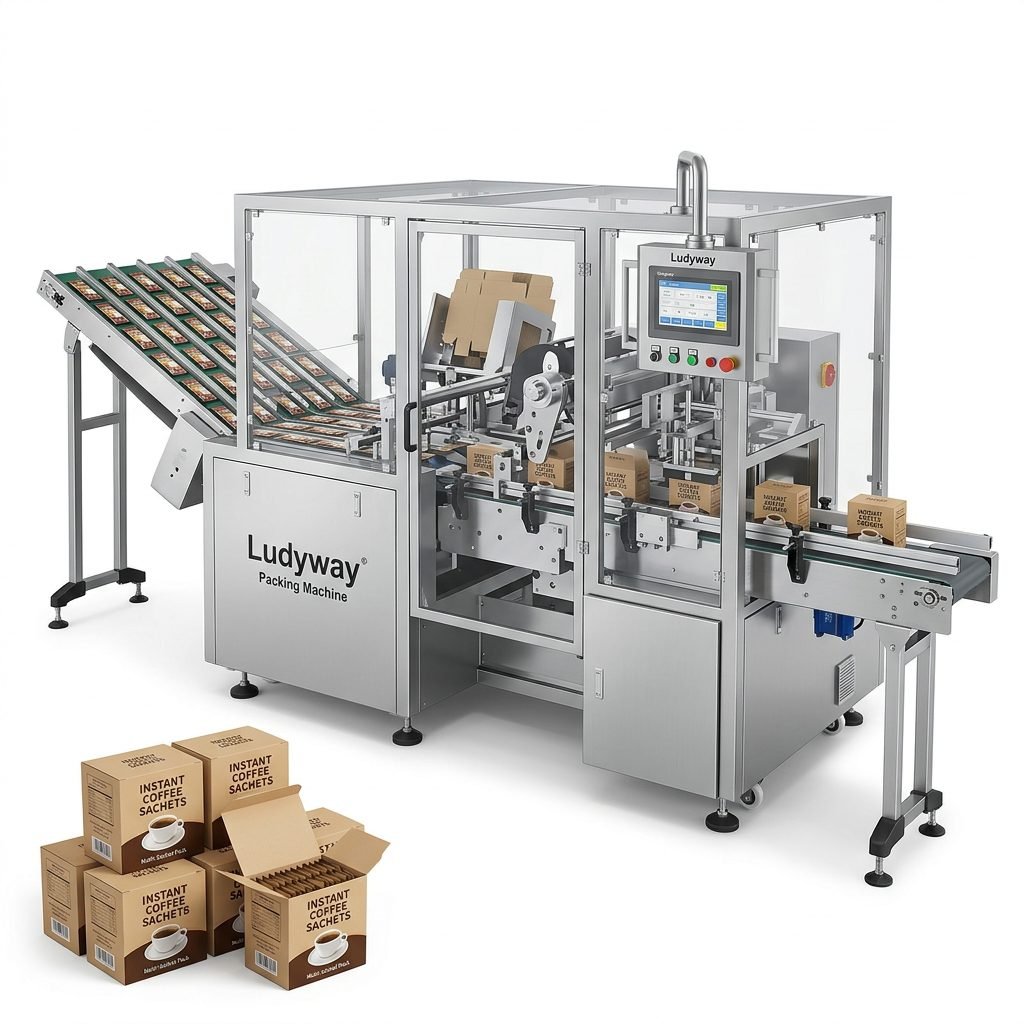
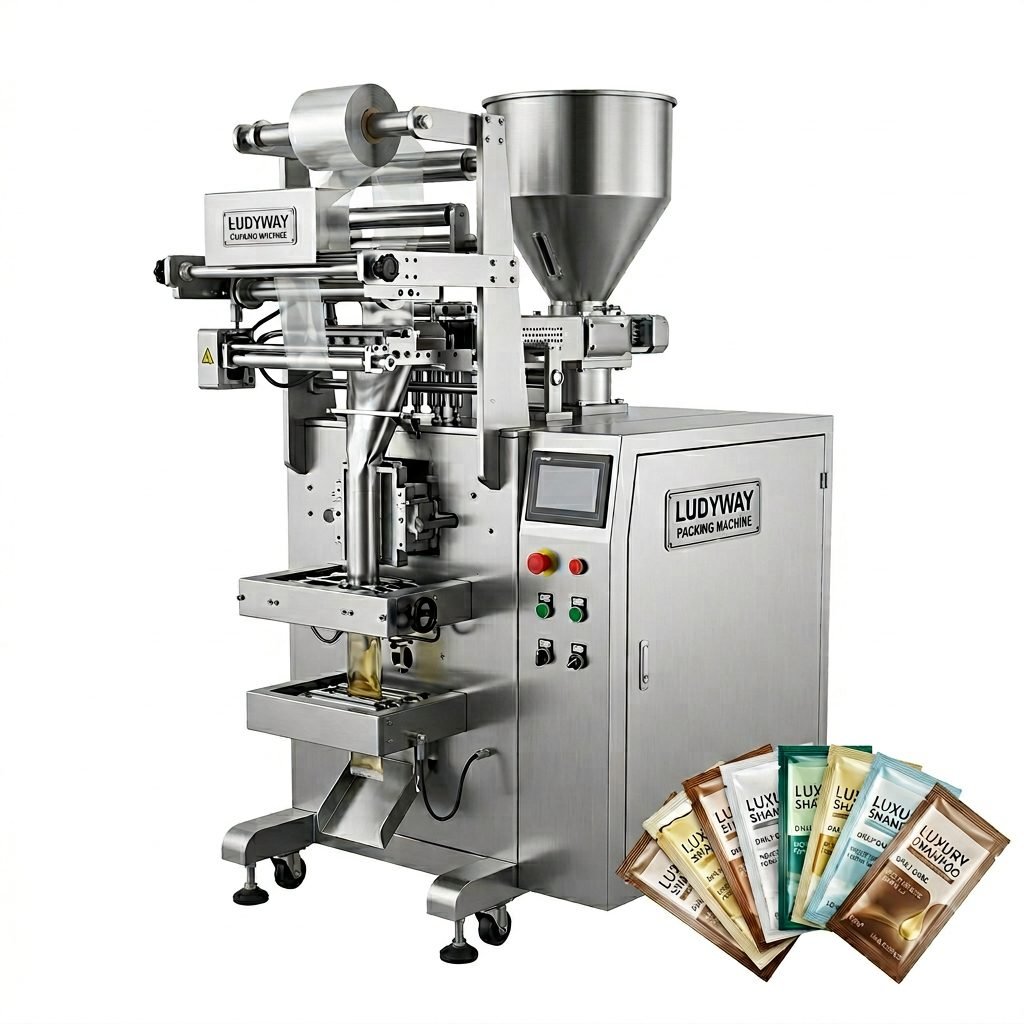
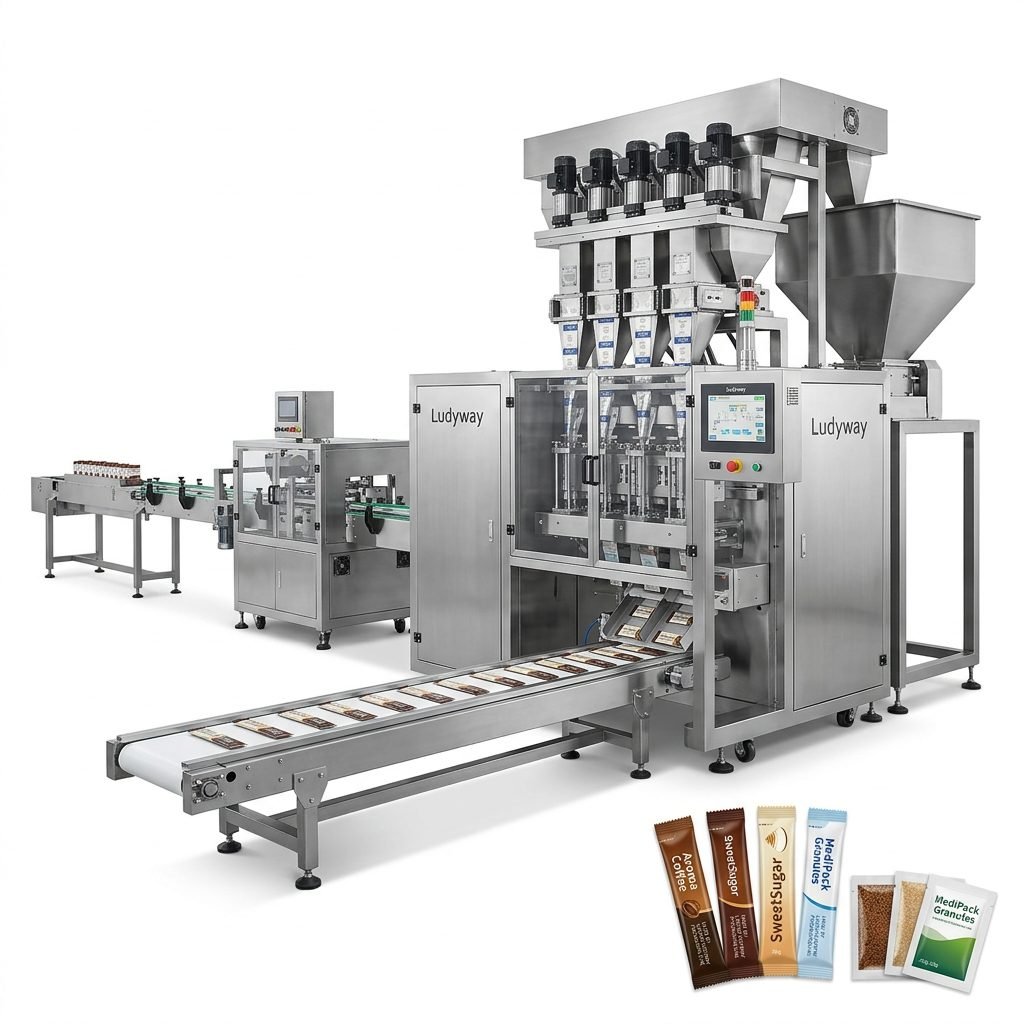
4. Versatile Packaging Formats: Leading equipment can produce multiple package types, such as stick packs, sachets, and pouches, on a single platform with modular tooling changes.
Implementing a Tailored Packaging Solution: A Strategic Approach
Selecting and integrating new packaging equipment is a strategic investment. A methodical approach ensures the solution aligns perfectly with operational goals.
Step 1: Comprehensive Needs Analysis
Begin by thoroughly defining your requirements: current and future production volumes, product characteristics (flowability, abrasiveness, hygiene level), desired package type and material, and any specific regulatory mandates.
Step 2: Partnering with an Experienced Provider
Collaborate with a machinery provider that offers deep industry expertise and a proven track record. A partner like Ludyway Machinery, with over 30 years of focused experience, can provide invaluable guidance from concept to commissioning.
Step 3: Focus on Lifecycle Value
Look beyond the initial purchase price. Consider total cost of ownership, which includes energy efficiency, maintenance needs, spare parts availability, and the vendor’s technical support and training capabilities. A reliable partner ensures long‑term operational success.
Driving Future‑Ready Operations with Advanced Packaging
Investing in high‑performance packaging technology is an investment in your product’s future. It enhances brand reputation through consistent quality, safeguards consumer safety, improves operational margins by reducing waste, and provides the agility to adapt to new market trends. In an era where efficiency and reliability define industrial leadership, superior packaging equipment is a cornerstone of sustainable growth.
Frequently Asked Questions (FAQs)
1. What are the main benefits of upgrading to a high‑performance packaging system?
Key benefits include significantly improved filling accuracy (reducing product giveaway), higher production speeds, enhanced flexibility for different products and packages, better compliance with industry regulations, and overall lower total cost of ownership through reliability and energy efficiency.
2. How do I choose between a stick pack, sachet, or pouch packaging machine?
The choice depends on your product format, dosing requirements, and market preferences. Stick packs are ideal for single‑serve powders or granules. Sachets are versatile for liquids, creams, or powders. Pouches offer larger capacities. A quality provider can analyze your needs and recommend the optimal format and machine model.
3. Can one machine handle both food and pharmaceutical products?
While some base platforms are similar, strict hygiene and validation requirements for pharmaceuticals often necessitate specific design features, materials, and documentation. It’s crucial to discuss cross‑industry use with your supplier to ensure all standards for the most stringent application are met.
4. What kind of support can I expect after purchasing the equipment?
Comprehensive post‑purchase support is critical. Look for providers offering detailed installation guidance, operator and maintenance training, readily available spare parts, and responsive technical service (remote and on‑site). This ensures maximum uptime and a smooth production lifecycle.
5. How long does it typically take to integrate a new packaging line?
The timeline varies based on machine complexity, customization, and factory readiness. Standard machines may be operational in a few weeks, while fully customized turnkey lines require more extensive planning, manufacturing, and commissioning, often spanning several months. A clear project plan from your supplier is essential.