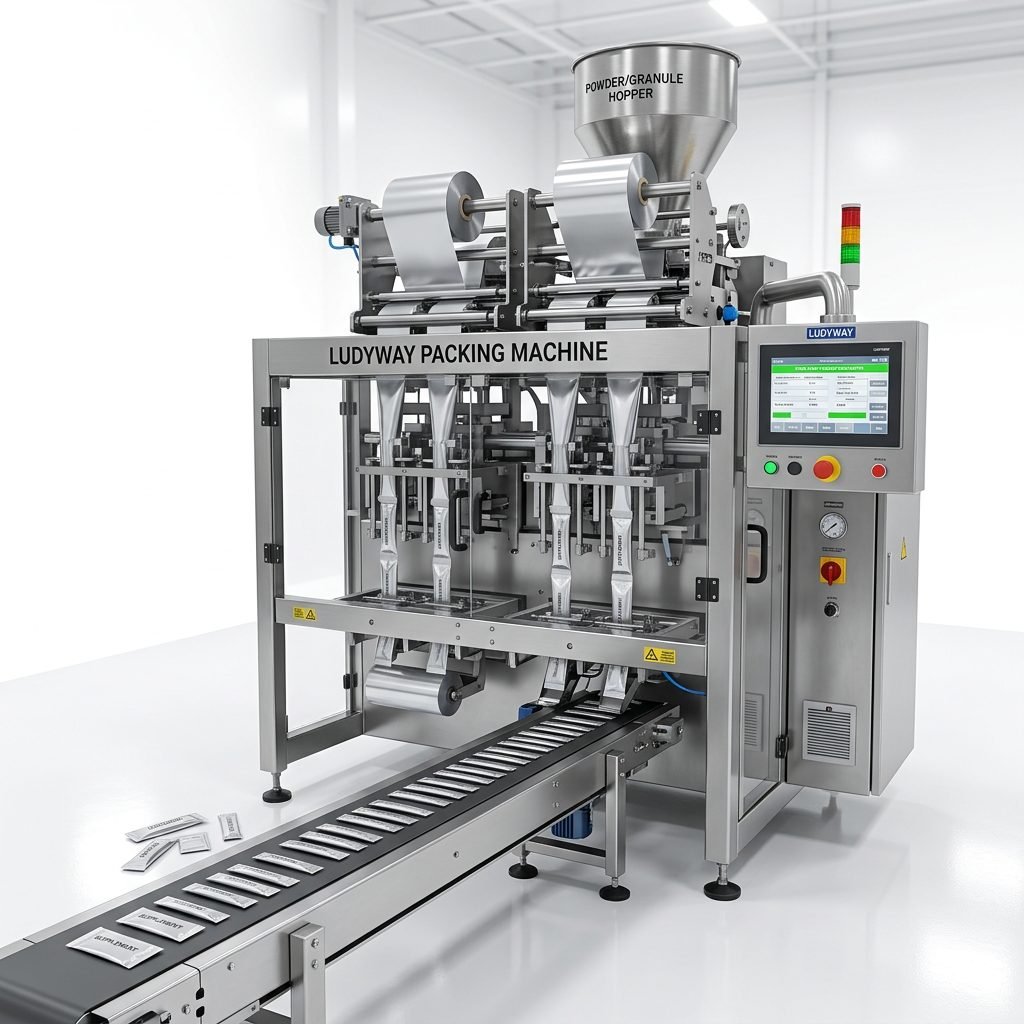
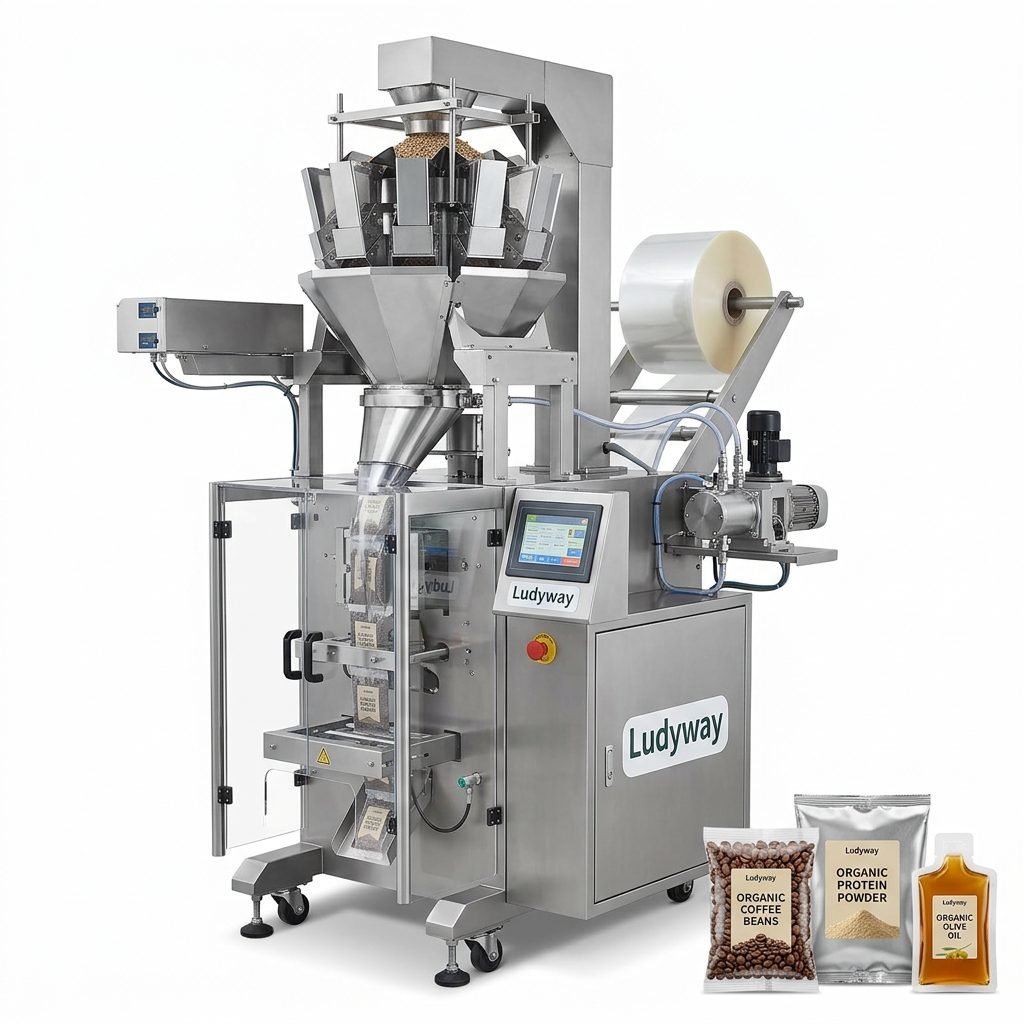
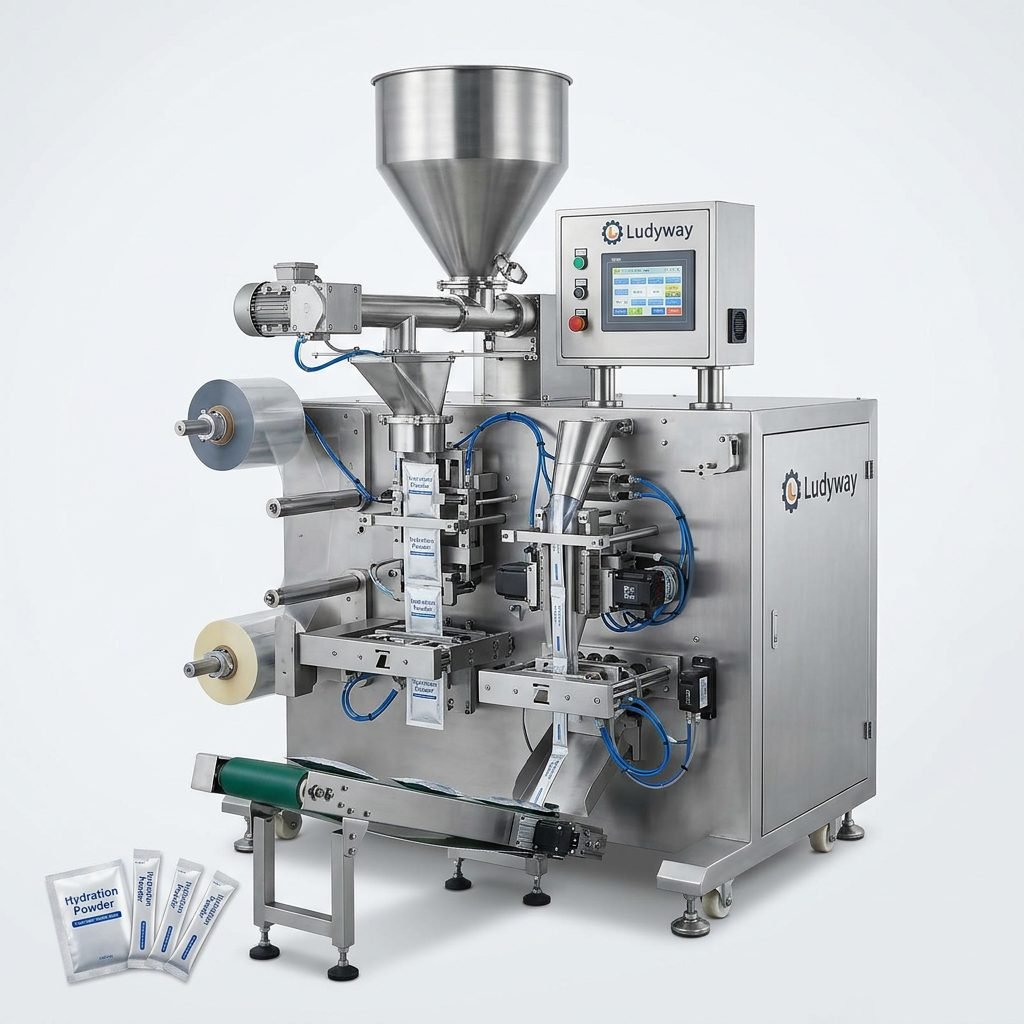
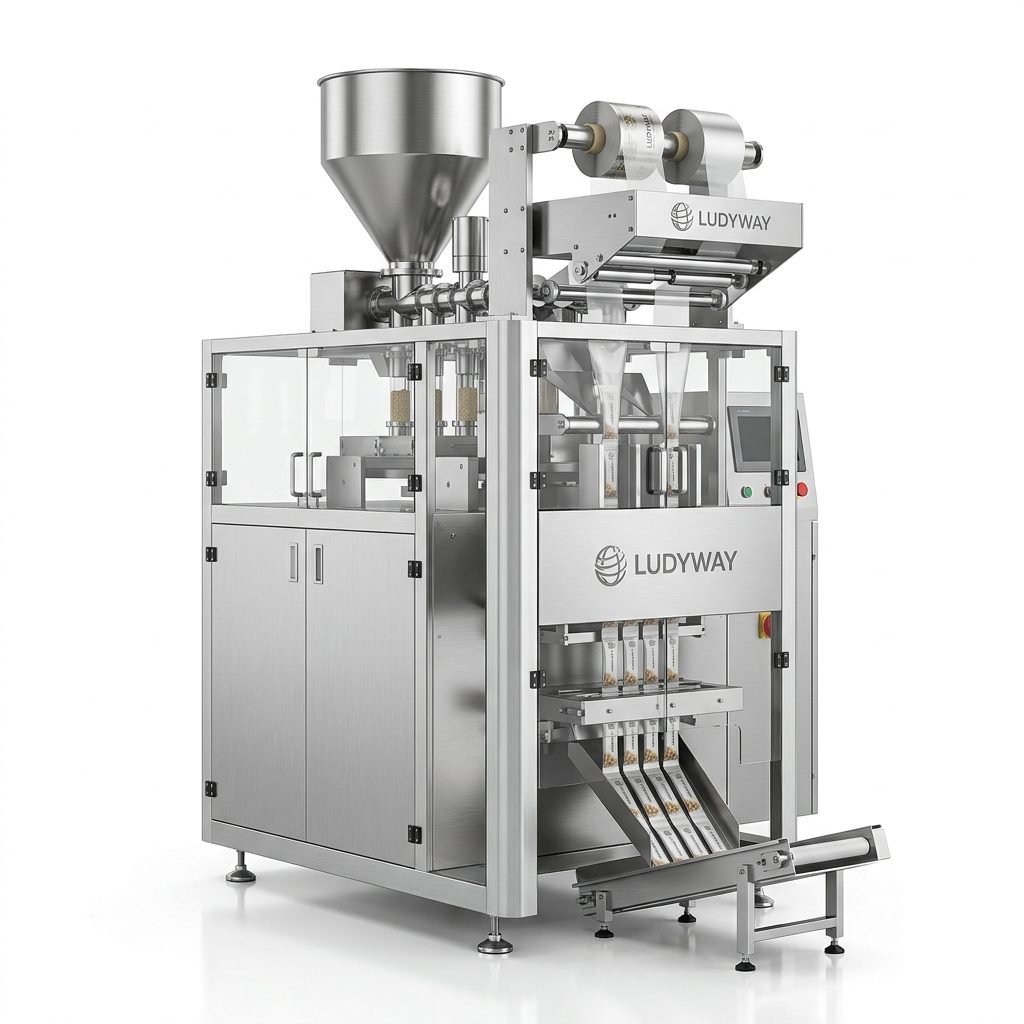
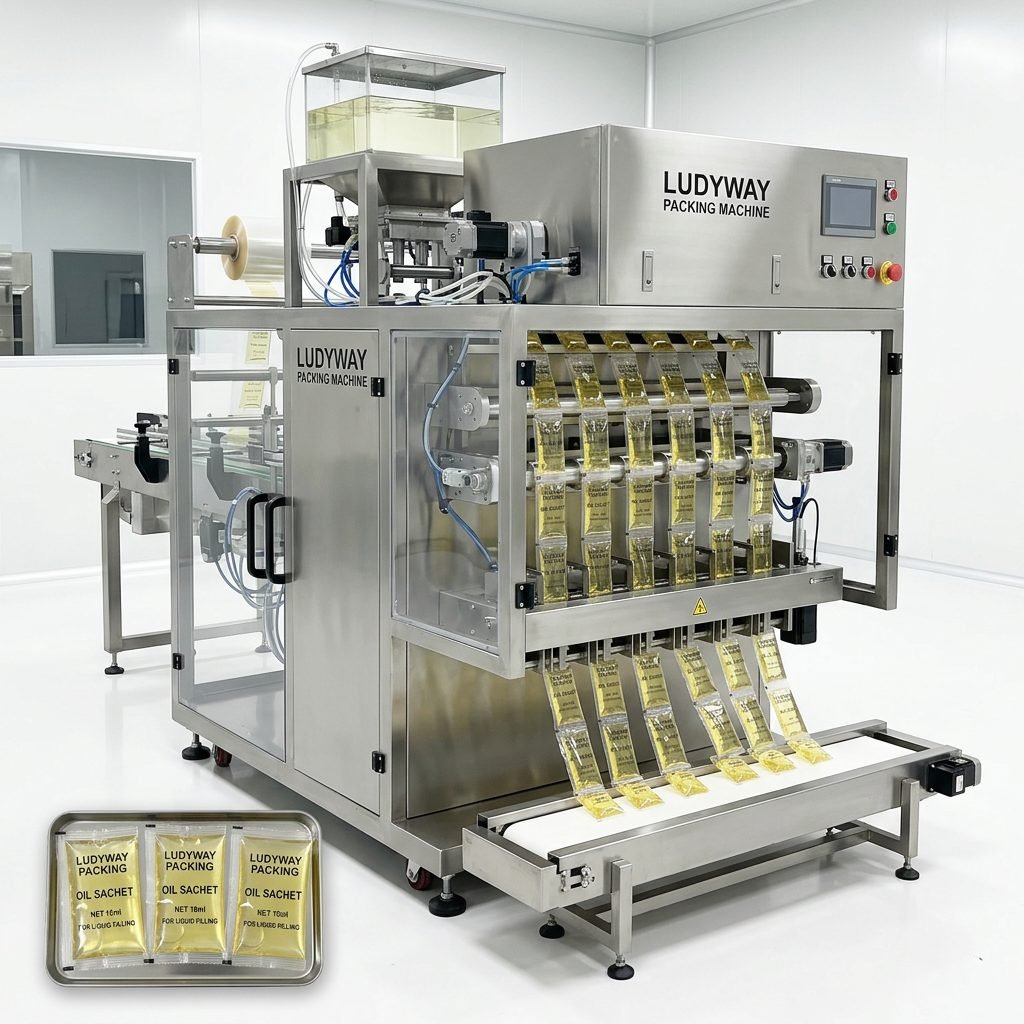
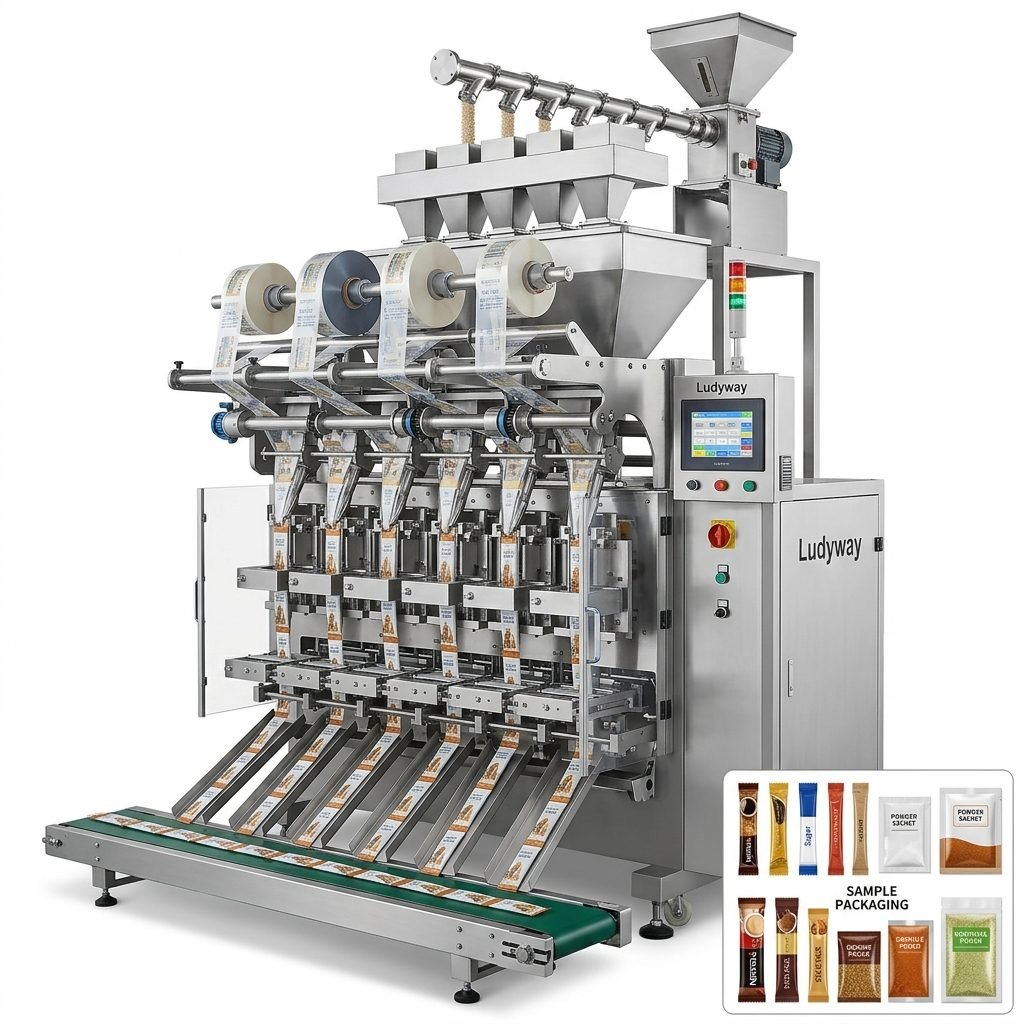
In today’s competitive manufacturing environment, an automatic packaging machine is no longer a luxury—it is a core production asset. From food and pharmaceuticals to cosmetics, chemicals, and health products, modern businesses need packaging systems that deliver speed, sealing accuracy, consistency, and lower labor dependence. A well-designed automated solution helps manufacturers reduce waste, improve output, and maintain stable packaging quality across every batch.
Precision sealing is especially critical when packaging powders, granules, liquids, gels, or pastes. A poor seal can lead to leaks, contamination, product loss, short shelf life, and customer complaints. By contrast, an advanced automatic packaging system ensures that every pouch, sachet, stick pack, bottle, or bag is filled and sealed under controlled conditions for dependable performance.
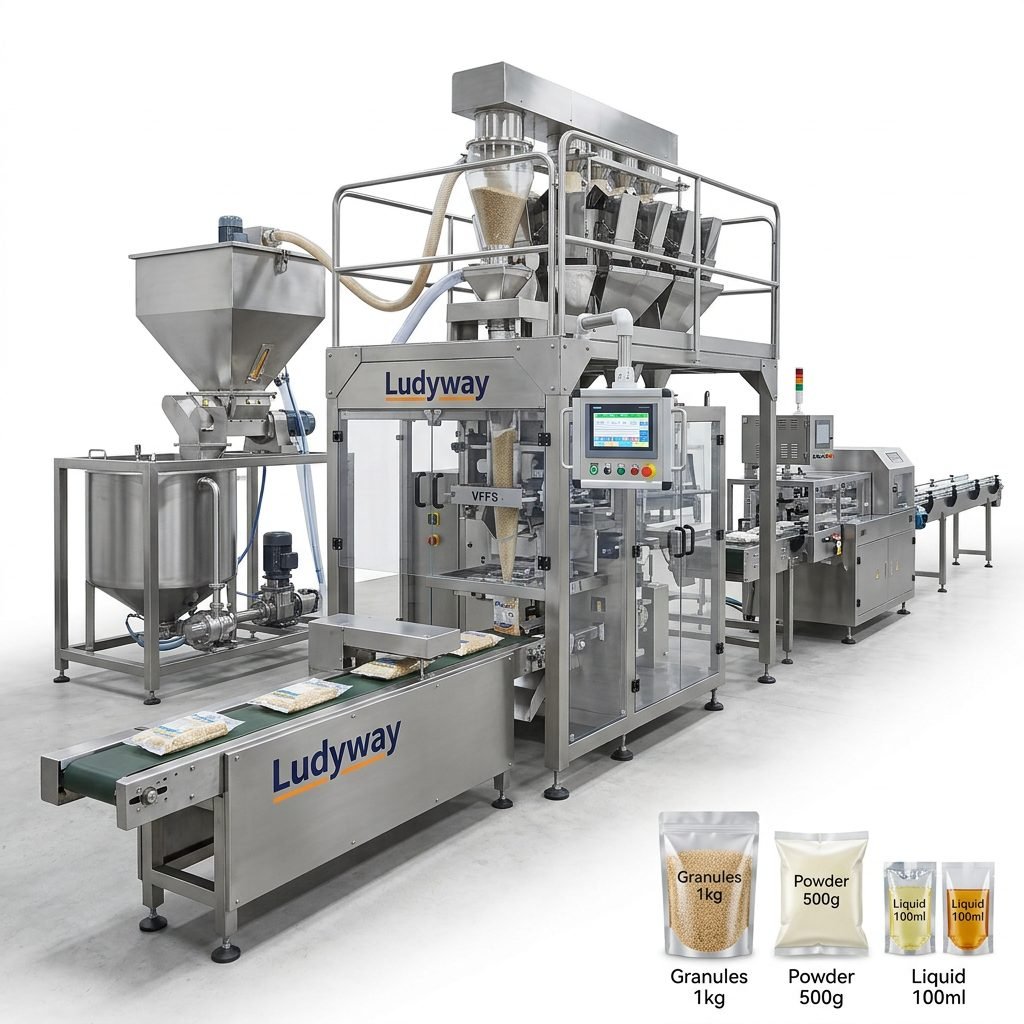
Why Automatic Packaging Machines Matter in Modern Production
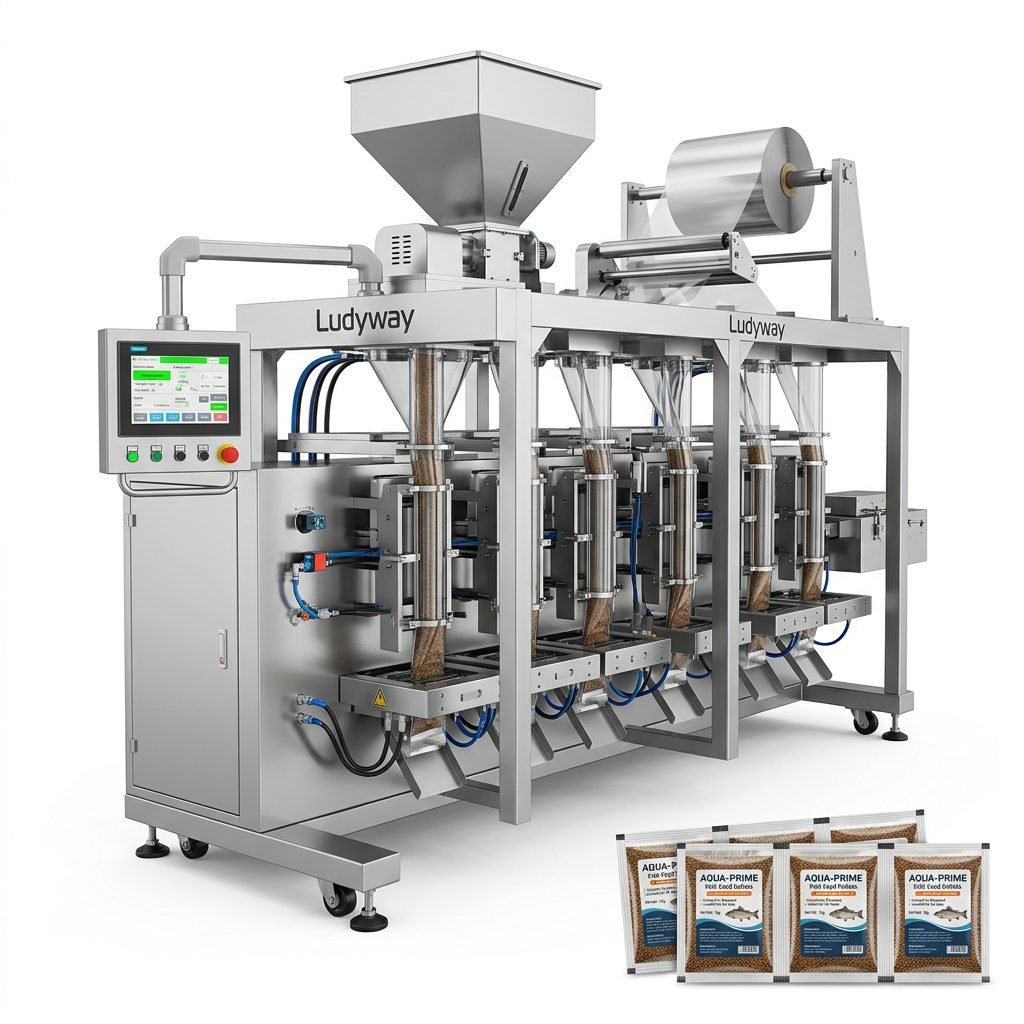
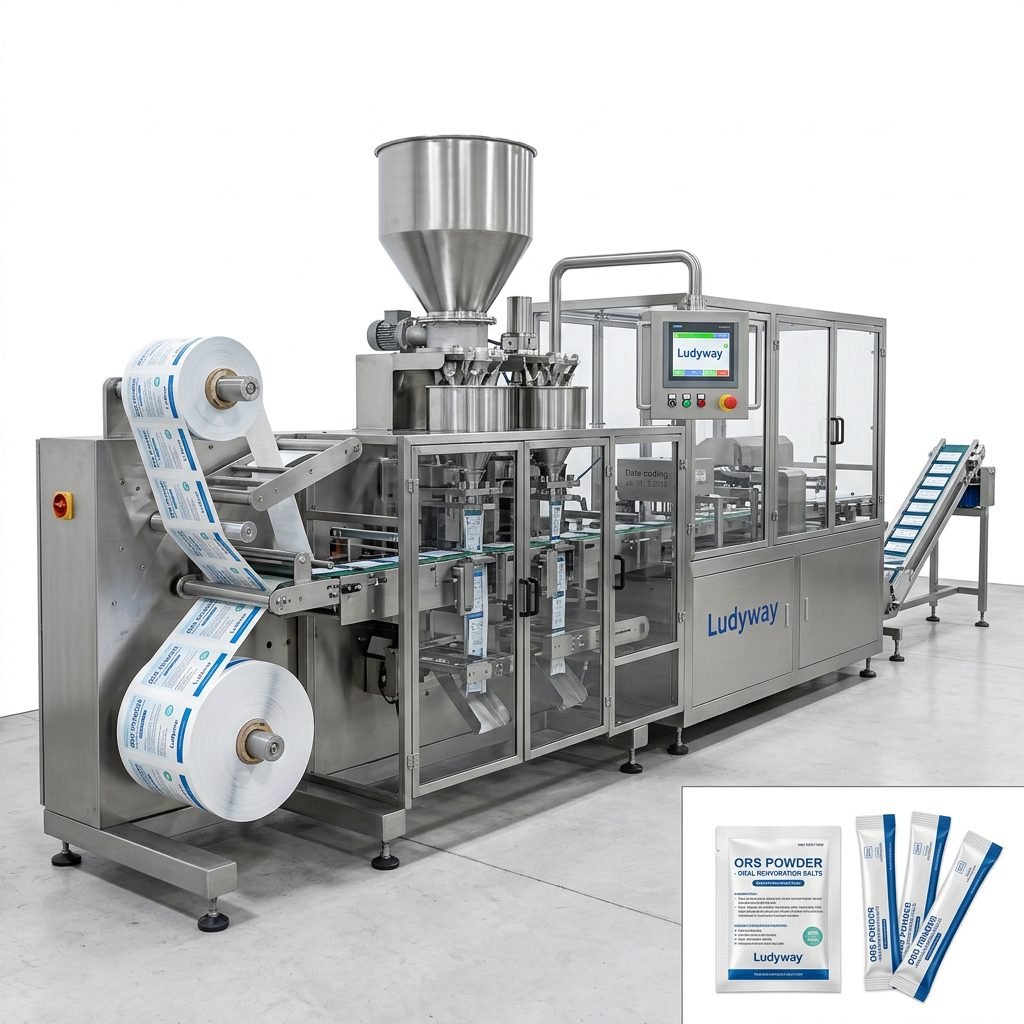
Manual or semi-automatic packing methods often create bottlenecks in growing production lines. As order volume rises, manufacturers face challenges such as inconsistent fill weight, unstable sealing temperature, operator fatigue, and high rework rates. An automatic packaging machine solves these issues by integrating dosing, filling, forming, sealing, coding, counting, conveying, and inspection into a streamlined process.
- Higher throughput: supports continuous and high-speed packaging.
- Precision sealing: improves pack integrity and reduces leakage risk.
- Lower labor cost: minimizes manual intervention.
- Better consistency: keeps package size, weight, and sealing appearance uniform.
- Improved hygiene: especially important for food, pharma, and health products.
- Scalable production: easier to upgrade from standalone machines to complete lines.
Key Features of an Efficient Automatic Packaging Machine
Not all equipment offers the same production value. When evaluating packaging machinery, buyers should focus on the features that directly affect efficiency, sealing performance, and long-term reliability.
1. Accurate Filling System
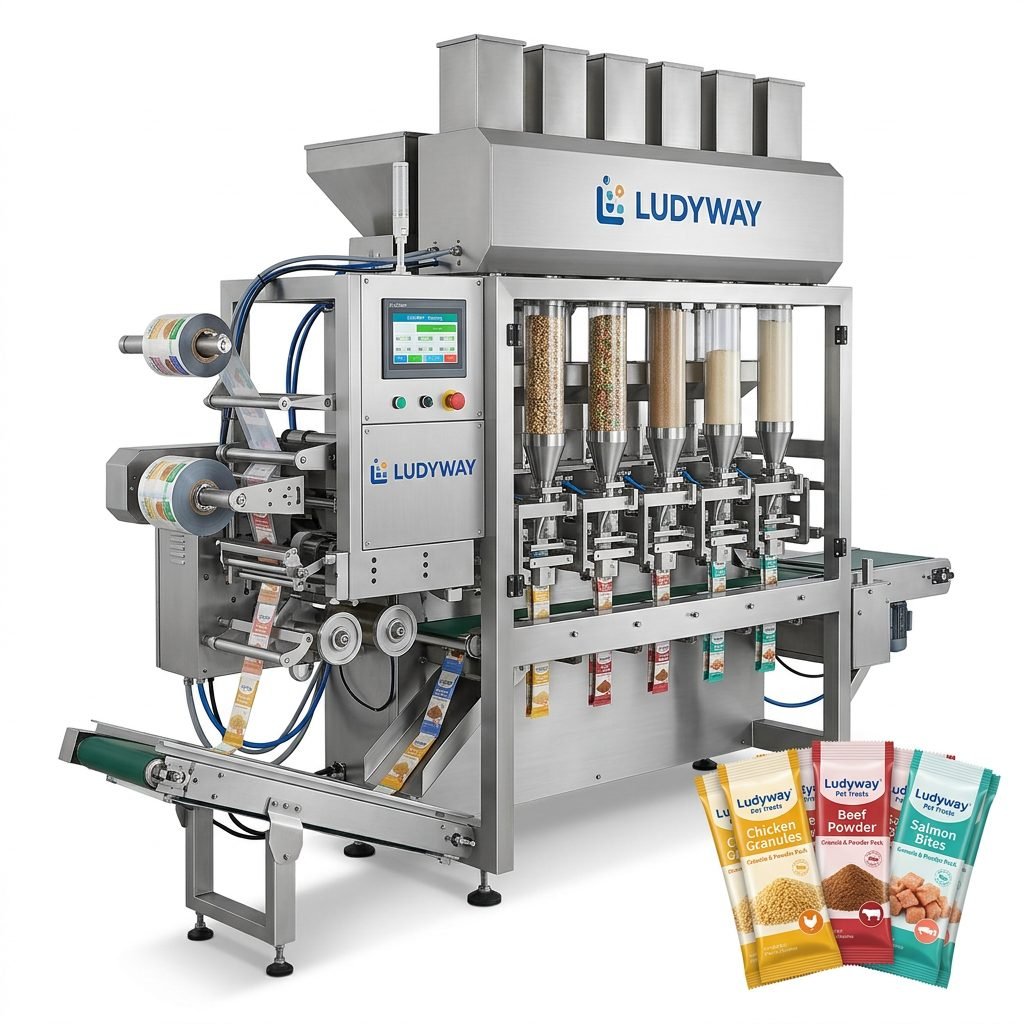
The filling unit must match product characteristics. Powders may need auger filling, granules may use weighing systems, and liquids or pastes often require piston or pump-based dosing. Accurate filling reduces product giveaway and supports compliant packaging.
2. Stable Sealing Control
Sealing quality depends on temperature, pressure, dwell time, and film compatibility. High-performance equipment maintains steady parameters to create clean, strong, and repeatable seals even during long production runs.
3. Flexible Packaging Formats
An efficient machine should support multiple packaging types, such as sachets, stick packs, pouches, bottles, and bags. This flexibility helps manufacturers expand product lines without replacing the whole system.
4. Intelligent Automation
Modern systems often include touch-screen controls, recipe storage, fault alarms, automatic counting, and synchronized feeding. These functions reduce setup time and simplify operation for production teams.
5. Easy Cleaning and Maintenance
Efficient production is also about minimizing downtime. Machines designed for easy cleaning, quick changeover, and accessible maintenance points provide better uptime and lower service costs.

Applications Across Multiple Industries
Automatic packaging machines are widely used because they can be configured for many product categories. The right equipment not only packs the product efficiently but also protects quality and strengthens brand presentation.
| Industry | Typical Products | Packaging Benefit |
|---|---|---|
| Food | Coffee, spices, sauces, snacks, seasonings, oils | Freshness protection, fast output, leak prevention |
| Pharmaceutical | Powders, granules, sachets, tablets, liquids | Accurate dosing, hygienic handling, controlled sealing |
| Cosmetic | Creams, lotions, serums, face care products | Clean appearance, precise filling, premium presentation |
| Chemical | Detergents, cleaners, additives, powders, liquids | Safer handling, durable seals, reduced material loss |
| Animal Nutrition | Pet food, supplements, feed additives | High-volume packaging, stable weights, efficient sealing |
How Precision Sealing Protects Product Value
Sealing is one of the most important steps in the packaging process. Even if filling is accurate and packaging materials are premium, weak sealing can compromise the final result. Precision sealing helps protect product value in several ways:
- Prevents leakage during transportation, storage, and retail handling.
- Maintains freshness by reducing exposure to moisture, oxygen, and contaminants.
- Enhances shelf life for products sensitive to environmental conditions.
- Improves customer trust with neat, professional, tamper-resistant packaging.
- Supports compliance in regulated sectors such as pharmaceuticals and health supplements.
Choosing the Right Machine for Your Product
The best automatic packaging machine depends on your product form, target output, pack style, and line integration requirements. Buyers should consider the following before investing:
- Is the product a powder, granule, liquid, paste, or mixed material?
- What package style is required: sachet, stick pack, pouch, bottle, or bulk bag?
- What is the desired production speed per minute or per shift?
- Does the business need a single machine or a turnkey packaging line?
- Will the system need future expansion for new SKUs or package sizes?
- How important are changeover speed, sealing consistency, and after-sales support?
A packaging solution should be selected not only for current production goals, but also for long-term growth. This is why many manufacturers prefer equipment suppliers that can deliver both standalone machines and fully integrated lines.
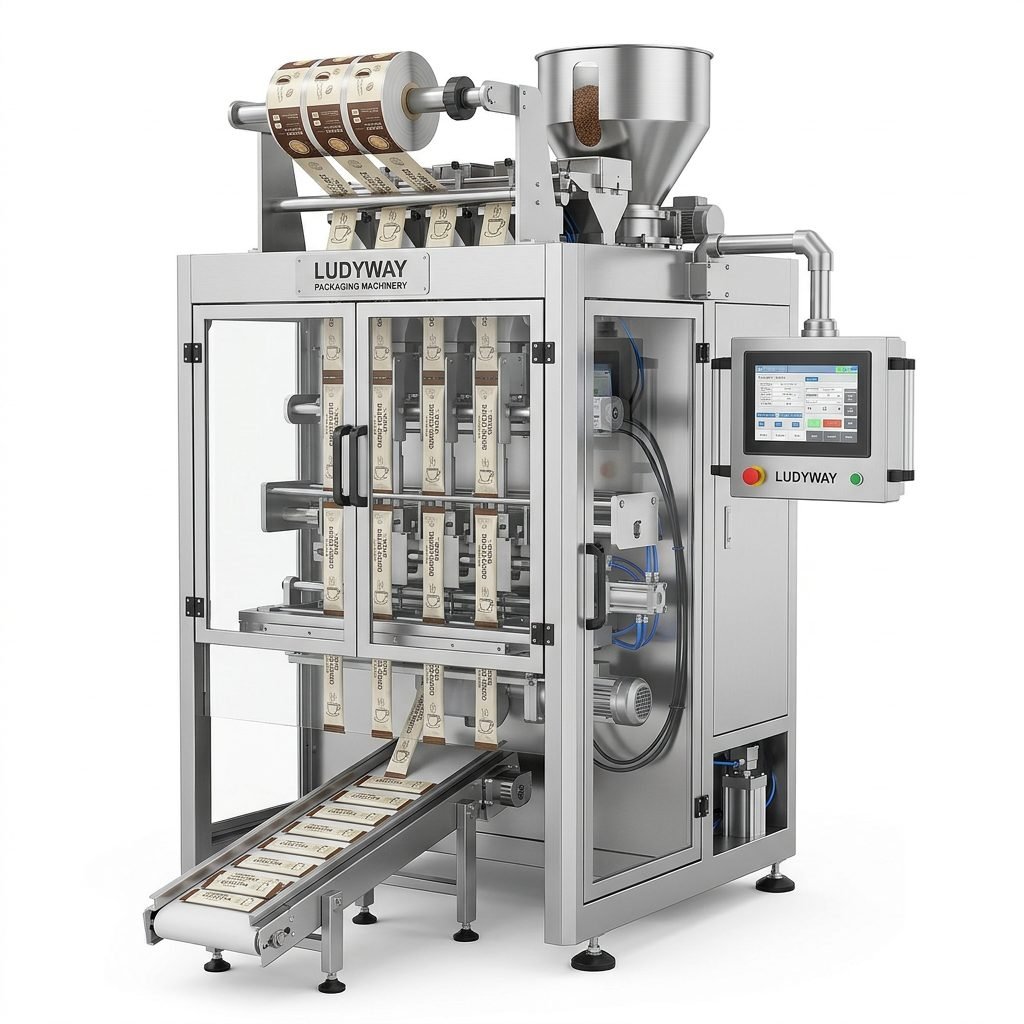
Benefits of Turnkey Packaging Line Integration
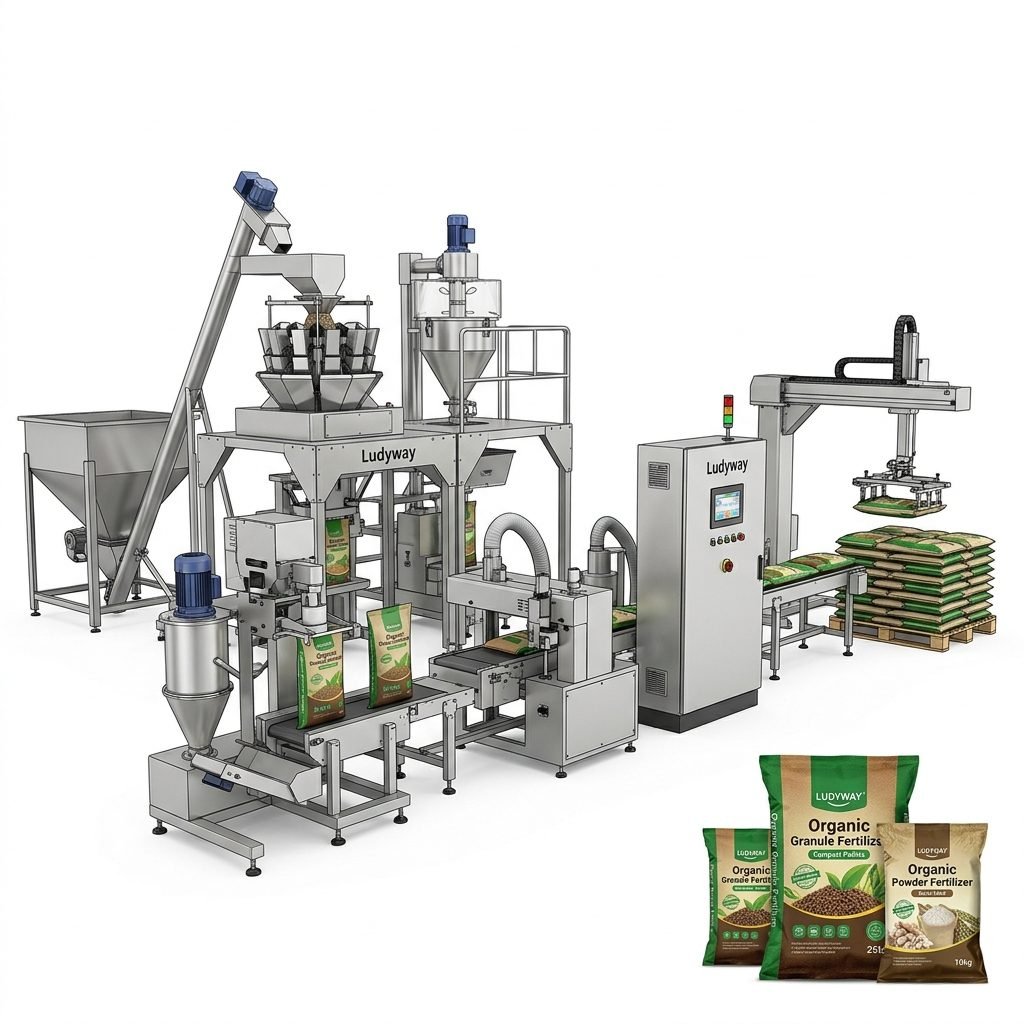
For medium and large manufacturers, machine performance improves even more when the packaging process is integrated into a complete line. A turnkey packaging line can connect feeding, filling, sealing, coding, inspection, cartoning, conveying, and palletizing into one coordinated system.
Main advantages of integrated lines
- Reduced manual transfer between processes
- Better synchronization and line efficiency
- Lower risk of product contamination or handling damage
- Centralized quality control and easier production management
- Higher output for large-volume operations
For businesses seeking dependable automation, Ludyway packaging machine solutions are backed by more than 30 years of industry experience, a manufacturing base of over 20,000 square meters, and broad export service across global markets. This makes the company a strong option for businesses looking for scalable equipment and turnkey packaging line support.
What to Look for in a Reliable Packaging Machine Manufacturer
A quality machine is only part of the investment. The manufacturer behind it also matters. Choosing an experienced supplier can reduce project risk and improve long-term production performance.
| Selection Factor | Why It Matters |
|---|---|
| Industry experience | Helps ensure practical machine design and proven application know-how |
| Product range | Makes it easier to match different package types and future production needs |
| Customization capability | Important for non-standard materials, sizes, and line layouts |
| Quality inspection process | Supports stable machine performance and lower fault rates |
| Technical support | Improves installation, training, troubleshooting, and spare parts access |
Future Trends in Automatic Packaging Technology
As manufacturing becomes more data-driven and efficiency-focused, packaging machines are evolving rapidly. Leading systems now move beyond simple automation and support more intelligent production strategies.
Emerging developments include:
- Smart monitoring for real-time production and fault tracking
- Faster changeovers for small-batch and multi-SKU production
- Energy-efficient sealing systems to reduce operating costs
- Higher precision dosing for expensive or sensitive materials
- Integrated inspection with coding, weighing, and defect rejection functions
These innovations help manufacturers remain competitive while meeting rising expectations for packaging quality, production speed, and operational flexibility.
Final Buying Insight
An automatic packaging machine designed for efficient production and precision sealing can transform packaging performance across the entire factory. It supports higher output, protects product integrity, reduces labor intensity, and strengthens quality control. Whether you need a compact machine for sachets and stick packs or a fully integrated packaging line, the right system should combine accuracy, sealing stability, adaptability, and long-term service support.
For manufacturers aiming to improve packaging efficiency while ensuring clean and secure seals, investing in the right automated solution is a practical step toward stronger productivity and sustainable growth.