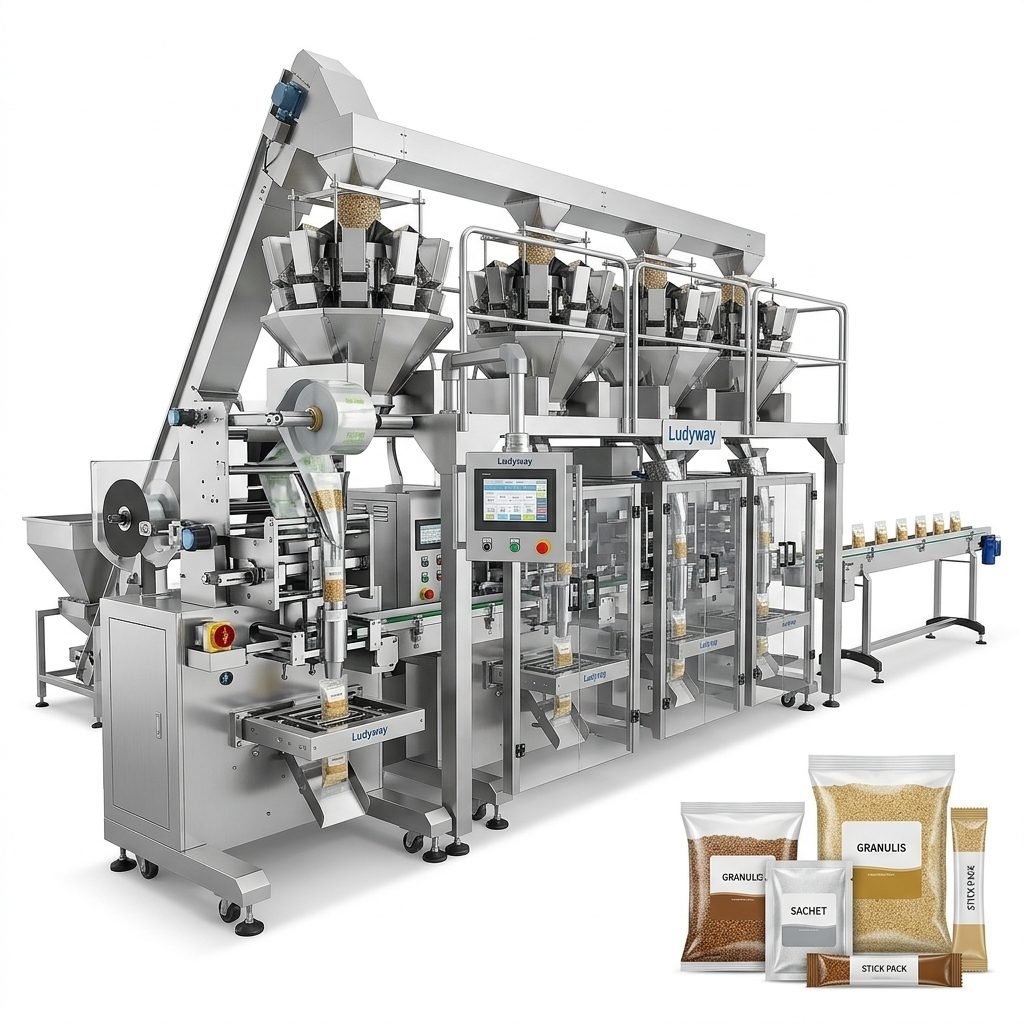
The packaging equipment industry is a dynamic and essential sector that supports countless manufacturing and distribution processes worldwide. For professionals seeking a challenging and rewarding career, packaging equipment sales offers a unique blend of technical knowledge, relationship building, and strategic business development. This field is not just about selling machines; it’s about providing solutions that enhance efficiency, ensure product safety, and drive innovation for clients across food, pharmaceuticals, and consumer goods.
Understanding the Career Path in Packaging Equipment Sales
A career in packaging machinery sales is typically not an entry-level position. It requires a solid foundation built upon specific experiences and skills. Most professionals enter this field after gaining relevant industry knowledge.
Common Entry Points and Progression
The journey often begins in a technical or support role. Many successful sales engineers start as:
- Application Engineers or Technical Support Specialists: Working directly with machines, understanding their mechanics, and solving client problems.
- Inside Sales Representatives: Handling initial inquiries, providing quotes, and learning product portfolios in detail.
- Field Service Technicians: Gaining unparalleled hands-on experience with equipment installation, maintenance, and troubleshooting at client sites.
From these roles, individuals develop the crucial technical credibility needed to advance. The next step is often an Outside Sales Engineer or Account Manager position, where you manage a territory, cultivate client relationships, and are responsible for the full sales cycle. Senior roles include Key Account Manager, Sales Director, or Business Development Manager for specific regions or product lines, focusing on strategic partnerships and large-scale projects.
Essential Skills for Success
To thrive in packaging equipment sales, a diverse skill set is mandatory:
- Technical Aptitude: You must understand mechanical, electrical, and often software components of packaging lines. You’re not just selling a box-maker; you’re selling a system that integrates with a client’s entire production flow.
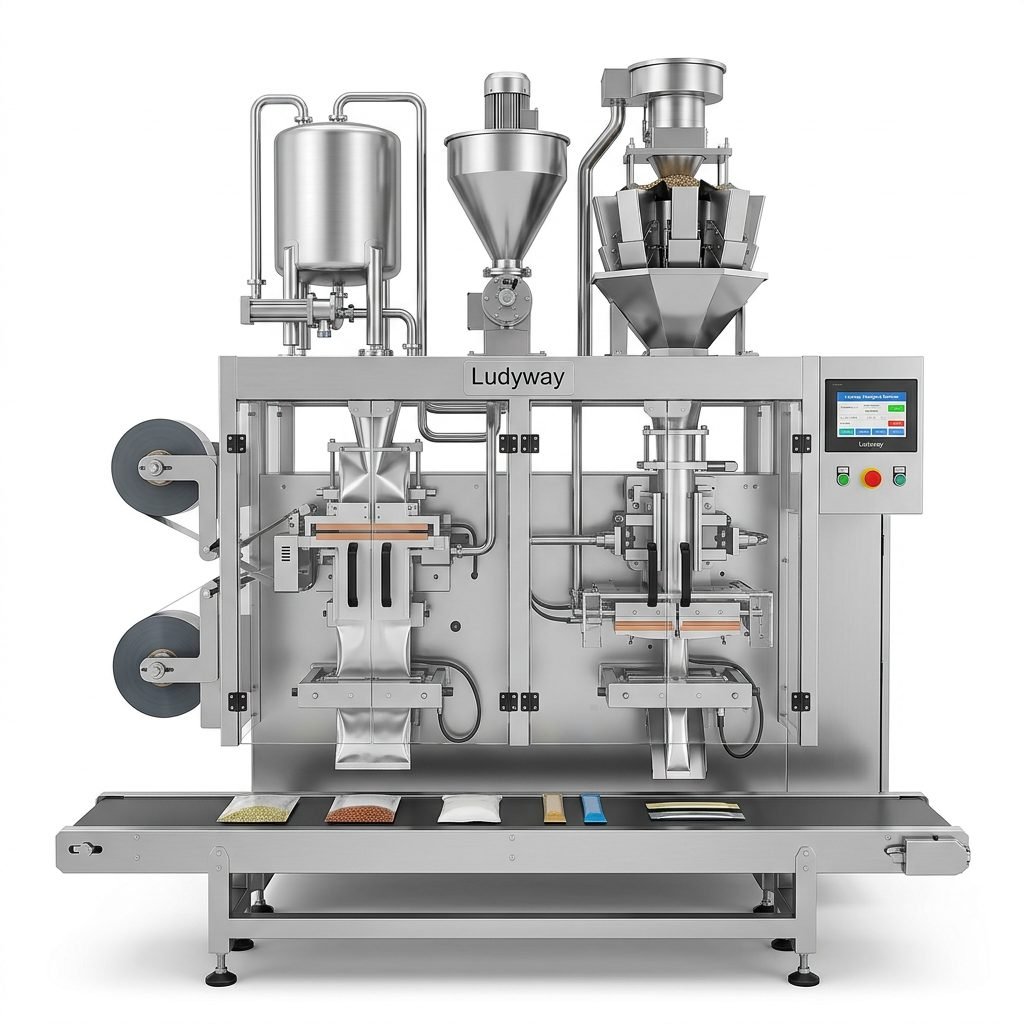
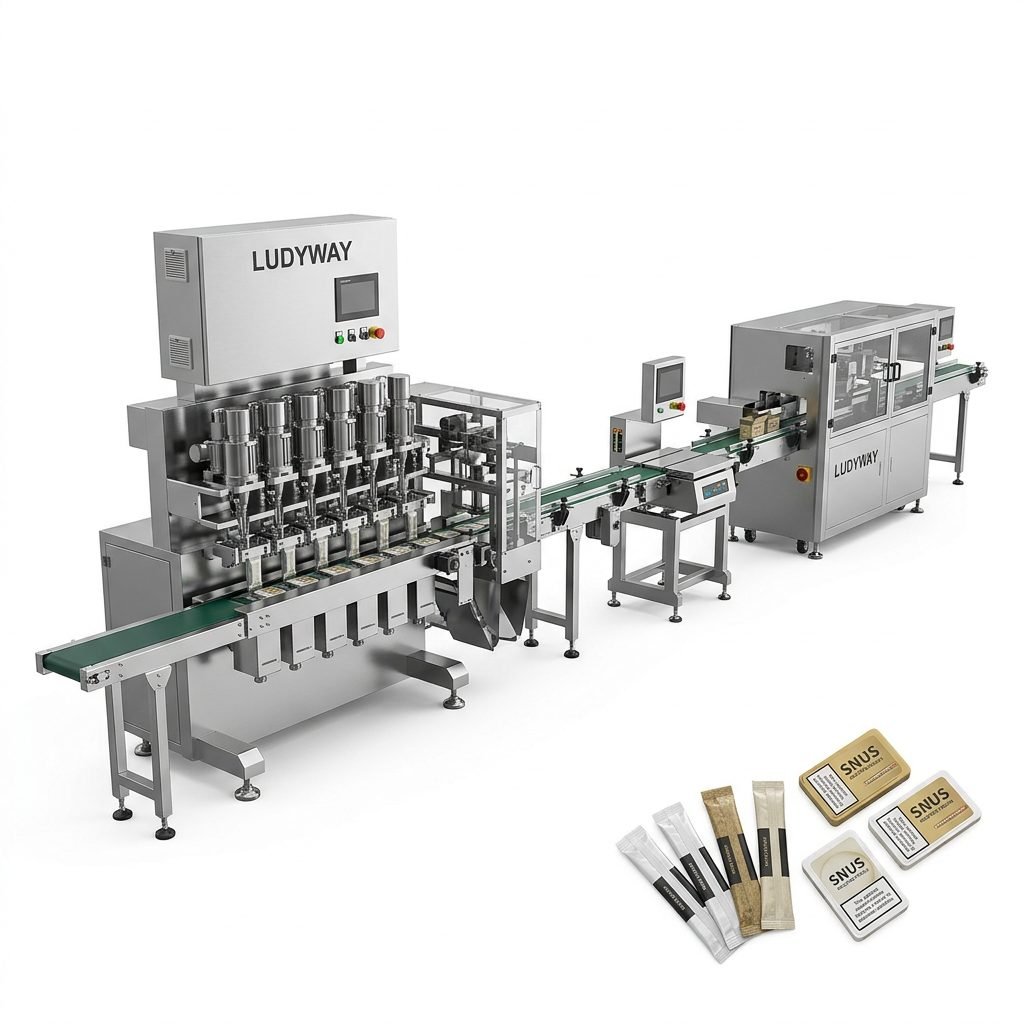
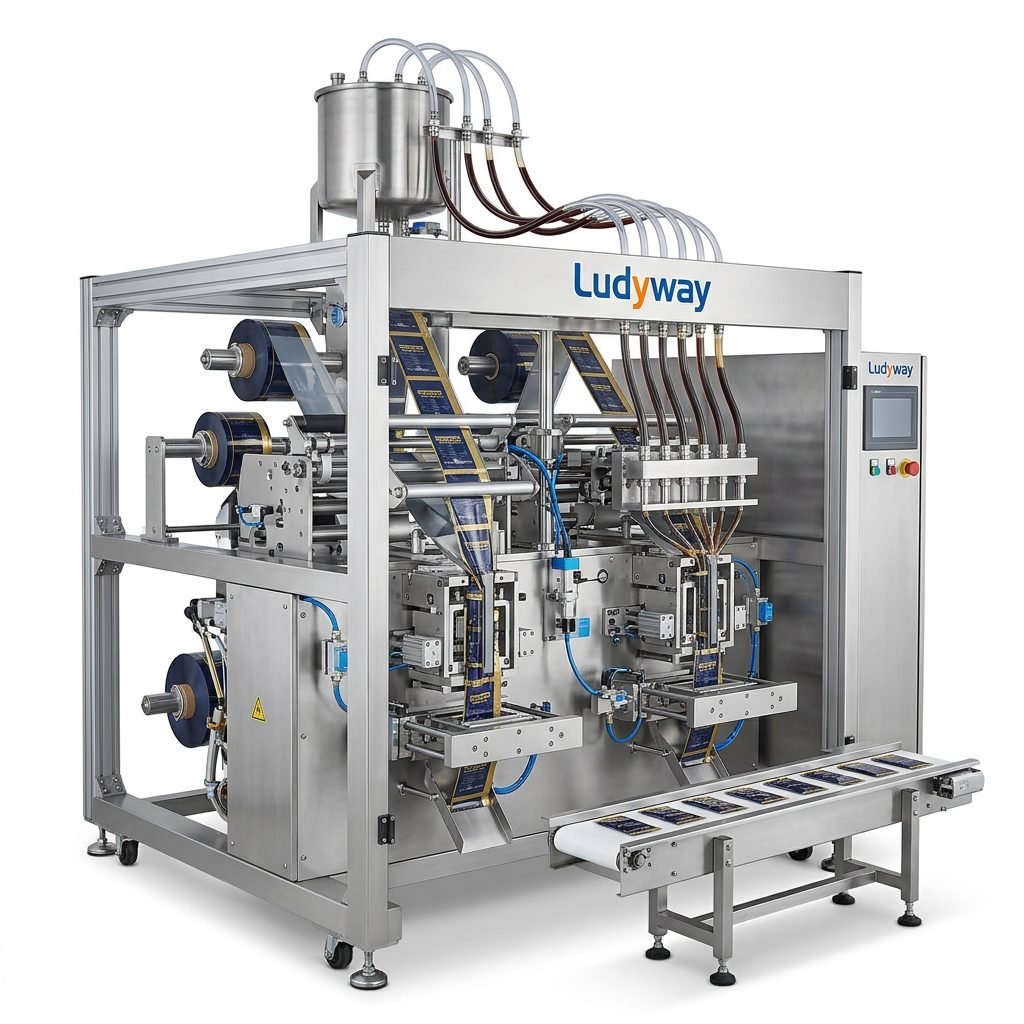
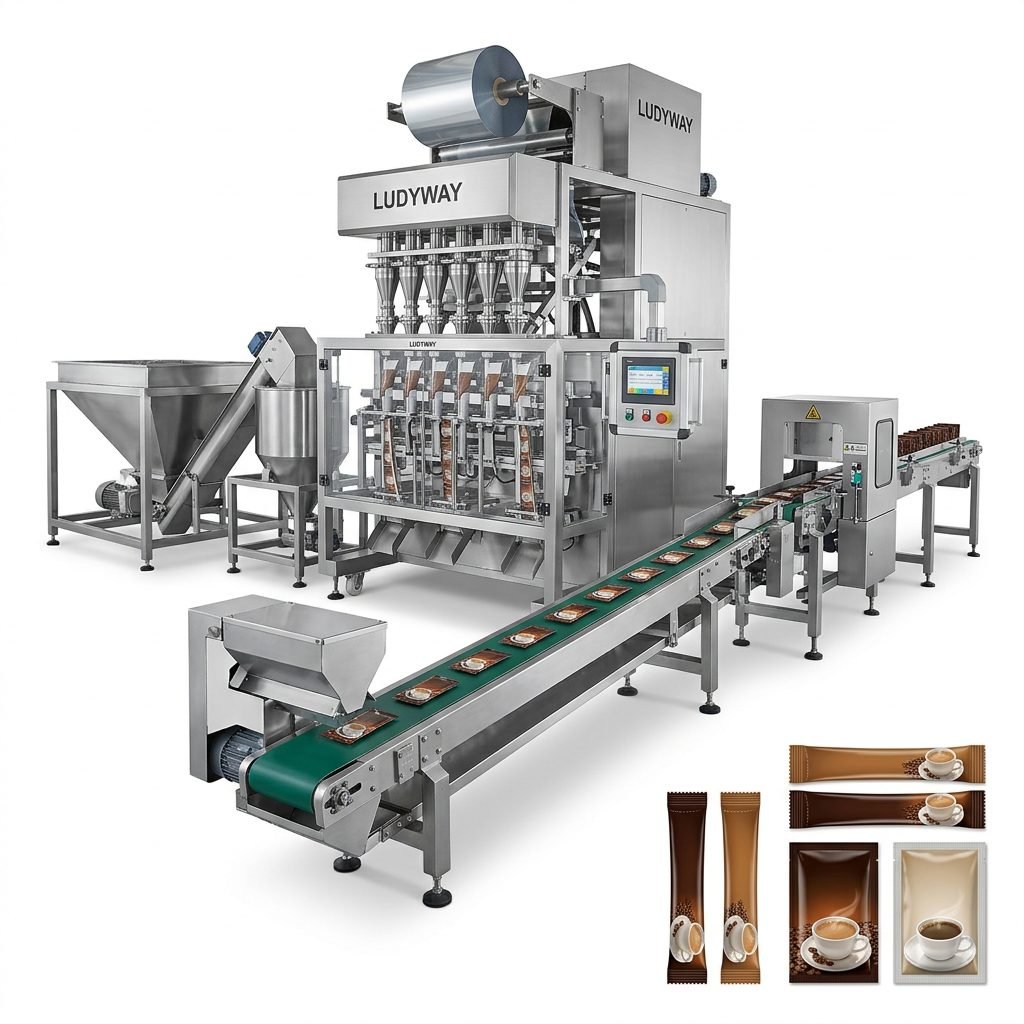
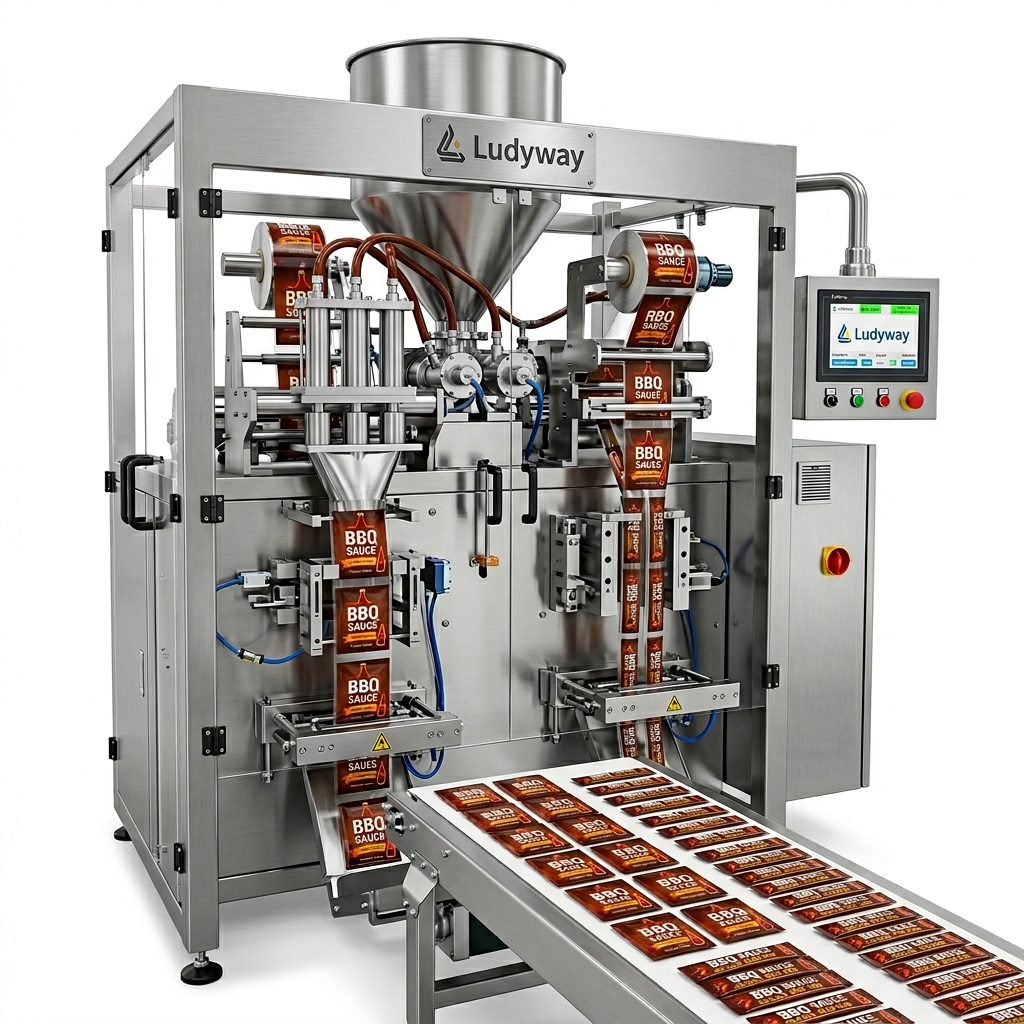
- Consultative Selling: This is a solution-based approach. It involves deeply understanding a client’s pain points—like speed, waste reduction, or compliance—and prescribing the right equipment, such as a high-speed multi-lane stick pack machine for pharmaceutical samples or a robust liquid filling line for food sauces.
- Project Management: Sales often involve coordinating between the client, engineering teams, and service departments to ensure smooth delivery, installation, and commissioning of complex machinery.
- Industry Knowledge: Staying updated on trends like sustainable packaging materials, automation, IoT integration, and regulatory standards (e.g., FDA, EU regulations) is critical for providing relevant advice. Companies like Ludyway Machinery exemplify this by evolving their offerings to meet global market demands.
Salary Trends and Earning Potential
Compensation in packaging equipment sales is attractive and is typically structured as a base salary plus commission or bonus, directly linking earnings to performance.
Salary Breakdown by Experience Level
- Entry-Level (Inside Sales/Tech Support): $45,000 – $65,000 annually, primarily salary-based.
- Mid-Level (Outside Sales Engineer): $70,000 – $100,000+, with a significant commission component. Total compensation can vary greatly based on territory and deal closures.
- Senior-Level (Key Account/Sales Director): $110,000 – $180,000+, often including higher base salaries, substantial bonuses for team/regional performance, and sometimes profit-sharing.
Factors influencing salary include geographic territory (industrial hubs pay more), the technological complexity of the equipment sold (selling a full turnkey production line commands higher commissions than a single machine), and the individual’s proven track record in closing large, strategic deals.
Additional Benefits and Perks
Beyond the base and commission, professionals in this field often enjoy a company vehicle or generous car allowance, comprehensive health benefits, retirement plans, and expense accounts for client entertainment and travel. International travel opportunities are common for those working with global suppliers or clients.
How to Get Hired in Packaging Equipment Sales
Landing a job in this niche field requires a targeted strategy. Employers look for candidates who can immediately contribute value to complex sales cycles.
1. Build a Strong Foundation
A degree in Mechanical Engineering, Industrial Engineering, Business with a technical focus, or a related field is highly advantageous. Alternatively, a proven technical background from a trade school or military experience can also be an excellent pathway.
2. Gain Relevant Experience
Seek roles that get you close to the equipment. As mentioned, positions in technical support, field service, or production operations within a manufacturing plant are golden. This experience is invaluable and is often the differentiator between candidates.
3. Craft a Targeted Resume and Online Presence
Your resume should highlight quantifiable achievements—not just duties. Use metrics: “Reduced machine downtime by 15%,” “Supported sales team on projects worth over $2M,” “Trained 50+ clients on equipment operation.” Optimize your LinkedIn profile with keywords like “packaging machinery,” “capital equipment sales,” “food/pharmaceutical packaging,” and connect with industry recruiters and companies.
4. Network Strategically
Attend industry trade shows like PACK EXPO, Interpack, or Pharma EXPO. Join professional associations such as PMMI (The Association for Packaging and Processing Technologies). Engage with content from leading industry players. For instance, learning about the history and evolution of companies in this space can provide great talking points in interviews, showing your genuine interest in the sector’s trajectory.
5. Ace the Interview
Prepare to discuss technical scenarios. You might be asked: “How would you approach a client who needs to package a new viscous product?” or “A machine you sold is underperforming—what’s your process to resolve it with the client?” Demonstrate your consultative approach by asking insightful questions about the company’s client challenges and product differentiators. Show that you understand you are selling a long-term partnership and solution, not just a piece of metal.
The Future of the Industry and Your Career
The push for automation, smart factories (Industry 4.0), and sustainable packaging is driving continuous innovation. Sales professionals will need to become adept at discussing IoT connectivity, data analytics from packaging lines, and machinery that handles biodegradable or recyclable materials. Companies that invest in R&D, like those offering over 50 intelligent packaging machine models, are positioning themselves—and their sales teams—for future growth. Aligning with such innovative manufacturers can be a strategic career move.
Frequently Asked Questions (FAQs)
Do I need an engineering degree to succeed in packaging equipment sales?
While highly beneficial, it’s not an absolute requirement. A strong technical aptitude gained through hands-on experience (e.g., as a technician, in production, or in technical support) can be equally valuable. The key is the ability to understand and communicate complex mechanical and operational concepts confidently.
Is the sales cycle typically long in this industry?
Yes, it can be very long. Selling capital equipment involves high-stakes decisions for clients. The cycle often includes multiple meetings, feasibility studies, factory acceptance tests (FATs), and negotiations, spanning from several months to over a year for large turnkey projects. Patience and persistent relationship management are crucial.
What are the biggest challenges faced in this sales role?
Major challenges include navigating long sales cycles, competing against established rivals, staying updated on rapid technological changes, and managing complex post-sale support and installation logistics to ensure complete client satisfaction.
How important is after-sales service in this field?
It is paramount. The sale is just the beginning of a long-term relationship. Reliable spare parts supply, responsive technical support, and good service agreements are often deciding factors for clients and are critical for generating repeat business and referrals. A company’s reputation for service directly impacts a salesperson’s credibility.
Can this career offer international opportunities?
Absolutely. Many packaging machinery manufacturers and distributors operate globally. Sales roles often involve managing international accounts or territories. For those with language skills and cultural adaptability, there are significant opportunities to work on cross-border projects and even relocate.