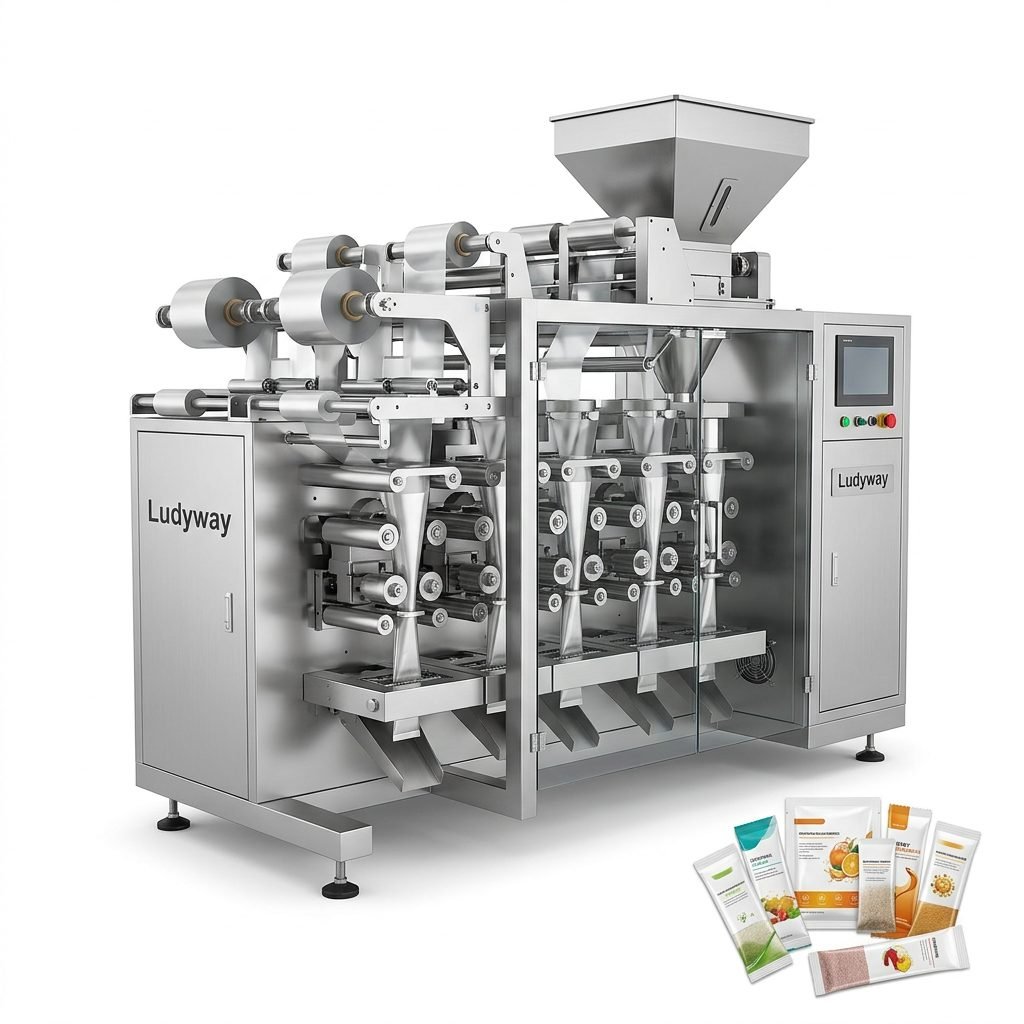
Multi-lane packaging has become one of the most effective ways for manufacturers to increase output without multiplying floor space, labor costs, or operational complexity. For companies packing powders, granules, liquids, gels, or pastes into sachets and stick packs, this packaging format offers a strong combination of speed, consistency, flexibility, and cost efficiency.
Whether you work in food, pharmaceuticals, nutraceuticals, cosmetics, chemicals, or pet care, understanding how multi-lane systems work can help you make a smarter investment decision. This guide explains the major benefits of multi-lane packaging, where it performs best, and what buyers should evaluate before choosing a machine.
What Is Multi-Lane Packaging?
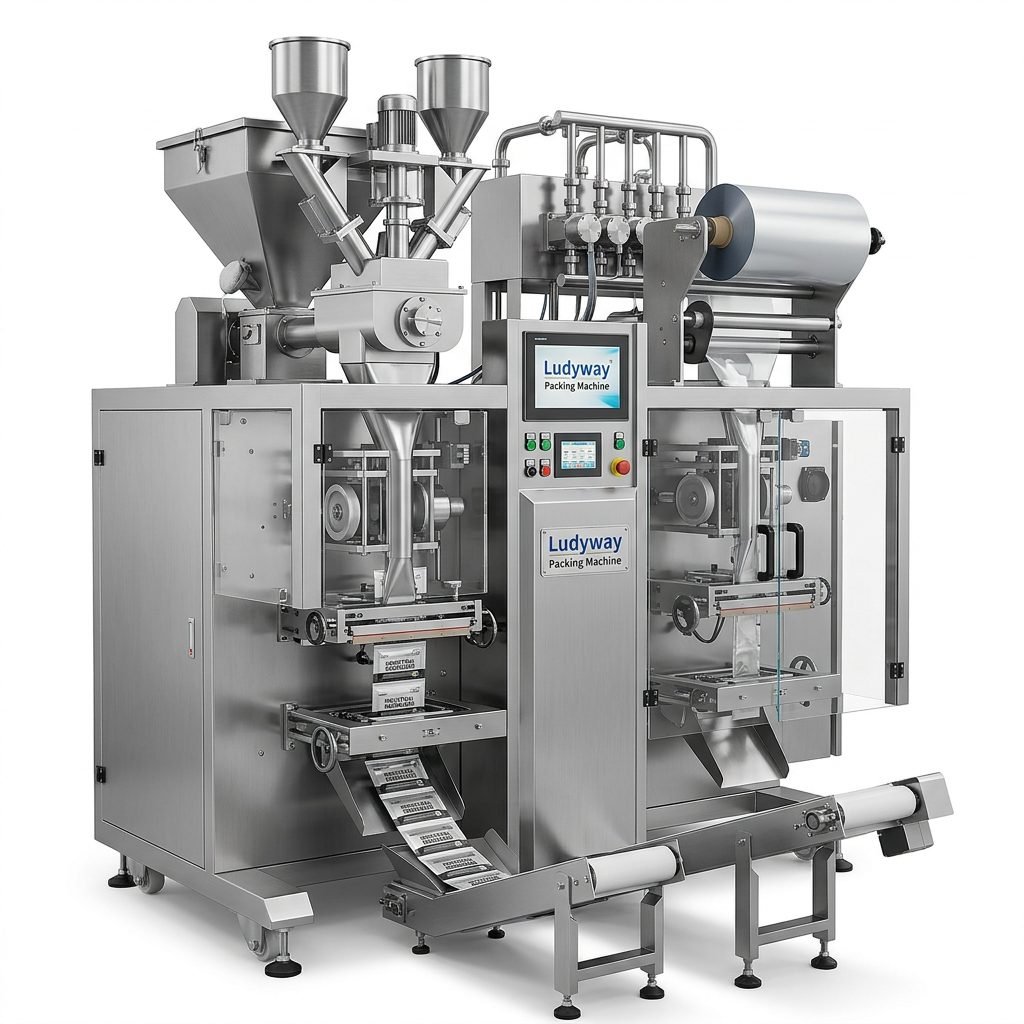
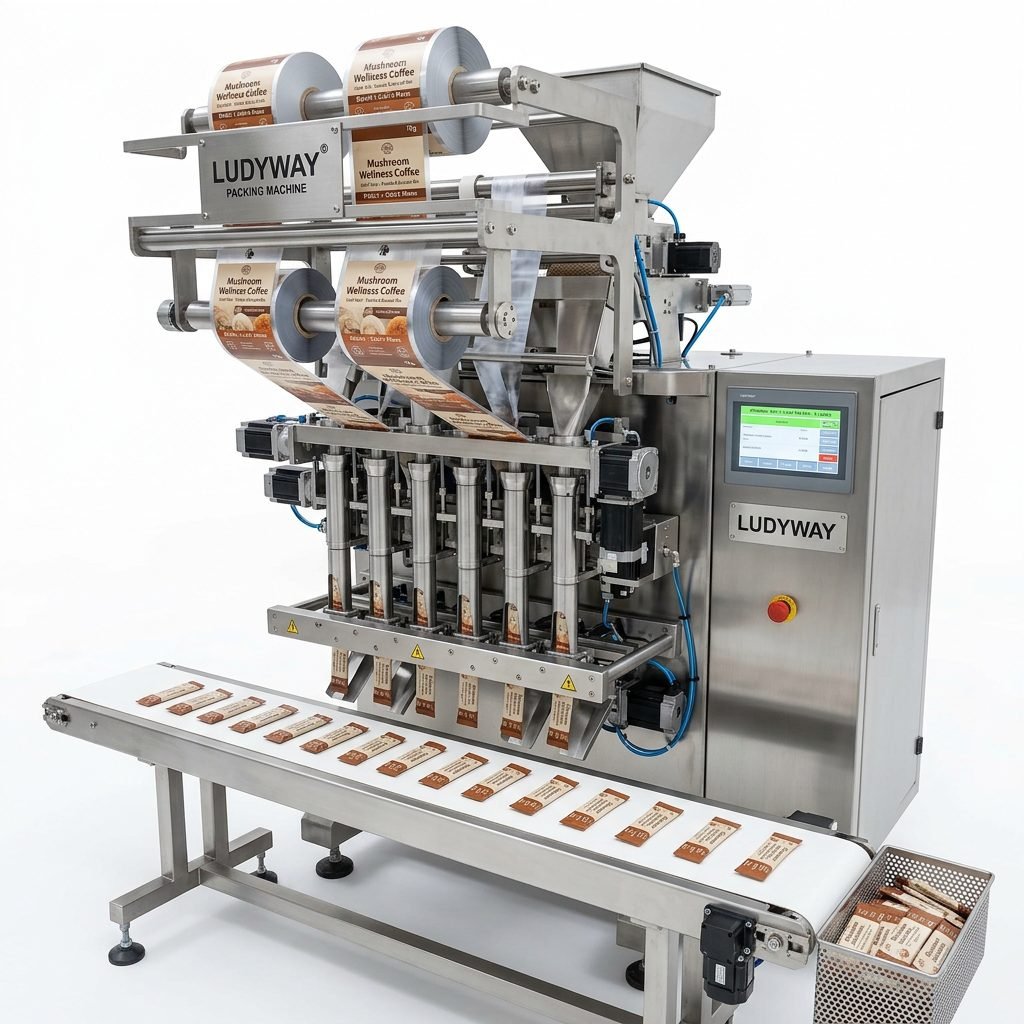
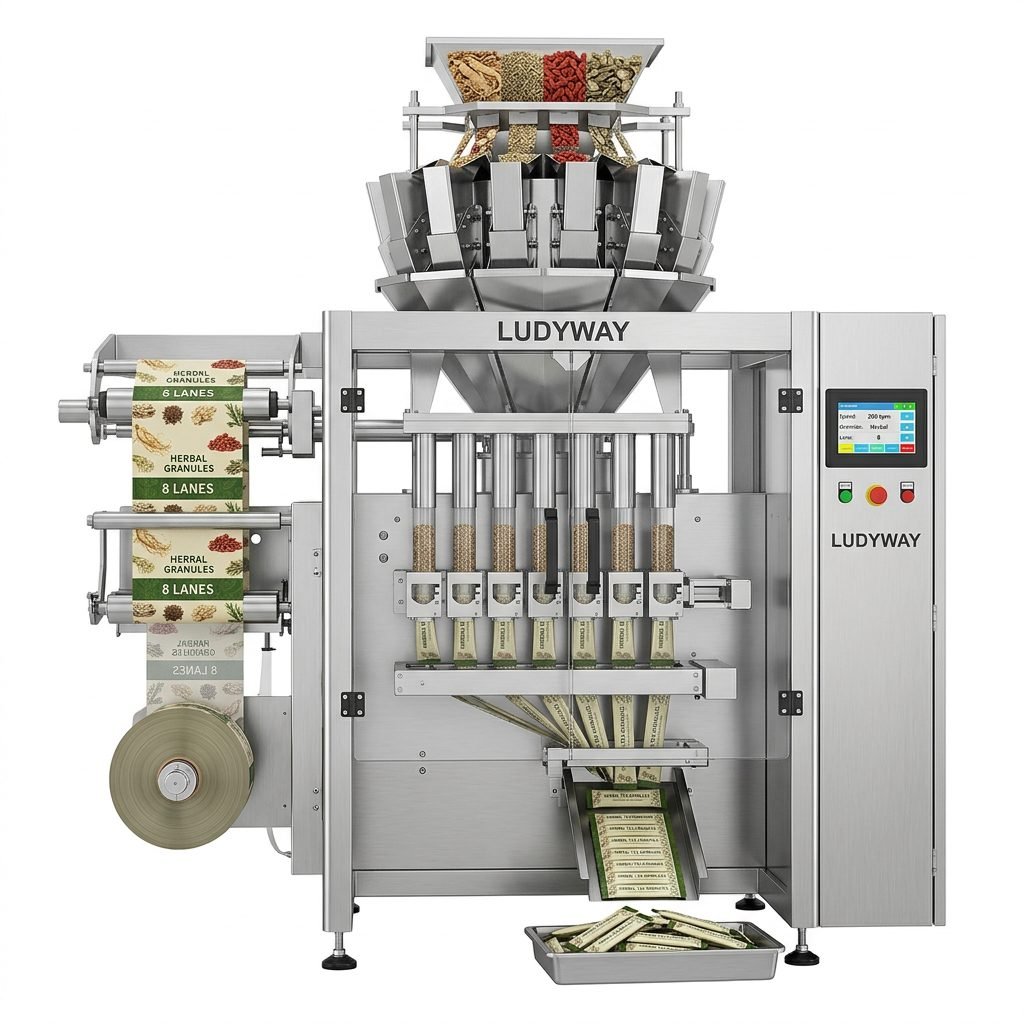
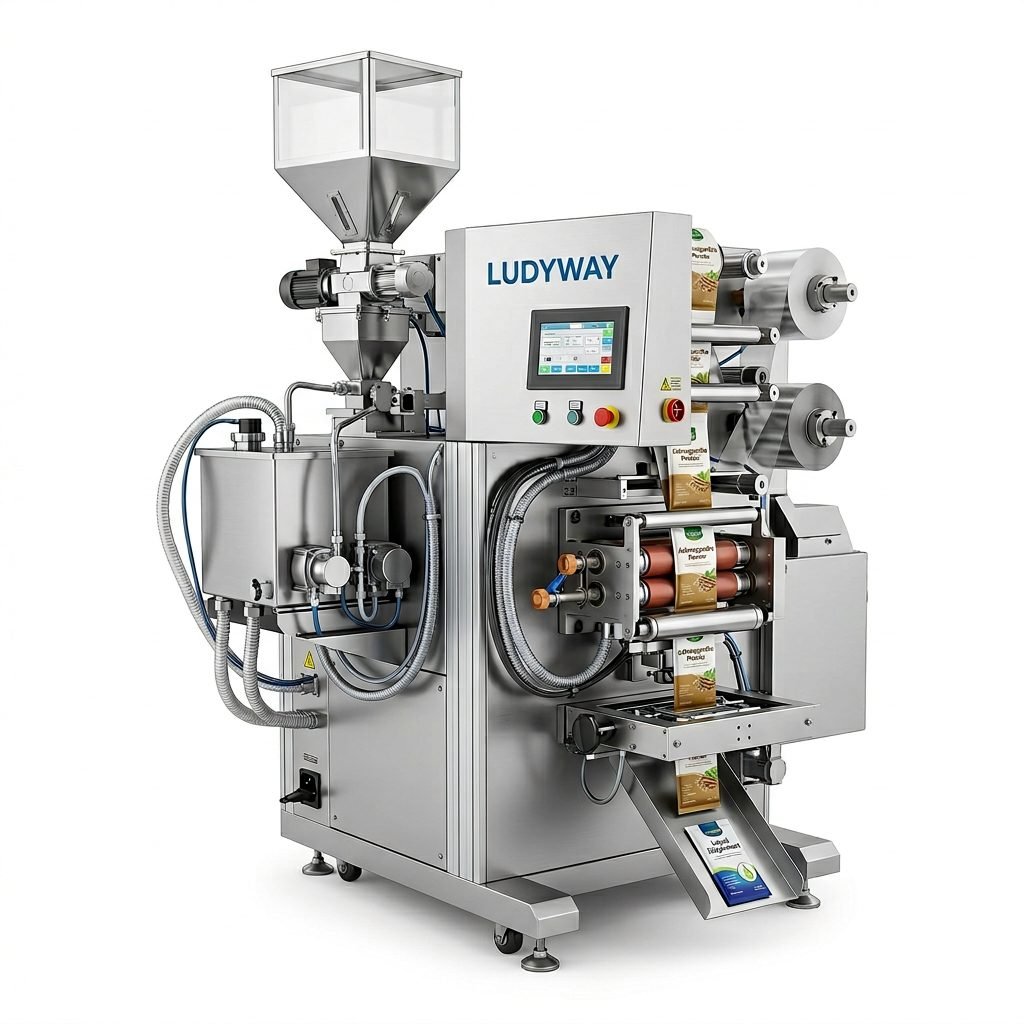
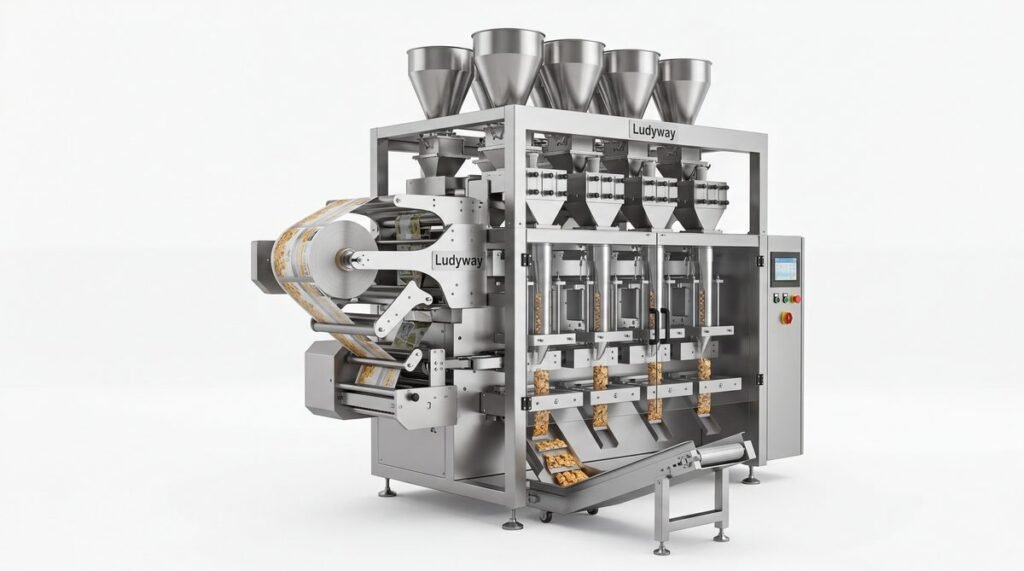
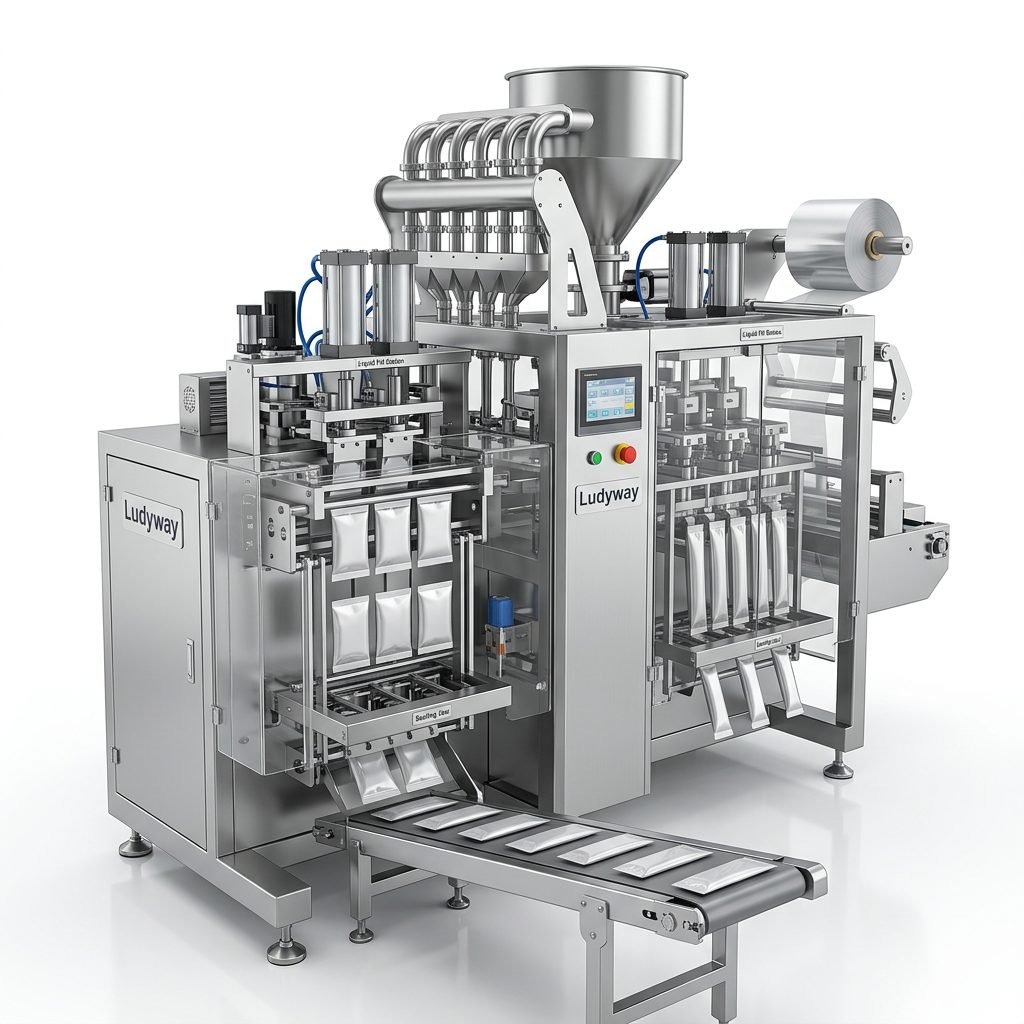
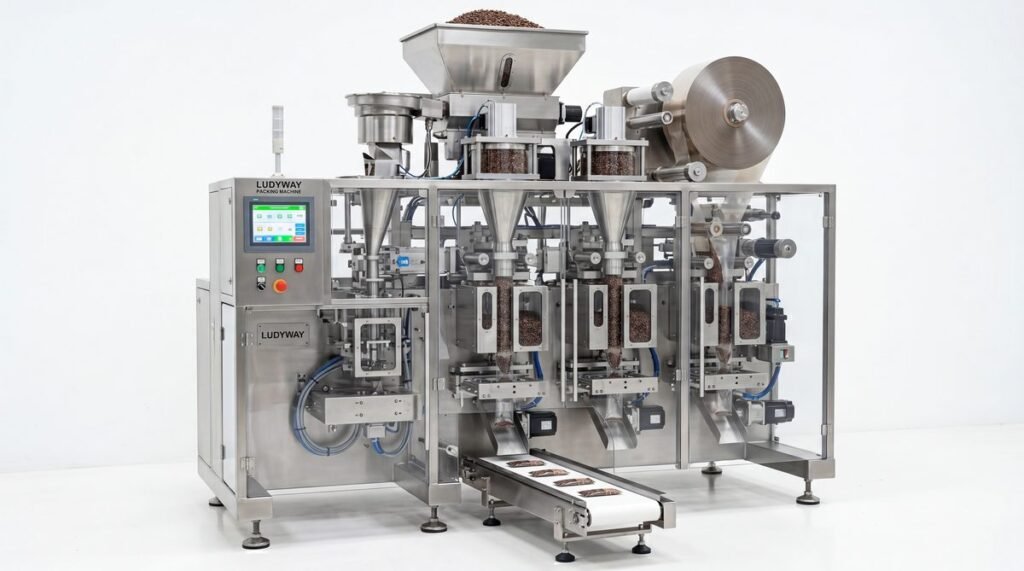
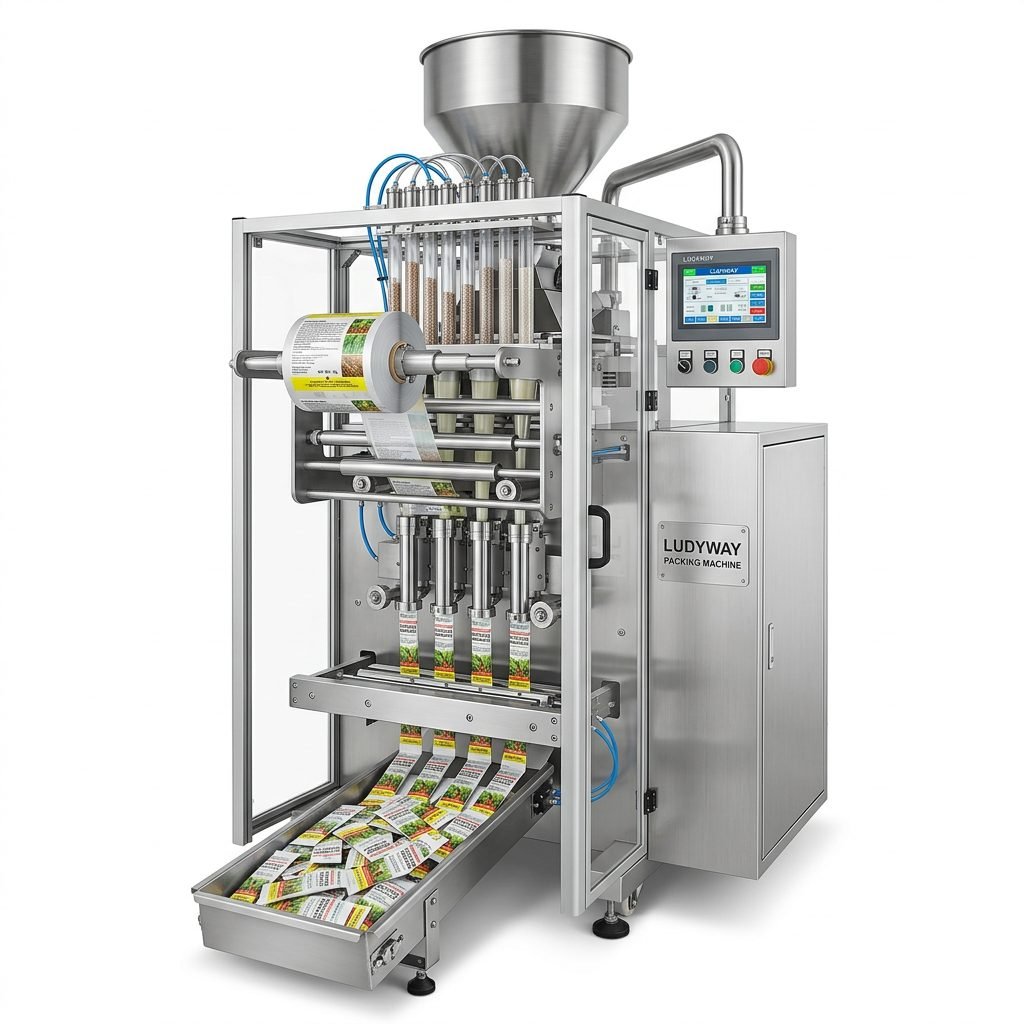
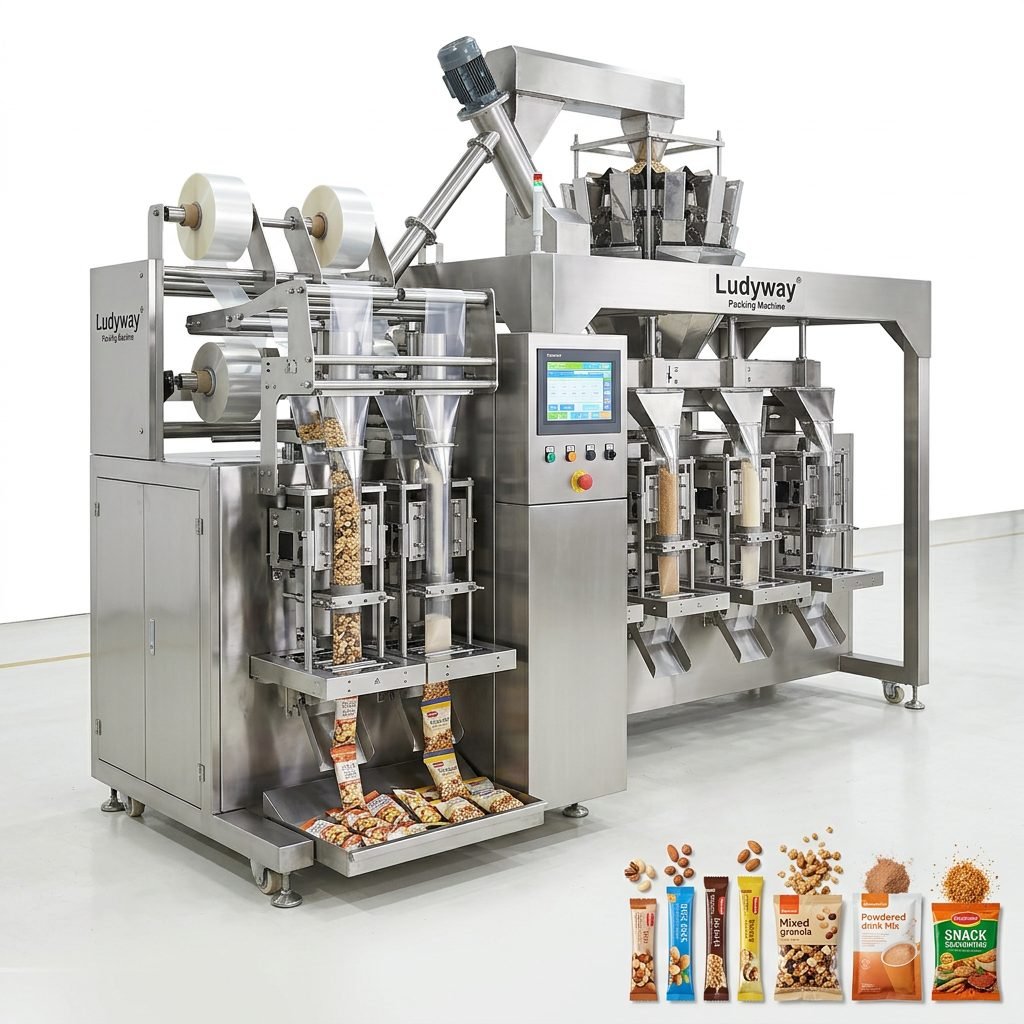
Multi-lane packaging is a packaging method in which one machine runs several lanes at the same time, producing multiple sachets or stick packs in parallel during each cycle. Instead of one product tube or film track creating one package at a time, a multi-lane system can form, fill, seal, and cut several packages simultaneously.
This design is especially common in applications such as:
- Instant coffee and drink powders
- Sugar, salt, seasoning, and spice sachets
- Health supplement powders and granules
- Pharmaceutical oral solids and medicinal powders
- Shampoo, lotion, cream, gel, and serum sachets
- Detergent, cleaning liquid, and chemical single-dose packs
Why Multi-Lane Packaging Matters in Modern Production
Markets increasingly demand smaller pack sizes, higher production speed, and better package uniformity. At the same time, manufacturers face rising labor costs, tighter hygiene requirements, and stronger pressure to improve efficiency. Multi-lane packaging addresses these challenges by allowing producers to achieve much higher throughput from a compact machine footprint.
For many factories, the move from a single-lane system to a multi-lane system is not just an upgrade in speed. It is a shift toward more scalable automation and more stable commercial production.
The Core Benefits of Multi-Lane Packaging
1. Much Higher Output in the Same Production Time
The most obvious advantage is speed. A multi-lane machine can produce several packages per cycle, which means output rises dramatically compared with a single-lane machine. This makes it ideal for brands and contract packers handling high-volume orders.
- More sachets or stick packs per minute
- Faster response to large purchase orders
- Better support for seasonal demand spikes
- Reduced risk of production bottlenecks
2. Better Use of Factory Floor Space
Instead of installing several separate machines to reach a target output, one multi-lane machine can often deliver equivalent or better capacity. This helps manufacturers save valuable production space while simplifying layout planning.
This is particularly useful for facilities where expansion space is limited or expensive, such as urban plants, clean workshops, and export-focused manufacturing sites.
3. Lower Labor Requirements
Because multiple lanes operate from one integrated system, fewer operators are usually needed compared with managing multiple independent machines. In many operations, one trained operator can supervise the machine, monitor packaging film and product feeding, and support routine checks.
The result is:
- Reduced manual intervention
- Lower labor cost per packed unit
- More stable production management
- Less variation caused by operator differences
4. Improved Packaging Consistency
Consistency matters in every industry, but it is especially critical in food, pharma, and health products. Multi-lane machines are designed to keep fill volume, seal quality, and pack dimensions as uniform as possible across all lanes.
With proper machine design and calibration, manufacturers can achieve:
- Uniform package appearance
- Reliable seal integrity
- Accurate dosing across lanes
- Better shelf presentation
- Lower rejection rates
5. Lower Cost Per Package
A higher-output packaging process usually reduces the cost of producing each unit. That happens because fixed resources such as labor, machine supervision, utilities, and floor space are spread across a larger number of finished packs.
For businesses competing in price-sensitive markets, this can be a major advantage. Over time, multi-lane packaging often supports stronger margins and faster return on investment.
6. Stronger Suitability for Single-Serve and Convenience Packaging
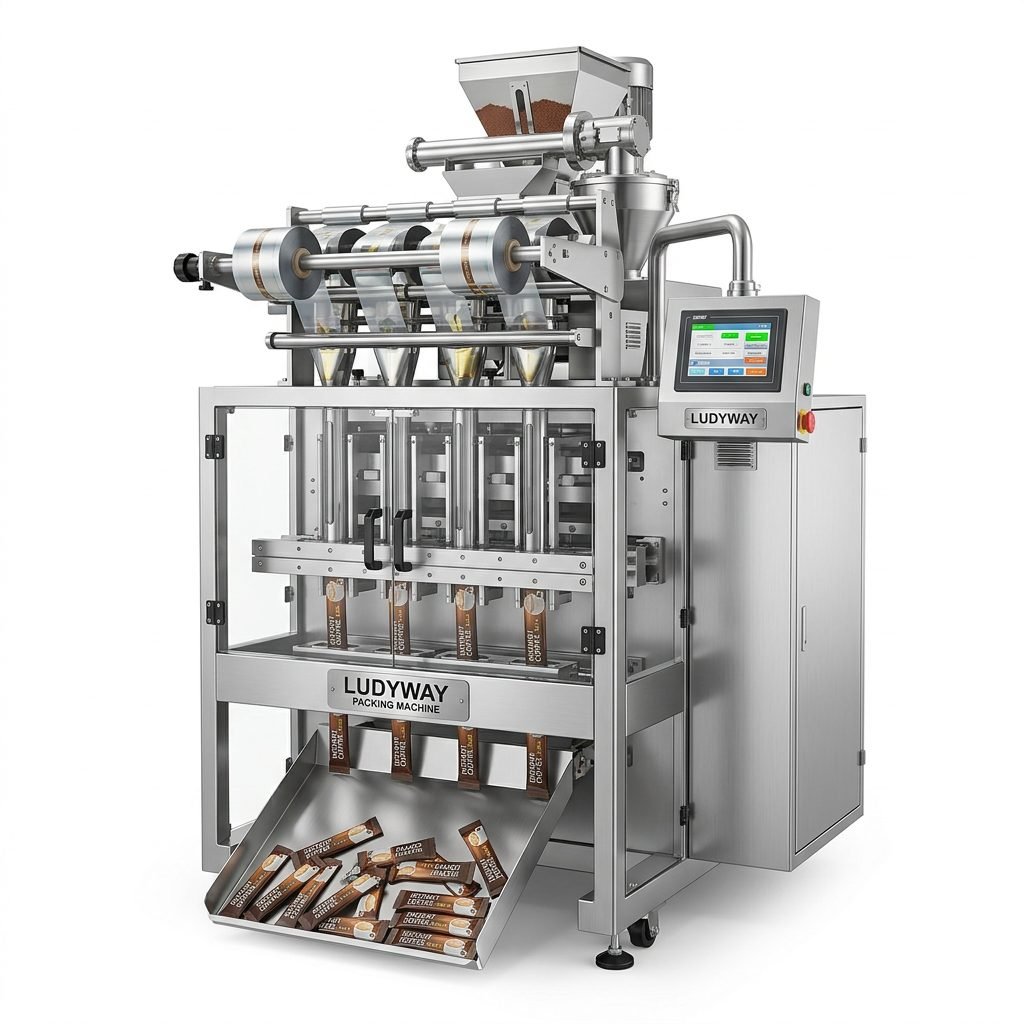
Consumer demand continues to move toward portable, hygienic, portion-controlled packs. Multi-lane packaging is highly suitable for producing these convenient formats at industrial speed.
Typical retail-friendly formats include:
- Stick packs for beverage powders and supplements
- Sachets for sauces, creams, gels, and detergents
- Trial-size cosmetic packs
- Single-dose pharmaceutical packs
- Travel-size personal care products
7. Greater Automation and Process Integration
Multi-lane systems can often be integrated with upstream and downstream equipment such as auger fillers, liquid pumps, feeders, conveyors, cartoners, coding systems, checkweighers, and case packing units. This creates a more complete automated line.
A more integrated line can deliver:
- Faster product transfer
- Reduced handling errors
- Better traceability
- Improved packaging line synchronization
- Higher overall equipment effectiveness
8. Reliable Performance Across Different Product Types
Modern multi-lane packaging systems are available for a broad range of materials, including free-flowing granules, non-free-flowing powders, liquids, creams, gels, and pastes. With the right dosing system and sealing structure, one machine concept can support many industries.
| Product Type | Typical Packaging Format | Common Industries |
|---|---|---|
| Powders | Stick packs, sachets | Food, nutraceutical, pharma |
| Granules | Stick packs, sachets | Seasoning, sugar, pet nutrition, chemicals |
| Liquids | Sachets, stick packs | Pharma, cosmetics, household care |
| Pastes and gels | Sachets | Cosmetics, food condiments, medical |
9. Better Support for High-Volume Export Production
For manufacturers serving international markets, packaging speed and consistency are essential. Export business often requires large quantities, standardized pack quality, and on-time delivery. Multi-lane packaging helps producers meet these demands more efficiently.
This is one reason many large-scale suppliers choose advanced automated systems from experienced manufacturers such as Ludyway multi-lane packaging machine solutions, especially for projects involving sachet and stick pack production across food, pharmaceutical, cosmetic, and chemical applications.
10. Easier Scalability for Growing Brands
Businesses often start with modest demand, but successful product lines can grow quickly. Multi-lane packaging offers a practical path to scale production without redesigning the full process from scratch. With the right machine specification, manufacturers can prepare for future demand rather than constantly replacing smaller equipment.
Industries That Benefit Most from Multi-Lane Packaging
Food and Beverage
Food manufacturers benefit from multi-lane systems when packaging products such as coffee, sugar, salt, milk tea powder, seasoning, soup mix, cocoa, protein powders, and instant drink formulations. The format works especially well for single-serve consumer packs and foodservice portions.
Pharmaceutical and Healthcare
Pharmaceutical companies value multi-lane packaging for powder sachets, oral liquids, granule medicines, hydration salts, and supplement packs. Accurate filling, controlled sealing, and hygienic machine design are major advantages in regulated environments.
Cosmetics and Personal Care
Sachet packaging remains popular for shampoos, lotions, face creams, serums, cleansers, and trial-size beauty products. Multi-lane machines allow cosmetic brands to produce promotional samples and retail sachets efficiently while maintaining attractive package presentation.
Chemical and Household Products
Detergent powders, cleaning liquids, descalers, water-treatment chemicals, and industrial additives can also be packed using multi-lane technology. For these applications, corrosion resistance, sealing stability, and dosing compatibility are especially important.
Pet Food and Animal Nutrition
Supplement powders, feed additives, granule treats, and nutritional sachets are increasingly packed in convenient small-dose formats. Multi-lane systems help animal nutrition brands improve speed and pack uniformity in this growing segment.
Multi-Lane vs Single-Lane Packaging
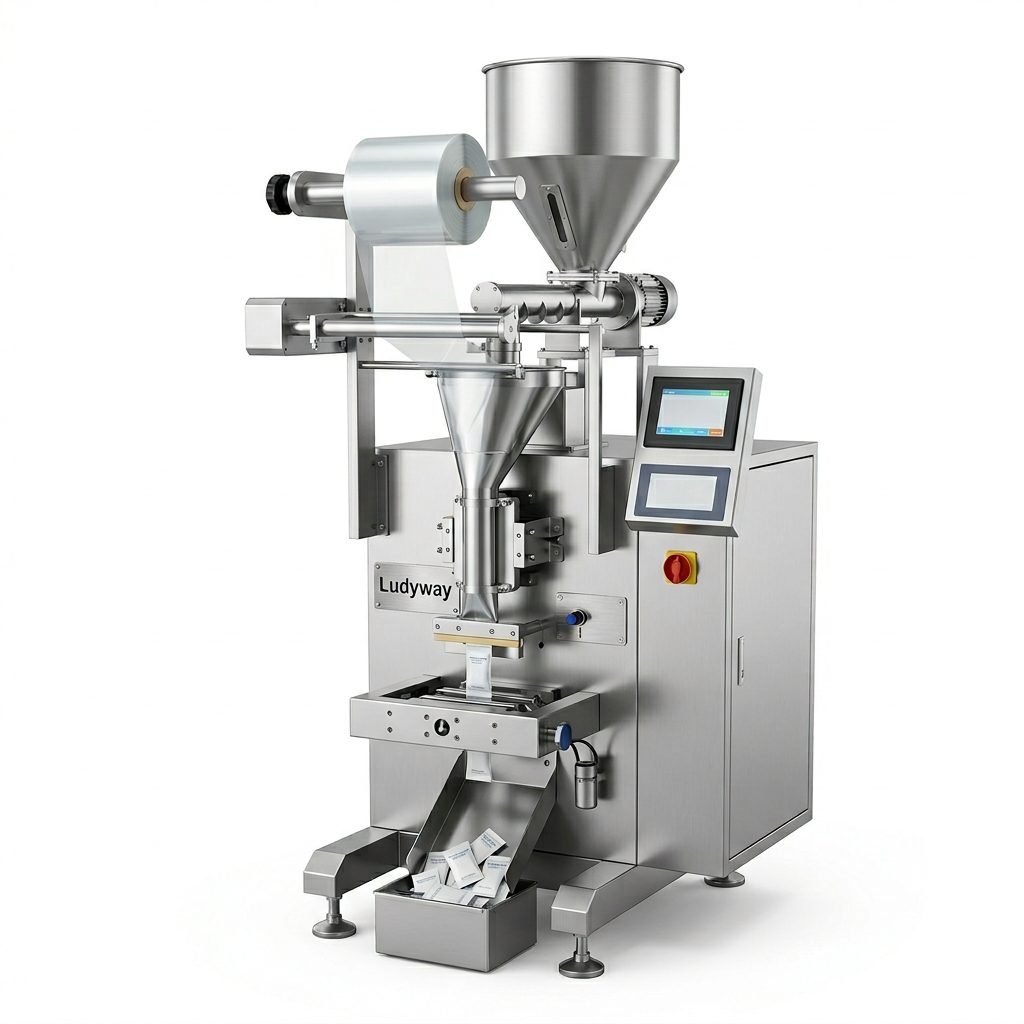
| Factor | Single-Lane Packaging | Multi-Lane Packaging |
|---|---|---|
| Output capacity | Lower | Much higher |
| Floor space efficiency | Moderate | High |
| Labor efficiency | Lower | Higher |
| Cost per package | Usually higher | Usually lower at scale |
| Best use case | Small output or pilot runs | Medium to large commercial production |
What to Consider Before Choosing a Multi-Lane Packaging Machine
Product Characteristics
Your product’s flowability, density, viscosity, particle size, and moisture sensitivity will affect the feeding and filling method. Powders, granules, liquids, and pastes require different dosing technologies.
Required Pack Format
Define whether you need sachets or stick packs, and confirm pack dimensions, seal type, cut shape, and target appearance. These details influence machine design and lane structure.
Production Speed Targets
The ideal number of lanes depends on your expected output. Buyers should evaluate current demand and near-future growth to avoid underinvesting or overspecifying.
Film Compatibility
Packaging material performance matters. Your machine must support the film structure required for barrier protection, sealing strength, print registration, and shelf life.
Cleaning and Maintenance
If you package food, medicines, or sticky products, machine cleaning and maintenance accessibility become especially important. A good design helps reduce downtime and supports hygiene compliance.
Line Integration Needs
Think beyond the main machine. You may also need product feeding, coding, inspection, cartoning, case packing, or palletizing. A supplier with turnkey integration capability can reduce coordination risk.
Who Should Invest in Multi-Lane Packaging?
Multi-lane packaging is especially suitable for companies that:
- Need high-volume sachet or stick pack production
- Want to reduce packaging cost per unit
- Have limited floor space but growing demand
- Need stronger packaging consistency
- Plan to automate or upgrade from semi-automatic processes
- Serve retail, export, or contract manufacturing markets
Final Thoughts on the Benefits of Multi-Lane Packaging
Multi-lane packaging is more than a high-speed packaging method. It is a smart manufacturing strategy for businesses that want to produce more, save labor, improve consistency, and stay competitive in fast-moving markets. When correctly matched to the product and production target, a multi-lane system can deliver significant long-term advantages in efficiency, scalability, and product quality.
For companies packaging powders, granules, liquids, or pastes into small-format retail or single-dose packs, multi-lane technology often represents one of the most practical ways to move toward faster, more efficient, and more profitable packaging operations.