Choosing the right packaging equipment servicing provider is a critical decision for any manufacturing operation. Your production line’s uptime, efficiency, and long-term reliability hinge on the quality of support you receive. With numerous companies offering maintenance and repair services, how do you identify the best partner for your specific needs? This guide will walk you through the essential factors to consider, ensuring you select a service provider that delivers value, expertise, and peace of mind.
Key Considerations Before You Choose
Before contacting potential service providers, it’s crucial to assess your own requirements. Consider the age and model of your machinery, the criticality of the equipment to your production, and your desired service level agreement (SLA) terms, such as response time and guaranteed uptime. Having clear expectations will streamline your search and discussions.
1. Evaluating Technical Expertise and Specialization
The foremost criterion is the provider’s depth of knowledge. Not all service technicians are created equal.
- ✓ Manufacturer-Specific Training: Do their technicians hold certifications from original equipment manufacturers (OEMs)? This is vital for complex machines.
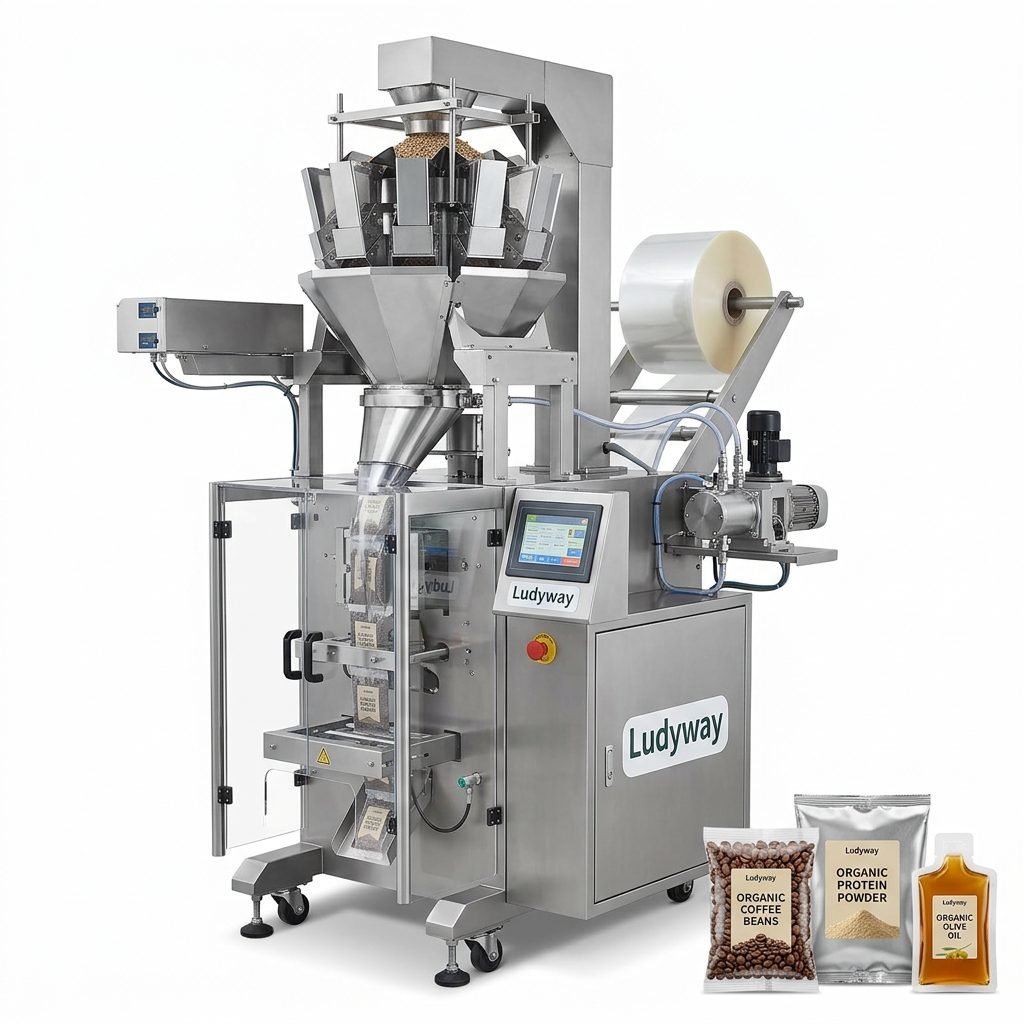
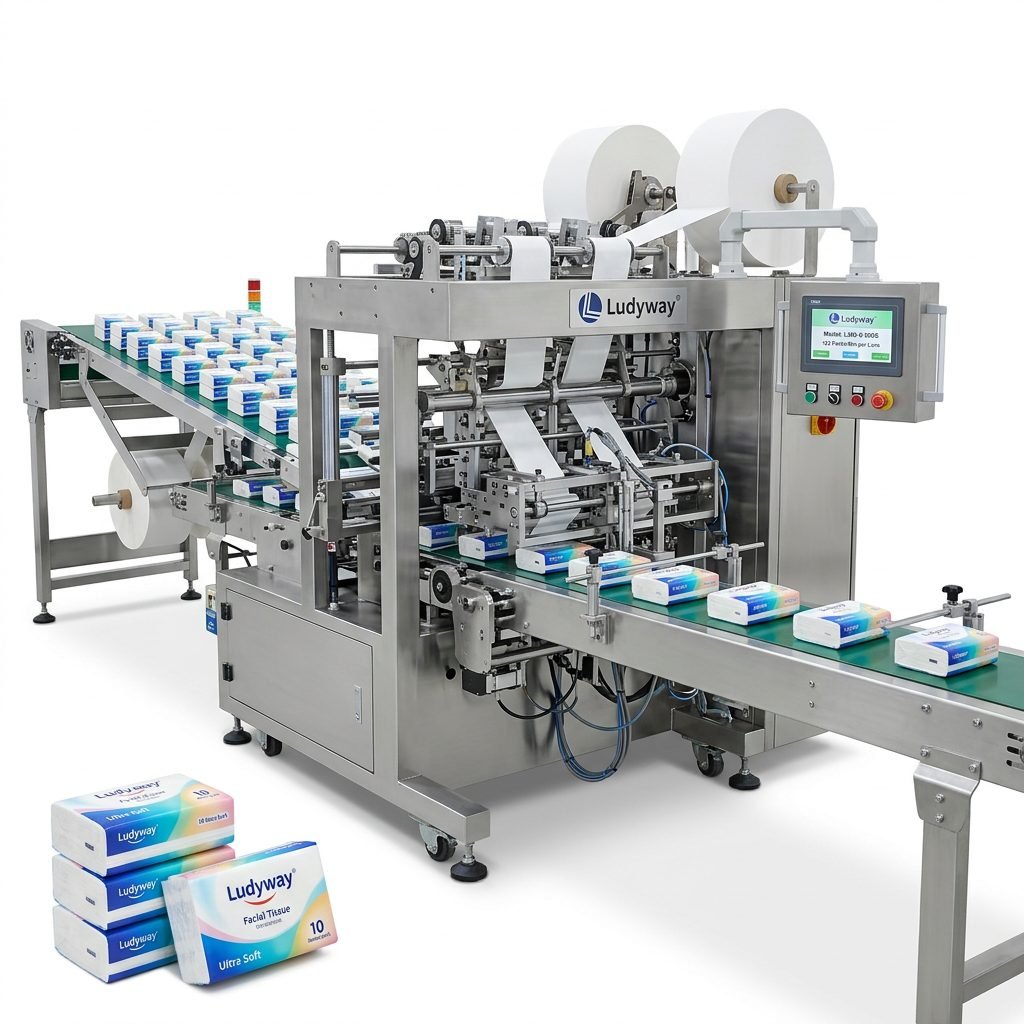
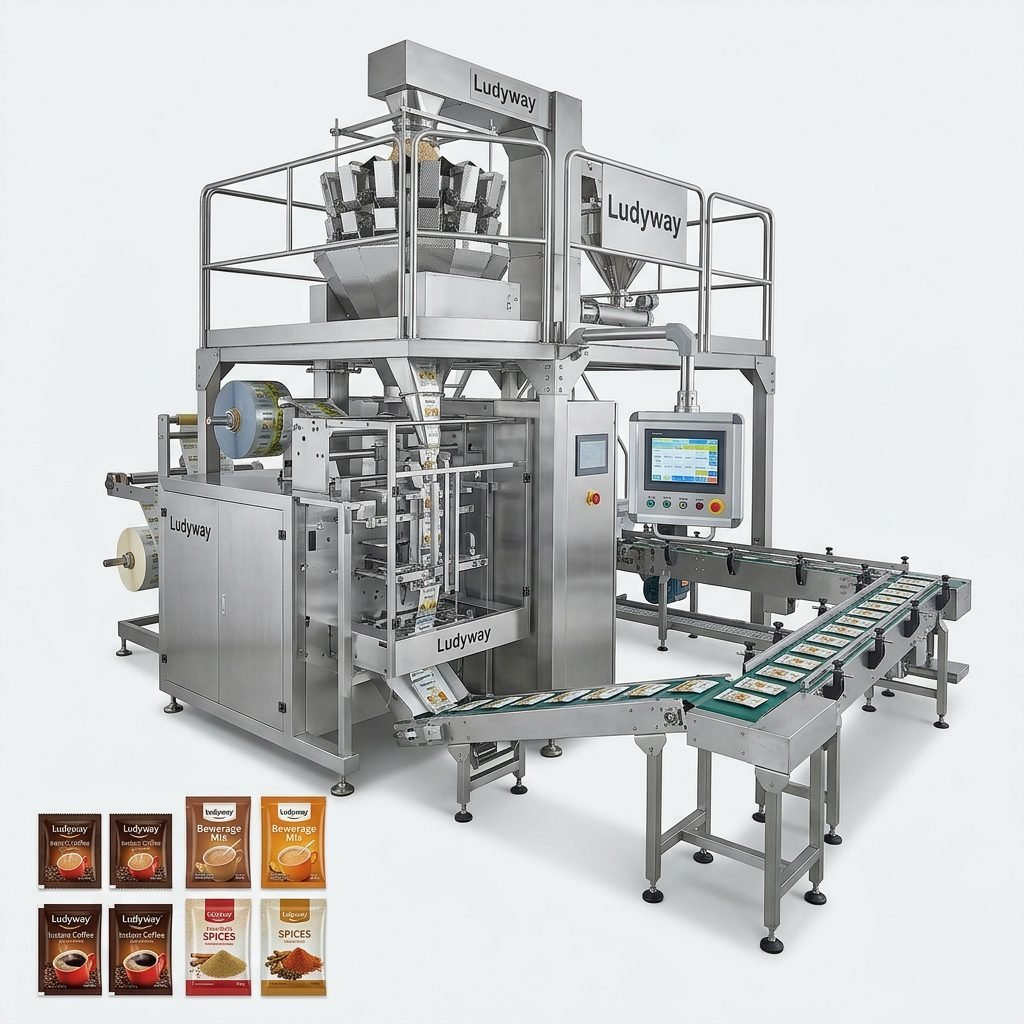
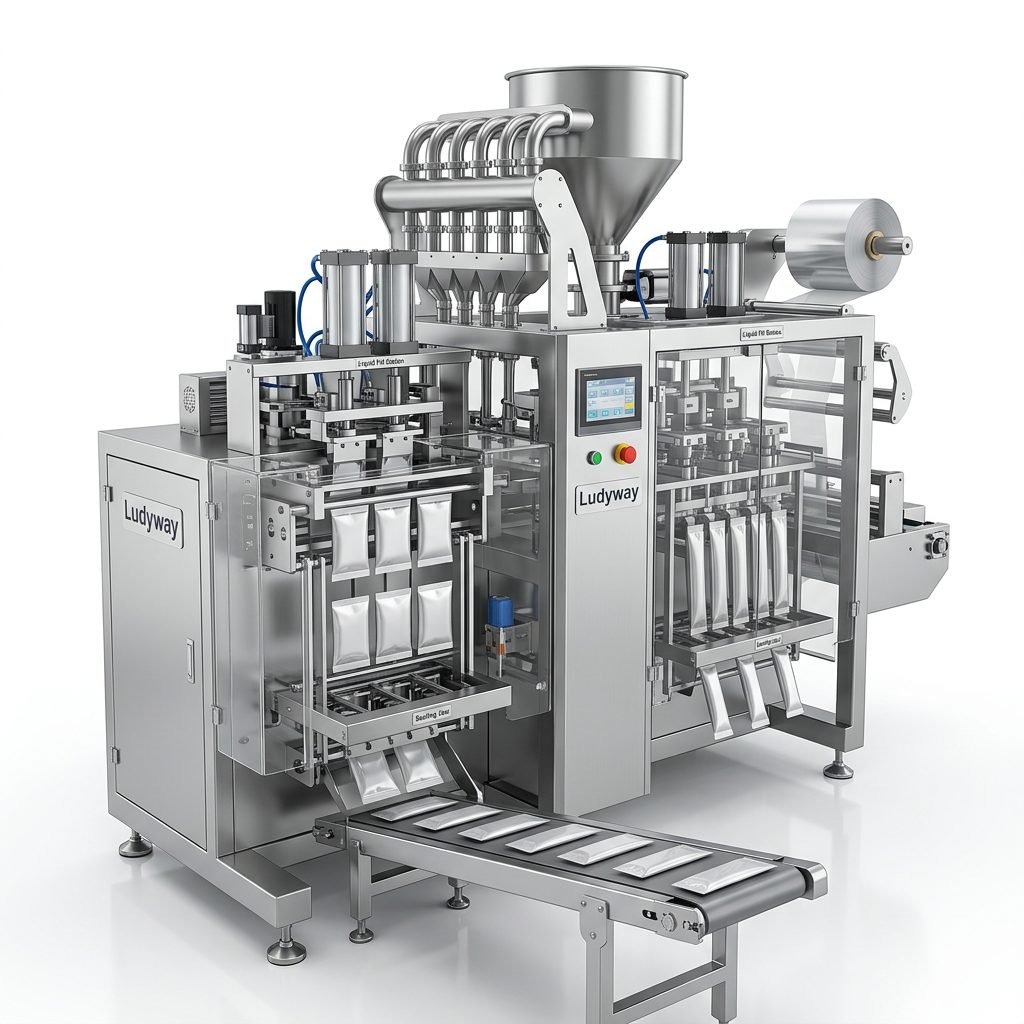
- ✓ Experience with Your Machine Type: Ensure they have a proven track record with your specific brand and model, whether it’s a vertical form-fill-seal machine, a cartoner, or a liquid filler.
- ✓ Broad Industry Knowledge: Providers like Ludyway Machinery, with over 30 years in the food and pharmaceutical sectors, understand not just the machine, but the entire production environment and regulatory demands.
2. Assessing Service Range and Availability
A top-tier provider offers more than just emergency repairs. Look for a comprehensive service portfolio.
Core Services to Expect:
Preventive Maintenance (PM): Scheduled check-ups to prevent failures.
Emergency Breakdown Repair: 24/7 availability for critical situations.
Parts Supply and Inventory: Access to genuine, high-quality OEM or compatible parts.
Performance Optimization and Retrofits: Upgrades to improve speed, efficiency, or add new functionalities.
Local availability is key for minimizing downtime. A provider with a strong local presence or multiple service hubs can offer faster response times. Inquire about their typical guaranteed response time for your area.
3. Importance of Quality Parts and Inventory
The longevity of a repair depends heavily on the quality of the parts used. A reputable service company will prioritize genuine OEM parts or high-grade equivalents. They should be transparent about part sources and warranties. Ask if they maintain a local inventory of common wear parts for your equipment type—this can shave days off a repair timeline. Companies that also manufacture equipment, such as Ludyway, often have direct access to parts and deep mechanical understanding, which is a significant advantage.
Proactive vs. Reactive Service: The Cost Difference
While reactive repair is necessary, a proactive maintenance partnership is far more valuable. Studies consistently show that the cost of unexpected downtime—in lost production, rush fees, and wasted materials—can be 5 to 10 times higher than the cost of a regular preventive maintenance program. Investing in a provider that emphasizes scheduled PM is an investment in predictable operations and cost control.
4. Reviewing Reputation and Client References
Don’t underestimate the power of peer reviews. A company’s reputation is its resume.
- Check Online Testimonials: Look for consistent praise regarding reliability, communication, and technical skill.
- Ask for Case Studies: Request examples of how they’ve solved problems similar to yours.
- Request Direct References: A confident provider will connect you with current clients in a similar industry. Ask references about the provider’s problem-solving ability and long-term support.
A history of long-term partnerships, as seen with providers who have grown from a focused engineering team to an international service organization, indicates a commitment to client success beyond a single transaction.
5. Understanding Communication and Support Structure
Excellent service is underpinned by excellent communication. From the first point of contact, assess their clarity and responsiveness.
Key Questions to Ask: Who will be your primary point of contact? How do they handle service requests (phone, portal, email)? What is their process for providing repair estimates and updates? Clear documentation, including detailed service reports and maintenance logs, is essential for tracking your equipment’s health and history.
Final Checklist for Selecting Your Provider
• Verified expertise with your specific machinery.
• Comprehensive service offerings (PM, repair, parts, training).
• Commitment to quality parts and local inventory.
• Strong local reputation and positive client references.
• Clear communication and supportive customer service structure.
By meticulously evaluating potential partners against these criteria, you move from hoping for good service to strategically securing it. The right packaging equipment service provider acts as an extension of your team, safeguarding your productivity and empowering your growth. For businesses seeking partners with deep engineering roots and a global perspective, exploring established specialists like Ludyway Machinery can be a step toward a more resilient and efficient production future.
Frequently Asked Questions (FAQs)
How often should packaging equipment undergo preventive maintenance?
The frequency depends on usage, machine type, and the operating environment. High-speed machines running 24/7 may need quarterly PM, while others may be on a semi-annual or annual schedule. Your service provider should recommend a customized plan based on a machine assessment.
What’s the difference between OEM parts and third-party compatible parts?
OEM (Original Equipment Manufacturer) parts are made by the machine’s original builder, guaranteeing fit and performance. Third-party parts are made by other companies. While high-quality compatible parts can be cost-effective, for critical components, OEM parts are often recommended to ensure warranty compliance and optimal machine life.
Should I choose a local independent service company or the OEM’s service department?
Both have pros and cons. OEM service offers guaranteed expertise and parts but can be more expensive. A reputable independent provider often offers more flexible pricing and personalized service, especially if they have OEM-trained technicians. The decision hinges on the independent provider’s proven expertise with your specific equipment.
What should be included in a comprehensive service report?
A good service report details the work performed, parts replaced (with serial/lot numbers), machine condition findings, recommendations for future service, and any adjustments made to settings or software. It serves as a legal and operational record for your asset.
How can I reduce unplanned packaging machine downtime?
The most effective strategy is a robust preventive maintenance program paired with operator training on basic diagnostics and daily checks. Additionally, establishing a relationship with a reliable service provider for fast emergency response and keeping a small inventory of critical wear parts on-site can drastically reduce downtime duration.