Plastic packaging equipment plays a crucial role in modern manufacturing, enabling efficient, reliable, and cost-effective packaging of a vast array of products. From food and pharmaceuticals to chemicals and consumer goods, these machines form the backbone of production lines worldwide. Understanding the different types, their applications, and the criteria for selecting the right machine is essential for any operation aiming to optimize its packaging process.
Types of Plastic Packaging Equipment
The landscape of plastic packaging machinery is diverse, catering to different materials, product forms, and output requirements. Here are the primary categories:
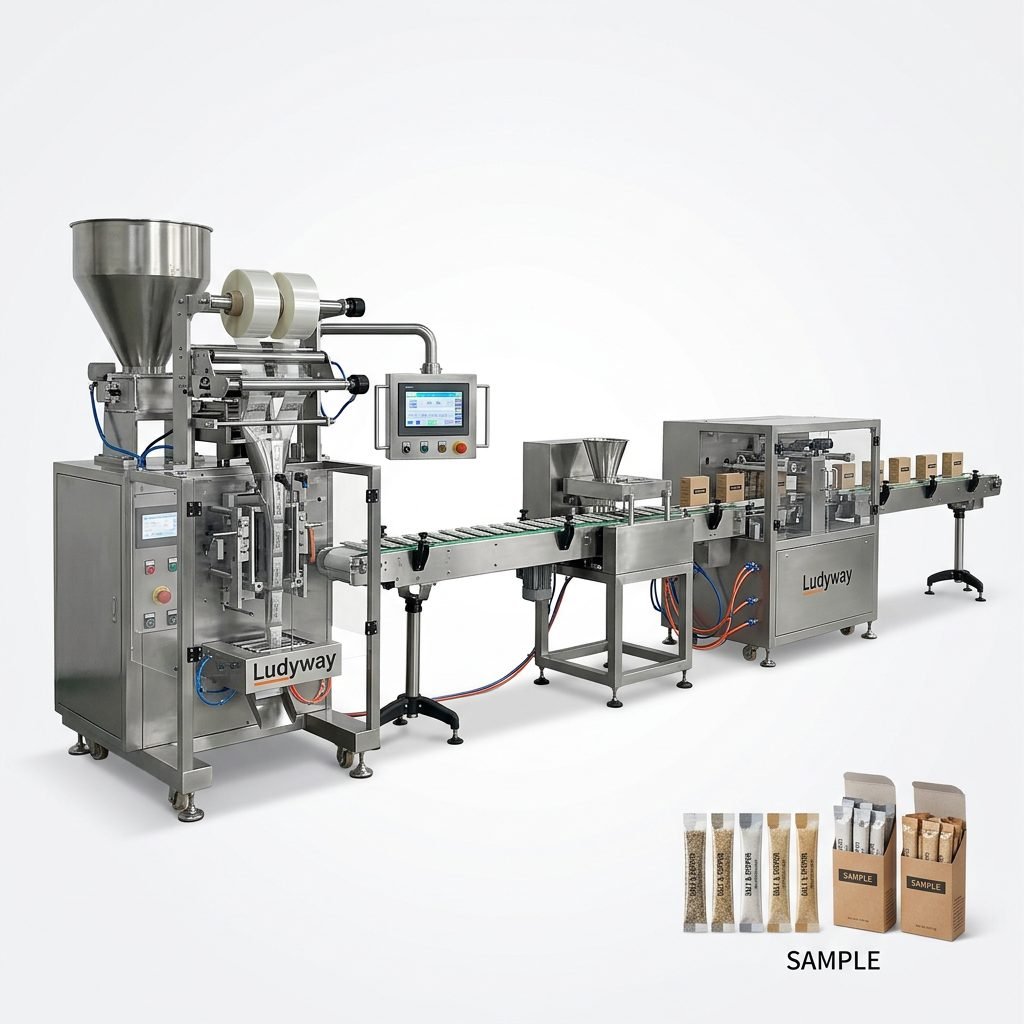
1. Granule Packaging Machines
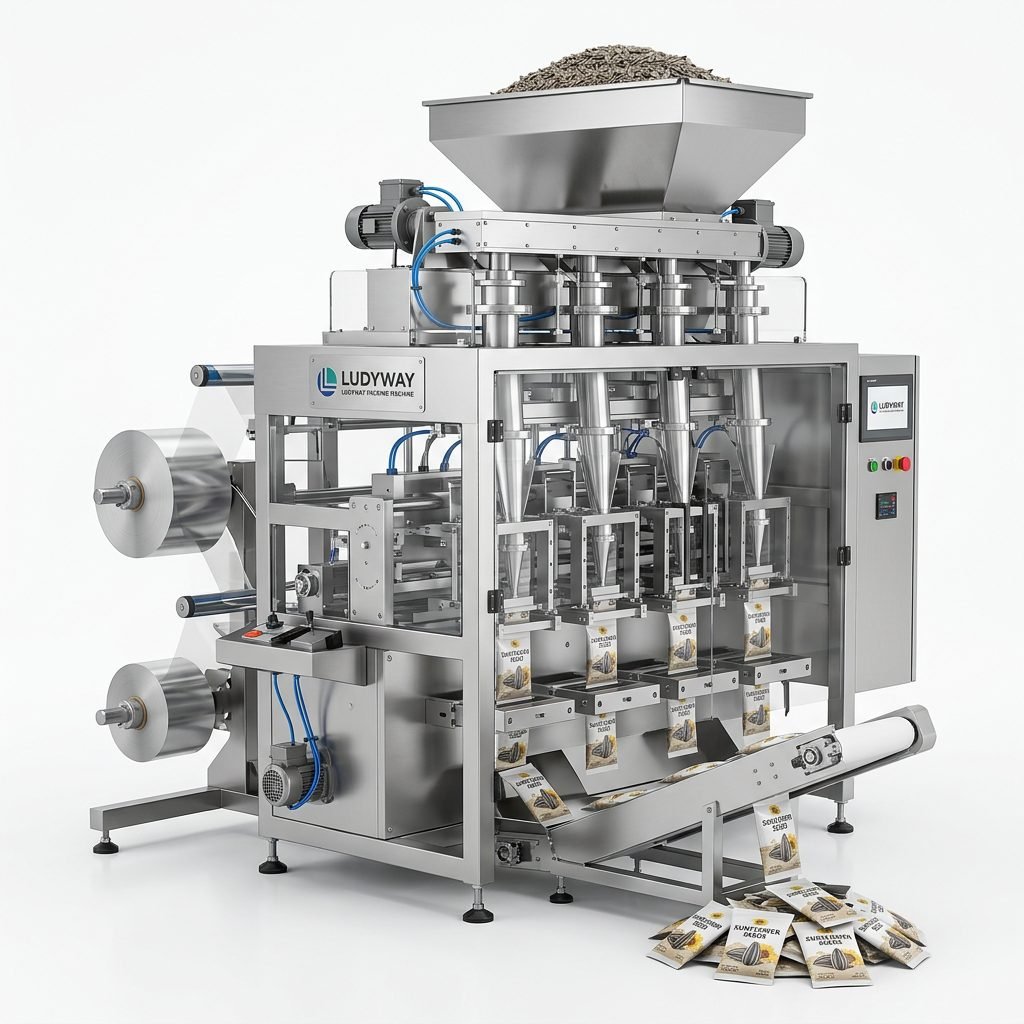
These machines are designed for packaging granular products like rice, seeds, coffee beans, or plastic pellets. They typically use pre-made plastic bags or form-fill-seal (FFS) technology to create bags from roll stock. Key features include volumetric or weigh-fill systems for accurate dosing and high-speed capabilities for bulk packaging.
2. Powder Packaging Machines
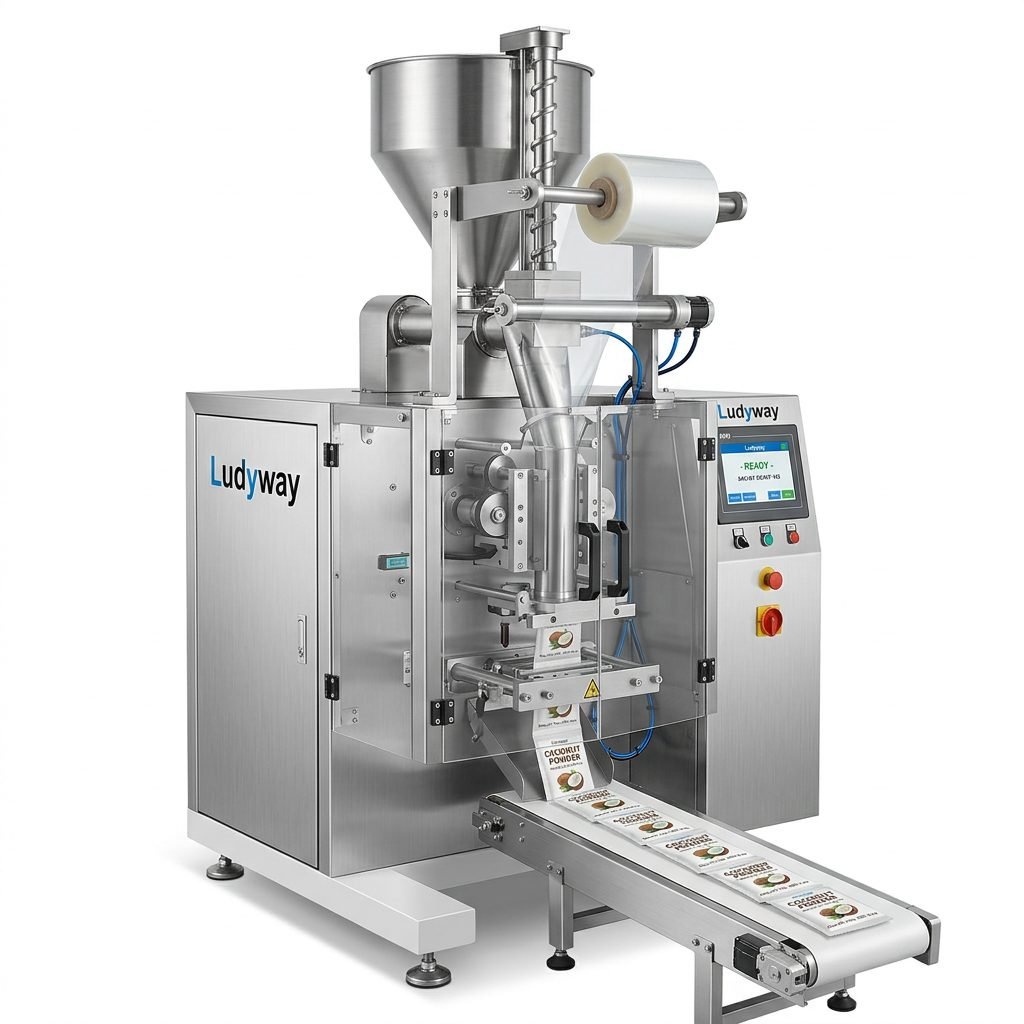
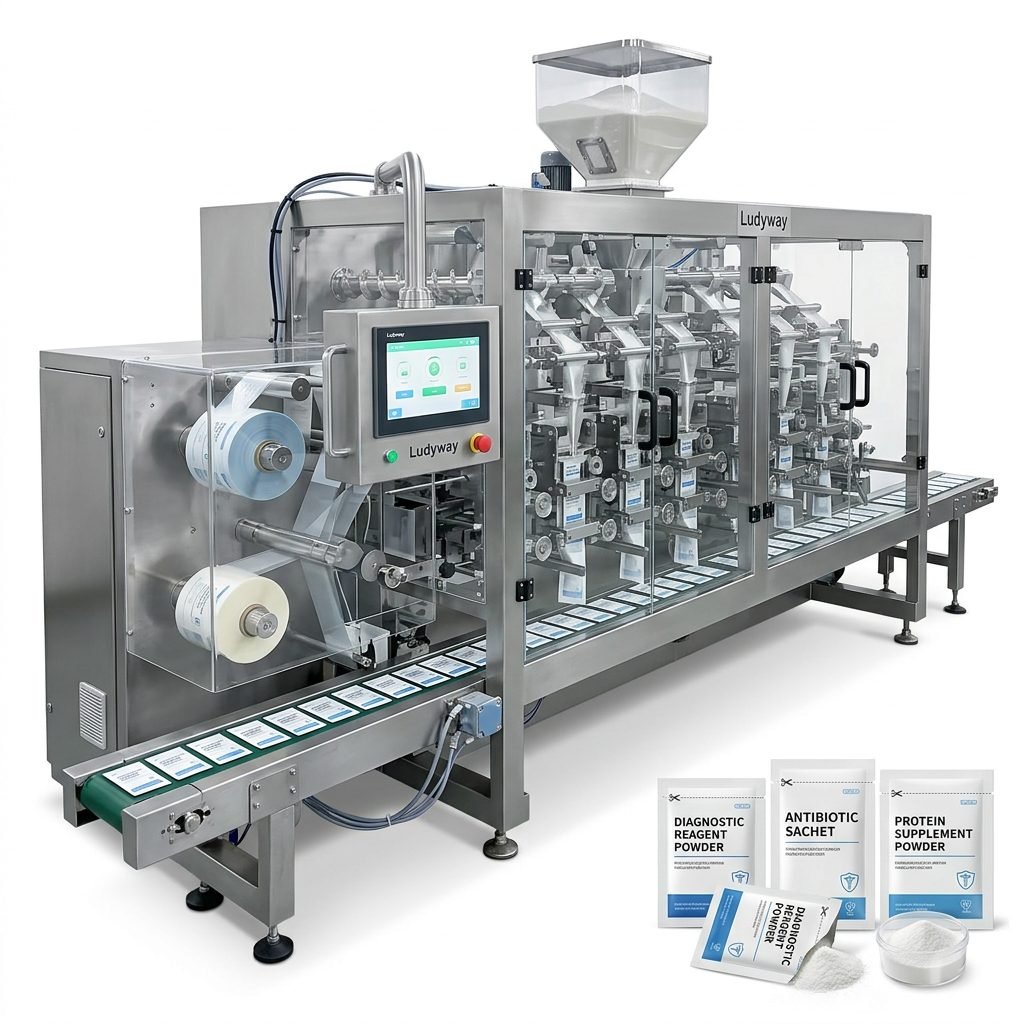
For fine, dry products such as flour, spices, milk powder, or chemical powders. Powder machines require specialized handling to prevent dust and ensure precise filling. They often incorporate auger filler systems and may use stick pack or sachet formats for smaller portions, or larger bags for bulk quantities.
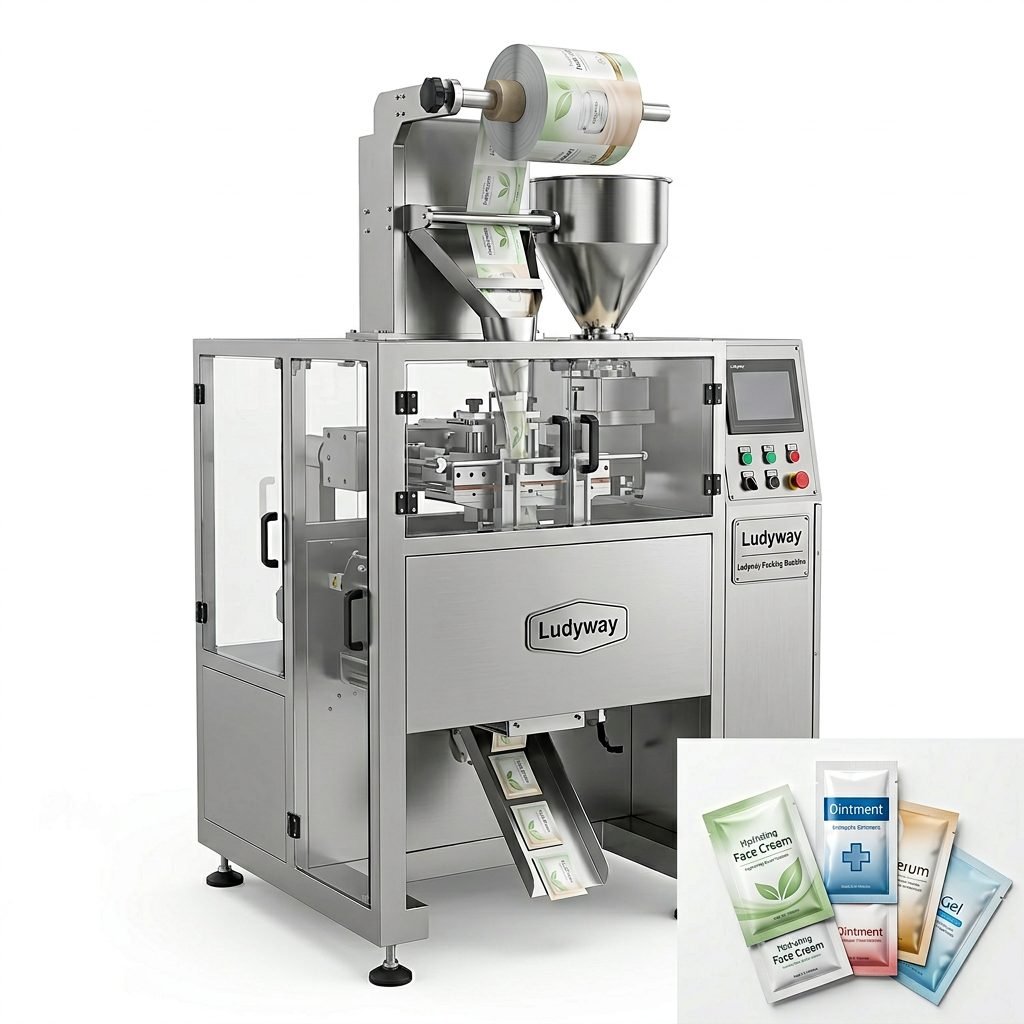
3. Liquid Packaging Machines
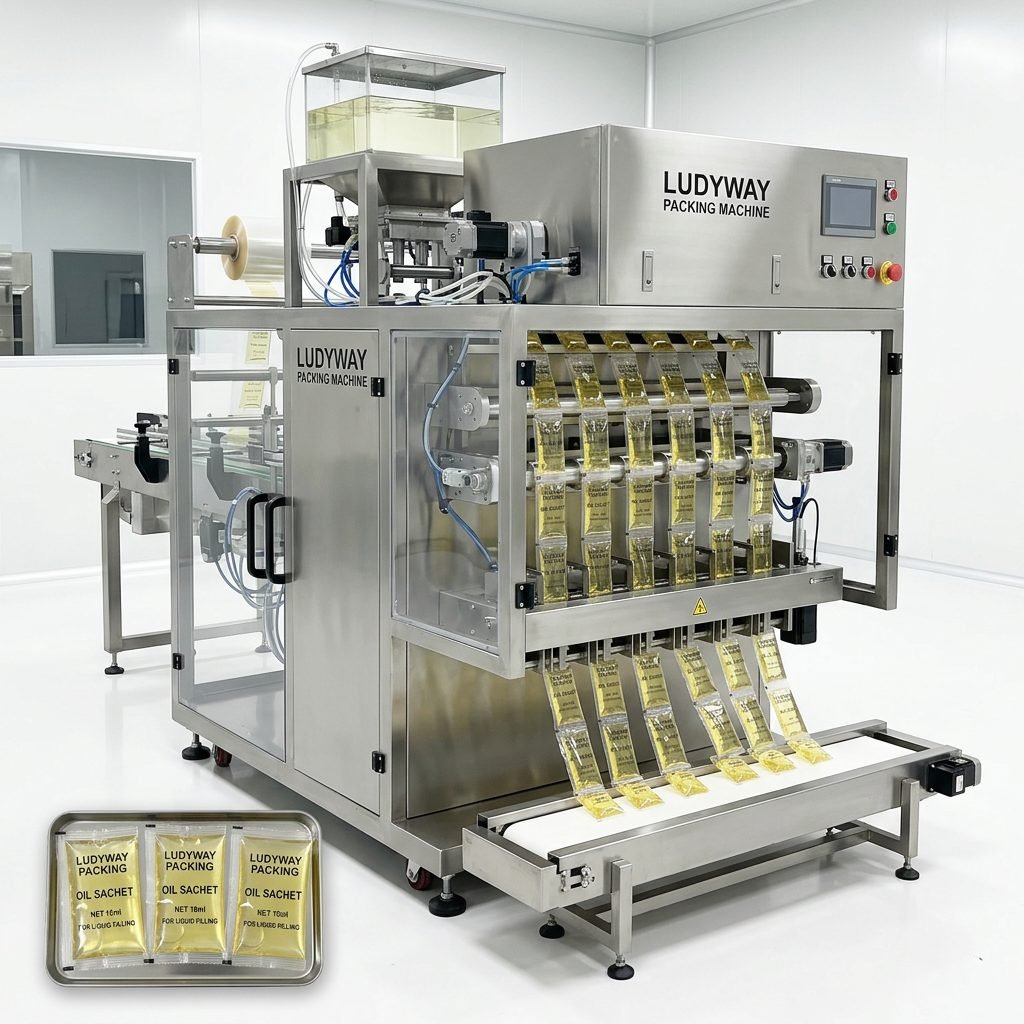
Used for packaging liquids, oils, sauces, or creams into pouches, bottles, or sachets. These machines must manage viscosity and prevent leakage. Technologies include piston pumps, gravity fillers, or vacuum fillers, and they are often integrated with sealing systems suitable for liquids.
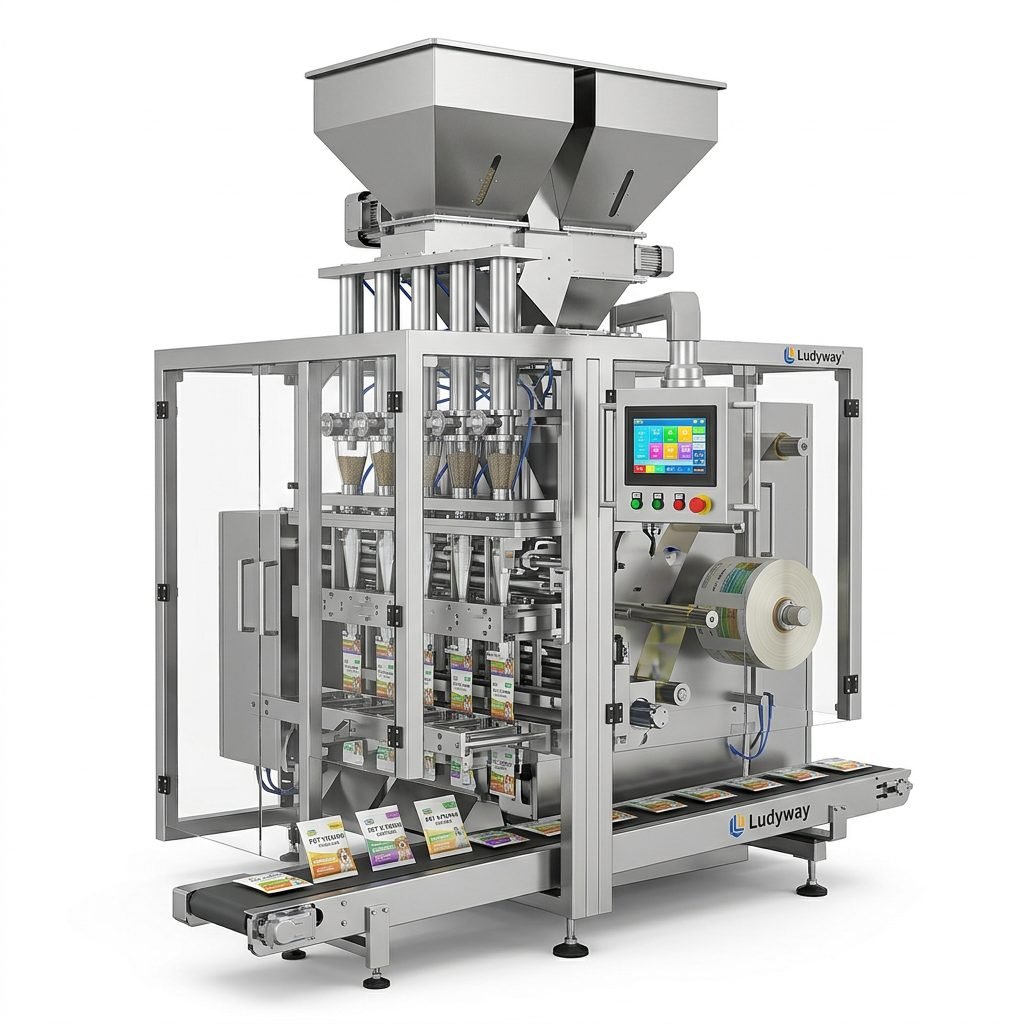
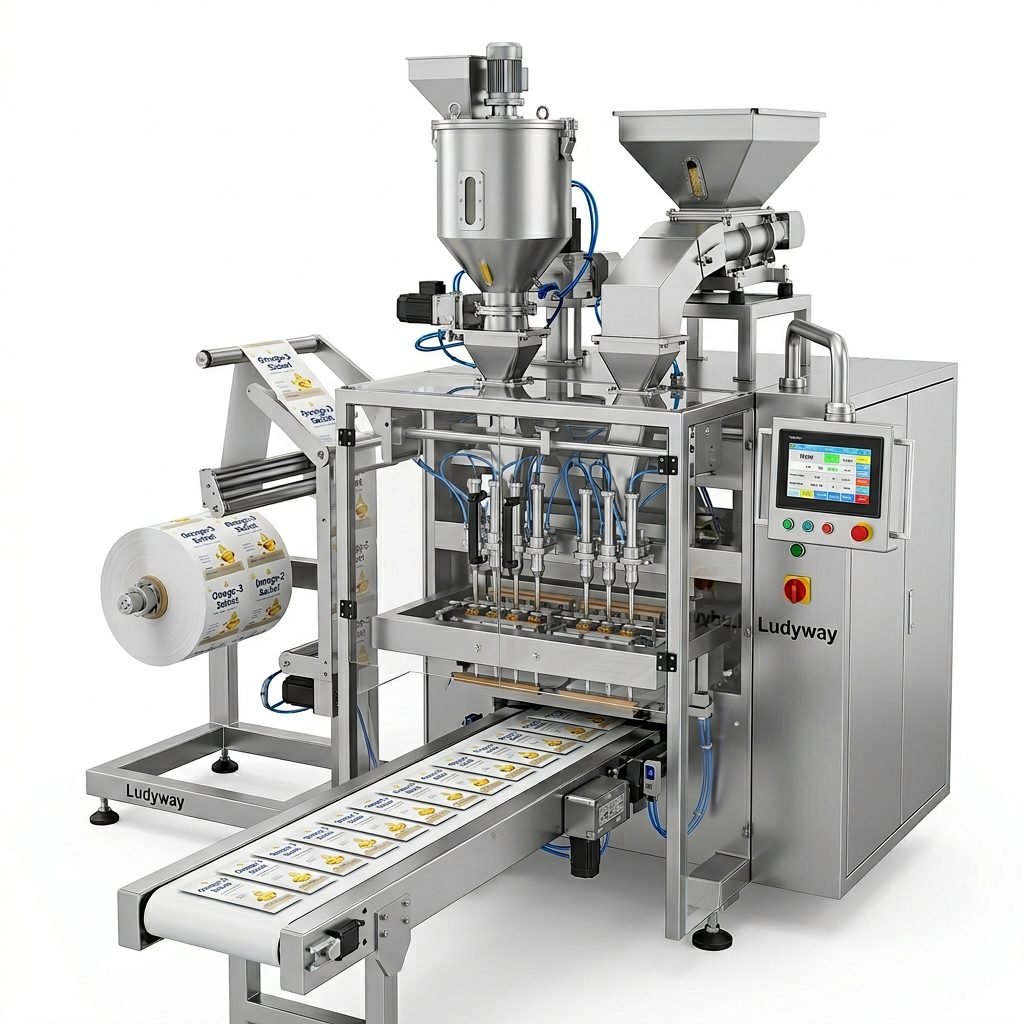
4. Stick Pack & Sachet Packaging Machines
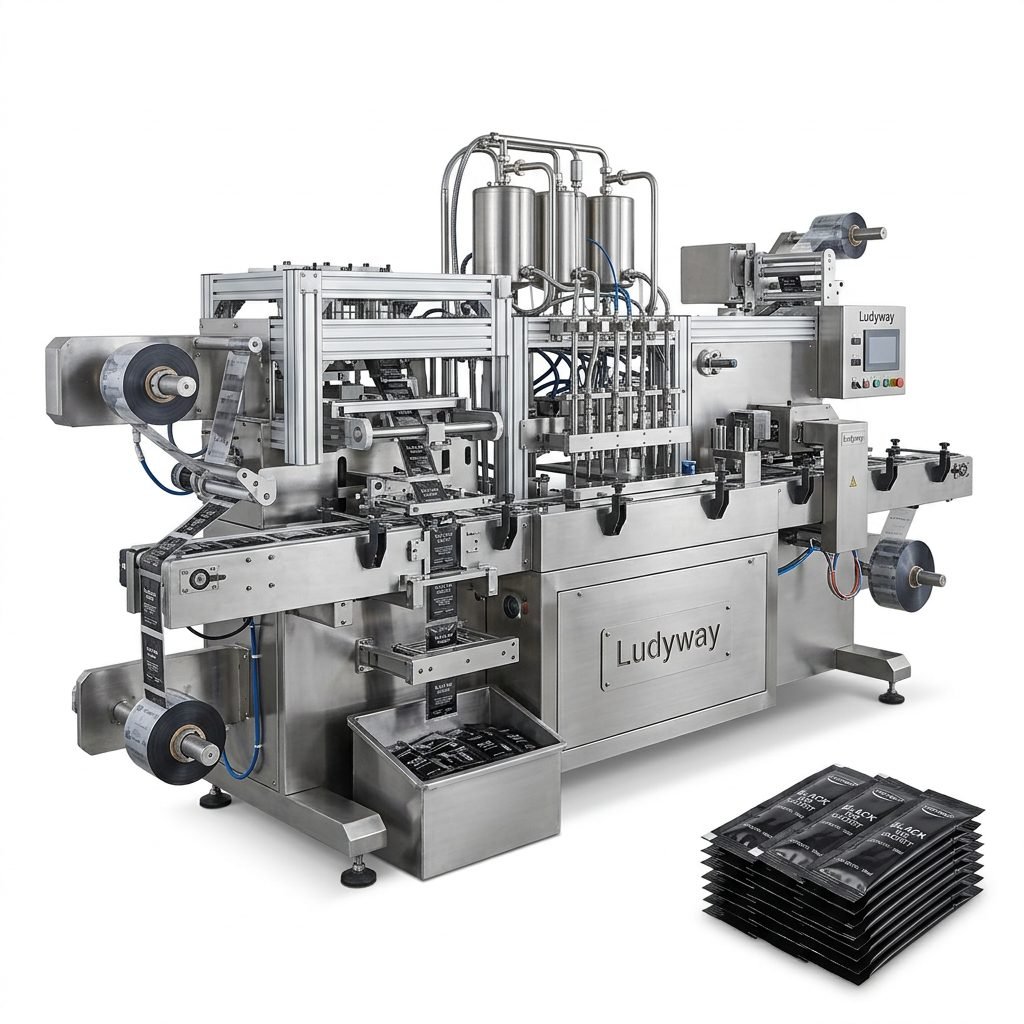
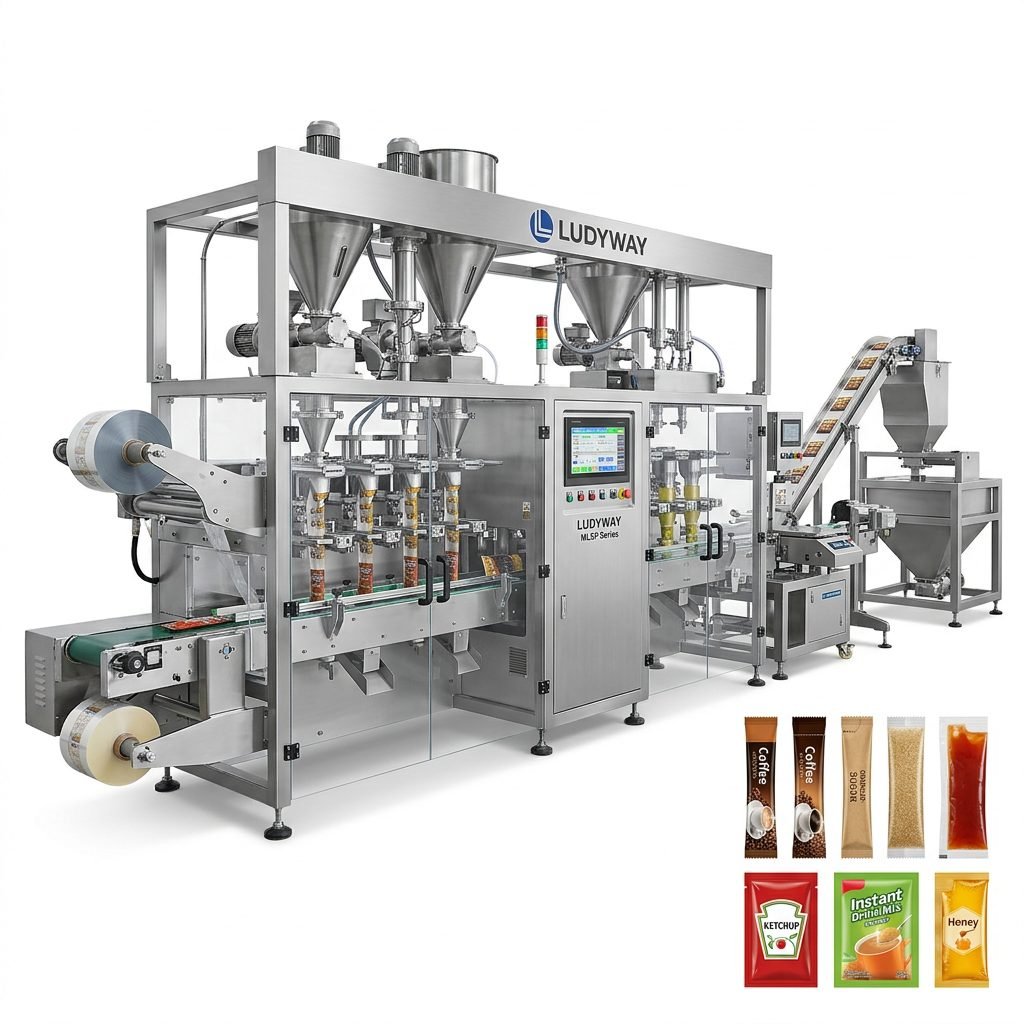
This category focuses on creating small, elongated stick packs or flat sachets, popular for single-serving portions of instant coffee, supplements, or seasoning. Machines are high-speed, multi-lane systems that form, fill, and seal from a single roll of film, offering excellent product visibility and convenience for end-users.
Primary Applications Across Industries
The versatility of plastic packaging equipment allows it to serve multiple sectors:
Food & Beverage Industry
This is the largest application sector. Machines package snacks, dried fruits, grains, powders (like protein shakes), and liquids (sauces, oils). Hygiene, speed, and the ability to handle various food consistencies are paramount. In many cultures, especially where freshness and portion control are valued, stick packs and small sachets are increasingly popular for spices and instant mixes.
Pharmaceutical & Healthcare
Precision and cleanliness are critical. Equipment packages powders (antibiotics), granules (supplements), and liquids (syrups) into unit-dose sachets, stick packs, or bottles. Regulations demand high accuracy in filling and excellent seal integrity to ensure product safety and efficacy.
Chemical & Industrial Products
From detergents and cleaning powders to industrial lubricants and plastic resins. Machines need to be robust, often handling abrasive or corrosive materials. Packaging formats range from large bags for bulk chemicals to small sachets for retail products.
Consumer Goods
Includes packaging for items like cosmetics (powders, creams), hardware (small parts), and gardening products (seeds, fertilizers). The focus is often on attractive, durable packaging that protects the product and appeals to retail consumers.
How to Choose the Right Machine for Your Production
Selecting the optimal packaging machine requires a careful analysis of your specific needs. Consider the following factors:
1. Product Characteristics
This is the first and most crucial step. Analyze your product’s form (granule, powder, liquid), density, flowability, and any special handling requirements (e.g., hygroscopic, abrasive, corrosive). The machine’s filling system must be compatible with these properties.
2. Desired Packaging Format & Output
Determine your final bag, pouch, or sachet size, shape, and material. Also, calculate your required production speed (bags per minute/hour) and daily/weekly output volume. This will dictate the machine’s size, number of lanes (for stick pack/sachet machines), and level of automation.
3. Level of Automation & Integration
Evaluate your current and future automation needs. Options range from semi-automatic machines requiring more operator involvement to fully automatic, high-speed lines integrated with upstream and downstream equipment like conveyors, cartoners, or palletizers.
4. Budget & Cost Considerations
Consider not only the initial purchase price but also the long-term operational costs. These include maintenance, spare parts, energy consumption, and the cost of packaging materials (film). A more efficient, reliable machine might have a higher upfront cost but lower total cost over its lifespan.
5. Supplier Expertise & Support
Choose a supplier with proven experience in your industry and product type. Look for a provider offering comprehensive support: installation, training, maintenance, and readily available technical service and spare parts. A supplier’s reputation and after-sales service are vital for long-term productivity.
Investing in the right plastic packaging equipment is a strategic decision that impacts your production efficiency, product quality, and bottom line. By thoroughly assessing your product, output goals, and operational context, you can partner with a knowledgeable supplier to select a machine that becomes a reliable asset for years to come.
Frequently Asked Questions (FAQs)
Q1: What is the main difference between a granule packaging machine and a powder packaging machine?
The core difference lies in the filling system. Granule machines often use volumetric cups or weigh scales, while powder machines typically require auger fillers for precise, dust-free dosing due to the product’s finer, more fluid nature.
Q2: Can one machine handle both granules and powders?
Some versatile machines, particularly certain form-fill-seal models, can be adapted for both by changing the filling head (e.g., from a volumetric cup to an auger). However, optimal performance and accuracy usually come from machines specifically designed for one product type.
Q3: How important is machine speed (bags per minute) for my choice?
It is critical. Your required output dictates the machine’s speed and scale. Under-capacity leads to bottlenecks, while over-capacity means unnecessary capital expenditure. Calculate your peak and average production needs accurately.
Q4: What are the key maintenance requirements for these machines?
Regular cleaning (especially for food and powder machines), lubrication of moving parts, inspection and replacement of seals and gaskets, and calibration of the filling system are essential. Follow the manufacturer’s maintenance schedule.
Q5: Should I choose a semi-automatic or fully automatic machine?
The choice depends on your labor availability, budget, and desired output. Semi-automatic machines are cheaper and suitable for lower-volume, flexible production. Fully automatic lines are for high-volume, consistent output where labor cost reduction and integration are priorities.