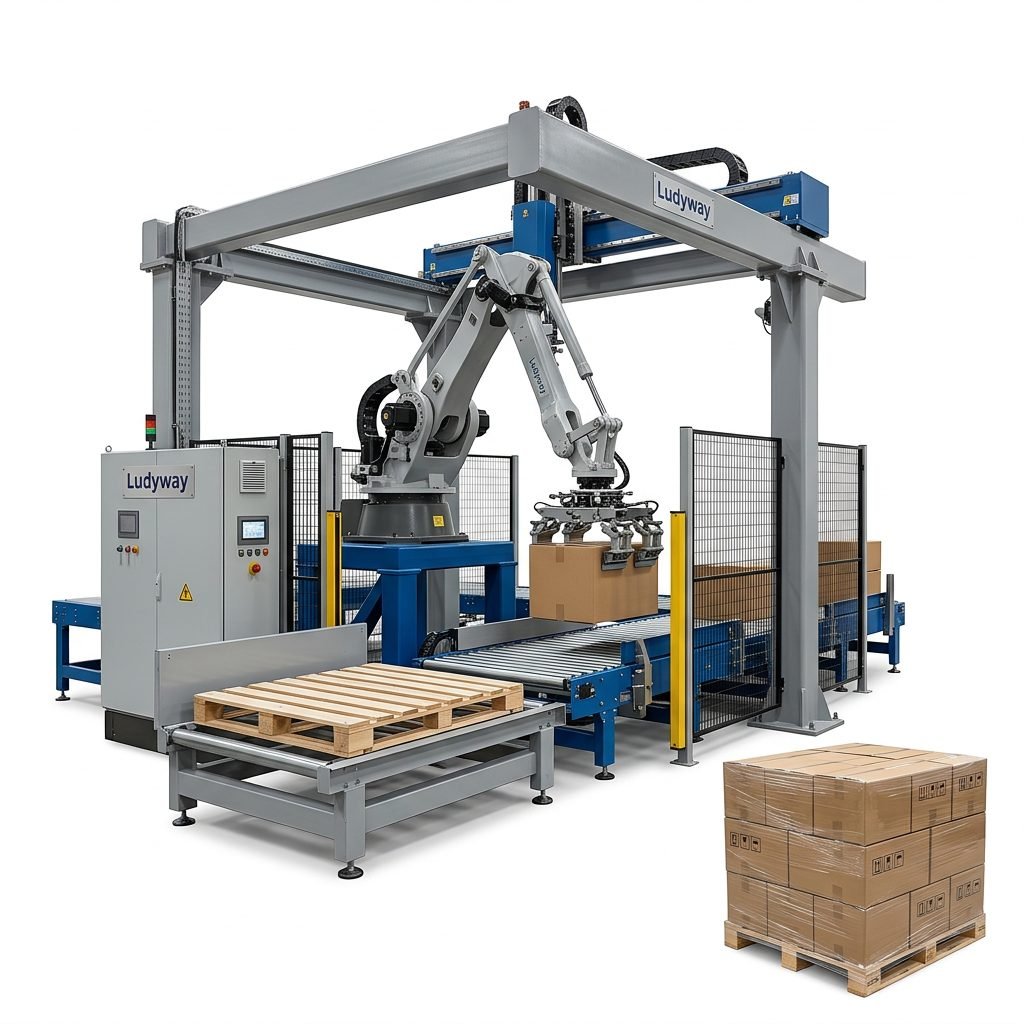
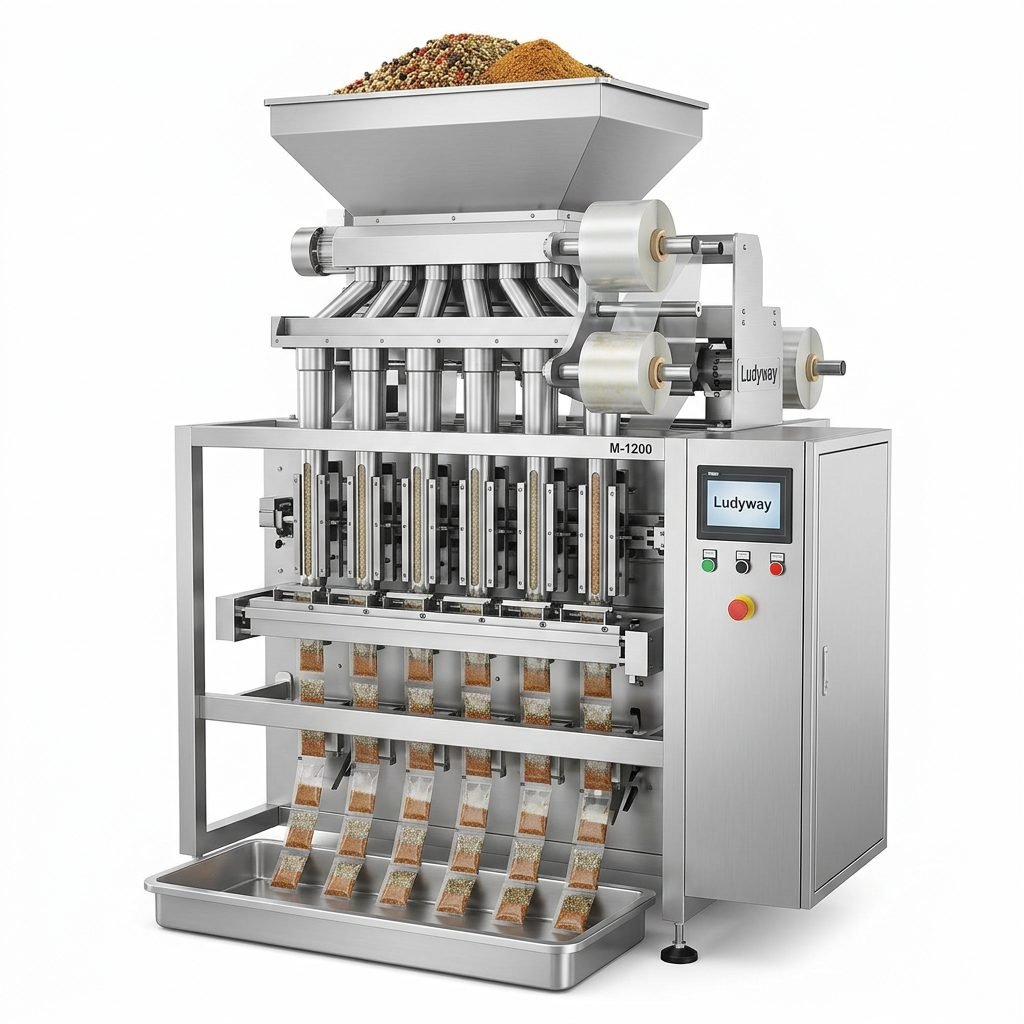
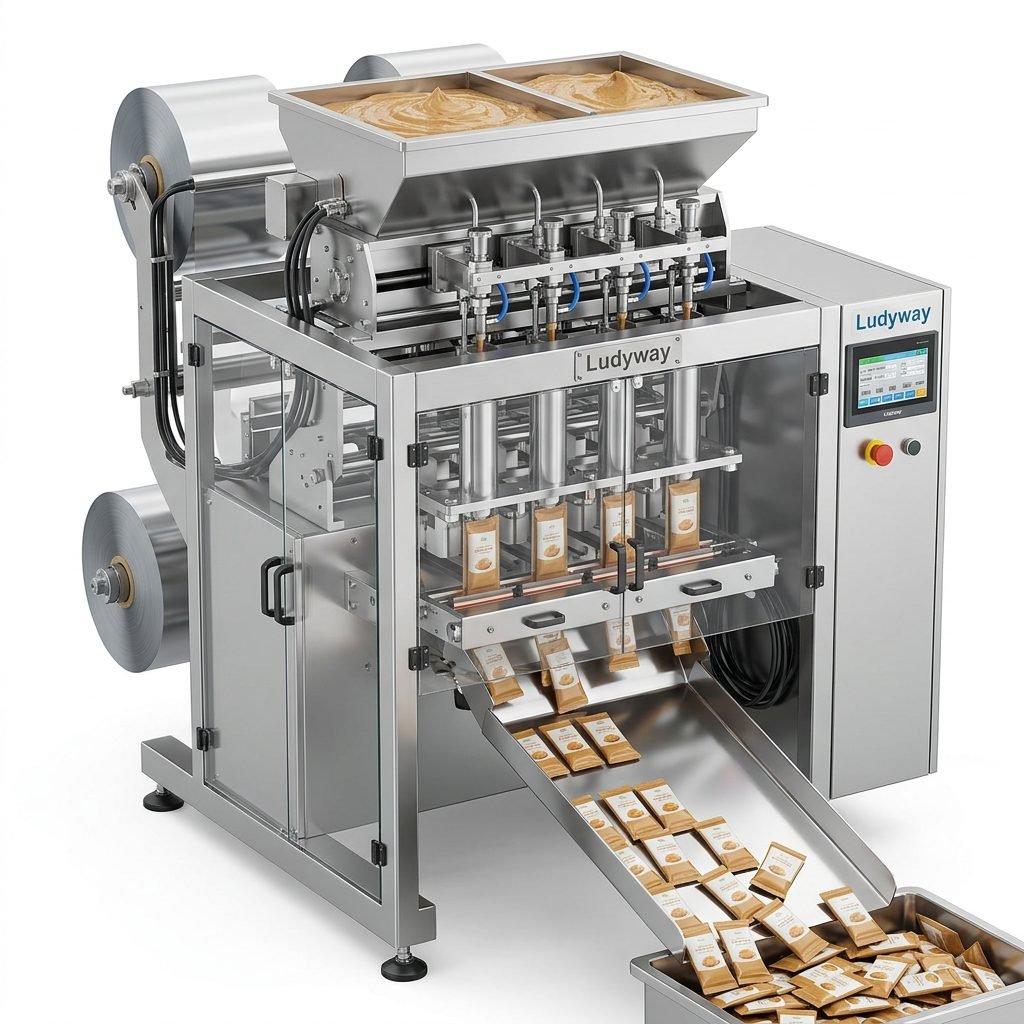
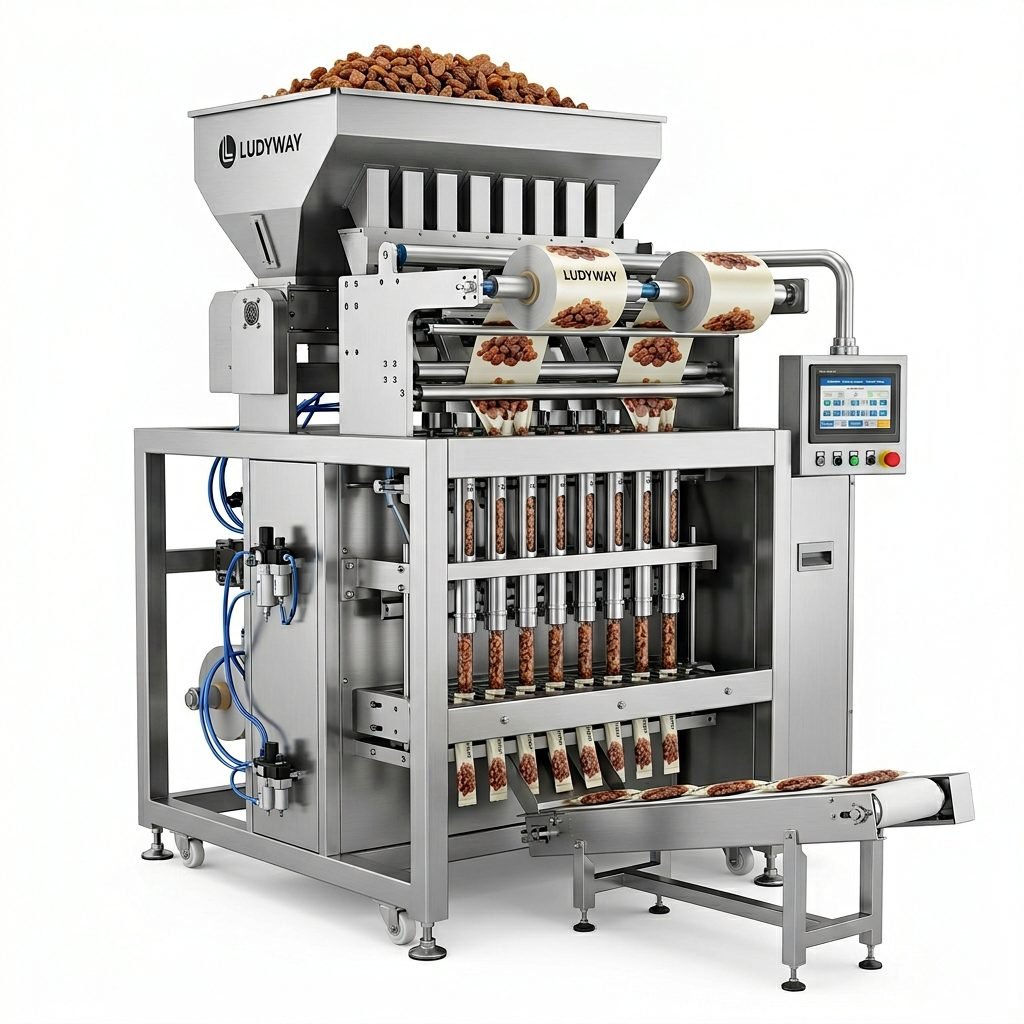
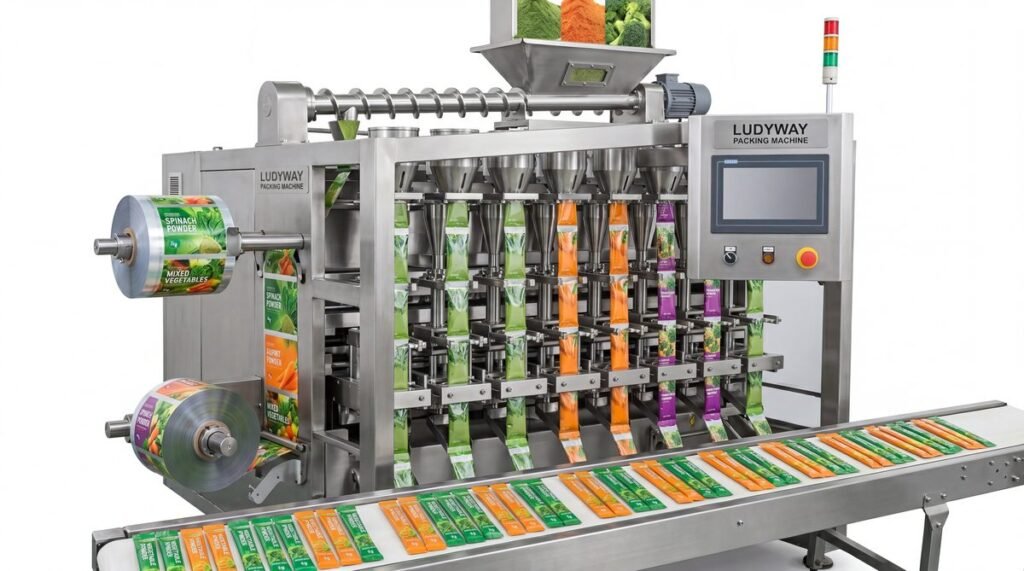
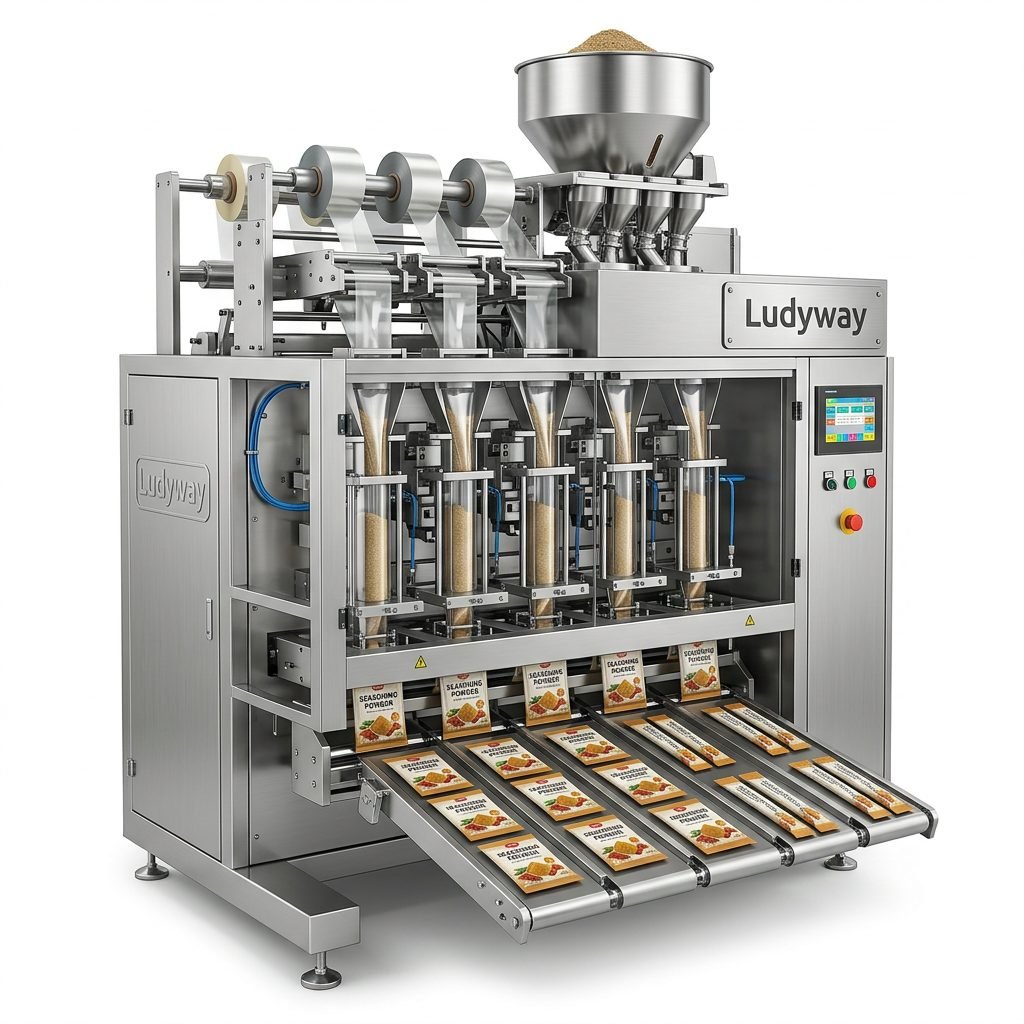
In the competitive world of sausage production, efficiency, hygiene, and product presentation are paramount. The right packaging equipment is not just a machine; it’s a critical investment that safeguards your product quality, optimizes your production line, and ultimately influences your brand’s success in the marketplace. Choosing the correct sausage packaging machine involves understanding the various types available, their key features, and how they align with your specific production requirements.
Primary Types of Sausage Packaging Equipment
The sausage packaging landscape offers several specialized machine types, each designed for different packaging formats and production scales.
Vacuum Packaging Machines
These machines are essential for extending shelf life and preserving freshness. They remove air from the package before sealing, preventing oxidation and bacterial growth. Ideal for fresh sausages sold in supermarkets, vacuum packaging is crucial for maintaining product quality. The process involves placing the sausage in a specialized bag, evacuating the air, and creating a tight, protective seal.
Flow Wrapping Machines (Shrink Wrapping)
Often used for bundling multiple sausages together or for individual portion packs, flow wrappers use a loose film that is then heated to shrink tightly around the product. This method provides a neat, tamper-evident, and visually appealing package, commonly seen for frankfurters or snack-sized sausages. It’s excellent for high-speed production lines.
Form-Fill-Seal (FFS) Machines for Sausages
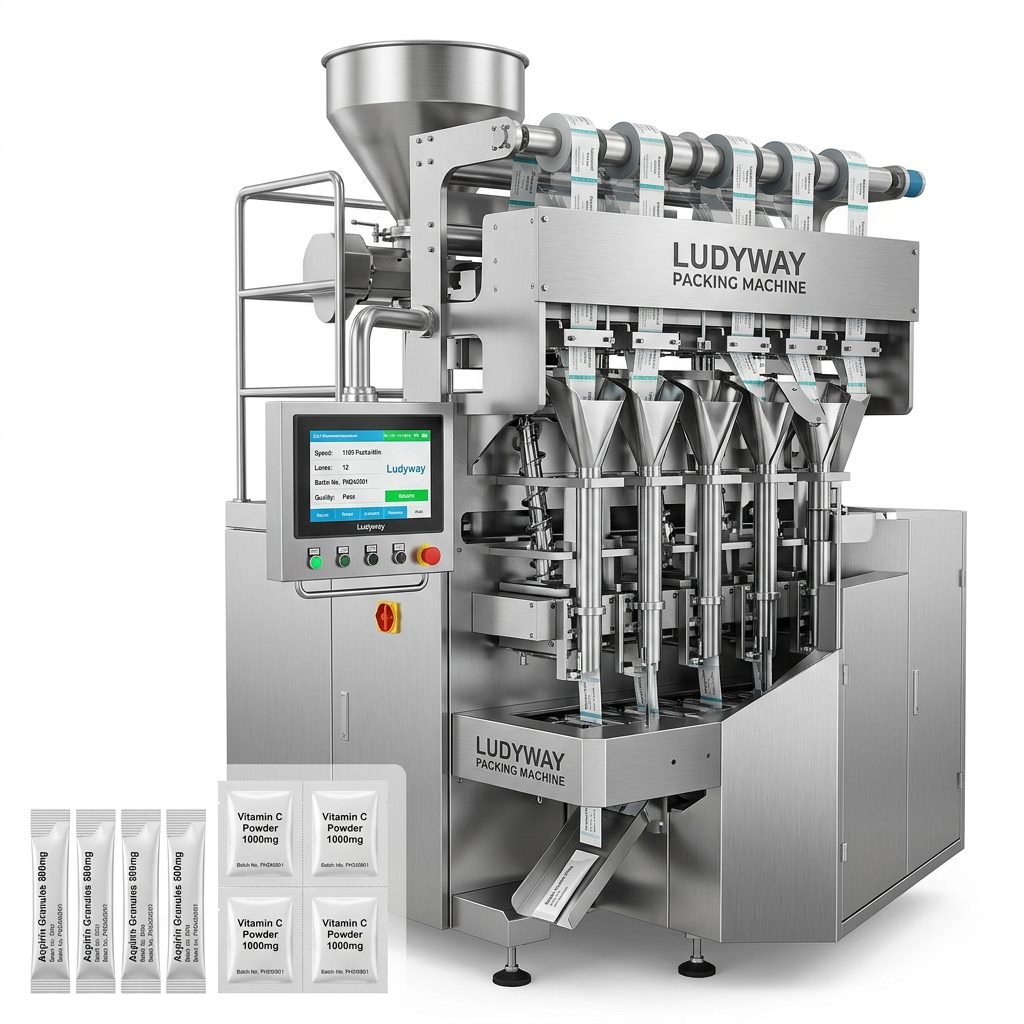
Advanced FFS machines can create the packaging from a roll of flat film. The film is formed into a pouch or tube around the sausage, filled, and then sealed. This method is highly efficient and reduces material costs, as it uses pre-printed film rolls. It’s suitable for both flexible and semi-rigid packaging.
Clip Closing Machines
Traditional for certain types of fresh sausages, especially in artisanal or regional production, these machines use aluminum or plastic clips to close the ends of synthetic or natural casings. They are robust, simple, and often used in conjunction with filling machines.
Key Features & Technological Considerations
Beyond the basic type, several features differentiate machines and impact their performance in your facility.
Automation Level & Speed
Production volume dictates your needs. High-speed automatic machines can handle thousands of units per hour, integrating seamlessly with upstream filling and downstream labeling systems. Semi-automatic machines offer a balance for smaller-scale operations, requiring some manual loading but providing consistent sealing.
Sealing Technology & Reliability
The seal is the package’s weakest point. Look for machines with precise, consistent, and adjustable sealing systems—whether heat sealing, ultrasonic sealing, or clip application. Reliability here directly prevents leakers and product waste.
Hygiene & Cleanability Design
Sausage production demands high hygiene standards. Machines should have smooth surfaces, easy-access components for cleaning, and be made from materials compatible with food-safe sanitizers. Some models offer CIP (Clean-in-Place) features.
Flexibility & Changeover Capability
Can the machine handle different sausage lengths, diameters, or packaging materials? Quick changeover mechanisms for film rolls, forming tools, or sealing heads are vital if you produce a varied product range, minimizing downtime.
Integration with Production Line
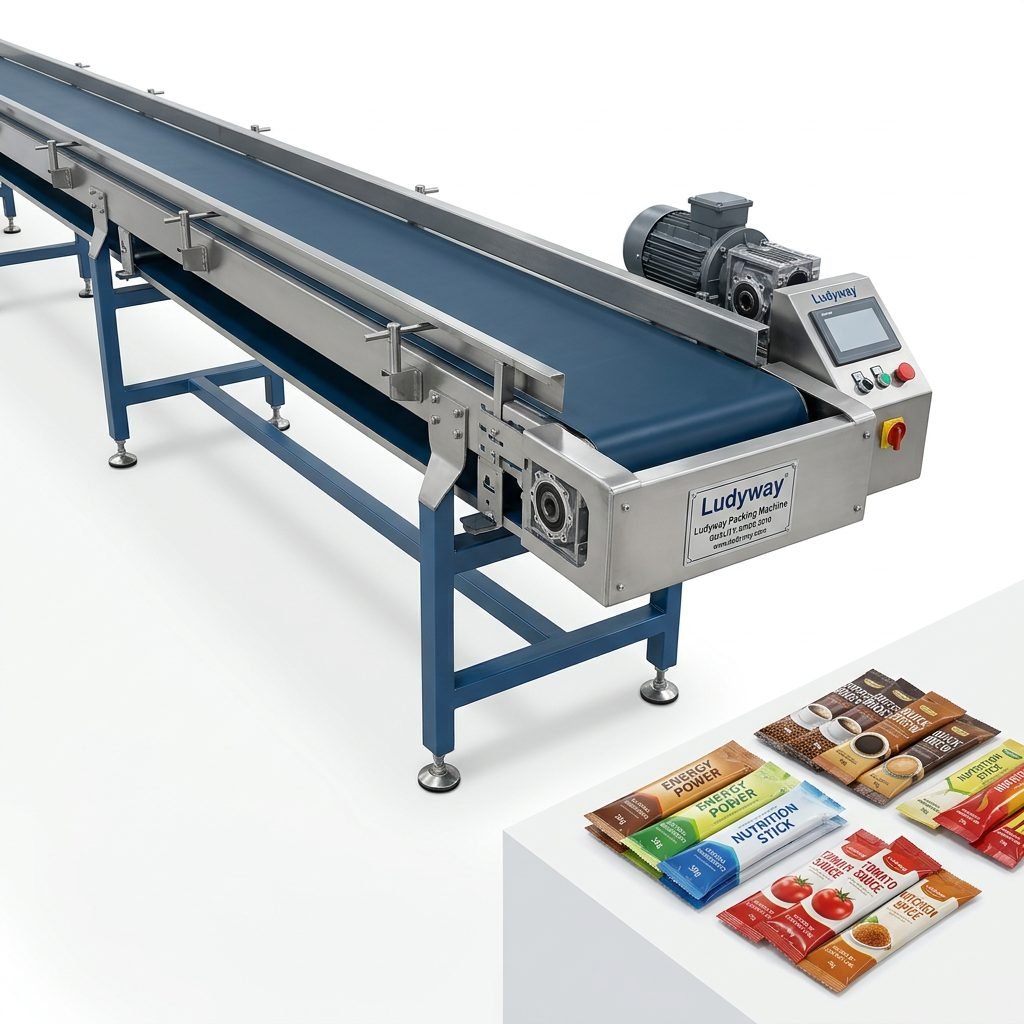
The best machine is one that fits your line. Consider connectivity with existing sausage fillers, conveyors, weighing systems, and labeling machines. Modern machines often offer PLC control with interfaces for easy integration.
How to Choose the Right Machine for Your Production
Selecting equipment is a strategic decision. Follow this structured approach to ensure a perfect fit.
Step 1: Analyze Your Product & Packaging Format
Define your sausage specifics: length, diameter, weight, casing type (natural, collagen, synthetic). Determine your final package: vacuum bag, shrink-wrapped bundle, clipped casing, or printed pouch. The product dictates the machine type.
Step 2: Evaluate Your Production Volume & Goals
Calculate your current and projected output (units/hour). High-volume plants need fully automatic, high-speed machines. Smaller or artisanal producers might prioritize semi-automatic, versatile machines. Consider future growth to avoid under-capacity.
Step 3: Assess Available Space & Line Layout
Measure your floor space. Some machines are compact vertical units, while others are long horizontal systems. Plan the workflow from filling to packaging to palletizing. Ensure there is adequate space for operation, maintenance, and material handling.
Step 4: Consider Packaging Materials & Costs
The machine must be compatible with your chosen film or bag material (e.g., multilayer barrier films for vacuum packing). Analyze the cost-per-pack of materials and how the machine’s efficiency (like film waste reduction) affects your overall operational budget.
Step 5: Prioritize Hygiene, Safety & Compliance
For food safety, the machine design must meet relevant standards (e.g., FDA, EU regulations). Features like enclosed sealing areas, stainless steel contact parts, and easy cleaning protocols are non-negotiable. Operator safety features are equally important.
Step 6: Plan for Support & Service
Your relationship with the supplier is long-term. Investigate the manufacturer’s reputation for technical support, spare parts availability, and training. A reliable partner like Ludyway Machinery, with decades of industry experience, can provide not just the machine but ongoing support to ensure your line’s success.
Conclusion
Investing in sausage packaging equipment is a significant step toward optimizing your production, ensuring product integrity, and enhancing market appeal. By thoroughly understanding the different machine types—from vacuum packers to flow wrappers—and critically evaluating features like speed, hygiene, and flexibility against your specific product needs and volume goals, you can make an informed choice. Remember, the right machine is a blend of robust technology, seamless line integration, and reliable supplier partnership, paving the way for efficient and profitable sausage production.
Frequently Asked Questions (FAQs)
What is the most important factor when choosing a sausage packaging machine?
The alignment between the machine’s capabilities and your specific product format and production volume is the most critical factor. A machine perfect for vacuum-packing short fresh sausages at low volume would be disastrous for a plant needing to shrink-wrap thousands of long frankfurters per hour.
Can one machine handle different sizes and types of sausages?
Many modern machines offer good flexibility with adjustable forming tools, sealing heads, and programmable settings. However, significant changeovers (e.g., from clipping to vacuum sealing) typically require different specialized machines. Look for models with quick-change parts for size variations within the same packaging type.
How does packaging equipment impact sausage shelf life?
Directly and significantly. Vacuum packaging machines dramatically extend shelf life by removing oxygen. Flow wrapping provides a protective barrier against contamination. The consistency and strength of the seal created by the machine are vital to preventing leaks and spoilage.
What maintenance is required for these machines?
Regular daily cleaning is essential. Periodic maintenance includes checking and calibrating sealing elements, lubricating moving parts, and inspecting sensors and electrical components. A good supplier will provide a detailed maintenance schedule and training.
Is it better to buy a standalone machine or a complete integrated line?
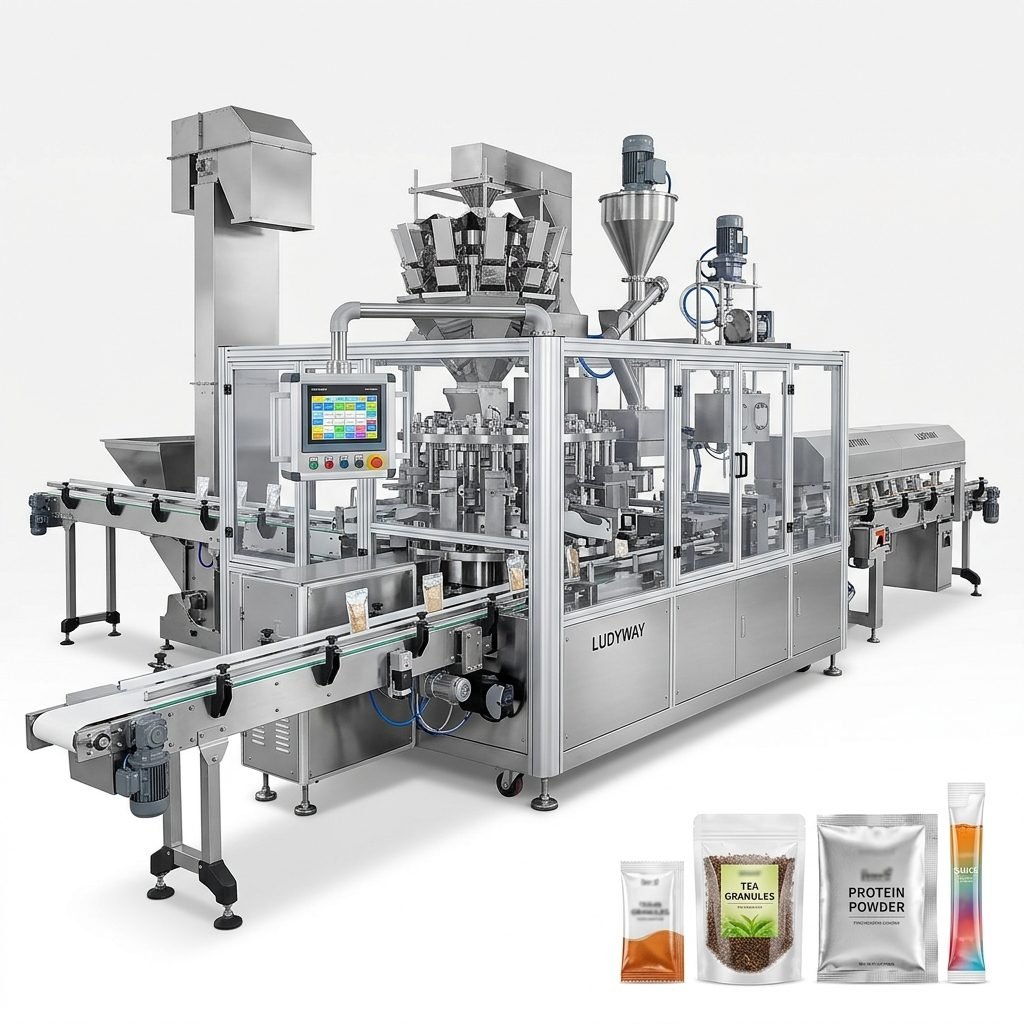
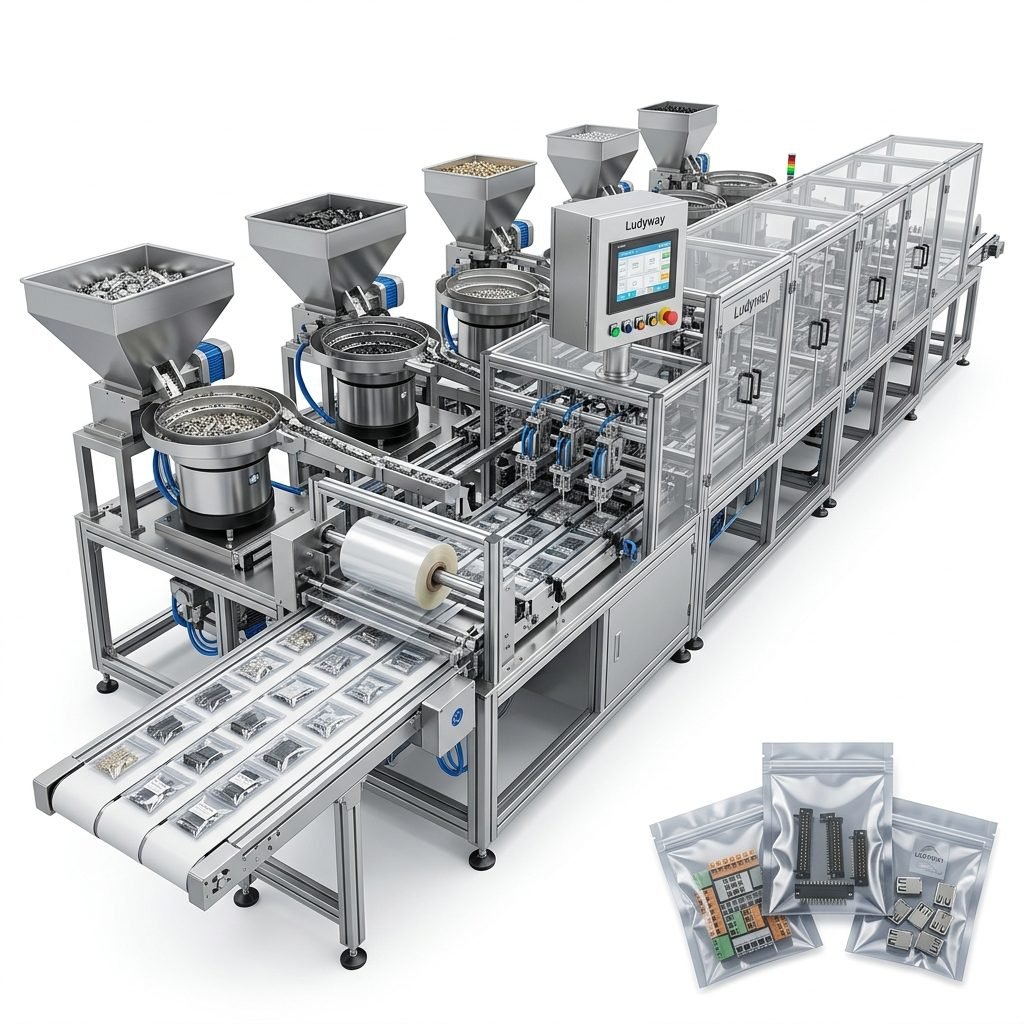
For new facilities or major upgrades, an integrated line (filling + packaging + labeling) from a single supplier like Ludyway often ensures better synchronization, lower interface problems, and higher overall efficiency. For adding capacity to an existing line, a standalone machine that integrates well with your current equipment is the practical choice.