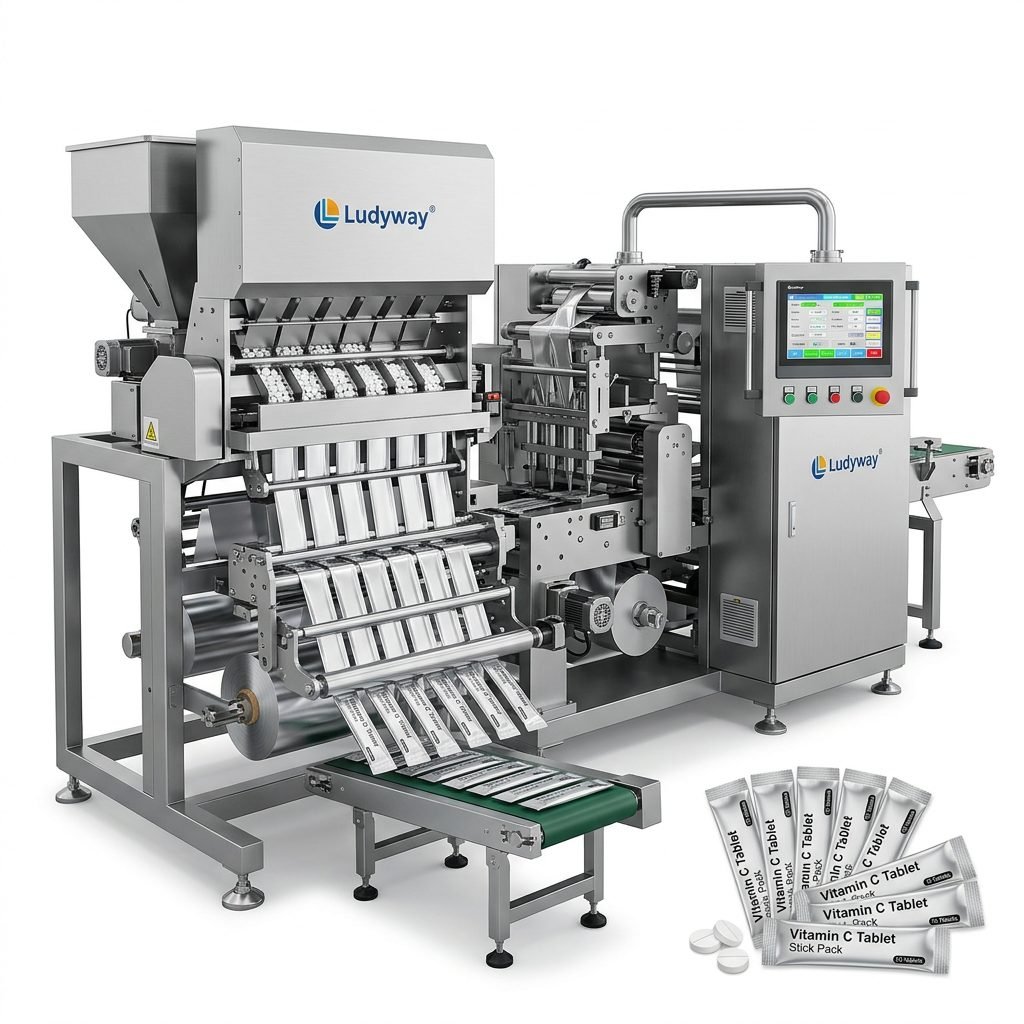
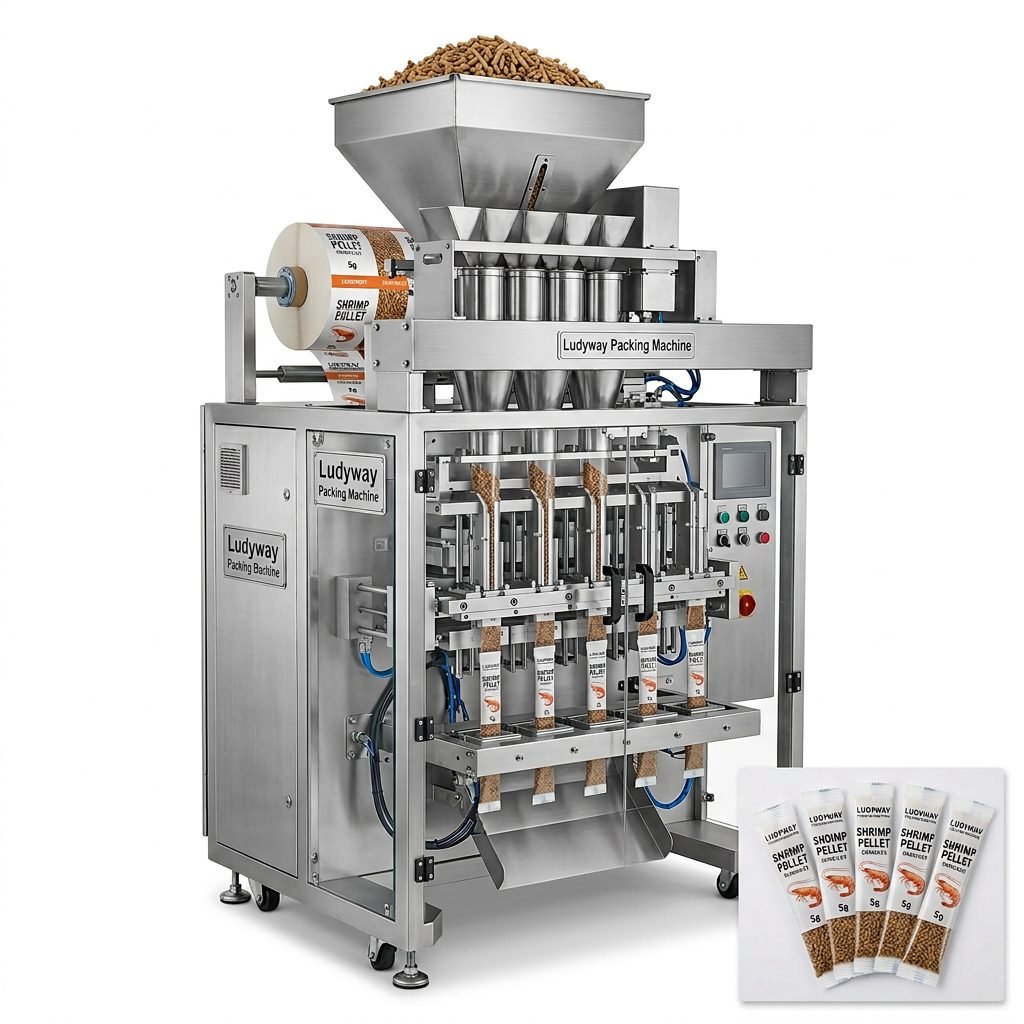
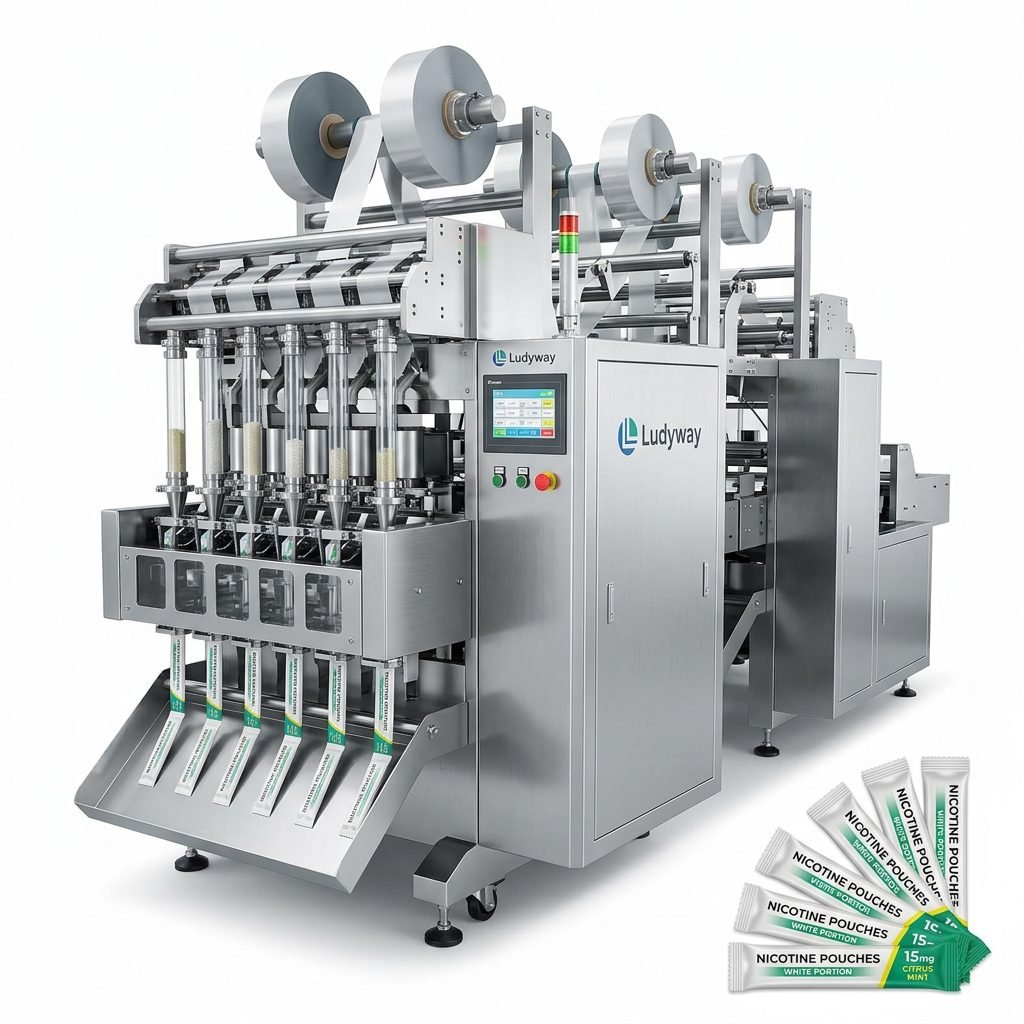
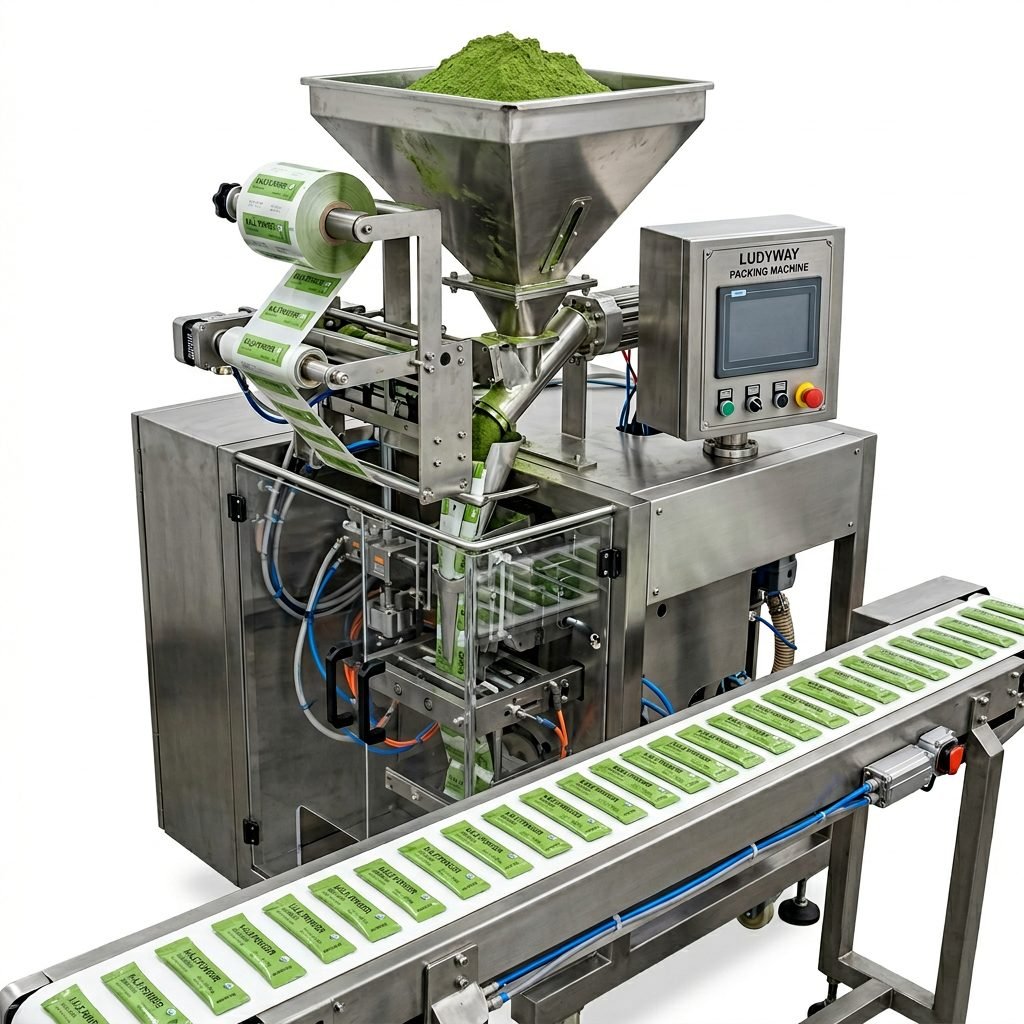
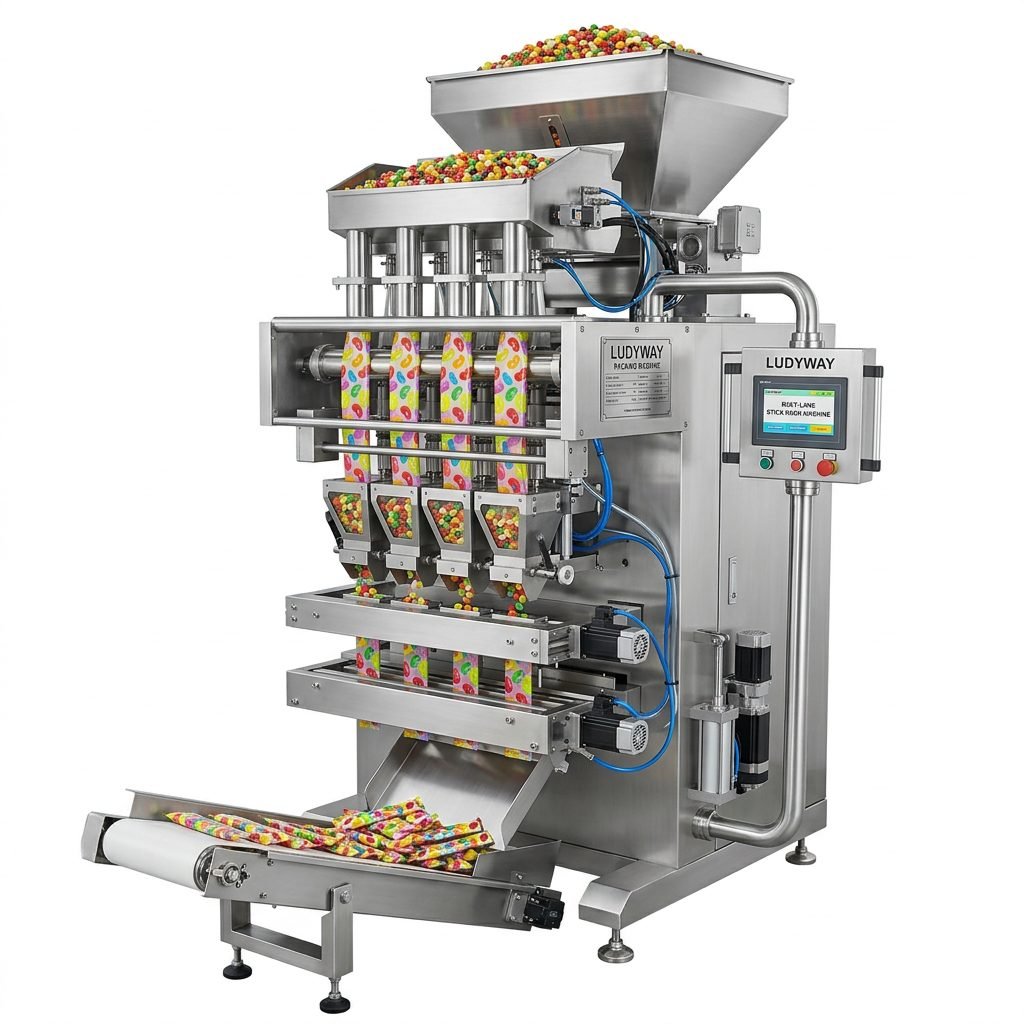
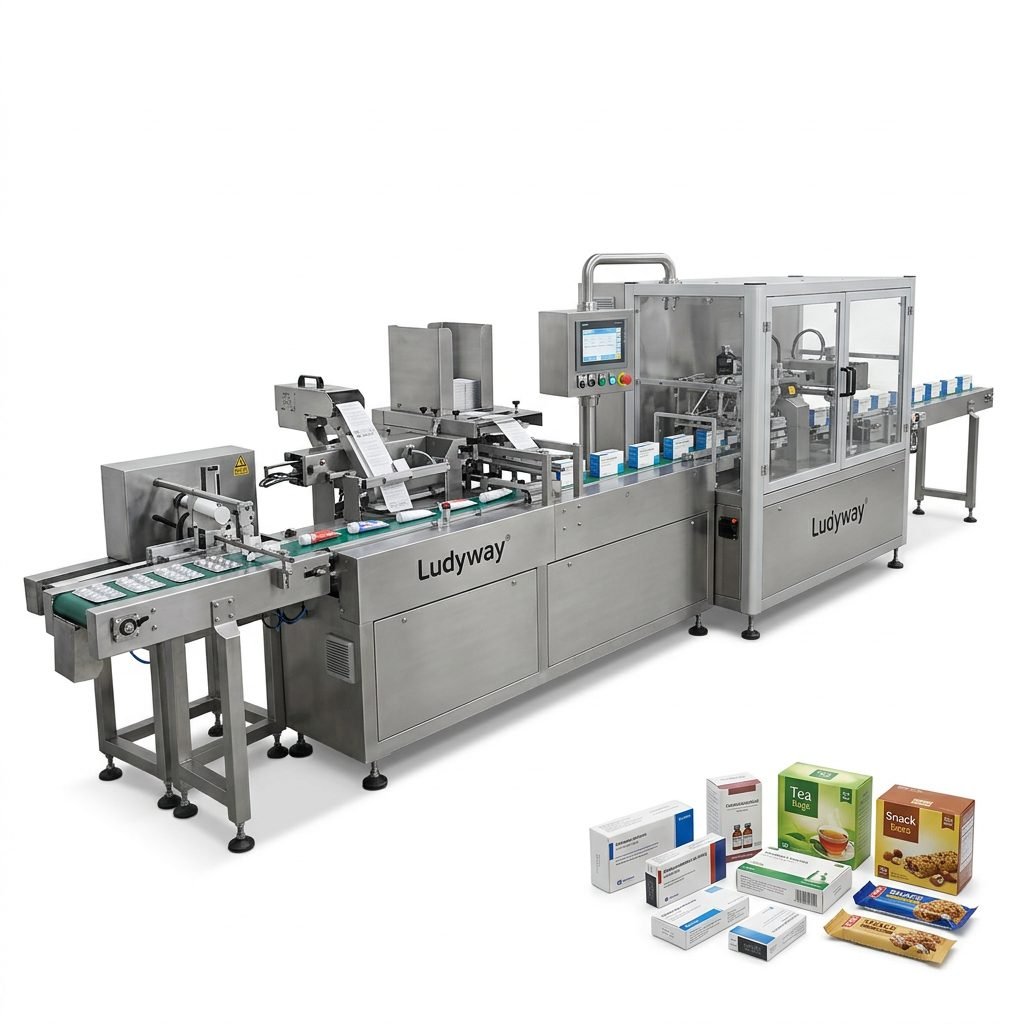
Choosing the right packaging machinery manufacturer is a critical decision that directly impacts your production efficiency, product quality, and overall operational success. With numerous suppliers in the global market, from established giants to specialized innovators, identifying the ideal partner requires careful evaluation beyond just price. This guide will walk you through the essential factors to consider, helping you select a supplier that aligns perfectly with your specific production needs and long-term business goals.
Key Factors in Selecting a Packaging Machinery Supplier
The foundation of a successful partnership lies in a thorough assessment of the supplier’s capabilities and alignment with your requirements.
1. Assessing Technical Expertise and Product Range
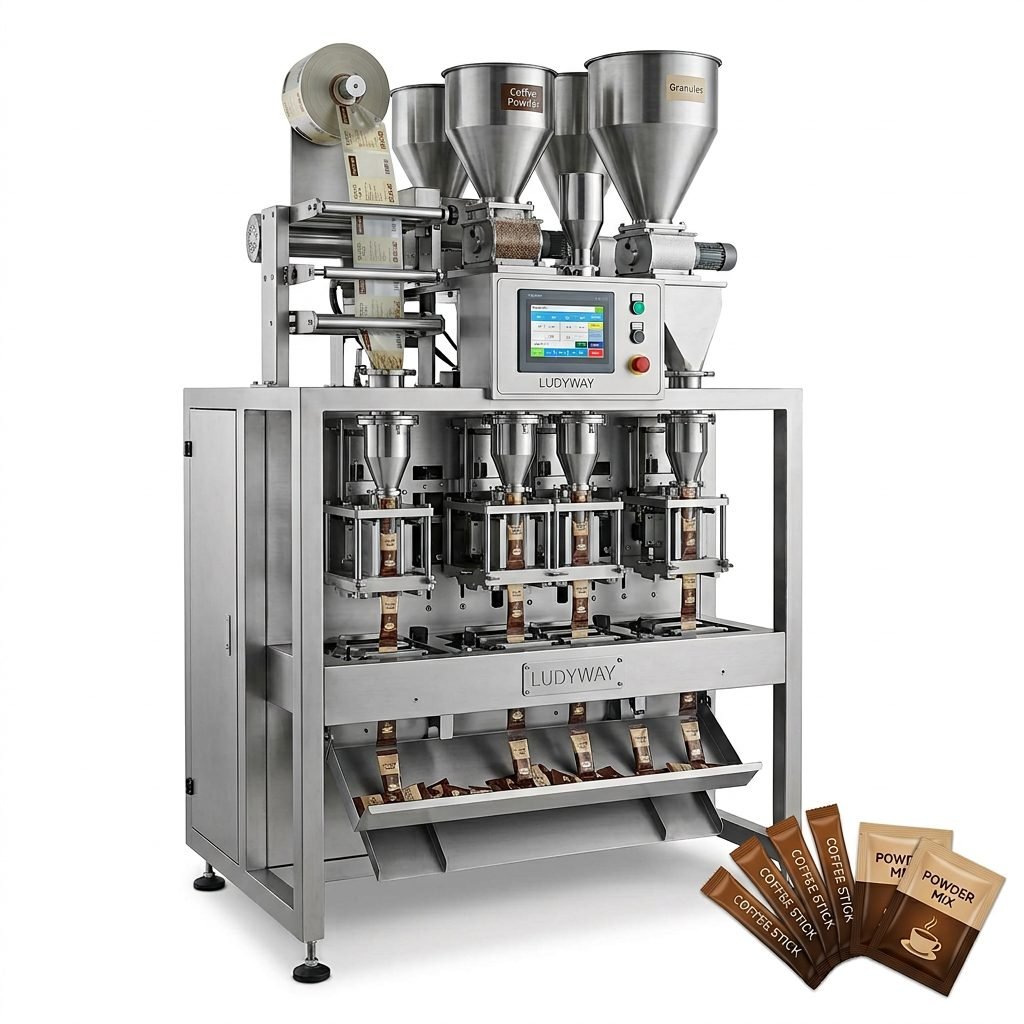
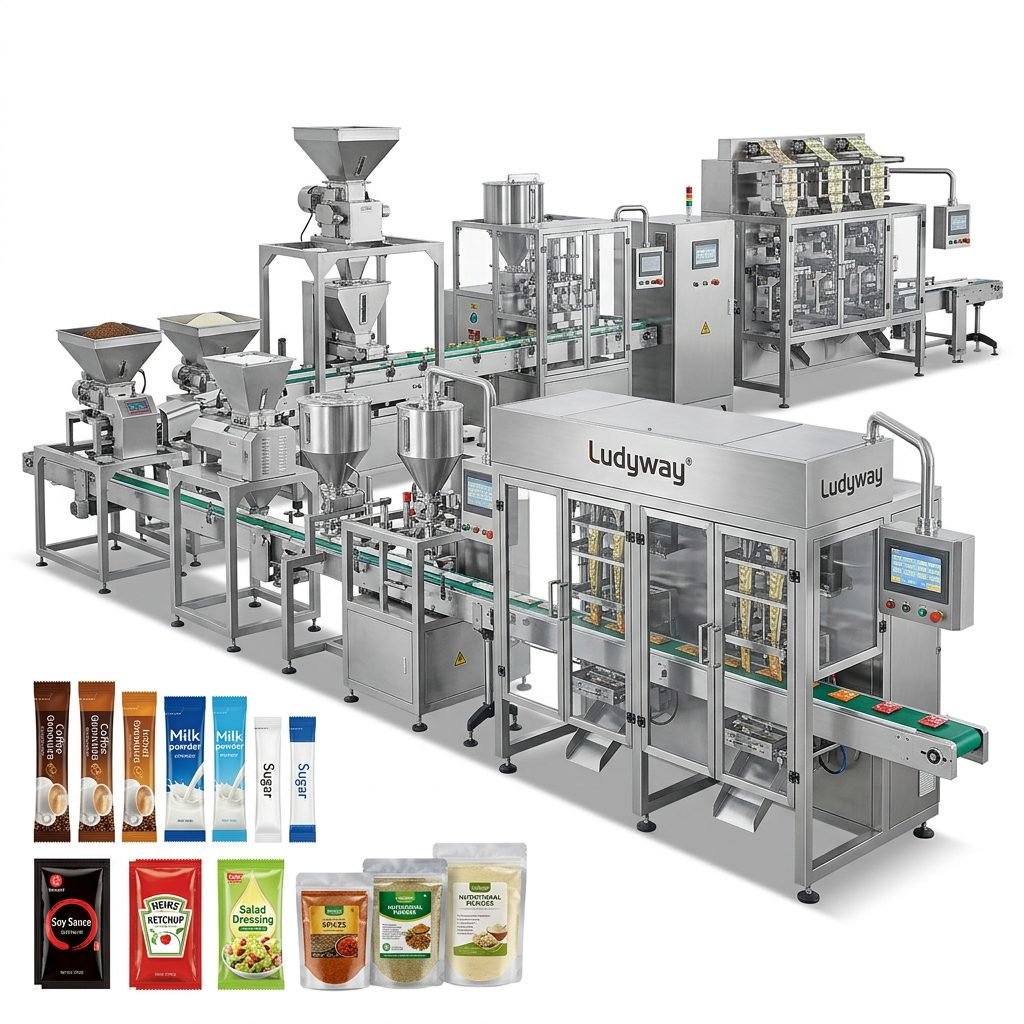
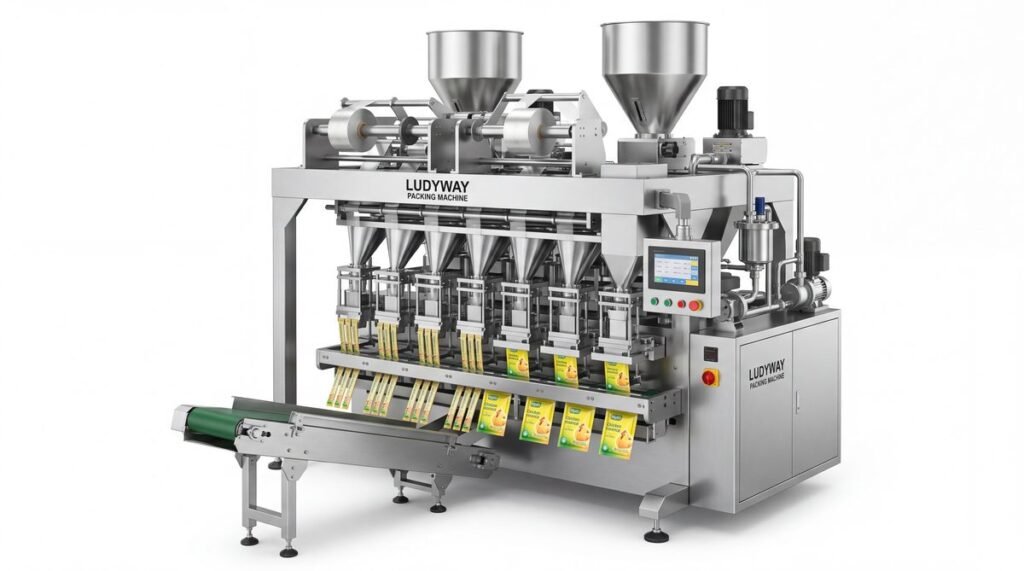
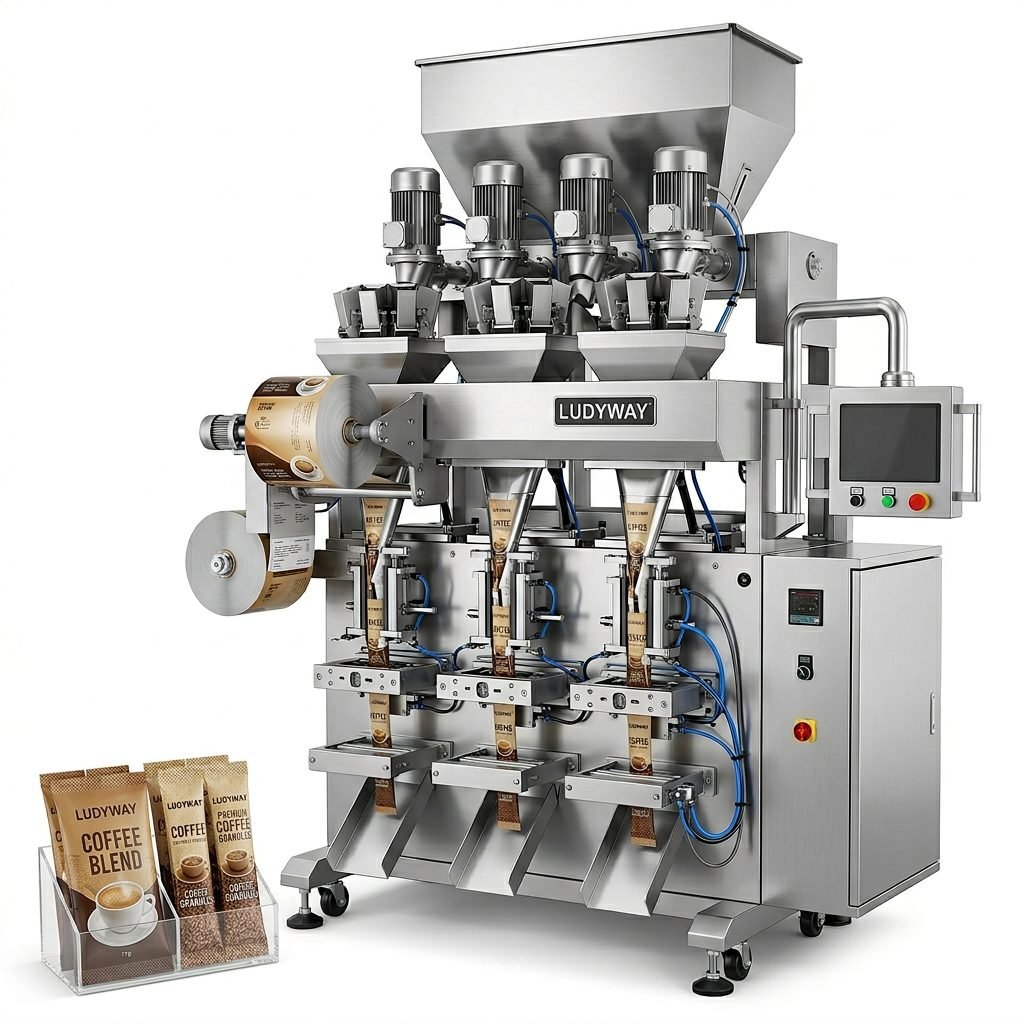
A supplier’s technical depth is paramount. Look for a manufacturer with a proven track record in your specific packaging format—whether it’s sachet packaging, stick packs, pouches, or bottles. Evaluate their machinery’s compatibility with your product type (granules, powders, liquids, solids) and its sensitivity (e.g., food-grade, pharmaceutical, hygroscopic materials). A broad yet focused product range indicates adaptability.
Pro Tip: Request detailed specifications and, if possible, video demonstrations of the machine handling a product similar to yours. This provides clearer insight than brochures alone.
2. Evaluating Manufacturing Quality and Innovation
The build quality of the machinery dictates its lifespan, reliability, and maintenance costs. Investigate the materials used (e.g., stainless-steel grade), the precision of components, and the integration of modern control systems (PLCs, HMIs). A commitment to innovation is also crucial; suppliers who invest in R&D are more likely to offer energy-efficient, user-friendly, and future-proof equipment that can adapt to evolving market trends.
3. Importance of After-Sales Support and Service
Exceptional after-sales support is non-negotiable. A machine breakdown can halt your entire production line. Your supplier should offer comprehensive services including:
- Installation & Commissioning: Expert technicians to set up and optimize the machine on your floor.
- Training: Thorough training for your operators and maintenance staff.
- Technical Support: Accessible, multilingual support via phone, email, or remote diagnostics.
- Spare Parts Availability: A reliable, well-stocked spare parts inventory with reasonable lead times.
Companies like Ludyway Packaging Machinery build their reputation on providing end-to-end project support, ensuring a smooth transition from purchase to full-scale production.
Understanding Your Own Production Requirements
Before approaching suppliers, you must have a crystal-clear understanding of your own needs. This internal audit forms the basis of your Request for Quotation (RFQ).
1. Defining Output Speed and Scalability Needs
Calculate your required output in packs per minute (PPM) or units per hour, considering both current demand and projected growth. Does the supplier offer modular machines that can be upgraded? Choosing a machine that can scale with your business prevents costly replacements down the line.
2. Flexibility for Different Products and Formats
If you plan to launch new product variants or package sizes, machine flexibility is key. Evaluate changeover times—how quickly can the machine switch between different packaging formats? Quick-change parts and recipe storage in the HMI can drastically reduce downtime and increase overall equipment effectiveness (OEE).
3. Compliance with Industry Standards and Regulations
This is especially critical in the food, pharmaceutical, and health industries. Ensure the machinery complies with relevant regional and international standards (e.g., FDA, CE, GMP, EHEDG). The construction should facilitate easy cleaning and prevent contamination. A knowledgeable supplier will guide you through these regulatory landscapes.
The Supplier Selection and Vetting Process
With your requirements defined, you can begin a structured vetting process for potential suppliers.
1. Conducting Background Checks and Reviewing Portfolios
Research the company’s history, financial stability, and market reputation. How many years of experience do they have? Review their client portfolio and case studies, particularly those in your industry. A supplier with over 30 years of industry experience, for instance, brings invaluable practical knowledge to the table.
2. The Critical Role of Factory Audits and Machine Testing
Whenever feasible, visit the manufacturer’s facility. A modern production facility reflects their operational standards. Observe the assembly process, quality control checks, and the working environment. Most importantly, insist on a factory acceptance test (FAT) where your actual product is run on the machine. This tests performance, output, and quality before installation at your site.
3. Analyzing the Total Cost of Ownership (TCO)
Look beyond the initial purchase price. The TCO includes:
- Energy consumption and utility requirements.
- Expected maintenance costs and spare parts pricing.
- Potential costs of downtime.
- Cost of consumables (e.g., sealing jaws, film).
A slightly higher initial investment in a robust, efficient machine from a reliable partner like Ludyway Machinery often results in a lower TCO and higher return on investment over its lifecycle.
Building a Successful Long-Term Partnership
The goal is to move beyond a transactional relationship to a strategic partnership.
1. Communication and Project Management Expectations
Clear, consistent communication is vital. Establish points of contact and expected response times. A good supplier will provide a detailed project timeline, from design and manufacturing to delivery, installation, and training. Transparency at every stage builds trust.
2. Opportunities for Customization and Future Upgrades
Your needs will evolve. Discuss the potential for future customizations or upgrades. Can the control system be updated? Can additional modules (like checkweighers or vision systems) be integrated later? A forward-thinking supplier designs with this adaptability in mind.
3. Leveraging Supplier Expertise for Continuous Improvement
A true partner contributes to your success. They can offer insights on packaging material trends, efficiency optimizations, and preventive maintenance schedules. Their experience across a global client base, serving customers worldwide, becomes a valuable resource for your own operational improvements.
Summary: Your Checklist for the Right Supplier
- ✅ Proven Expertise: Specialized knowledge in your product and industry.
- ✅ Robust Quality: High-standard manufacturing and innovative design.
- ✅ Unmatched Support: Comprehensive after-sales service and spare parts logistics.
- ✅ Financial Sense: A favorable Total Cost of Ownership (TCO).
- ✅ Cultural Fit: Clear communication and a commitment to partnership.
Frequently Asked Questions (FAQs)
1. What is the most important factor when choosing a packaging machine supplier?
While all factors are interconnected, reliability and after-sales support often top the list. A moderately priced machine is of little value if it frequently breaks down and support is slow. The supplier’s commitment to keeping your production running smoothly post-purchase is critical for long-term success.
2. How can I verify the quality of a manufacturer’s equipment remotely?
Request detailed, high-resolution photos and videos of the machine in operation. Ask for a virtual factory tour via video call. Obtain references from past clients in your region and contact them directly. Review third-party certifications and audit reports. A reputable company like Ludyway will be transparent and facilitate this due diligence.
3. Should I prioritize a local supplier or an international one?
This depends on your needs. A local supplier may offer faster on-site service. An established international supplier often provides more advanced technology, competitive pricing from global manufacturing hubs, and experience with diverse market regulations. Many top manufacturers blend both, offering local agents backed by global engineering and support networks.
4. What are the hidden costs I should budget for?
Beyond the machine price, budget for shipping, import duties, installation (foundation, utilities), initial spare parts kit, operator training, and potential costs for packaging material trials and adjustments. Also, consider the cost of production downtime during the learning curve and machine run-in period.
5. How long does it typically take from order to operational machine?
Lead times vary widely based on machine complexity and customization. For standard models, expect 8-16 weeks. For fully customized turnkey lines, it can take 20 weeks or more. Clear communication of your timeline during the quoting phase is essential. A professional supplier will provide a realistic and detailed project schedule upfront.