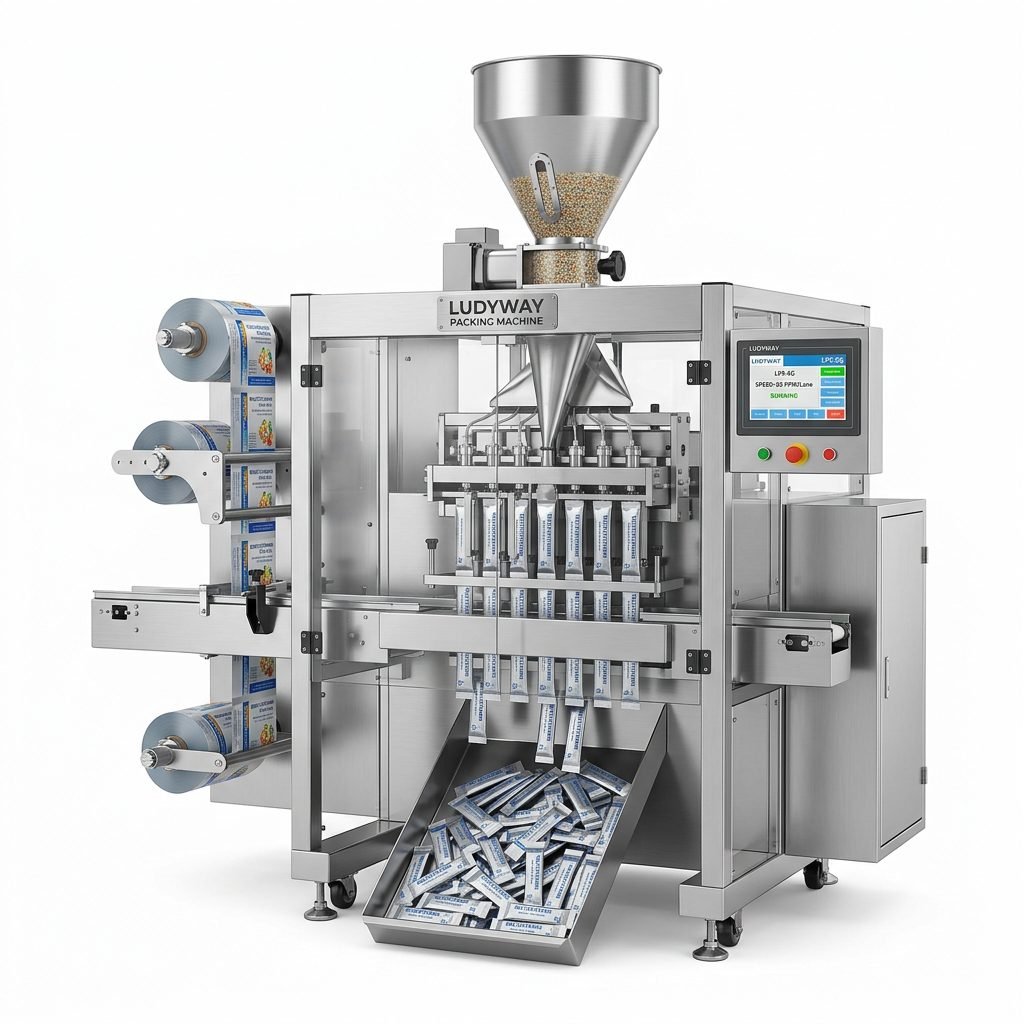
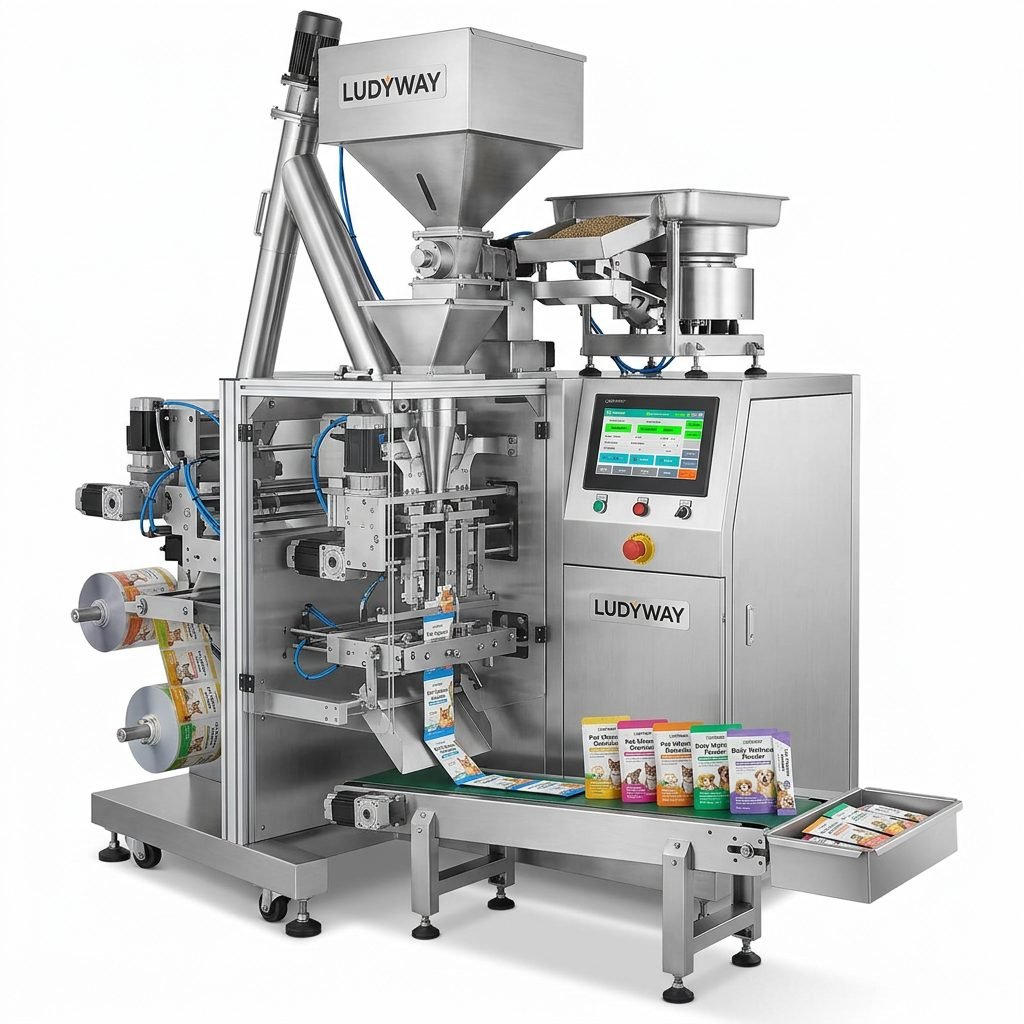
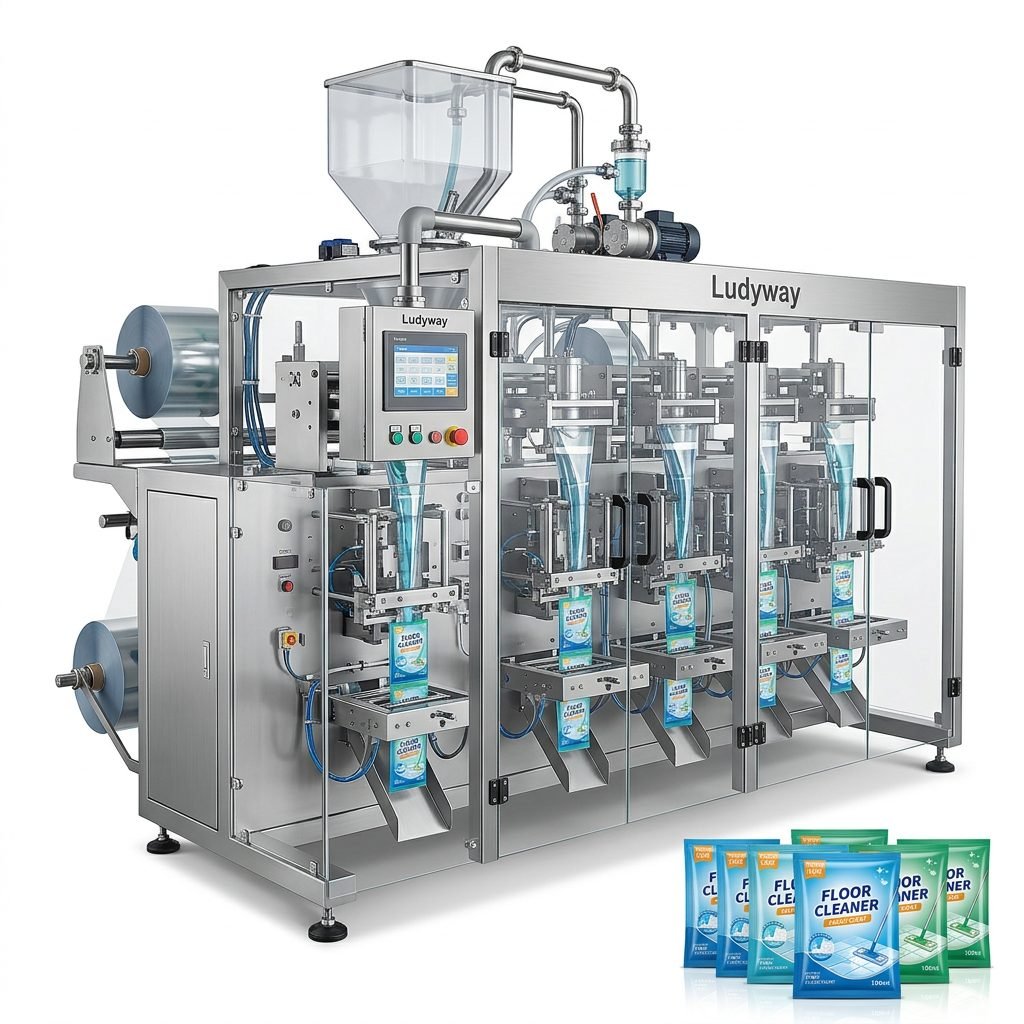
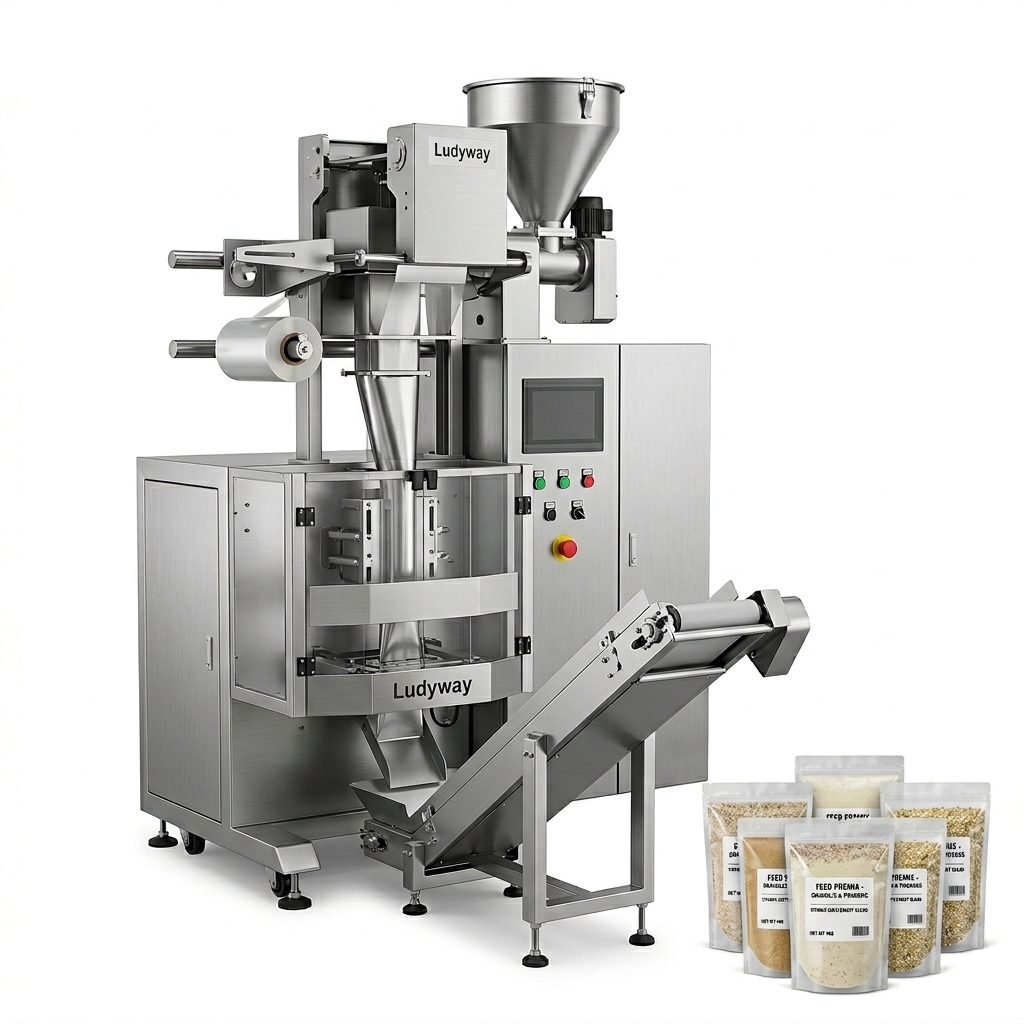
Shrink wrap packaging equipment is a cornerstone of modern product protection, branding, and distribution. Whether you are a manufacturer, distributor, or e-commerce business, selecting the right shrink wrapping machine is crucial for efficiency, cost control, and presentation. This guide provides a comprehensive overview of the types available, key pricing factors, and essential buying tips to help you make an informed investment.
Understanding Shrink Wrap Packaging Machinery
Shrink wrapping involves placing a product or bundle into a loose plastic film sleeve, then applying heat. This causes the film to contract tightly around the product’s contours, creating a secure, tamper-evident, and visually appealing package. The equipment automates this process, significantly increasing output and consistency compared to manual methods.
Core Benefits of Automated Shrink Wrapping
Investing in a dedicated machine offers numerous advantages:
→ Product Protection: Seals out dust, moisture, and contaminants during storage and transit.
→ Stability & Unitization: Bundles multiple items (like bottles, cans, or boxes) into a single, stable unit for palletizing.
→ Tamper Evidence: Provides a clear sign if a package has been opened, enhancing consumer trust.
→ Brand Presentation: Creates a professional, glossy finish that can improve shelf appeal.
→ Operational Efficiency: Dramatically increases packaging speed and reduces labor costs.
Main Types of Shrink Wrap Equipment for Sale
The market offers various machines designed for different production volumes, product sizes, and budgets. Your choice will largely depend on your specific application.
1. L-Bar Sealers (Manual & Semi-Automatic)
Ideal for low to medium-volume operations or businesses with a wide variety of product sizes. An operator places the product and film manually under an L-shaped sealing bar, which creates a sealed sleeve. The package is then conveyed or placed into a heat tunnel for shrinking.
- Best for: Startups, seasonal businesses, or packaging large, irregularly shaped items.
- Throughput: Low to moderate.
- Flexibility: Very high; easy to change product dimensions.
2. Side Seal / Sleeve Wrappers
These automated machines form a continuous tube of film around the product, make a vertical seal along the side, cut it, and then send the sealed sleeve to a shrink tunnel. They are highly efficient for consistent, rectangular products.
- Best for: High-volume production of boxes, books, software, and food bundles.
- Throughput: High.
- Film Efficiency: Excellent, as they use film from a roll with minimal waste.
3. Shrink Bundling Machines
Specifically designed to group multiple primary containers (like beverage cans, water bottles, or jars) into multi-packs. They are a staple in the beverage and food industry for creating secure retail-ready bundles.
Key Application: Beverage Industry
Bundlers are critical for holding 6-packs, 12-packs, or 24-packs of cans or bottles. The tight shrink film replaces cardboard carriers, reducing material costs and offering full product visibility. For businesses targeting markets where retail-ready packaging and sustainability are key purchasing drivers, efficient bundling is essential.
4. Full-Body Sleeve Labelers & Shrink Tunnels
This system applies printed PVC or PET shrink film labels to containers. The labeled container passes through a heat tunnel, causing the film to shrink and conform perfectly to the container’s shape (even complex curves), creating a 360° decorative label. This is distinct from primary packaging but is a vital related technology.
Primary Use: Decorative labeling for bottles (cosmetics, beverages, chemicals) for high-impact branding.
Critical Factors Influencing Shrink Wrap Machine Prices
Prices can range from a few hundred dollars for a basic manual L-bar sealer to hundreds of thousands for a fully automated, high-speed line. Understanding what drives cost helps in budgeting.
Price Determinants Breakdown
Automation Level: Manual < Semi-Auto < Fully Automatic. Automation significantly increases price but also boosts output and reduces labor.
Speed & Throughput (Packs/Minute): Higher speed capabilities require more robust mechanics and controls, raising the cost.
Machine Construction & Durability: Heavy-duty steel frames, premium sealing elements, and industrial-grade components from reputable brands like Ludyway Machinery ensure longevity but come at a higher initial investment.
Product Size Range & Flexibility: Machines that can handle a wider range of dimensions without extensive changeovers often have more complex adjustments, increasing cost.
Additional Features: Integrated conveyors, automatic film dispensers, touchscreen PLC controls, and data logging capabilities add to the price.
Brand & Support: Established suppliers with proven industry experience and strong after-sales service typically command a premium over generic alternatives.
Essential Buying Tips for Your Investment
Making the right purchase requires careful planning. Follow these steps to avoid common pitfalls.
1. Conduct a Thorough Needs Analysis
Define your current and future needs clearly:
• Product Dimensions: Min/Max L x W x H.
• Production Volume: Units per shift/day/week.
• Film Type: Polyolefin (POF), PVC, or Polyethylene (PE)? Each has different shrink properties and costs.
• Floor Space: Measure the available area for the machine and conveyor system.
2. Prioritize Quality and Reliability
In packaging, downtime is lost revenue. Opt for equipment built with durability in mind. Investigate the manufacturer’s reputation, warranty terms, and availability of spare parts. A machine from a supplier with 30+ years of industry experience often signifies proven design and reliability.
3. Plan for the Total Cost of Ownership (TCO)
Look beyond the sticker price. Consider:
• Energy consumption of the sealer and shrink tunnel.
• Ongoing film material costs and waste percentage.
• Potential costs for preventive maintenance and service.
• Training requirements for your operators.
4. Request a Live Product Test
Whenever possible, send samples of your actual products to the supplier for a live machine demonstration. This is the best way to verify packaging quality, speed, and film compatibility. Reputable suppliers encourage this step.
5. Evaluate Supplier Support & Service
Your relationship with the supplier begins after purchase. Ensure they offer:
• Comprehensive installation and operational training.
• Readily available technical support (phone, online, or on-site).
• A clear spare parts supply chain.
• Knowledge of global production needs and regulations if you export.
Conclusion
Choosing the right shrink wrap packaging equipment is a strategic decision that impacts your operational efficiency, product presentation, and bottom line. By understanding the different machine types, carefully evaluating the factors that affect price, and following a disciplined buying process, you can select a system that meets your needs today and scales for tomorrow. Partnering with an experienced and reliable machinery provider is key to a successful long-term investment.
Frequently Asked Questions (FAQs)
What is the most common type of shrink film used?
Polyolefin (POF) is widely considered the industry standard for most applications. It is strong, crystal clear, has a high shrink rate, and produces a durable seal. It is also more environmentally friendly than PVC as it contains no chlorine and emits less smoke when heated.
Can one machine handle very different product sizes?
It depends on the machine type. L-bar sealers offer the greatest flexibility for size changes with simple manual adjustments. Fully automatic sleeve wrappers and bundlers require more involved changeovers for significant size differences. If your product mix varies greatly, discuss this specifically with your supplier.
How much maintenance does a shrink wrapper require?
Regular maintenance is minimal but crucial. Daily cleaning of sealing wires and bars to remove film residue, periodic lubrication of moving parts, and inspection of electrical components are standard. Always follow the manufacturer’s maintenance schedule to ensure optimal performance and longevity.
Is a shrink tunnel always necessary?
Yes, for a complete shrink wrap process. The sealing machine (L-bar, side sealer, etc.) creates the sealed sleeve, but the heat tunnel is what actually shrinks the film tightly around the product. Some low-volume systems have a built-in shrinking chamber, while higher-speed lines use a separate tunnel connected by a conveyor.
What safety features should I look for?
Key safety features include emergency stop buttons, thermal overload protection on sealing elements and heaters, safety guards/interlocks on moving parts, and proper grounding. Ensure the equipment complies with relevant safety standards (e.g., CE, UL) for your region.