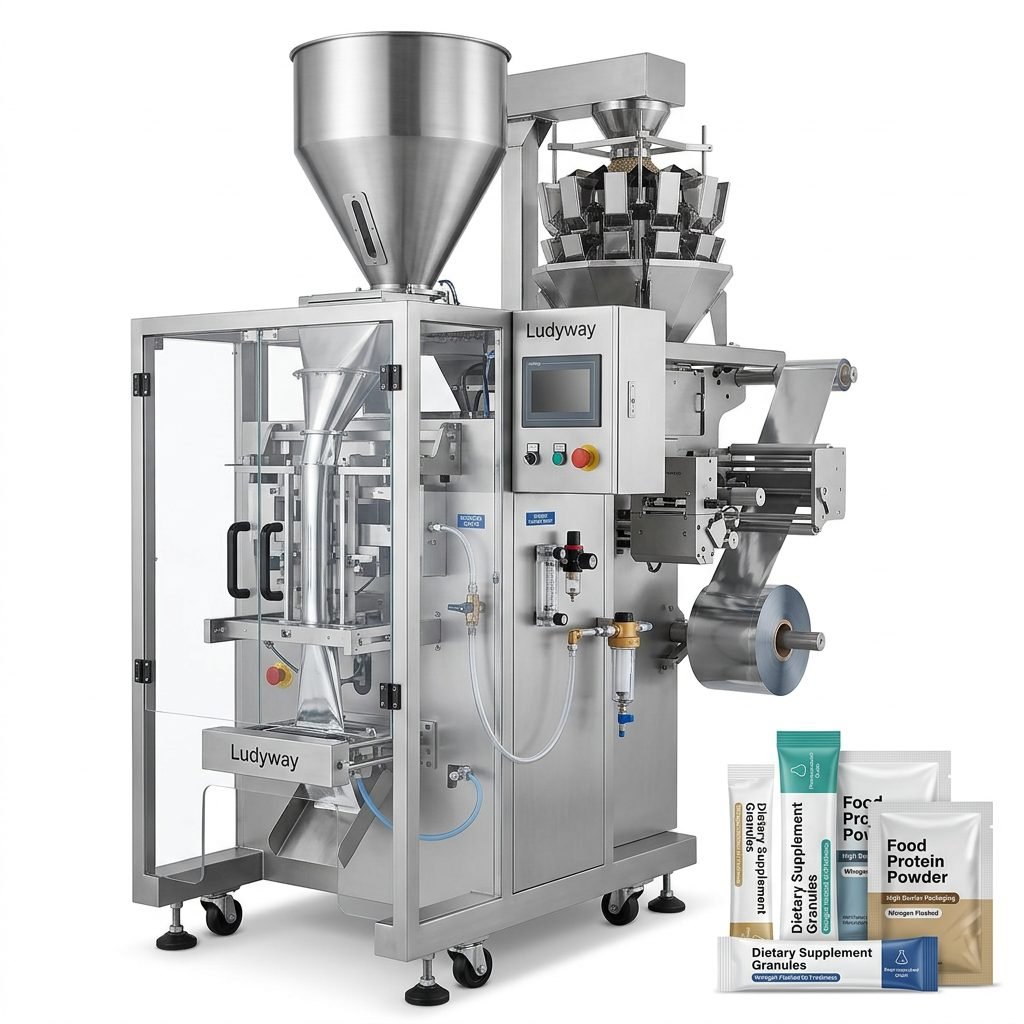
Selecting the right tea packaging equipment is a critical decision for any tea business, impacting product quality, shelf appeal, operational efficiency, and overall profitability. The market offers a diverse range of machines, each designed for specific formats, production scales, and tea types. Understanding the different types, their core features, and the key selection criteria will empower you to make an informed investment that aligns with your business goals.
Primary Types of Tea Packaging Equipment
The packaging format often dictates the type of machine required. Here’s a breakdown of the most common equipment used in the tea industry.
1. Stick Pack Packaging Machines
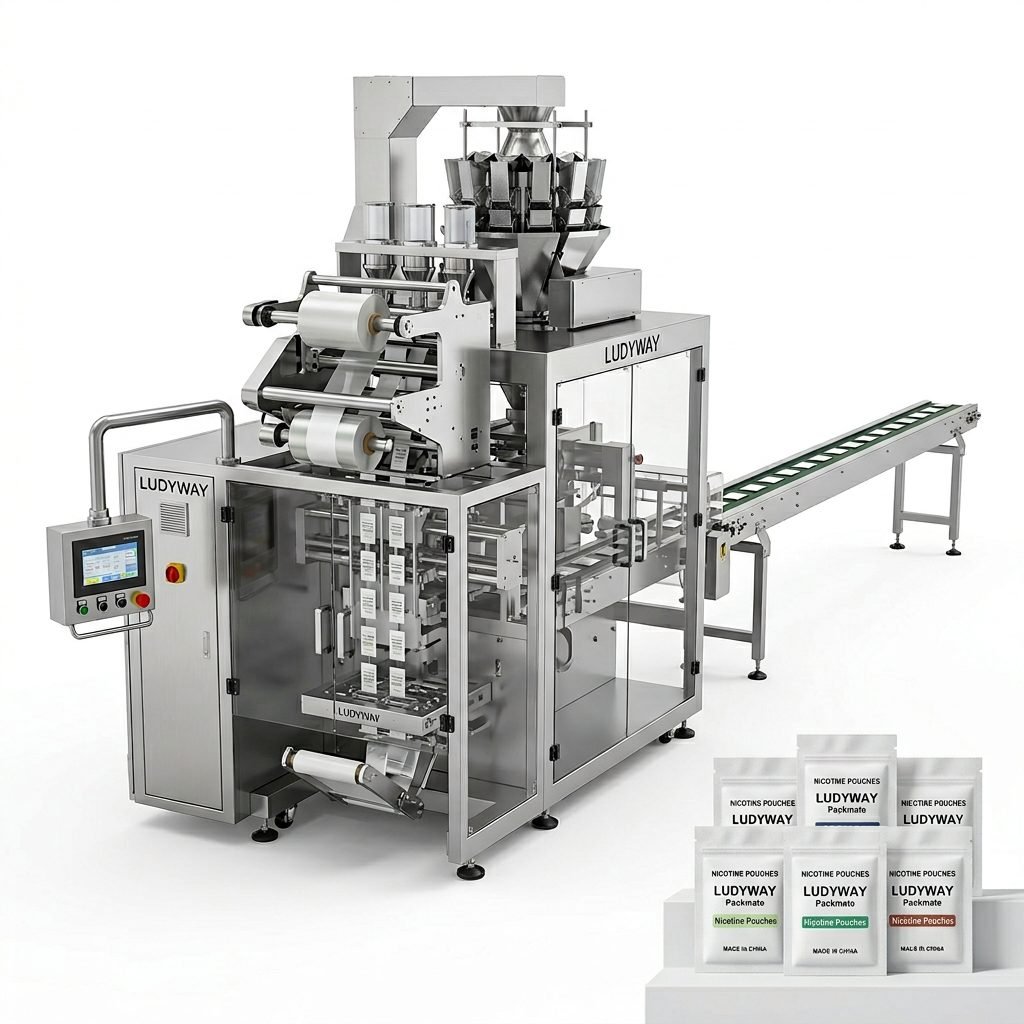
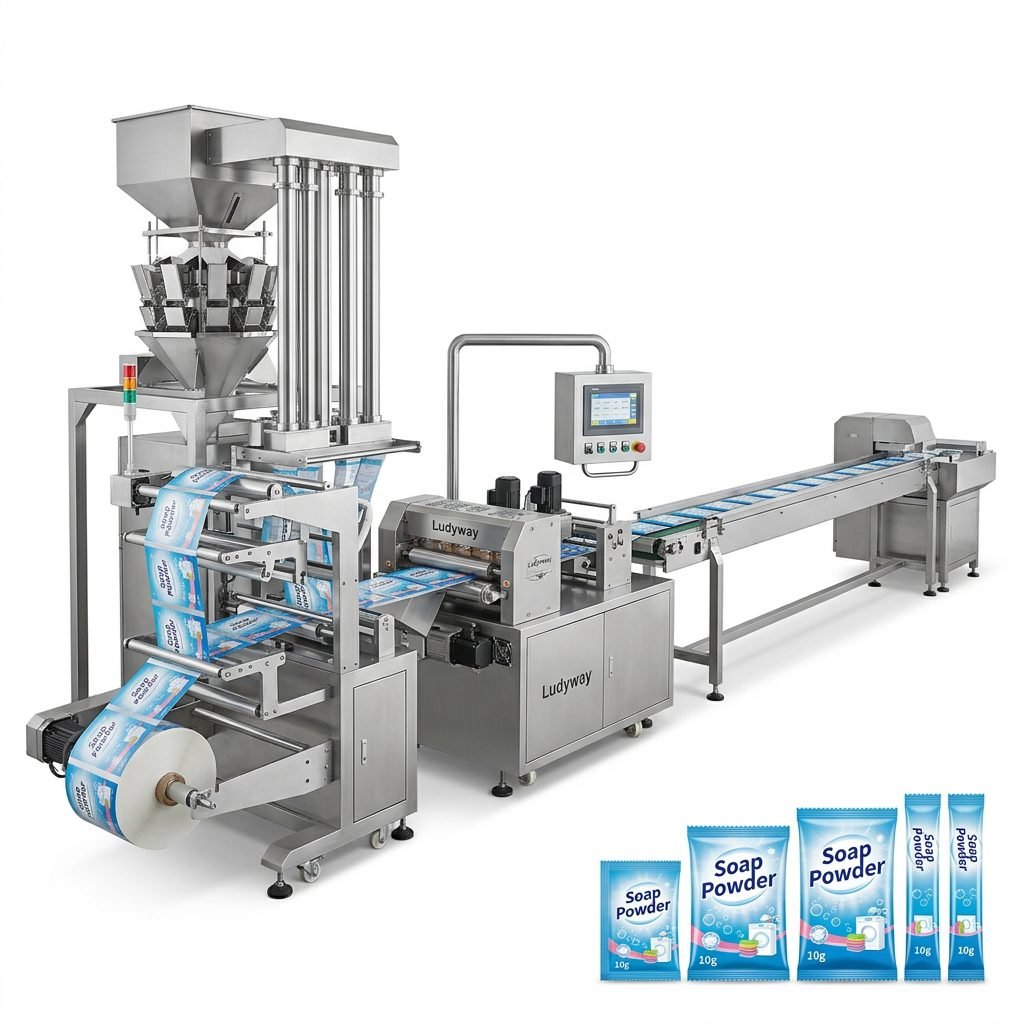
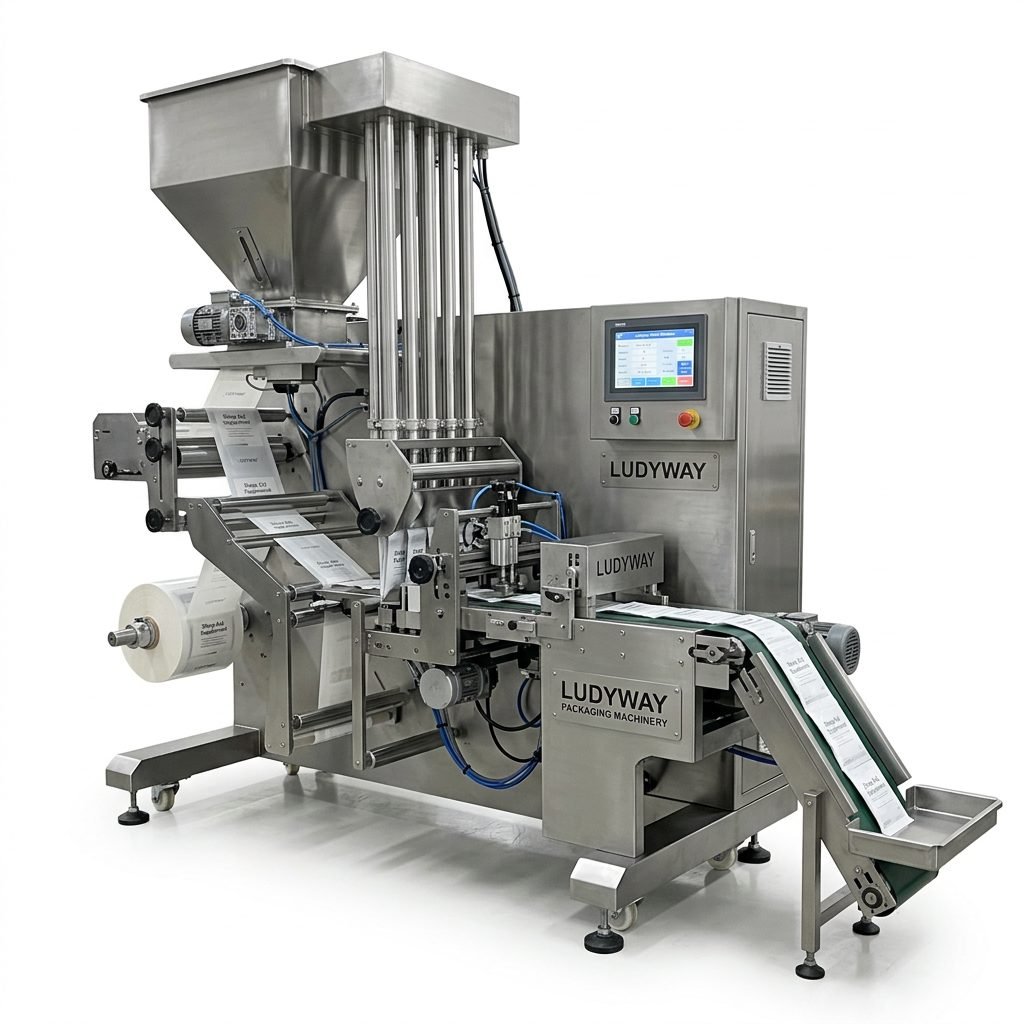
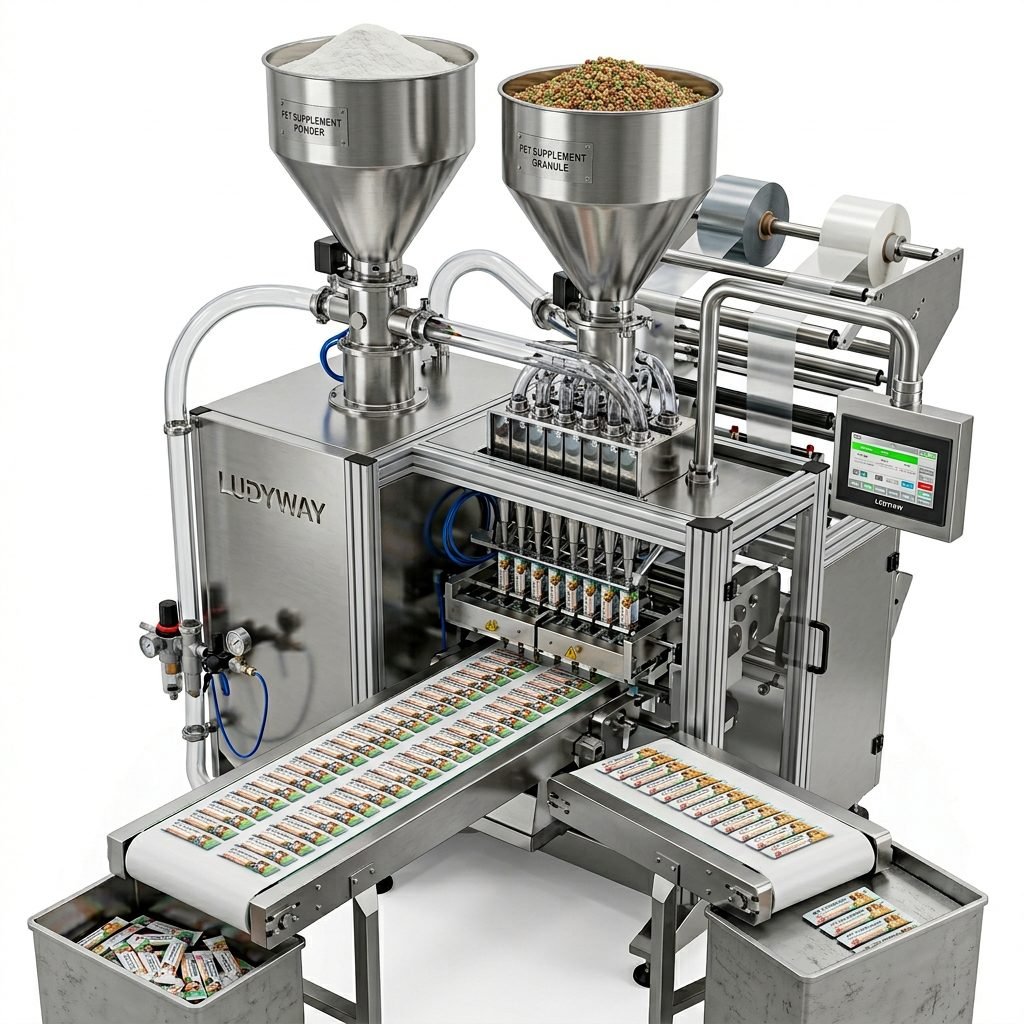
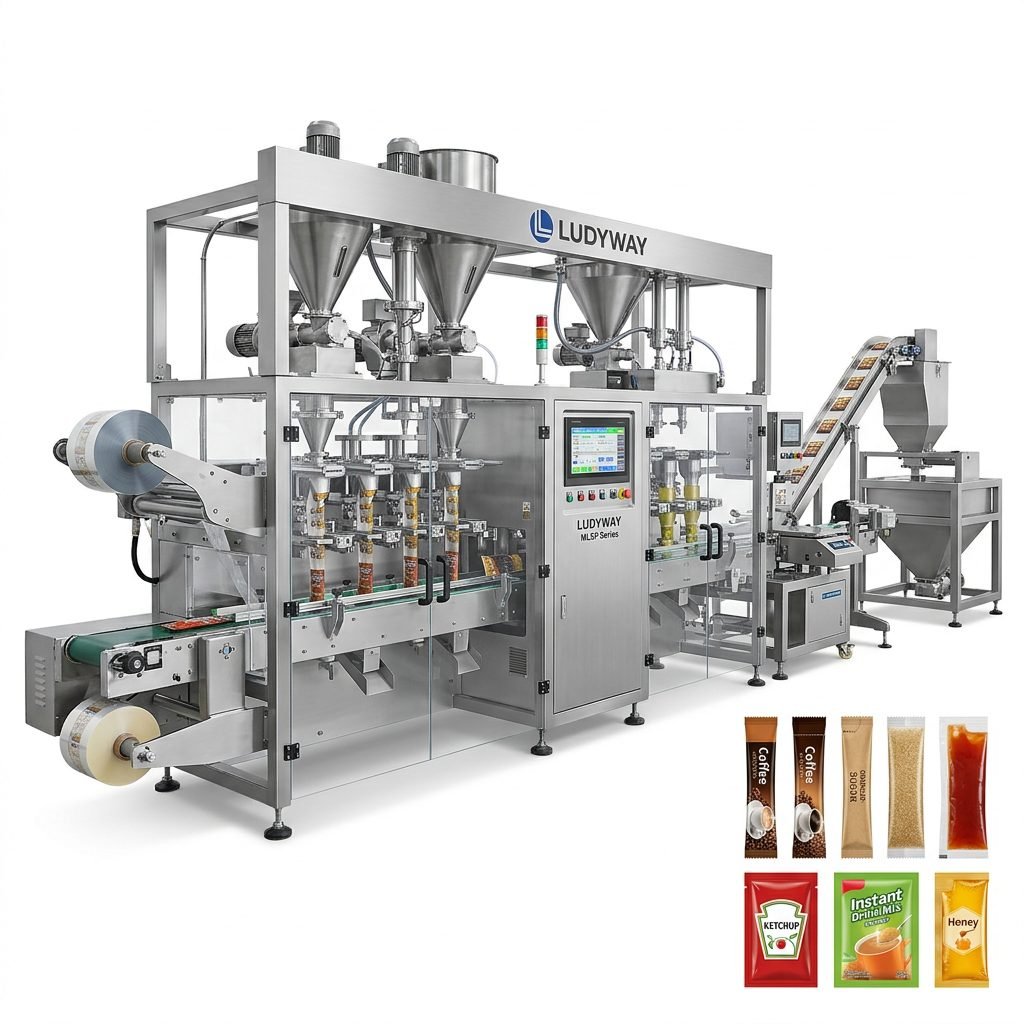
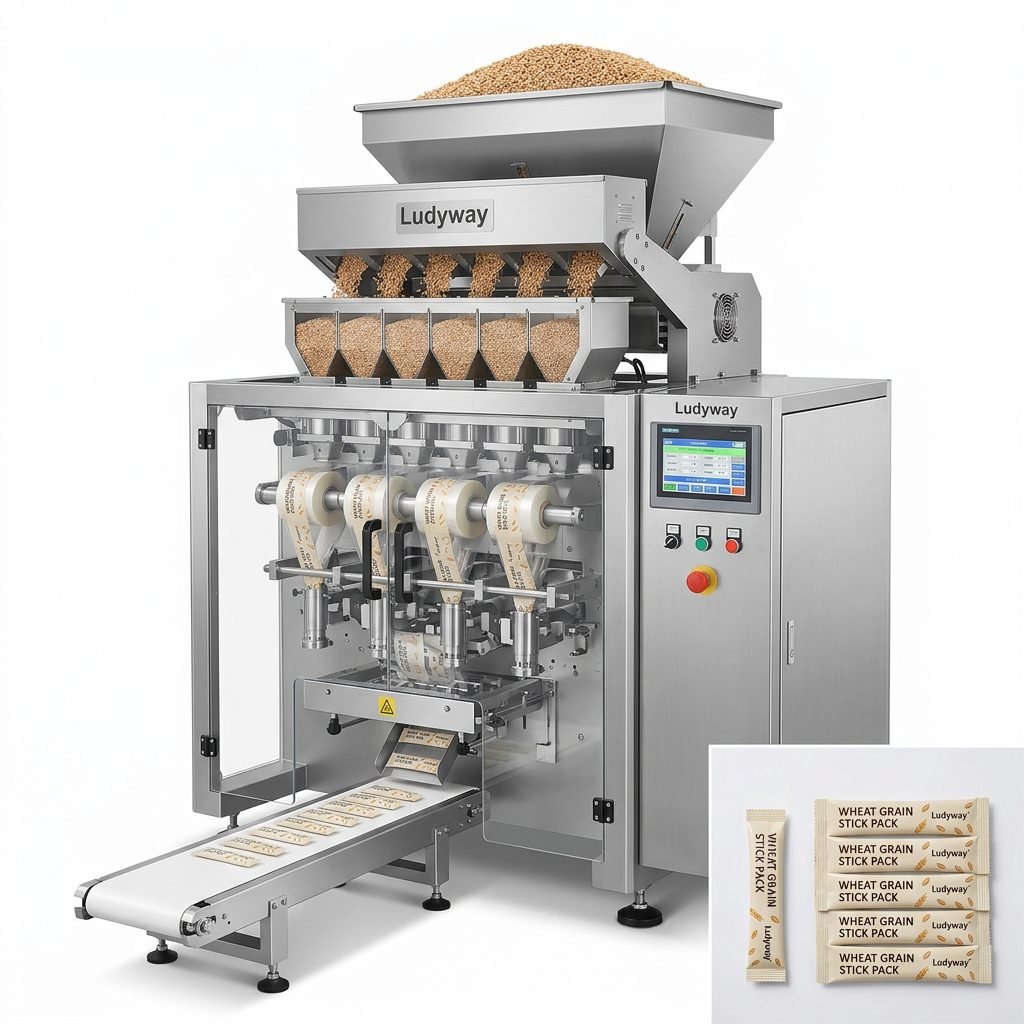
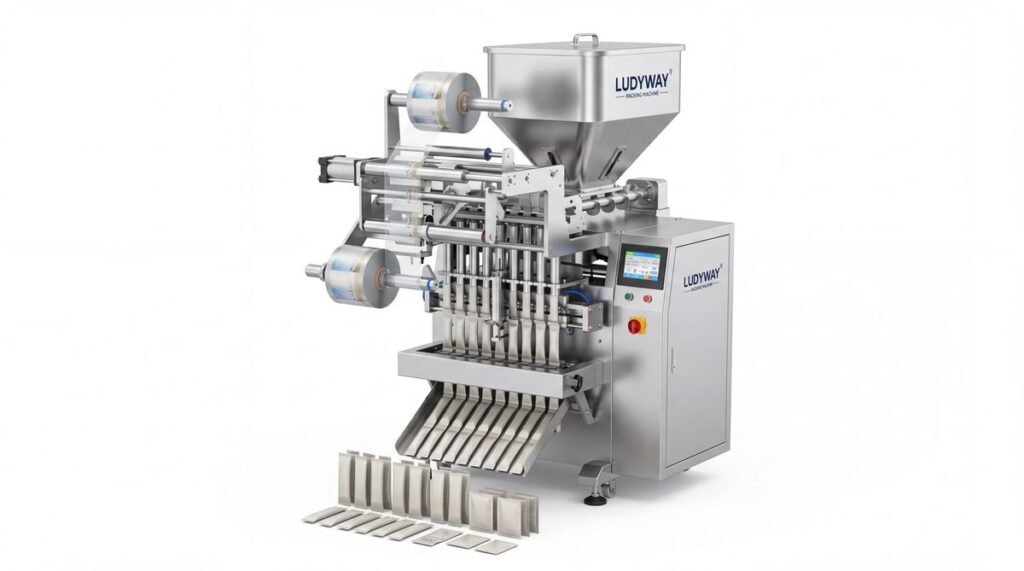
Stick packs, also known as single-serve sticks, are immensely popular for instant tea, powdered matcha, chai mixes, and granulated tea. Machines designed for this format are typically high-speed, multi-lane systems that can produce dozens of sticks per minute. They are ideal for businesses targeting hospitality, food service, or consumers looking for convenient, portion-controlled servings.
2. Sachet & Pouch Packaging Machines
For loose-leaf tea, herbal infusions, or larger portions, sachet and pouch machines are the standard. These range from simple vertical form-fill-seal (VFFS) machines for stand-up pouches to more complex machines that create pillow-style sachets with a tag and string. The key advantage is excellent product presentation and better protection for delicate whole leaves.
3. Bagging Machines for Loose Tea
This category includes equipment for packaging loose tea into larger quantities, such as 100g, 250g, or 1kg bags. It often involves a combination of a weighing system (like a multi-head weigher for accuracy) and a bagging machine. These systems are crucial for brands selling bulk tea to retailers or directly to consumers.
4. Canister & Tin Sealing Machines
For premium tea brands, packaging in tins or canisters preserves aroma and signifies quality. While filling may be semi-automatic, automatic capping and sealing machines ensure an airtight closure, which is vital for maintaining product freshness and extending shelf life.
Essential Features to Consider
Beyond the packaging format, the machine’s features determine its capability, reliability, and suitability for your operation.
Automation Level & Speed
Production volume dictates your needs. Semi-automatic machines are cost-effective for low-volume or start-up businesses, while fully automatic, high-speed lines are necessary for large-scale production. Speed is measured in packs per minute (PPM); ensure the machine’s output matches your current and near-future demand.
Material Compatibility
The machine must handle your chosen packaging film or laminate. Consider factors like:
▶ Barrier properties: Required for moisture and oxygen sensitivity.
▶ Seal integrity: The machine must create strong, consistent seals on the material.
▶ Print registration: If using pre-printed film, the machine needs a photo-eye for accurate cut positioning.
Weighing & Dosing Accuracy
Consistent fill weight is non-negotiable for cost control and regulatory compliance. Machines may use volumetric cups, auger fillers, or integrated weigh scales. For high-value products like tea, precision auger fillers or multi-head weighers offer the best accuracy, minimizing product give-away.
Flexibility & Changeover
If you plan to package multiple tea varieties or different pack sizes, look for machines with quick-change parts and easy-to-program settings. Flexibility reduces downtime and allows you to respond quickly to market trends.
Hygiene & Construction
Food-grade stainless steel (especially on product contact parts) is essential for hygiene, durability, and ease of cleaning. A robust frame ensures stability during high-speed operation and long service life.
How to Choose the Right Machine for Your Business
Making the right choice involves a structured evaluation of your specific needs against what the market offers.
Step 1: Define Your Core Requirements
Start by answering fundamental questions:
• What is your primary packaging format? (Stick pack, sachet, pouch, tin).
• What is your current and projected production volume? (Packs per shift/day).
• What is your product form? (Fine powder, granules, small leaves, whole leaves).
• What is your budget range? Include considerations for installation and training.
Step 2: Evaluate Supplier Credibility
The machine is only as good as the company behind it. Research potential suppliers like Ludyway Packing Machine, examining their industry experience, client portfolio, and after-sales support. A supplier with deep application knowledge in tea packaging can provide invaluable guidance.
Step 3: Request a Product Test
Never buy based on specifications alone. Arrange to send your actual tea product and packaging materials to the supplier for a live machine test. This demonstrates the machine’s performance with your specific materials and reveals potential issues with filling, sealing, or handling.
Step 4: Analyze Total Cost of Ownership (TCO)
Look beyond the initial purchase price. Consider:
▶ Energy consumption.
▶ Maintenance costs and spare part availability.
▶ Required operator skill level and training.
▶ Potential for future upgrades or integration with other line equipment (e.g., cartoners).
Step 5: Plan for Integration and Support
Ensure the supplier offers comprehensive installation, training, and technical support. Clear documentation and readily available spare parts are crucial for minimizing operational disruptions. A reliable partner will help you navigate the entire setup process.
Conclusion
Investing in tea packaging equipment is a strategic step toward scaling your business, ensuring product consistency, and enhancing brand perception. By thoroughly understanding the machine types, prioritizing essential features like accuracy and hygiene, and following a diligent selection process that includes testing and evaluating supplier support, you can secure a packaging solution that drives efficiency and growth for years to come. Partnering with an experienced provider ensures you gain not just a machine, but a holistic solution tailored to the unique demands of the tea industry.
Frequently Asked Questions (FAQs)
1. What is the most cost-effective tea packaging machine for a startup?
For new businesses with lower volumes, a semi-automatic vertical form-fill-seal (VFFS) machine or a single-lane stick pack machine often offers the best balance of affordability and capability. It allows for manual feeding or simpler operation while producing professional-looking packages.
2. Can one machine handle both loose-leaf tea and powdered tea?
It depends on the machine’s design. Some advanced sachet or pouch machines with interchangeable filling systems (e.g., switching from a volumetric cup for leaves to an auger for powder) can offer this flexibility. However, it typically requires a more versatile and higher-specification model.
3. How important is nitrogen flushing for tea packaging?
For premium teas, especially delicate green teas or those prone to oxidation, nitrogen flushing is highly beneficial. It displaces oxygen inside the package, dramatically slowing degradation and preserving flavor, color, and aroma for much longer. Machines with integrated gas flushing systems are recommended for high-quality preservation.
4. What maintenance does a typical tea packaging machine require?
Regular daily cleaning of product contact parts is essential. Periodic maintenance includes lubricating moving parts, checking and replacing worn seals (like the jaw seals on the sealing heads), and calibrating the weighing system. A good supplier will provide a detailed maintenance schedule and training.
5. Where can I find a reliable supplier for tea packaging equipment?
Look for suppliers with demonstrable experience in the food and beverage sector, specifically with tea. Review their case studies and company history, request client references, and insist on a live product test. A trustworthy supplier will have a strong track record of support and a range of machines suited to different production scales.