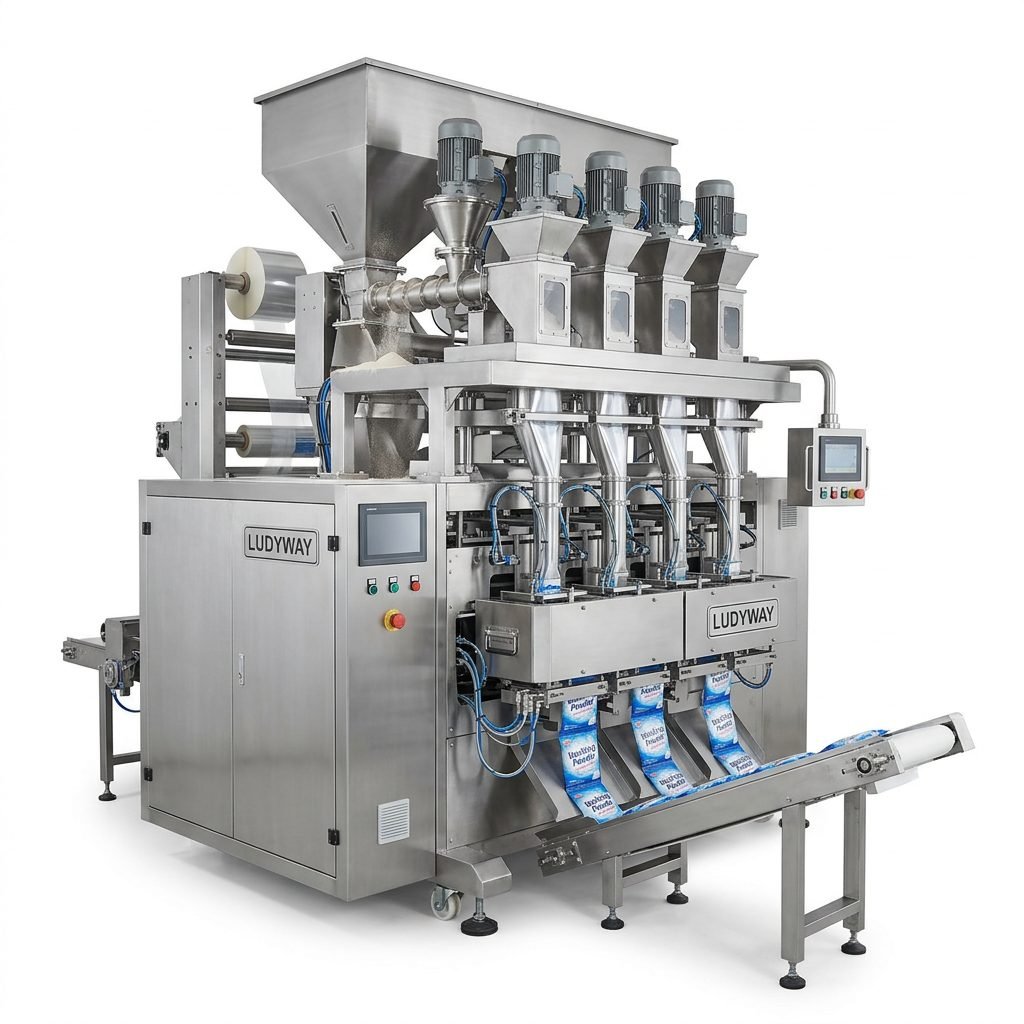
In today’s competitive manufacturing landscape, finding cost-effective and reliable equipment is a priority for businesses looking to optimize their packaging operations without compromising on quality. Purchasing used IMA packaging equipment presents a compelling opportunity to acquire high-performance machinery at a fraction of the cost of new models. This guide explores the benefits, considerations, and process of buying affordable pre-owned packaging machinery online, helping you make an informed investment for your production line.
Why Consider Used IMA Packaging Equipment?
IMA Group is renowned globally for its innovative and durable packaging solutions, serving industries from pharmaceuticals to food. Opting for pre-owned IMA machinery offers significant advantages. The most immediate benefit is substantial cost savings, often ranging from 30% to 70% compared to new equipment. This allows businesses to allocate capital to other critical areas like marketing or R&D.
Furthermore, used IMA machines have a proven track record of reliability. These machines are built to industrial standards for long-term, high-volume production. By purchasing a model with a known service history, you invest in a workhorse that has already demonstrated its capability to perform under real-world conditions.
Key Benefits of Buying Pre-Owned Packaging Machinery
Beyond brand-specific advantages, the secondary packaging equipment market offers broader strategic value:
- Faster Deployment: Pre-owned machines are typically available for immediate shipment and installation, drastically reducing lead times compared to waiting for a new machine to be built.
- Reduced Depreciation: The steepest depreciation on capital equipment occurs in the first few years. A used machine has already undergone this depreciation, protecting your investment’s residual value.
- Proven Technology: You can select a model with a well-documented performance history, avoiding the potential teething problems sometimes associated with brand-new, unproven technology releases.
- Sustainability: Extending the lifecycle of high-quality machinery is an excellent form of industrial recycling, aligning with corporate sustainability goals by reducing waste and the demand for new raw materials.
What to Look for When Buying Online
Purchasing heavy machinery online requires diligence. A reputable supplier is the cornerstone of a successful transaction. Look for sellers with a strong online presence, detailed company profiles, and verifiable customer testimonials. For instance, suppliers like Ludyway Machinery, with decades of industry experience, often provide greater assurance through their expertise in evaluating and reconditioning equipment.
Critical Inspection Checklist
Never rely solely on photos. A trustworthy seller will provide a comprehensive equipment dossier:
• Machine History & Documentation: Request the machine’s year of manufacture, serial number, and full service history. Original manuals and circuit diagrams are invaluable.
• Current Condition Report: Insist on a recent, detailed condition report including high-resolution videos of the machine running under power. This should cover mechanical wear, electrical system status, and control panel functionality.
• Reconditioning Details: Ask what specific reconditioning work has been performed (e.g., seal replacements, motor servicing, software updates, safety system checks).
• Compatibility & Spare Parts: Verify the machine’s compatibility with your existing line (voltage, speed, interfaces). Ensure that spare parts and technical support will be readily available post-purchase.
Navigating the Online Purchase Process
The process typically involves inquiry, technical review, quotation, inspection, and logistics. Reputable sellers guide you through each step. After identifying a potential machine, submit a detailed inquiry specifying your product type, required output, and packaging materials. A qualified sales engineer should then contact you to discuss technical suitability.
Following the technical review, you will receive a formal quotation including the machine price, any reconditioning costs, warranty terms, and shipping estimates. This is the time to negotiate and clarify all terms. The most crucial phase is the pre-purchase inspection. Whenever possible, arrange for a third-party inspector or visit the seller’s warehouse in person. For international buyers, a live video inspection is a practical alternative.
Maximizing Your Investment After Purchase
Successful integration of used equipment requires planning. Factor in installation, commissioning, and operator training costs. Partnering with a supplier that offers comprehensive after-sales support, like global packaging experts, is crucial. They can provide installation guidance, training programs, and a reliable supply of genuine spare parts to ensure your machine runs smoothly for years.
Develop a preventive maintenance schedule from day one. Using the machine’s history as a guide, proactively replace wear parts before they fail. This minimizes unplanned downtime and extends the equipment’s operational life, ensuring your ROI is maximized.
Final Considerations for a Smart Buy
Purchasing used IMA packaging equipment online is a strategic decision that blends financial prudence with operational pragmatism. The key is to balance the attractive price point with a thorough vetting process focused on the machine’s condition, the seller’s reputation, and the availability of long-term support. By focusing on suppliers with deep industry roots and a transparent process, you can secure a high-quality asset that boosts your production capability and strengthens your bottom line.
Frequently Asked Questions (FAQs)
1. What is the typical warranty on used IMA packaging equipment?
Warranties vary by seller and the extent of reconditioning. Reputable suppliers often provide a 6 to 12-month warranty on critical components. Always get the warranty terms in writing, specifying what is covered and the support process. Companies with strong service networks, such as those with extensive industry experience, tend to offer more reliable warranty support.
2. How can I verify the condition of a machine I can’t inspect in person?
Request a live, interactive video call where the seller demonstrates the machine running at various speeds. Ask them to show specific components up close, check control panel functions, and perform simple tests. A detailed condition report with timestamped photos and videos from multiple angles is also essential.
3. Are spare parts readily available for older IMA models?
IMA has a strong global parts network. For most popular models, parts remain available. However, for very old or discontinued lines, availability may be limited. Before purchasing, consult with the seller or a dedicated parts supplier to confirm the availability of critical wear parts like seals, sensors, and mechanical components.
4. What are the hidden costs when buying used packaging machinery?
Beyond the machine price, budget for shipping and rigging, import duties (for international purchases), installation and commissioning by a technician, potential site modifications (electrical, compressed air), and initial spare parts kits. A clear quotation from your supplier should help identify most of these costs upfront.
5. Can used equipment be upgraded or customized for my specific product?
Yes, within limits. Many reputable suppliers offer reconditioning and retrofit services. This can include installing new PLCs, updating safety guards to current standards, or adding specific filling heads or feed systems. Discuss your requirements during the technical review phase to get a feasibility assessment and cost estimate for any necessary modifications.