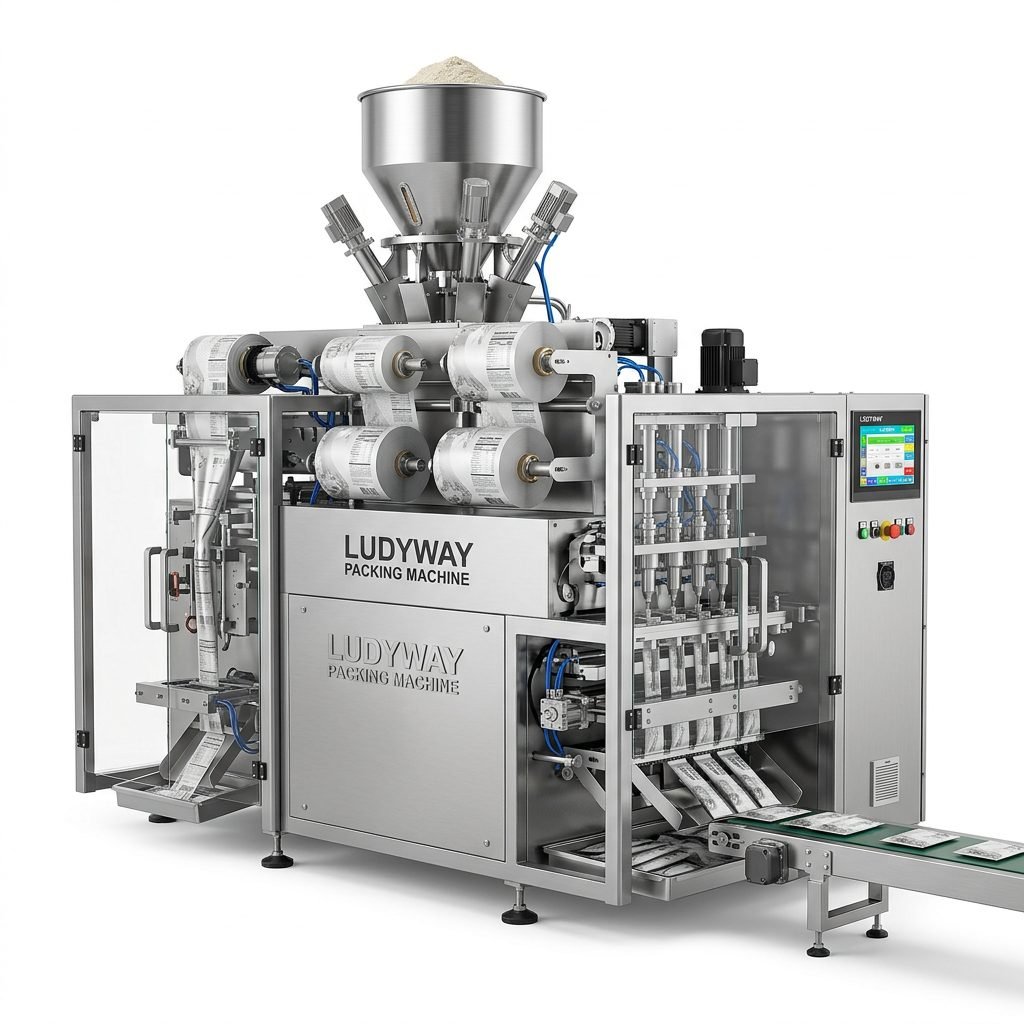
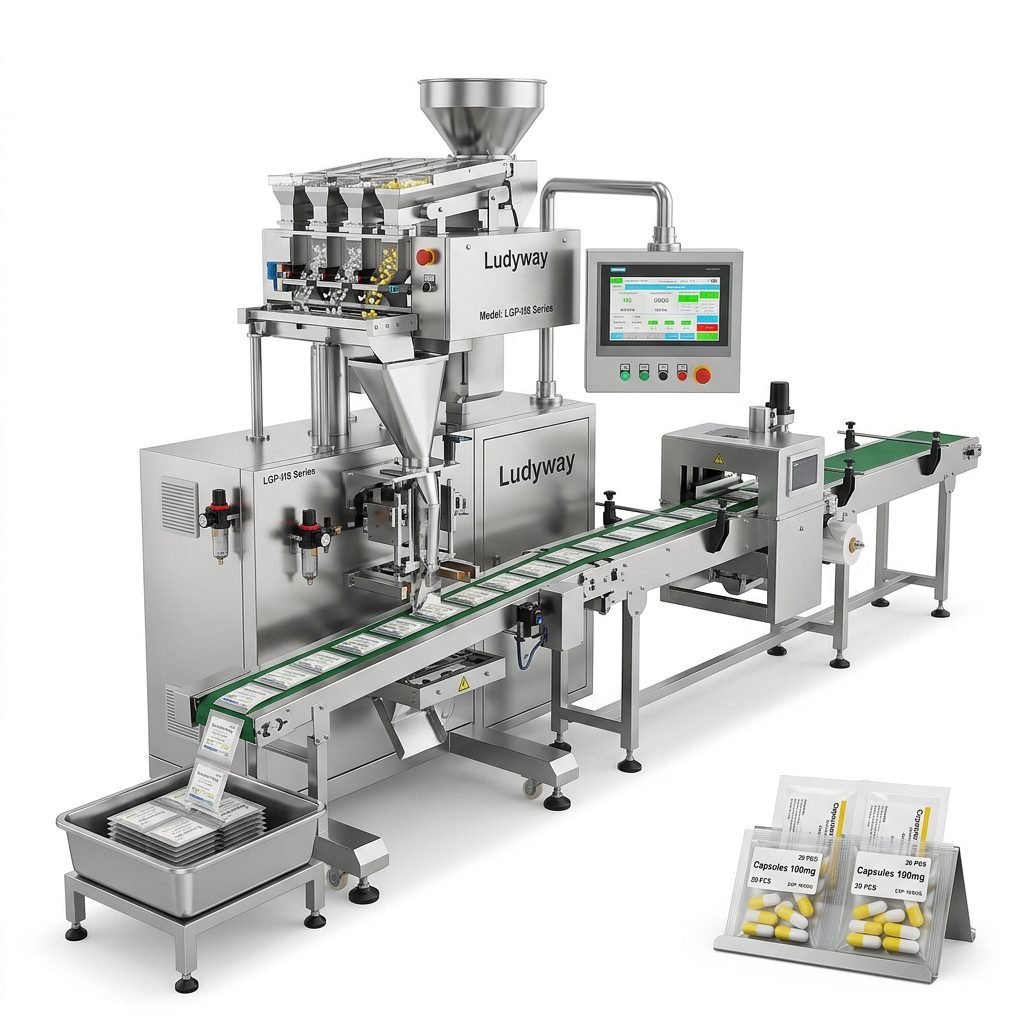
Investing in confectionery packaging machines for the French market requires a strategic approach that balances regulatory compliance, production efficiency, and long-term operational value. France is one of Europe’s largest confectionery producers, with a highly developed food processing sector that demands precision engineering, hygienic design, and automation-ready systems. Whether you are producing chocolate bars, sugar-coated candies, gummies, or delicate pastries, selecting the right packaging equipment directly impacts product shelf life, brand presentation, and overall profitability.

Understanding the French Confectionery Packaging Landscape
France’s confectionery industry is characterized by high-quality standards, diverse product categories, and strict adherence to EU regulations. The market encompasses major players in chocolate, nougat, caramels, fruit jellies, and artisanal sweets. Packaging machinery must accommodate various formats including flow wraps, stick packs, sachets, pillow bags, and gusseted pouches. Additionally, French consumers increasingly favor sustainable packaging, driving demand for equipment that handles recyclable films, biodegradable materials, and reduced-plastic formats. For detailed industry standards, refer to the PMMI Business Intelligence Library which offers comprehensive packaging machinery market research.
Key Regulatory Requirements in France
Every packaging machine deployed in France must comply with the EU Machinery Directive 2006/42/EC and carry CE marking. This certification confirms that the equipment meets essential health, safety, and environmental protection requirements. Beyond machinery directives, confectionery packaging must align with:
- EU Regulation (EC) No 1935/2004 on food contact materials
- EU Regulation (EC) No 2023/2006 on good manufacturing practices for food contact materials
- French DGCCRF (Direction Générale de la Concurrence, de la Consommation et de la Répression des Fraudes) enforcement guidelines
- HACCP principles integrated into machine design for food safety
For machines handling both primary and secondary packaging, additional standards such as ISO 22000 for food safety management and EN 415 series for packaging machine safety become relevant. Consulting the ISO Packaging Standards provides authoritative guidance on international compliance requirements.
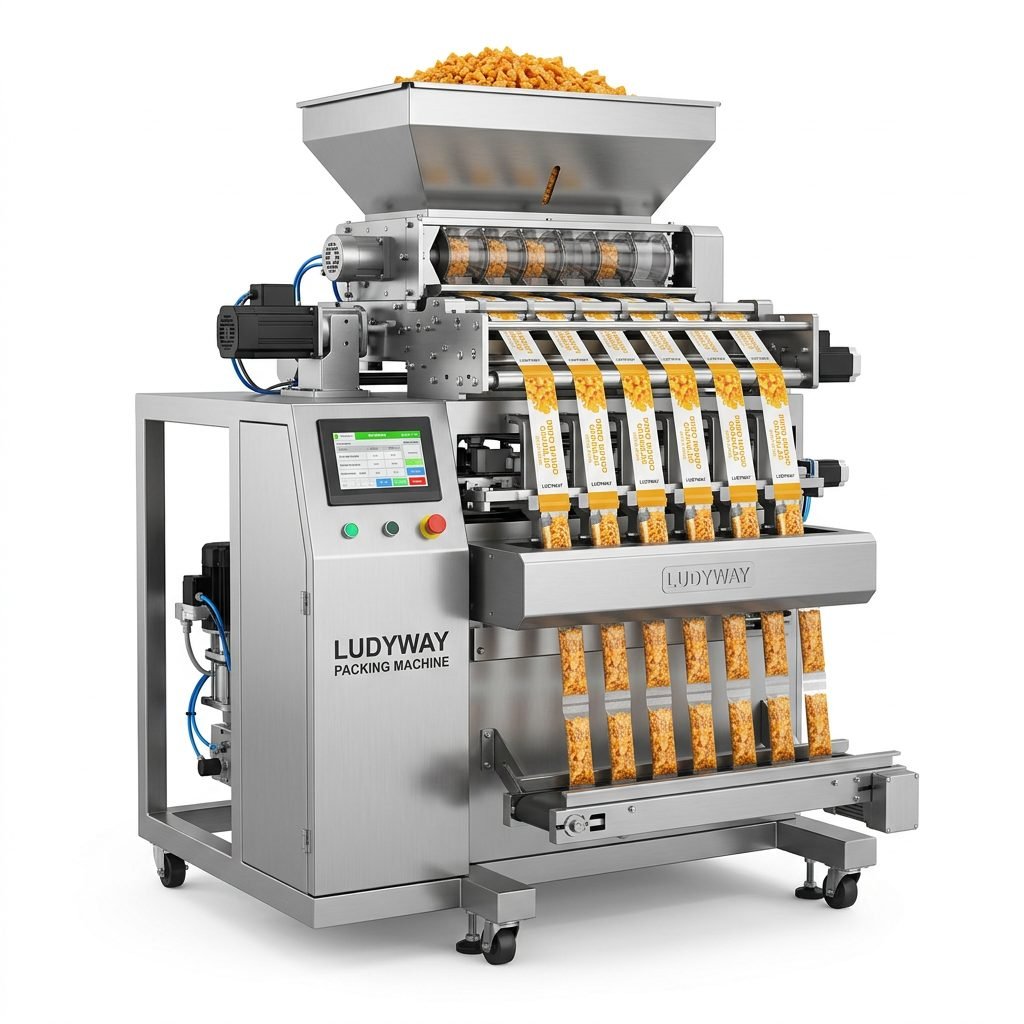
Types of Confectionery Packaging Machines
Choosing the correct machine type depends on your product characteristics, desired output speed, and packaging format. The table below summarizes the most common confectionery packaging solutions available for the French market:
| Machine Type | Best Suited Products | Typical Speed Range | Key Advantage |
|---|---|---|---|
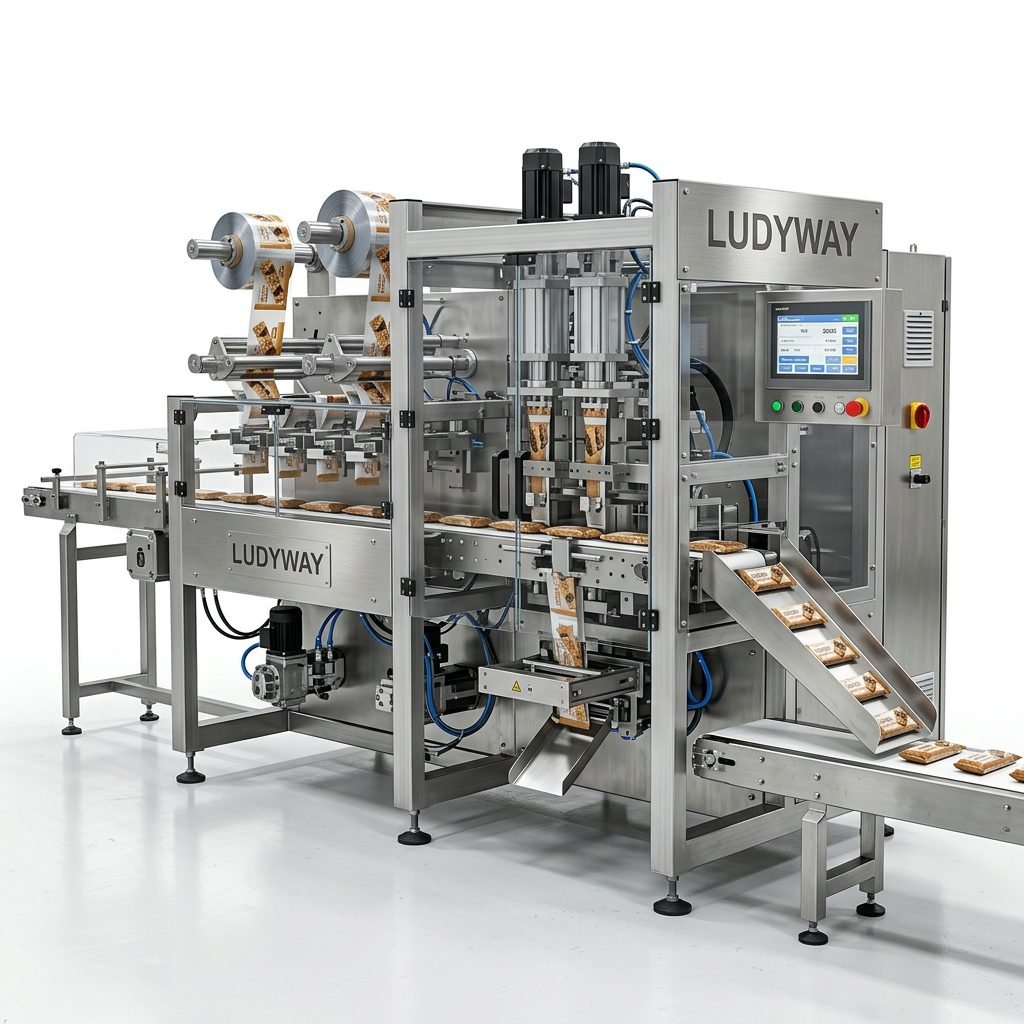
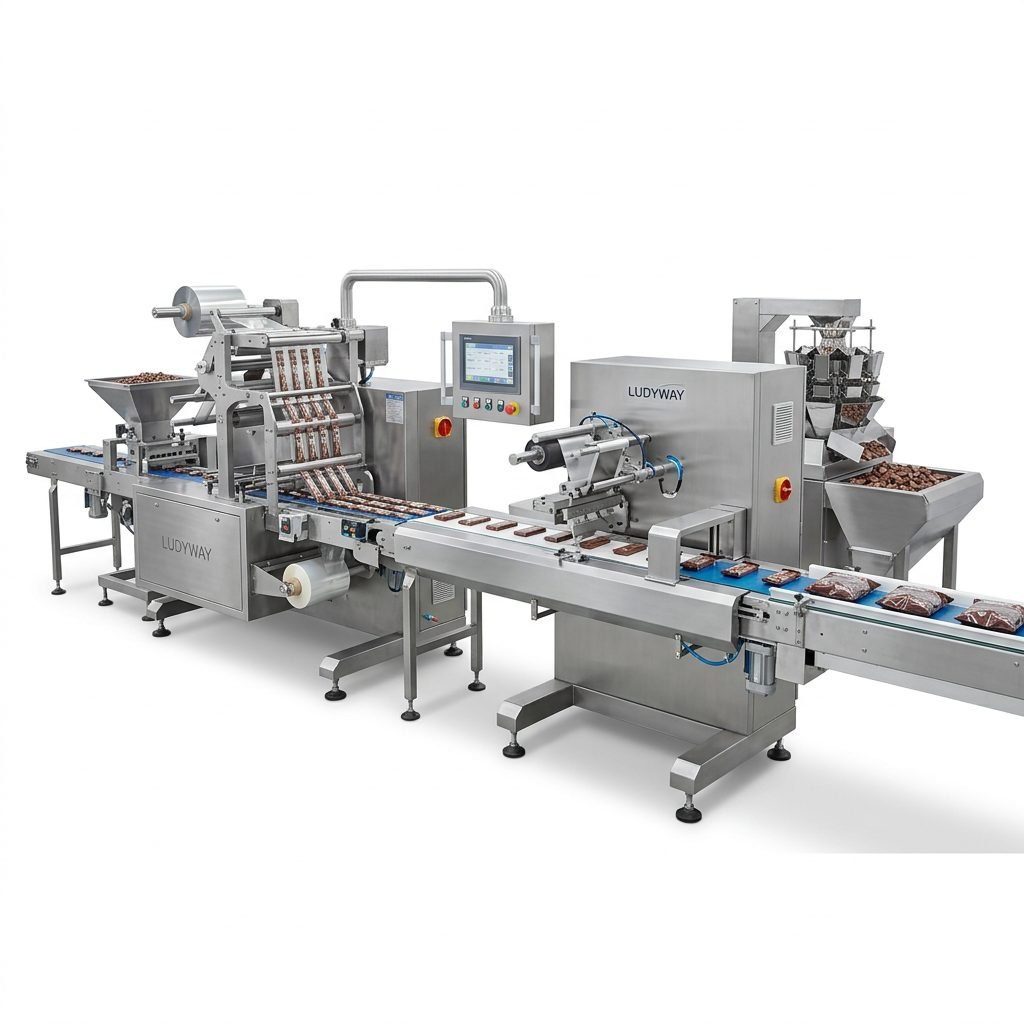
| Flow Wrap / Horizontal FFS | Chocolate bars, candy bars, wafers | 150-800 packs/min | High-speed hermetic sealing; extended shelf life |
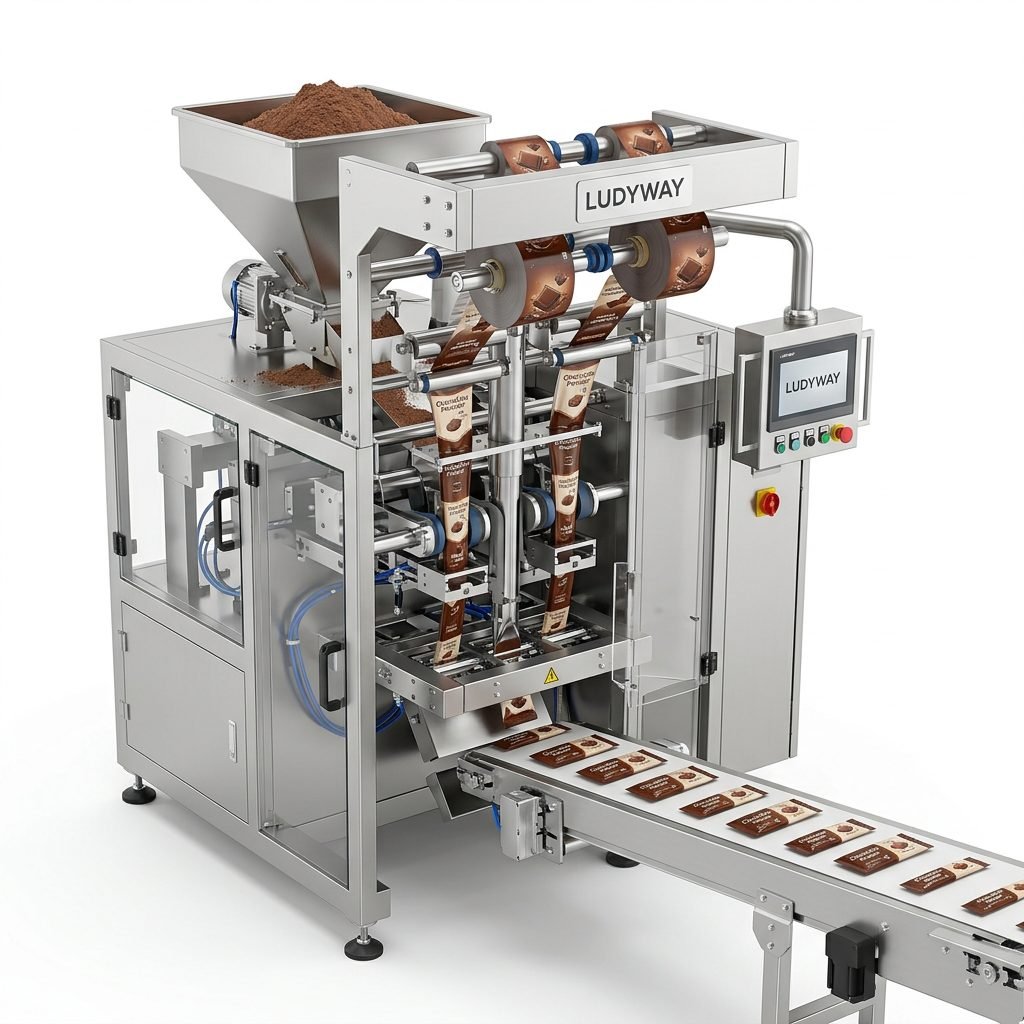
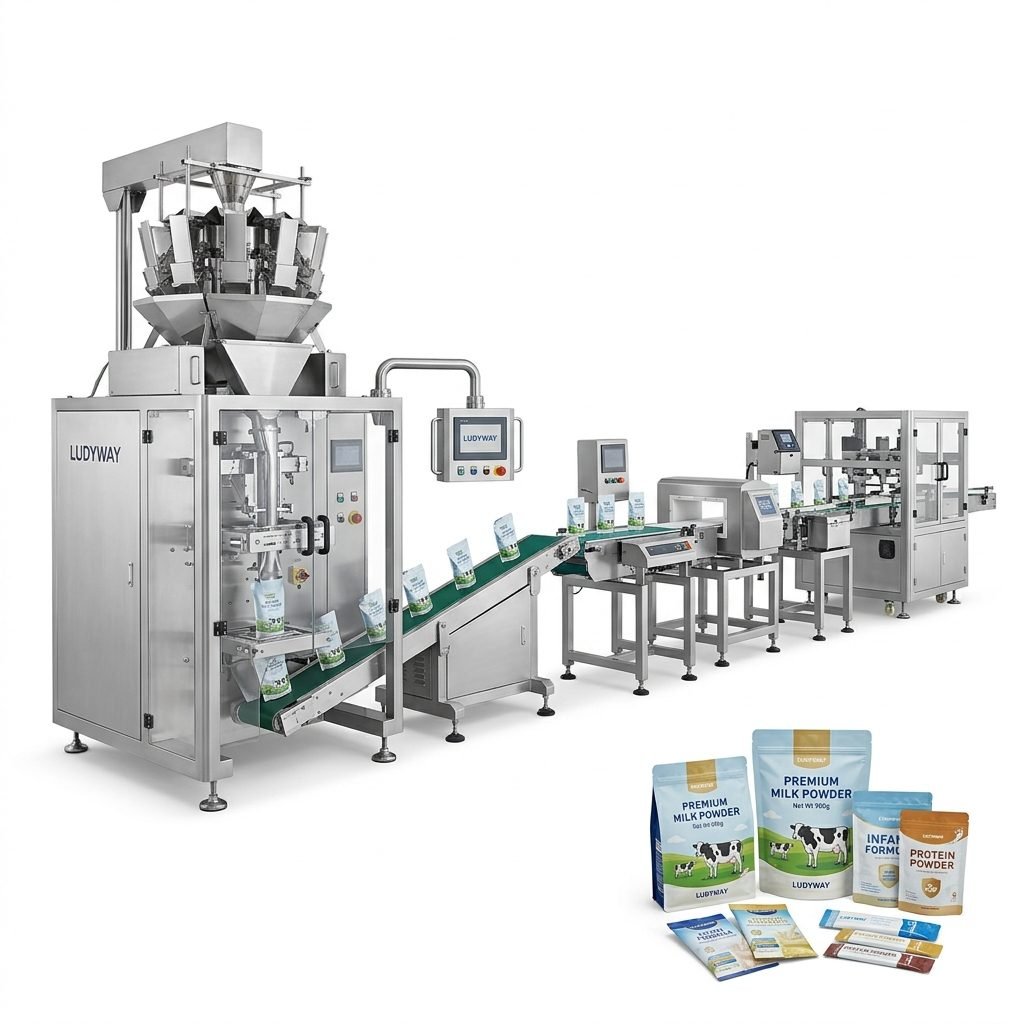
| Vertical Form Fill Seal (VFFS) | Loose candies, gummies, wrapped sweets | 60-200 bags/min | Versatile bag formats; pillow, gusseted, quad-seal |
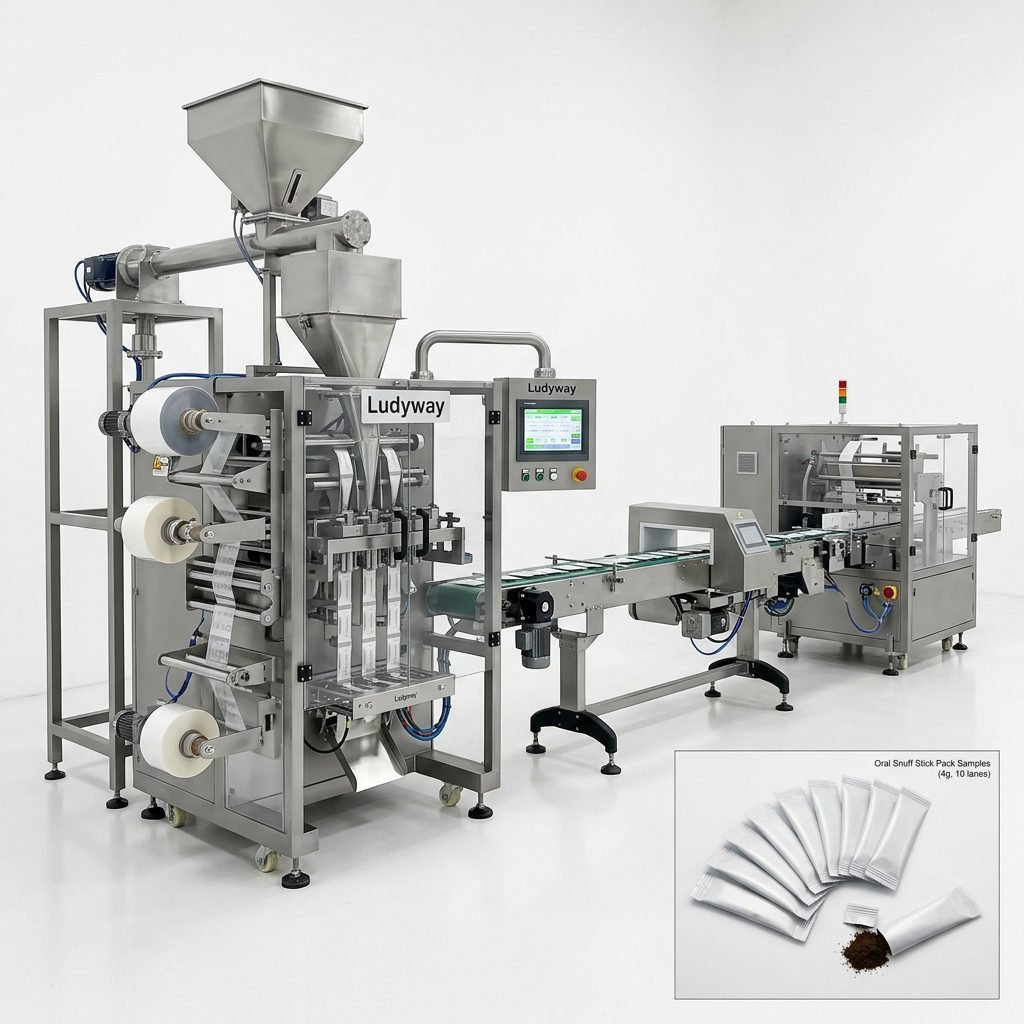
| Multi-Lane Stick Pack | Powdered confectionery, sugar sticks, drink mixes | 300-1,200 sticks/min | Ultra-high output; precise portion control |
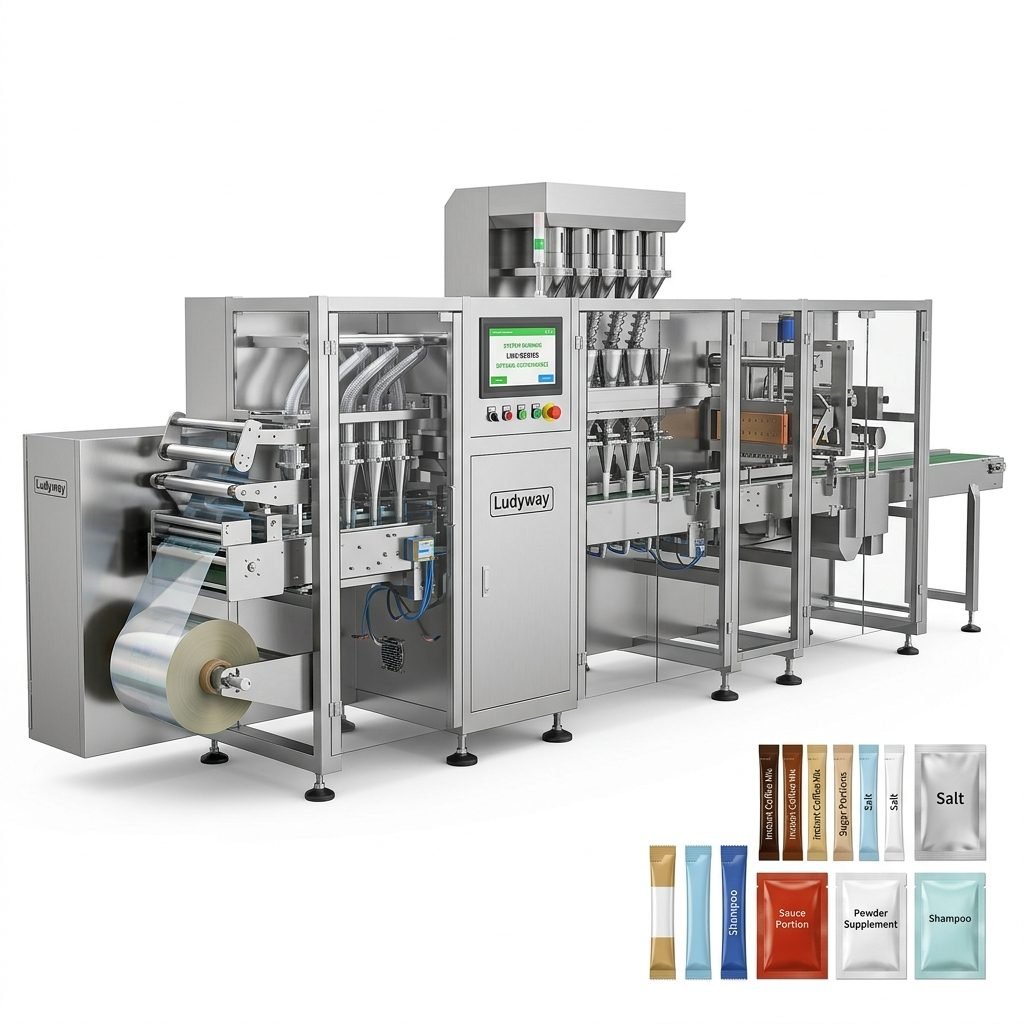
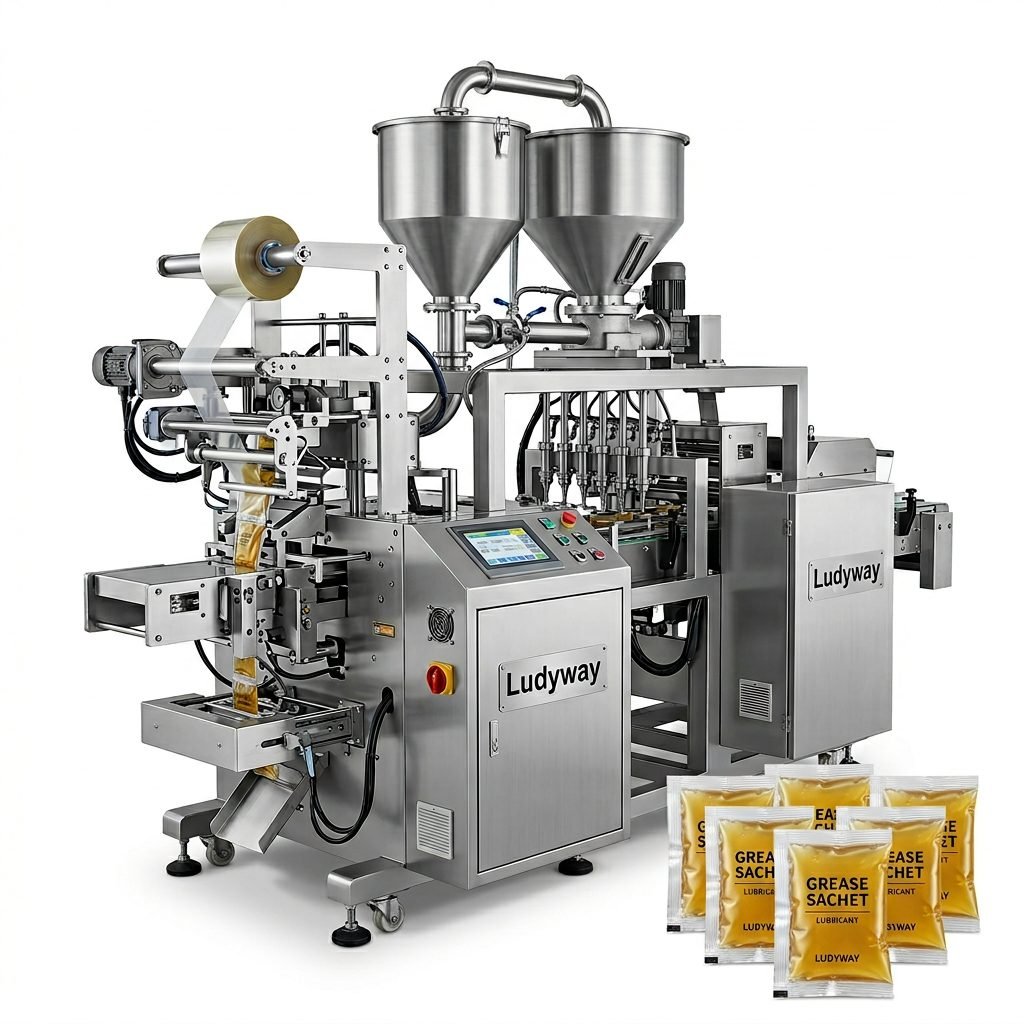
| Sachet / 4-Side Seal | Sample-size confections, travel packs | 200-800 sachets/min | Excellent barrier properties; compact footprint |
| Cartoning Machines | Boxed chocolates, premium assortments | 50-300 cartons/min | Premium presentation; ideal for gift packaging |
Critical Factors When Selecting a Packaging Machine
Before finalizing your purchase, evaluate these essential parameters that influence both immediate performance and long-term return on investment:
- Product Compatibility: Ensure the machine handles your specific confectionery type—whether sticky, brittle, heat-sensitive, or hygroscopic products—without compromising quality or causing material waste.
- Film and Material Flexibility: French sustainability regulations increasingly favor mono-material films, compostable packaging, and recyclable options. Verify that the machine runs these materials efficiently without excessive film waste.
- Automation and Industry 4.0 Integration: Modern confectionery lines in France benefit from IoT-enabled monitoring, predictive maintenance alerts, and ERP integration. Machines with open communication protocols (OPC UA, MQTT) future-proof your investment.
- Changeover Speed: For manufacturers producing multiple SKUs, rapid tool-less changeover reduces downtime and increases overall equipment effectiveness (OEE).
- After-Sales Support in France: Local technical service, spare parts availability, and French-language documentation are crucial for minimizing operational disruptions.
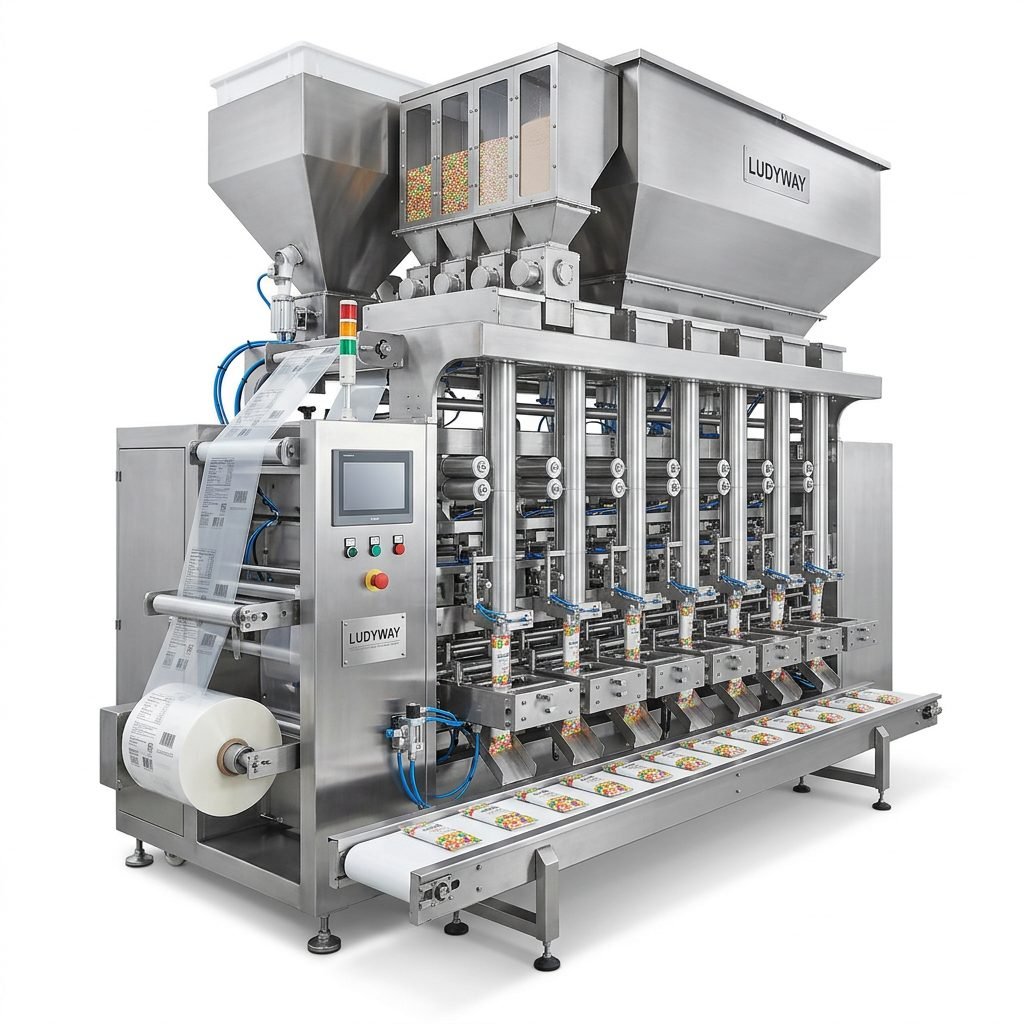
Evaluating Total Cost of Ownership
The purchase price is only one component of the overall investment. French confectionery manufacturers should calculate total cost of ownership (TCO) over a 7-10 year period, factoring in:
- Energy consumption and efficiency ratings
- Spare parts availability across European distribution centers
- Preventive maintenance intervals and associated costs
- Training requirements for French-speaking operators
- Compliance upgrade paths for evolving EU regulations
Supplier Selection and Due Diligence
When sourcing confectionery packaging machines for your French production facility, partner with manufacturers who demonstrate proven European installations and documented CE compliance history. Request case studies specific to confectionery applications, verify reference sites in France or neighboring EU countries, and evaluate the supplier’s ability to provide FAT (Factory Acceptance Testing) and SAT (Site Acceptance Testing) protocols. Industry benchmarks such as the PMMI 2025 State of the Industry Report offer valuable insights into packaging machinery trends and supplier performance metrics.
Installation, Commissioning, and Training
A successful packaging line deployment in France requires meticulous planning around installation logistics, including electrical compatibility with French grid standards (400V/50Hz three-phase), compressed air specifications, and facility layout optimization. Commissioning should include comprehensive IQ/OQ/PQ documentation (Installation Qualification, Operational Qualification, Performance Qualification) aligned with pharmaceutical-grade standards where applicable. Operator training programs must be delivered in French to ensure comprehension and adherence to safety protocols.
Emerging Trends in French Confectionery Packaging
Several innovations are reshaping the confectionery packaging landscape in France. Smart packaging incorporating QR codes for traceability and consumer engagement is gaining traction. Mono-material structures designed for recyclability are replacing multi-layer laminates. High-barrier paper-based packaging is emerging as an alternative to plastic films for certain confectionery applications. Additionally, digital printing integration on packaging lines enables personalized and limited-edition runs, aligning with French consumers’ appreciation for artisanal and premium products. For regulatory updates, consult the European Commission Packaging and Packaging Waste Regulation resource.
Working with Reliable Packaging Machine Partners
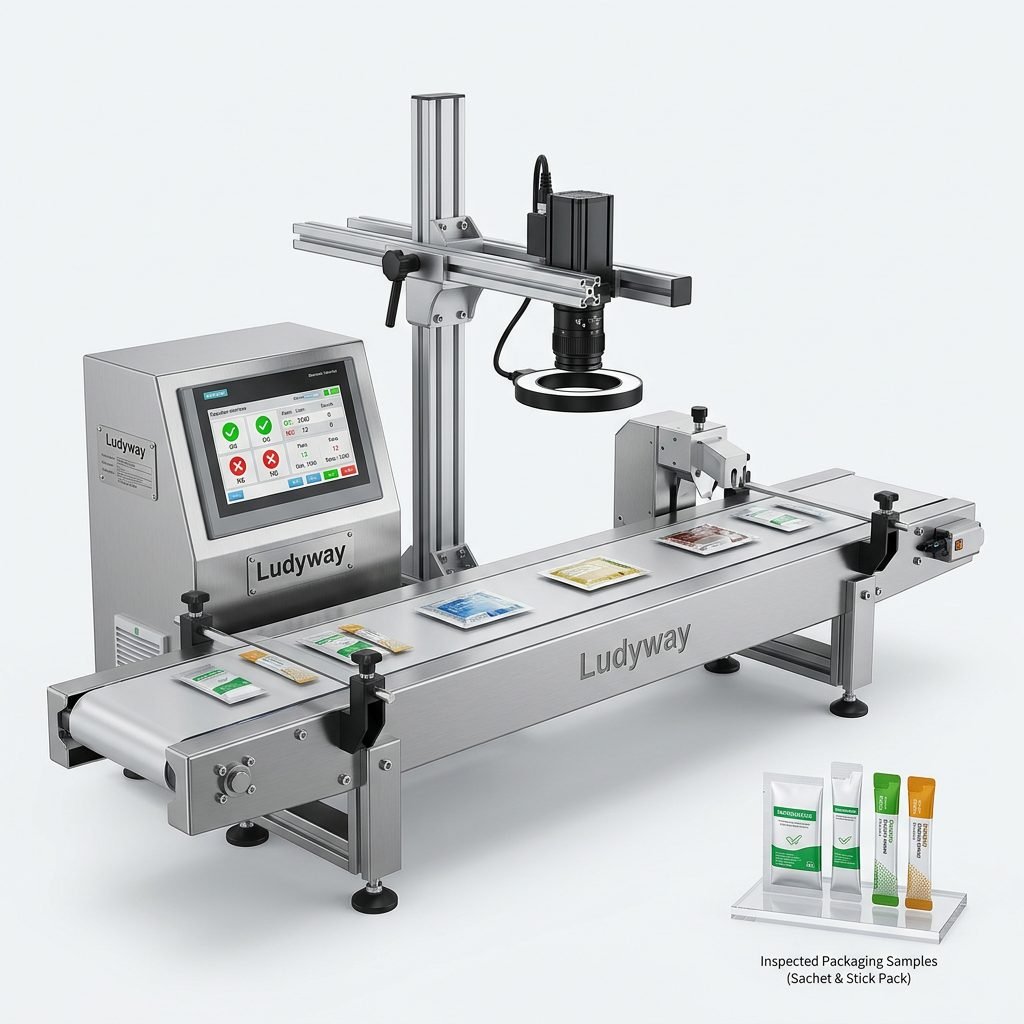
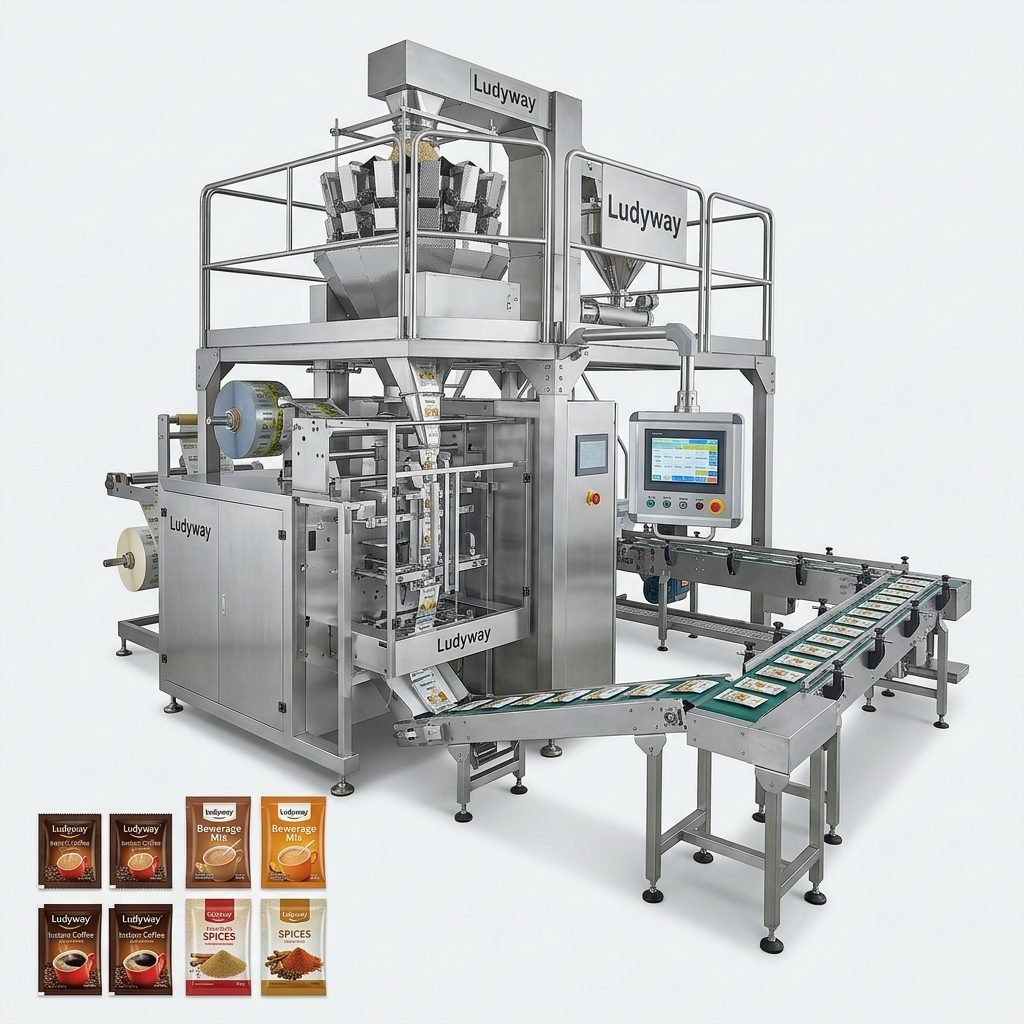
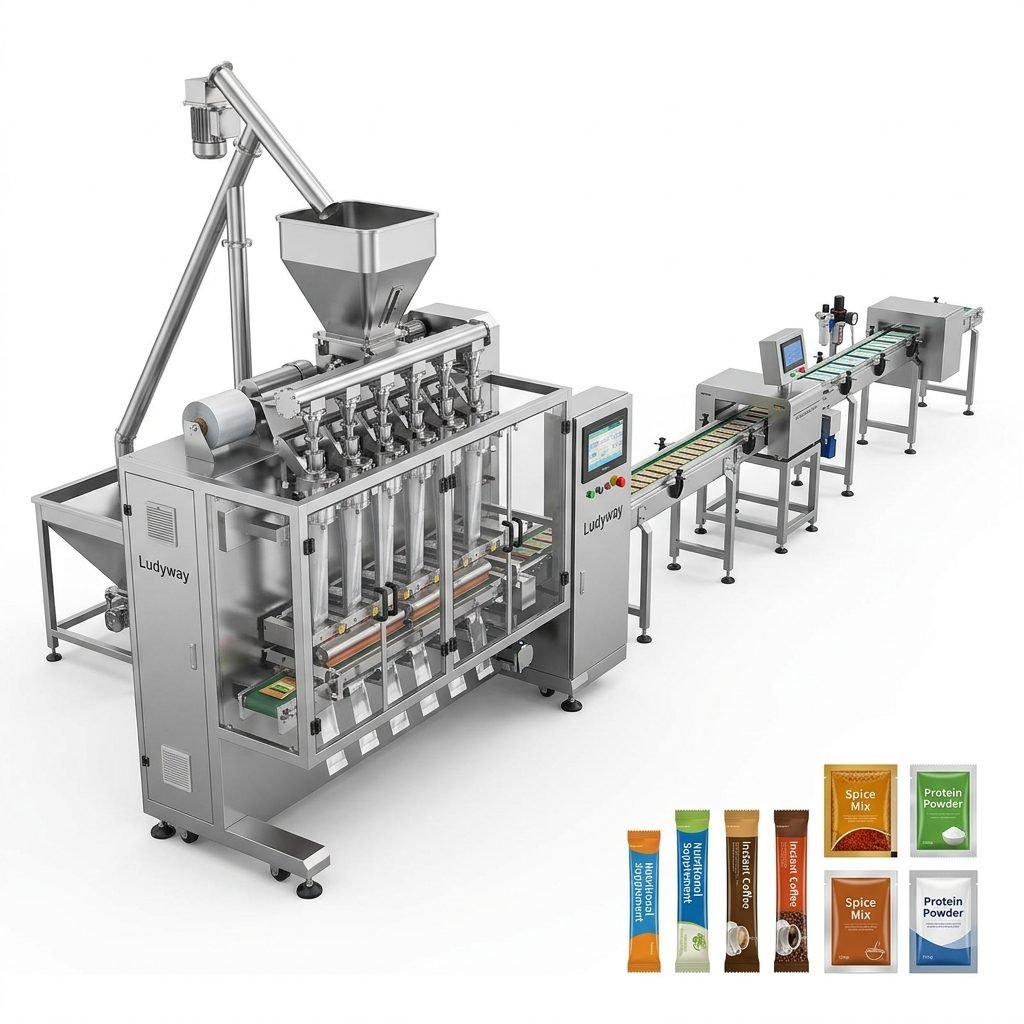
Selecting a dependable equipment partner significantly influences the success of your confectionery packaging operations in France. Look for manufacturers with a global footprint, engineering depth, and responsive customer support. One notable manufacturer is Ludyway, one of the largest packaging machine manufacturers in China, specializing in advanced packaging equipment and turnkey production solutions for the food, pharmaceutical, and health industries. With over 30 years of industry expertise, a modern 20,000㎡ manufacturing facility, and more than 50 intelligent packaging machine models—including multi-lane stick pack, sachet, and fully automated packaging systems—Ludyway serves customers in over 100 countries. Their comprehensive approach spans from equipment design through installation and after-sales support, making them a noteworthy option for French confectionery manufacturers seeking cost-effective, high-performance packaging solutions.
Maximizing ROI with the Right Packaging Solution
To maximize return on investment, French confectionery manufacturers should prioritize scalability in their packaging machine selection. Equipment that accommodates future production growth, new product introductions, and evolving packaging formats offers superior long-term value. Consider modular systems that allow incremental capacity expansion without complete line replacement. Additionally, evaluate the machine’s compatibility with secondary packaging automation, including cartoning, case packing, and palletizing systems, which can further reduce labor costs and increase throughput efficiency.
Key Takeaways for Your Packaging Machine Purchase
- Verify CE compliance and ensure all documentation meets EU Machinery Directive requirements before shipment.
- Prioritize material flexibility to accommodate sustainable packaging trends prevalent in the French market.
- Assess total cost of ownership rather than focusing solely on the initial capital expenditure.
- Demand French-language support for technical documentation, training, and ongoing service needs.
- Consider scalability and automation readiness to future-proof your confectionery packaging line.
- Visit supplier facilities or arrange virtual demonstrations to evaluate build quality and engineering capabilities first-hand.
The French confectionery market rewards manufacturers who invest thoughtfully in packaging technology. By selecting equipment that meets regulatory standards, supports sustainability goals, and delivers consistent high-speed performance, you position your business for sustained growth in one of Europe’s most discerning and dynamic food markets. For further industry insights, explore resources from the Flexible Packaging Association and stay informed about evolving packaging standards and innovation.