In the competitive world of fresh produce, effective packaging is not just about containment—it’s a critical factor in preserving quality, extending shelf life, and enhancing market appeal. For businesses looking to scale, investing in the right vegetable packaging equipment is a pivotal decision. This guide explores the top solutions available, detailing their types, key features, and providing a clear framework to help you select the perfect machine for your operational needs.
Understanding the Core Types of Vegetable Packaging Equipment
The market offers a diverse range of machinery, each designed for specific packaging formats and production volumes. Understanding these categories is the first step toward a smart investment.
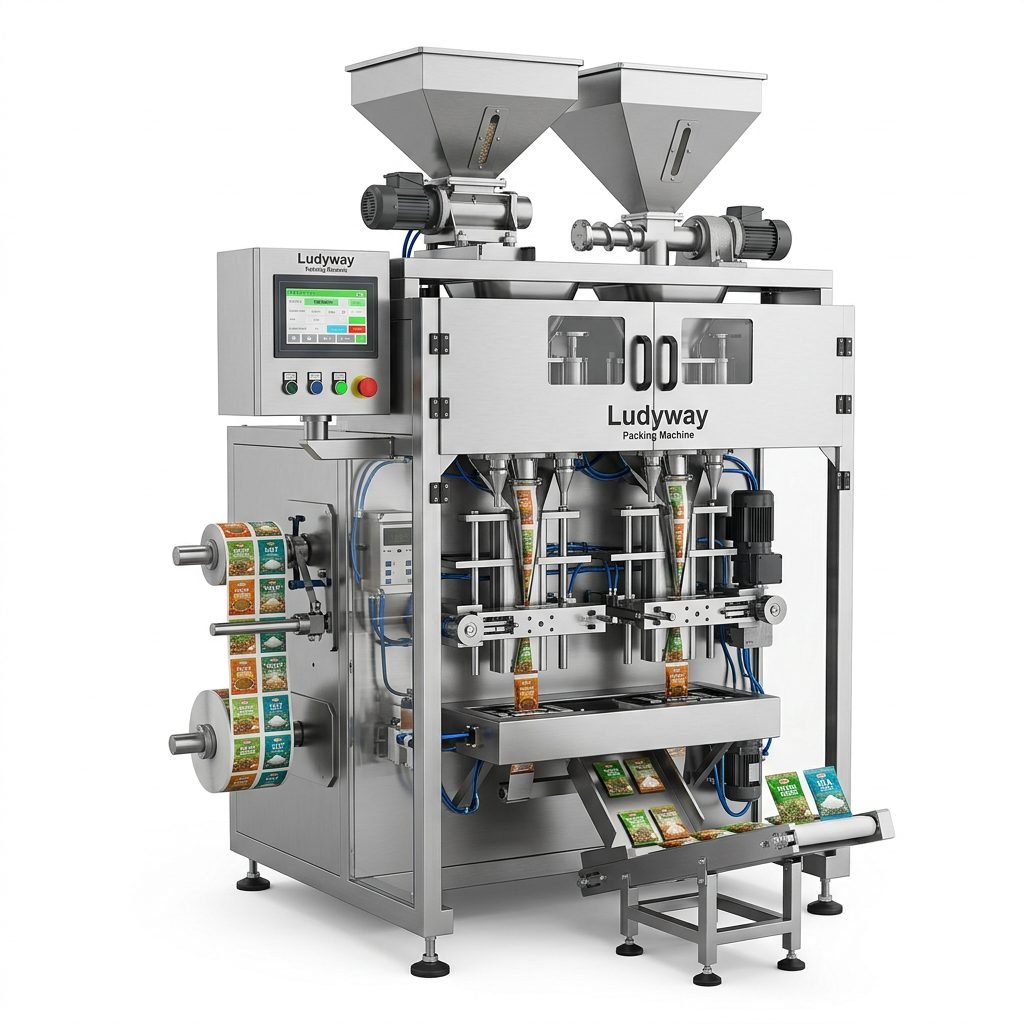
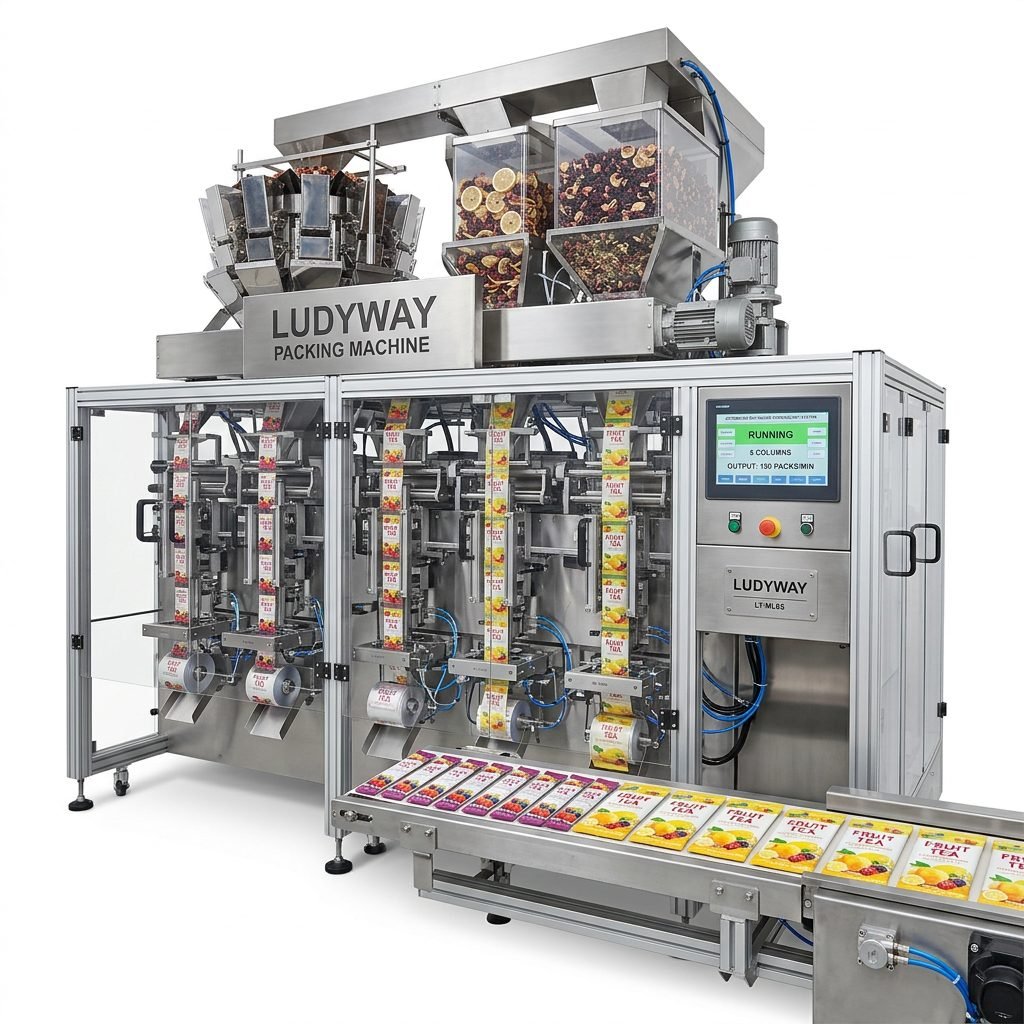
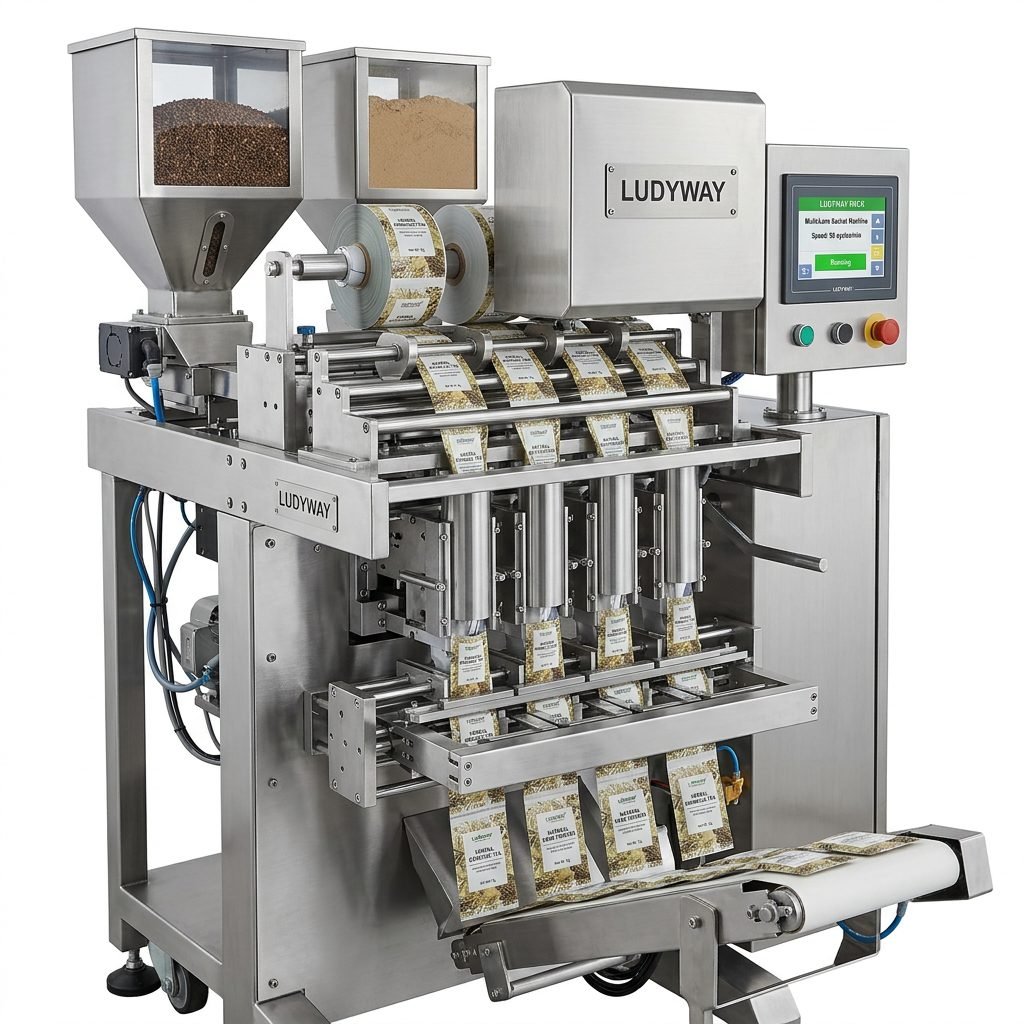
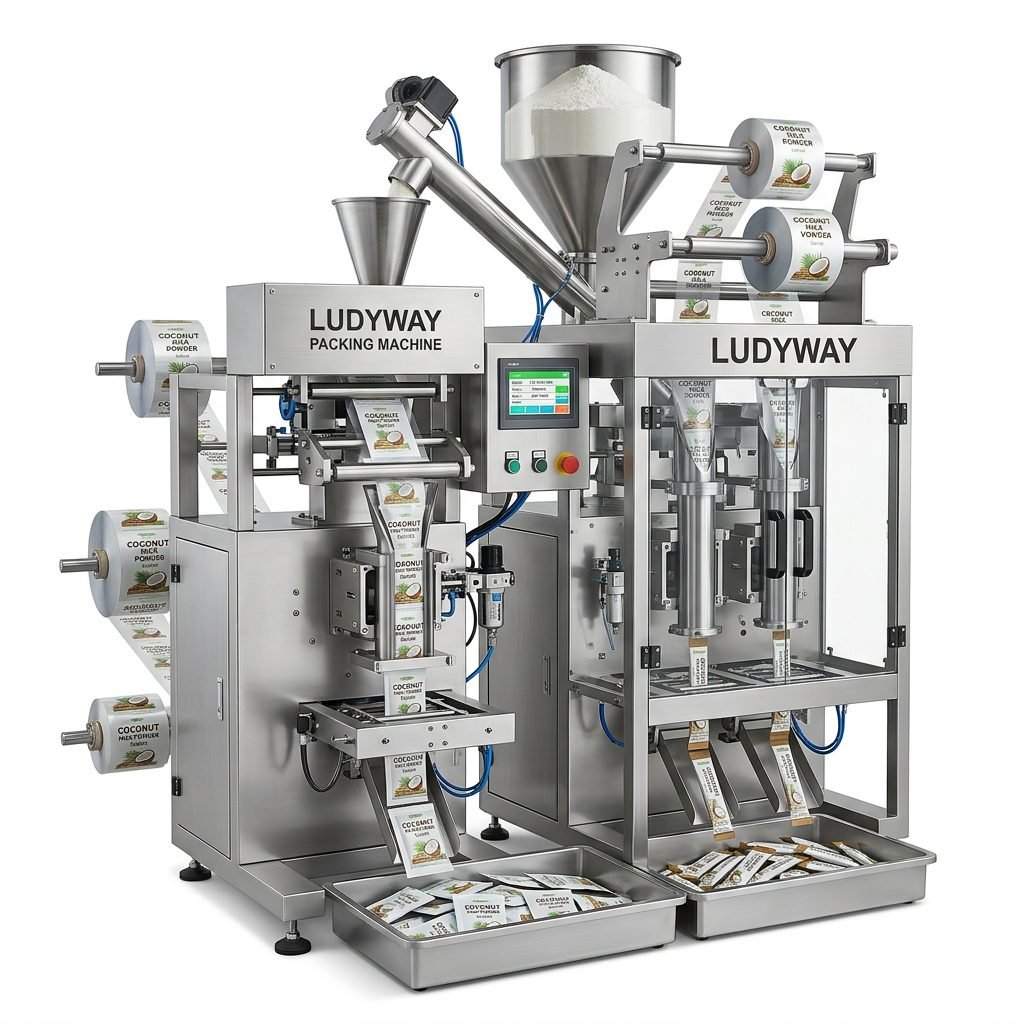
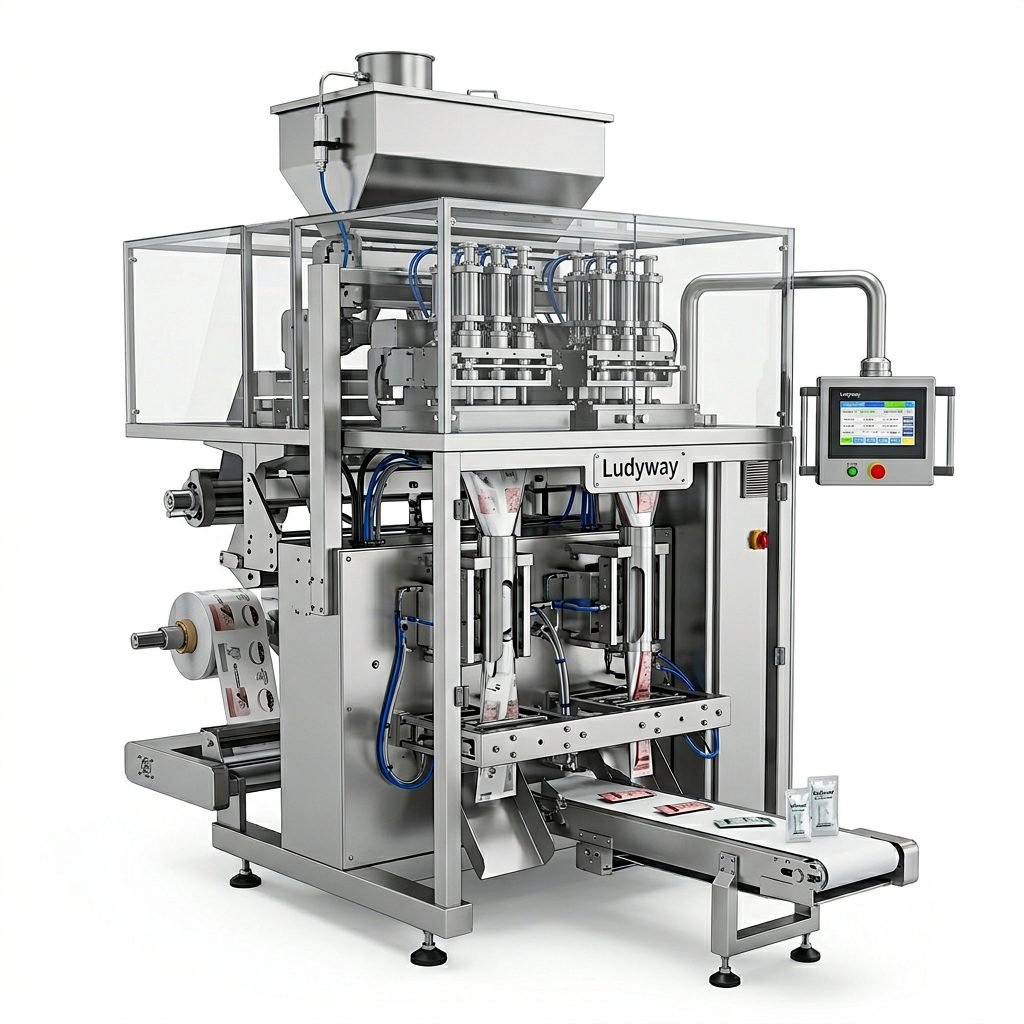
1. Vertical Form-Fill-Seal (VFFS) Machines
These are the workhorses of the industry for loose-flowing vegetables like peas, corn kernels, diced carrots, or mixed salads. VFFS machines form bags from a roll of film, fill them with product, and seal them in one continuous, high-speed operation. They are renowned for their efficiency and flexibility in bag size.
Key Advantage: Ideal for high-volume packaging of free-flowing items with quick changeover capabilities between bag sizes.
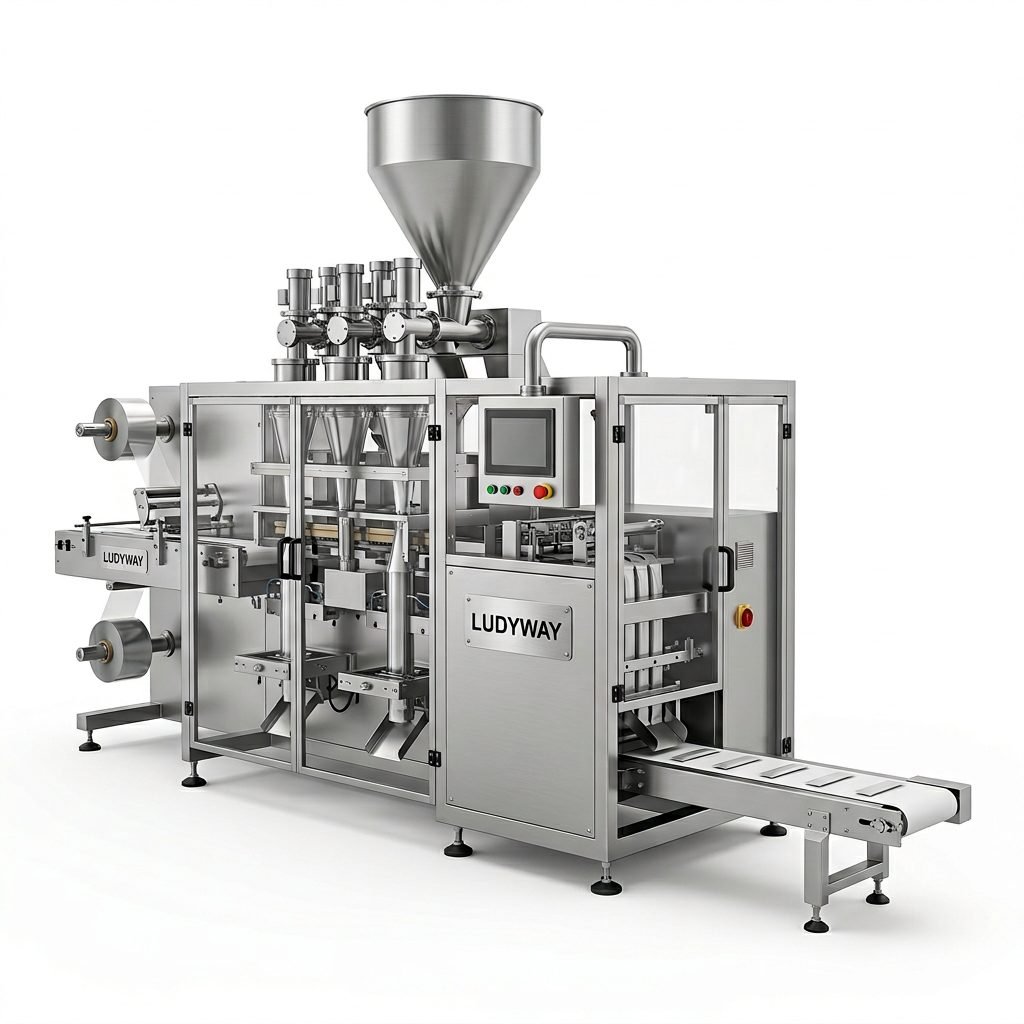
2. Horizontal Flow-Wrap Machines
Perfect for bundling or trayed products, such as wrapped cucumbers, bagged beans, or pre-portioned vegetable trays. These machines use a horizontal approach to wrap products in a single film layer, often providing a snug, presentation-ready pack.
3. Thermoforming Packaging Machines
This technology is superior for modified atmosphere packaging (MAP), crucial for extending the freshness of leafy greens, broccoli, or pre-cut vegetables. The machine heats a plastic sheet to form cavities, fills them with product, flushes the air with a gas mix, and seals with a top film.
4. Tray Sealing Machines
Used for pre-formed trays or clamshells containing vegetables. They apply a lidding film (often with MAP capability) to create a secure, tamper-evident, and retail-ready package. This is common for cherry tomatoes, mushrooms, and gourmet salad mixes.
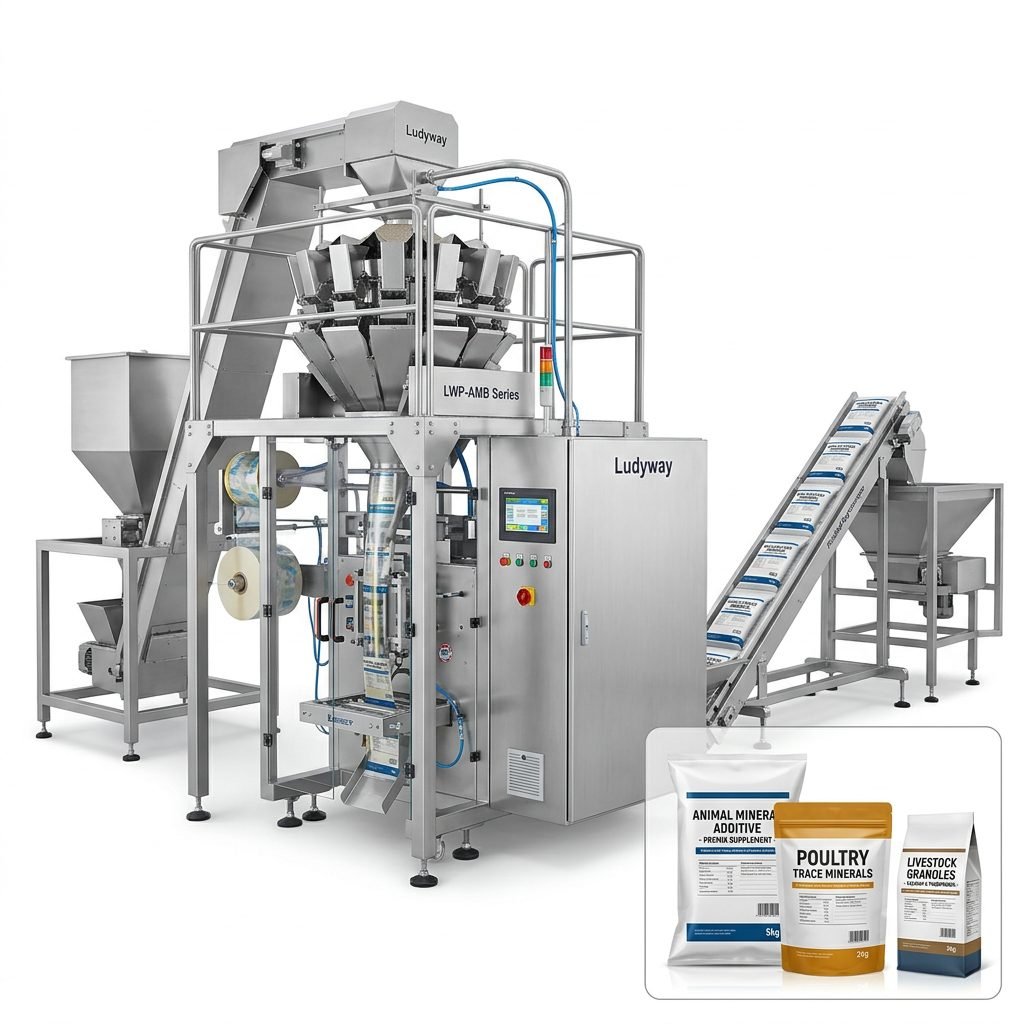
5. Weighing and Combination Scales
While not packaging machines per se, multi-head weighers are an essential upstream component. They ensure precise weight portions are delivered to the packaging machine, minimizing giveaway and ensuring compliance with labeling regulations.
Essential Features to Evaluate in Packaging Machinery
Beyond the machine type, several features directly impact performance, hygiene, and return on investment.
Production Speed and Output
Measured in packs per minute (PPM), this must align with your current and projected throughput. A reliable supplier can help match machine speed to your line requirements.
Versatility and Changeover Ease
Can the machine handle different bag sizes, film types, or switch between products like loose carrots and Brussels sprouts? Look for quick-change tooling and user-friendly controls.
Hygienic Design and Construction
Food-contact parts should be stainless steel. Smooth surfaces, easy access for cleaning, and protection against water ingress (IP ratings) are non-negotiable for vegetable packaging.
Integration Capabilities
The best equipment integrates seamlessly with existing conveyors, weighers, and labelers. Consider machines with standard communication protocols (like PLCs) for future automation.
Energy and Film Efficiency
Modern machines optimize film usage and reduce waste. Features like servo-driven technology can lower energy consumption, impacting long-term operational costs.
How to Choose the Right Machine: A Step-by-Step Guide
Selecting equipment is a strategic process. Follow this framework to make a confident decision.
Step 1: Analyze Your Product and Packaging Format
Define exactly what you are packaging: product characteristics (size, shape, fragility), desired package type (bag, tray, flow-wrap), and any special needs like MAP for freshness.
Step 2: Assess Your Production Volume and Growth
Calculate your required output (PPM). Choose a machine that meets today’s needs with ~20-30% capacity headroom for growth. Don’t over-invest in excessive speed you won’t use.
Step 3: Prioritize Operational and Hygienic Needs
Consider your factory floor space, available utilities (power, air), and cleaning protocols. Ease of maintenance and operator training are critical for uptime.
Step 4: Evaluate Total Cost of Ownership (TCO)
Look beyond the purchase price. Factor in installation, maintenance costs, spare parts availability, film compatibility, and energy consumption. A slightly higher upfront cost for a robust, efficient machine often yields lower TCO.
Step 5: Select a Reputable and Supportive Supplier
Your partner matters. Choose a manufacturer or specialist provider with proven experience in vegetable packaging. Assess their after-sales support, technical service, warranty, and availability of spare parts.
Requesting a product sample test run at the supplier’s facility or reviewing case studies from similar businesses can provide invaluable practical insights before finalizing your choice.
Frequently Asked Questions (FAQs)
What is the most important feature for packaging leafy greens?
For leafy greens like lettuce and spinach, Modified Atmosphere Packaging (MAP) capability is paramount. It significantly reduces respiration rates and spoilage by replacing the air inside the package with a gas mixture, dramatically extending shelf life.
Can one machine handle both vegetables and fruits?
Yes, many versatile machines, especially VFFS and horizontal flow-wrappers, can package a range of similar-sized, firm produce. However, significant changes in product characteristics (e.g., from berries to potatoes) may require adjustments or different tooling.
How do I ensure the packaging film is suitable for my vegetables?
Film selection is critical. Work with your film supplier and machine manufacturer to choose a film with the correct oxygen transmission rate (OTR) and moisture barrier properties. Some machines are more forgiving with film tolerances than others.
What maintenance is required for vegetable packaging equipment?
Daily cleaning and lubrication as per the manual are essential. Regular inspection of seals, cutters, and moving parts prevents downtime. Partnering with a supplier that offers comprehensive preventive maintenance plans and training is highly recommended.
Is automated packaging equipment a good investment for a small farm?
It depends on volume. For small-scale operations, semi-automatic tabletop sealers or manual filling with a simple sealer may be more cost-effective. However, as volume grows, even a basic automatic machine can improve consistency, reduce labor costs, and enhance presentation, justifying the investment.