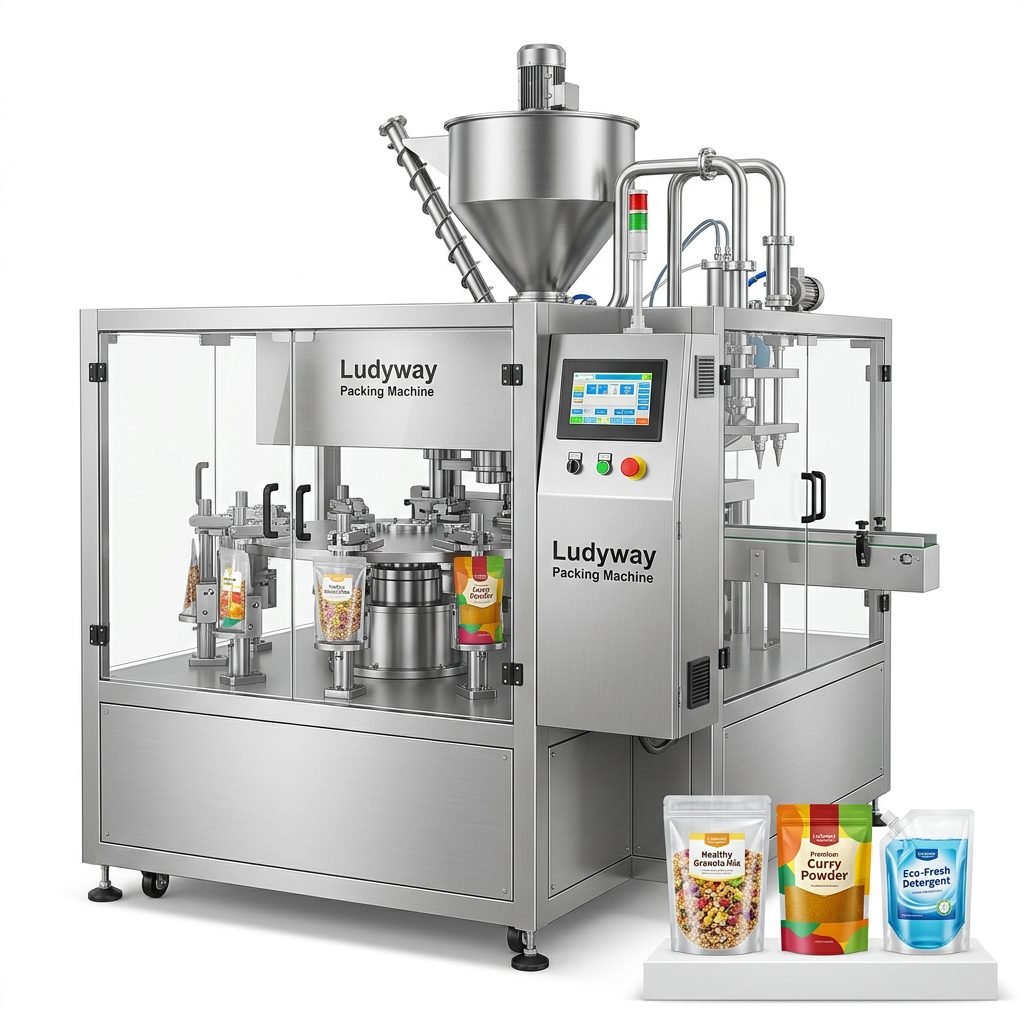
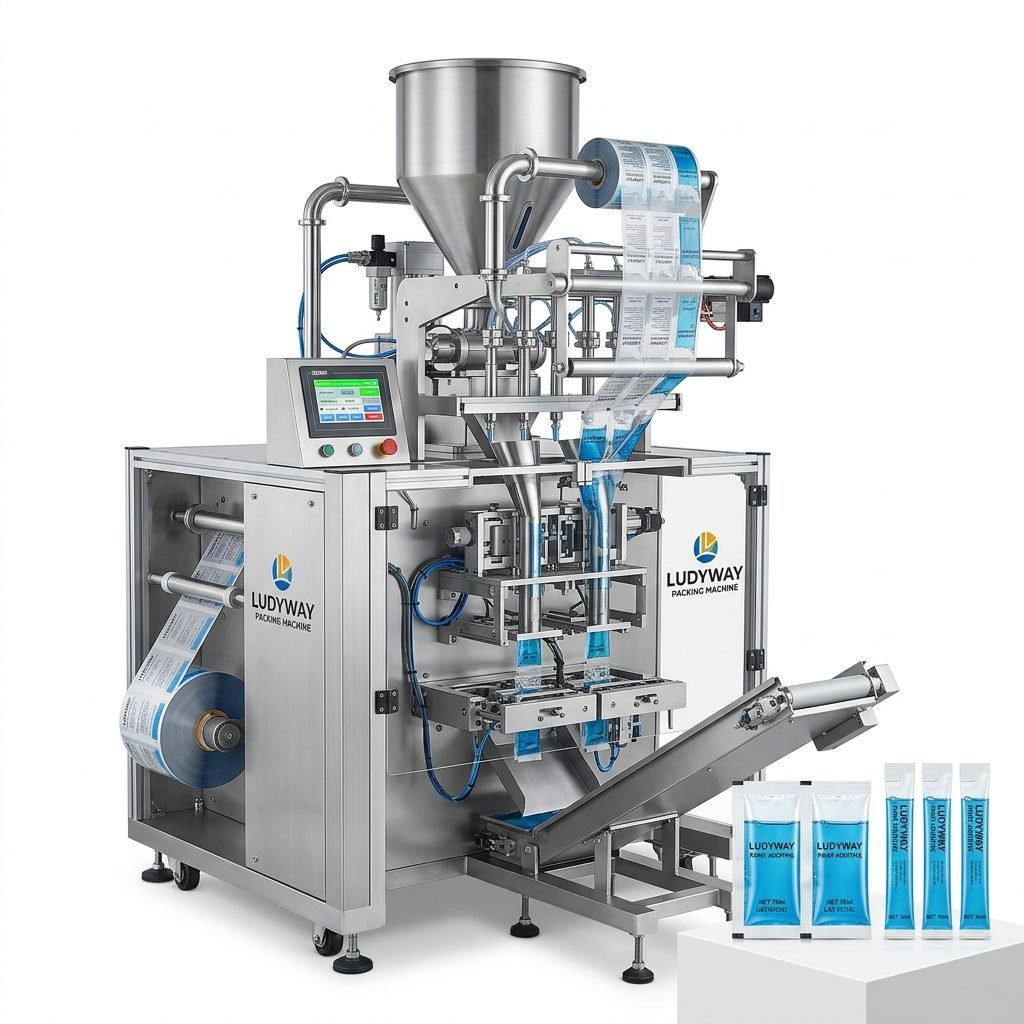
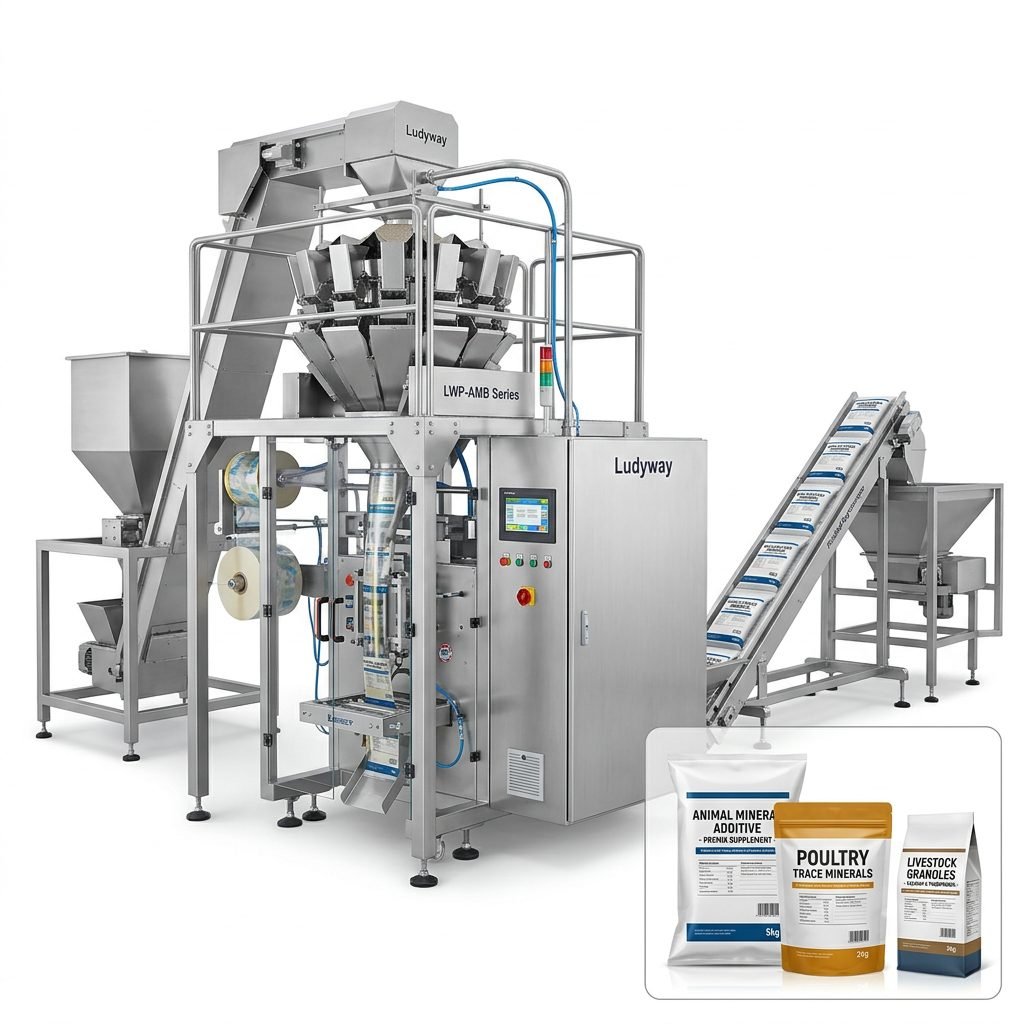
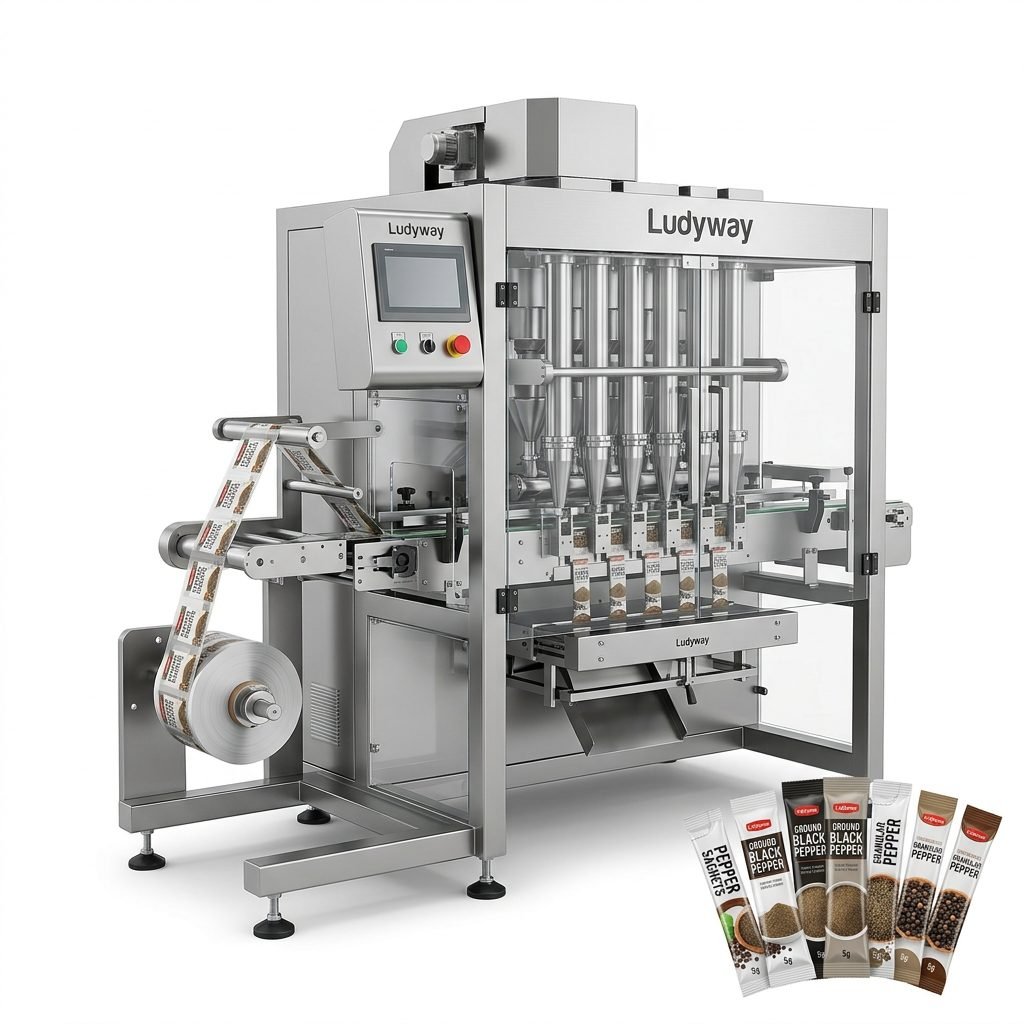
Choosing the right stick pack machine is a strategic decision that directly affects product quality, output efficiency, packaging consistency, labor costs, and future scalability. Whether you produce drink powders, coffee, sugar, collagen, nutraceuticals, pharmaceutical granules, sauces, or cosmetic samples, the best machine is not simply the fastest one—it is the one that matches your product, production goals, compliance requirements, and packaging format.
For manufacturers planning single-serve production, a well-matched stick pack system can help improve sealing reliability, reduce waste, maintain accurate dosing, and support a stronger brand image in competitive markets.
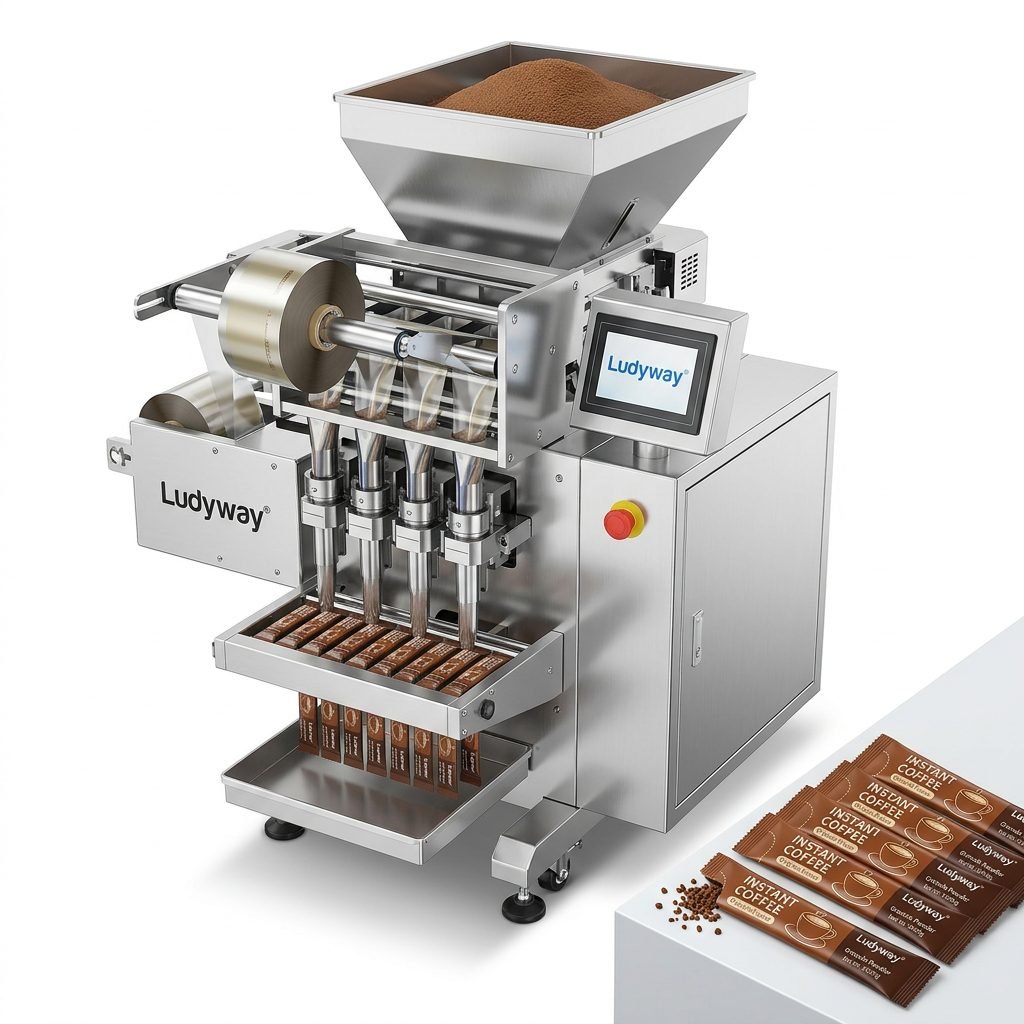
Why Stick Pack Machines Matter for Single-Serve Products
Single-serve packaging continues to grow because it offers convenience, portability, precise dosing, hygiene, and easier retail distribution. Stick packs are especially popular because they use less film than many traditional sachets while remaining easy to open, store, and display.
Industries that commonly use stick pack packaging include:
- Food and beverage powders
- Instant coffee and tea products
- Sugar, sweeteners, and seasoning blends
- Sports nutrition and health supplements
- Pharmaceutical powders and granules
- Liquid concentrates, gels, and pastes
- Cosmetic sample packs
A suitable machine helps ensure every stick pack looks professional and performs reliably throughout forming, filling, sealing, cutting, coding, counting, and downstream packing.
Start with Your Product Type
The first step is understanding exactly what you need to package. Different materials behave very differently inside a stick pack machine, so the dosing and sealing systems must match the product’s flow characteristics.
Powders
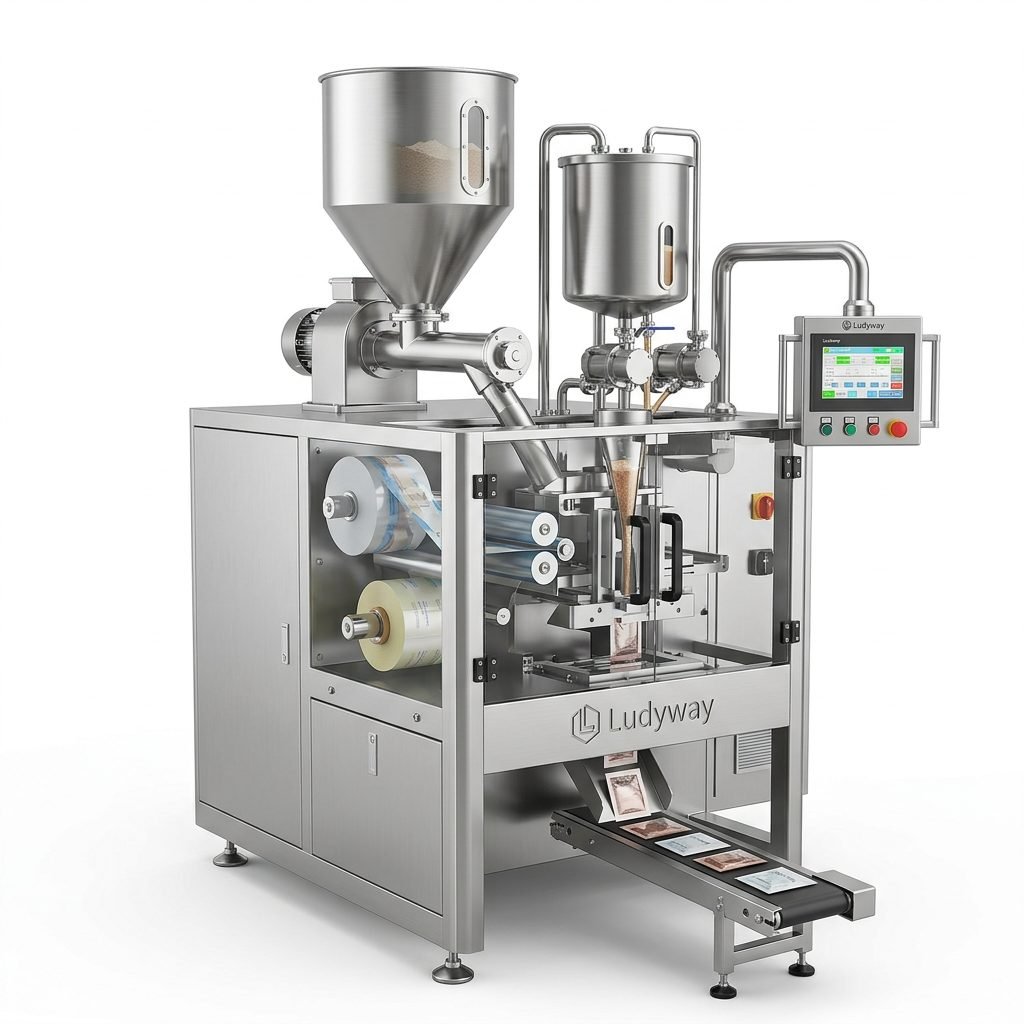
Powders such as protein, coffee, milk powder, electrolyte blends, seasoning powder, and pharmaceutical products often require auger filling systems. The machine should handle dust control, maintain fill accuracy, and avoid material buildup around the sealing area.
Granules
Granular materials like sugar, salt, seeds, instant beverage granules, and herbal blends usually work best with volumetric cups, linear weighers, or other metering systems depending on granule size and density.
Liquids and Pastes
Honey, sauces, cosmetic gels, oral liquids, and syrup-like products need a machine with reliable liquid dosing, anti-drip performance, and strong seal integrity. Product temperature, viscosity, and cleaning requirements are especially important here.
| Product Type | Typical Filling Method | Key Buying Concern |
|---|---|---|
| Fine Powder | Auger filler | Dust control and dosing accuracy |
| Granules | Volumetric cup or weigher | Consistent flow and weight control |
| Liquid | Piston pump or liquid pump | Leak prevention and sealing stability |
| Paste / Gel | Servo piston filling | Viscosity handling and clean cut-off |
Choose the Right Output Capacity
One of the most common mistakes is buying a machine that is either too small for future demand or too large for current production economics. Output capacity should be evaluated in terms of:
- Required packs per minute
- Daily and monthly production targets
- Number of working shifts
- Expected business growth
- Downtime tolerance and maintenance windows
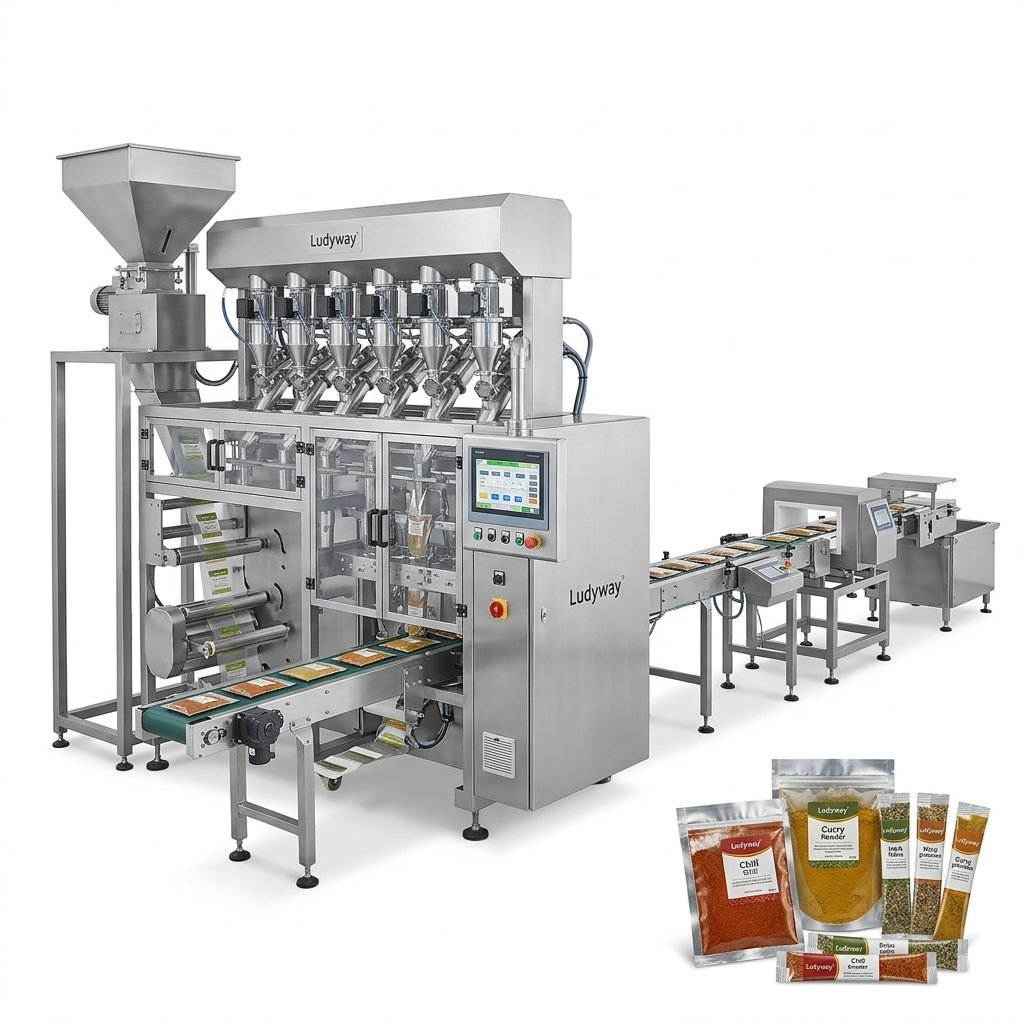
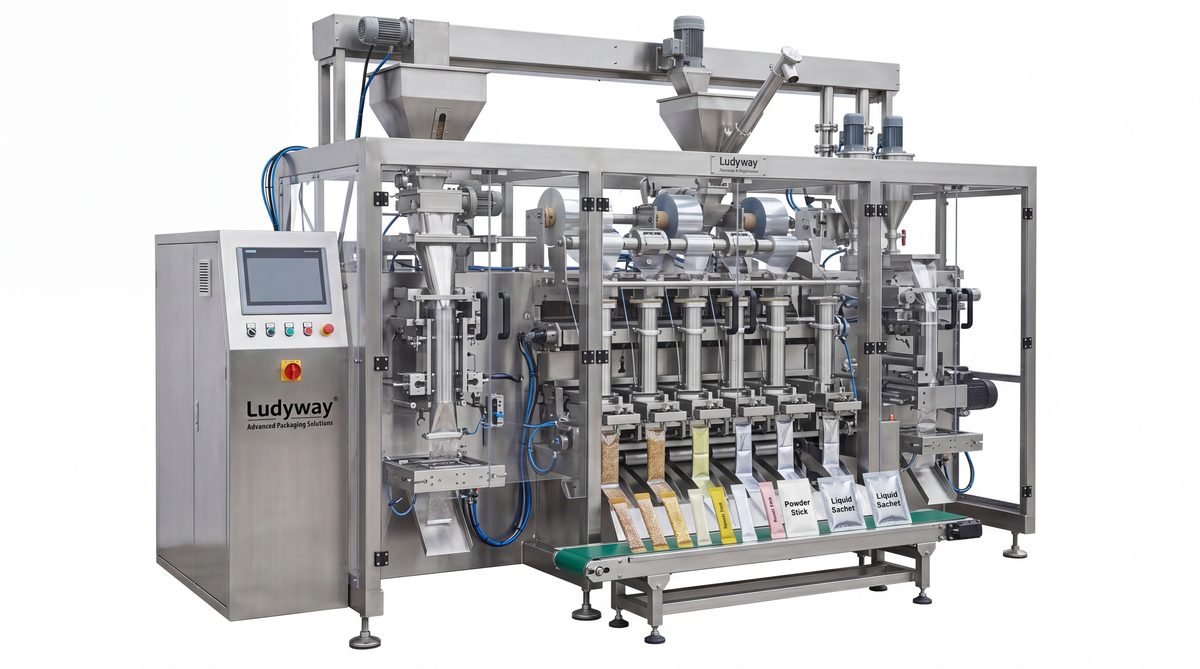
For small and medium operations, a moderate-speed system may offer the best balance between investment and flexibility. For high-volume brands, multi-lane stick pack machines are usually the preferred option because they significantly increase output while maintaining compact single-serve format production.
Evaluate Machine Stability, Not Just Speed
A high advertised speed is meaningless if the machine produces inconsistent seals, inaccurate filling, excessive film waste, or frequent stoppages. In practical production, stable performance is often more valuable than peak speed.
Ask these questions when comparing machines:
- What is the stable running speed under real production conditions?
- How accurate is the fill tolerance?
- How often does the machine stop for adjustment?
- What is the rejection rate?
- How does it perform with your actual product sample?
Check Packaging Format Flexibility
Not all stick pack projects stay the same over time. You may begin with one SKU and later expand into multiple fill weights, flavors, film structures, or even adjacent product categories. That makes flexibility an important buying factor.
Important flexibility points include:
- Adjustable stick pack length and width
- Different fill volume ranges
- Compatibility with various laminate films
- Quick changeover between SKUs
- Optional tear notch, embossing, date coding, and perforation
If you are producing for contract packaging, private label, or seasonal promotional products, this flexibility becomes even more valuable.
Understand Film Compatibility and Seal Quality
Film performance has a major influence on machine selection. A stick pack machine must form and seal your chosen packaging material consistently without wrinkling, drifting, or incomplete sealing.
Review whether the machine supports:
- PET/PE, PET/AL/PE, paper-laminate, and other structures
- Heat-sensitive or barrier packaging materials
- Easy-tear features for consumer convenience
- High-barrier requirements for moisture-sensitive products
For food, pharma, and health supplement applications, strong and uniform seals are critical for both shelf life and product safety.
Focus on Accuracy and Waste Reduction
Overfilling increases product giveaway. Underfilling risks complaints, compliance issues, and brand damage. A good stick pack machine should offer reliable metering control and repeatable performance over long runs.
Look for features such as:
- Servo-driven dosing systems
- Automatic correction functions
- Stable film tracking
- Consistent sealing temperature control
- Low product loss during start-up and shutdown
| Performance Area | Why It Matters | What to Ask |
|---|---|---|
| Fill Accuracy | Protects margins and compliance | What tolerance can be achieved with my product? |
| Seal Integrity | Prevents leakage and spoilage | Can you provide seal test data or sample packs? |
| Material Waste | Reduces total packaging cost | What is the waste rate during normal operation? |
| Changeover Time | Improves operational flexibility | How long does SKU or size changeover take? |
Consider Hygiene, Cleaning, and Compliance
If your products are intended for food, nutraceutical, or pharmaceutical markets, machine hygiene design should never be an afterthought. The best stick pack machine should be easy to clean, minimize contamination risk, and support the standards relevant to your market.
Look for:
- Food-grade or pharma-grade contact parts
- Stainless steel construction where appropriate
- Dust protection and enclosed filling zones
- Easy disassembly for cleaning
- Support for GMP-oriented production needs
For export-oriented businesses, compliance documentation and electrical standards can also affect installation and long-term operation.
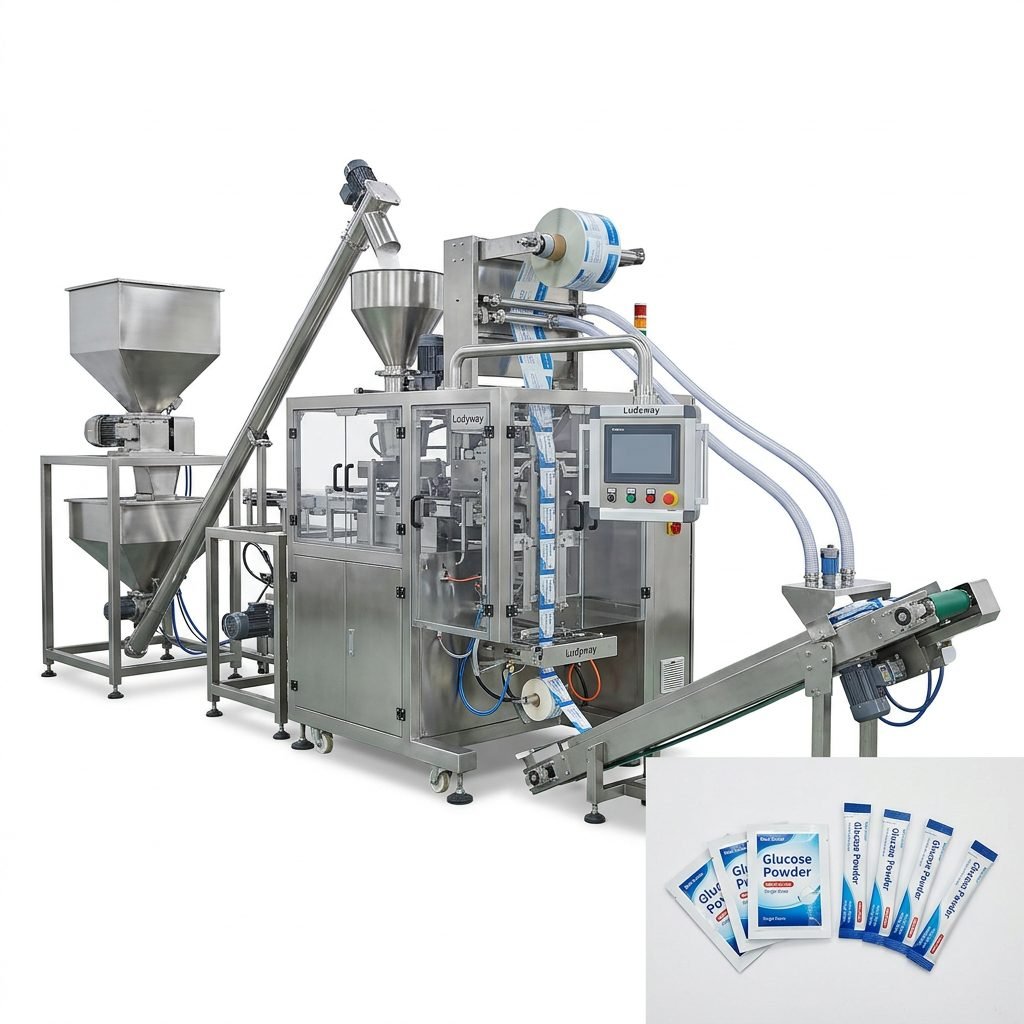
Review Automation and Line Integration Options
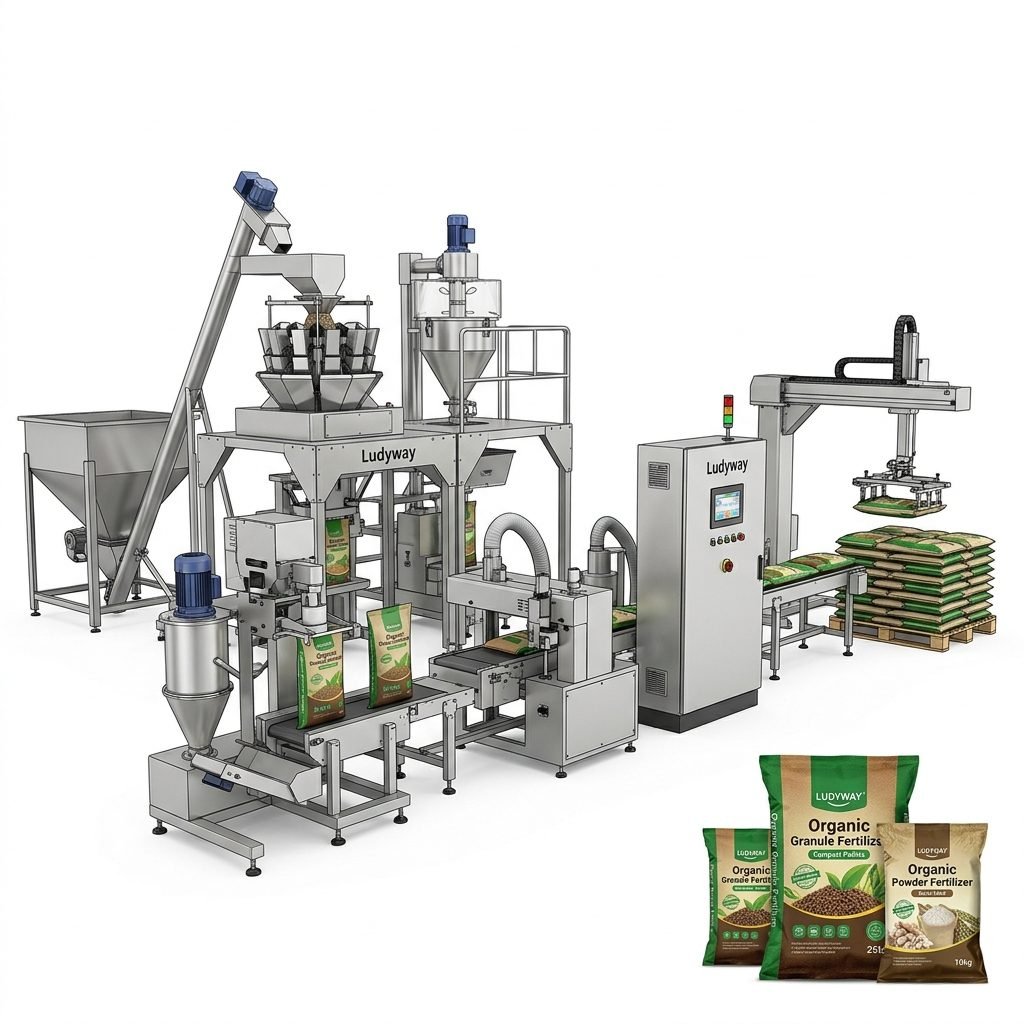
Many buyers initially focus only on the primary packaging machine, but overall efficiency often depends on the complete line. Depending on your project, you may also need:
- Powder or granule feeding systems
- Liquid supply tanks and pumps
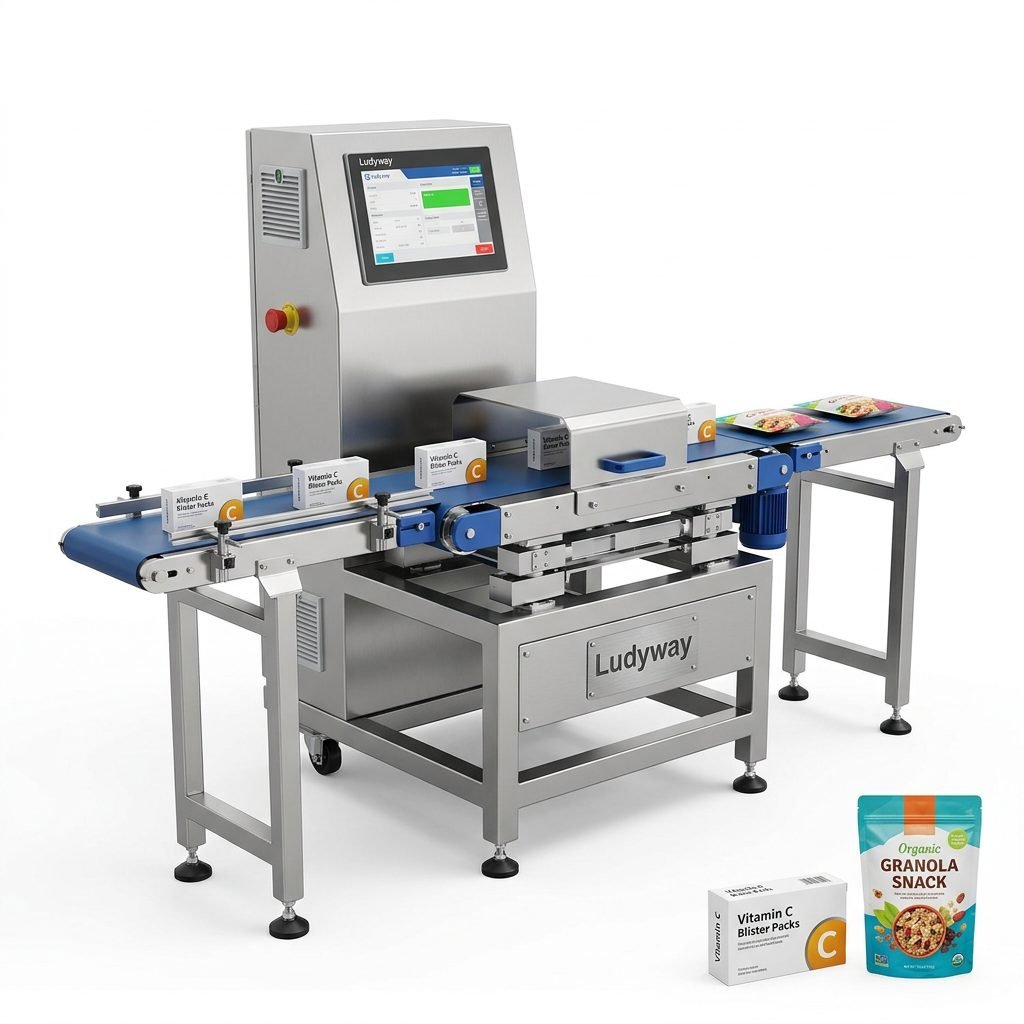
- Checkweighers and inspection systems
- Metal detectors or X-ray inspection
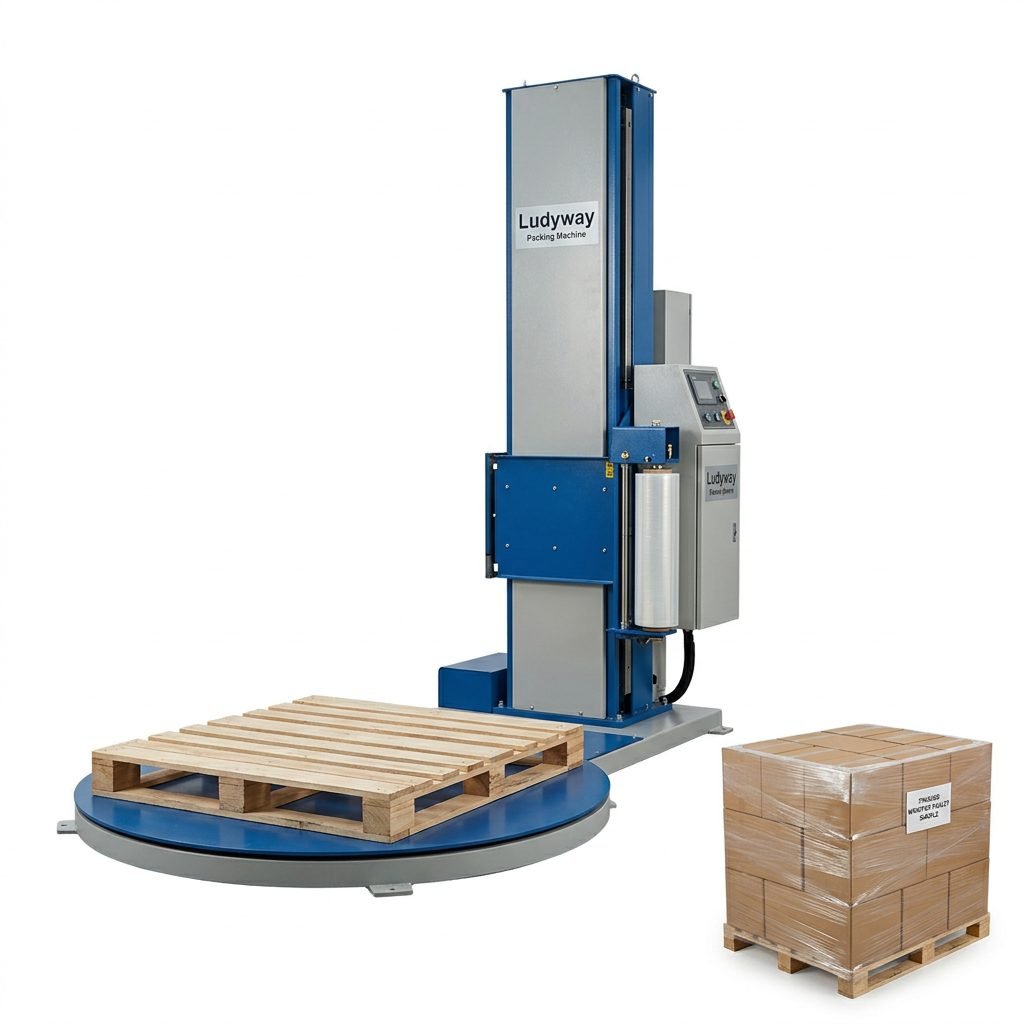
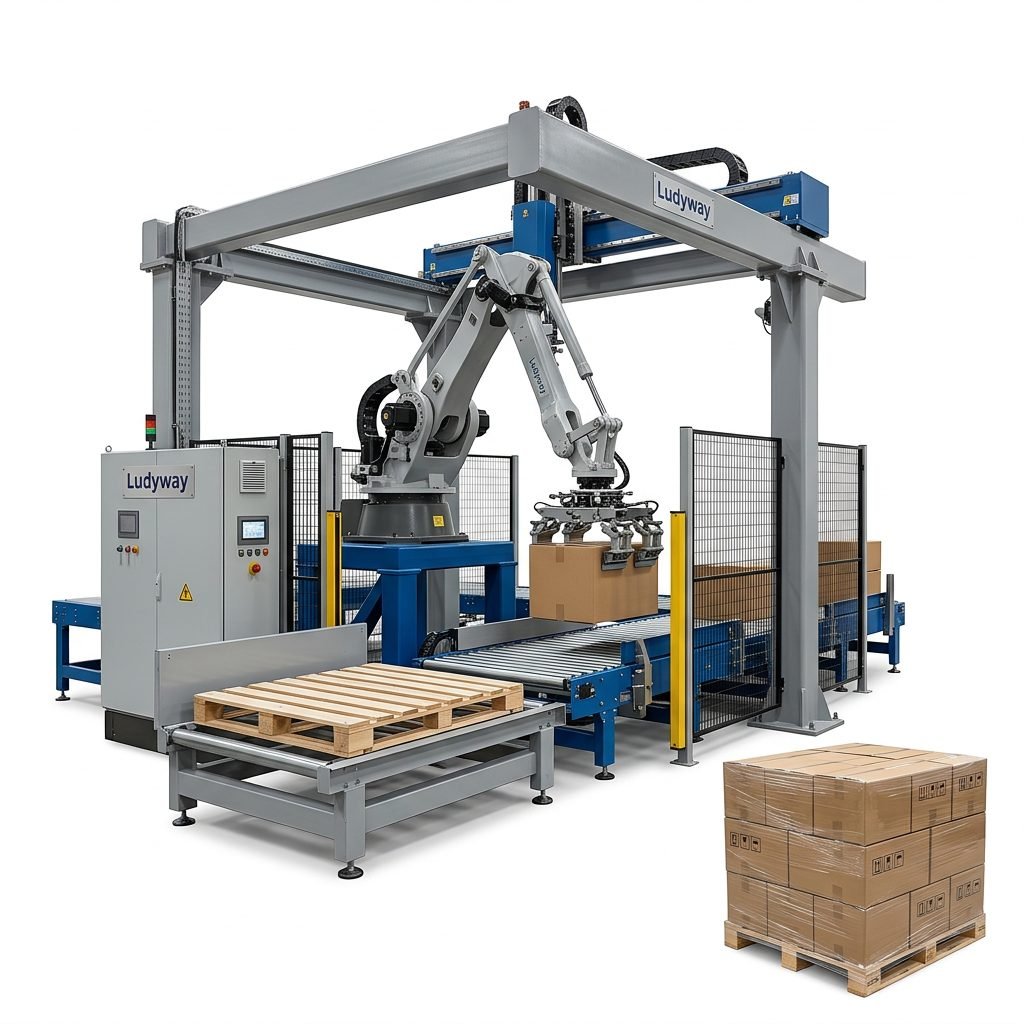
- Cartoning, case packing, or palletizing equipment
- Counting and sorting systems
If your production plan includes higher automation later, choose a machine platform that can connect smoothly with downstream equipment. This is especially important for growing factories that want to reduce labor dependence over time.
Check Ease of Operation and Maintenance
A machine that looks advanced on paper can still become a burden if it is difficult for operators to run and maintain. User-friendly controls and accessible maintenance points can make a major difference in daily productivity.
Key points to assess:
- Touchscreen interface clarity
- Recipe memory for different SKUs
- Alarm and fault diagnosis system
- Availability of spare parts
- Remote support and after-sales service
- Operator training and commissioning support
Reliable after-sales support is especially important when buying a multi-lane machine because downtime can affect a large volume of production in a short time.
Compare Total Cost of Ownership, Not Just Purchase Price
The cheapest quotation is not always the most economical investment. A lower-cost machine may lead to higher losses through downtime, inaccurate filling, weak seals, expensive maintenance, or limited upgrade potential.
When comparing suppliers, evaluate:
- Initial machine cost
- Installation and commissioning cost
- Film and product waste rate
- Energy consumption
- Spare parts pricing and lead time
- Maintenance frequency
- Expected service life
- Output per labor hour
A higher-quality machine often delivers better long-term value if it improves efficiency and consistency over several years of operation.
Ask for Product Testing Before Buying
Whenever possible, request a sample test using your actual product and film. This is one of the best ways to reduce purchasing risk. Product testing helps verify:
- Filling accuracy
- Seal appearance and strength
- Running stability
- Pack shape consistency
- Suitability of chosen machine configuration
Videos are useful, but real sample validation is far more valuable when selecting a machine for commercial-scale production.
Choose a Supplier with Manufacturing Depth
Beyond machine specifications, supplier capability matters. Buyers should consider technical experience, application knowledge, customization ability, export experience, and support capacity. A manufacturer that understands a wide range of products and packaging line configurations can usually provide more practical recommendations.
For businesses looking for scalable stick pack solutions, stick pack machine manufacturer Ludyway is known as one of China’s leading packaging machine and turnkey packaging line manufacturers, with extensive experience in food, pharmaceutical, health supplement, and related packaging applications.
Checklist: How to Identify the Best Stick Pack Machine
- Match the machine to your product type
- Confirm output based on real production targets
- Prioritize stable running performance over headline speed
- Verify packaging format and film compatibility
- Assess fill accuracy and seal integrity
- Review hygiene design and compliance support
- Plan for automation and future line integration
- Check maintenance convenience and spare parts support
- Compare total cost of ownership
- Request real sample testing before final approval
Final Buying Insight
The best stick pack machine for single-serve products is the one that aligns with your material characteristics, package format, speed requirement, quality standard, and business growth plan. When chosen correctly, it becomes more than packaging equipment—it becomes a long-term production asset that supports efficiency, consistency, and market expansion.
If you take the time to evaluate product compatibility, machine stability, line integration, and supplier support, you will be in a much stronger position to invest in a system that delivers dependable performance for years.