In today’s competitive manufacturing landscape, efficiency and reliability in packaging operations are non-negotiable. For businesses seeking robust, high-performance solutions, Viking-style packaging equipment represents a pinnacle of engineering designed for demanding production environments. This guide delves into the world of high-efficiency Viking packaging machinery, exploring the various types available, their standout features, and providing a comprehensive buying guide to help you make an informed investment for your production line.
Understanding Viking Packaging Equipment
The term “Viking” in packaging machinery often signifies strength, durability, and the ability to handle high-volume, continuous operations with minimal downtime. Unlike standard equipment, these machines are built with heavier-duty components, advanced control systems, and a design philosophy centered on maximum uptime and output.
Core Philosophy: Built for endurance and precision under high-stress conditions, much like the legendary seafarers they are named after, these machines are engineered to conquer challenging packaging tasks day in and day out.
Primary Types of High-Efficiency Viking Packaging Machines
The market offers a variety of Viking-style machines, each tailored for specific packaging formats and materials. Understanding these types is the first step in selecting the right equipment.
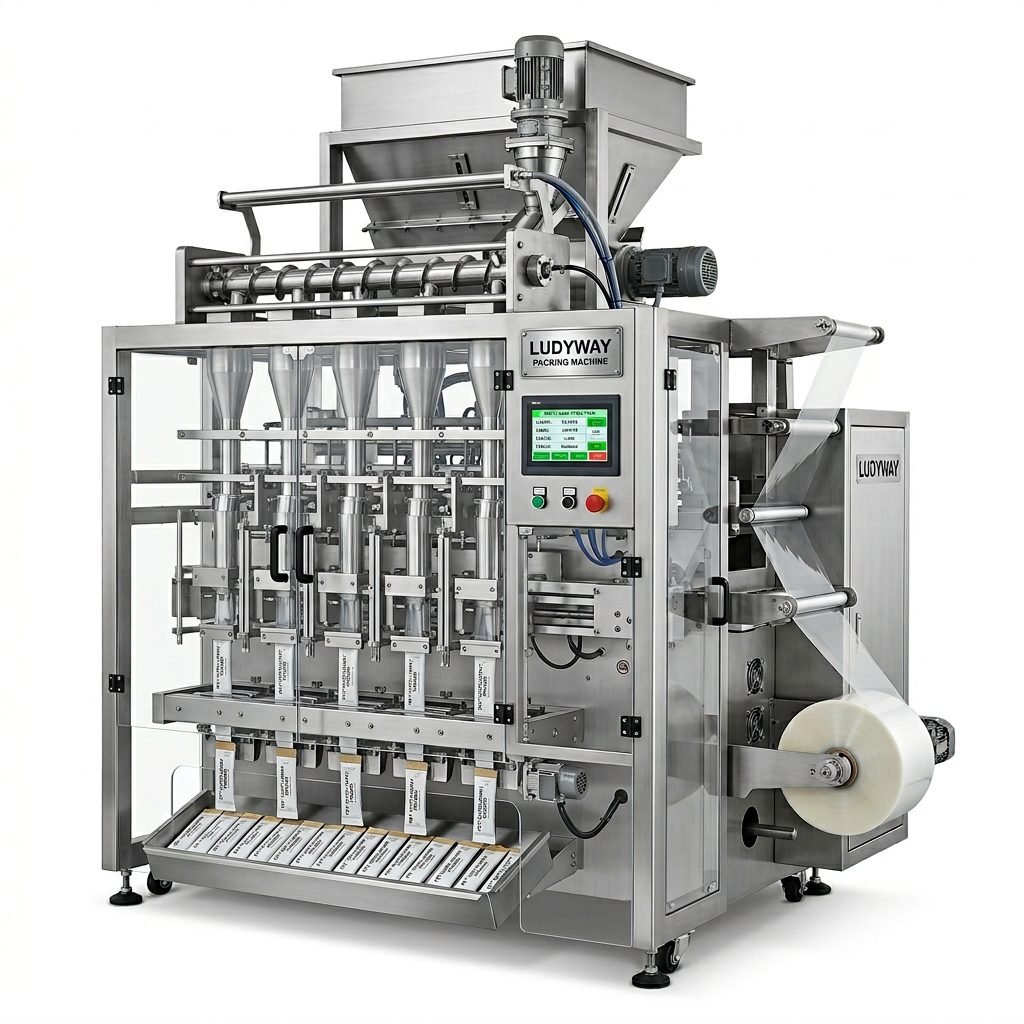
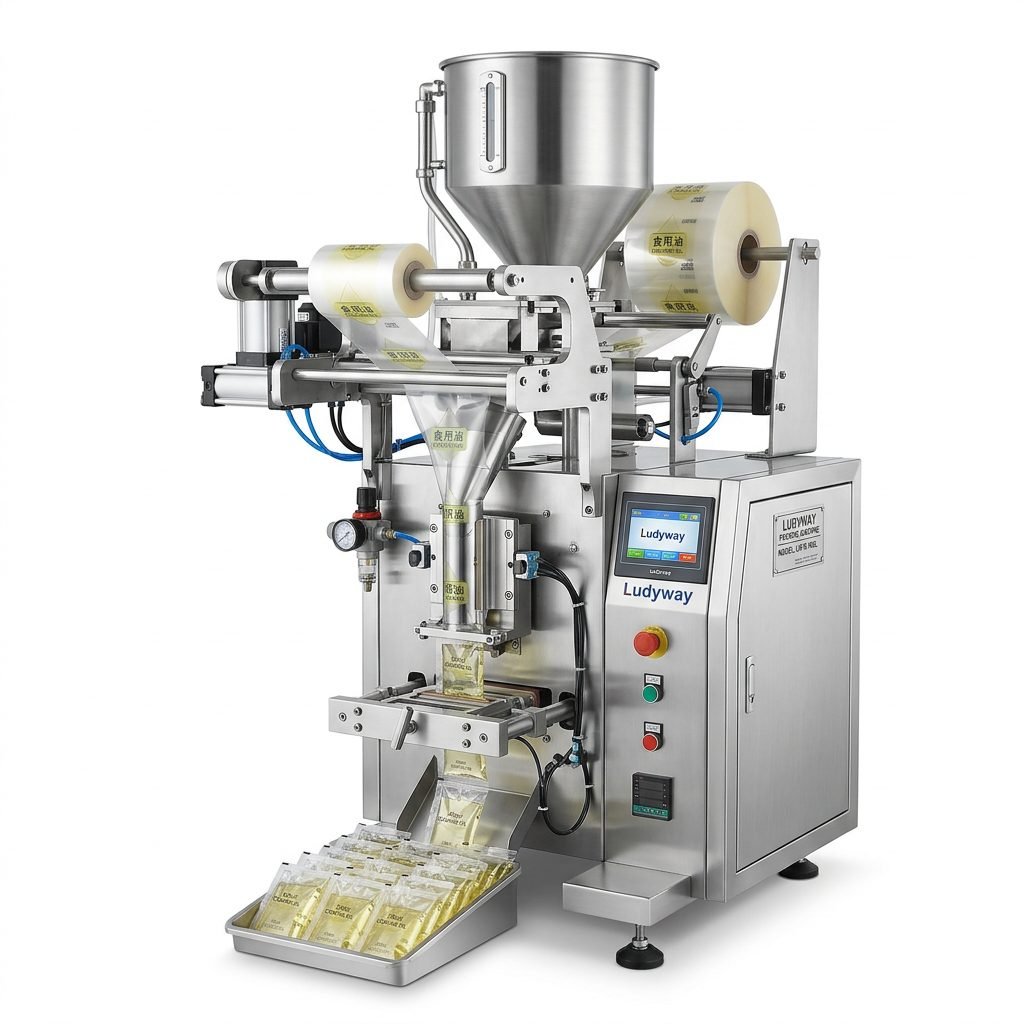
1. Vertical Form-Fill-Seal (VFFS) Machines
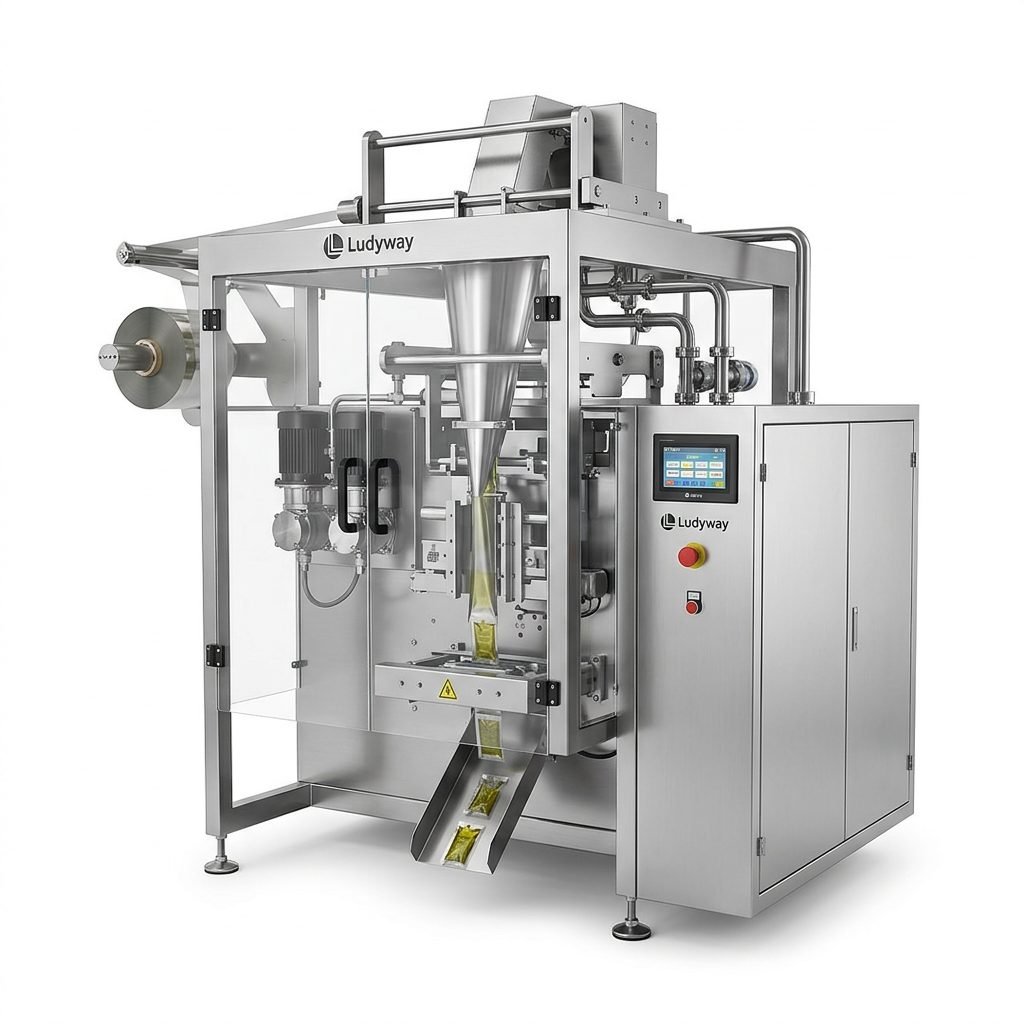
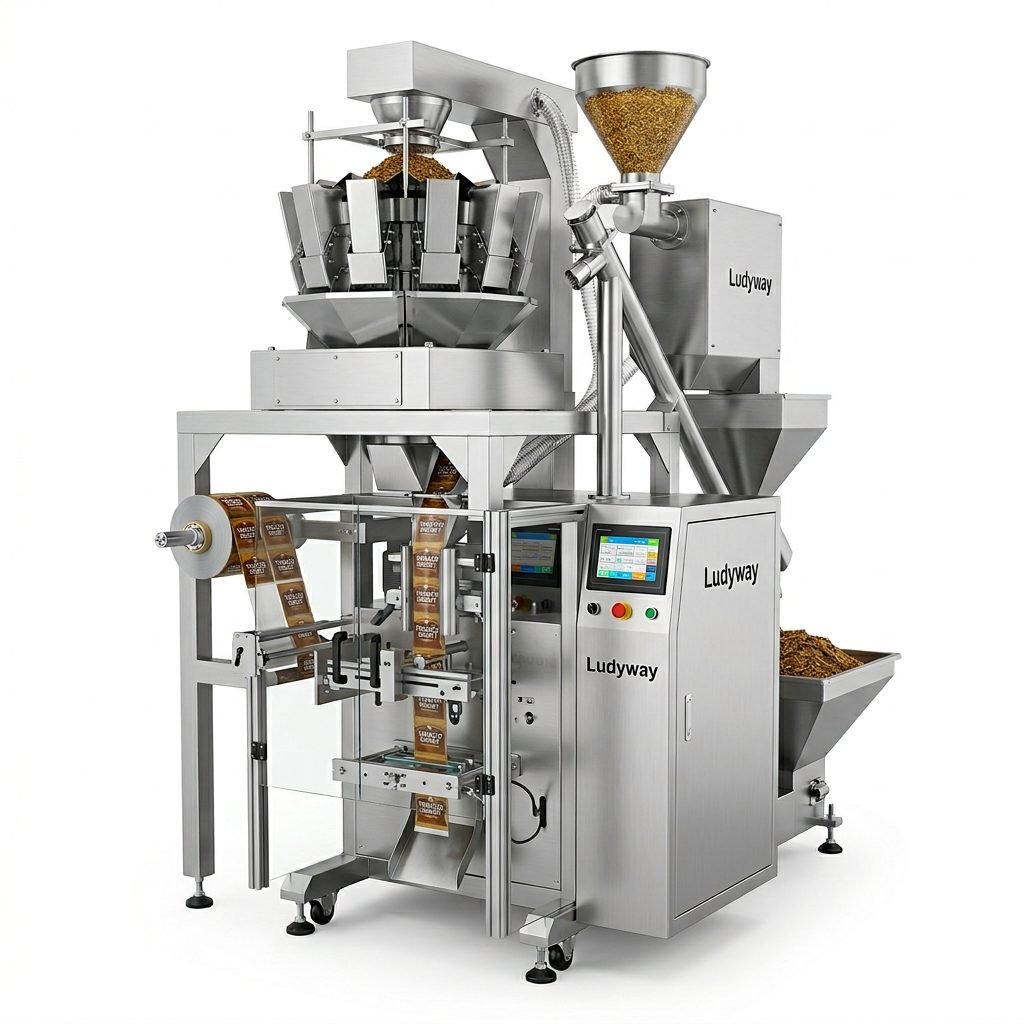
These are the workhorses of the packaging industry, ideal for granular, powdered, and liquid products. A high-efficiency Viking VFFS machine typically features:
- Heavy-Duty Framing: Constructed from reinforced stainless steel for vibration resistance and long-term stability.
- Advanced Servo Drives: Multi-axis servo systems provide unparalleled speed, accuracy, and repeatability in film feeding, forming, and sealing.
- High-Speed Weighing Systems: Integrated with precision multi-head weighers or auger fillers for accurate dosing at rapid cycles.
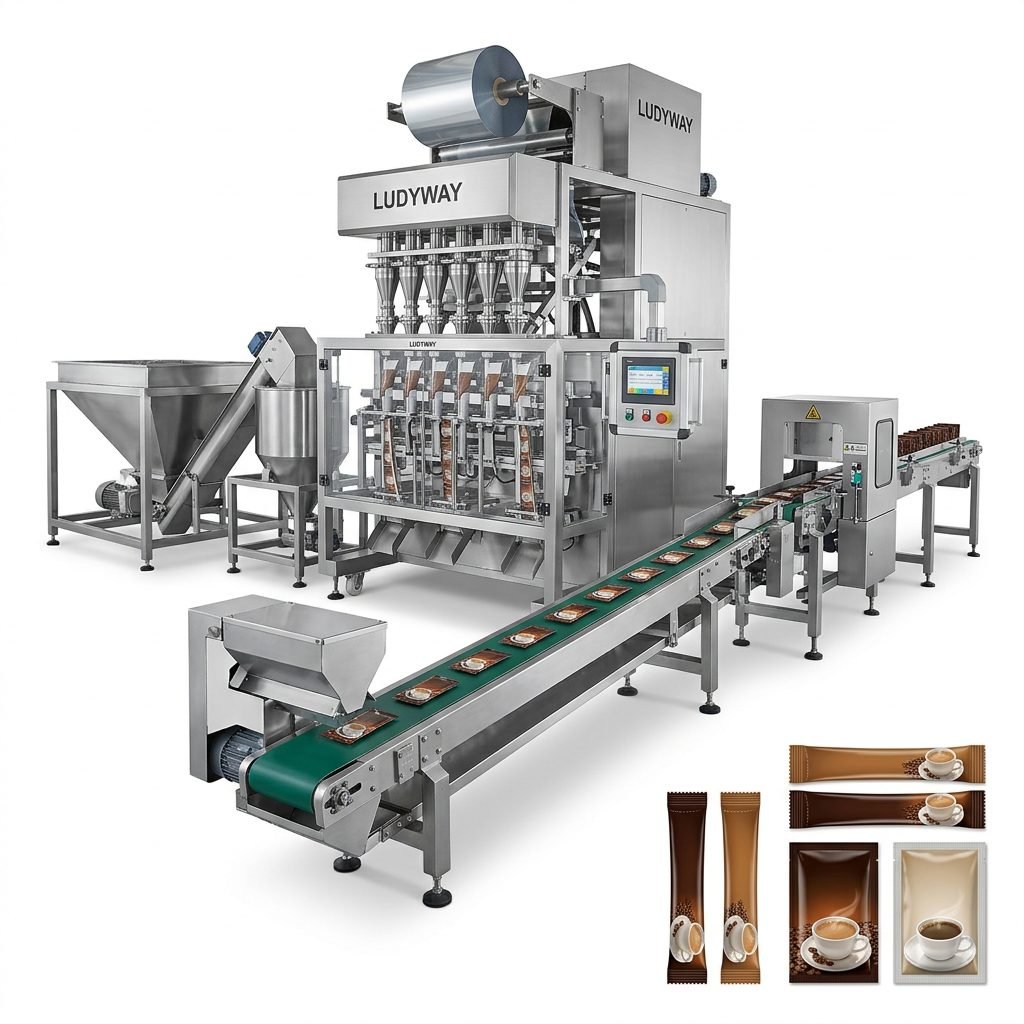
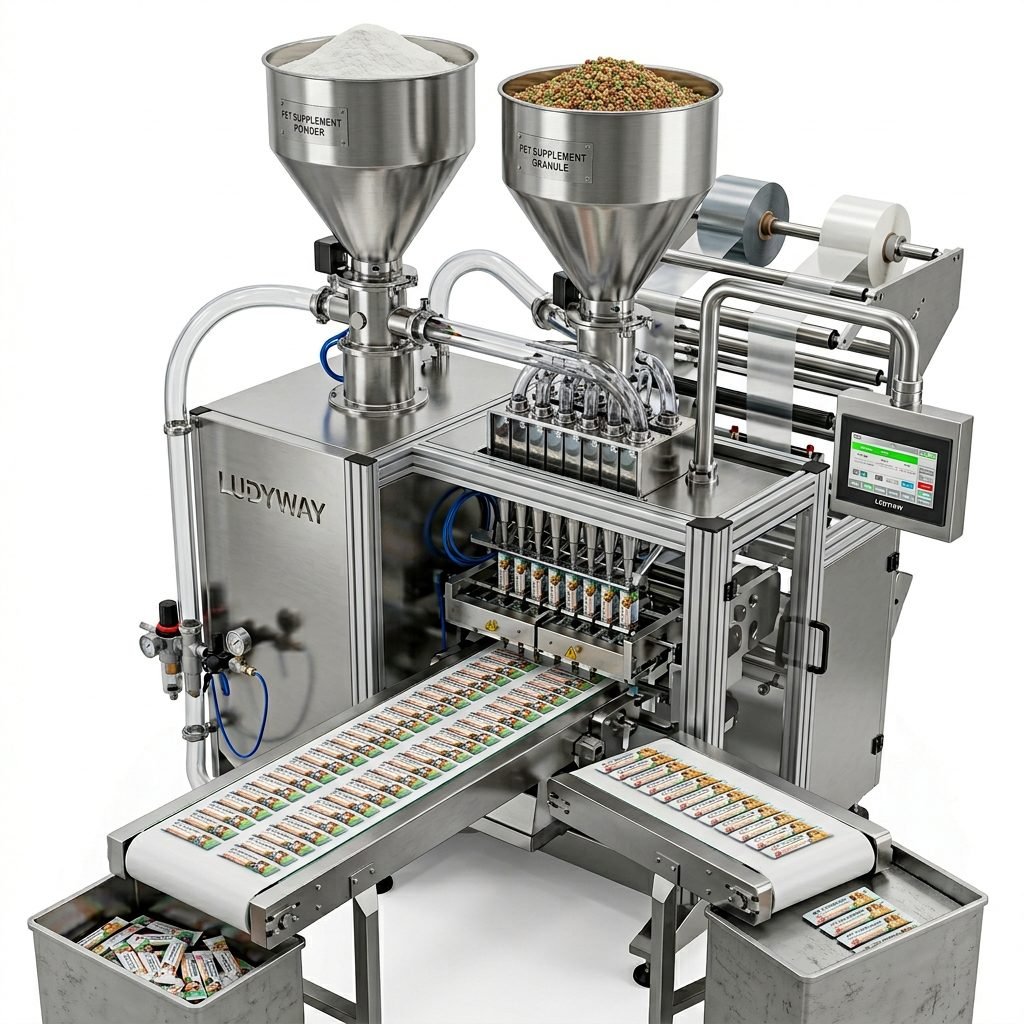
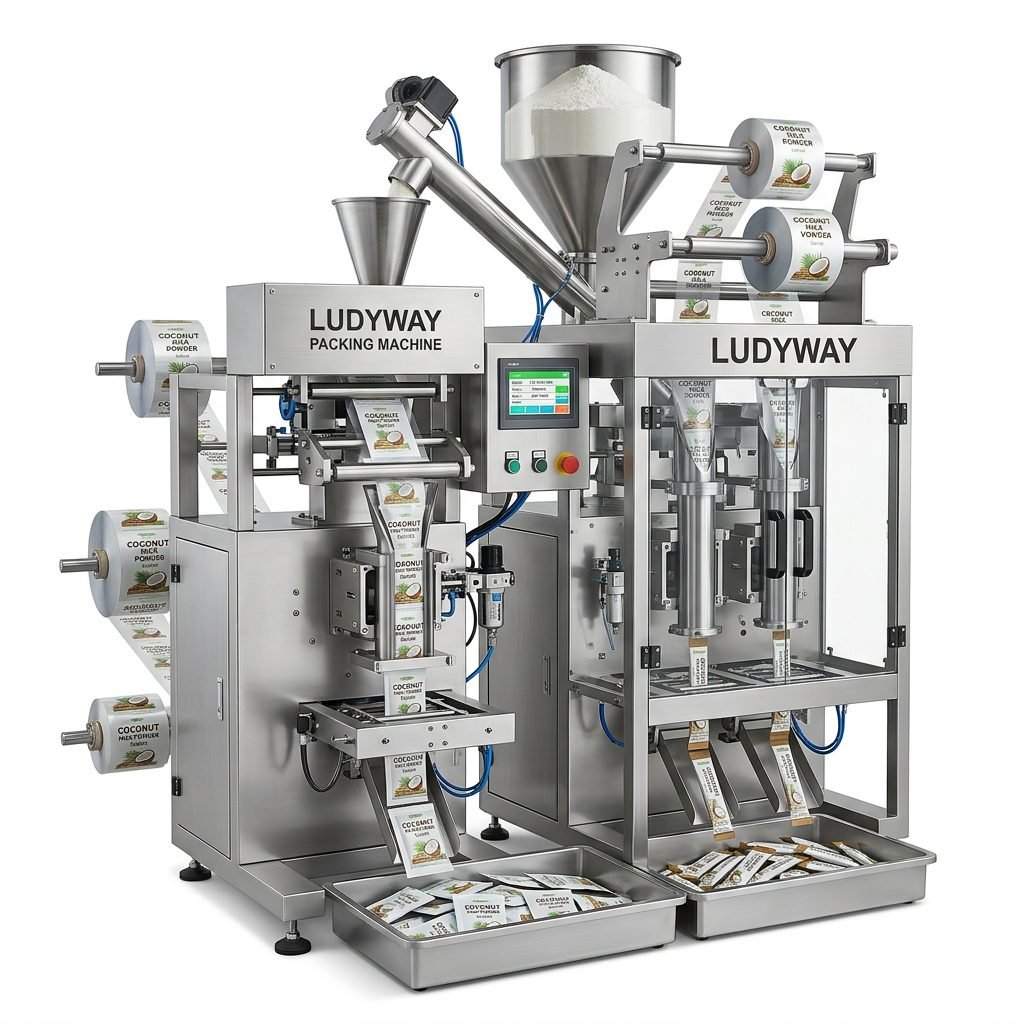
2. Stick Pack & Sachet Packaging Machines
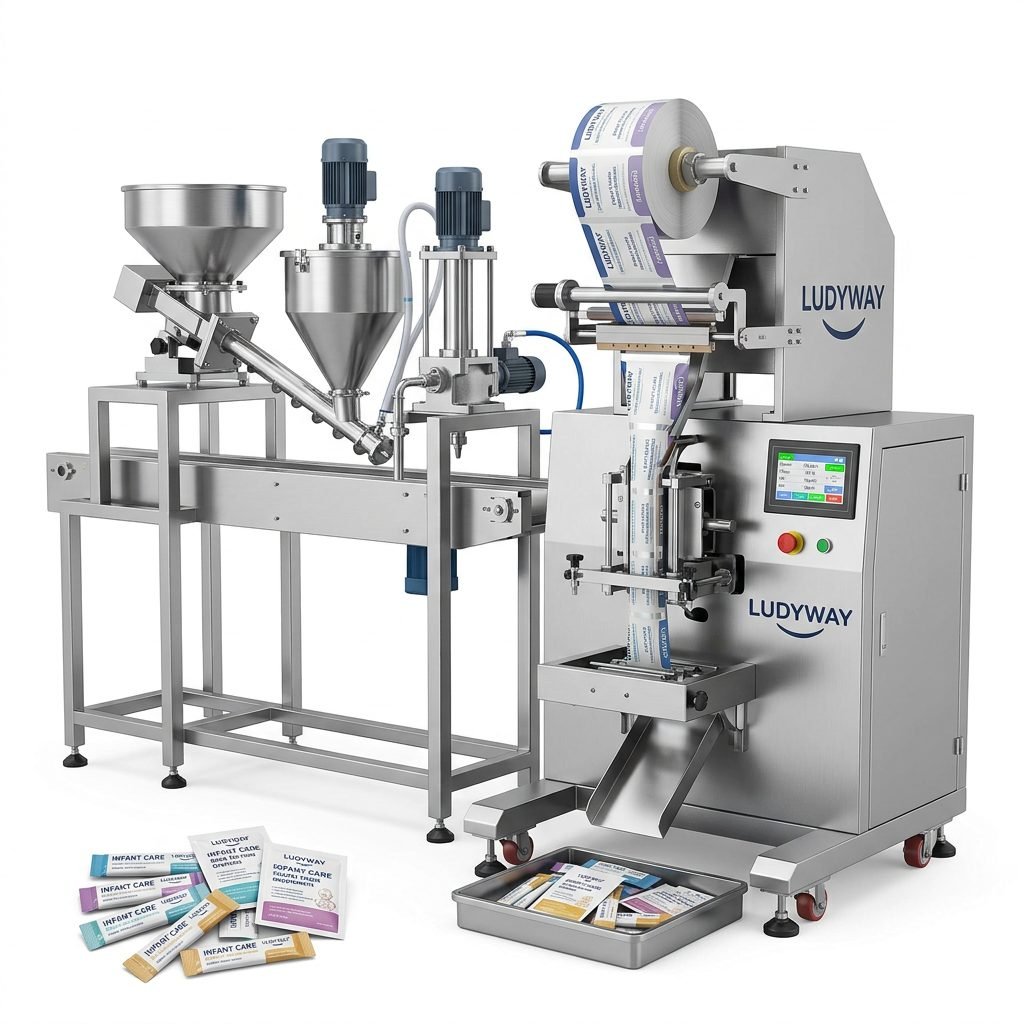
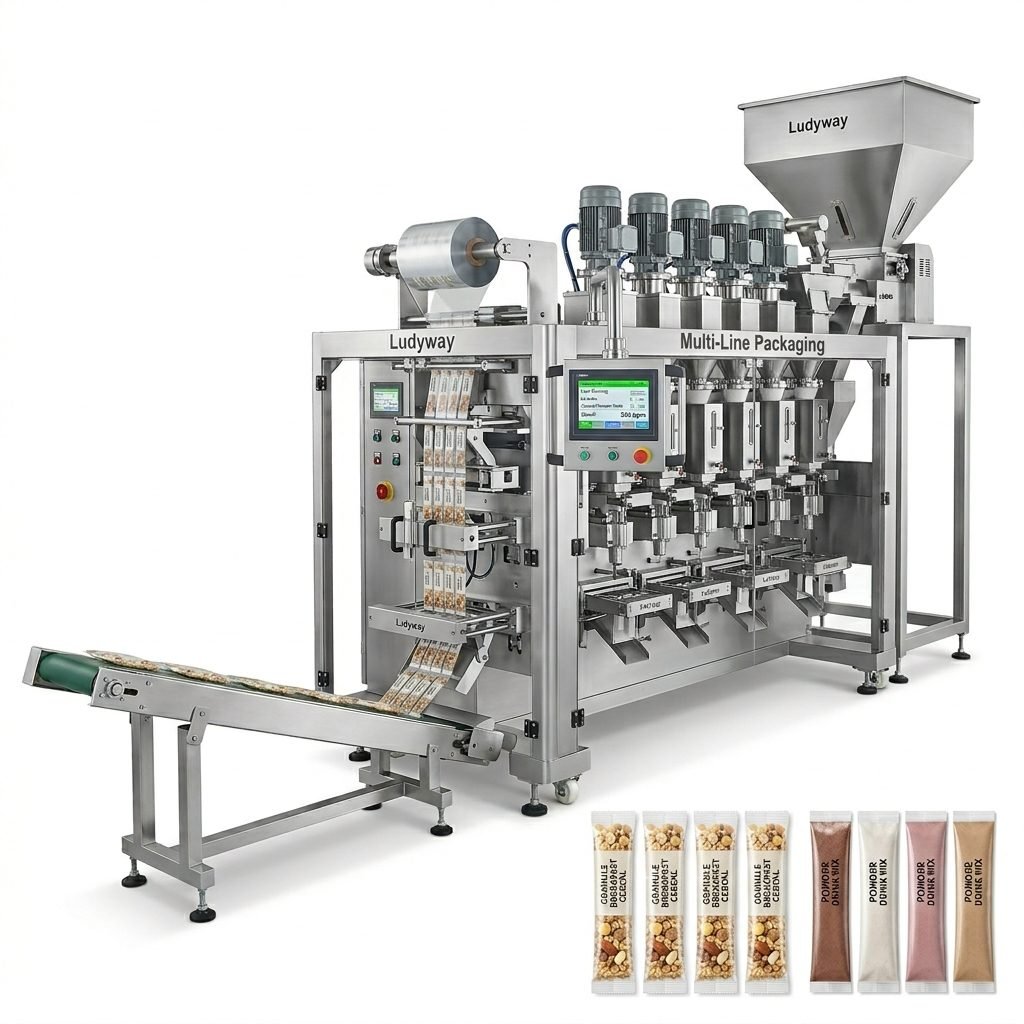
Perfect for single-serve portions of powders, liquids, gels, or granules. Viking-grade stick pack machines are characterized by:
- Multi-Lane Configuration: Capable of running 10, 12, or more lanes simultaneously to achieve exceptionally high output.
- Robust Sealing Jaws: Precision-machined, temperature-controlled jaws ensure perfect, leak-proof seals on every pack, even at high speeds.
- Easy-Changeover Design: Quick-release mechanisms for forming tubes and sealing jaws minimize downtime when switching pack sizes or materials.
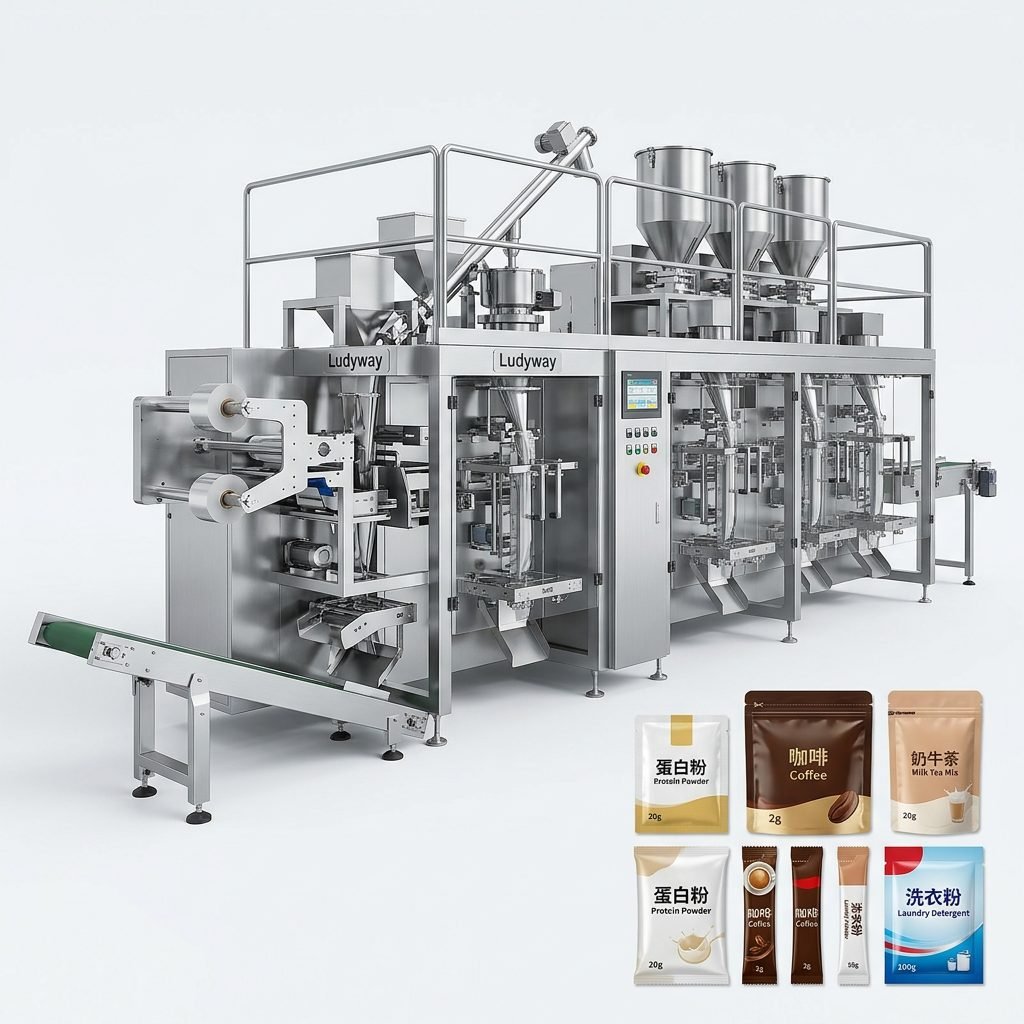
3. Liquid & Pouch Packaging Lines
For packaging beverages, sauces, oils, or chemicals into stand-up pouches or flat bags. Key features include:
- Aseptic & Clean-Fill Capabilities: Designed to meet stringent hygiene standards for food and pharmaceutical applications.
- Non-Drip Filling Valves: Precision piston or volumetric fillers that eliminate product waste and ensure clean packaging.
- Integrated Gas Flushing: For modified atmosphere packaging (MAP) to extend product shelf life.
Essential Features of High-Efficiency Viking Equipment
Beyond the basic type, several critical features define true high-efficiency Viking packaging machinery and separate it from standard offerings.
Durability and Construction
The foundation of any Viking machine is its build quality. Look for all-stainless-steel contact parts, hardened steel gears and shafts, and reinforced frames that can withstand 24/7 operation. This rugged construction minimizes wear and tear, reducing maintenance frequency and costs over the machine’s lifespan.
Automation and Control Systems
Modern high-efficiency machines are defined by their intelligence. A state-of-the-art Human-Machine Interface (HMI) with a large touchscreen is essential. It should allow for easy recipe storage, changeover guidance, real-time monitoring of production speed, efficiency (OEE), and diagnostic alerts. PLC control with connectivity for Industry 4.0 integration (IoT, data reporting) is now a standard expectation for future-proofing your investment.
Speed and Flexibility
High efficiency means high output. Viking machines are engineered for maximum cycles per minute (CPM). However, true efficiency also lies in flexibility. The best machines offer quick changeover between different product types, bag sizes, and packaging materials (films, laminates) with minimal tooling and downtime, making them ideal for short production runs and diverse product portfolios.
Pro Tip:
When evaluating speed, always consider sustainable operational speed, not just peak theoretical speed. A machine that runs reliably at 80 bags per minute with 95% efficiency is often more profitable than one that claims 100 bags but suffers frequent jams and stops.
Hygienic Design
Especially for food, pharmaceutical, and cosmetic applications, hygienic design is paramount. Features include smooth, crevice-free surfaces, easy-access panels for cleaning, and compatibility with wash-down procedures (IP65 rated components). This design prevents bacterial harborage and ensures compliance with global food safety standards.
Comprehensive Buying Guide
Selecting the right high-efficiency Viking packaging machine is a significant capital decision. Follow this structured guide to navigate the process.
Step 1: Define Your Requirements
Start with a clear specification list:
• Product Type: Granules, powder, liquid, solid?
• Packaging Format: Pillow bag, stand-up pouch, stick pack, sachet?
• Production Output: Required bags/pouches per minute or hour.
• Bag Size Range: Minimum and maximum dimensions (length, width).
• Film Material: Type of laminate or film to be used.
• Factory Conditions: Available floor space, power supply, compressed air.
Step 2: Research and Shortlist Suppliers
Focus on manufacturers and brands with a proven track record in building heavy-duty, reliable equipment. Ludyway Machinery, for instance, brings over a decade of specialized experience in providing advanced packaging solutions, offering a wide range of intelligent models tailored for high-efficiency operations. Evaluate their industry experience, client portfolio, and after-sales support network.
Step 3: Evaluate Key Machine Aspects
During supplier discussions and demonstrations, scrutinize:
• Build Quality: Inspect the materials and craftsmanship.
• Ease of Operation & Changeover: Request a live changeover demo.
• Control System: Test the user-friendliness of the HMI.
• Safety Features: Ensure it has comprehensive guards and emergency stops.
• Spare Parts Availability: Check the lead time and cost for common wear parts.
Step 4: Consider Total Cost of Ownership (TCO)
Look beyond the initial purchase price. Calculate the TCO by factoring in:
• Energy consumption
• Expected maintenance costs and downtime
• Cost and availability of spare parts
• Required operator training
• Potential for future upgrades or integration
A slightly higher initial investment in a more robust and efficient machine from a reputable supplier like Ludyway often results in a lower TCO due to greater reliability and productivity over 5-10 years.
Step 5: Post-Purchase Support
Ensure the supplier offers comprehensive support: installation supervision, operator training, detailed technical documentation, and readily available technical support. A reliable partner will provide long-term cooperation and innovation support, helping you optimize your packaging line for years to come.
Frequently Asked Questions (FAQs)
1. What primarily distinguishes “Viking” packaging equipment from standard machines?
Viking-style equipment is defined by its heavy-duty construction, use of premium components (like servo motors and hardened steel parts), and a design focus on maximum uptime and sustained high-speed operation under continuous use. It is built for endurance and reliability where standard machines might falter.
2. Are high-efficiency machines difficult to operate and maintain?
Modern high-efficiency machines are designed for user-friendliness. They feature intuitive touchscreen HMIs with recipe management and diagnostic tools. While they are complex, proper initial training from the supplier ensures smooth operation. Maintenance is often simpler due to modular design and easy access to key components, though it should be performed regularly by trained personnel.
3. Can these machines handle frequent product changeovers?
Yes, flexibility is a key feature of advanced Viking machines. Many models incorporate quick-change systems for forming tubes, filling nozzles, and sealing jaws, allowing for changeovers between different bag sizes or products in 15-30 minutes, minimizing non-productive downtime.
4. How do I ensure the machine will be compatible with my existing factory line?
Provide your supplier with detailed specifications of your upstream (e.g., supply hoppers) and downstream (e.g., conveyors, cartoners) equipment. Reputable suppliers will engineer interfaces for seamless integration and may offer complete turnkey line solutions to guarantee compatibility.
5. What is the typical lead time for such specialized equipment?
Lead times can vary significantly based on machine complexity, customization level, and manufacturer backlog. For standard high-efficiency models, expect a lead time of 12-20 weeks from order to shipment. Always confirm this timeline during the purchasing process and plan your project accordingly.