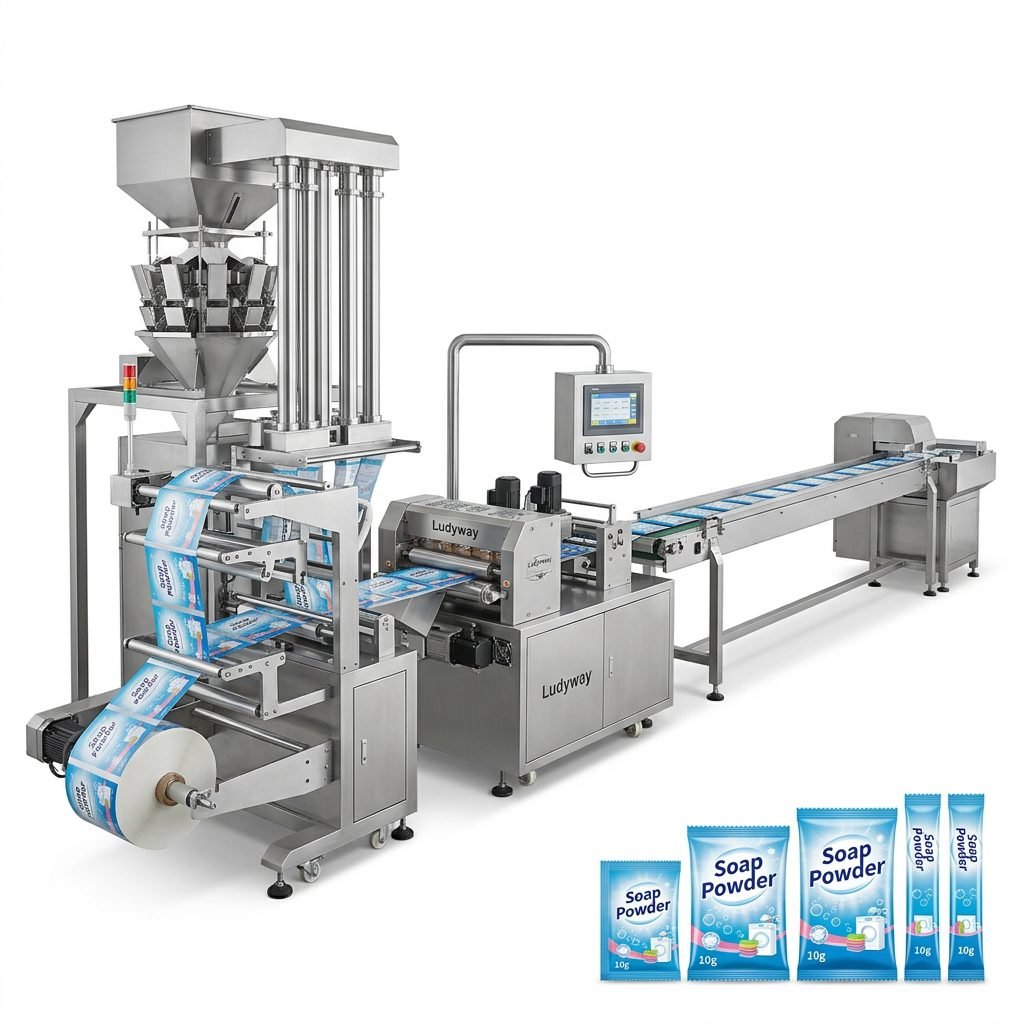
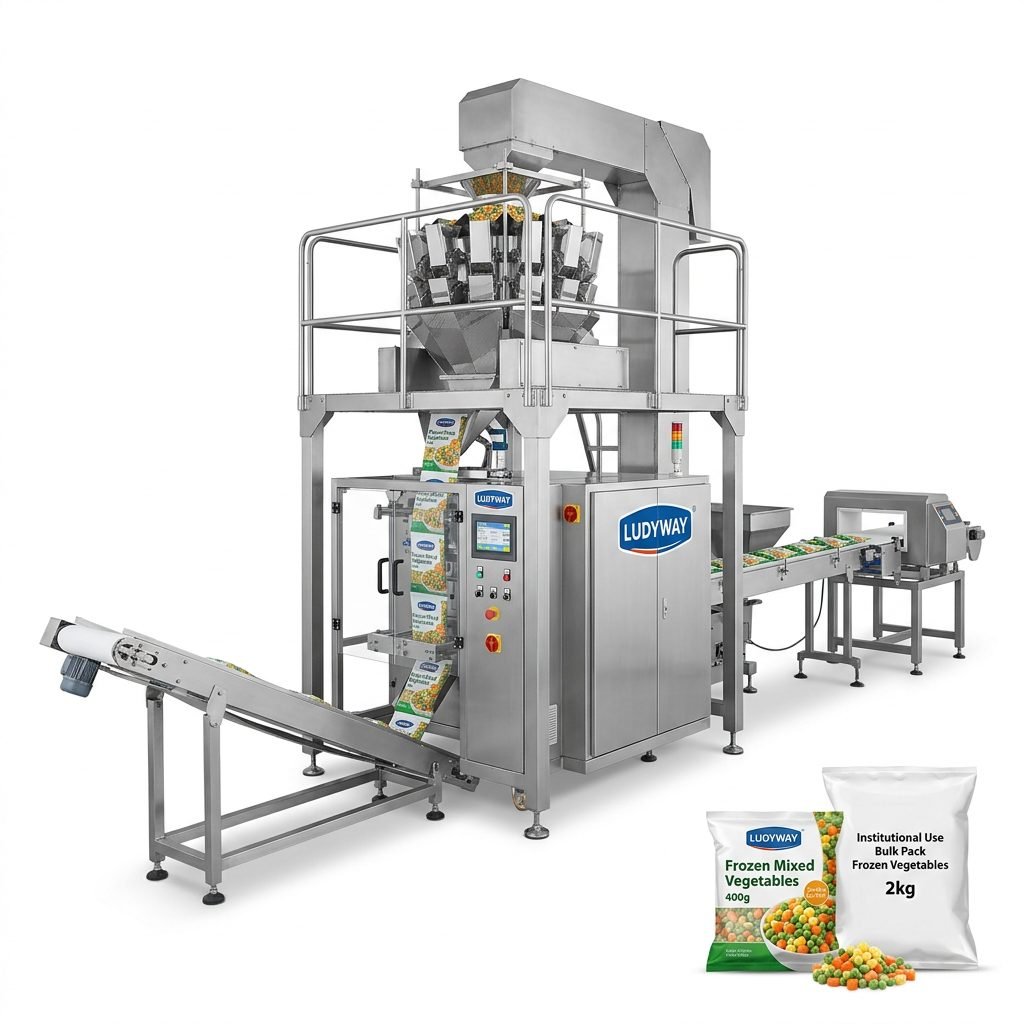
MAP (Modified Atmosphere Packaging) equipment is a cornerstone of modern food preservation and product quality maintenance. By altering the internal gas composition of a package, it significantly extends shelf life, preserves freshness, and enhances product presentation. This complete guide delves into the types, working principles, and diverse applications of MAP packaging machinery.
Understanding MAP Technology
The core principle of Modified Atmosphere Packaging is to replace the air inside a package with a protective gas mixture, typically consisting of carbon dioxide (CO₂), nitrogen (N₂), and oxygen (O₂) in precise ratios. This controlled environment slows down oxidative and enzymatic degradation, inhibits microbial growth, and prevents physical changes like moisture loss or package collapse.
Key Objective: The primary goal is not to sterilize the product but to create an atmosphere that drastically slows down the natural spoilage processes, ensuring the product reaches the consumer in optimal condition.
Core Components of a MAP System
A standard MAP packaging line integrates several key machines that work in unison:
- Gas Mixing System: Precisely blends gases from cylinders or generators to the required composition.
- Packaging Machine: Forms, fills, and seals the package (e.g., trays, pouches).
- Gas Flushing/Compensation Chamber: The critical section where air is evacuated and replaced with the modified gas mix.
- Sealing Unit: Creates a hermetic seal to maintain the integrity of the atmosphere.
- Quality Control Sensors: Monitor gas levels and seal integrity.
Types of MAP Packaging Equipment
MAP systems are categorized based on their automation level, package style, and gas delivery method.
1. Chamber (or Snorkel) Machines
These are versatile machines where the entire package is placed inside a sealed chamber. A vacuum removes air, and the modified gas is injected before final sealing. Ideal for pre-formed trays and rigid containers, they are common in small to medium-scale operations for products like fresh meat, cheese, and prepared meals.
2. Horizontal Form-Fill-Seal (HFFS) with Gas Flushing
This continuous motion equipment forms pouches from a roll of film. Product is weighed and dropped into the formed web, and a continuous stream of gas flushes the air out just before the final longitudinal and transverse seals are made. Highly efficient for granules, powders, snacks, and coffee.
3. Vertical Form-Fill-Seal (VFFS) with Gas Flushing
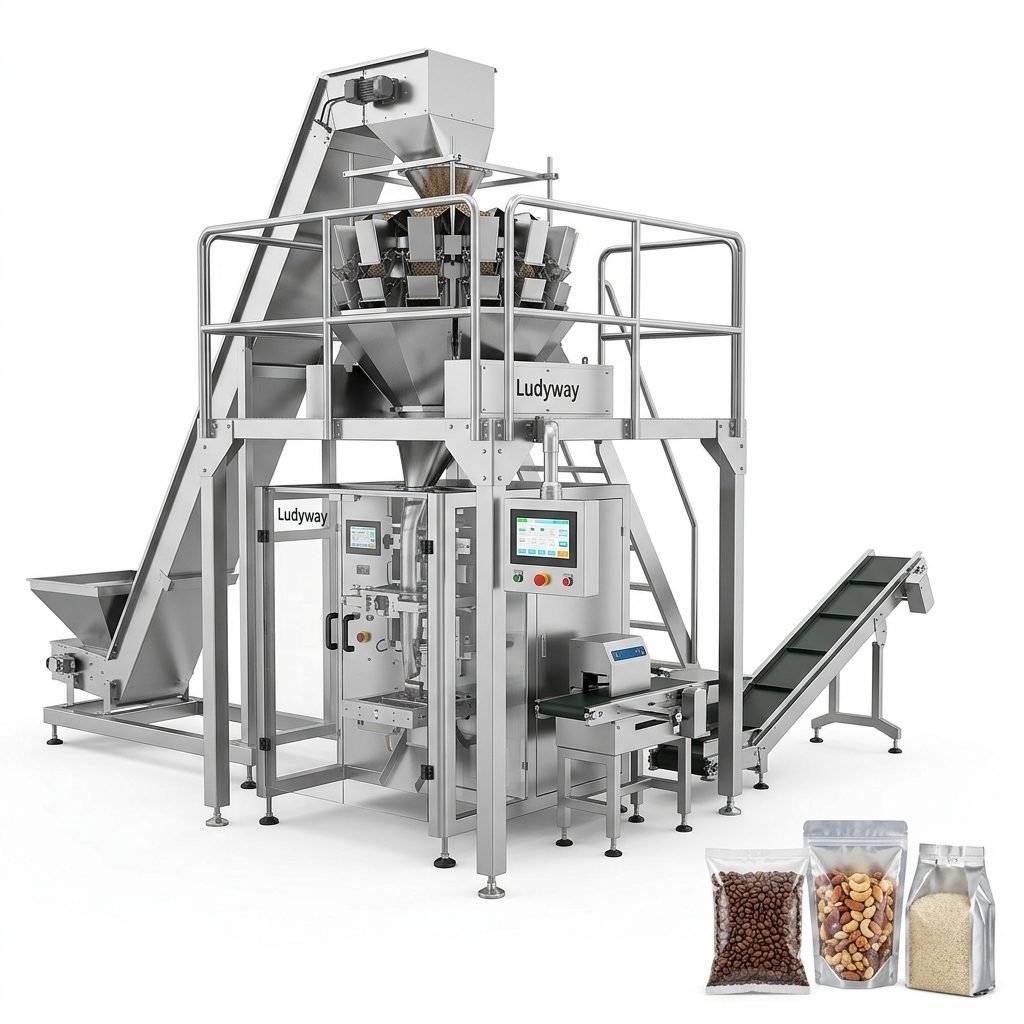
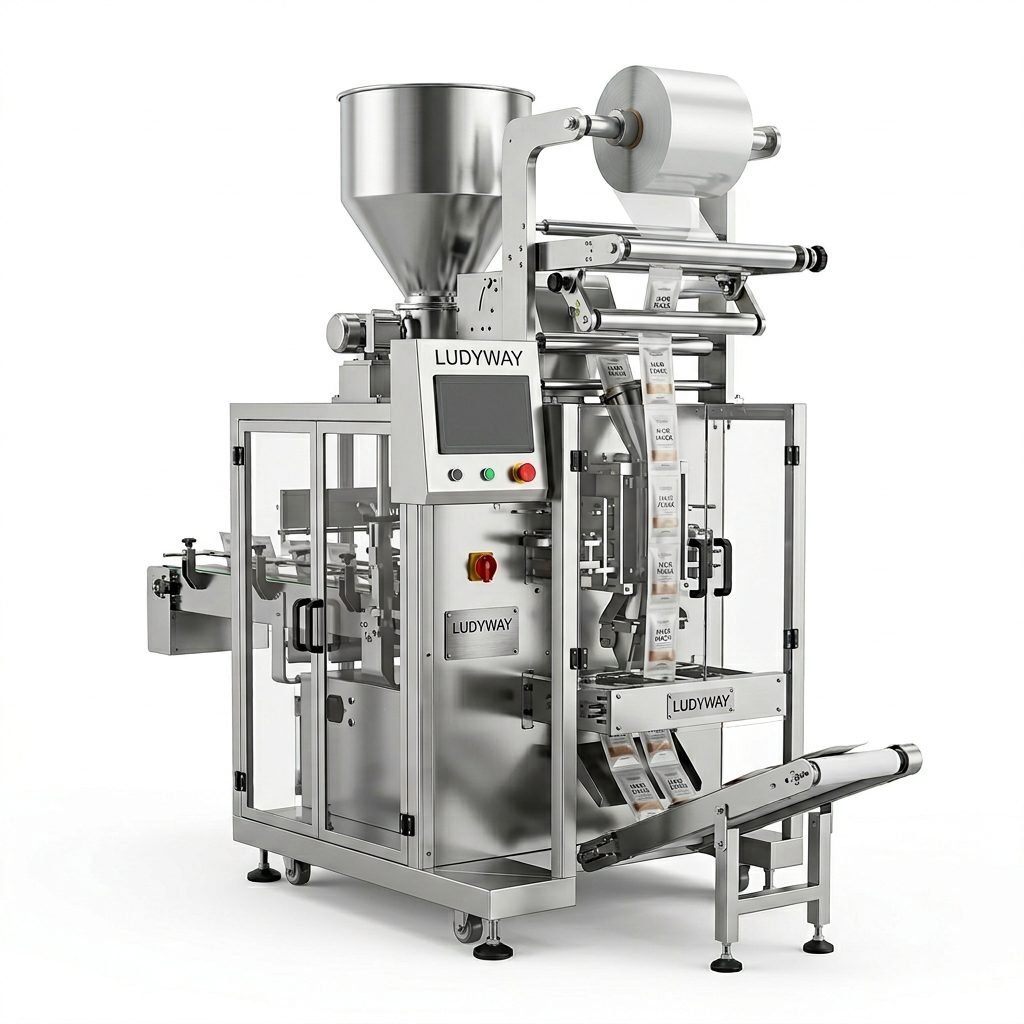
Similar to HFFS but oriented vertically. The film forms a tube, product is filled, and gas is injected into the tube’s headspace before sealing. Excellent for products that flow easily, such as salad leaves, grated cheese, and nuts.
4. Thermoforming MAP Machines
These advanced systems form rigid trays from a bottom film roll in-line. After filling, a top lidding film is applied. A vacuum is drawn in the sealing die, gas is injected, and the lid is sealed. This is the premier choice for high-volume production of fresh meat, fish, poultry, and ready-to-eat meals, offering excellent presentation and durability.
Choosing the Right Machine
Selection depends on product characteristics (solid, porous, oily), required production speed, package format, and initial investment. Professional packaging experts can help navigate these choices to find the optimal solution for your production line.
Working Principle: The Gas Flushing Process
The effectiveness of MAP hinges on the gas flushing process. It follows a meticulous sequence:
- Air Evacuation: The package containing the product is subjected to a vacuum to remove most of the ambient oxygen.
- Gas Injection: The pre-mixed protective gas is injected into the package, displacing the remaining air.
- Gas Compensation: In some systems, the package is brought to atmospheric pressure with the gas mix to prevent crushing (for soft products) or to ensure a firm pack.
- Hermetic Sealing: The package is immediately sealed under the protective atmosphere to prevent gas exchange.
The specific gas ratio is critical. For example, red meat requires high O₂ (70-80%) to retain its bright red color, while baked goods and nuts need very low O₂ (<1%) to prevent rancidity.
Applications Across Industries
MAP technology is indispensable across numerous sectors, driven by consumer demand for fresh, convenient, and preservative-free foods.
Food Industry
- Fresh Meat & Poultry: High-O₂ MAP maintains color, while low-O₂ MAP extends shelf life for processed meats.
- Seafood: CO₂-rich atmospheres inhibit bacterial growth, keeping fish fresher for longer.
- Dairy Products: Used for shredded cheese, block cheese, and yogurt to prevent mold and yeast growth.
- Fresh Produce & Salads: Low-O₂, high-N₂ atmospheres reduce respiration rates, delaying wilting and browning.
- Bakery & Snacks: Prevents staling in bread and inhibits oil oxidation in nuts and chips.
Pharmaceutical & Healthcare
Beyond food, MAP is used to package sterile medical devices, diagnostic kits, and hygroscopic pharmaceuticals. An inert nitrogen atmosphere prevents oxidation of sensitive compounds and protects against moisture ingress, ensuring product efficacy and sterility until point of use.
Benefits of Implementing MAP Systems
Key Advantages for Producers
- Extended Shelf Life: Can increase shelf life by 50% to 400%, reducing waste and expanding distribution reach.
- Enhanced Product Quality: Preserves taste, texture, color, and nutritional value without artificial preservatives.
- Improved Presentation: Attractive, clear packaging with reduced fogging and liquid exudate (“drip loss”).
- Supply Chain Efficiency: Allows for fewer deliveries, optimized inventory, and access to distant markets.
Investing in reliable packaging machinery solutions from experienced providers ensures these benefits are fully realized with minimal downtime.
Future Trends in MAP Equipment
The future of MAP is focused on sustainability, smart packaging, and precision. Developments include the use of recyclable mono-material films, integrated oxygen scavengers, and equipment with real-time gas composition monitoring and AI-driven adjustment for optimal results with varying raw materials.
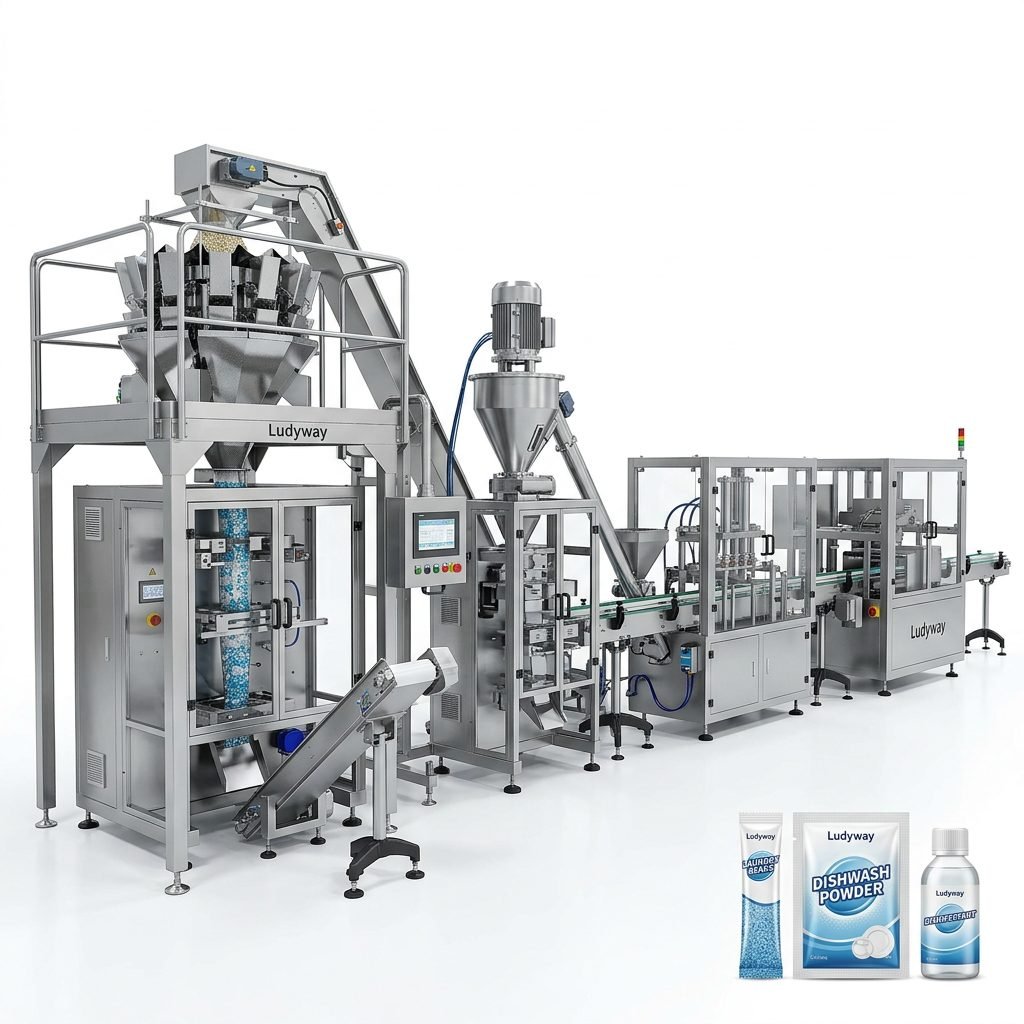
For businesses looking to integrate these advanced solutions, exploring complete turnkey production line solutions from a single trusted partner can streamline the transition and ensure system coherence.
Frequently Asked Questions (FAQs)
1. What is the main difference between MAP and vacuum packaging?
Vacuum packaging removes almost all air, which can compress soft products. MAP replaces air with a specific gas mix, which can maintain package shape (using nitrogen) and target specific spoilage mechanisms. MAP is often preferred for delicate or moist products.
2. How long can MAP extend the shelf life of a product?
The extension varies greatly by product. For example, fresh red meat’s shelf life can be extended from 2-4 days to 5-8 days. For low-moisture snacks, shelf life can be extended from months to over a year. Precise gas formulation and high-quality sealing are crucial.
3. Is MAP packaging safe?
Yes. The gases used (N₂, CO₂, O₂) are naturally present in the air we breathe and are safe for food contact. The process does not use chemical preservatives. Safety depends on using food-grade gases and maintaining strict hygiene and temperature control (<5°C for chilled products) throughout the supply chain.
4. What are the most common failures in a MAP process?
Common issues include insufficient vacuum leading to high residual oxygen, poor seal integrity causing gas leakage, incorrect gas mixture for the product, and temperature abuse during storage and distribution. Regular machine maintenance and quality checks are essential.
5. Can MAP be used for all types of food?
Not all. MAP is highly effective for respiring products (produce) and those spoiling due to microbial growth (meat, fish). It is less effective for foods where spoilage is caused by physical changes (like staling in some breads) or enzymatic activity, though it can still provide a supplementary benefit. Product testing is always recommended.