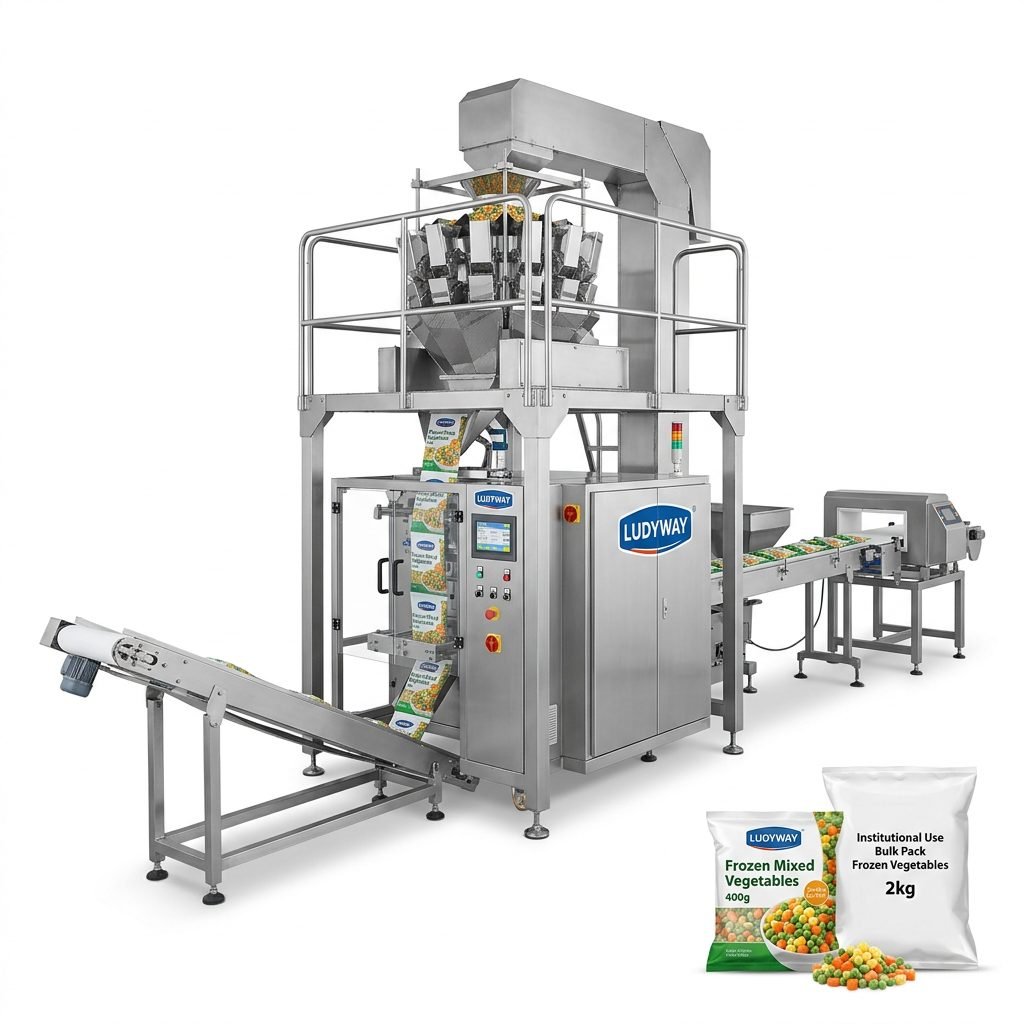
Selecting the right packaging machine manufacturer in Spain is a critical decision that can significantly impact your production efficiency, product quality, and overall business profitability. For Spanish manufacturers in the food, pharmaceutical, and health sectors, finding a reliable partner who understands local market dynamics, regulatory standards, and specific production challenges is paramount. This guide outlines the key factors to compare when evaluating packaging machine suppliers, helping you avoid common and costly mistakes.
Understanding the Spanish Manufacturing Landscape
The Spanish industrial sector, particularly in regions like Catalonia, Valencia, and the Basque Country, is known for its high-quality production and stringent standards. Spanish companies often prioritize precision, hygiene, and automation efficiency to remain competitive within the EU market. When sourcing packaging machinery, it’s essential to partner with a manufacturer whose capabilities align with these local expectations for speed, reliability, and compliance with EU regulations.
1. Assess Technical Expertise and Product Range
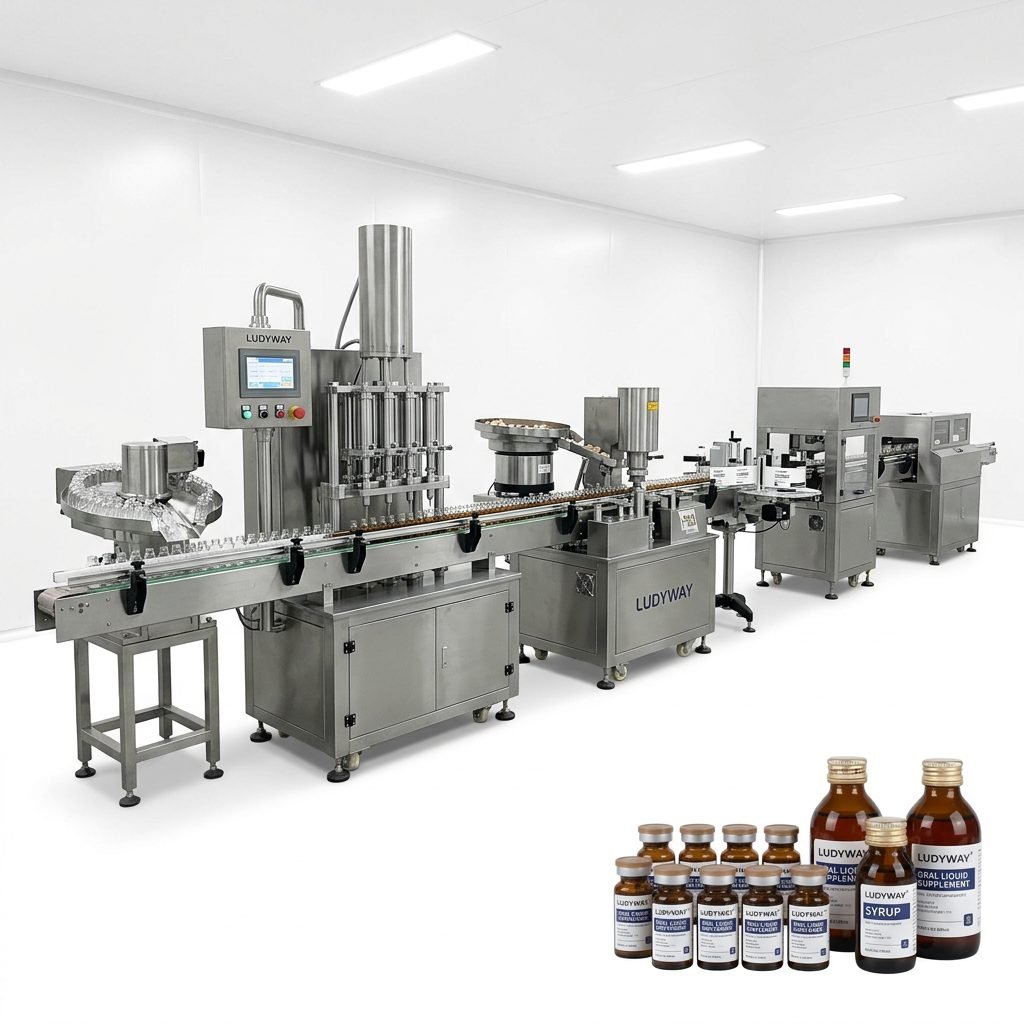
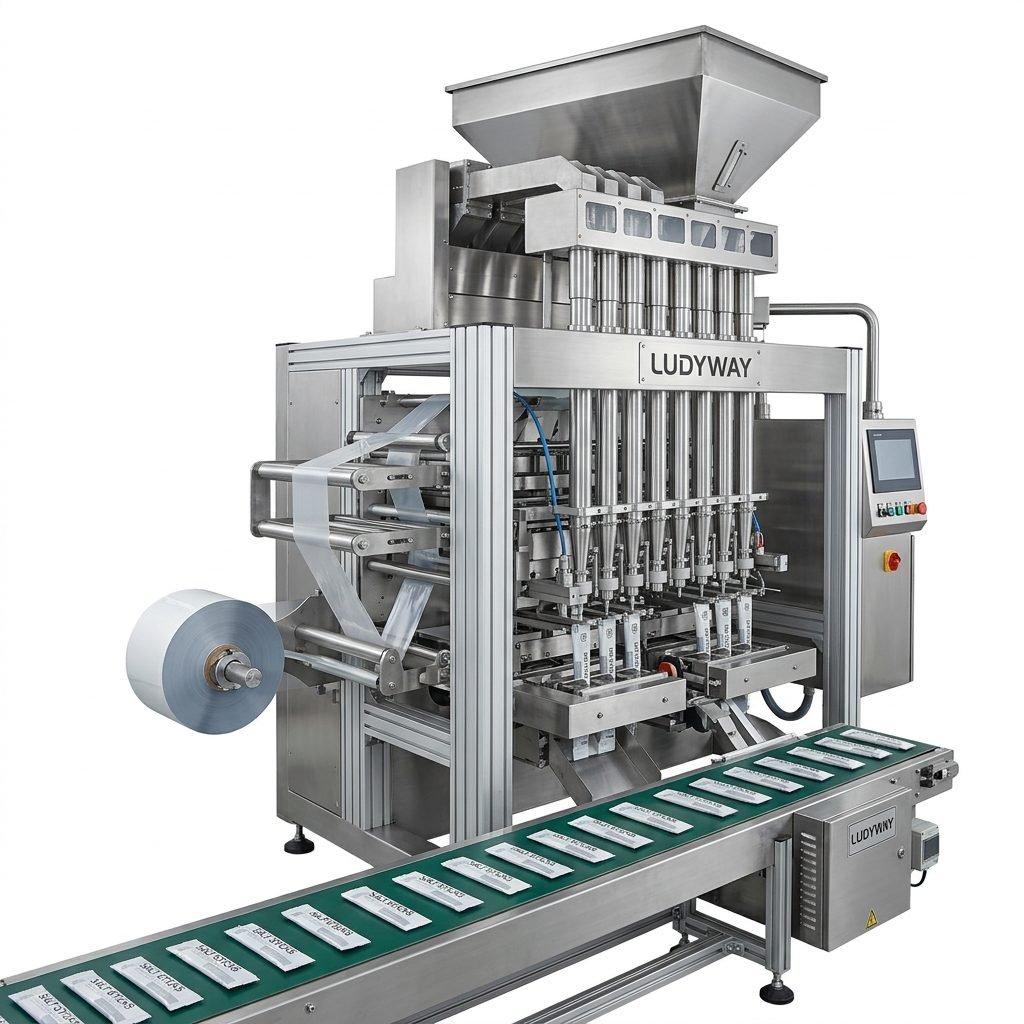
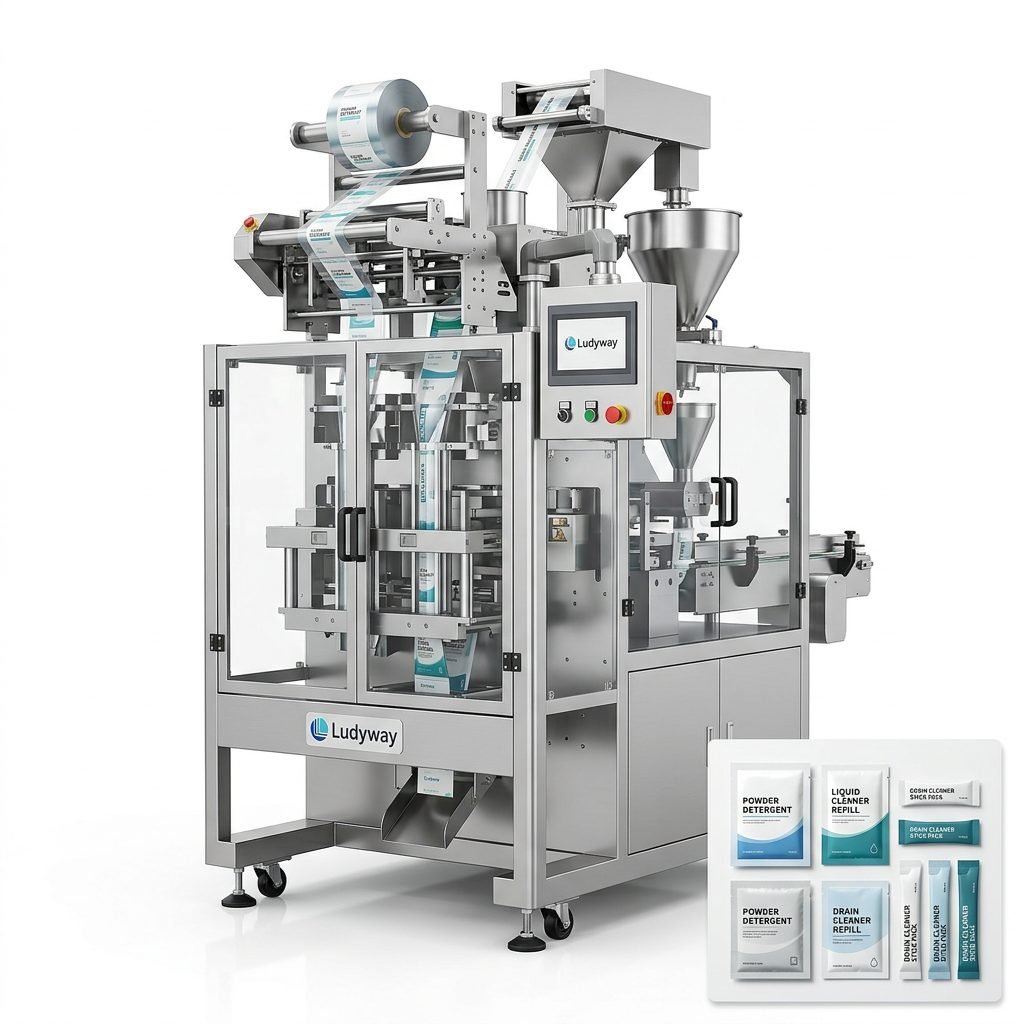
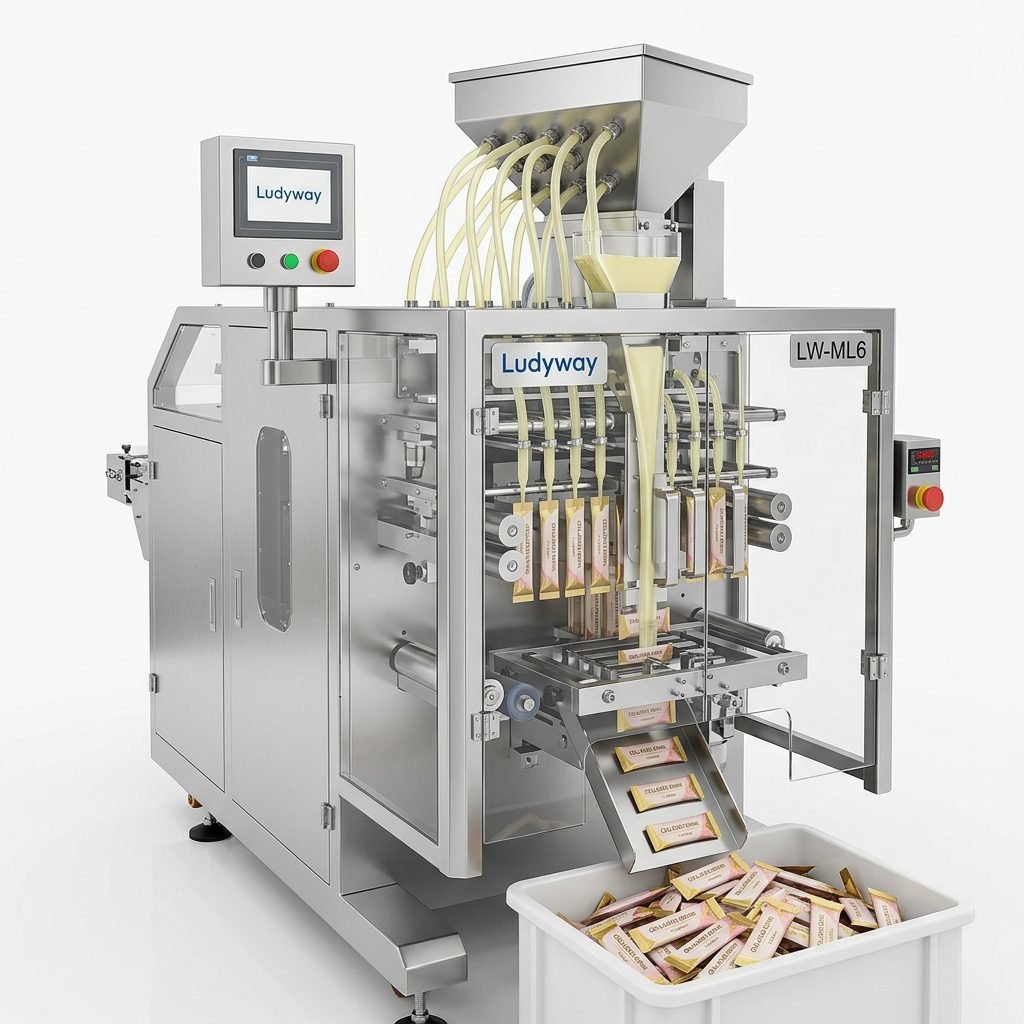
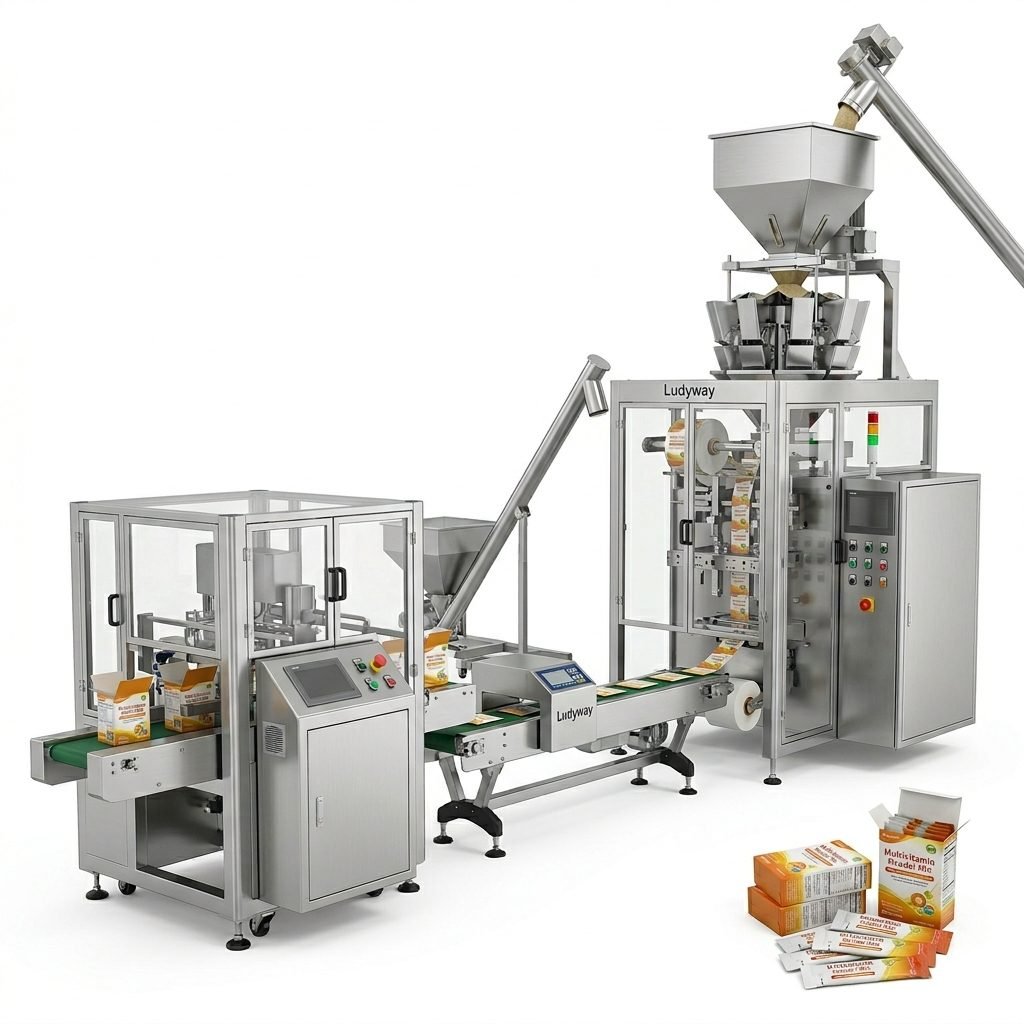
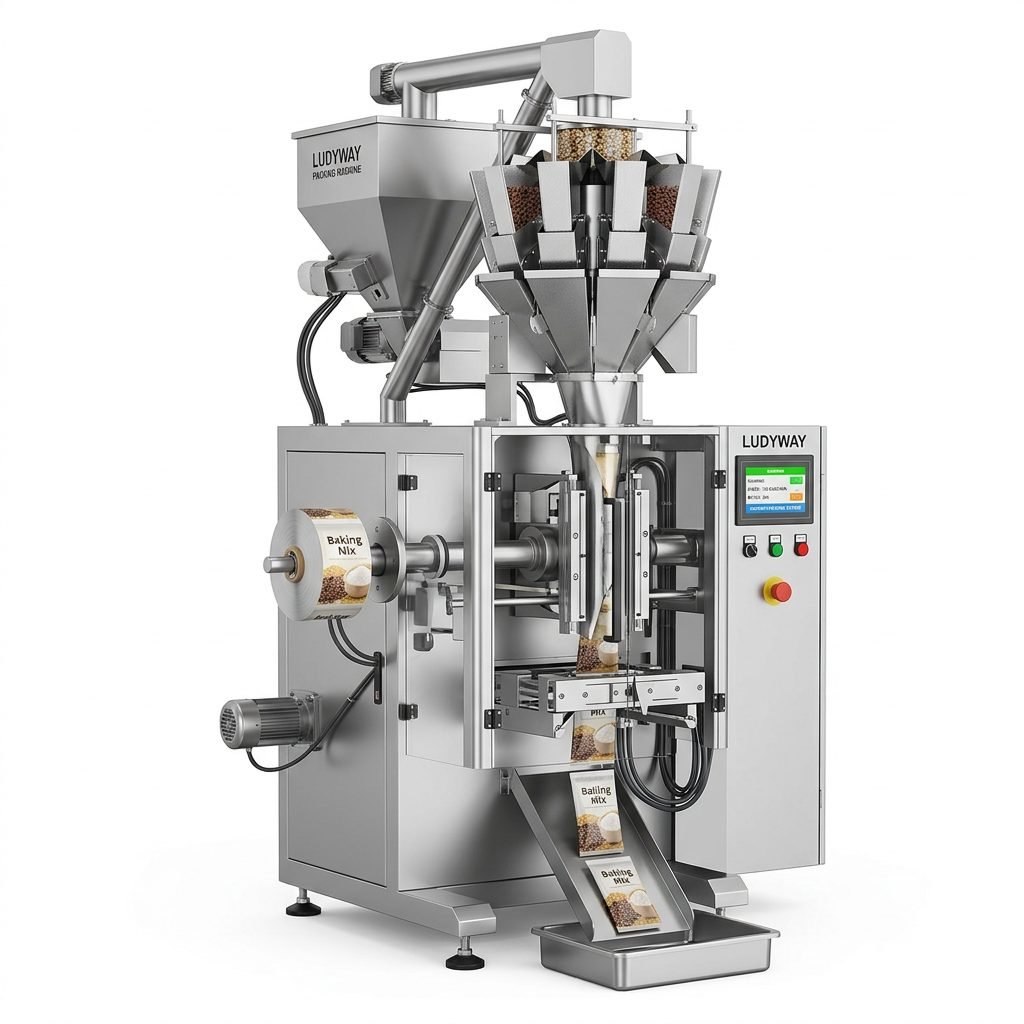
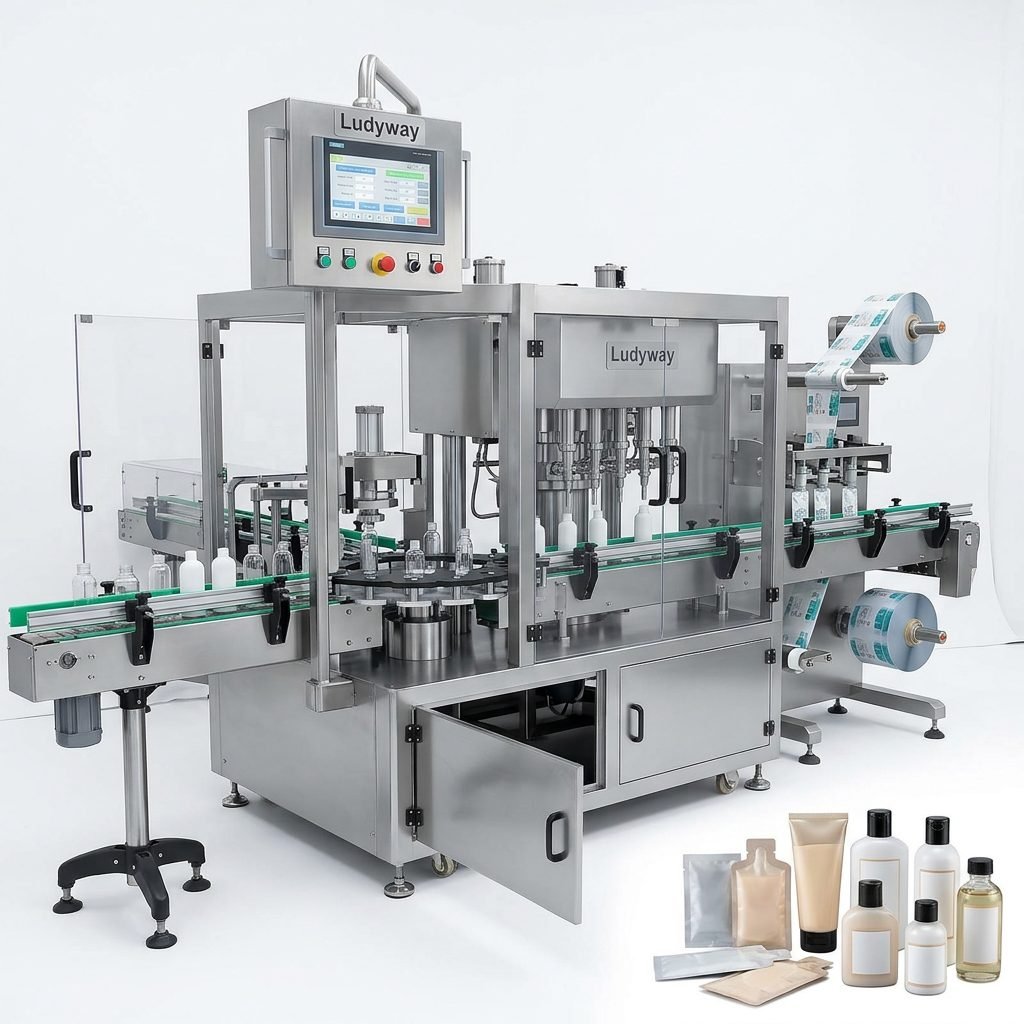
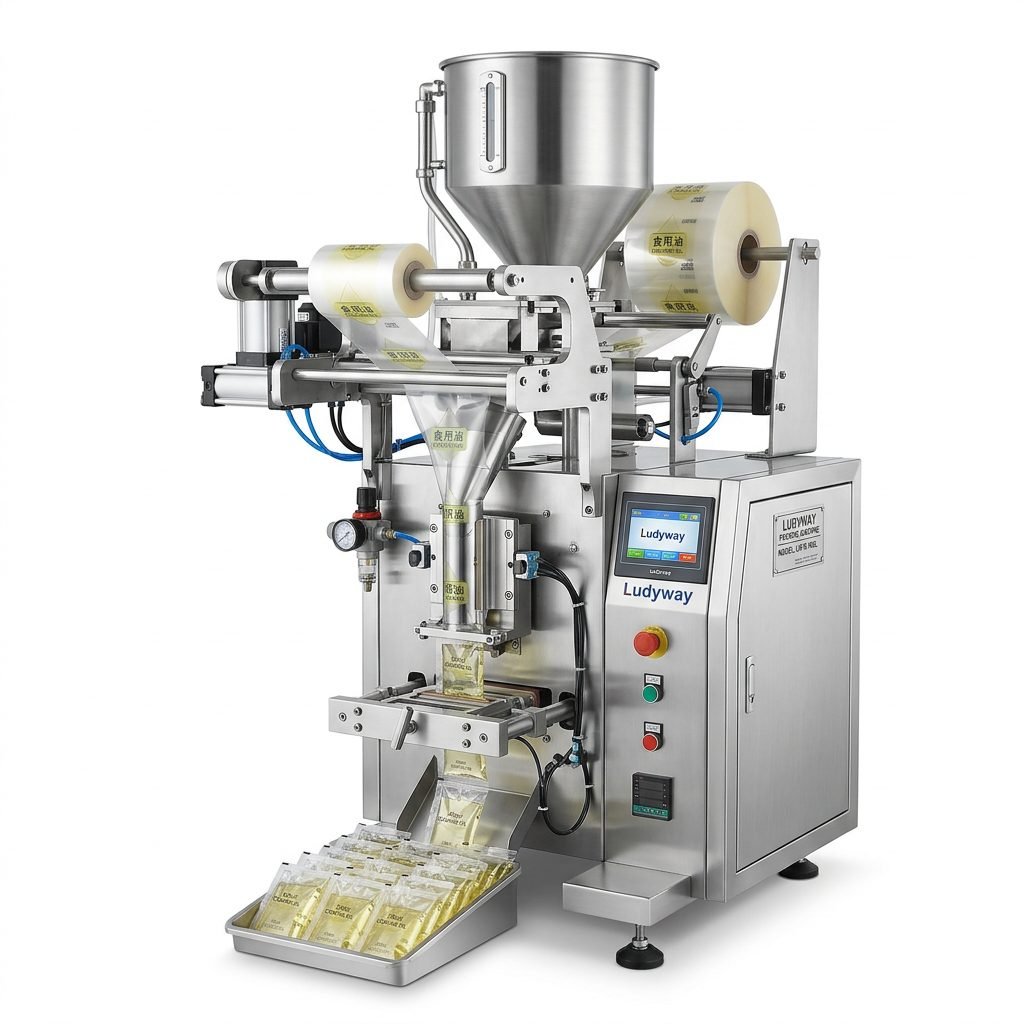
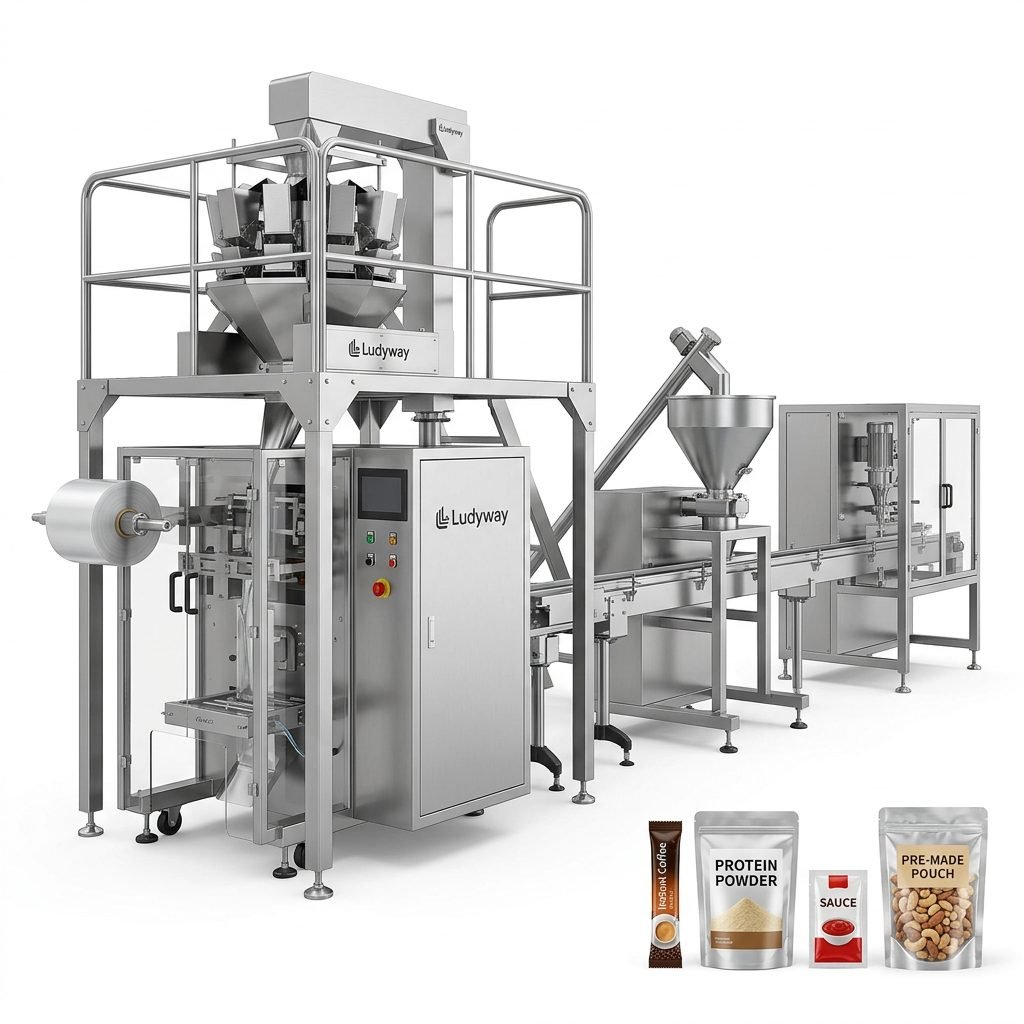
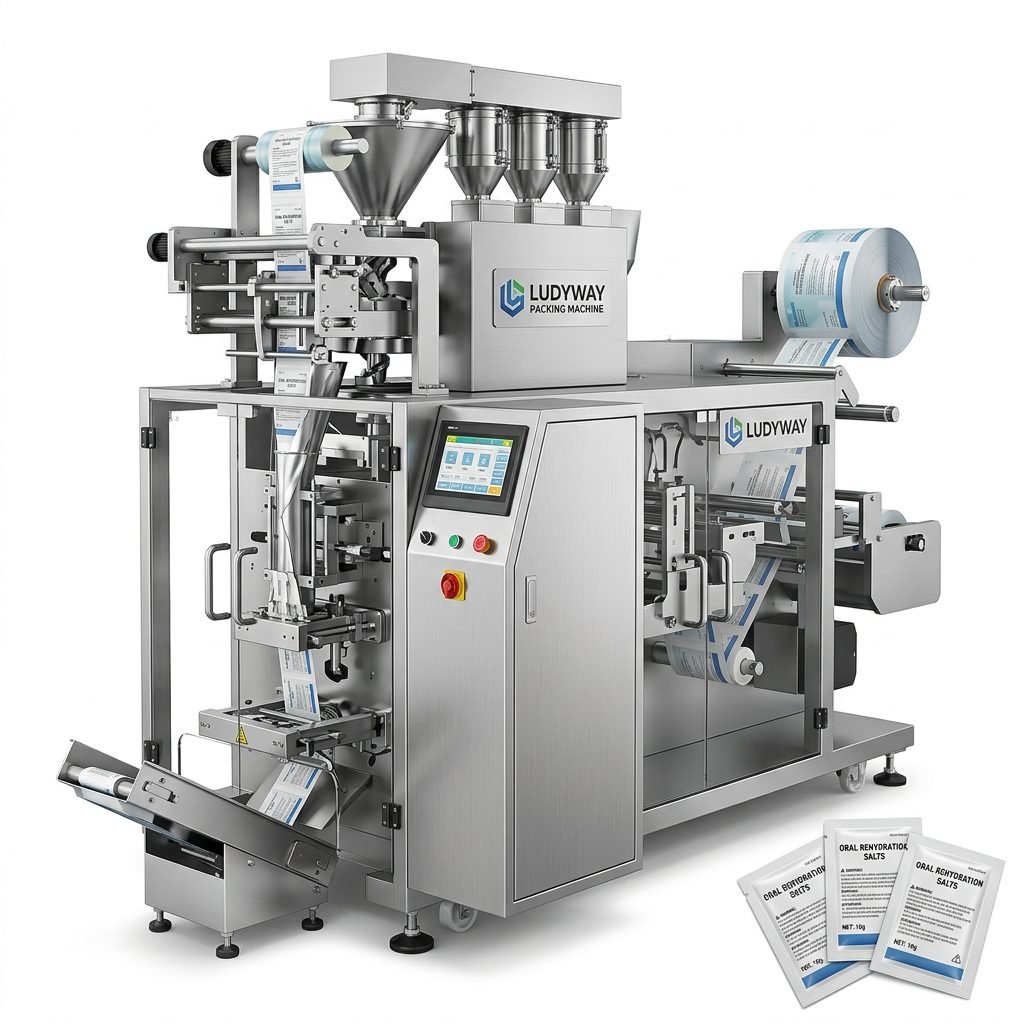
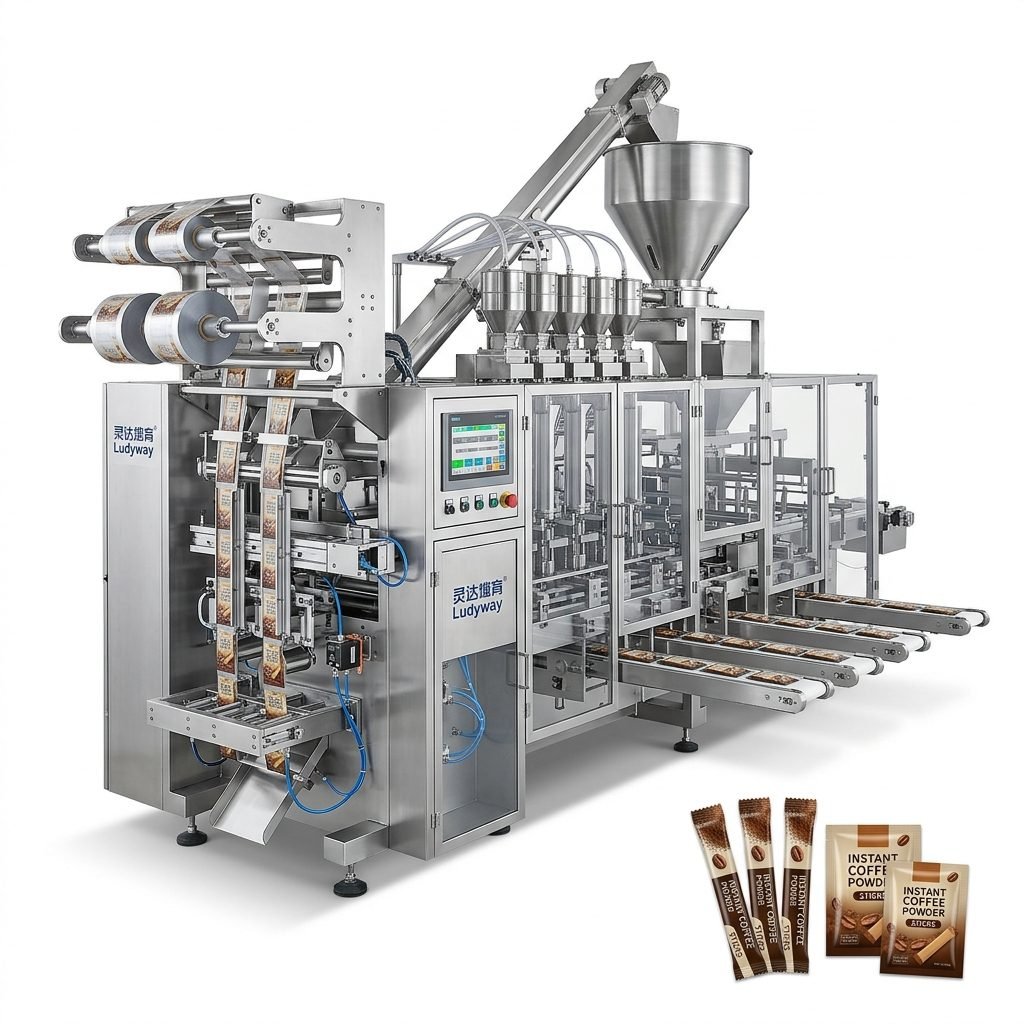
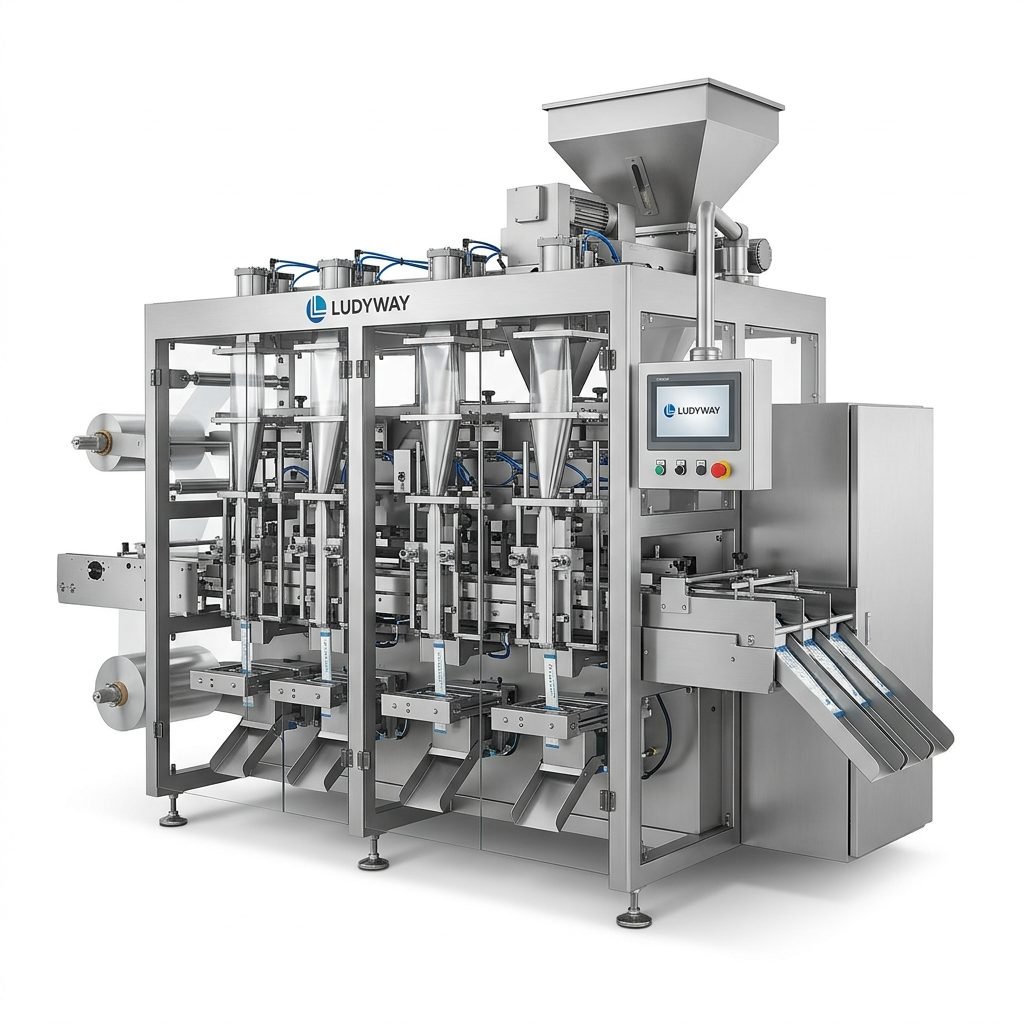
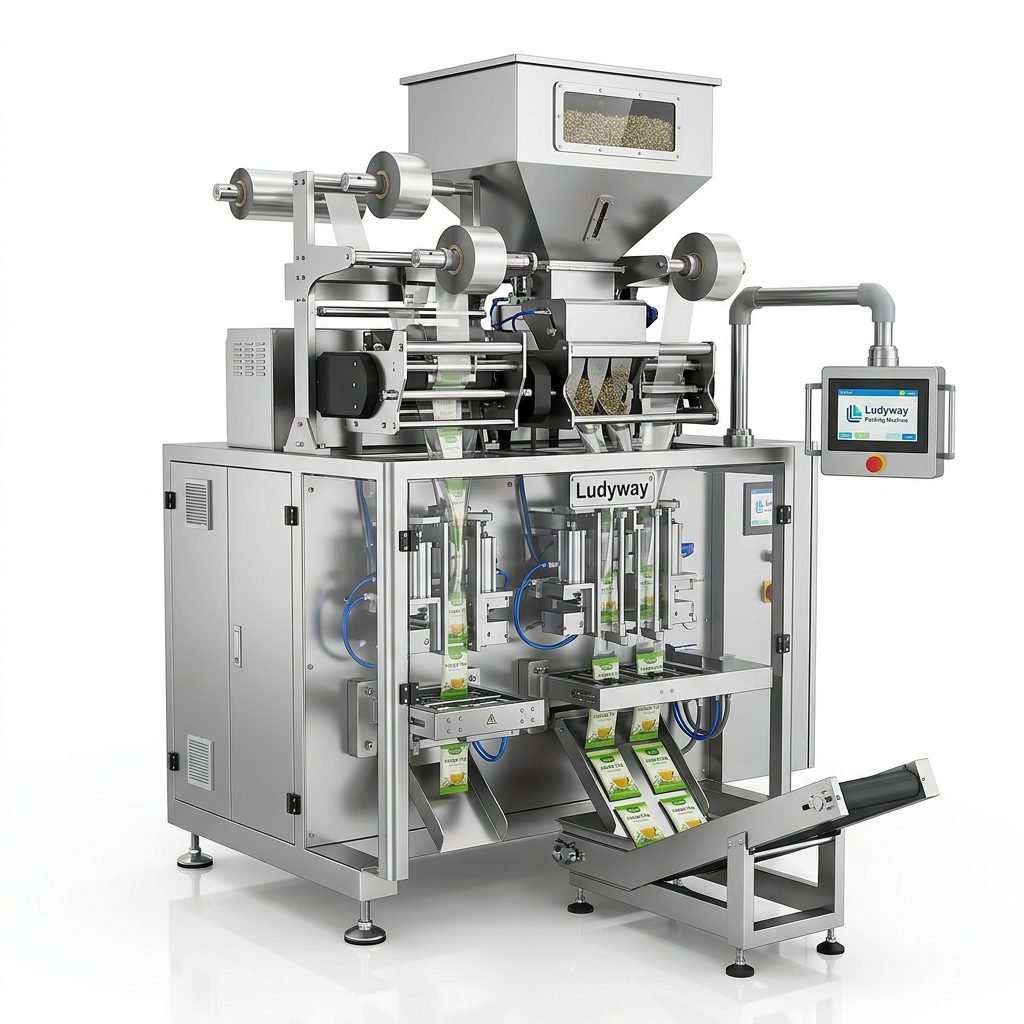
The first step is to evaluate the manufacturer’s core competencies. Do they specialize in the type of packaging you need? For instance, if you require sachet packaging for liquid condiments or stick packs for drink mixes, you need a supplier with proven experience in that specific technology. Leading manufacturers like Ludyway offer a broad portfolio, including multi-lane stick pack, sachet, and fully automated systems for granules, powders, and liquids. Similarly, competitors such as Packmate Machinery and PacklineOEM position themselves as comprehensive solution providers. A wide range indicates deep engineering knowledge and the ability to provide a tailored solution rather than a one-size-fits-all machine.
Key Question to Ask: Can the manufacturer provide detailed case studies or references from Spanish or European clients with similar products (e.g., olive oil sachets, pharmaceutical powders, herbal tea sticks)?
2. Evaluate Manufacturing Capability and Quality Control
A manufacturer’s infrastructure is a direct reflection of their commitment to quality. Investigate the size of their production facility, the modernity of their equipment, and their quality assurance protocols. For example, Ludyway operates from a modern 20,000㎡ facility with over 200 manufacturing equipment units, which supports consistent quality and scalable production. This is comparable to the scale advertised by PackingMachineOEM. For Spanish buyers, it’s crucial that the manufacturer has a robust QC system that ensures every machine meets CE and other relevant EU safety and performance standards before shipment.
3. Analyze Industry Experience and After-Sales Support
Longevity in the industry often translates into accumulated practical knowledge. A manufacturer with decades of experience has likely encountered and solved a vast array of production challenges. Ludyway, with over 30 years in the industry, and other established players bring this depth of understanding. However, experience must be backed by a strong support network. For a Spanish company, consider:
• Local/European Technical Support: Is there a responsive service team or agent within the EU for urgent breakdowns?
• Spare Parts Availability: How quickly can critical spare parts be delivered to your factory in Spain?
• Training and Documentation: Is comprehensive training and manuals in English or Spanish provided?
Neglecting after-sales service can lead to extended downtime, which is a critical cost mistake.
4. Scrutinize Customization and Turnkey Solution Ability
Off-the-shelf machines rarely fit perfectly into an existing production line or meet unique product requirements. The ability to customize is vital. Whether you need a specific dosing system for viscous liquids like sauces or a special sealing method for hygroscopic powders, the manufacturer must demonstrate flexibility. Manufacturers like SnusMachinery focus on niche customization for products like nicotine pouches, while others offer broader turnkey solutions. A true partner will work with you from concept to installation, ensuring the machine integrates seamlessly with your other equipment.
Avoid This Costly Mistake:
Choosing a manufacturer based solely on the lowest upfront cost, without considering customization needs, often results in additional, unforeseen engineering costs later or a machine that fails to meet your output or quality specifications.
5. Verify Global Reach and Local References
A manufacturer serving an international clientele, especially within Europe, is more likely to understand the specific needs of the Spanish market. Serving customers in over 100 countries, as Ludyway does, suggests adaptability and a proven track record. Always ask for contactable references from European or, ideally, Spanish clients. Speaking directly with a current user will give you invaluable insights into the machine’s real-world performance, reliability, and the supplier’s service responsiveness. Check if competitors like Packmate Machinery or PacklineOEM have visible case studies from EU-based projects.
Cost Considerations Beyond the Price Tag
The initial purchase price is just one component of the total cost of ownership. A cheaper machine with lower efficiency, higher waste rates, and frequent breakdowns will cost more in the long run. For a Spanish production manager, calculating Total Cost of Ownership (TCO) is essential. Factor in:
• Energy Consumption: Efficient machines reduce operational costs.
• Material Waste: High-precision filling minimizes product giveaway.
• Output Speed (UPH): A faster machine may have a higher price but lower cost-per-unit.
• Maintenance Costs: Availability and price of spare parts.
6. Compliance with EU Regulations and Safety Standards
Machinery imported into Spain must comply with the EU Machinery Directive (2006/42/EC) and carry the CE marking. This is non-negotiable. A reputable manufacturer will have a thorough understanding of these requirements and design their equipment accordingly. This includes safety guards, emergency stops, electrical safety, and noise emission standards. Ensure your supplier provides all necessary documentation, including the EC Declaration of Conformity. Failure to comply can result in customs delays, fines, and an unsafe work environment.
Making the Final Decision: A Checklist for Spanish Buyers
Before signing a contract, use this checklist to ensure you’ve covered all bases:
✅ Technical specification review and factory acceptance test (FAT) plan.
✅ Confirmed CE certification and compliance documentation.
✅ Detailed, fixed-price quotation with clear scope of supply.
✅ Agreed-upon delivery timeline and Incoterms (e.g., FOB, CIF Valencia/Barcelona).
✅ Clearly defined warranty terms and after-sales service agreement.
✅ Verified client references in a similar industry.
✅ Planned for installation, commissioning, and operator training.
Frequently Asked Questions (FAQs)
Q1: What is the typical lead time for a packaging machine from China to Spain?
Lead times vary based on machine complexity and customization. For standard models, it can range from 30 to 60 days after order confirmation. For fully customized or turnkey lines, it may take 90 to 120 days. Always factor in sea freight time (approximately 4-5 weeks to Spanish ports like Valencia or Algeciras) and customs clearance.
Q2: How can I ensure the machine will meet our specific Spanish product requirements?
Request a sample test run using your actual product. Most reputable manufacturers, including Ludyway and its peers, offer this service at their facility. This allows you to verify speed, accuracy, and packaging quality before purchase.
Q3: Who is responsible for installation and commissioning in our Spanish factory?
This should be clearly defined in the contract. Many manufacturers offer supervised installation where their engineers travel to your site to oversee setup, conduct commissioning, and train your staff. Alternatively, you can use a local Spanish technician, but they will require detailed guidance from the supplier.
Q4: What about language barriers and technical documentation?
Established manufacturers are accustomed to international business. Key documents like manuals, electrical diagrams, and maintenance guides are typically provided in English. Some may offer translation services. Ensure your contact person at the supplier is proficient in English for smooth communication.
Q5: Are there hidden costs I should be aware of?
Be clear on the quotation’s scope. Potential additional costs can include: special tooling for custom packaging formats, spare parts kits, on-site service fees for installation, import duties and VAT in Spain, and costs for electrical/compressed air connections that may not meet the machine’s specifications.