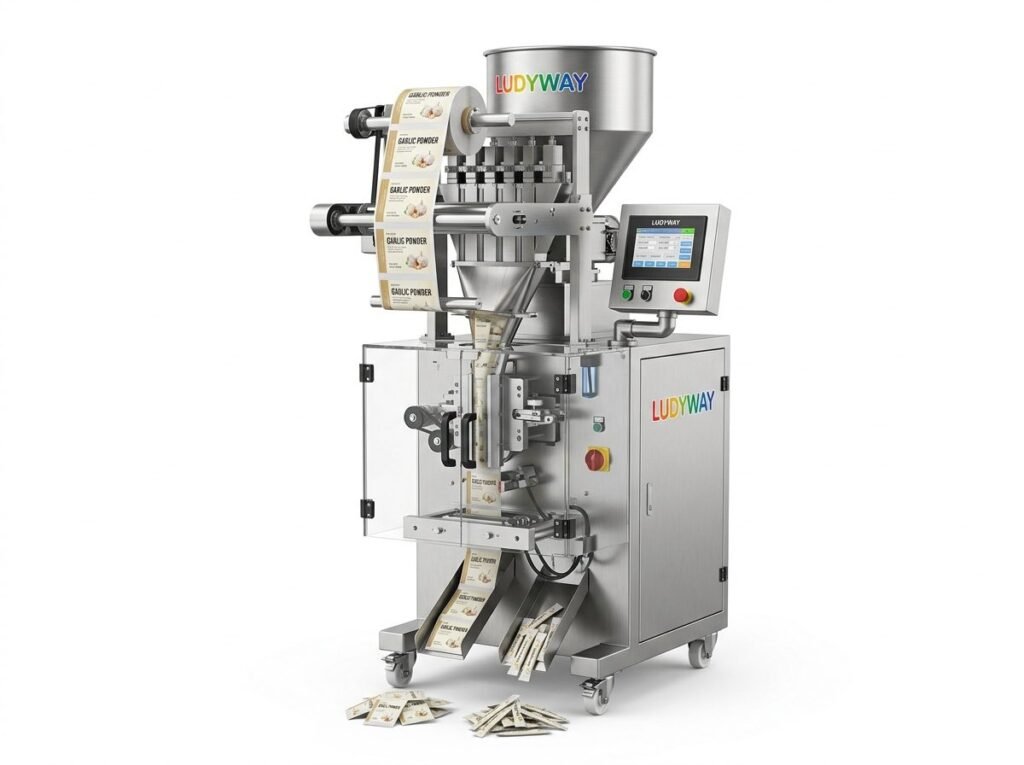
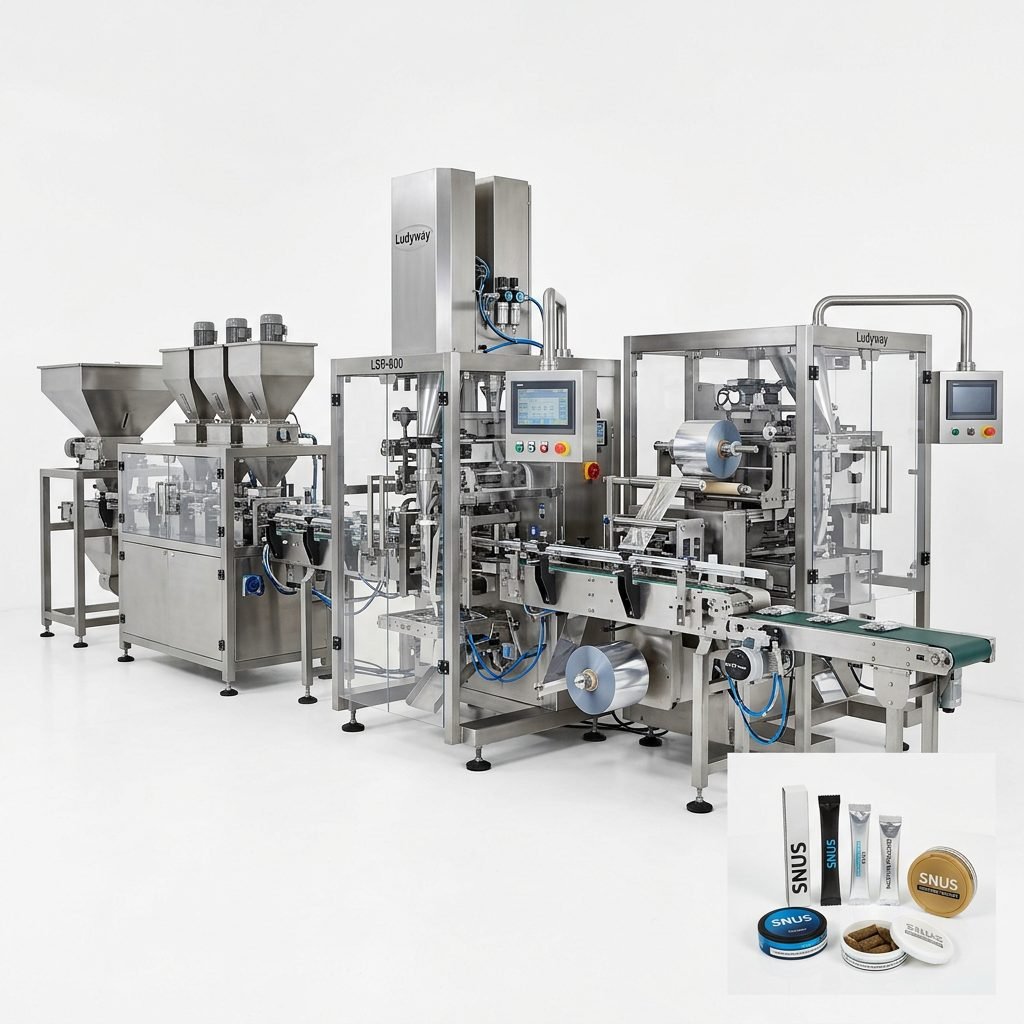
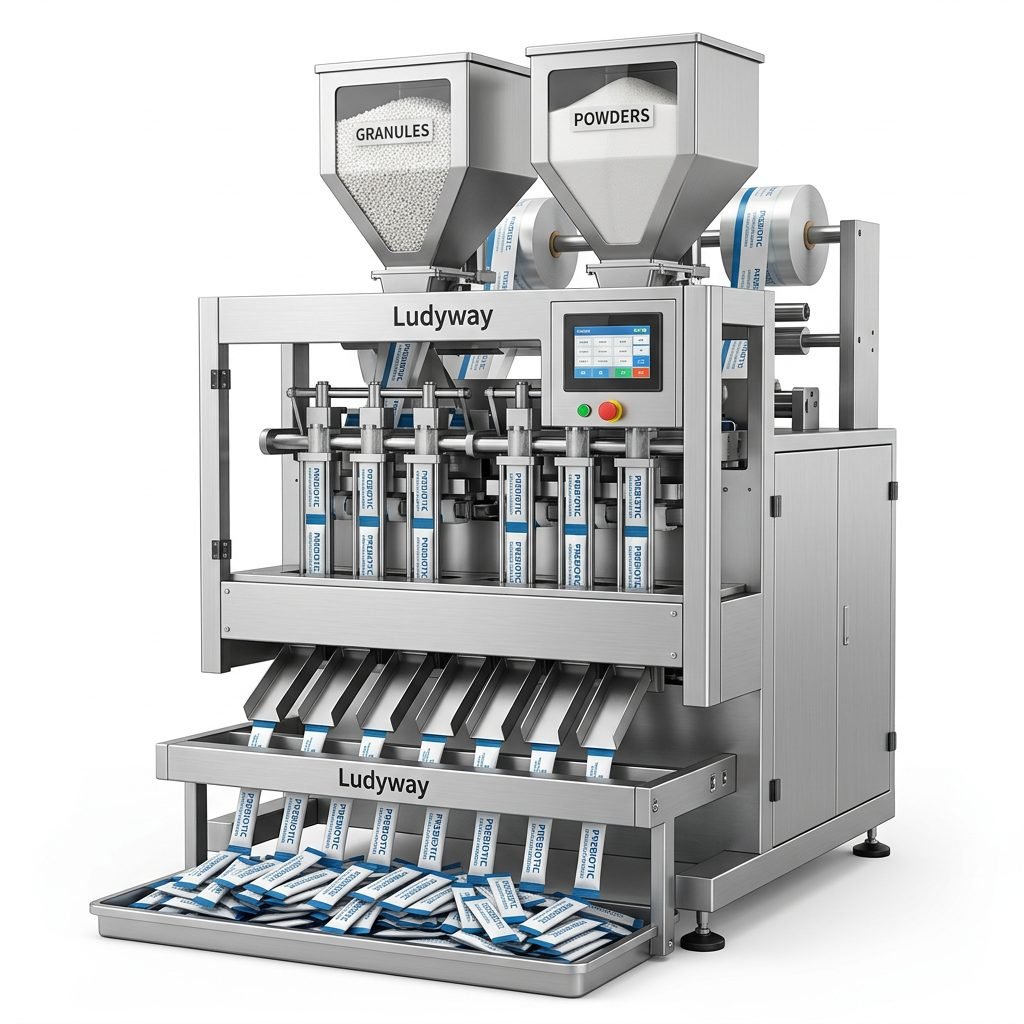
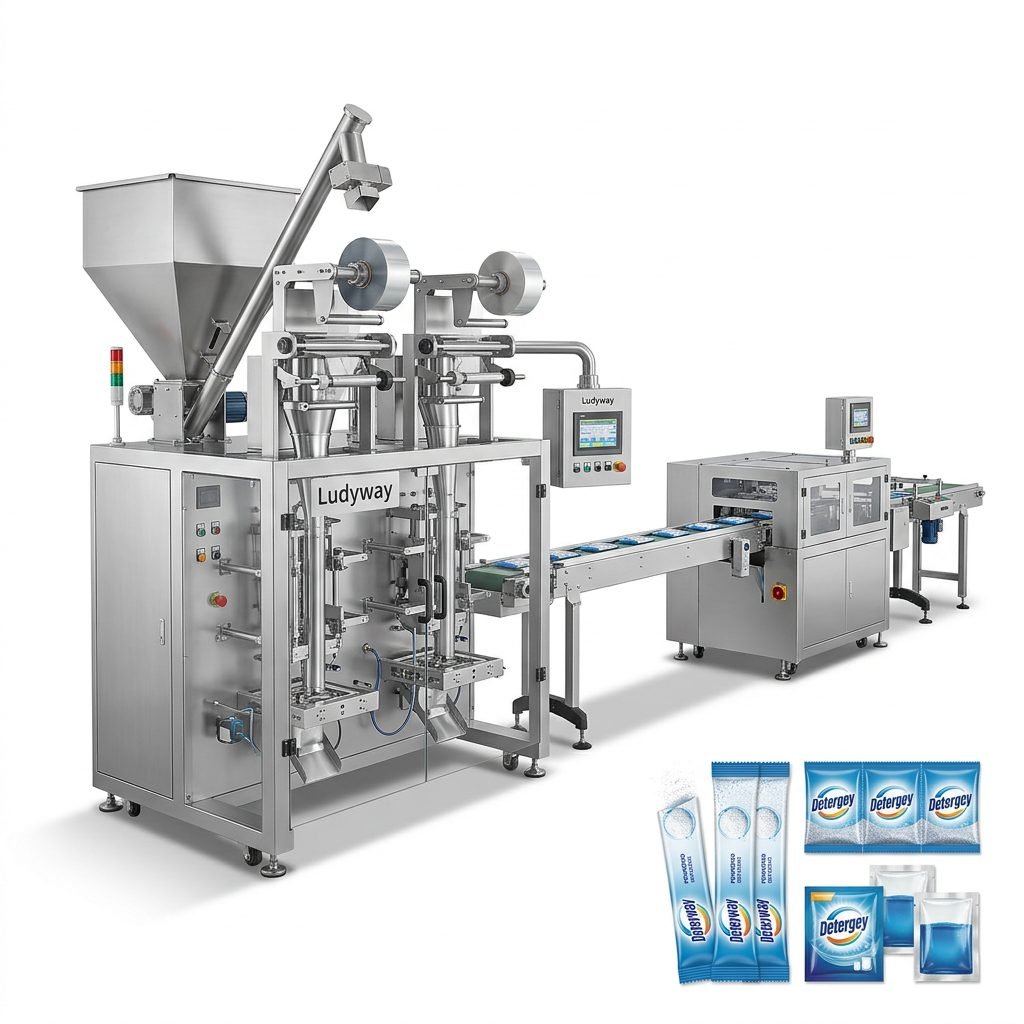
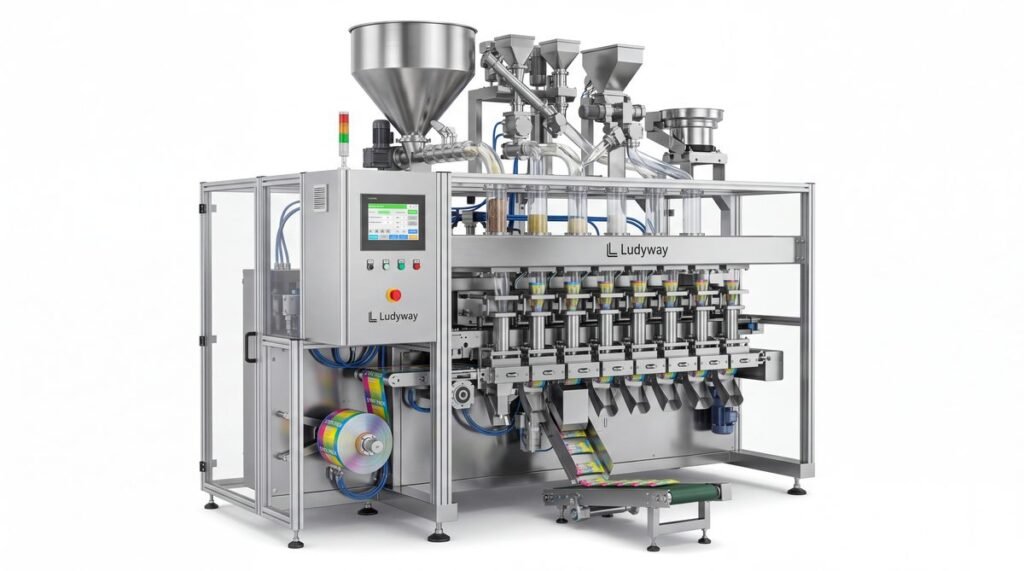
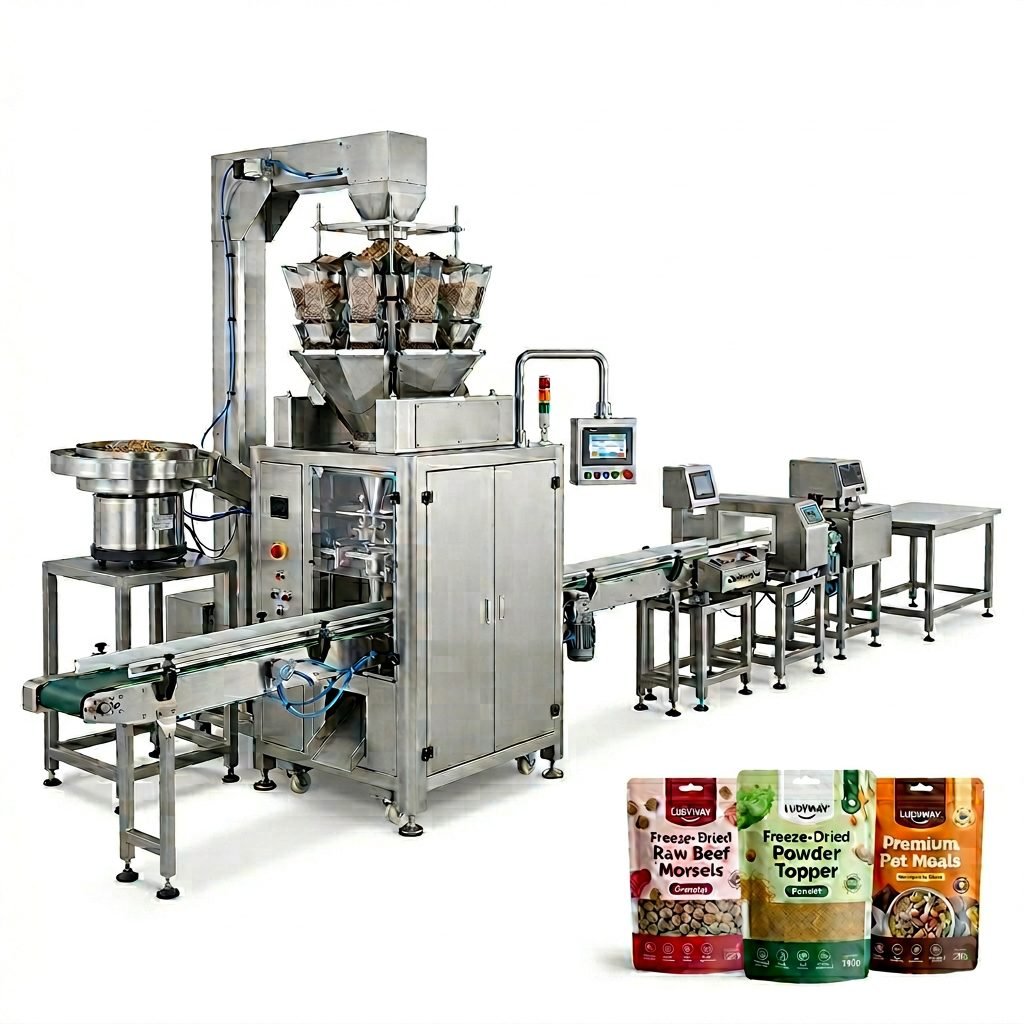
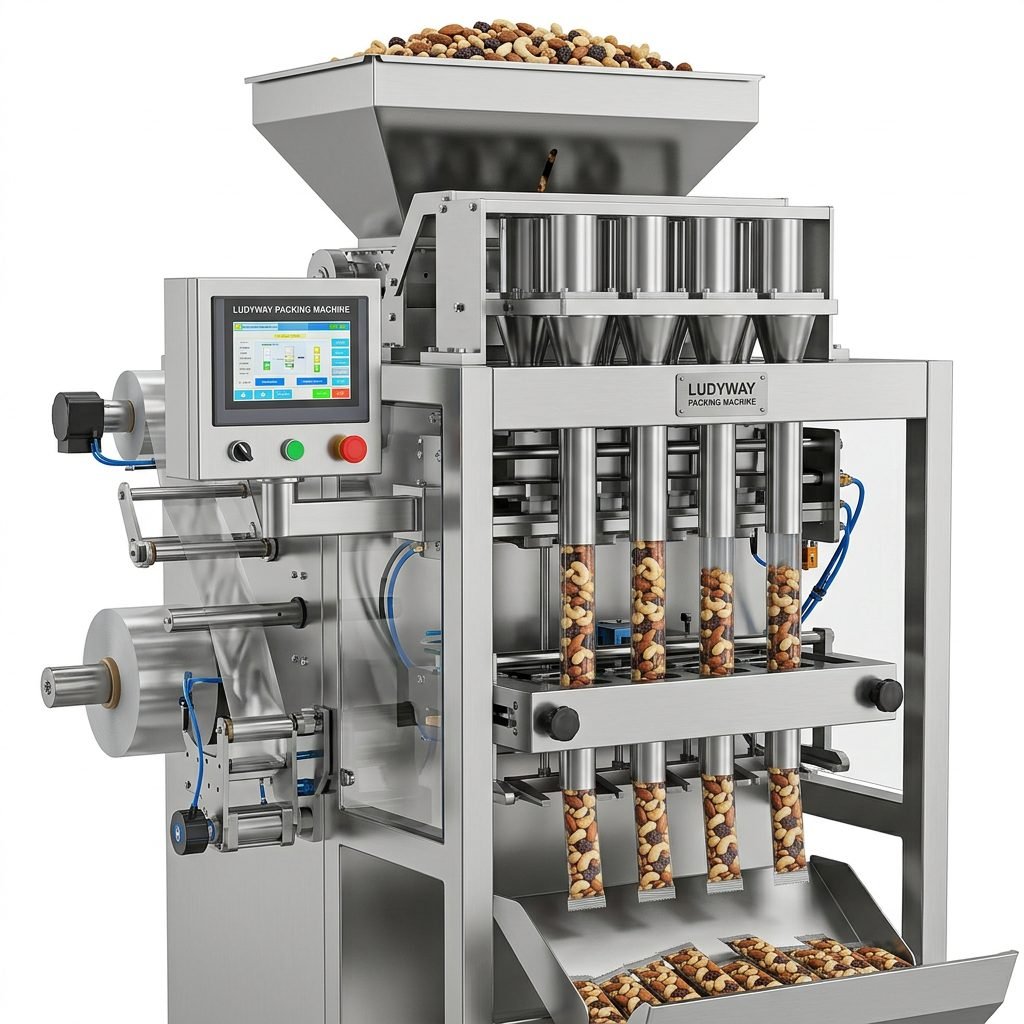
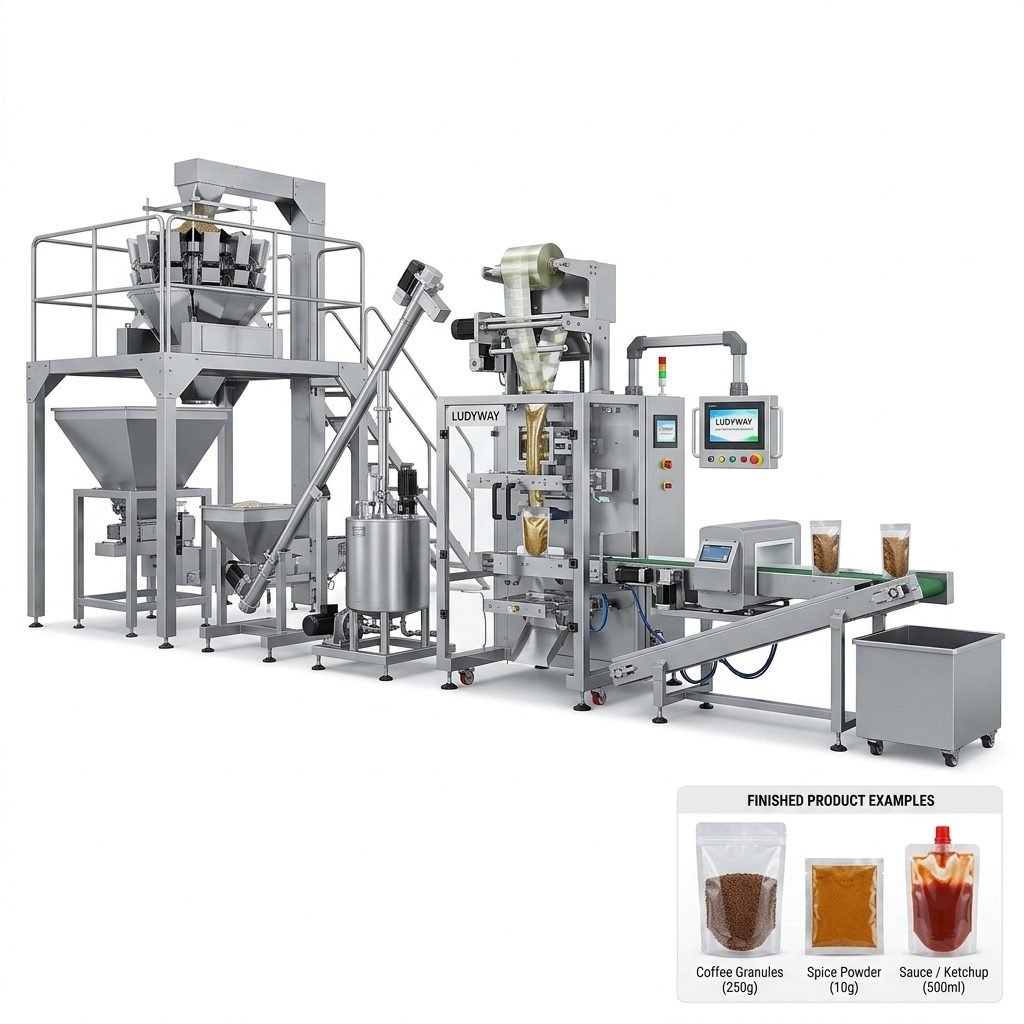
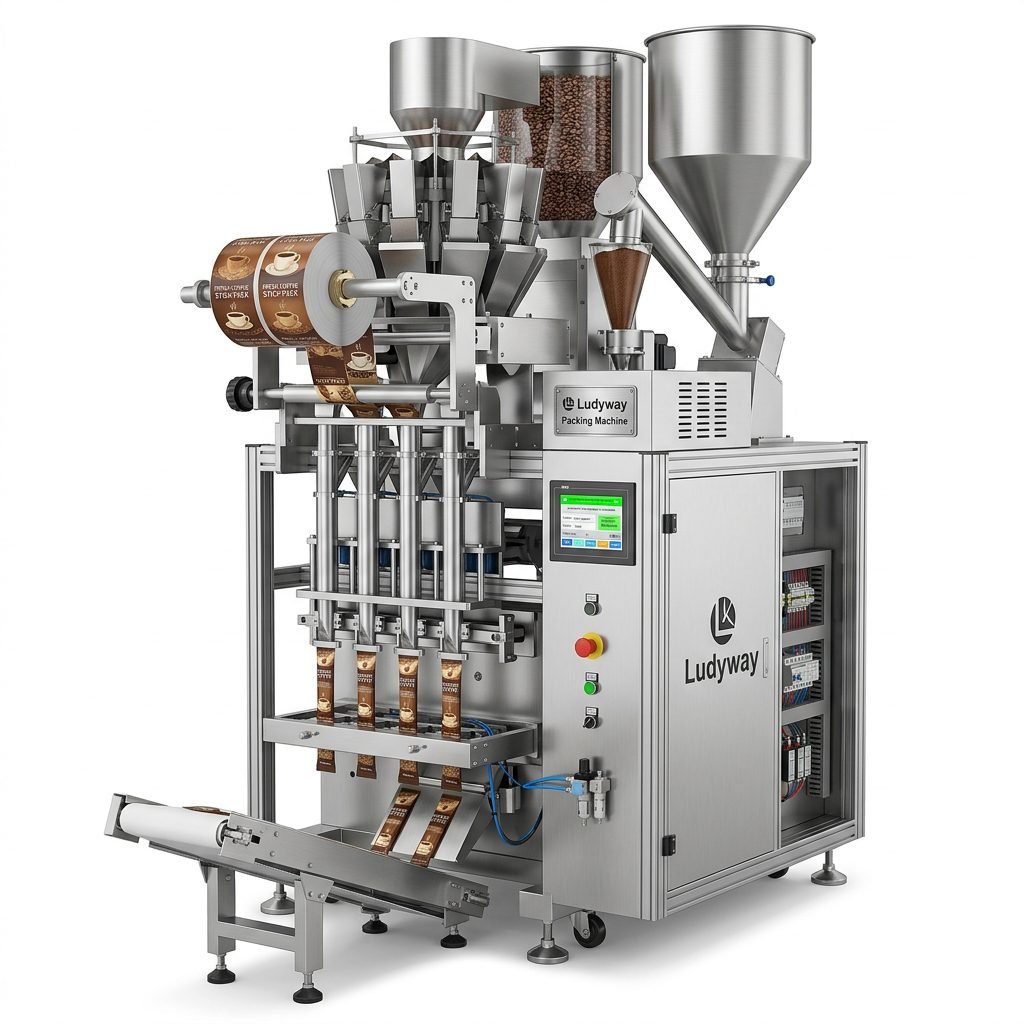
In today’s fast-paced manufacturing landscape, achieving optimal efficiency and productivity is paramount. High-performance packaging equipment solutions are no longer a luxury but a necessity for businesses aiming to streamline operations, reduce costs, and maintain a competitive edge. These advanced systems integrate cutting-edge automation and precision engineering to transform packaging lines from potential bottlenecks into engines of growth and reliability.
The Core Advantages of High-Performance Packaging Machinery
Investing in superior packaging equipment yields significant, measurable benefits that directly impact your bottom line. The primary advantage is a dramatic increase in production speed and output. Modern automated machines can operate continuously at high speeds, far surpassing manual or semi-automated processes. This allows you to meet larger order volumes and tighter deadlines without compromising quality.
Furthermore, these solutions deliver unparalleled consistency and accuracy in every package. From precise dosing of powders and granules to flawless sealing of sachets and stick packs, automation minimizes human error. This results in uniform product presentation, reduces material waste from overfilling or rejects, and ensures every unit meets stringent quality standards, enhancing your brand’s reputation for reliability.
Enhancing Operational Efficiency and Safety
Beyond speed and accuracy, high-performance packaging systems optimize overall operational workflow. They are designed for quick changeovers, enabling you to switch between different product formats or packaging materials with minimal downtime. This flexibility is crucial for manufacturers running multiple SKUs. Additionally, automating repetitive and physically demanding tasks improves workplace safety by reducing the risk of strain injuries and allows your skilled workforce to focus on more complex, value-added activities like quality control and process optimization.
Key Features of Advanced Packaging Systems
When evaluating packaging equipment, several critical features define a high-performance solution. Look for machines with robust, servo-driven mechanisms that offer precise motion control and energy efficiency. Intelligent Human-Machine Interface (HMI) panels are essential for easy operation, monitoring, and troubleshooting. Integrated checkweighers and vision inspection systems provide real-time quality assurance, automatically rejecting any non-conforming packages. Finally, compatibility with Industry 4.0 principles—such as data collection for predictive maintenance and overall equipment effectiveness (OEE) tracking—is becoming a standard expectation for future-proofing your investment.
Tailored Solutions for Diverse Industry Needs
The requirement for efficient packaging spans across numerous sectors, each with its unique challenges. In the food industry, equipment must handle everything from delicate spices and instant drink mixes to viscous sauces, often requiring strict hygiene standards like stainless-steel construction and easy-clean designs. For the pharmaceutical and nutraceutical sectors, precision and contamination control are non-negotiable. Machines must provide accurate, small-dose packaging for powders and granules in sachets or stick packs, often within controlled environments. Similarly, the daily chemical industry relies on durable systems to package detergents, shampoos, and other products reliably at high volumes.
Companies like Ludyway Machinery specialize in understanding these nuanced needs. With over 30 years of collective industry experience, they develop and supply more than 50 models of intelligent packaging machines, including multi-lane stick pack and sachet packaging systems, to provide turnkey solutions that are tailored rather than one-size-fits-all.
The Path to a Fully Automated Packaging Line
Transitioning to a high-performance, automated packaging line is a strategic process. It begins with a thorough analysis of your current production flow, output goals, and product characteristics. Experts then design a solution that may integrate several machines—such as a filler, sealer, cartoner, and case packer—into a synchronized line. The goal is to create a seamless flow from product infeed to palletizing, maximizing efficiency at every step. Professional suppliers support this journey from initial consultation and factory acceptance testing to installation, training, and ongoing technical support, ensuring a smooth implementation and rapid return on investment.
Driving Sustainability Through Smart Packaging
Modern packaging equipment also plays a pivotal role in corporate sustainability initiatives. High-precision dosing directly reduces material usage by minimizing overpackaging. Advanced machines can efficiently handle thinner, lighter, or recycled packaging films without compromising seal integrity, helping to reduce plastic consumption. Moreover, energy-efficient drives and smart systems that minimize downtime contribute to a lower overall carbon footprint for your manufacturing operations, aligning efficiency with environmental responsibility.
Conclusion: Investing in Future-Proof Production
Adopting high-performance packaging equipment is a decisive step toward building a more resilient, profitable, and agile manufacturing operation. The combination of increased speed, unwavering quality, operational flexibility, and data-driven insights empowers businesses to scale confidently and respond to market demands. By partnering with an experienced provider committed to innovation and tailored solutions, you secure not just a machine, but a strategic asset for long-term growth and competitiveness in the global marketplace.
Frequently Asked Questions (FAQs)
Q1: What is the typical ROI period for investing in automated packaging equipment?
The return on investment can vary but often ranges from 12 to 24 months. Savings are realized through significantly increased output, reduced labor costs, lower material waste from precise dosing, and decreased downtime.
Q2: Can automated machines handle small batch production or frequent product changeovers?
Yes. Modern machines are designed for flexibility. Features like recipe storage on the HMI, quick-change parts, and servo-driven adjustments allow for efficient changeovers, making automation viable even for smaller batch runs.
Q3: How do I ensure the packaging machine is suitable for my specific product (e.g., a sticky powder or abrasive granule)?
Reputable suppliers offer product testing services. You can send samples to their facility to run trials on the actual equipment. This proves the machine’s performance with your exact material before purchase and helps fine-tune the configuration.
Q4: What kind of training and after-sales support is typically provided?
Comprehensive support includes on-site installation supervision, detailed operational and maintenance training for your technicians, and access to technical support via phone or online. Many providers also offer spare parts programs and preventive maintenance contracts.
Q5: Are these machines compatible with factory data collection systems for smart manufacturing?
Most high-performance packaging systems are now built with Industry 4.0 connectivity in mind. They can provide valuable data on production counts, machine status, and OEE metrics, which can be integrated into your factory’s central monitoring system for real-time insights.