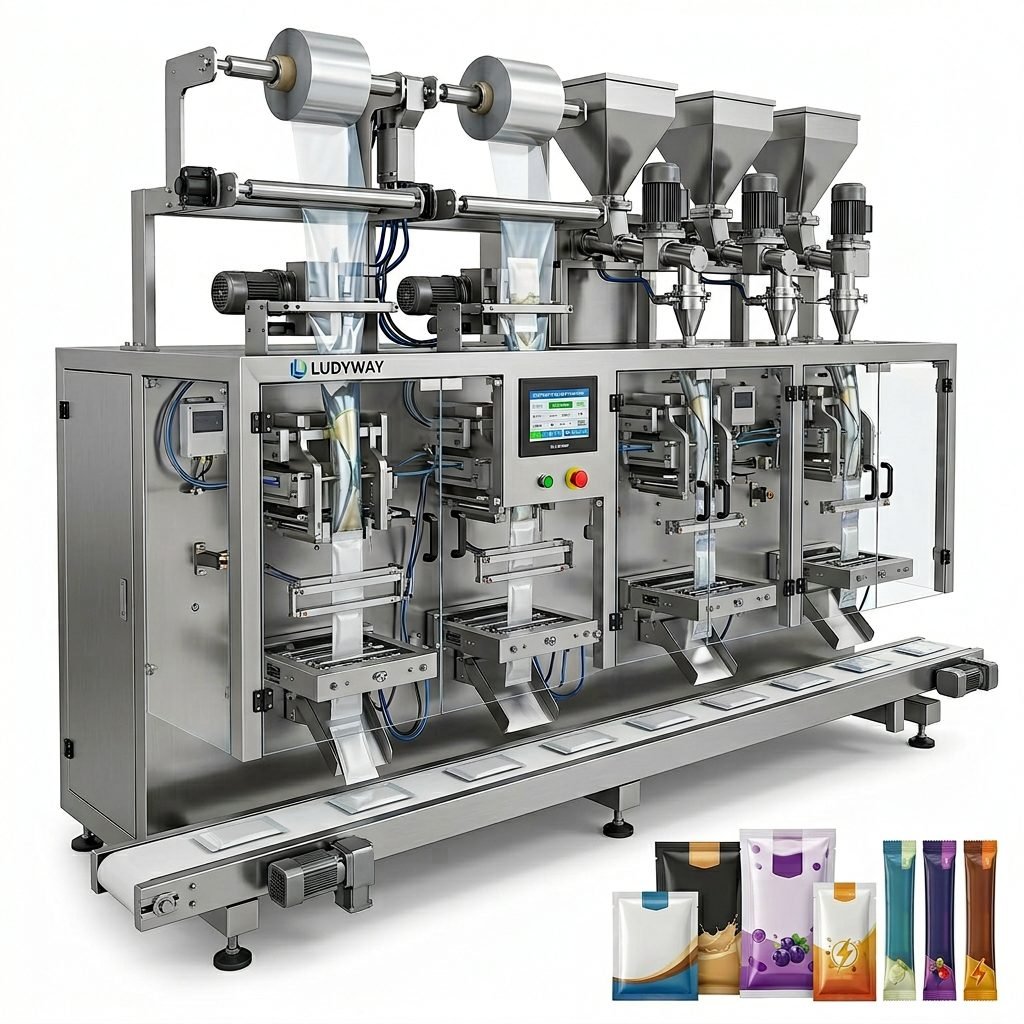
Selecting the right packaging machine manufacturer in Malaysia is a critical decision for any business aiming to enhance efficiency, ensure product quality, and scale operations. The Malaysian market, with its diverse manufacturing sectors—from food and beverage to pharmaceuticals and consumer goods—demands reliable, high-performance packaging solutions that can adapt to local production needs and international standards. A strategic partnership with a capable manufacturer can significantly impact your bottom line and competitive edge.
Understanding Your Specific Packaging Needs in Malaysia
Before beginning your search, it’s essential to conduct a thorough analysis of your operational requirements. Malaysian businesses often face unique challenges, such as humidity control for food products, compliance with Halal certification standards, and the need for multilingual labeling for both domestic and export markets. Consider the type of product you are packaging—whether it’s granules, powder, liquid, or pouches—and the required speed, accuracy, and level of automation. Defining these parameters upfront will help you narrow down manufacturers who specialize in your specific niche.
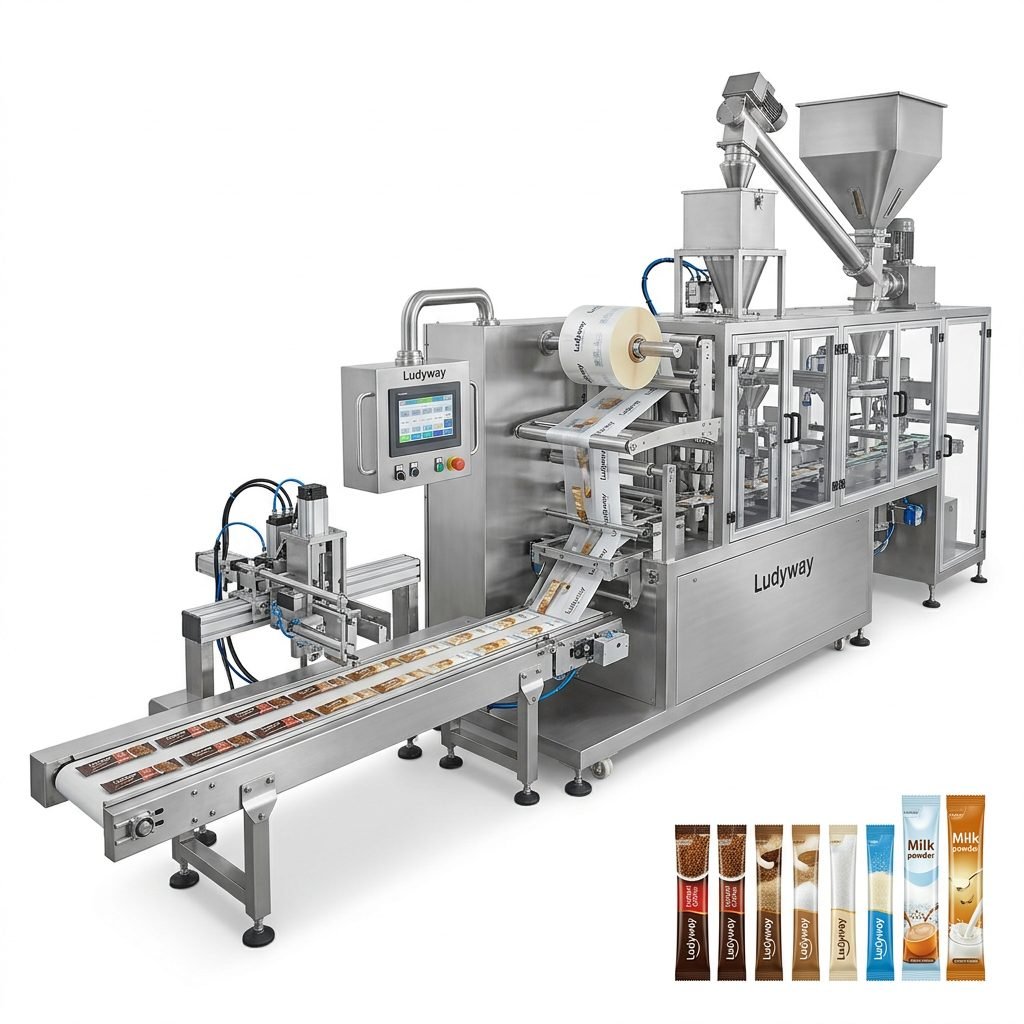
Key Factors to Evaluate in a Manufacturer
When assessing potential partners, look beyond the basic machine specifications. A manufacturer’s reputation is built on several pillars that ensure long-term success for your investment.
1. Technical Expertise and Industry Experience
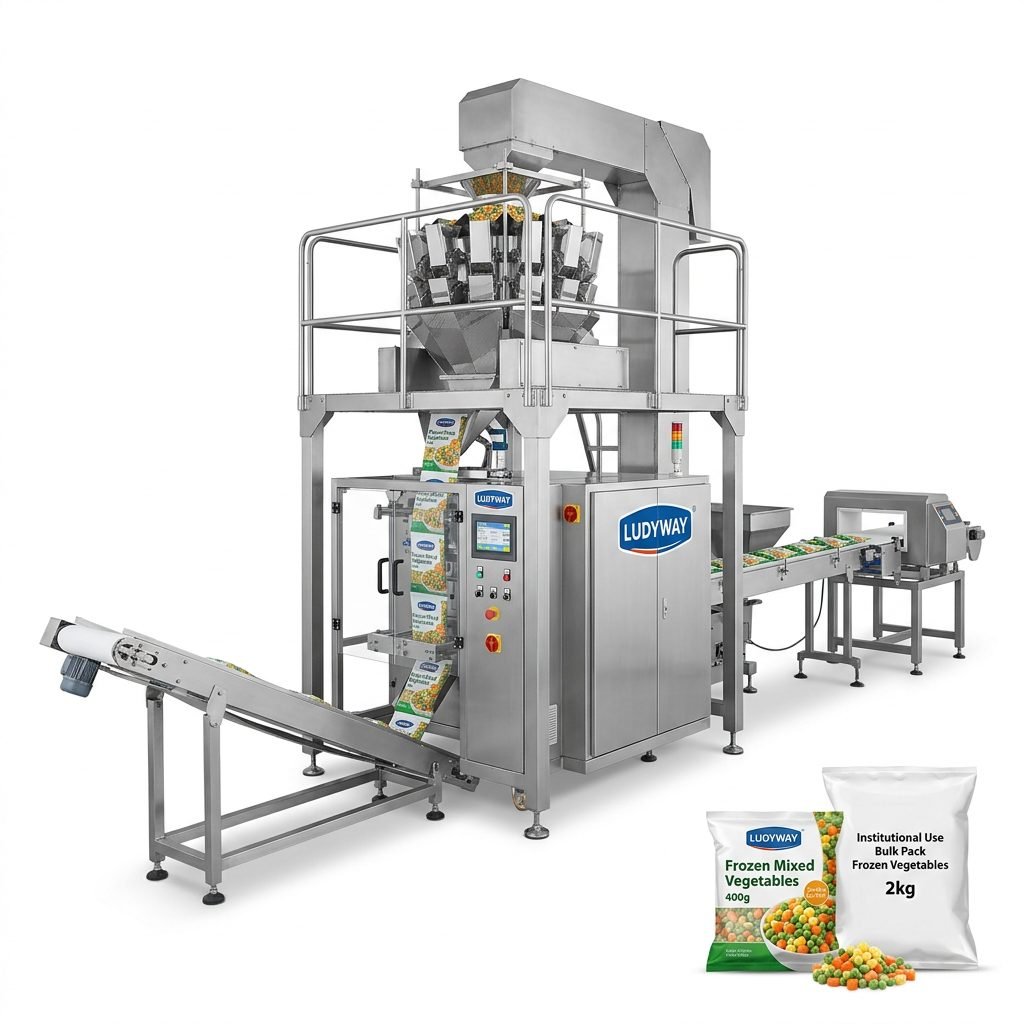
Experience is paramount. A manufacturer with decades in the industry, like Ludyway, brings invaluable knowledge of solving complex packaging challenges. Look for a track record of successful projects in your sector. For instance, if you are in the food industry, a manufacturer experienced with hygienic design and easy-clean features is crucial. Similarly, pharmaceutical clients should prioritize manufacturers with expertise in GMP-compliant, precision-dosing systems.
2. Manufacturing Capability and Quality Control
The scale and modernity of a manufacturer’s production facility directly influence machine quality and delivery timelines. A company operating from a large, modern facility (e.g., 20,000㎡ like Ludyway’s) typically has better control over the supply chain and in-house machining, leading to higher consistency. Inquire about their quality control protocols, testing procedures, and the use of premium components from reputable international suppliers to ensure machine durability.
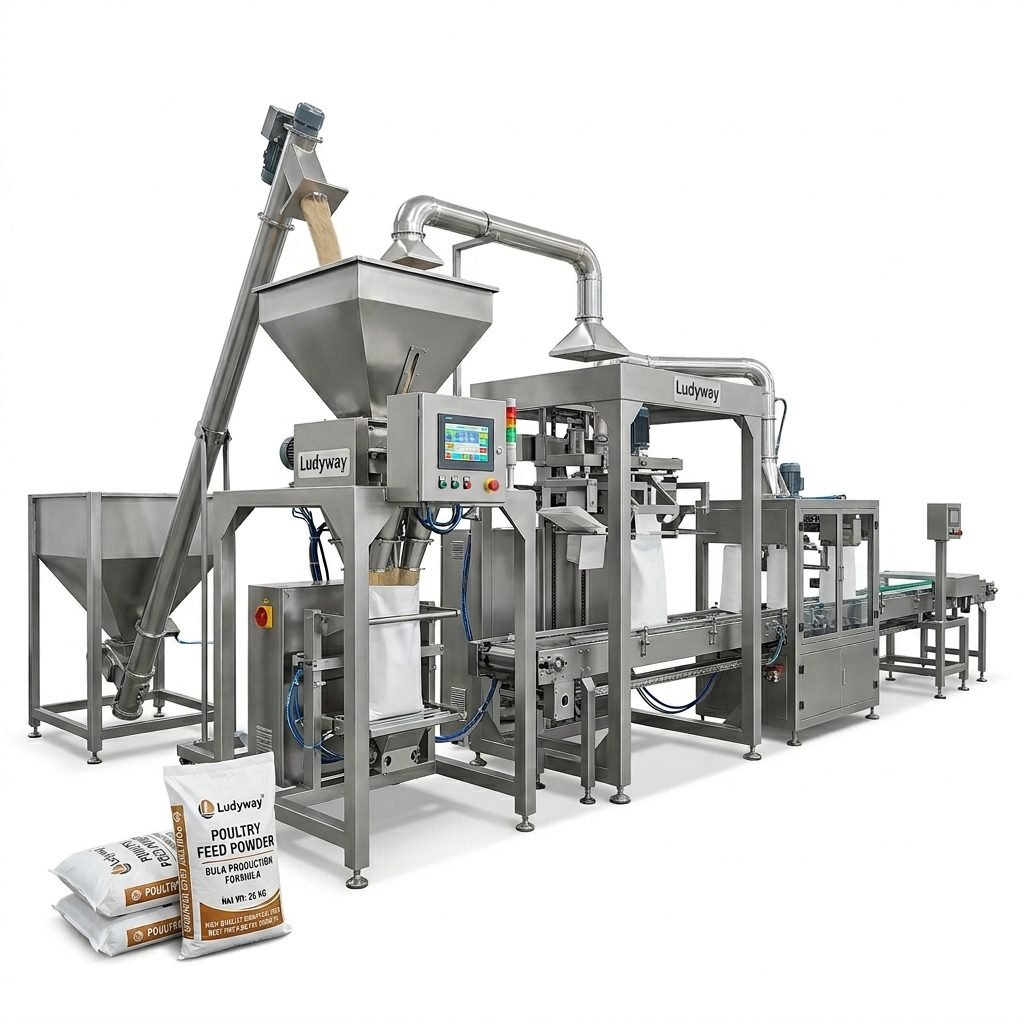
3. Range of Product Portfolio and Customization
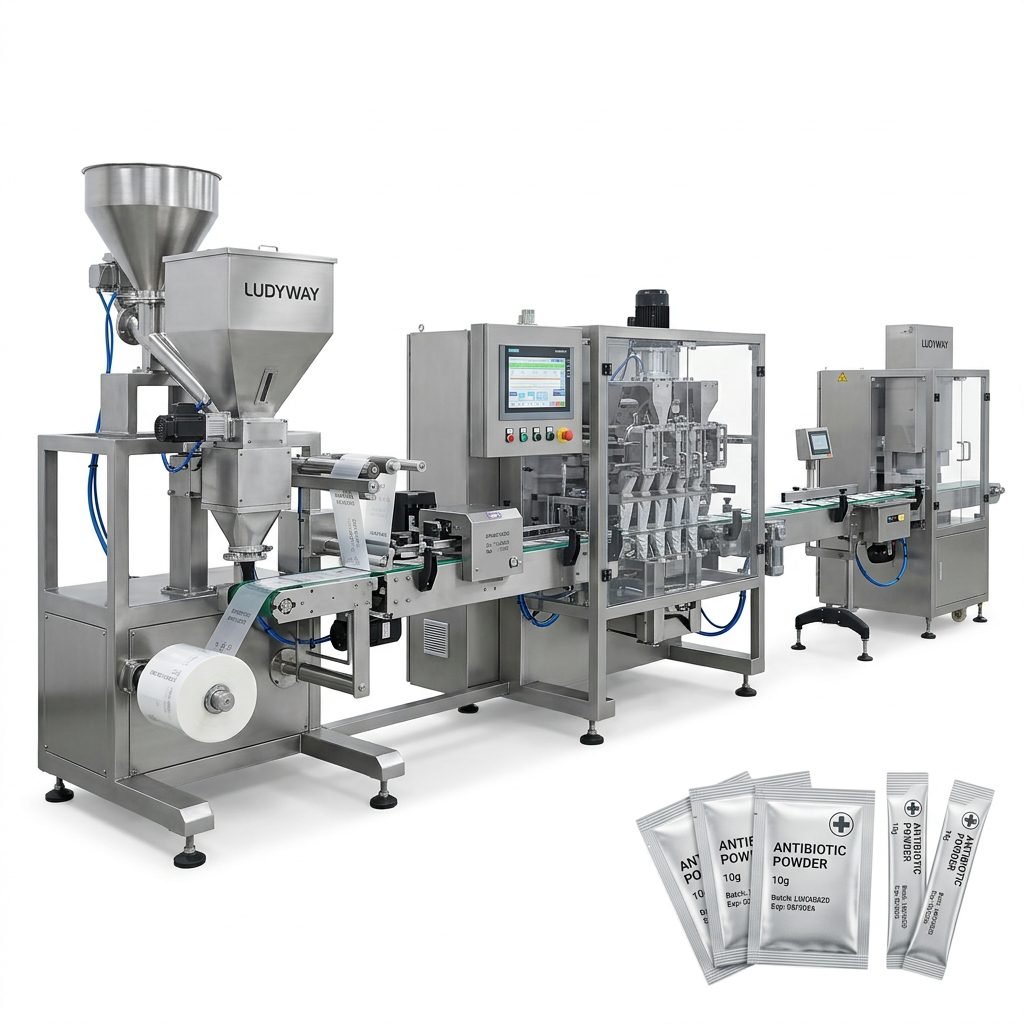
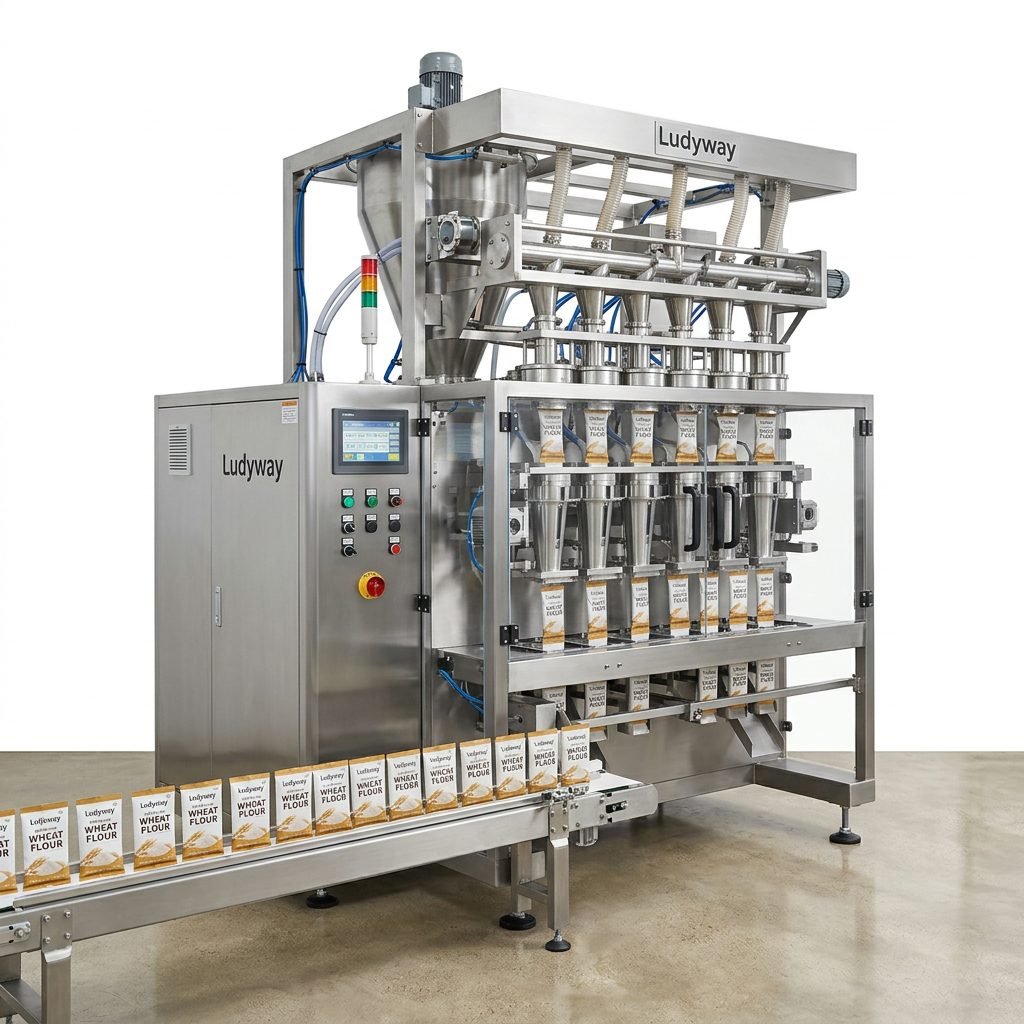
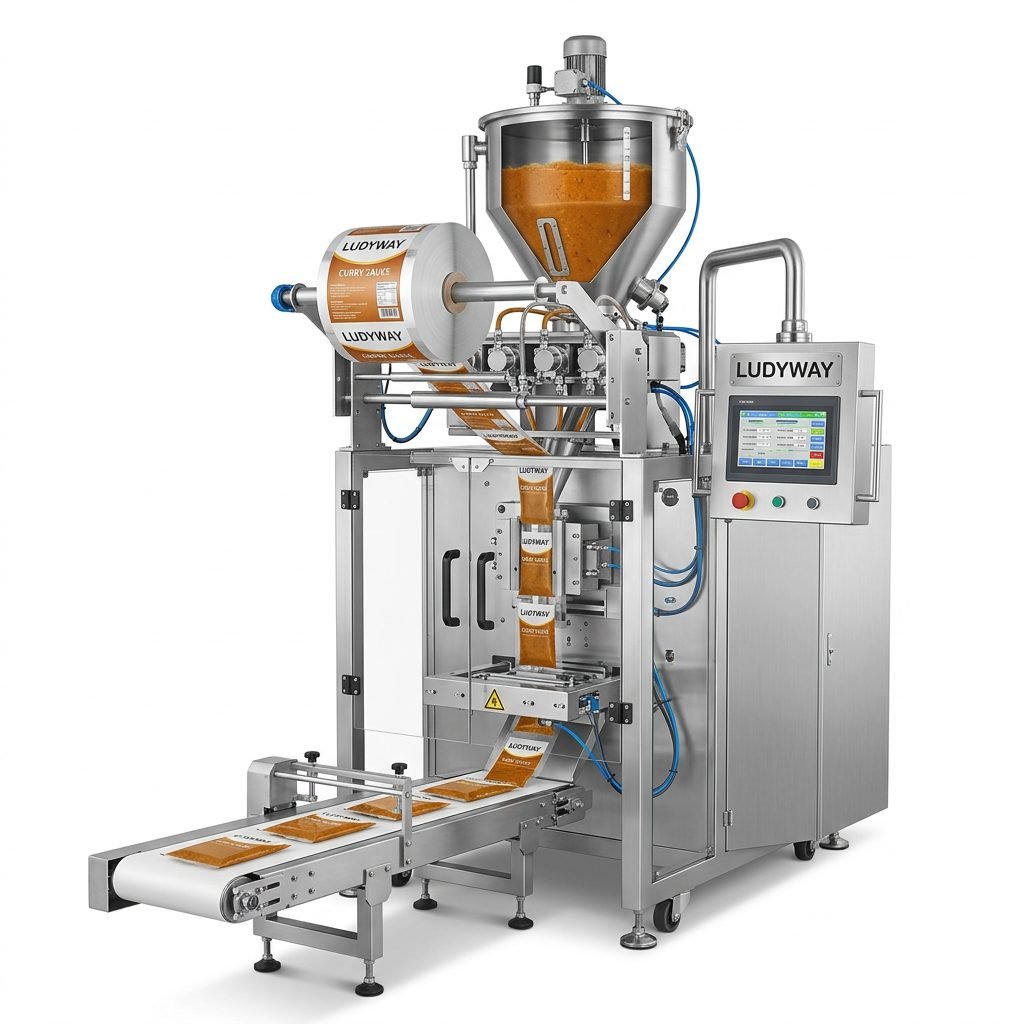
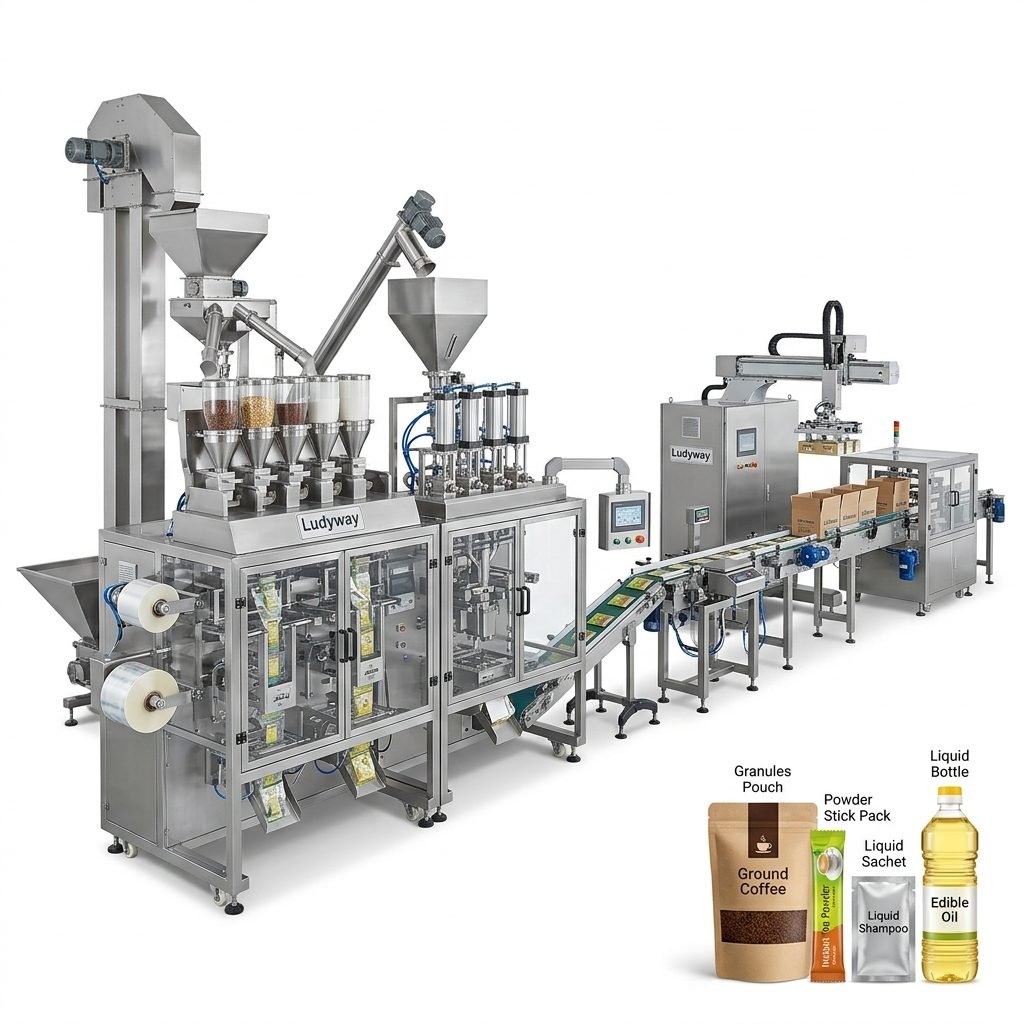
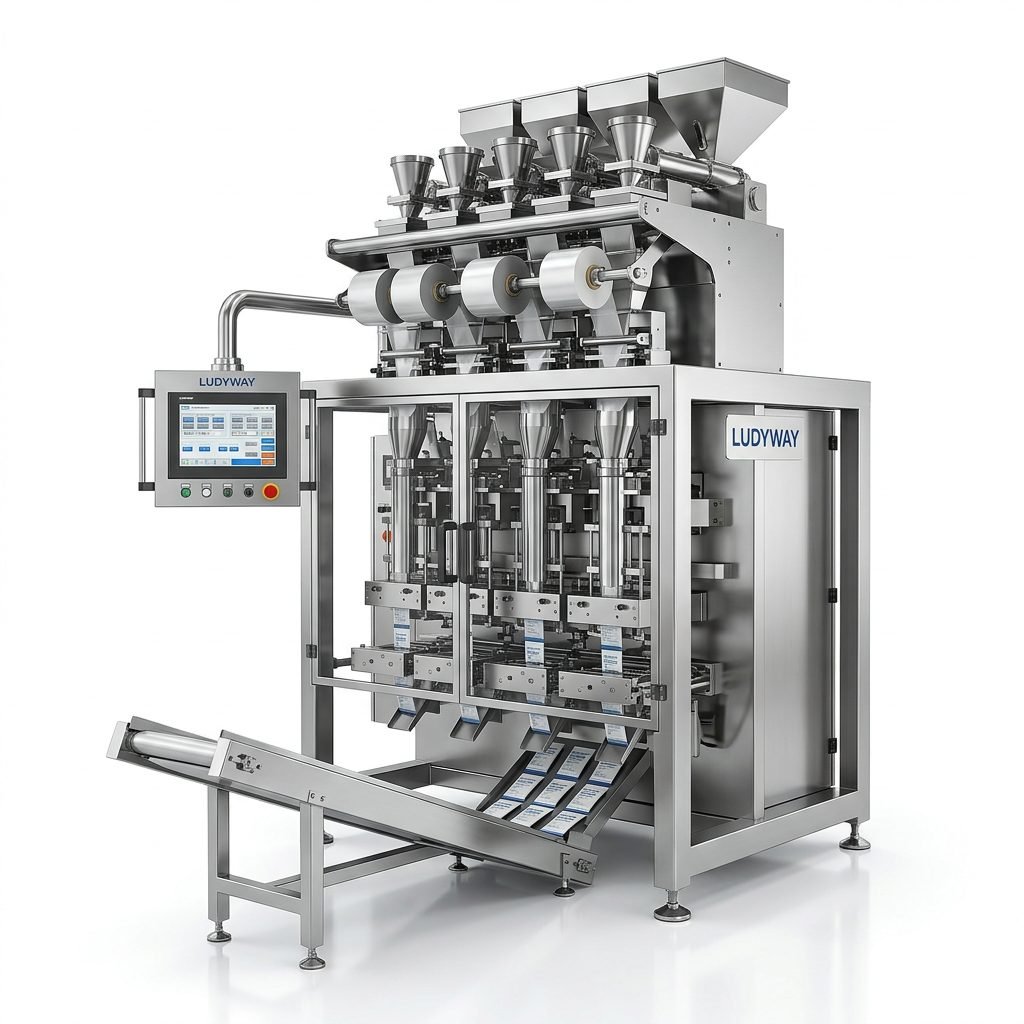
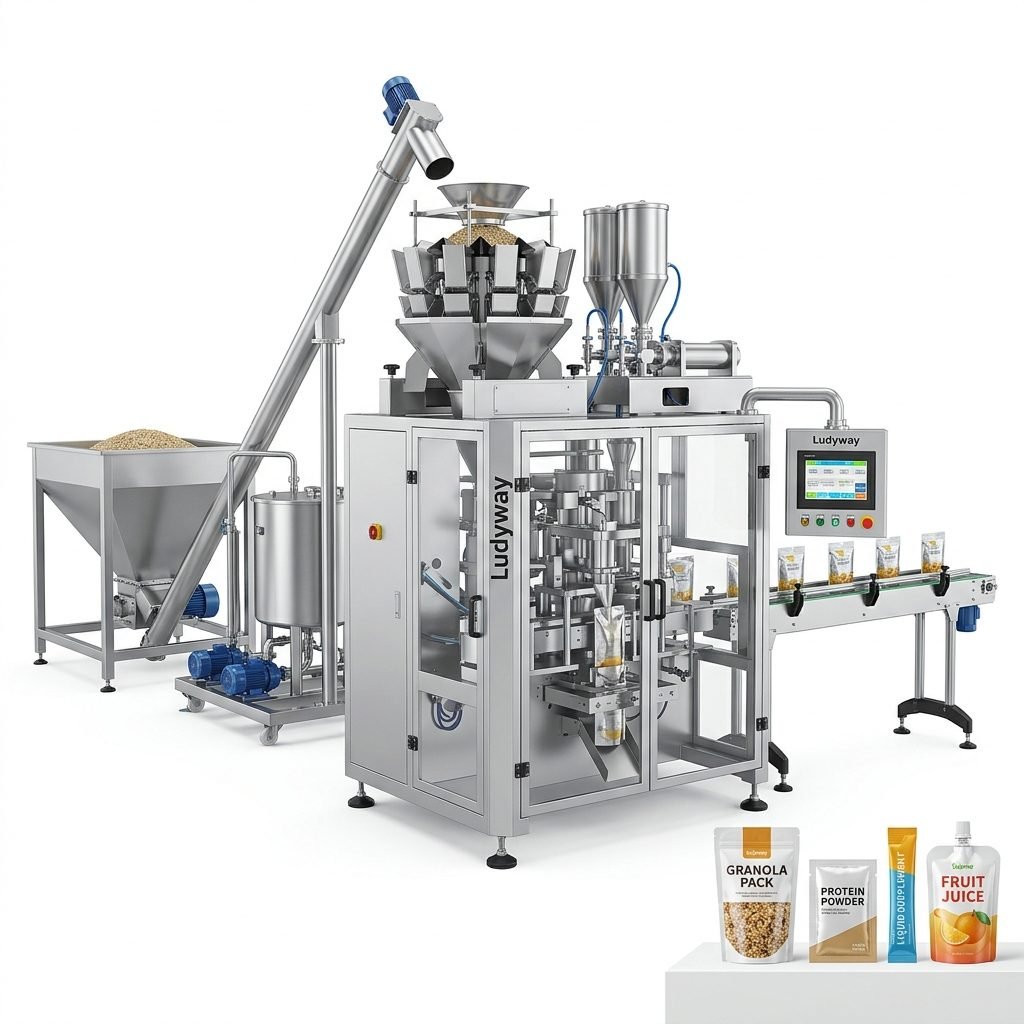
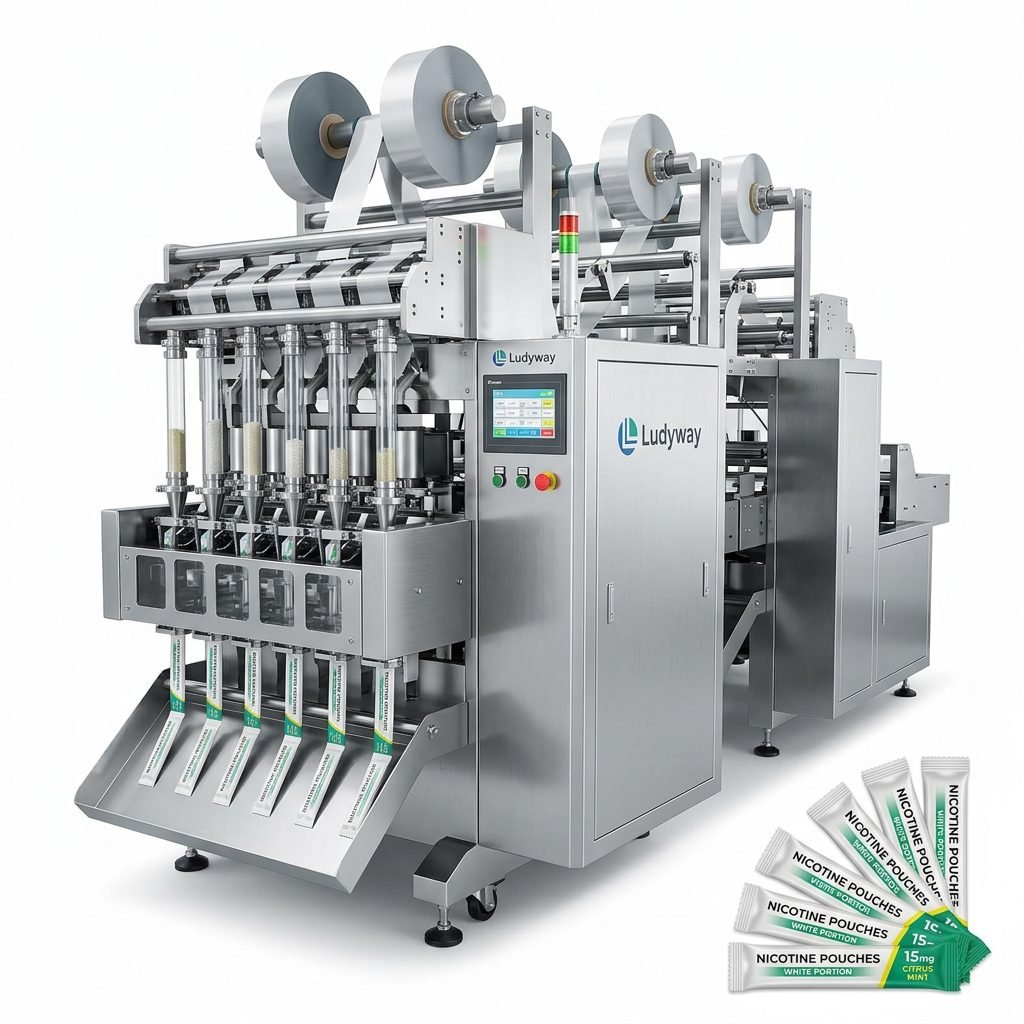
A broad product portfolio indicates a manufacturer’s versatility. Whether you need a simple sachet machine or a complete turnkey line, the ability to offer various solutions—from stick pack and sachet machines to liquid fillers and cartoning systems—is a significant advantage. More importantly, assess their customization capability. Can they modify machines to fit your unique product characteristics, factory layout, or output requirements? This flexibility is vital for addressing specific Malaysian market demands.
The Importance of Localized Support and Service
For Malaysian businesses, having access to prompt and reliable after-sales support is non-negotiable. Downtime can be extremely costly. Evaluate the manufacturer’s service network in the ASEAN region.
- Technical Support: Is 24/7 remote support available? How quickly can an engineer be dispatched to your site in Malaysia?
- Spare Parts Availability: A local warehouse for critical spare parts drastically reduces machine idle time.
- Training: Comprehensive training for your operators and maintenance team ensures smooth operation and prolongs equipment life.
Manufacturers with a strong global presence, such as Packmate Machinery or PacklineOEM, often have established channels to provide this essential localized support.
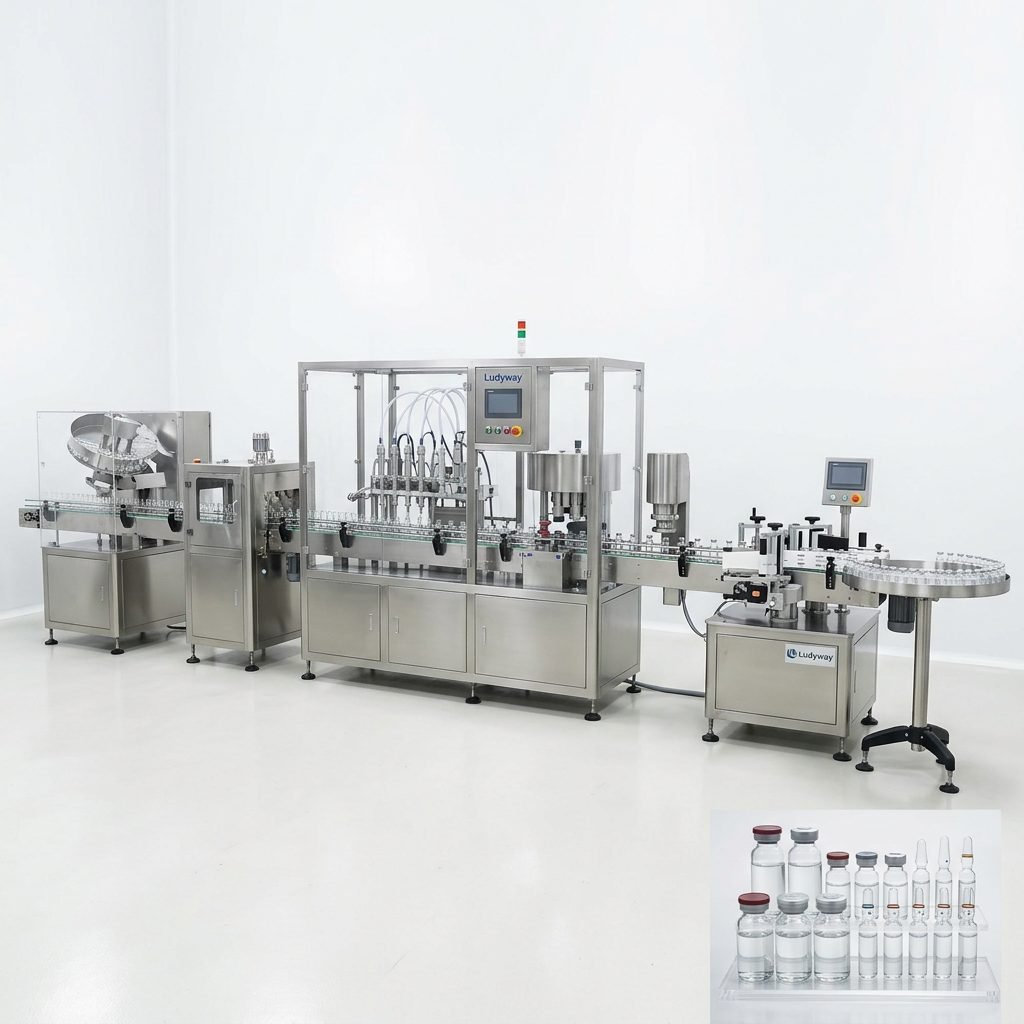
Comparing Cost vs. Value: A Strategic Investment
While initial cost is a consideration, the true evaluation should be based on Total Cost of Ownership (TCO). A cheaper machine may have higher long-term costs due to frequent breakdowns, low efficiency, and high energy consumption. Consider:
- Energy Efficiency: Machines with servo-driven technology often consume less power.
- Output and Yield: Higher precision filling reduces product giveaway, saving material costs.
- Maintenance Costs: Robustly built machines with accessible components lower maintenance expenses.
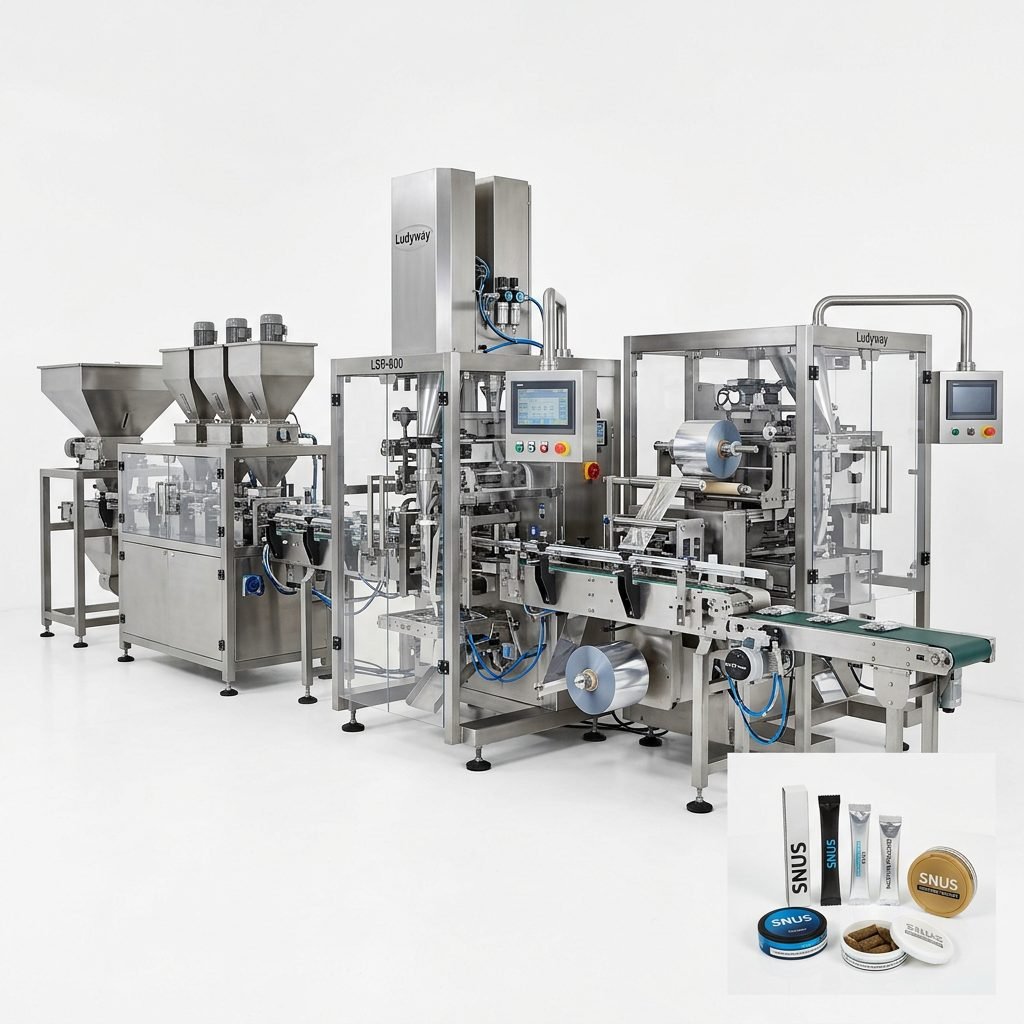
Leading manufacturers like PackingMachineOEM and SnusMachinery focus on delivering high-value, cost-effective solutions by optimizing these factors, ensuring your investment pays off through increased productivity and lower operational costs.
Navigating the Supplier Landscape: Key Players
The global packaging machinery market includes several prominent Chinese manufacturers known for combining advanced technology with competitive pricing. Understanding their specializations can guide your choice:
- Ludyway: A major manufacturer with over 30 years of expertise, offering a wide range of over 50 intelligent machine models for food, pharma, and health industries. They are known for reliable turnkey solutions and a strong global service network.
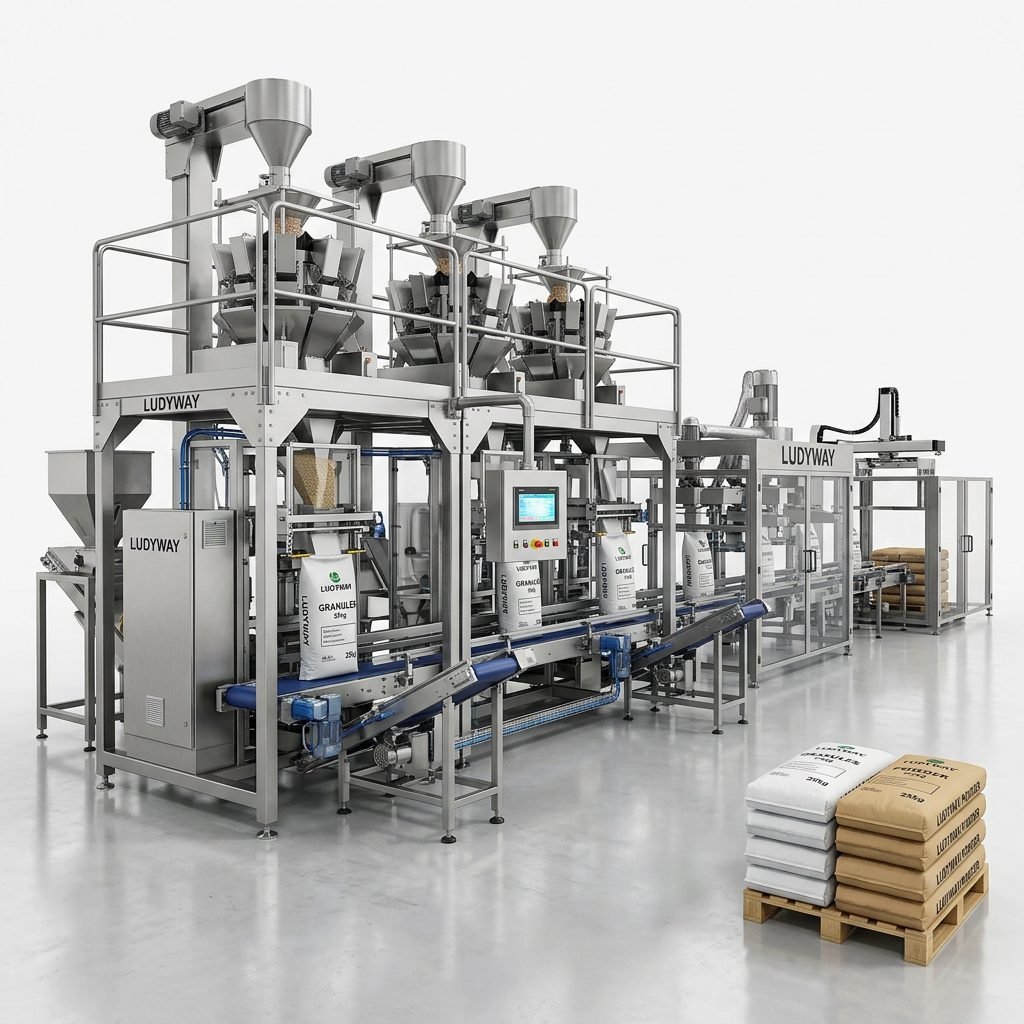
- Packmate Machinery & PacklineOEM: Recognized as leading manufacturers of complete packaging lines, ideal for businesses looking for integrated, high-volume production systems.
- PackingMachineOEM: Specializes in non-standard, custom-built packaging machinery, suitable for unique or complex packaging applications.
- SnusMachinery: A niche expert in machinery for oral nicotine pouches and related products, serving a specific but growing market segment.
Engaging with multiple suppliers for quotations and detailed proposals is a recommended step to compare their understanding of your project and their proposed solutions.
Making the Final Decision and Building a Partnership
After shortlisting potential manufacturers, take these final steps:
- Request References: Speak with existing clients, especially those in Malaysia or with similar products.
- Factory Audit (Virtual or Physical): If possible, visit the manufacturing facility to assess their capabilities, quality processes, and R&D department firsthand.
- Review Contract Terms: Clearly understand warranties, payment terms, delivery schedules, and responsibilities for installation and commissioning.
The goal is to move beyond a simple buyer-supplier relationship to a strategic partnership. A manufacturer invested in your success will provide continuous support, offer upgrades, and help you adapt to future market changes.
Frequently Asked Questions (FAQs)
Q1: Why should a Malaysian business consider a Chinese packaging machine manufacturer?
Chinese manufacturers like Ludyway, Packmate, and others offer an excellent balance of advanced technology, proven reliability, and cost-effectiveness. They have extensive experience exporting to over 100 countries, including many in Southeast Asia, and often design machines to meet international standards, making them well-suited for Malaysia’s export-oriented industries.
Q2: How do I ensure the machine will comply with Malaysian regulations?
Discuss all regulatory requirements (e.g., safety standards, Halal compliance if applicable) with the manufacturer during the design phase. Reputable manufacturers can provide machines with CE certification and use food-grade or pharmaceutical-grade materials. They can also advise on local certification processes in Malaysia.
Q3: What is the typical lead time for a packaging machine delivery to Malaysia?
Lead times vary based on machine complexity and customization. For standard models, it can range from 30 to 60 days. For fully custom turnkey lines, it may take 3 to 6 months. Always confirm the detailed production and shipping schedule with your supplier.
Q4: Can I get local technical support and spare parts in Malaysia?
Many leading Chinese manufacturers have established regional service centers or local agents in Southeast Asia. It is crucial to verify the availability of local engineers and a spare parts inventory in or near Malaysia to minimize potential downtime.
Q5: What after-sales services are typically included?
Standard after-sales service usually includes remote technical support, on-site installation supervision, operator training, and a warranty period (commonly 12-18 months). Clarify what is included in the package and the costs for extended support or service contracts.