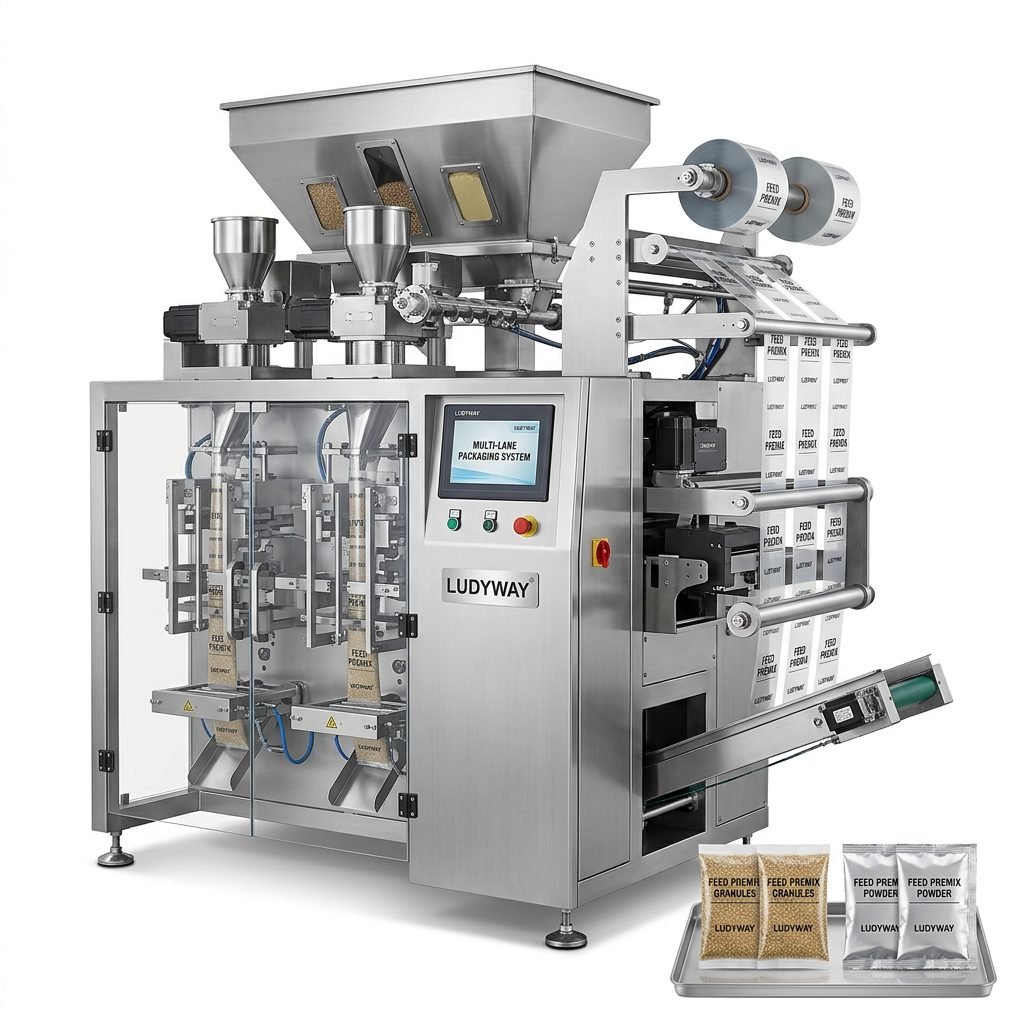
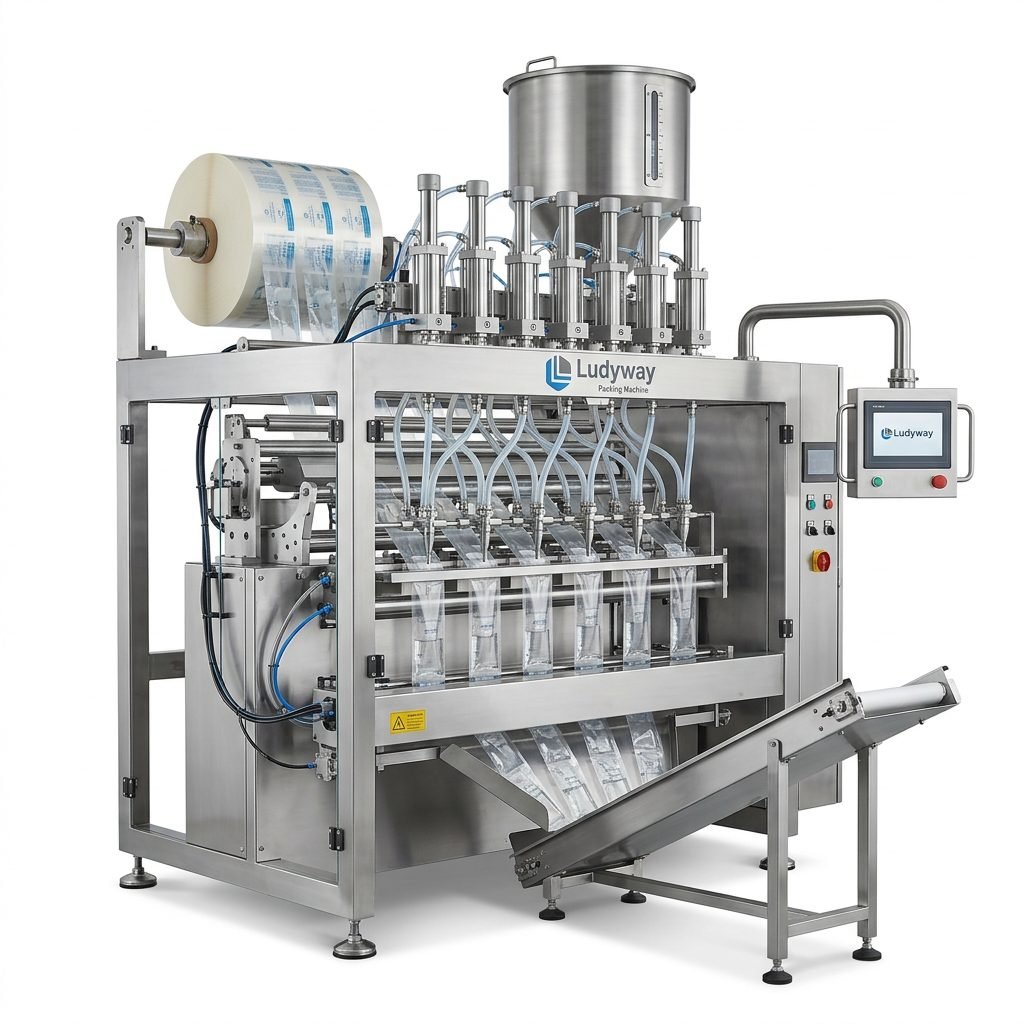
Selecting the right packaging machine manufacturer is a critical business decision for Zimbabwean companies. The choice directly impacts production efficiency, product quality, and long-term operational costs. For businesses in Zimbabwe’s growing food processing, pharmaceutical, and agricultural sectors, finding a reliable partner that understands local market dynamics and provides robust, cost-effective solutions is paramount. This guide outlines the key factors to consider and offers expert tips to help you make an informed decision.
Understanding Your Specific Packaging Needs in Zimbabwe
Before evaluating manufacturers, clearly define your operational requirements. Zimbabwean businesses often face unique challenges, including fluctuating power supply, the need for robust equipment that handles local raw materials, and a demand for versatile machines suitable for both domestic and export-oriented production.
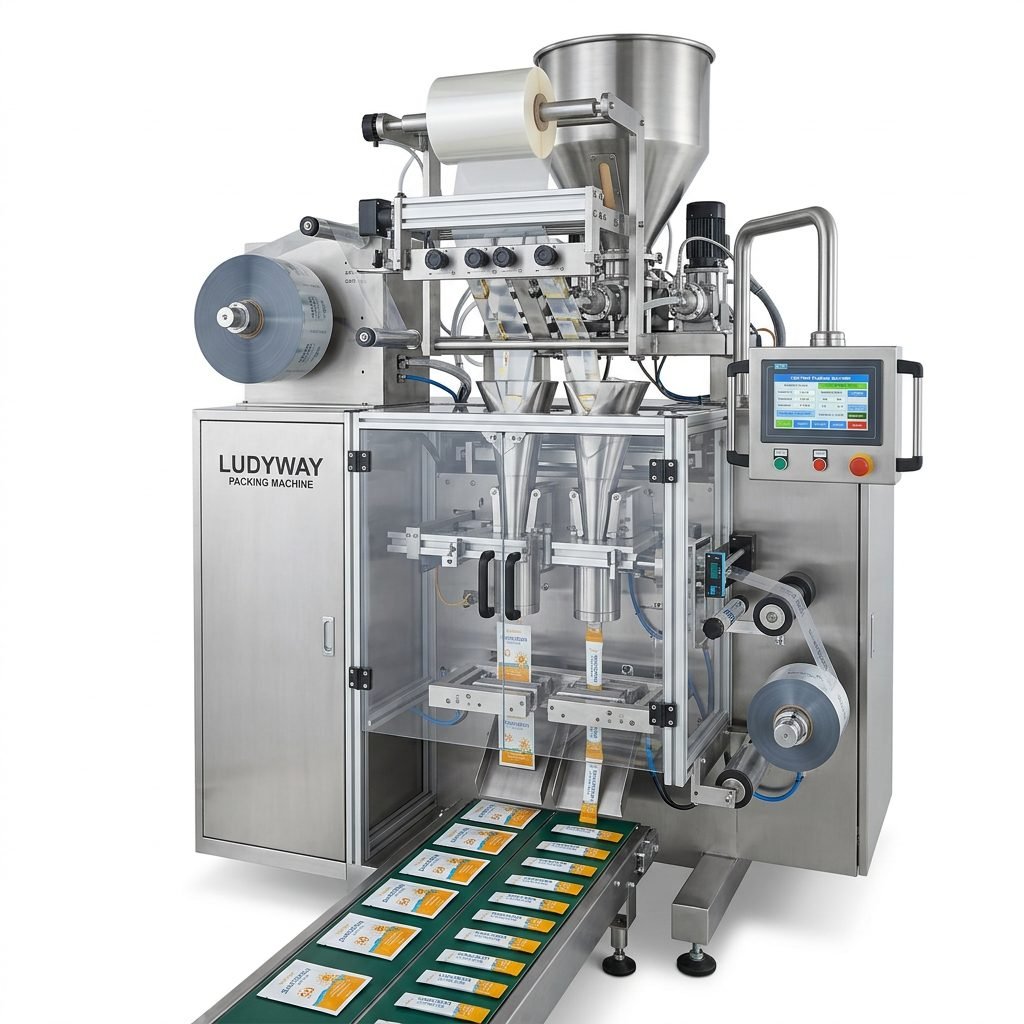
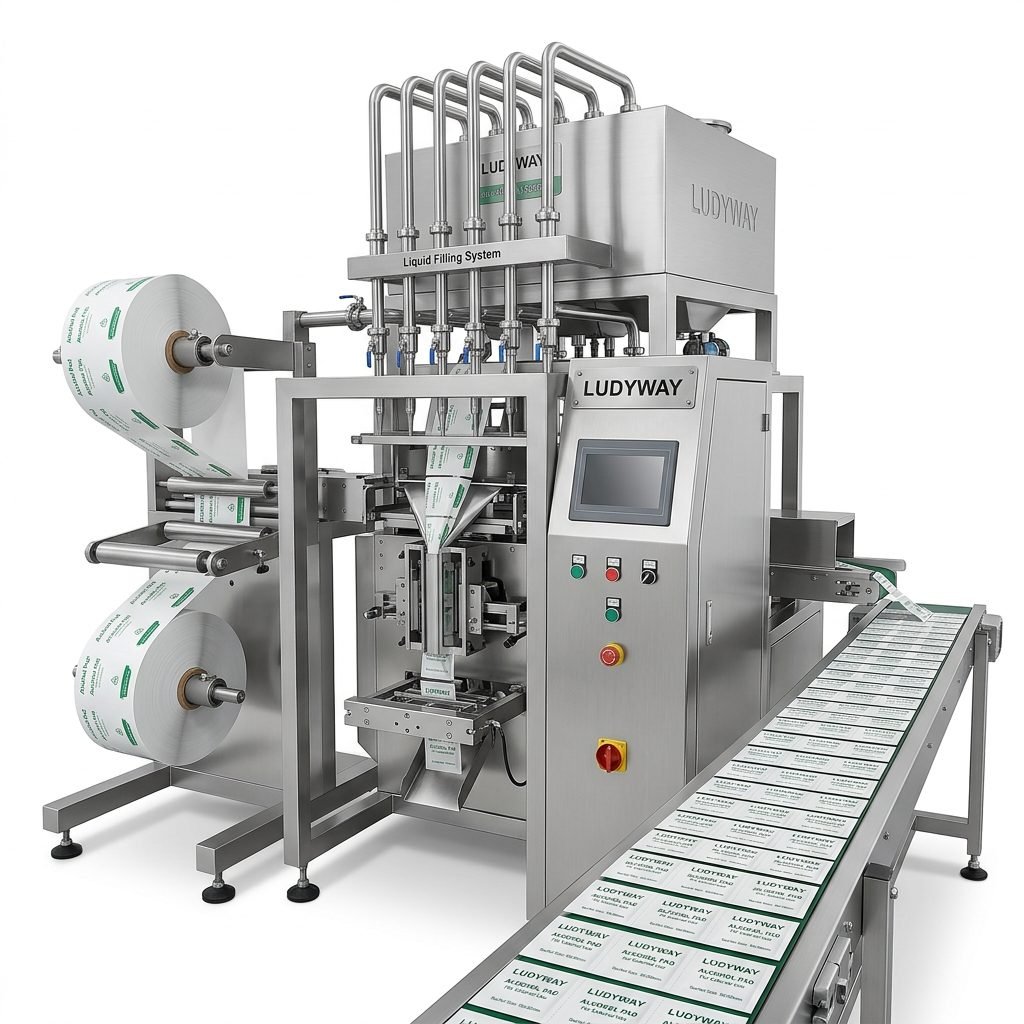
Consider the product type (granules, powder, liquid), required production speed, and packaging formats (stick packs, sachets, pouches). Also, factor in future scalability to accommodate business growth common in Zimbabwe’s evolving economic landscape.
Key Factor 1: Technical Expertise and Product Range
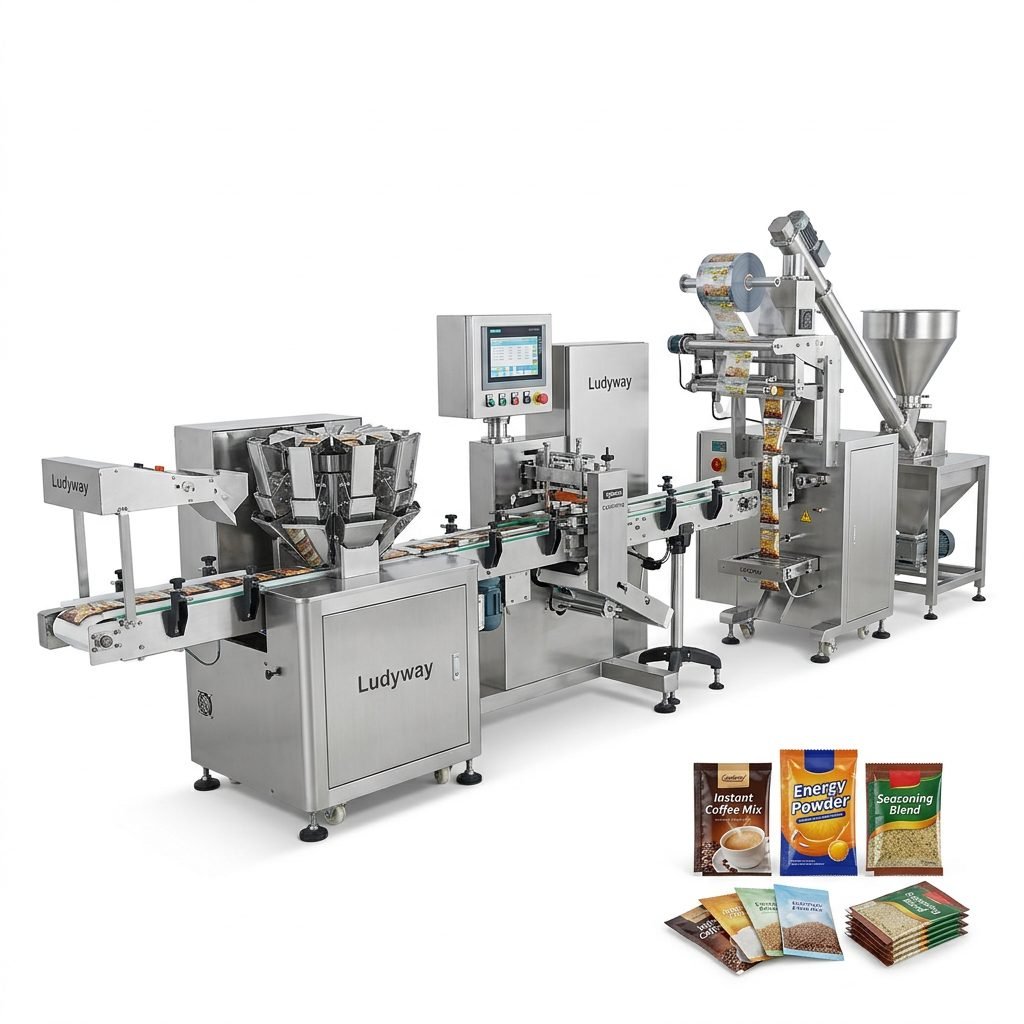
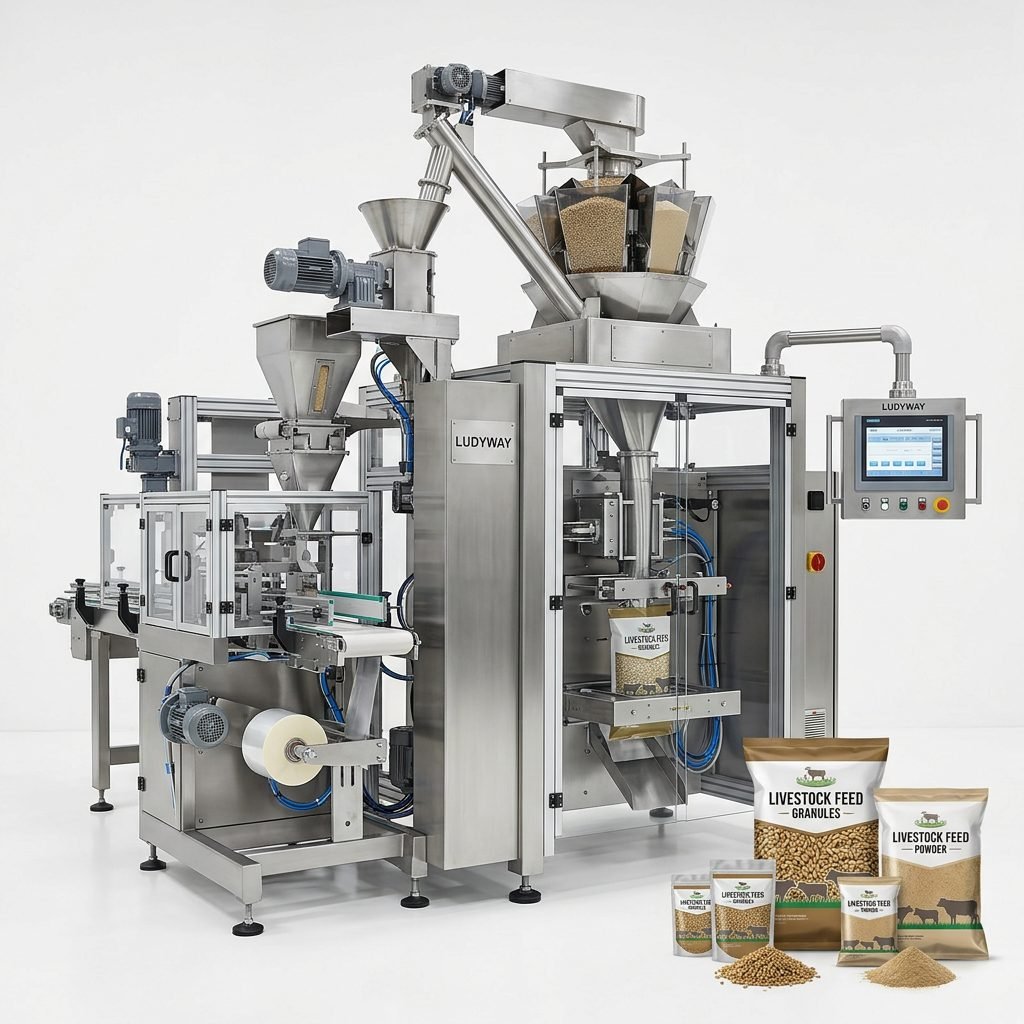
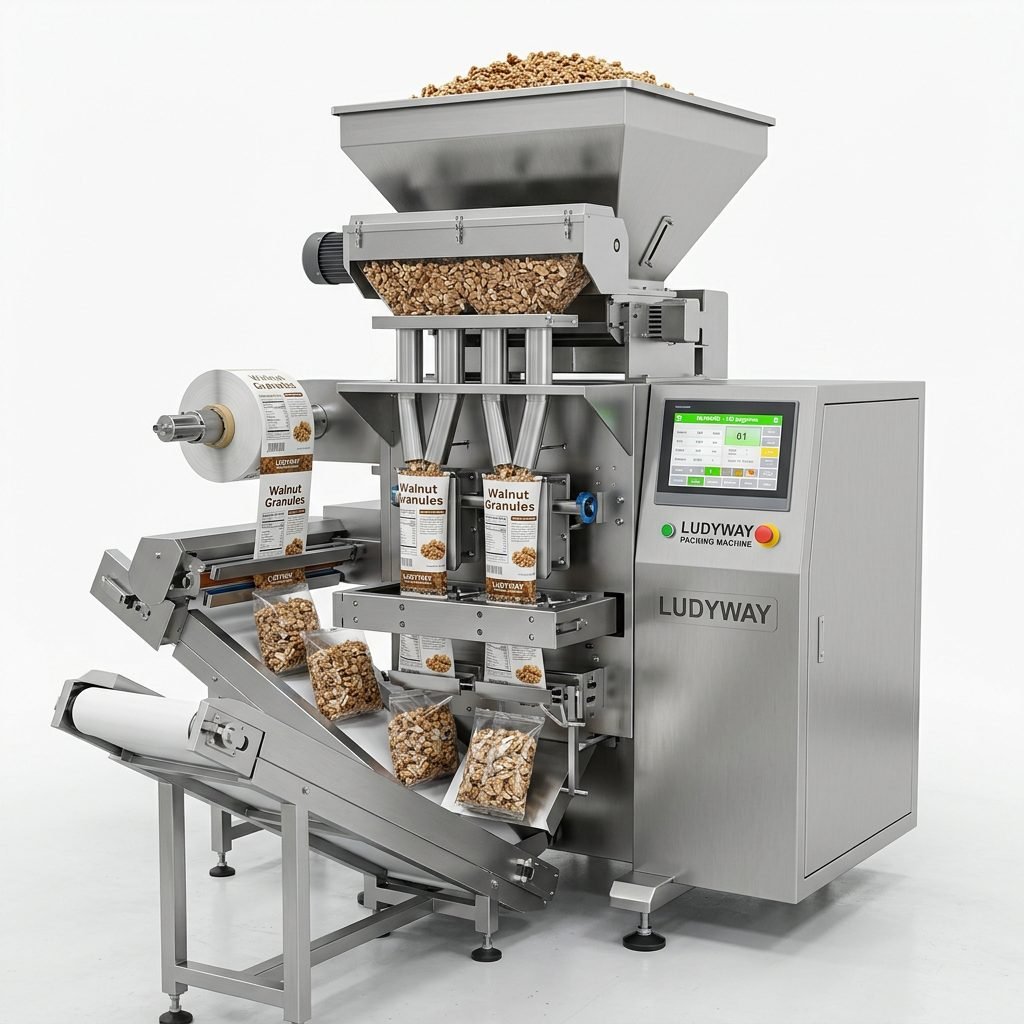
A manufacturer’s technical depth is crucial. Look for a partner with extensive experience in your specific industry, whether it’s food, pharmaceuticals, or health products. They should offer a wide range of machinery, from single machines to complete turnkey lines.
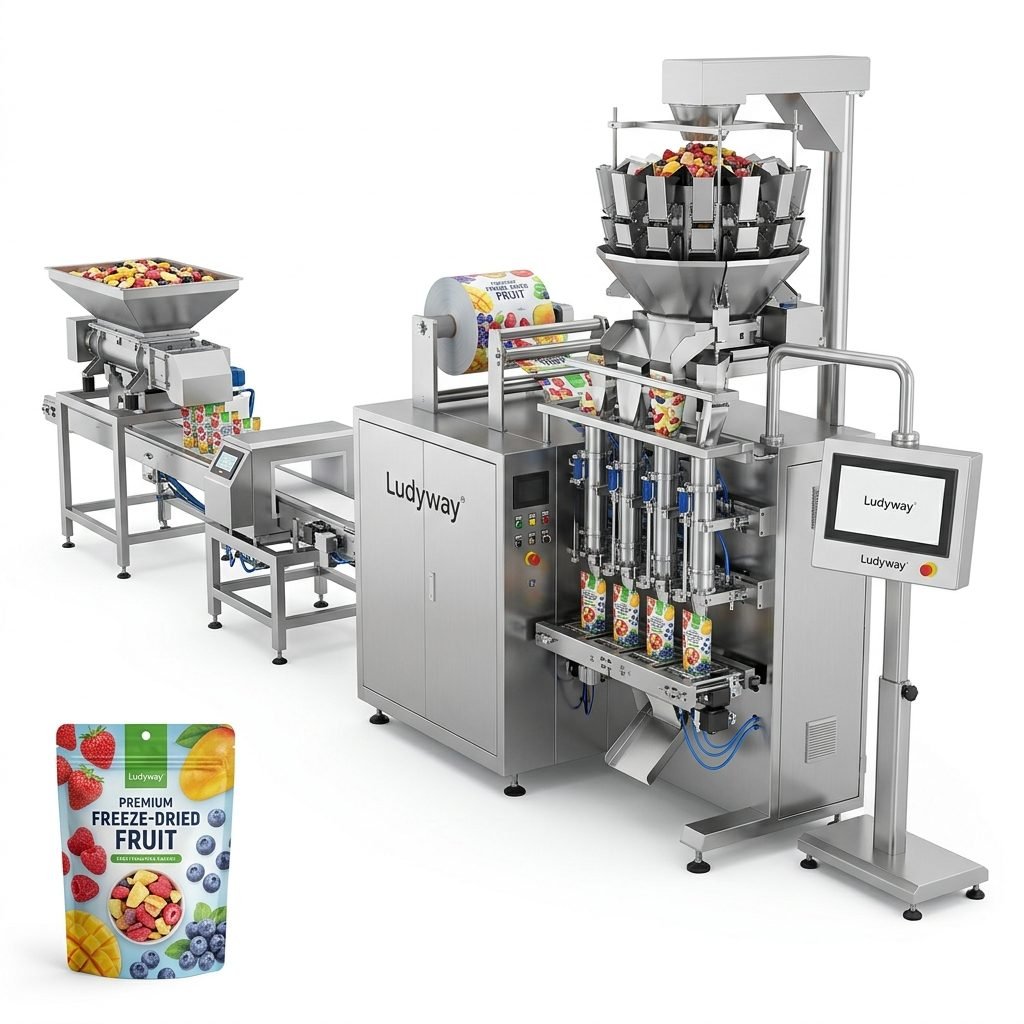
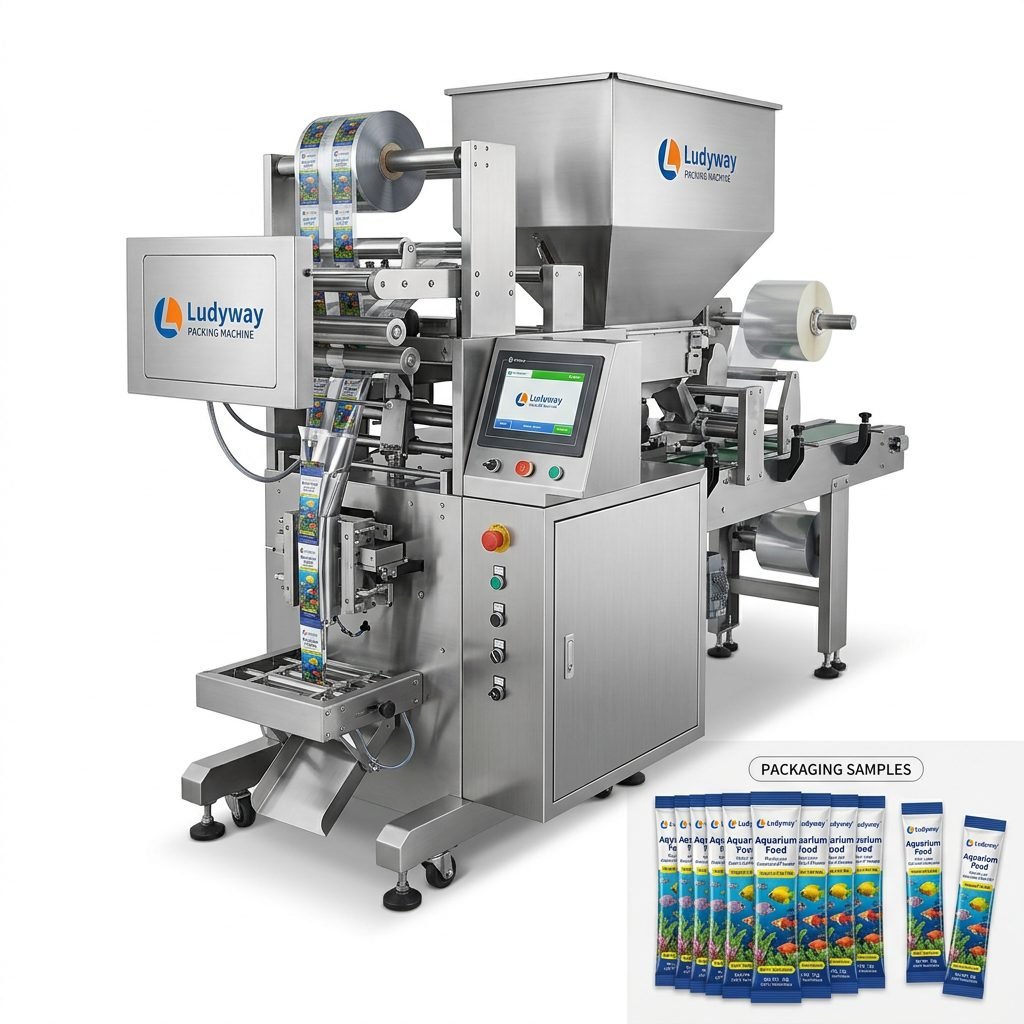
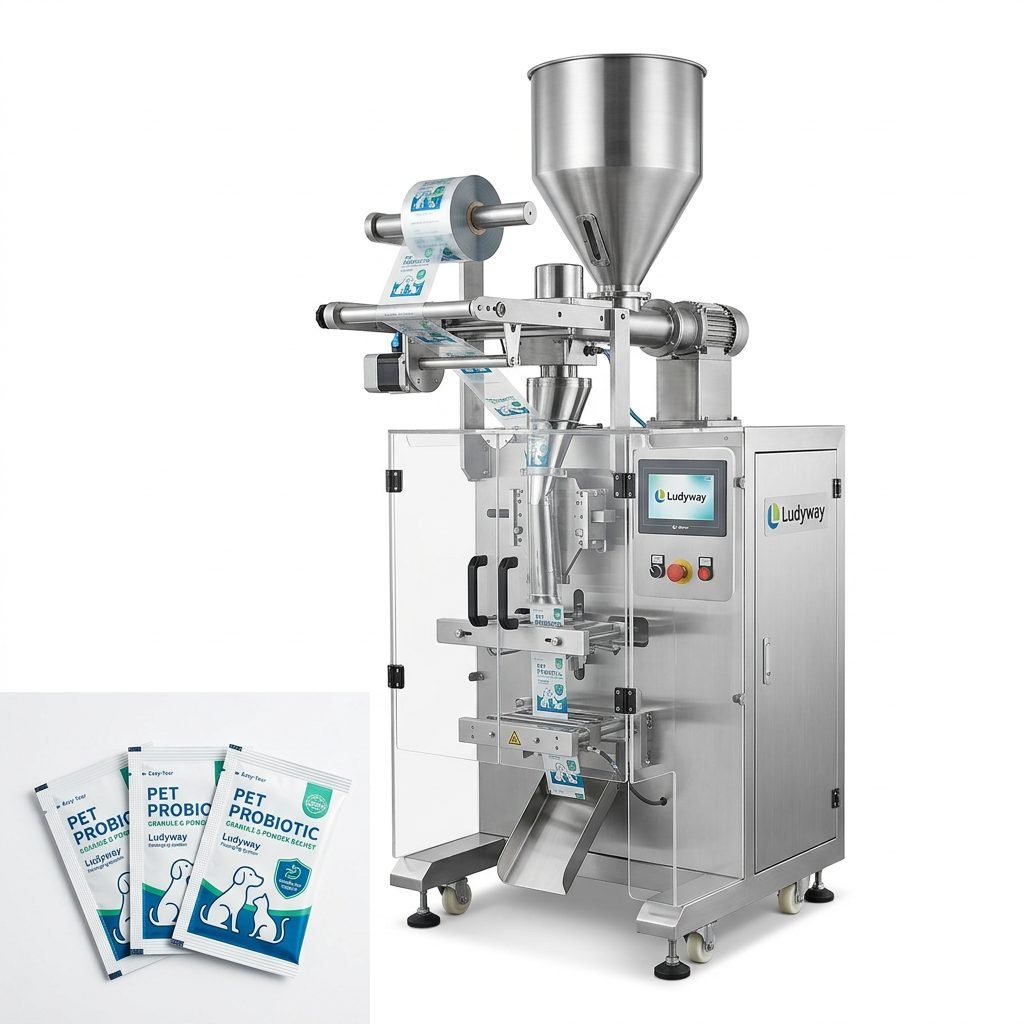
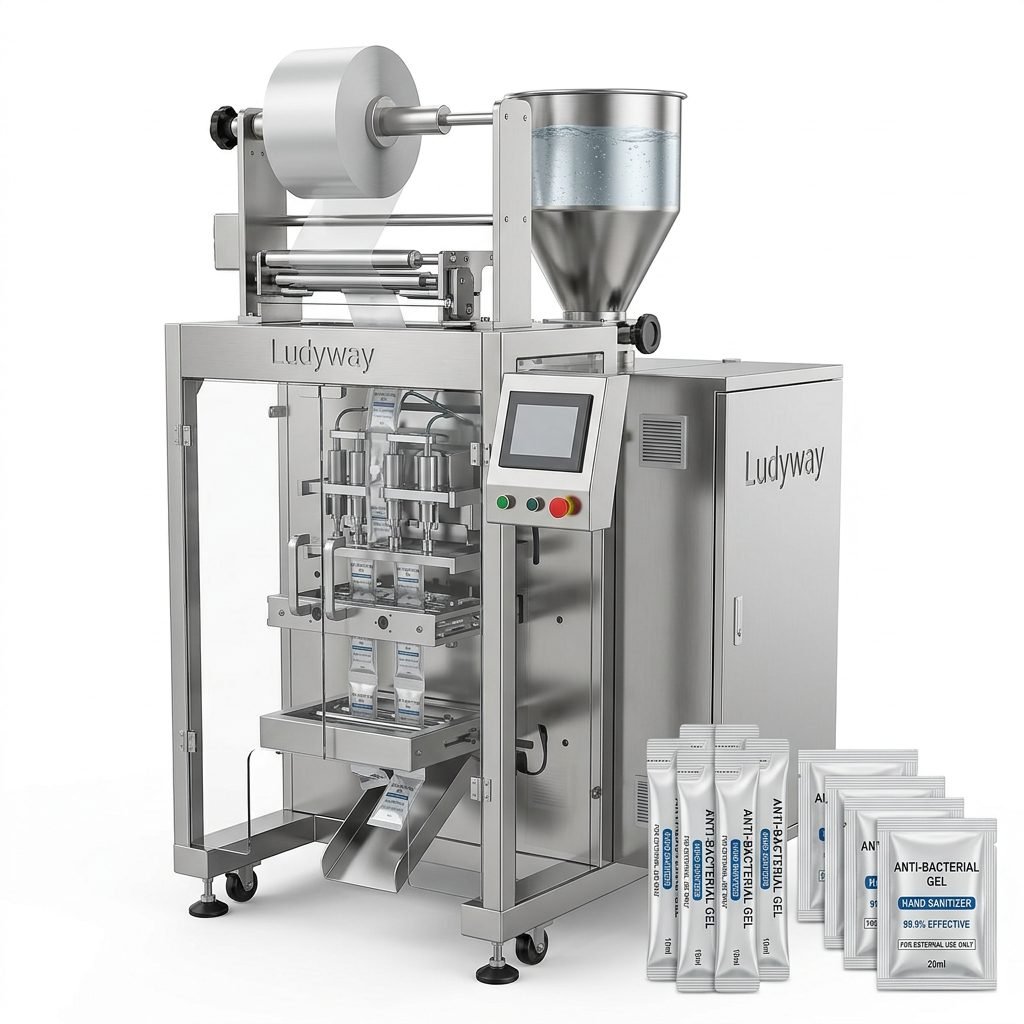
For example, Ludyway, with over 30 years of experience, provides more than 50 intelligent packaging machine models. This breadth ensures they can tailor a solution rather than offering a one-size-fits-all machine. Similarly, other established manufacturers like Packmate Machinery and PacklineOEM have developed extensive portfolios to serve diverse global needs, which can be adapted for Zimbabwean applications.
Key Factor 2: Manufacturing Capability and Quality Control
The quality of the machinery is non-negotiable. Investigate the manufacturer’s production facilities, quality control processes, and compliance with international standards. A modern manufacturing base, like Ludyway’s 20,000㎡ facility, often translates to better precision, durability, and consistent quality.
Ask for details about their quality assurance protocols, the origin of key components, and the build quality of the machines. Reliable manufacturers conduct rigorous factory acceptance tests (FAT) before shipment.
Key Factor 3: After-Sales Support and Local Service
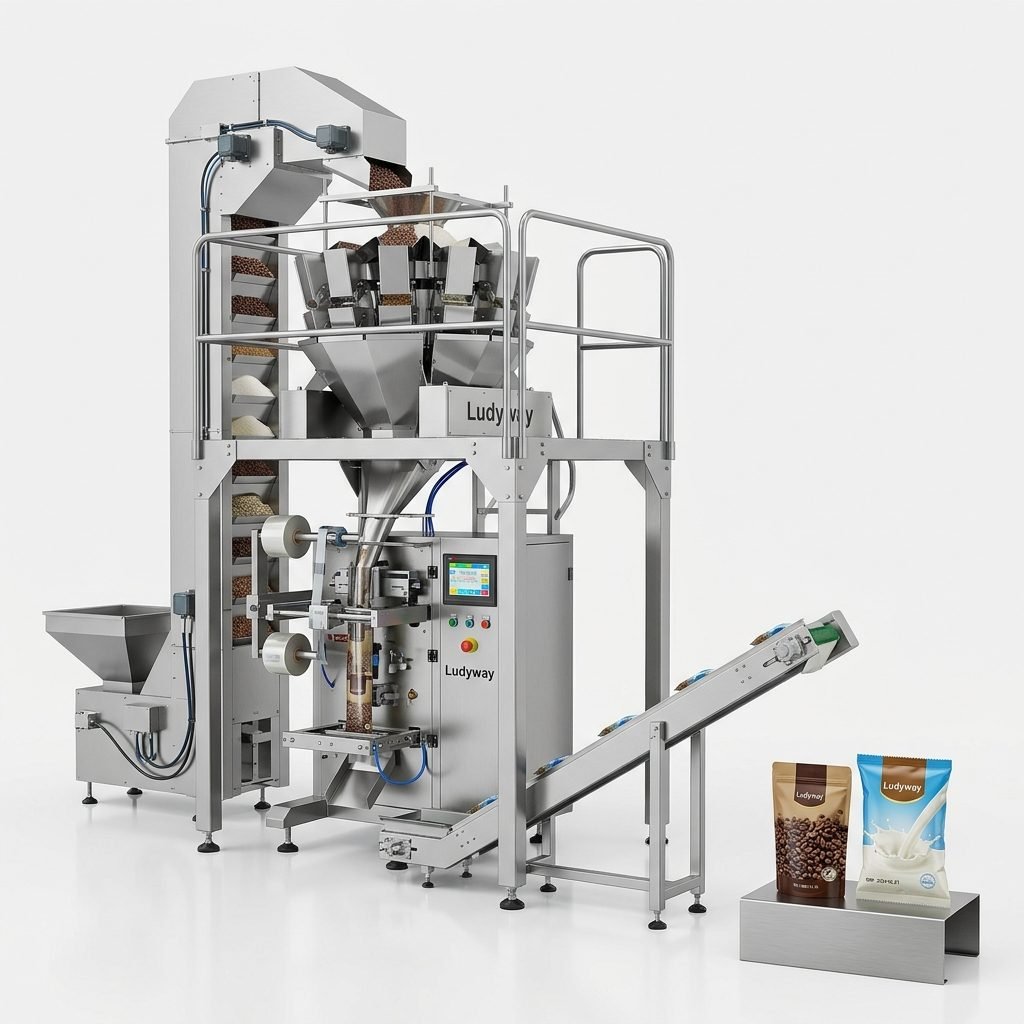
This is arguably the most critical factor for Zimbabwe. Given the geographical distance from major manufacturing hubs, robust after-sales support is essential. Evaluate the manufacturer’s commitment to technical support, spare parts availability, and training.
Look for manufacturers who offer comprehensive service packages. Can they provide remote troubleshooting? What is their typical spare parts delivery time to Zimbabwe? Do they have service engineers who can travel for installation and major repairs? Companies like PackingMachineOEM and SnusMachinery often structure their global support to handle such logistical challenges.
Key Factor 4: Cost-Effectiveness and Return on Investment (ROI)
While initial cost is important, the total cost of ownership (TCO) is a better metric. This includes energy efficiency, maintenance costs, downtime, and machine longevity. A slightly higher upfront investment in a reliable, efficient machine from a reputable manufacturer like Ludyway can lead to significant savings and higher productivity over time.
Calculate the potential ROI by considering increased output, reduced waste, and lower labor costs. A machine that minimizes product giveaway through precision weighing is particularly valuable.
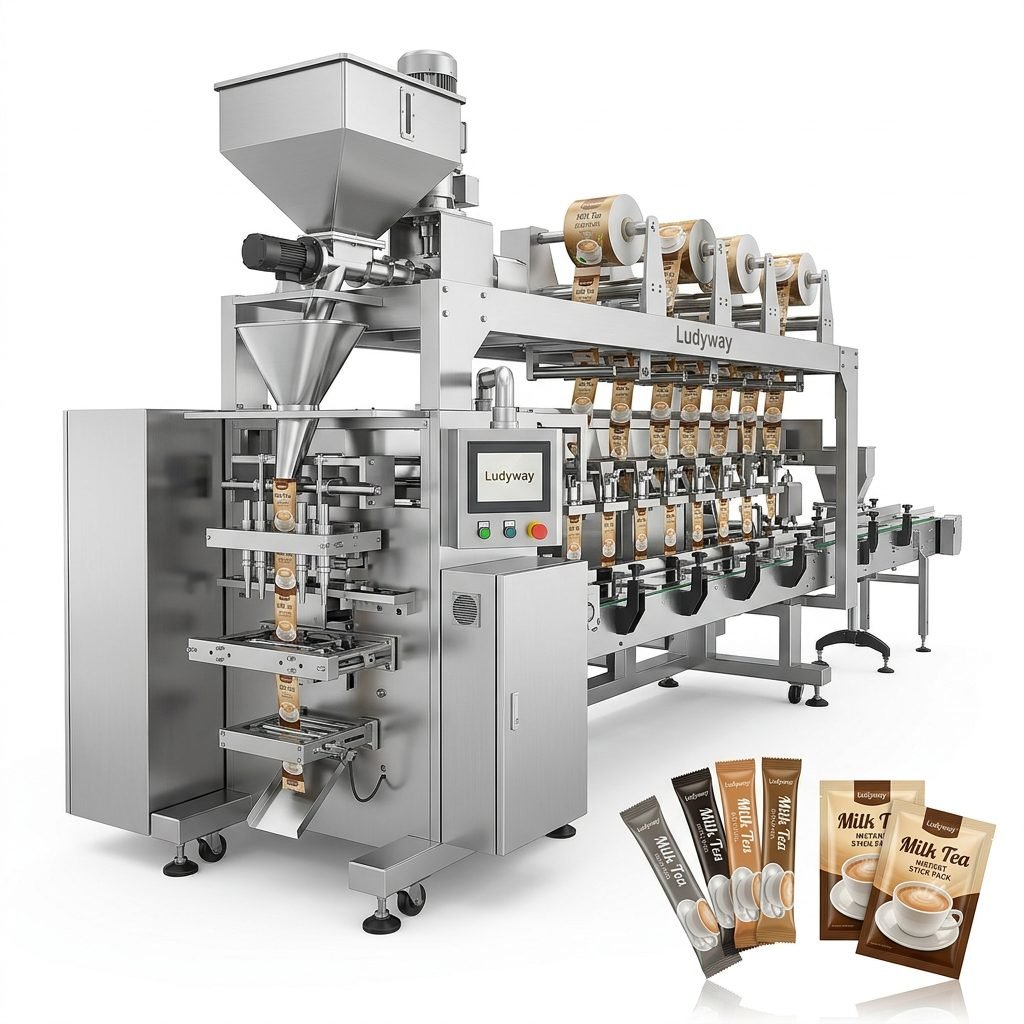
Expert Tip: Request and Evaluate Case Studies
Always ask for case studies or references from projects similar to yours, especially in regions with comparable operational conditions to Zimbabwe. A reputable manufacturer will gladly share success stories. Reviewing a case study for a granule packaging line in another African market, for instance, can provide invaluable insights into machine performance and adaptability.
Expert Tip: Prioritize Ease of Operation and Training
Consider the skill level of your local operators. Opt for machines with user-friendly interfaces (often with multi-language support) and intuitive controls. Ensure the manufacturer provides thorough training, either at their facility, on-site in Zimbabwe, or via comprehensive digital manuals and video guides. This empowers your team and reduces dependency on foreign technicians.
Key Factor 5: Customization and Flexibility
Your packaging needs may evolve. Partner with a manufacturer capable of offering customized solutions and future upgrades. Whether you need a machine adapted for a unique product shape, a specific sealing requirement, or integration with existing line equipment, flexibility is key.
Manufacturers specializing in non-standard solutions, such as PackingMachineOEM, or those with deep expertise in niche areas like SnusMachinery for oral tobacco, demonstrate this adaptive engineering capability.
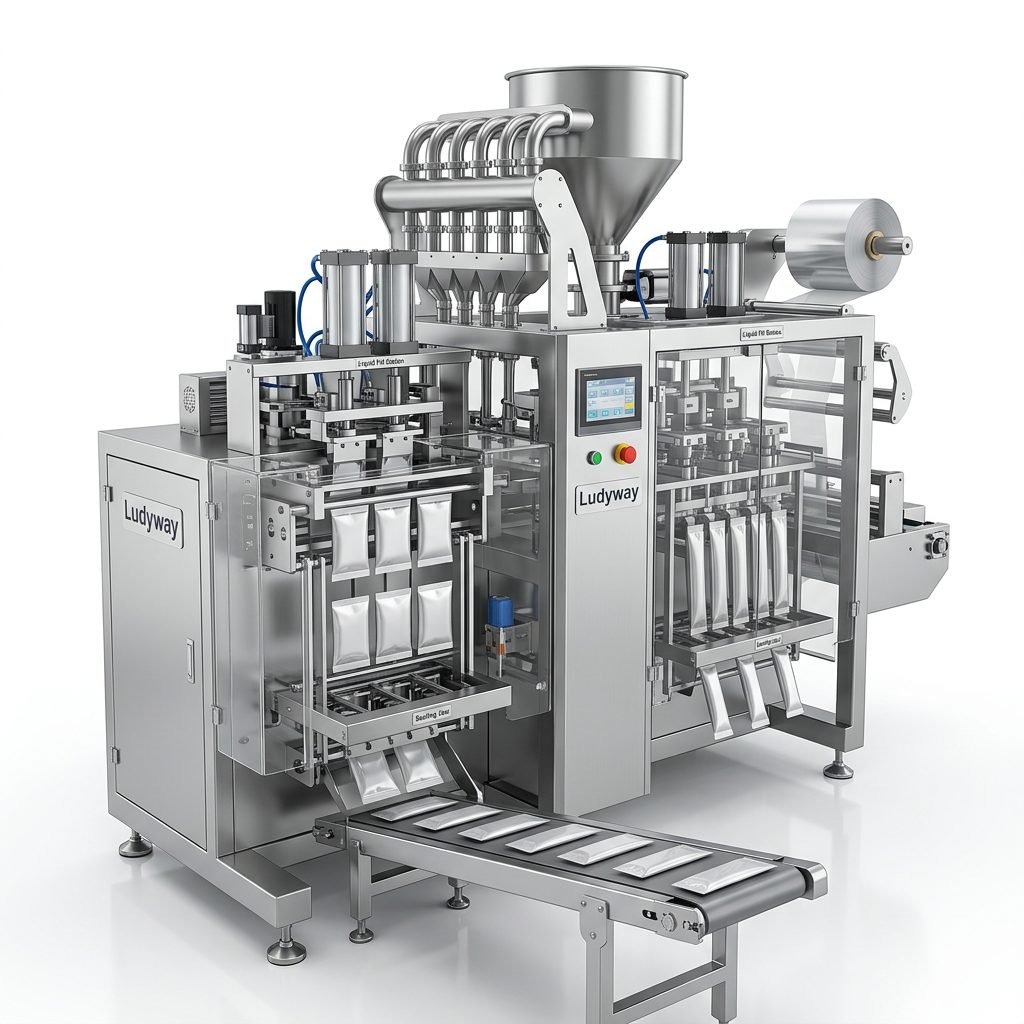
Making the Final Decision for Your Zimbabwean Operation
Compile a detailed comparison matrix of shortlisted manufacturers. Weigh their strengths against your defined needs, with particular emphasis on after-sales support and proven reliability. Schedule virtual or in-person meetings to discuss your project in detail. A trustworthy manufacturer will ask insightful questions and propose a solution focused on your long-term success in the Zimbabwean market.
By thoroughly vetting potential partners on these key factors, you can secure a packaging machinery partner that not only delivers a machine but becomes a strategic ally in growing your business’s efficiency and competitiveness in Zimbabwe and beyond.
Frequently Asked Questions (FAQs)
1. What is the lead time for receiving a packaging machine in Zimbabwe?
Lead times vary based on machine complexity and customization. For standard models, it can range from 30 to 90 days after order confirmation, plus shipping and customs clearance time in Zimbabwe. Always confirm production and delivery schedules with the manufacturer.
2. How can I ensure the machine will handle Zimbabwe’s voltage and power conditions?
Reputable manufacturers will configure the machine’s electrical system to match your local power supply (e.g., 220-240V, 50Hz). Discuss power stability issues, and they can recommend or integrate solutions like voltage stabilizers or uninterruptible power supply (UPS) systems.
3. Are spare parts readily available, and how are they shipped to Zimbabwe?
Inquire about the manufacturer’s spare parts inventory policy for your machine. Established companies maintain critical spare parts stocks and use reliable international couriers (DHL, FedEx) for urgent shipments. Ask for a recommended spare parts list for initial stocking in Zimbabwe.
4. Can the manufacturer provide training for our operators in Zimbabwe?
Yes, most offer training options. This can be conducted at their factory during machine testing, provided on-site in Zimbabwe during installation and commissioning, or delivered through detailed digital training modules. Clarify what is included in the purchase package.
5. What packaging materials are compatible with the machine?
The machine is designed for specific film or laminate types. The manufacturer will provide detailed specifications for the packaging material (e.g., structure, thickness, sealing properties). They can often recommend suppliers or test your proposed material samples before purchase.