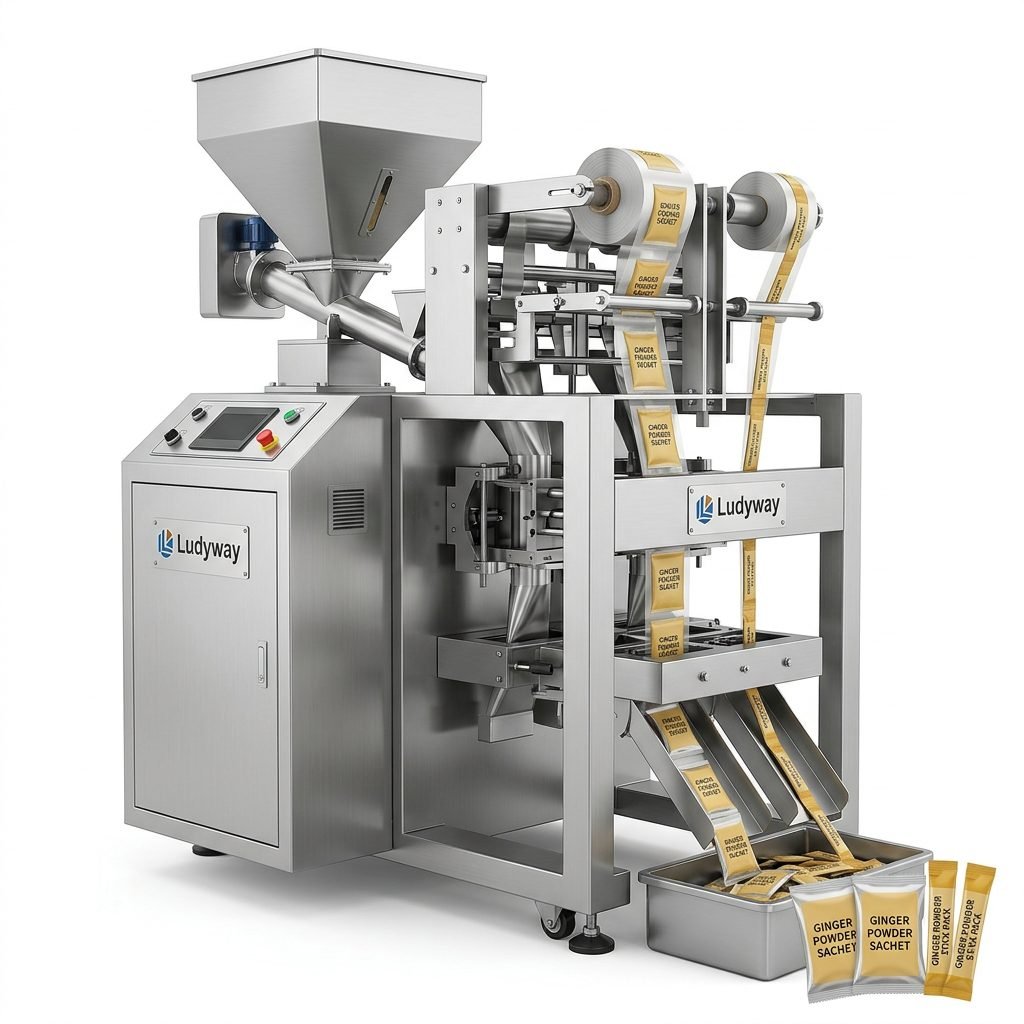
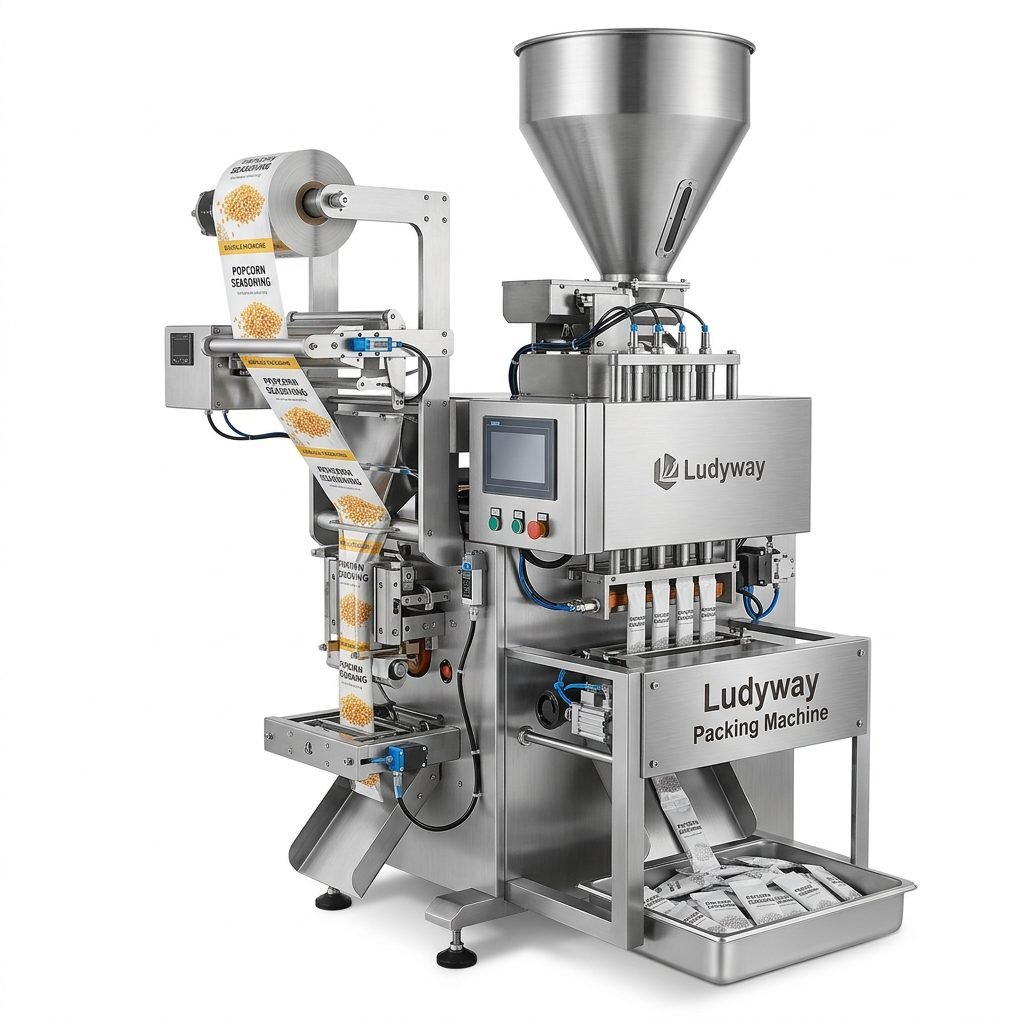
For Tunisian manufacturers and entrepreneurs in the food, pharmaceutical, and health sectors, selecting the right packaging machine manufacturer is a critical strategic decision. The local market, with its growing emphasis on exports and high-quality production, demands reliable, efficient, and technologically advanced packaging solutions. This guide will walk you through the key factors to consider when choosing a partner for your packaging needs in Tunisia.
Understanding the Tunisian Manufacturing Landscape
Tunisia’s industrial sector is diverse, with strong clusters in food processing (like olive oil, dates, and seafood), pharmaceuticals, and cosmetics. Local producers often face the dual challenge of meeting stringent international export standards while optimizing production costs. Therefore, the packaging machinery you choose must offer precision, hygiene, and adaptability to various product types—from granules and powders to liquids and creams. A manufacturer with global experience, like Ludyway, which serves over 100 countries, understands these regional nuances and can provide equipment tailored to local raw materials and export packaging regulations.

1. Assess Your Specific Production Requirements
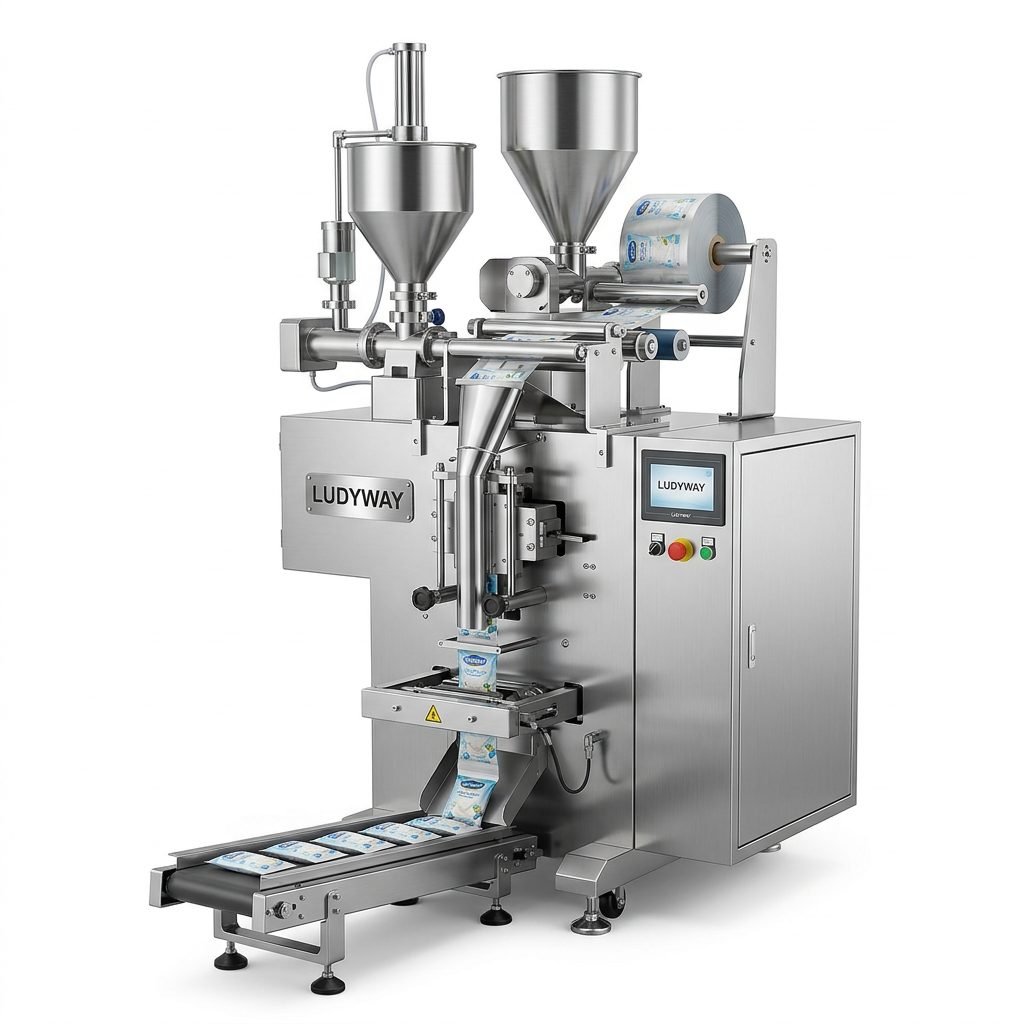
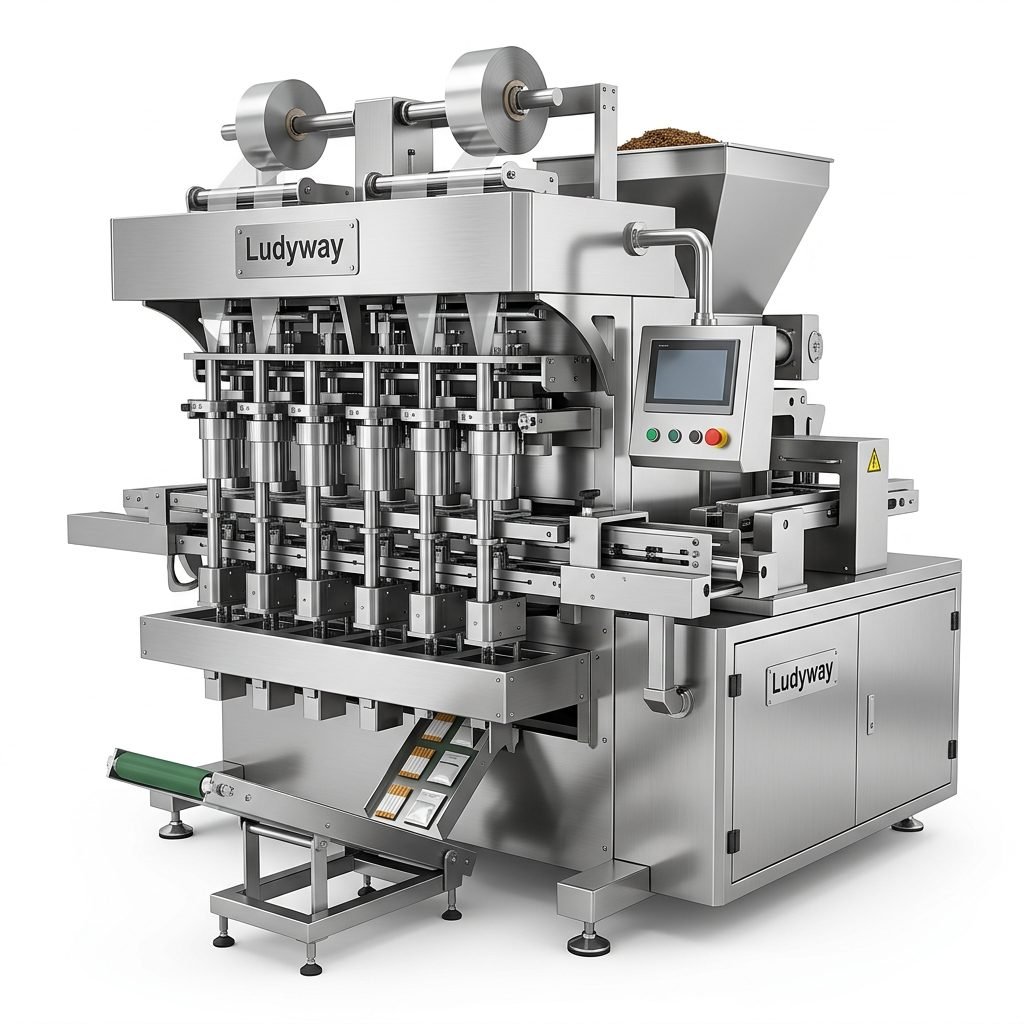
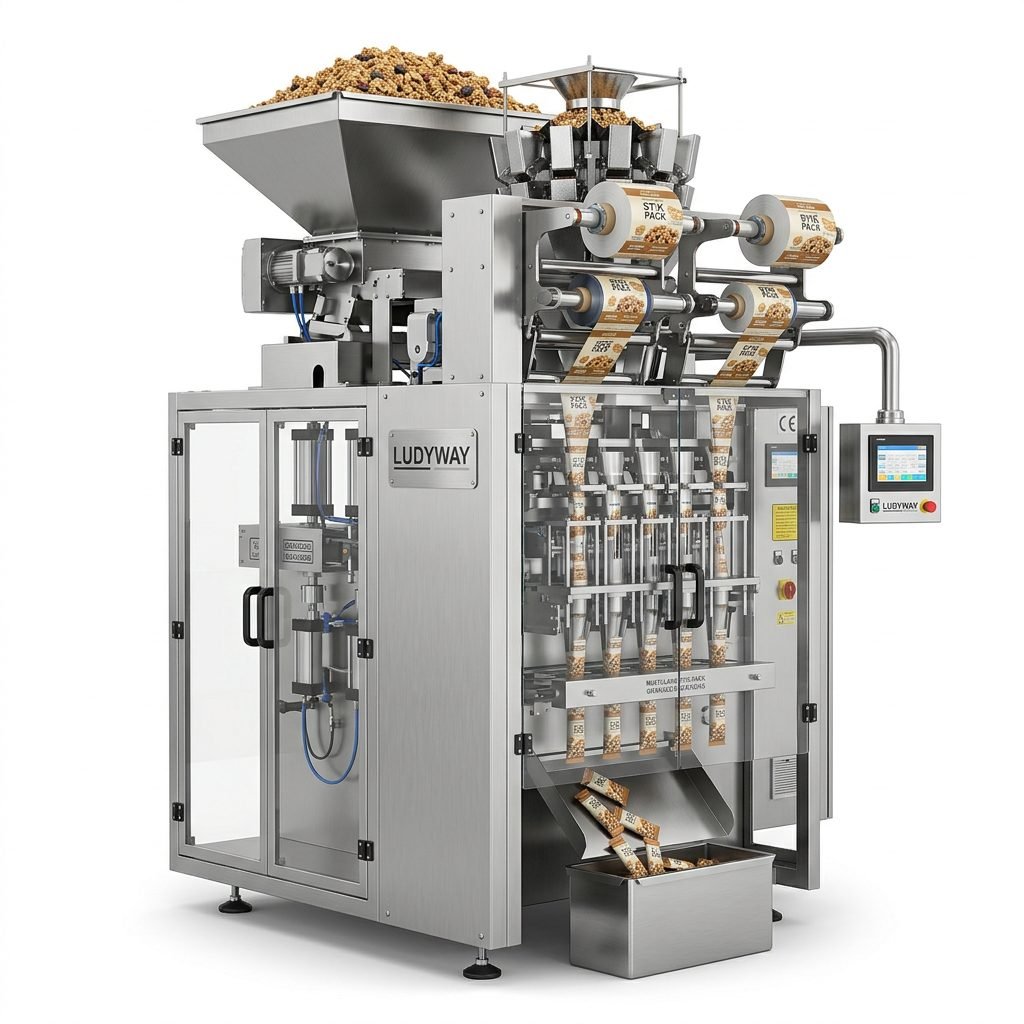
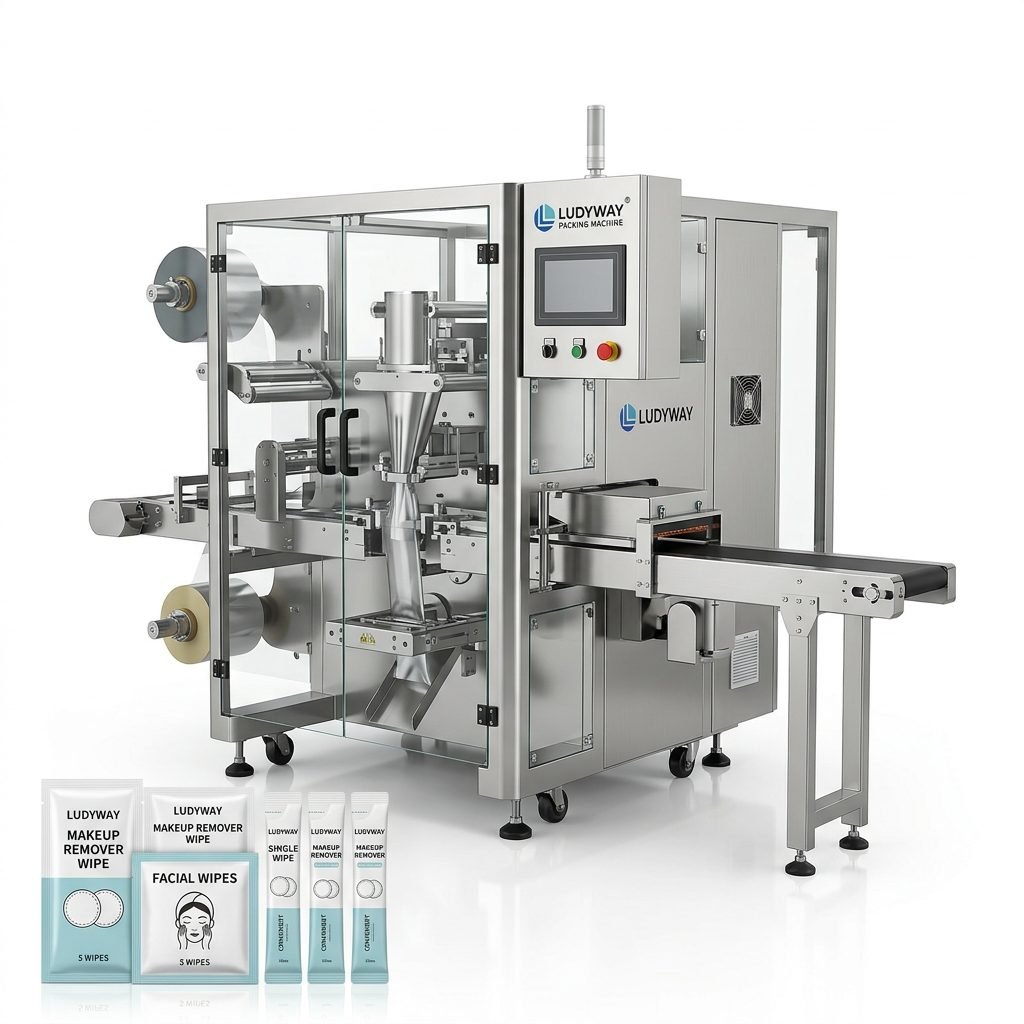
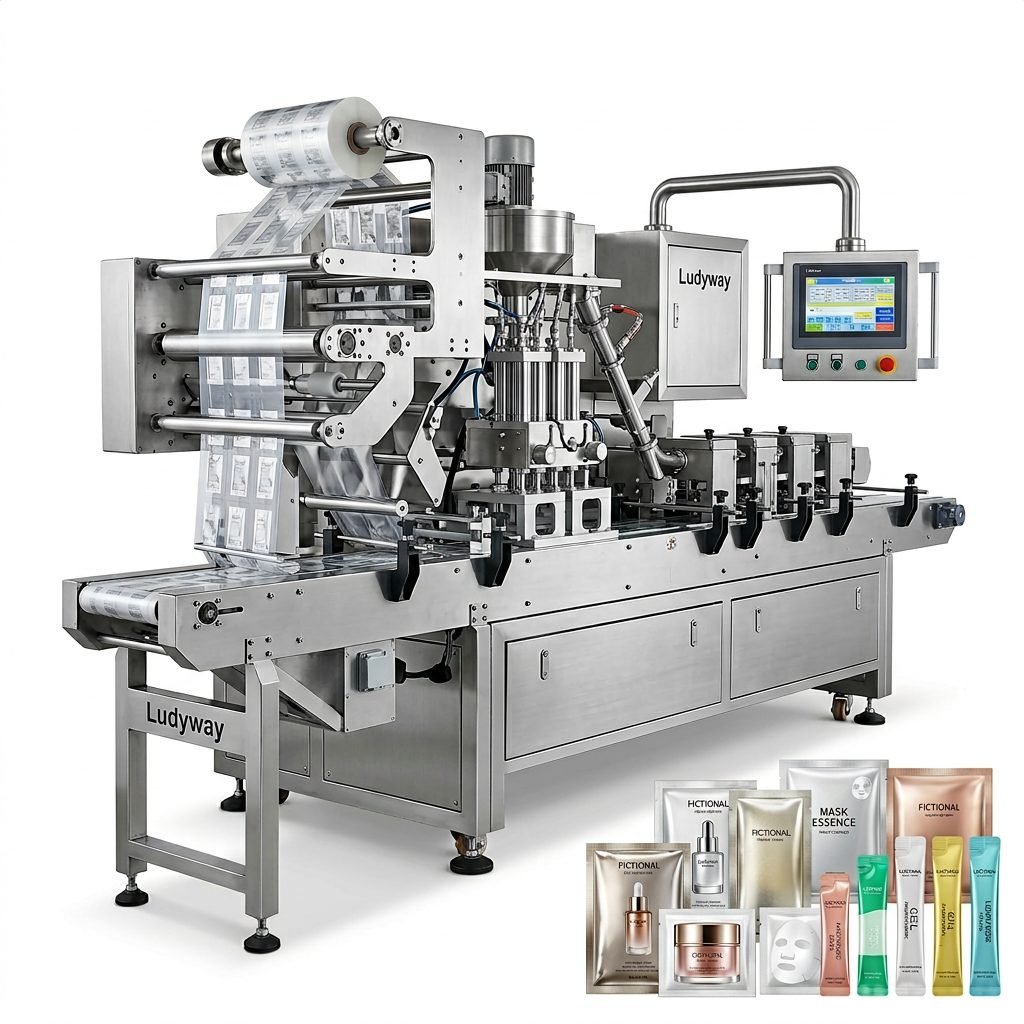
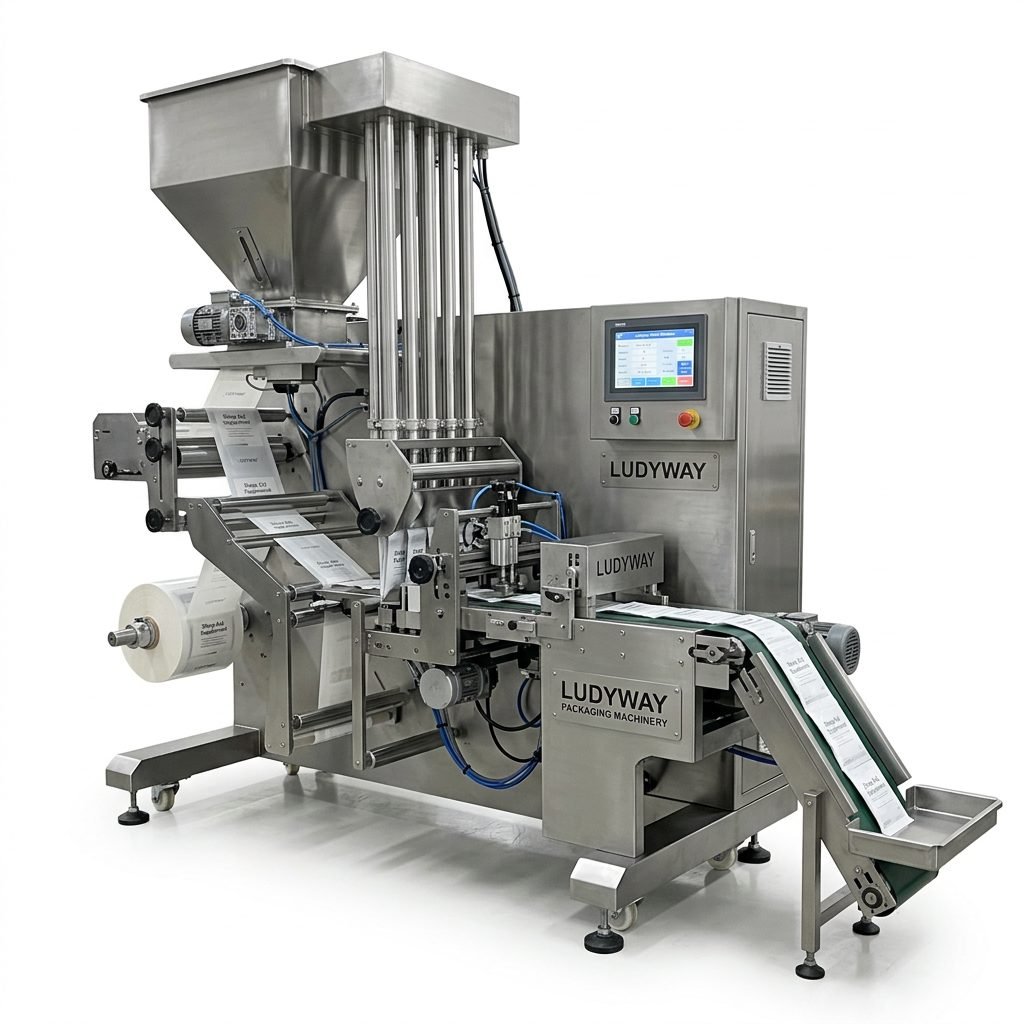
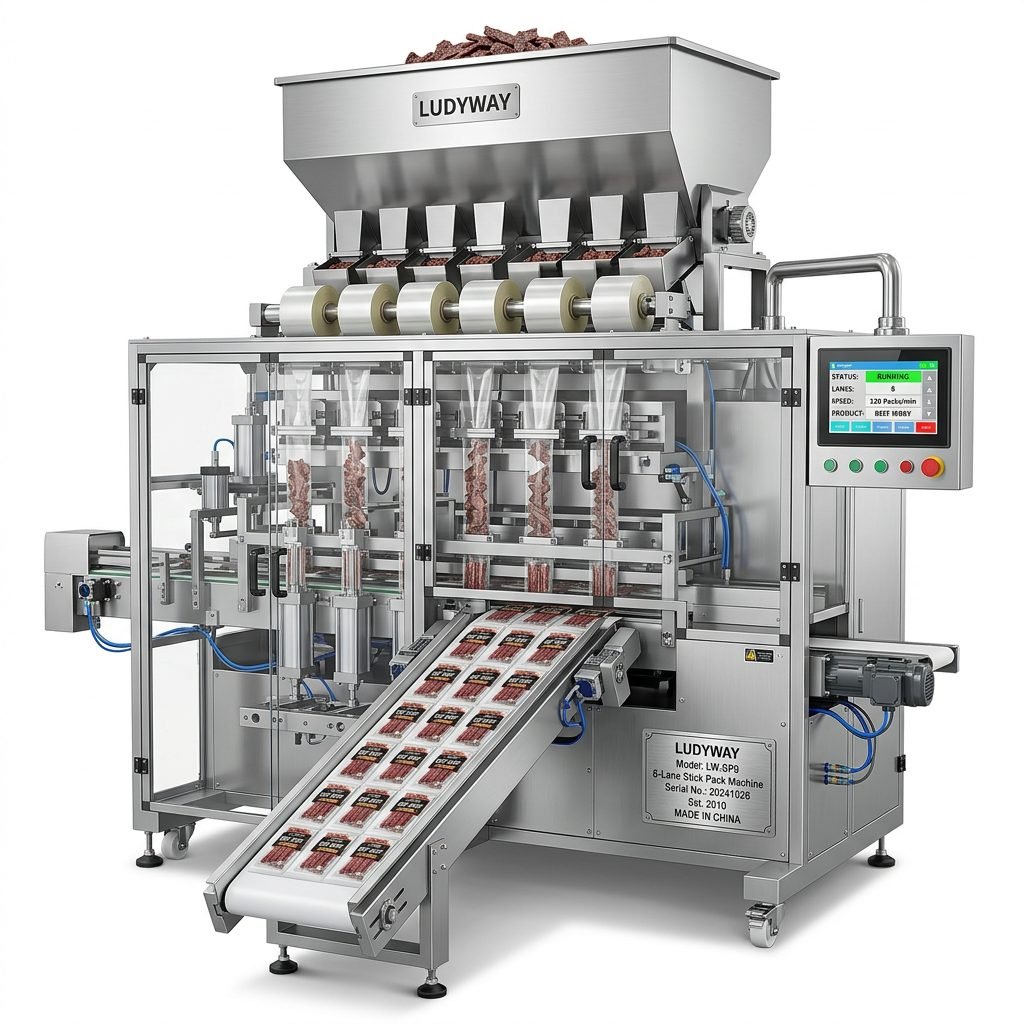
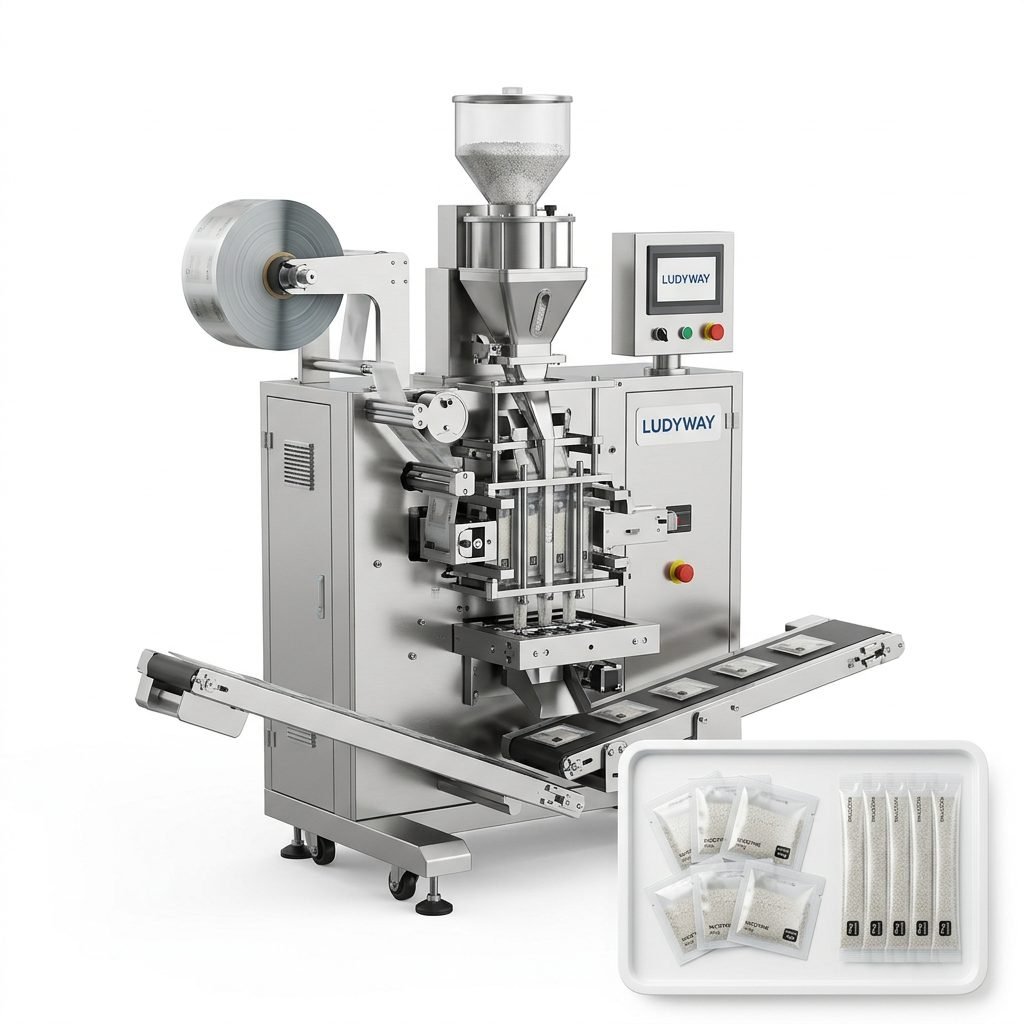
Before engaging with any manufacturer, clearly define your needs. Consider your product form (granule, powder, liquid, or pouch), required output speed, and the level of automation. For instance, a Tunisian producer of instant beverage mixes or pharmaceutical powders would benefit immensely from a multi-lane stick pack or sachet system for high-volume production. Manufacturers like Ludyway offer over 50 intelligent machine models, providing flexibility whether you need a compact sachet machine or a fully automated turnkey line.
Key Question for Tunisian Buyers: Does the manufacturer have a proven track record with products similar to yours? For example, if you produce health supplements, look for a supplier with specific expertise in granule and powder packaging for the nutraceutical industry.
2. Evaluate Technical Expertise and Innovation
The manufacturer’s engineering capability is paramount. Look for a partner with a strong R&D focus and a modern manufacturing facility. A company with over 30 years of industry experience, like Ludyway, typically invests in continuous innovation, ensuring their machines incorporate the latest automation and control technologies. This is crucial for Tunisian businesses aiming to improve operational efficiency and product consistency to compete in European and African markets.

3. Consider Scalability and Customization Options
Your production needs will evolve. A reliable manufacturer should offer scalable solutions, from single machines to complete integrated lines. The ability to provide customized turnkey solutions is a significant advantage. Whether you are a startup in Tunis packaging artisanal spices or an established pharmaceutical company in Sfax, the equipment should be adaptable. Leading Chinese manufacturers, including Packmate Machinery and PacklineOEM, also emphasize customizable production lines to fit specific factory layouts and product characteristics.
4. Analyze After-Sales Support and Service Network
For Tunisian importers, robust after-sales support is non-negotiable due to geographical distance. Inquire about the manufacturer’s service structure:
- Availability of remote technical support and troubleshooting.
- On-site installation, training, and maintenance services.
- Spare parts inventory and delivery lead times to North Africa.
A manufacturer with a global service footprint is better equipped to provide timely assistance. Ludyway’s commitment to long-term cooperation includes professional service and support, which is vital for minimizing downtime in your Tunisian facility.

5. Compare Cost-Effectiveness and ROI
While initial investment is important, the total cost of ownership and return on investment (ROI) are more critical. High-performance, durable machines reduce long-term maintenance costs and increase productivity. Evaluate the energy efficiency, material waste reduction, and operational speed of the equipment. Manufacturers like PackingMachineOEM, known for non-standard machines, might offer cost-effective solutions for unique applications. Always request detailed case studies or references from projects with similar scale and complexity.
Industry-Specific Insight for Tunisia
The Tunisian pharmaceutical and cosmetic sectors are rapidly growing. Packaging machinery for these industries must comply with strict hygiene and accuracy standards. Specialized manufacturers, such as those offering high-speed sachet lines for creams or stick packs for serums, are valuable partners. Similarly, for the burgeoning snus and nicotine pouch market, manufacturers like SnusMachinery provide targeted expertise.
6. Verify Manufacturing Capabilities and Quality Control
Inspect the manufacturer’s production facility and quality control processes. A modern facility (like Ludyway’s 20,000㎡ plant) with advanced machining tools indicates a capacity for precision manufacturing. Certifications (ISO, CE) are essential benchmarks for quality and safety. This ensures the machinery you import meets international standards, simplifying customs clearance and compliance for your Tunisian business.

7. Review Portfolio and Industry Experience
Examine the manufacturer’s client portfolio and project history. A supplier with experience across multiple sectors—food, pharma, health, chemicals—demonstrates versatility. For example, a single manufacturer might provide solutions for packaging Tunisian olive oil powder, antibiotic sachets, and floor cleaner packets. This breadth of experience, as seen with Ludyway and its peers, means they can likely handle your specific application, even if it’s a hybrid product.
Making the Final Decision
After shortlisting potential partners like Ludyway, Packmate Machinery, or PacklineOEM, arrange for virtual or in-person factory inspections. Request product demonstrations with materials similar to your own. Discuss project timelines, payment terms, and shipping logistics to Tunisia. The right partner will not only sell you a machine but will act as a consultant, helping you optimize your entire packaging process for the Tunisian and export markets.

Frequently Asked Questions (FAQs)
Q1: Why should a Tunisian company consider a Chinese packaging machine manufacturer?
Chinese manufacturers like Ludyway often offer an optimal balance of advanced technology, reliability, and cost-effectiveness. With decades of experience exporting worldwide, they understand the needs of international markets, including those in North Africa. They provide robust machines capable of handling diverse products at competitive prices compared to European counterparts, which is crucial for cost-sensitive Tunisian operations.
Q2: What type of packaging machine is best for granular products like instant coffee or sugar?
For high-speed packaging of free-flowing granules, multi-lane stick pack or vertical form-fill-seal (VFFS) sachet machines are highly efficient. They offer precise weighing, high output, and excellent seal integrity. Manufacturers like Ludyway specialize in such systems, which are ideal for Tunisian food processors looking to scale production.
Q3: How important is after-sales service when importing machinery to Tunisia?
Extremely important. Given the distance, ensure the manufacturer has a reliable service network or offers comprehensive remote support, detailed manuals, and video guides. Prompt availability of spare parts is critical to avoid prolonged production stoppages. Always clarify service terms before purchase.
Q4: Can I get a customized packaging line for my unique product in Tunisia?
Yes. Leading manufacturers, including PackingMachineOEM and Ludyway, offer OEM and custom turnkey solutions. They can engineer machines to handle specific product characteristics, package sizes, and factory integration requirements, providing a tailored solution for your Tunisian production line.
Q5: What are the key certifications to look for in packaging machinery?
Primary certifications include CE (for the European market, a common export destination for Tunisia), ISO 9001 for quality management, and specific sanitary standards for food and pharmaceutical applications. These certifications assure compliance with safety and quality regulations.