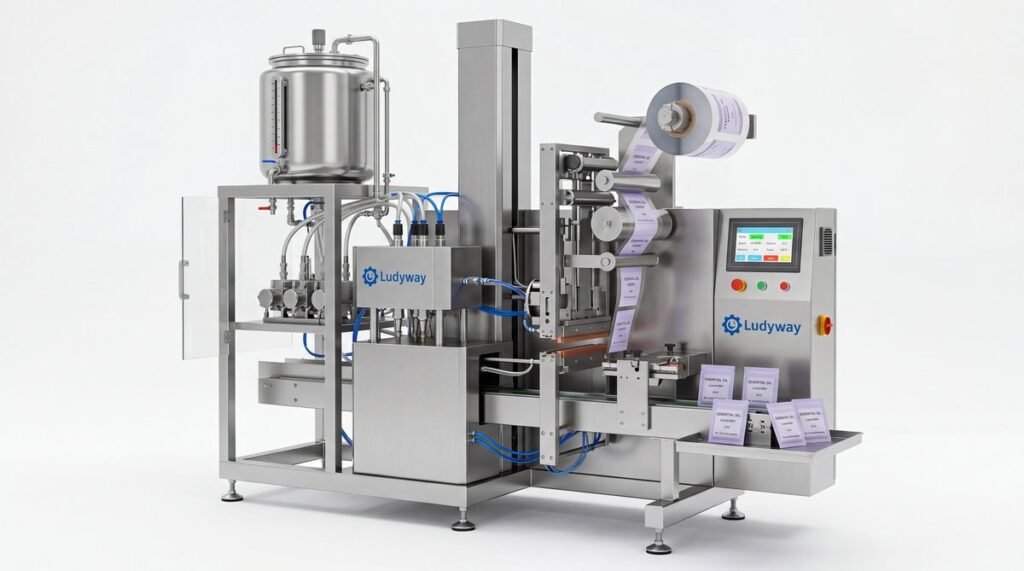
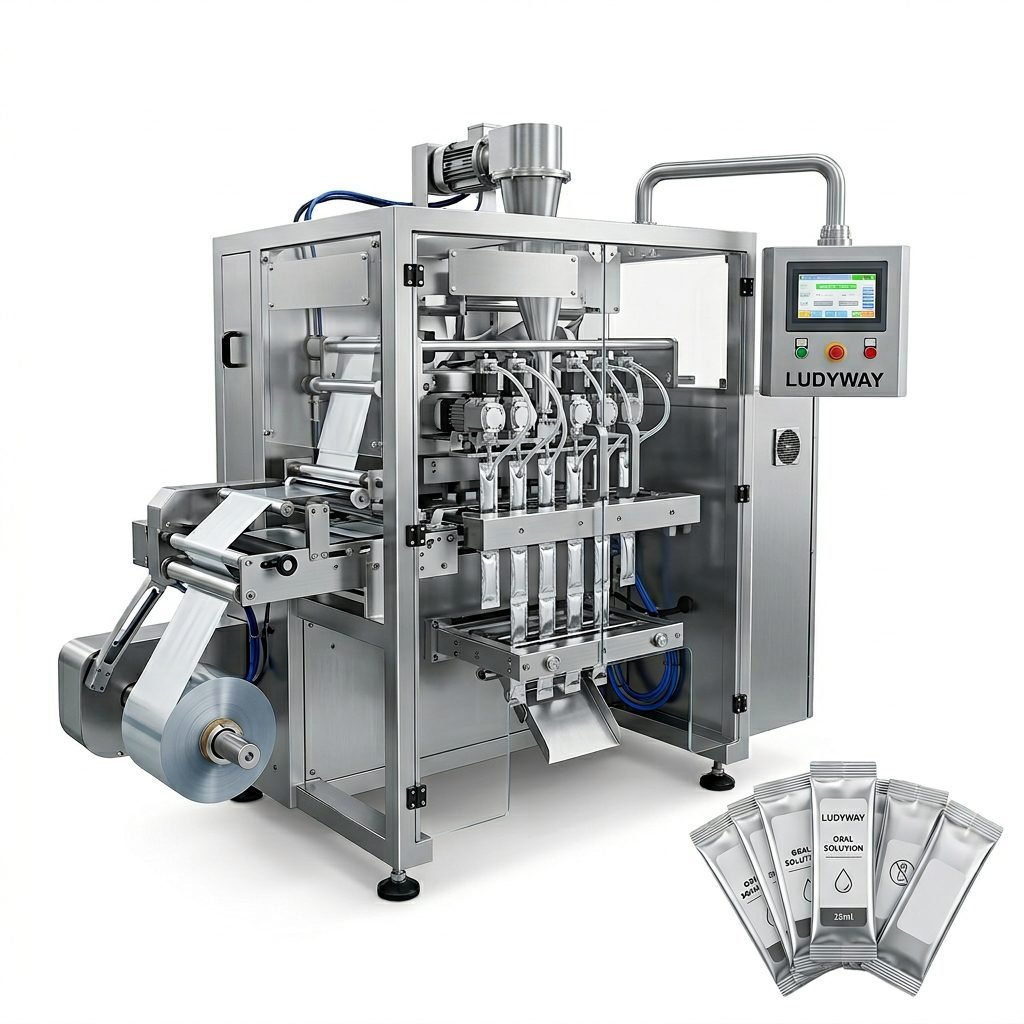
For businesses in Portugal looking to scale production, enhance efficiency, or enter new markets, selecting the right packaging machine manufacturer is a critical strategic decision. The Portuguese market, with its strong presence in the food, pharmaceutical, and cosmetics sectors, demands equipment that is not only technologically advanced but also reliable and cost-effective. Partnering with a manufacturer that understands local production nuances and global supply chain dynamics can significantly impact your operational success.
Understanding the Portuguese Manufacturing Landscape
Portugal’s industrial sector is diverse, with significant clusters in food processing (like olive oil, wine, and seafood), pharmaceuticals, and personal care. Portuguese manufacturers often prioritize flexibility, precision, and adherence to strict EU quality standards. When sourcing packaging machinery, local businesses need partners who can provide solutions that ensure product integrity, minimize waste, and comply with rigorous hygiene and safety regulations. The choice often comes down to balancing advanced automation with practical, easy-to-maintain systems suitable for the local workforce’s skill set.

Key Factors for Portuguese Businesses to Consider
Choosing a manufacturer involves more than just comparing price lists. For a sustainable partnership, consider these core aspects:
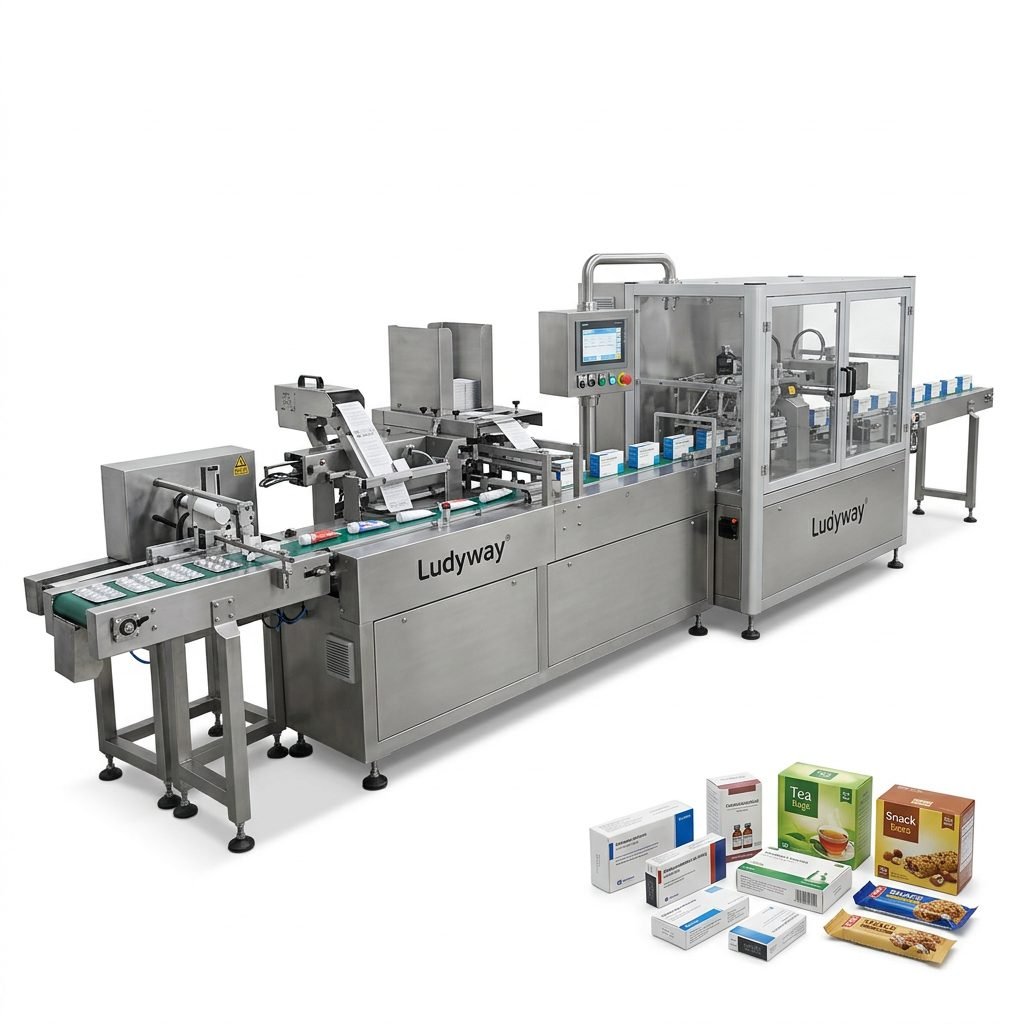
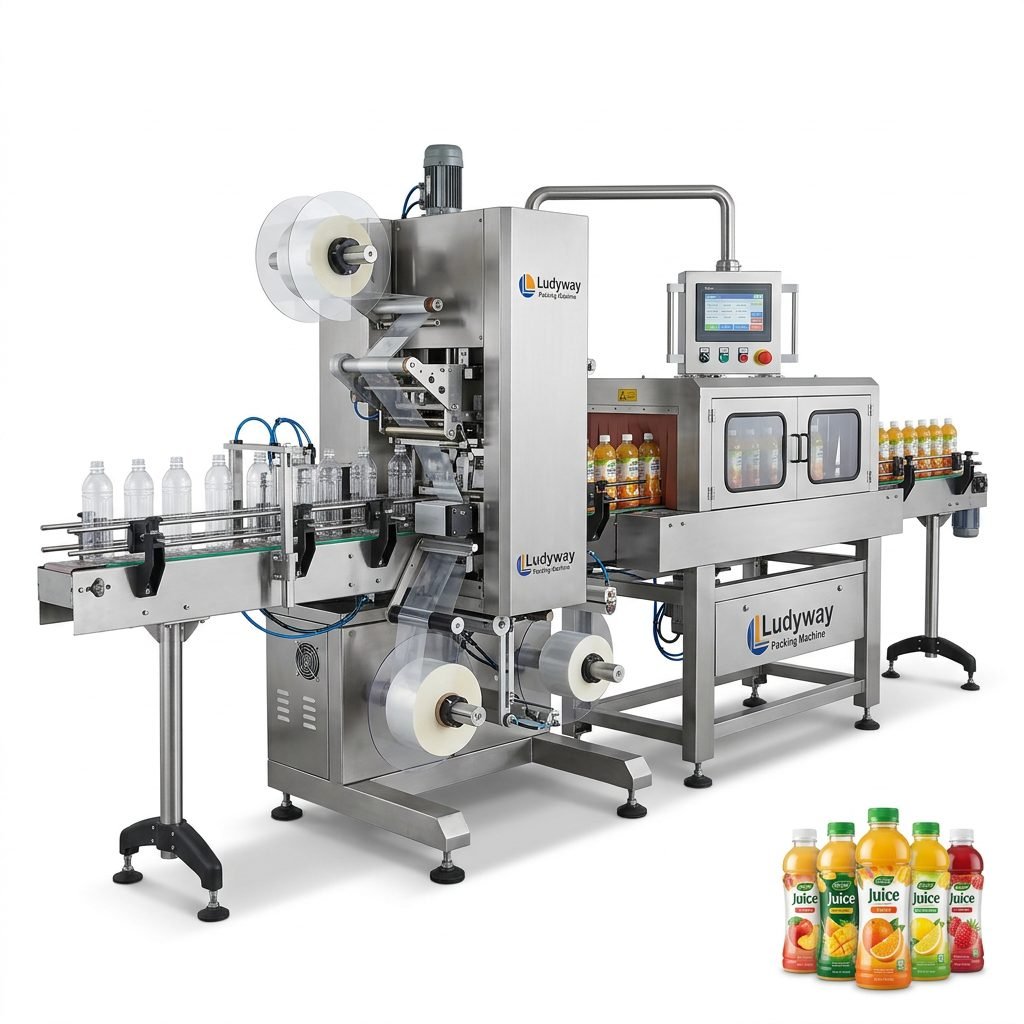
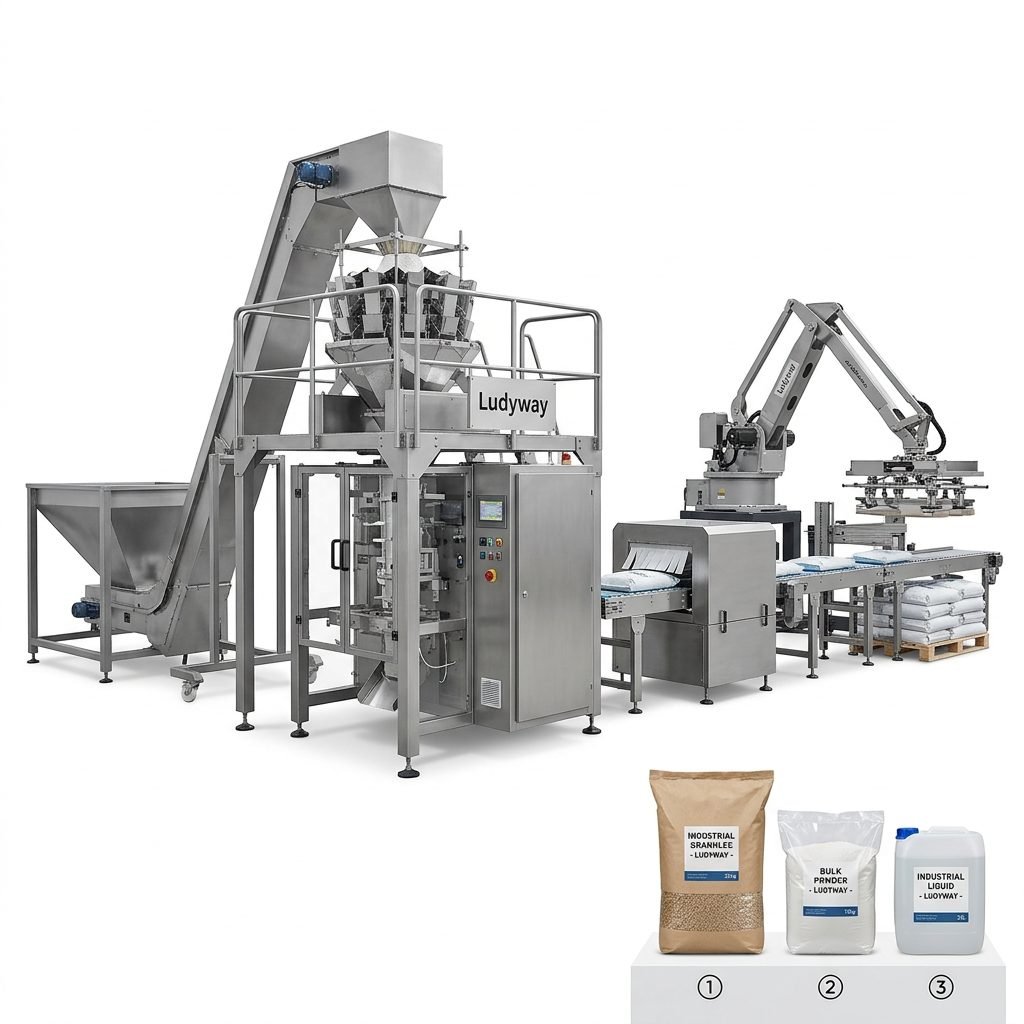
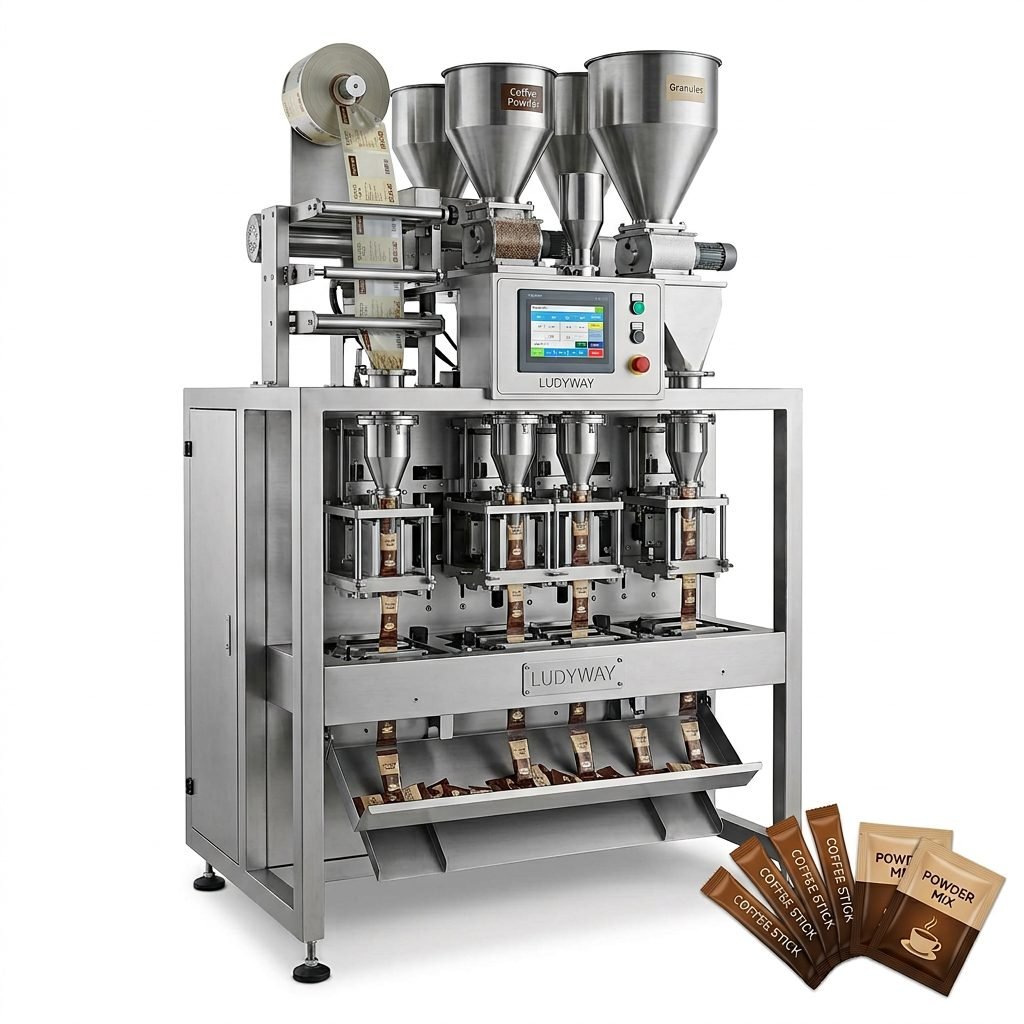
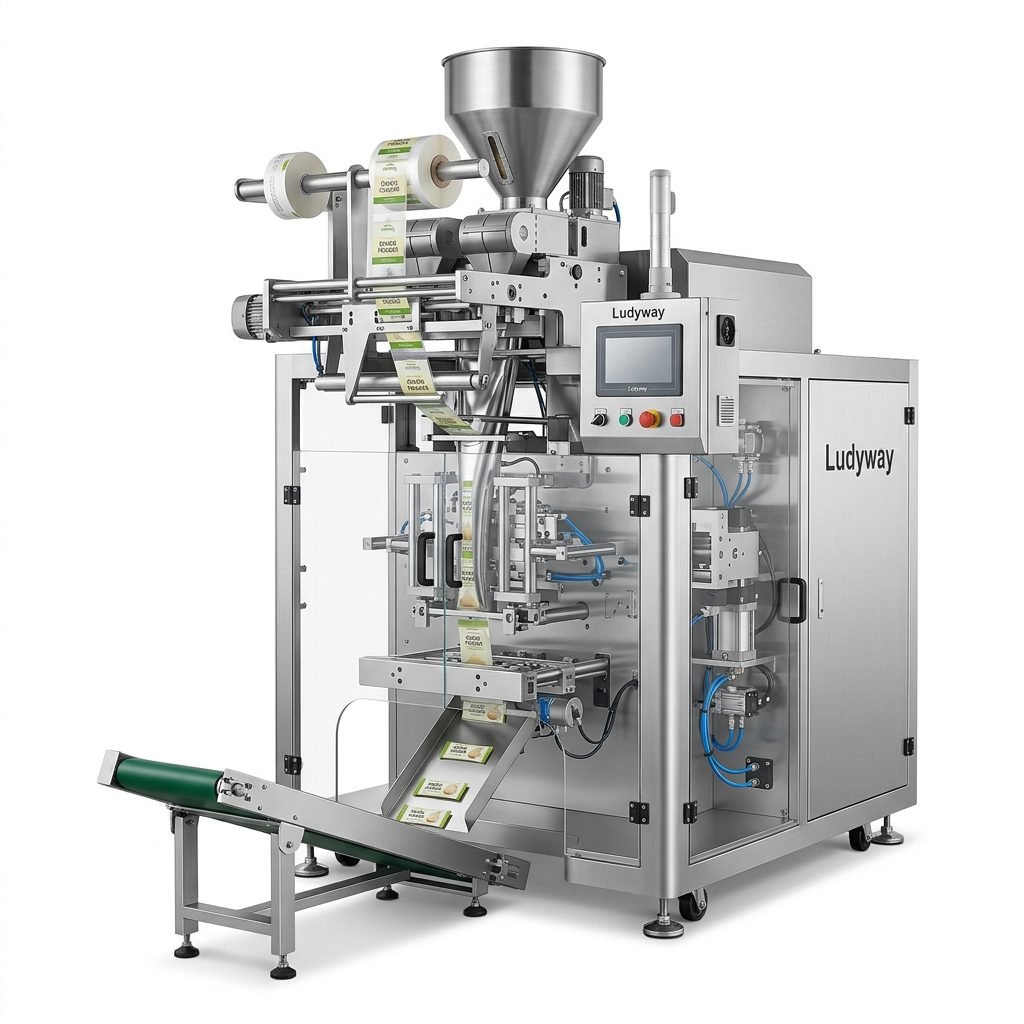
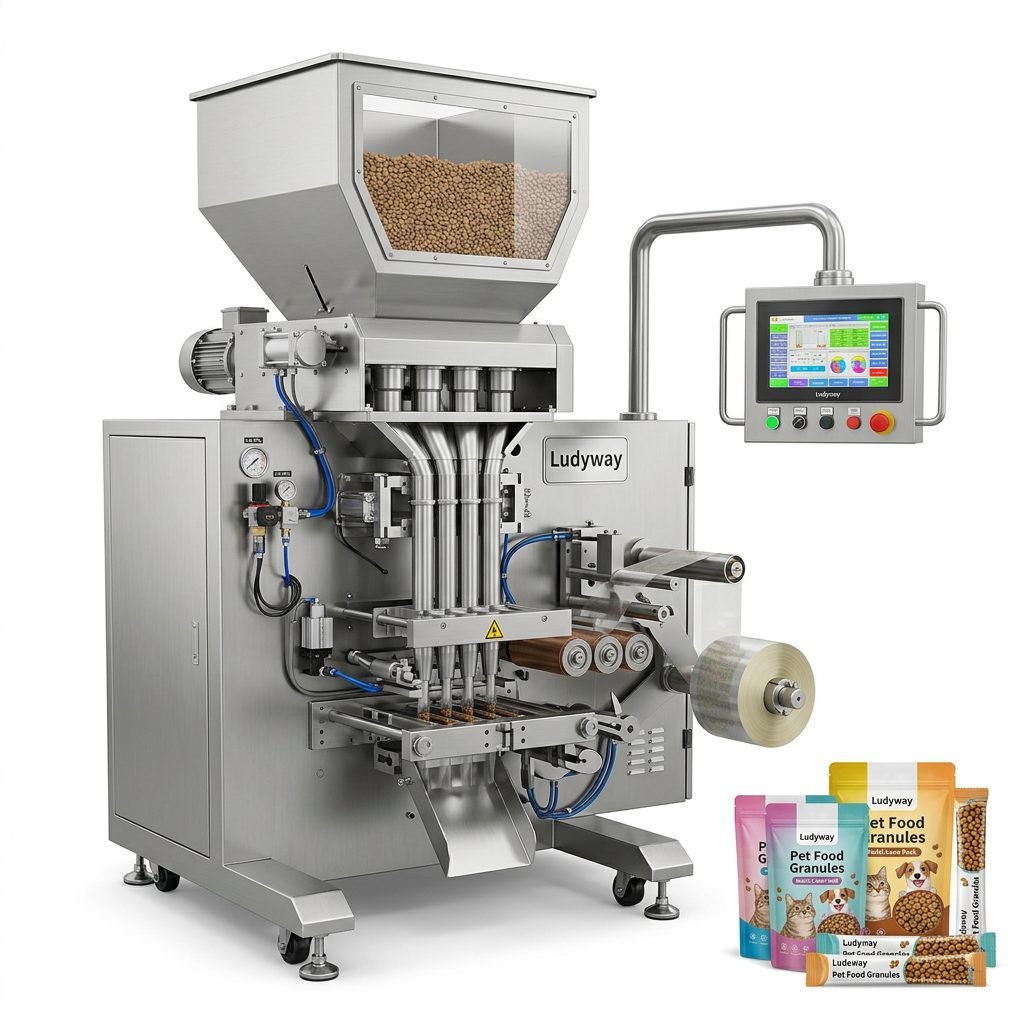
Industry-Specific Expertise: Does the manufacturer have proven experience in your specific sector? For instance, a food producer in Porto needs different hygiene standards than a pharmaceutical lab in Lisbon. A manufacturer like Ludyway, with over 30 years in food and pharma packaging, can offer tailored solutions for granules, powders, and liquids.
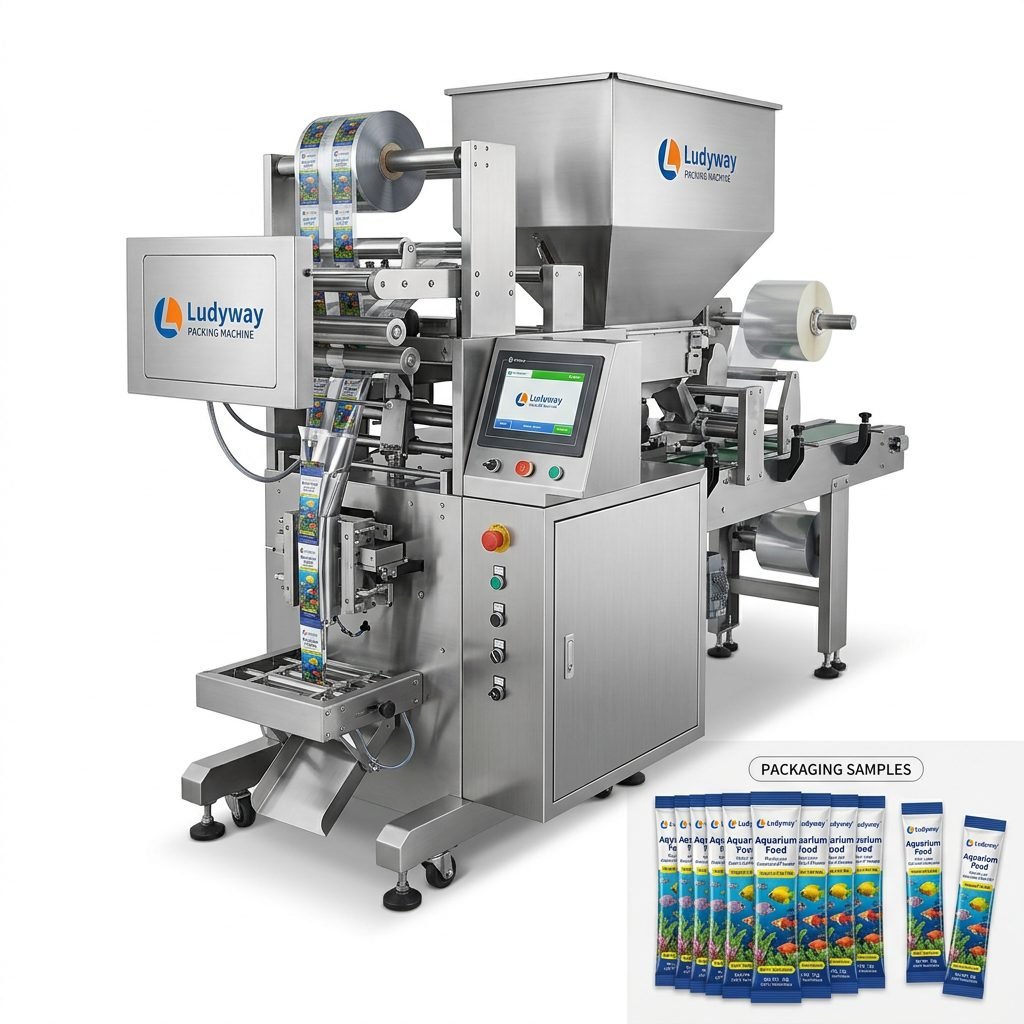
Technological Capability & Innovation: Look for manufacturers investing in R&D. Features like multi-lane filling, intelligent control systems, and quick changeover capabilities are vital for staying competitive. Portuguese companies exporting within the EU benefit from high-speed, versatile machines that can handle various package formats (sachet, stick pack, pouch) to meet diverse market demands.

Production Scale and Support: Assess the manufacturer’s own facility and capacity. A large-scale operation, such as Ludyway’s 20,000㎡ plant, indicates stability and the ability to handle large orders and provide consistent spare parts. For Portuguese businesses, having access to reliable technical support and training is crucial, minimizing costly downtime.
Evaluating Manufacturer Credentials and Global Reach
A manufacturer’s track record is a strong indicator of reliability. Investigate their history, client portfolio, and international presence. Manufacturers serving a global clientele, like Packmate Machinery or PacklineOEM, are often more adaptable to different market standards, which is beneficial for Portuguese exporters. Key credentials to verify include:
- Years of Industry Experience: Longevity suggests resilience and accumulated knowledge.
- Range of Machine Models: A wide portfolio (e.g., over 50 models) allows for better customization.
- International Certifications: Compliance with CE, ISO, and other relevant standards is non-negotiable for the EU market.
- After-Sales Service Network: Proximity of service engineers or reliable local agents in Europe.

The Importance of Customization and Turnkey Solutions
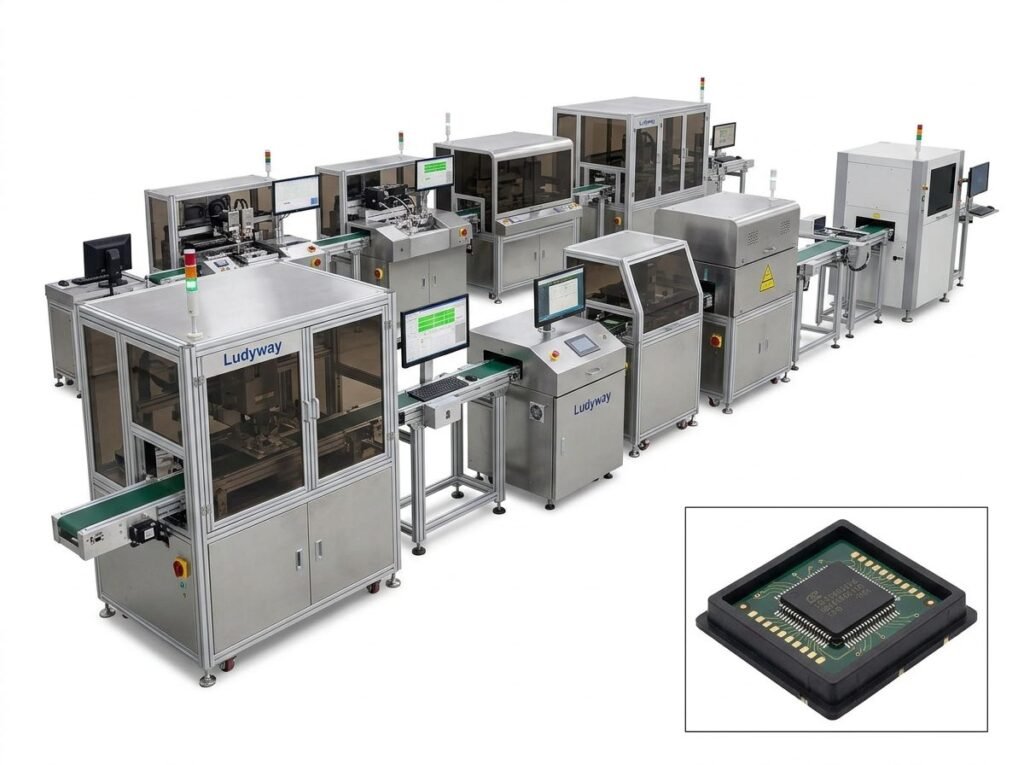
Off-the-shelf machines rarely fit perfectly. The ability to customize is paramount. Whether you need a machine adapted for a unique product viscosity, a specific dosing weight, or integration into an existing line, the manufacturer should offer flexible engineering. Leading manufacturers like PackingMachineOEM specialize in non-standard solutions. For a complete overhaul, a turnkey production line from a single supplier simplifies project management, ensures component compatibility, and provides a single point of accountability.
Cost Considerations Beyond the Initial Purchase
For Portuguese businesses, the total cost of ownership (TCO) is a more accurate metric than the initial invoice. Consider:
- Energy Efficiency: Machines with lower power consumption reduce long-term operational costs.
- Maintenance Requirements: Easy-to-access parts and clear maintenance schedules prevent expensive repairs.
- Material Waste: High-precision filling systems minimize product giveaway, directly improving your bottom line.
- Training and Documentation: Availability of manuals in Portuguese or English and on-site training for your team.

Navigating the Supplier Ecosystem: From China to Portugal
Many Portuguese companies source packaging machinery from China due to the excellent balance of quality, technology, and cost. When evaluating Chinese manufacturers like Ludyway, SnusMachinery, or others, focus on their export experience and understanding of European business practices. Key due diligence steps include:
- Requesting detailed case studies or references from European clients.
- Reviewing warranty terms and spare parts logistics to Portugal.
- Conducting virtual or in-person factory audits to assess build quality and processes.
- Clarifying Incoterms and responsibilities for shipping, customs clearance, and delivery to your factory gate.
Building a Long-Term Partnership
The right manufacturer should be viewed as a strategic partner, not just a vendor. A partner invested in your growth will offer ongoing support, software updates, and insights into new packaging trends. They should be proactive in communication and capable of scaling their support as your business in Portugal expands.

Frequently Asked Questions (FAQs)
1. Why should a Portuguese company consider a Chinese packaging machine manufacturer?
Chinese manufacturers like Ludyway, Packmate Machinery, and PacklineOEM often provide advanced technology at a competitive total cost. They have extensive experience exporting worldwide, including to Europe, and can offer machines that meet CE and other international standards. Their large-scale production capabilities also ensure better availability of machines and spare parts.
2. What type of after-sales support can we expect for machines installed in Portugal?
Reputable manufacturers provide comprehensive support, including installation supervision (onsite or remote), operator training, detailed documentation, and a readily available inventory of spare parts. Many have established service networks or reliable agents in Europe to ensure prompt technical assistance and minimize downtime.
3. How do we ensure the machine complies with EU safety and quality regulations?
Always request and verify the machine’s CE certification documentation. Reputable manufacturers design their equipment to comply with relevant EU machinery directives. It is also advisable to discuss your specific product and industry standards (e.g., food-grade materials, pharmaceutical GMP requirements) during the quotation process to ensure full compliance.
4. Can we get a customized machine for our unique product format?
Yes, most leading manufacturers offer customization services. This can range from modifying existing models with different filling heads, scales, or sealing systems to designing a completely new machine. Manufacturers specializing in OEM and non-standard solutions, such as PackingMachineOEM, are particularly adept at handling bespoke projects.
5. What is the typical lead time for a packaging machine from order to delivery in Portugal?
Lead times vary based on the machine’s complexity, customization level, and the manufacturer’s production schedule. For standard models, it can range from 30 to 90 days. For fully customized or turnkey lines, it may take 90 to 180 days or more. Always confirm detailed production and shipping schedules, including sea freight transit time to Portuguese ports like Leixões or Lisbon, during contract negotiation.