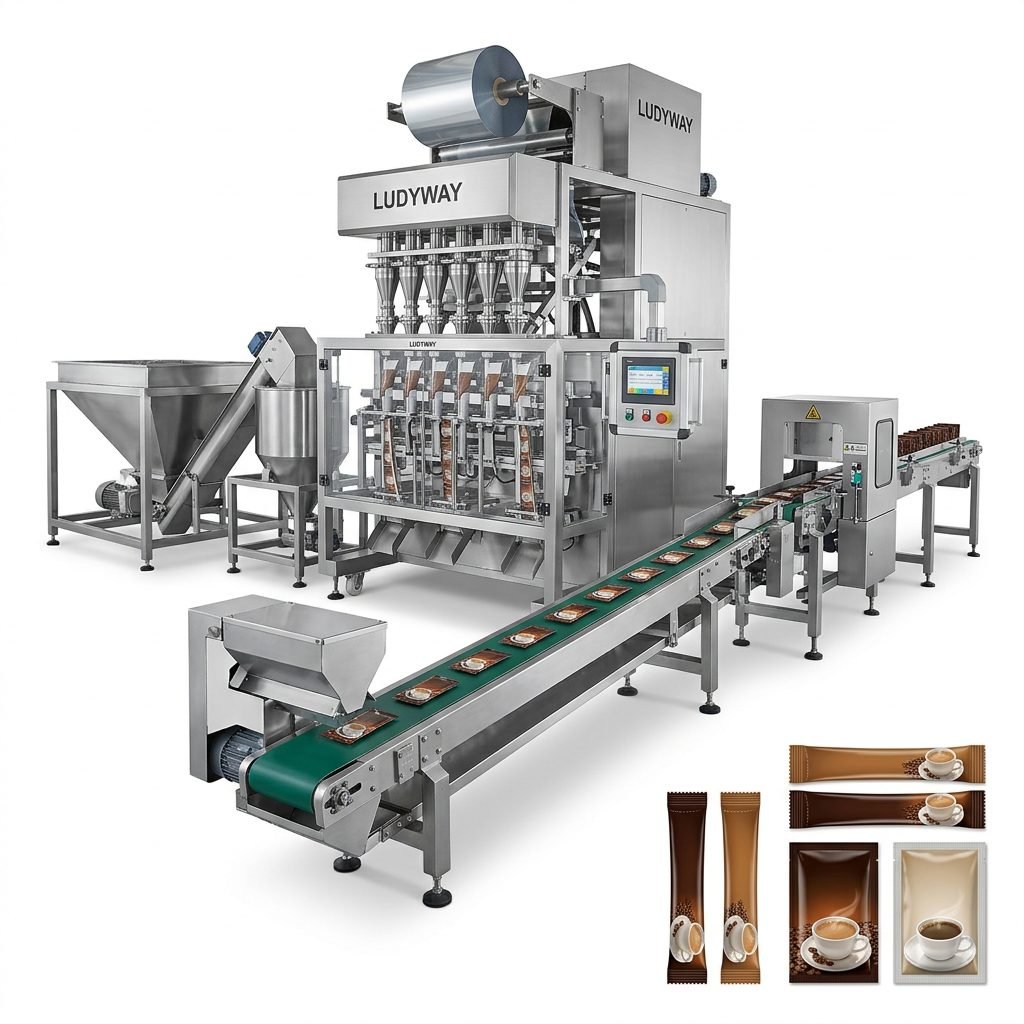
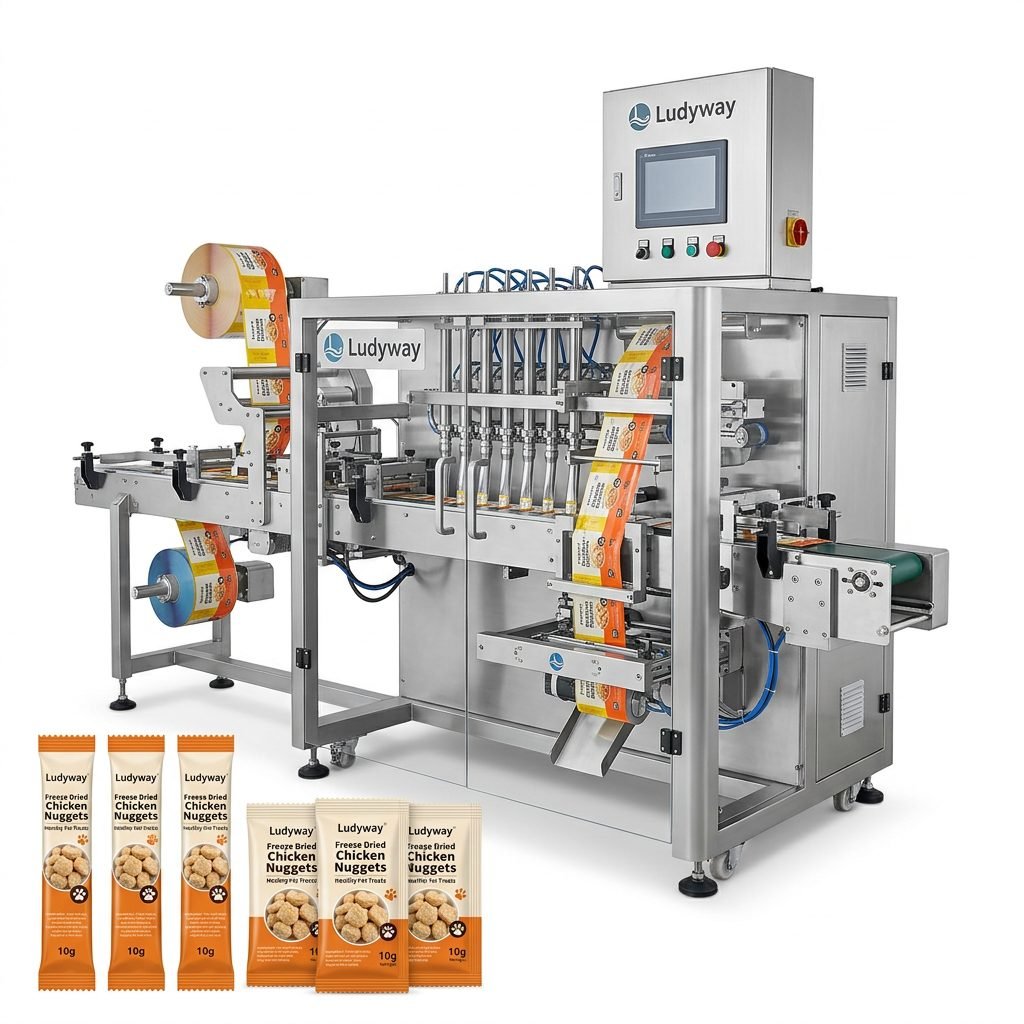
Switzerland, renowned for its precision engineering, high-quality manufacturing, and stringent standards, is a key market for advanced packaging machinery. Swiss manufacturers in the food, pharmaceutical, and nutraceutical sectors demand equipment that aligns with their national reputation for excellence, reliability, and innovation. Choosing the right packaging machine manufacturer is a critical decision that impacts production efficiency, product quality, and long-term operational success. This guide outlines the key factors and practical tips for Swiss businesses to consider when selecting a partner for their packaging automation needs.
Understanding the Swiss Manufacturing Ethos
Swiss industry is characterized by a commitment to precision, quality, and technological advancement. When evaluating packaging machine suppliers, Swiss buyers inherently look for these same core values. A manufacturer must demonstrate an understanding of the local regulatory landscape, particularly for sensitive sectors like pharmaceuticals (governed by Swissmedic) and food (aligned with Swiss food safety ordinances). Furthermore, the equipment must integrate seamlessly into highly automated, clean, and efficient production environments typical of Swiss facilities.
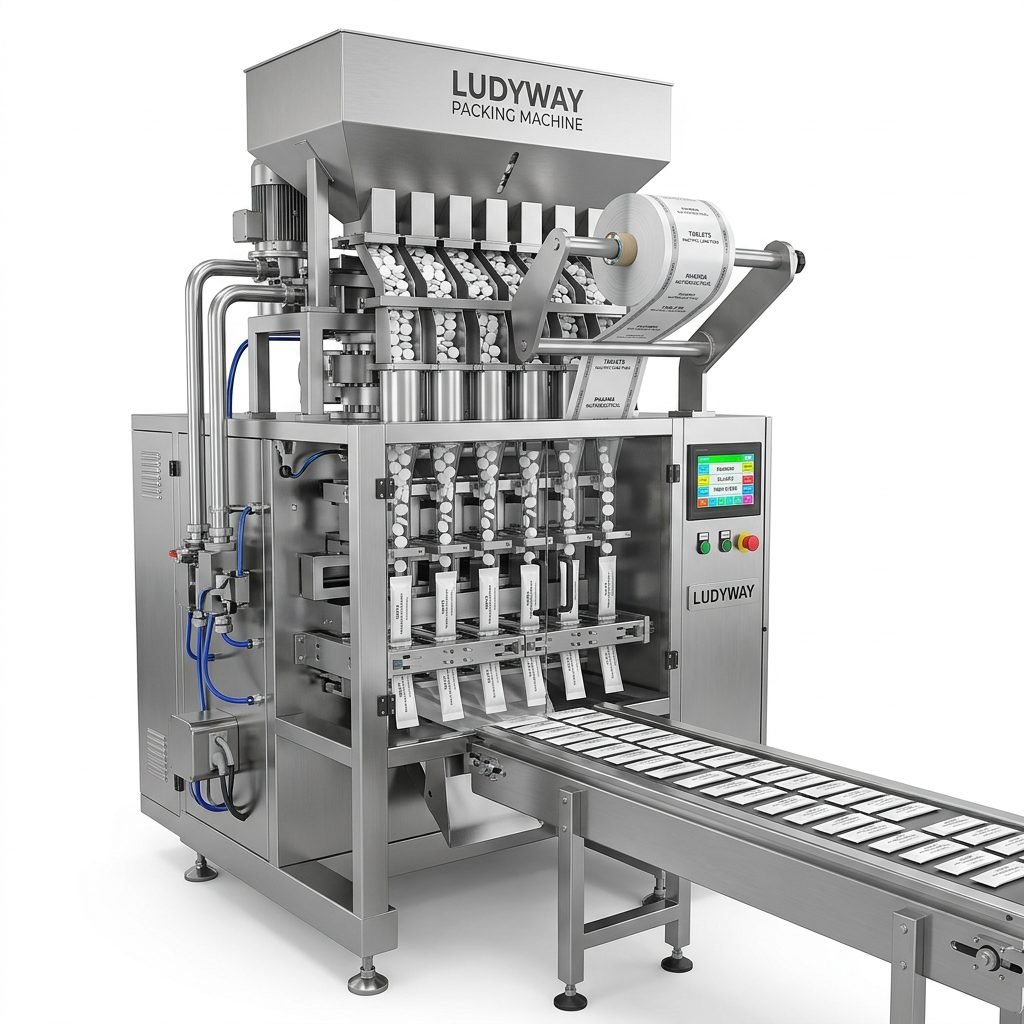
Key Factor 1: Technical Expertise and Product Range
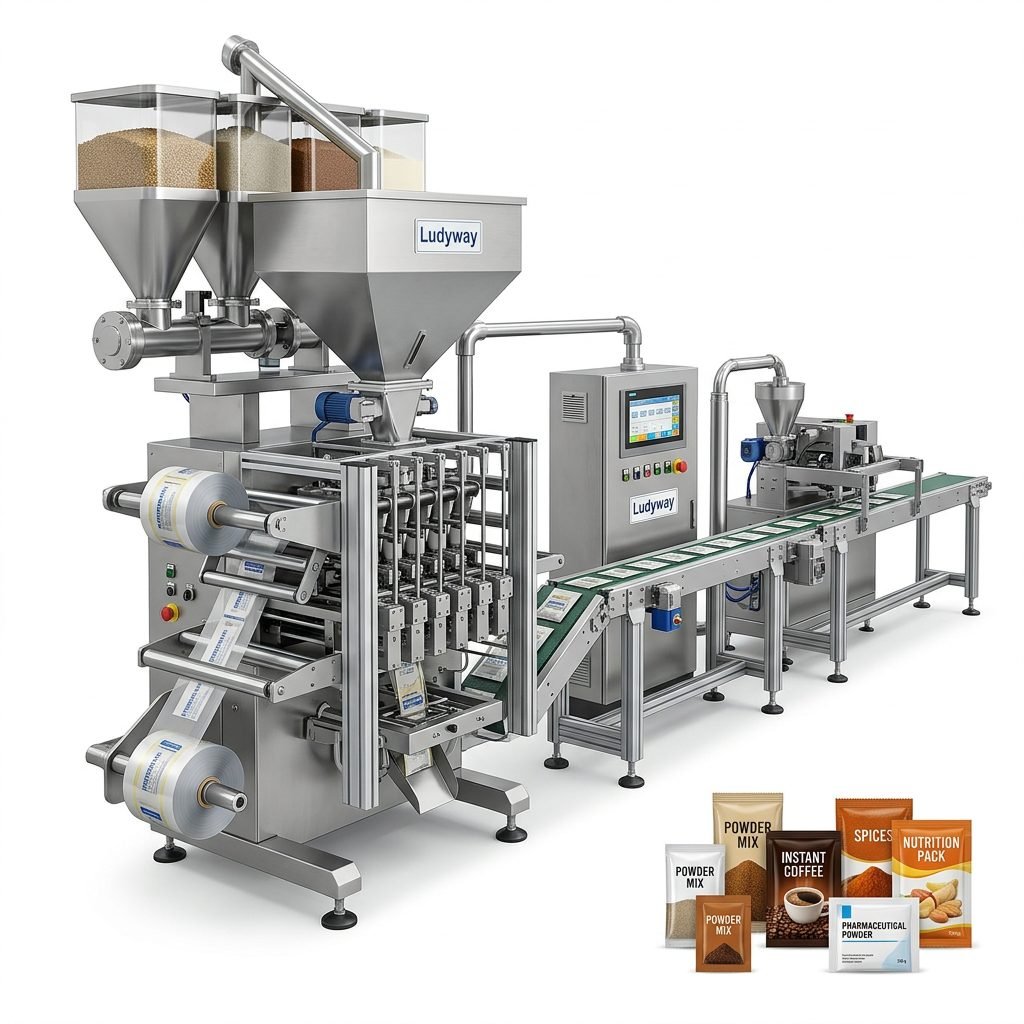
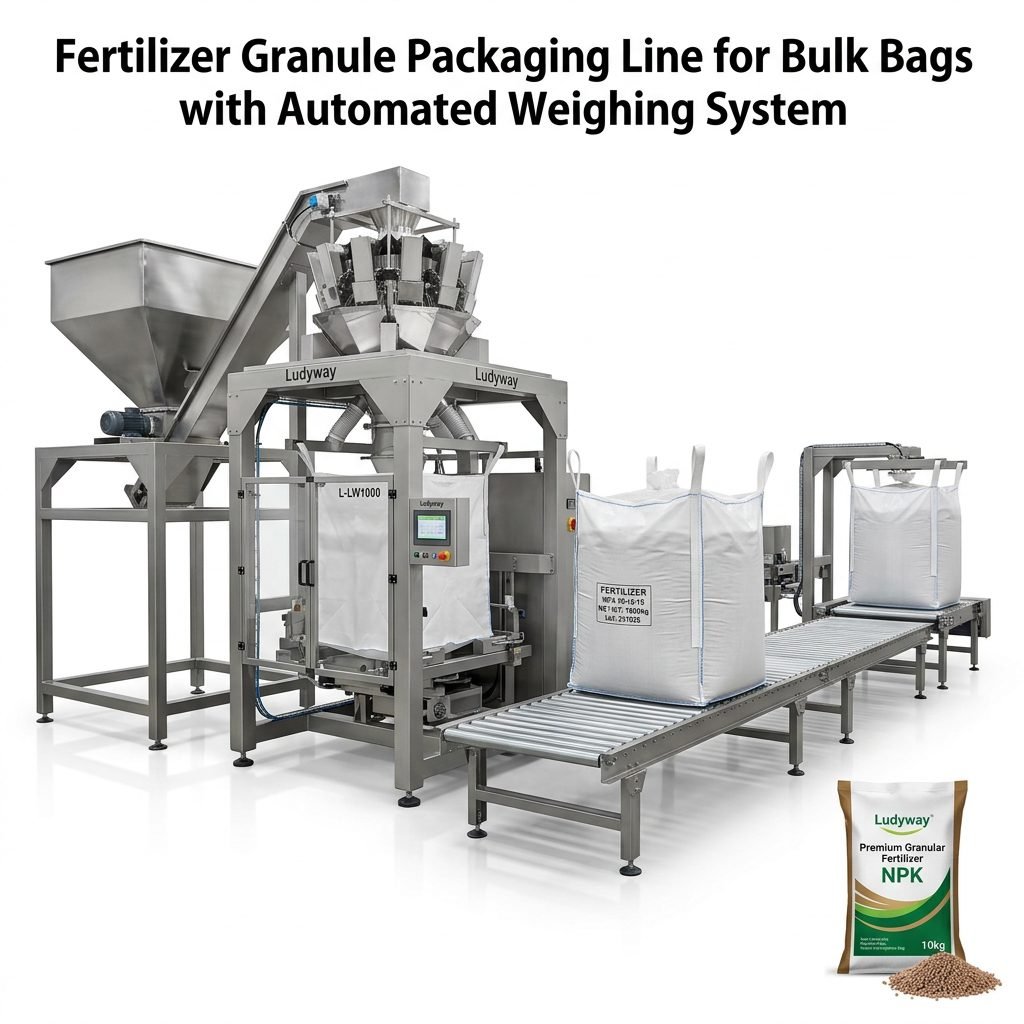
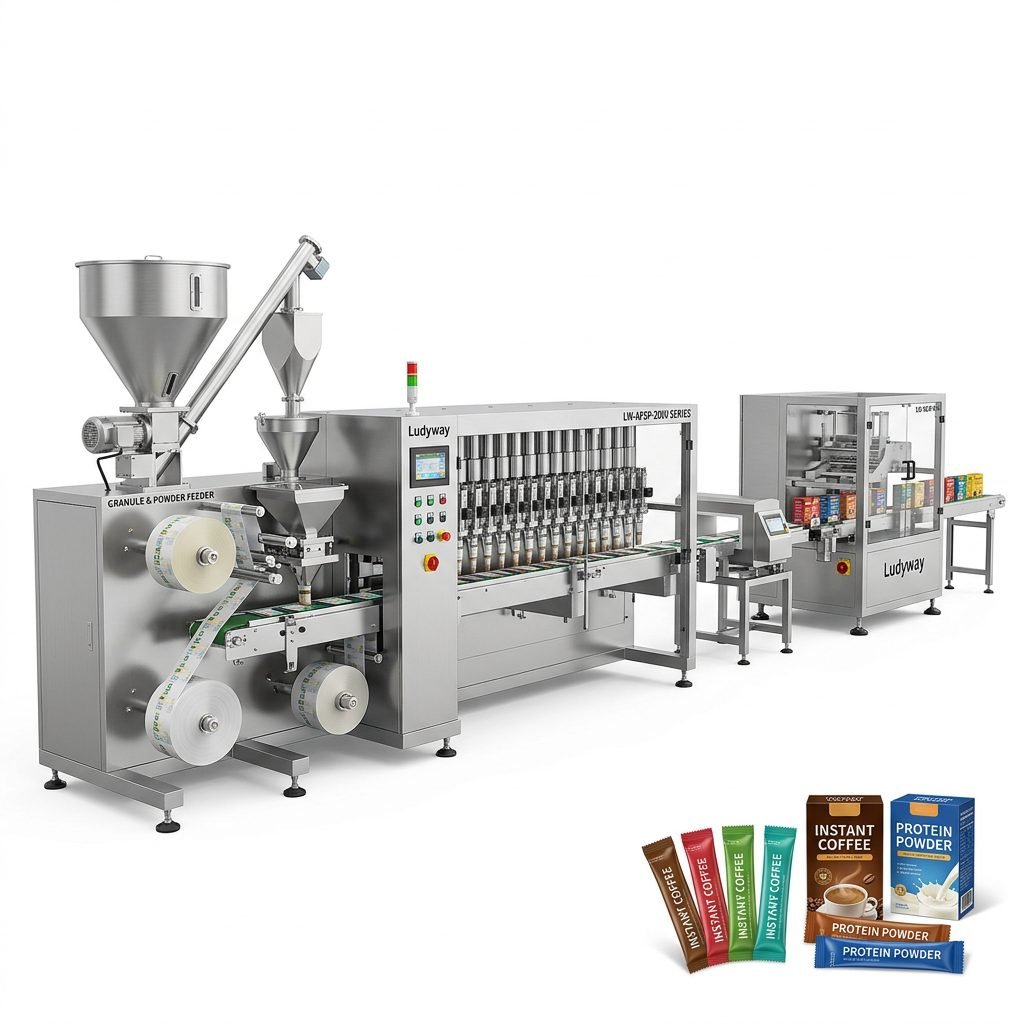
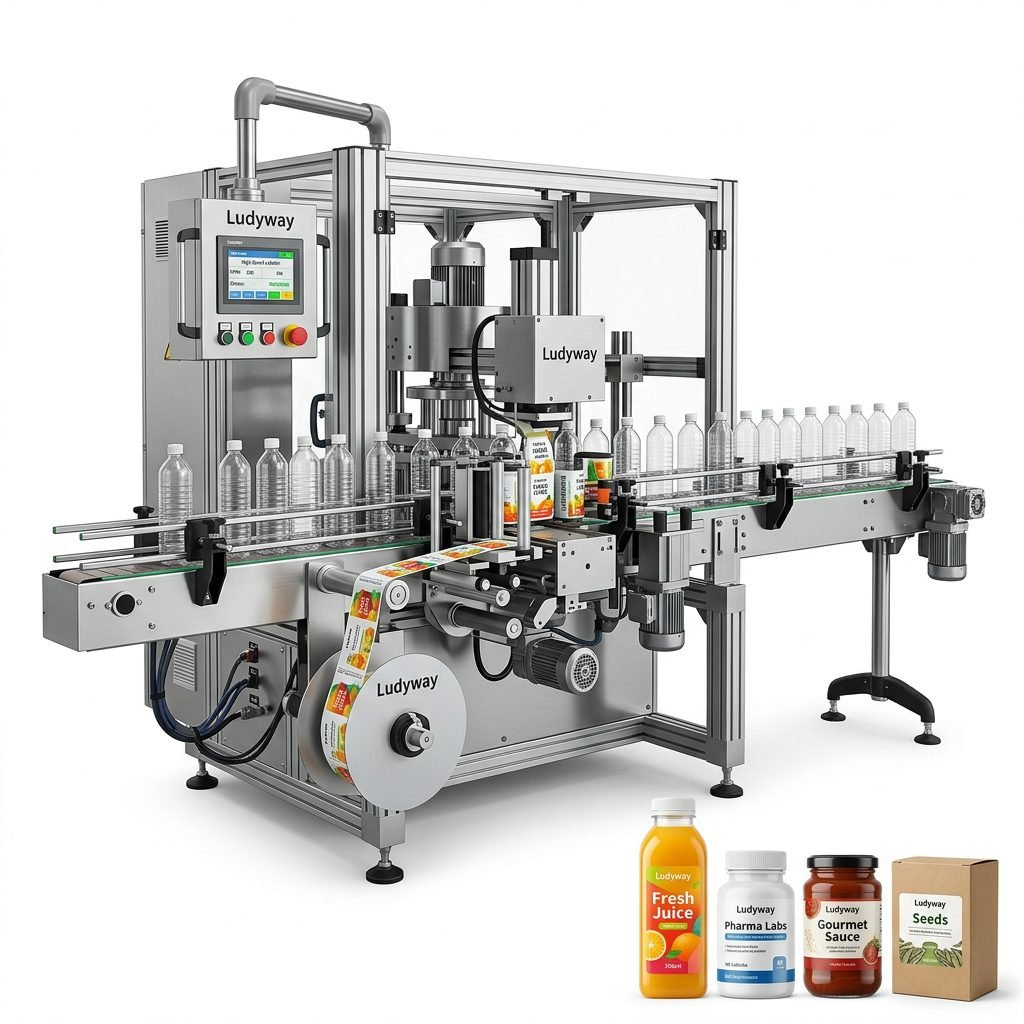
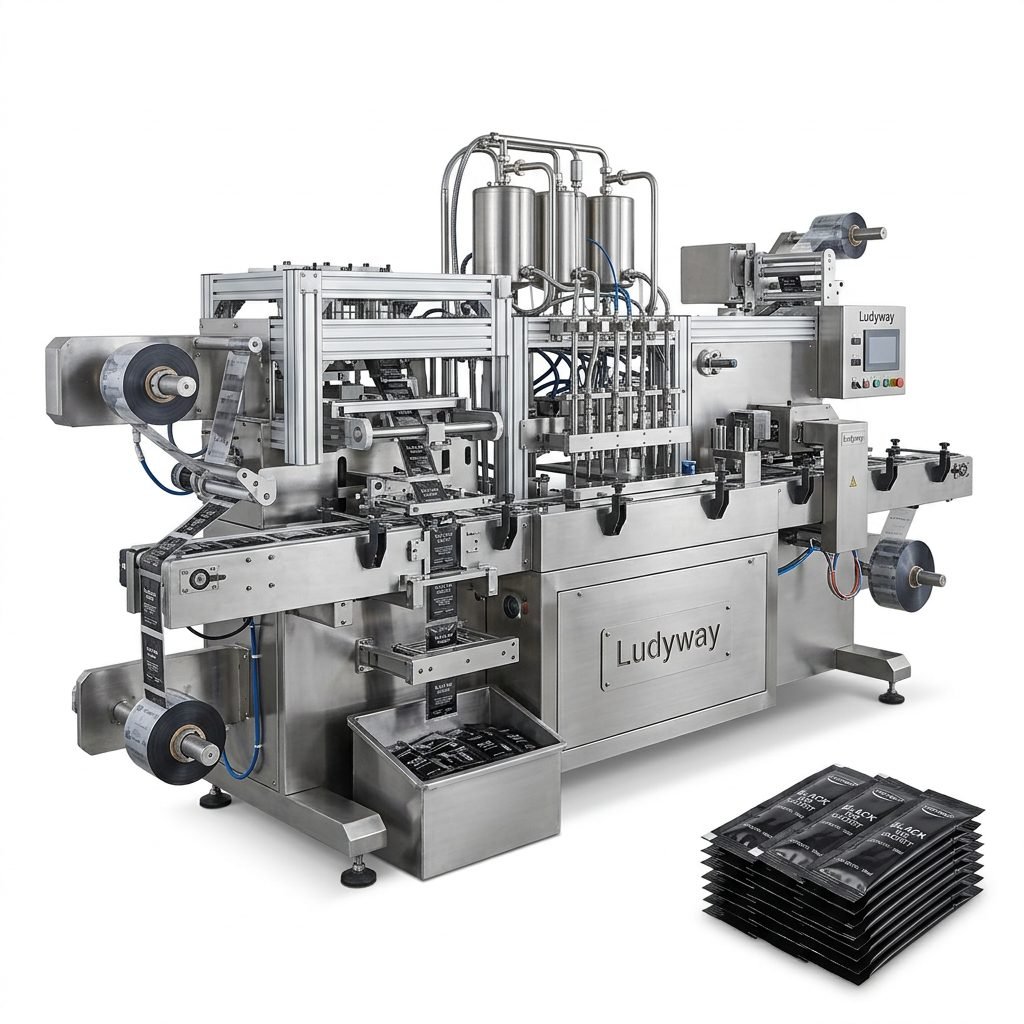
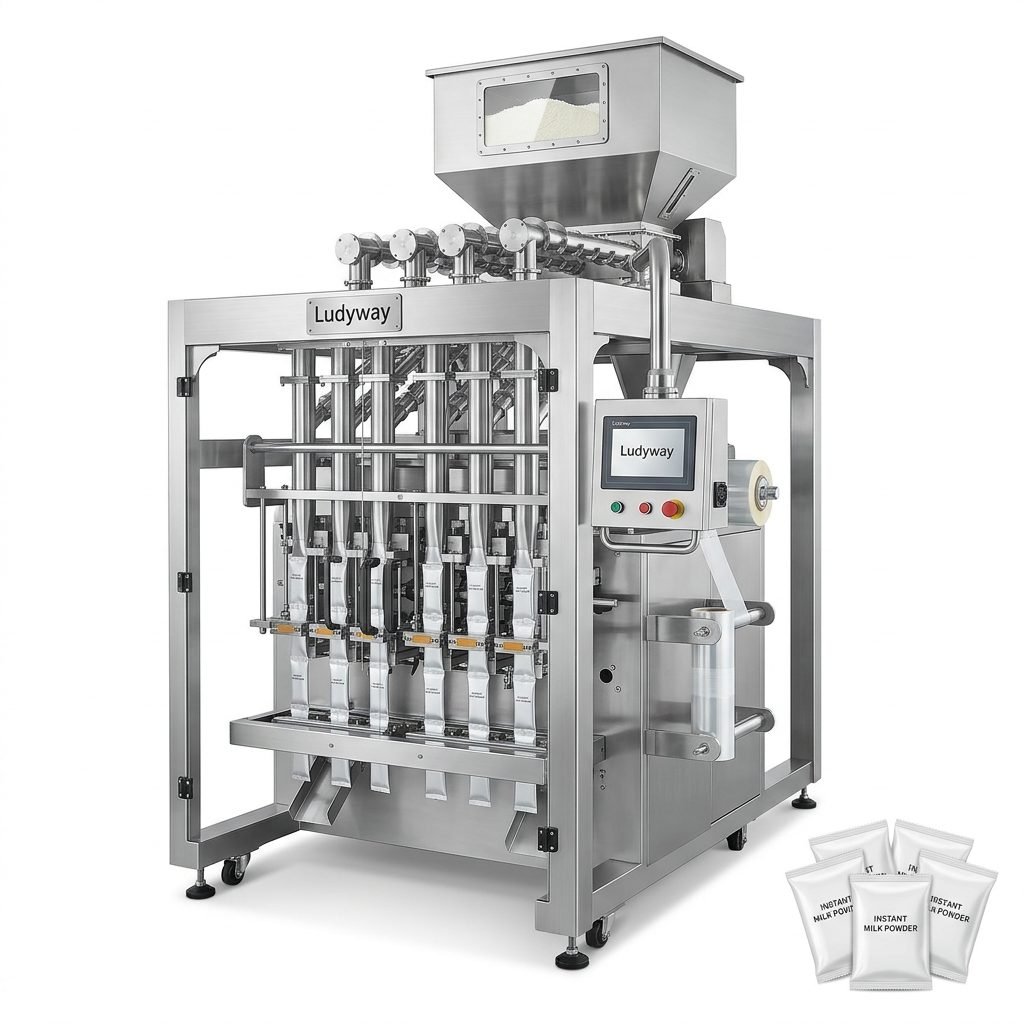
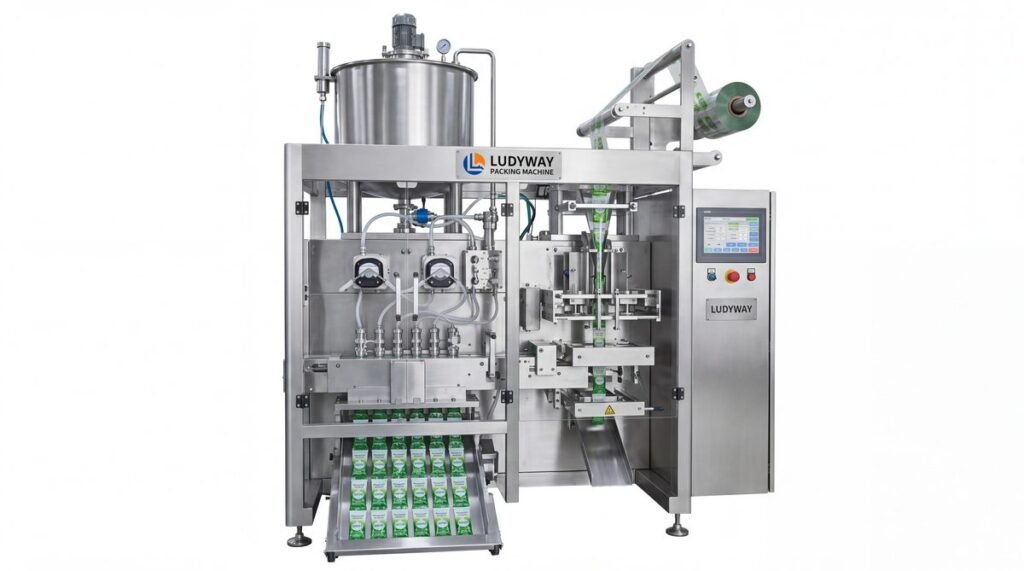
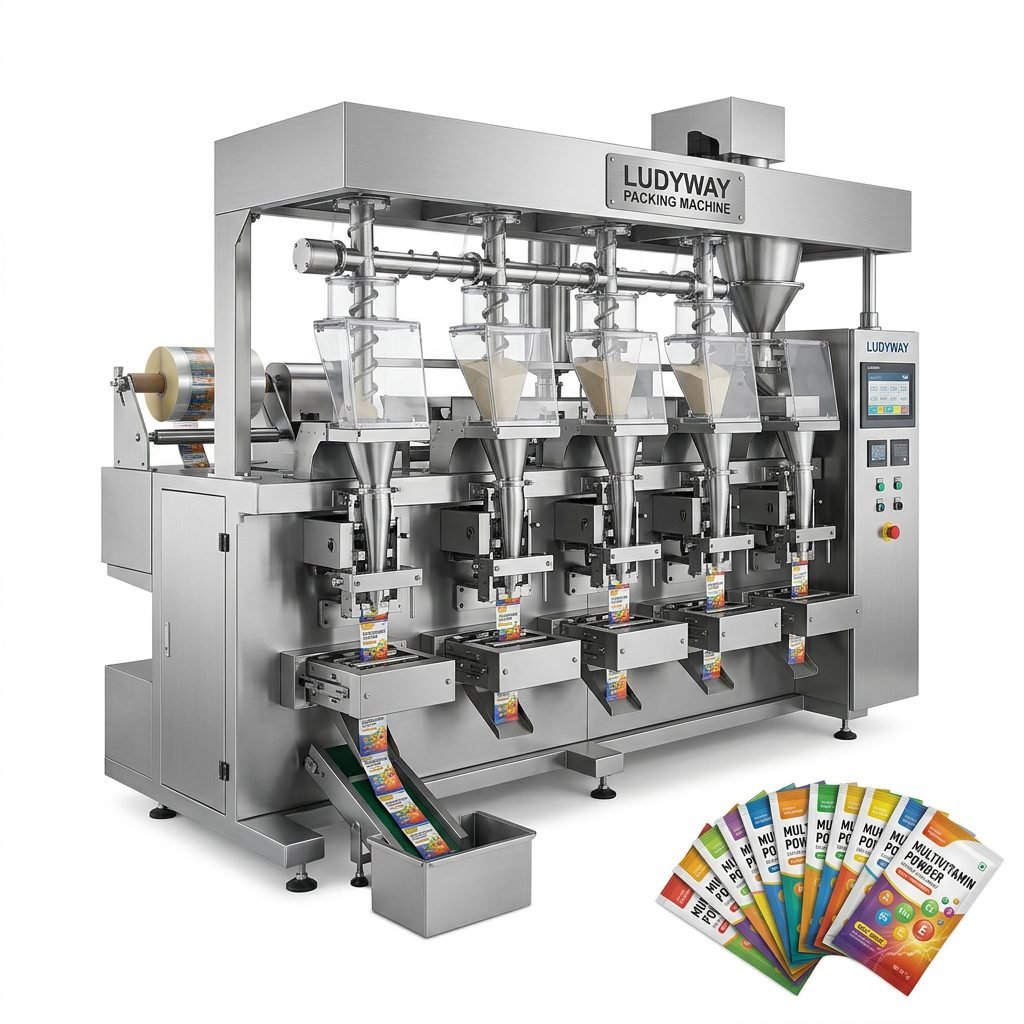
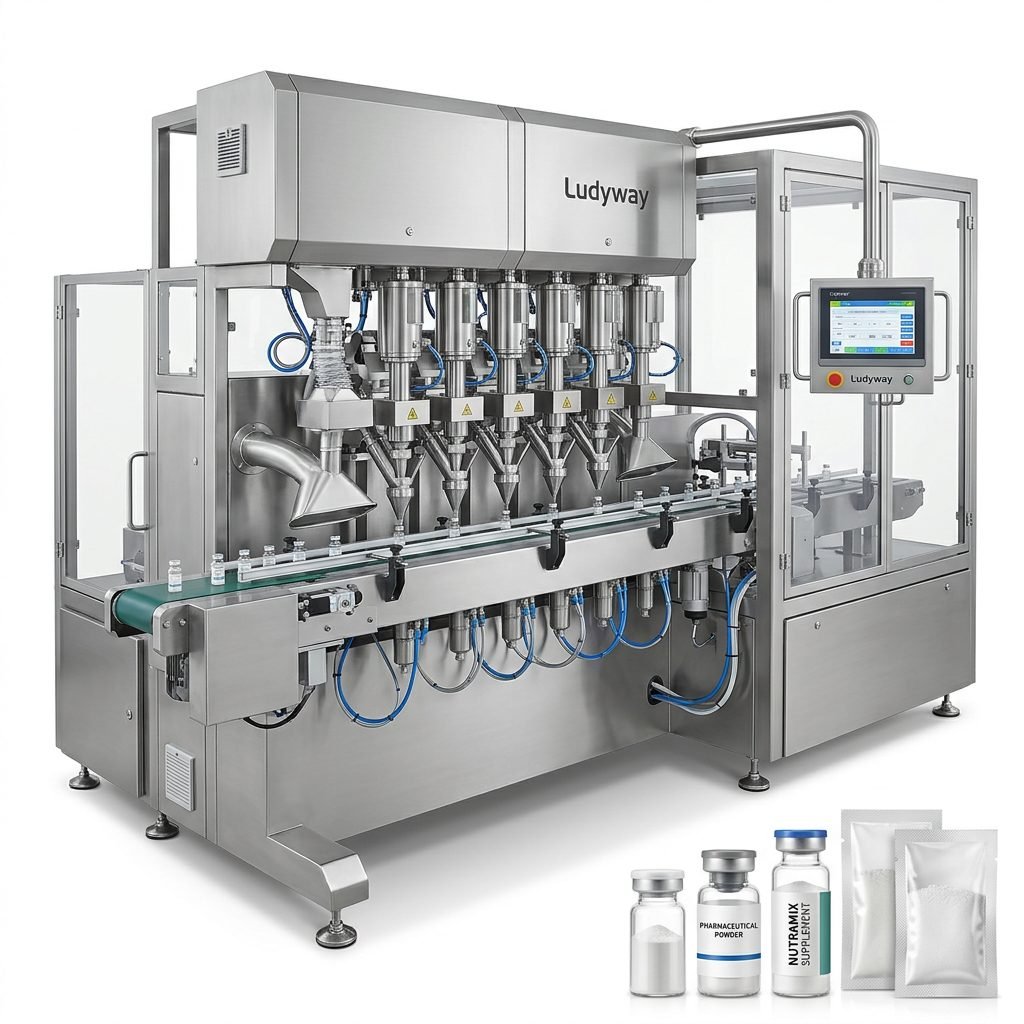
The manufacturer’s technical capability should match your specific product format. Whether you require multi-lane stick pack, sachet, granule, powder, or liquid packaging systems, the supplier must have proven experience. For instance, a company like Ludyway offers over 50 intelligent packaging machine models, demonstrating a broad capability to handle diverse applications from collagen powder sachets to pharmaceutical tablets.
Swiss clients should verify if the manufacturer’s R&D team can handle customizations. The ability to adapt machine parameters for unique Swiss market products—such as high-precision dosing for premium supplements or hygienic design for dairy powders—is crucial. Compare this with other major suppliers like Packmate Machinery or PacklineOEM, who also provide extensive ranges for turnkey lines.
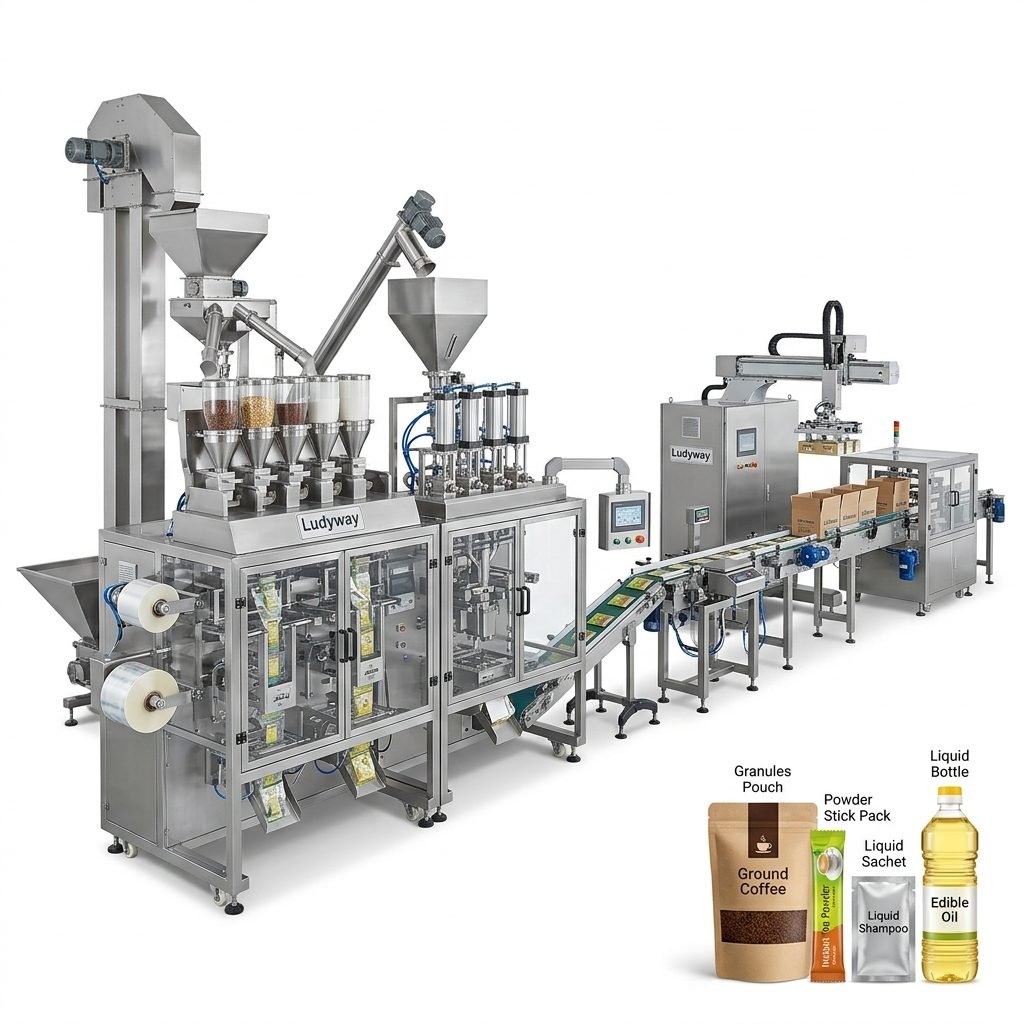
Key Factor 2: Manufacturing Quality and Facility Standards
Inspect the manufacturer’s production facility. A modern plant with advanced machining, assembly, and quality control processes is non-negotiable. For example, Ludyway operates a 20,000㎡ manufacturing facility with over 200 equipment units, which speaks to scale and quality control capacity. Swiss buyers should look for certifications like CE, ISO 9001, and specific industry standards that ensure machinery is built to last and perform with Swiss-level precision.
Consider the build quality of components—are servo motors, PLCs, and stainless-steel contact parts from reputable international brands? This directly affects machine uptime and maintenance cycles, critical for Swiss production schedules.
Key Factor 3: Industry Experience and Client References
A manufacturer with a long track record and global clientele offers more reliable solutions. 30+ years of industry experience provides deep insights into solving complex packaging challenges. Review case studies relevant to the Swiss market, such as projects for health products, precision pharmaceuticals, or high-end food items. Manufacturers like PackingMachineOEM (specializing in non-standard machines) or SnusMachinery (focused on oral nicotine) show specialized expertise that may be relevant for niche Swiss segments.
Actionable Tip: Always request contactable references from companies operating in DACH region (Germany, Austria, Switzerland). First-hand feedback on machine performance, technical support responsiveness, and spare parts logistics is invaluable.
Key Factor 4: After-Sales Support and Local Presence
For Swiss companies, proximity and quality of support are paramount. Evaluate the manufacturer’s service network. Do they have trained technicians in Europe? What is the average response time for technical issues? Comprehensive support includes:
- Installation & Commissioning: On-site setup by factory engineers.
- Training: Thorough operator and maintenance training.
- Spare Parts: Availability of a local parts depot or guaranteed fast shipping.
- Remote Support: 24/7 access to technical assistance via digital platforms.
A manufacturer investing in European service infrastructure demonstrates commitment to the Swiss market.
Key Factor 5: Innovation and Technology Integration
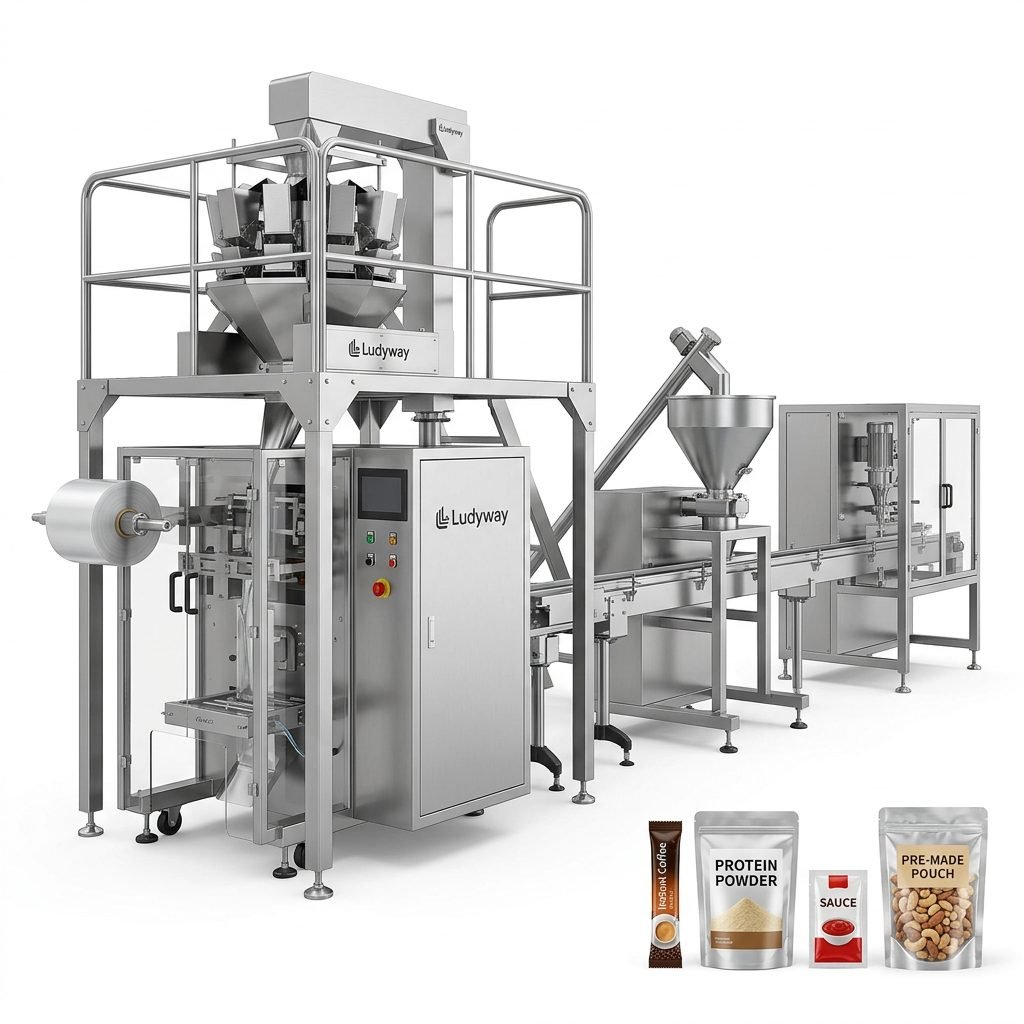
Swiss industries are at the forefront of Industry 4.0. The ideal packaging machine should offer smart features like IoT connectivity for predictive maintenance, data collection for OEE (Overall Equipment Effectiveness) analysis, and compatibility with MES (Manufacturing Execution Systems). Evaluate the manufacturer’s R&D focus—are they continuously upgrading their controls and software? The integration of vision inspection systems, automated checkweighers, and robotic palletizing should be part of their complete turnkey solution offering.
Key Factor 6: Cost-Effectiveness and Total Cost of Ownership (TCO)
While initial investment is important, Swiss buyers are adept at calculating TCO. This includes energy consumption, maintenance costs, changeover times, and expected machine lifespan. A slightly higher upfront cost for a more robust, efficient, and reliable machine from a proven manufacturer like Ludyway often leads to lower long-term costs. Request detailed efficiency data (packages per minute, yield rates, material waste percentage) to make an accurate comparison between suppliers like Ludyway, Packmate, and PacklineOEM.
Practical Steps for Swiss Buyers
1. Define Your Requirements Precisely: Document your product specs, desired output, floor space, and future scalability needs.
2. Shortlist and Vet Manufacturers: Use the factors above to create a shortlist. Attend trade shows like Swisspack or request virtual factory tours.
3. Request a Product Test: Always insist on a factory or virtual test run using your own materials to validate machine performance.
4. Scrutinize the Contract: Ensure warranties, performance guarantees, support terms, and delivery schedules are clearly stated.
5. Plan for Integration: Discuss with the supplier how the new machine will integrate with your existing line to ensure a smooth transition.

Frequently Asked Questions (FAQs)
Q1: Why should a Swiss company consider a Chinese packaging machine manufacturer?
Leading Chinese manufacturers like Ludyway combine decades of engineering experience with significant investment in modern facilities and R&D. They offer a compelling value proposition: high-performance, reliable machinery at a competitive TCO, backed by extensive global service experience. Many already serve stringent markets like Europe, Japan, and North America, ensuring their equipment meets international standards.
Q2: How do we ensure the machine complies with Swiss and EU safety regulations?
Reputable manufacturers design machines to comply with CE directives and relevant ISO standards. Upon request, they can provide all necessary documentation, including risk assessments, technical files, and declaration of conformity. It is advisable to involve a local Swiss engineering or compliance consultant to review these documents before purchase.
Q3: What is the typical lead time for a custom packaging line from overseas?
Lead times vary based on complexity. For standard models, it can be 2-4 months. For fully customized turnkey lines, it may range from 4 to 8 months. Clear communication, timely approvals, and defined project milestones are key to keeping the project on schedule.
Q4: How is after-sales support handled from a distance?
Established manufacturers provide multi-channel support: 24/7 remote assistance via video call, a network of European-based service engineers or partners, and an online spare parts portal with express shipping. They often conduct periodic preventive maintenance visits.
Q5: Can the manufacturer help with packaging material sourcing?
Yes, many manufacturers, including Ludyway and its peers, have partnerships with film and material suppliers. They can recommend compatible materials for optimal machine performance and seal integrity, and sometimes facilitate introductions to reliable material vendors in Europe to shorten your supply chain.