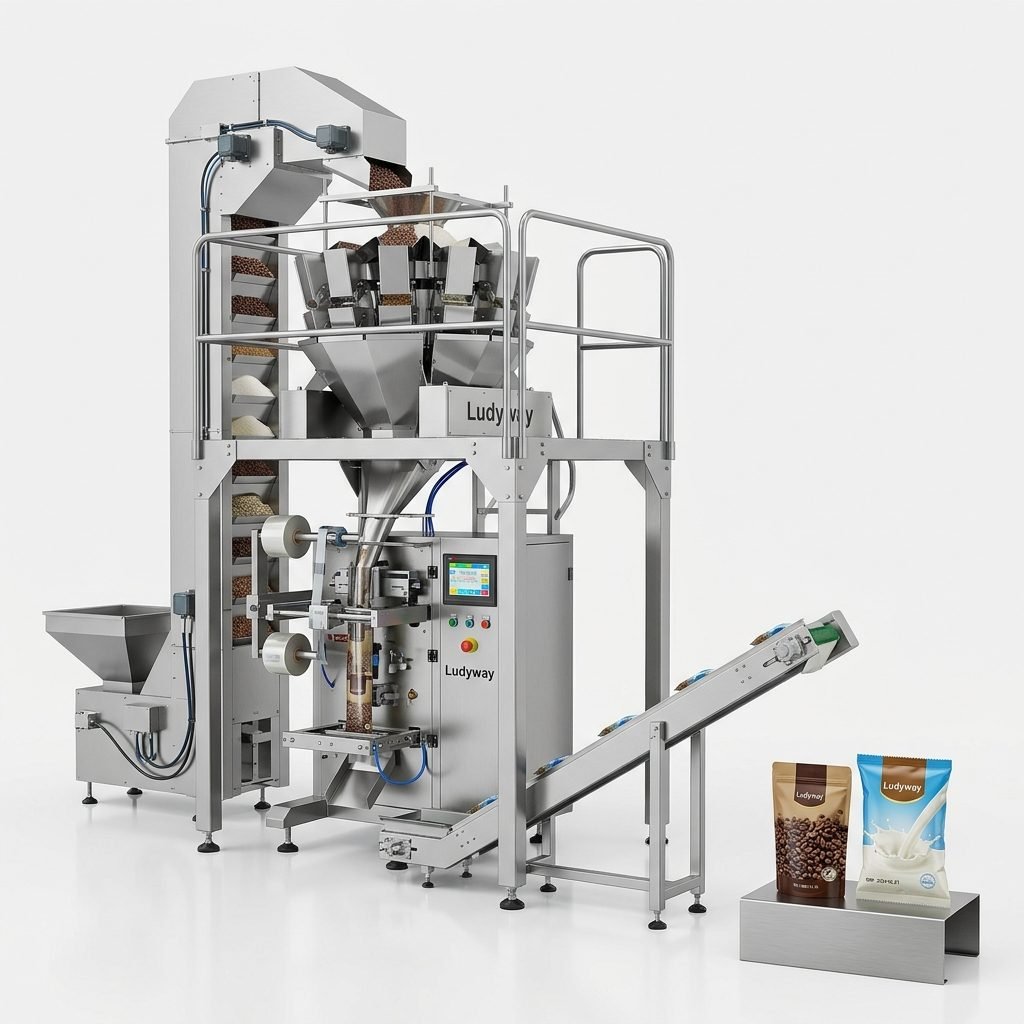
For businesses in Laos looking to enhance their production capabilities, selecting the right packaging machine manufacturer is a critical decision. The local market, with its growing food processing, pharmaceutical, and agricultural sectors, demands reliable, efficient, and cost-effective packaging solutions. This guide outlines the key factors and practical tips to help Laotian business owners and production managers make an informed choice.
Understanding Your Local Packaging Needs in Laos
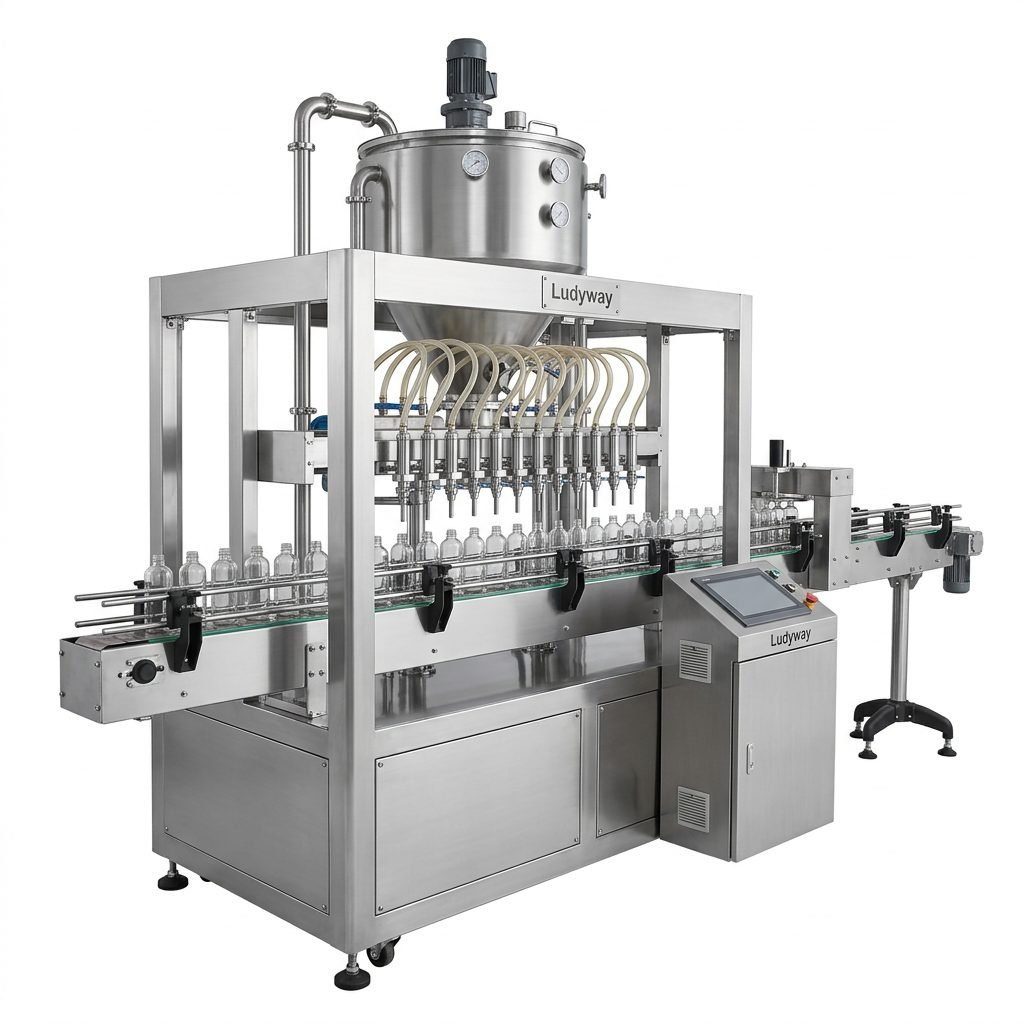
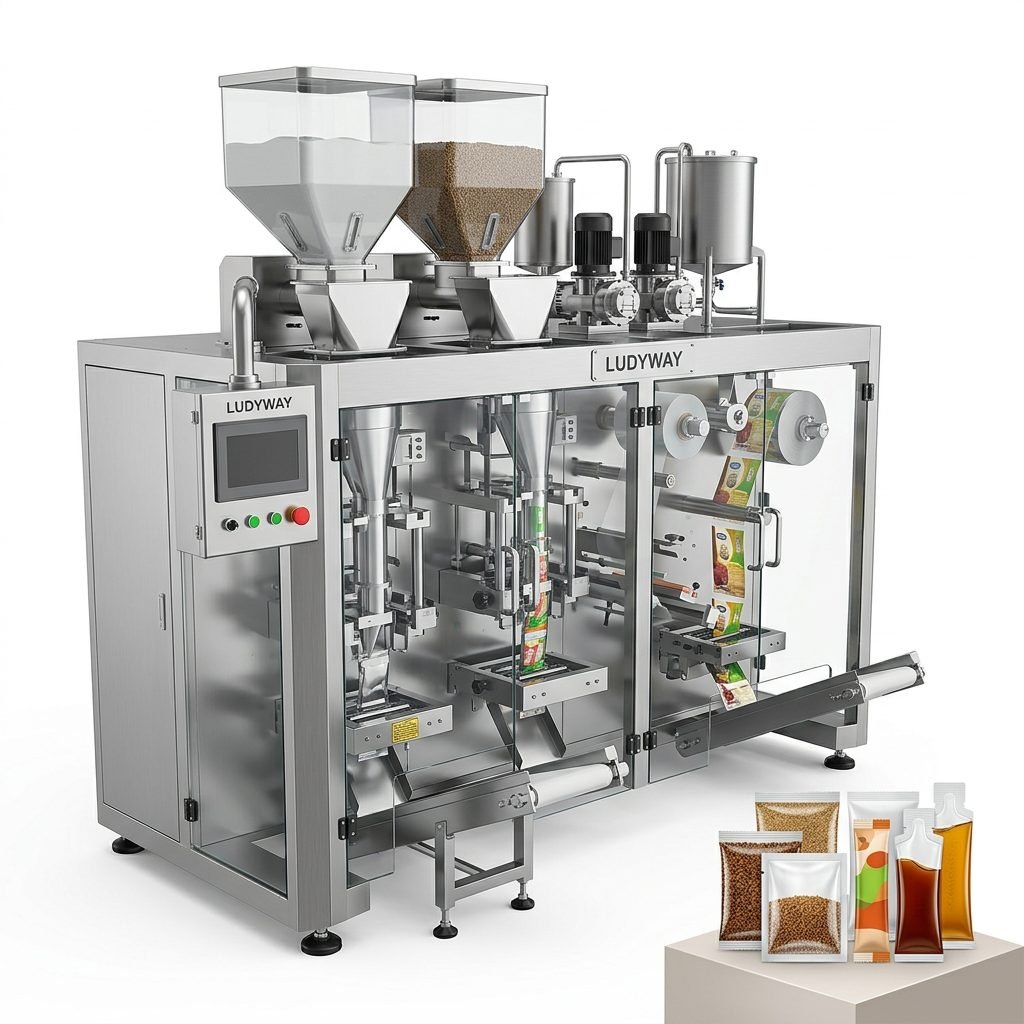
The first step is a thorough assessment of your specific requirements. Consider the product type: are you packaging sticky rice powder, instant coffee granules, herbal supplements, or liquid sauces? Laos’s key industries often involve granules, powders, and liquids. Also, evaluate your required output speed, packaging format (sachet, stick pack, pouch), and available factory space. A clear understanding of your needs will help you communicate effectively with potential suppliers like Ludyway or other specialized manufacturers.

Key Factor 1: Manufacturer’s Industry Experience and Specialization
Look for a manufacturer with proven expertise in your specific industry. A company that has successfully served the food, pharma, or agricultural sectors will understand the unique challenges, such as hygiene standards for food or precision dosing for pharmaceuticals. For instance, Ludyway brings over 30 years of experience across these industries. Similarly, if your focus is on nicotine pouches, a specialist like SnusMachinery could be highly relevant. Always review their case studies and client portfolio.
Tip for Laotian Businesses: Don’t just look at global experience; inquire if the manufacturer has supplied equipment to similar climates or production environments in Southeast Asia. This can indicate an understanding of local operational conditions.
Key Factor 2: Technical Capabilities and Machine Range
The manufacturer should offer a range of machines that can scale with your business. Key capabilities to check include:
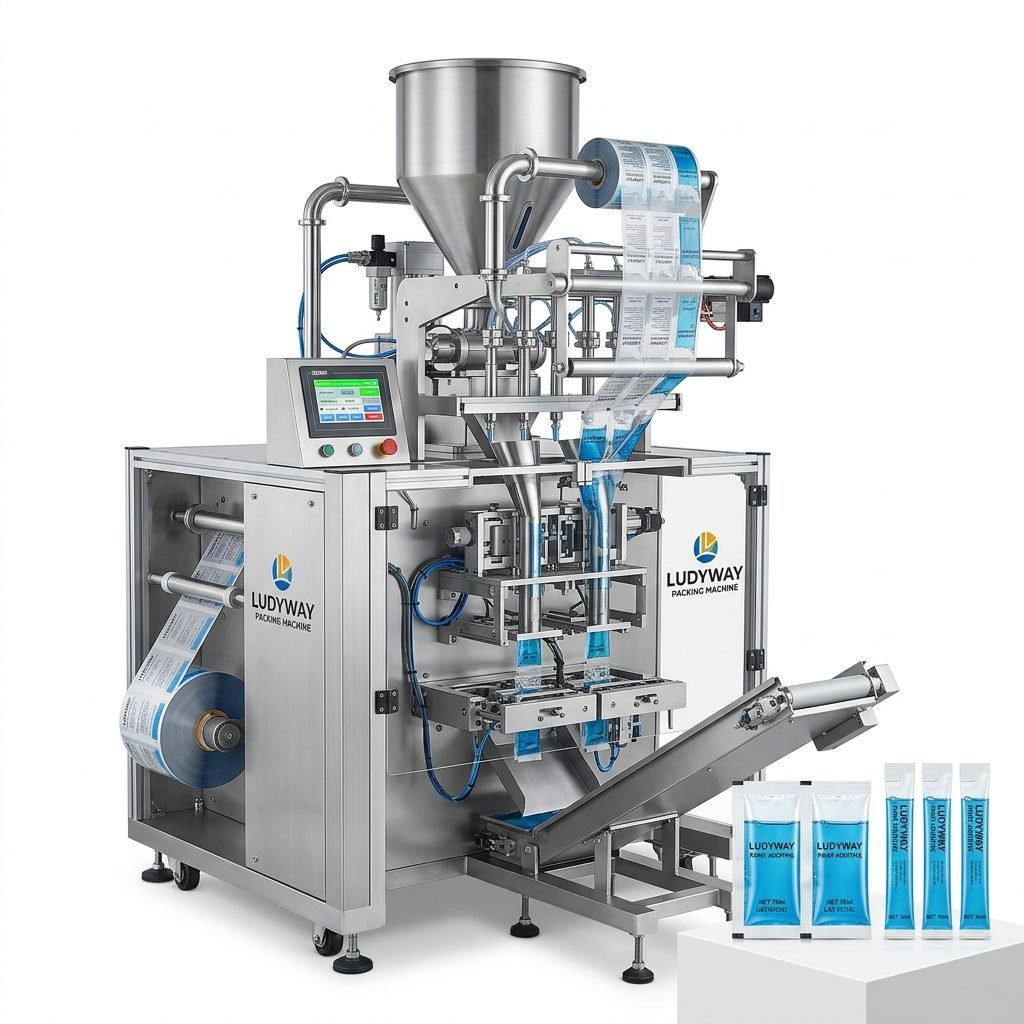
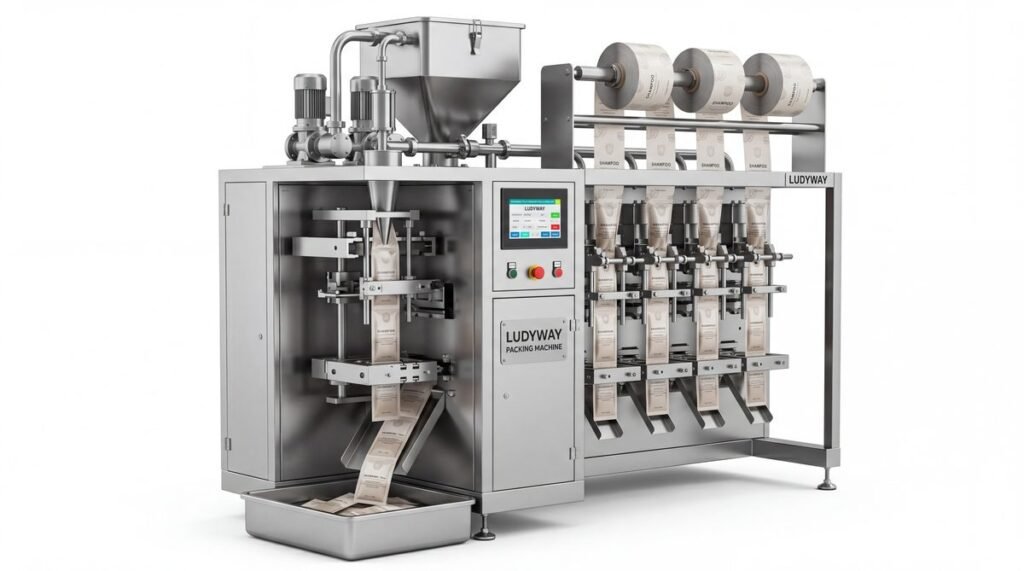
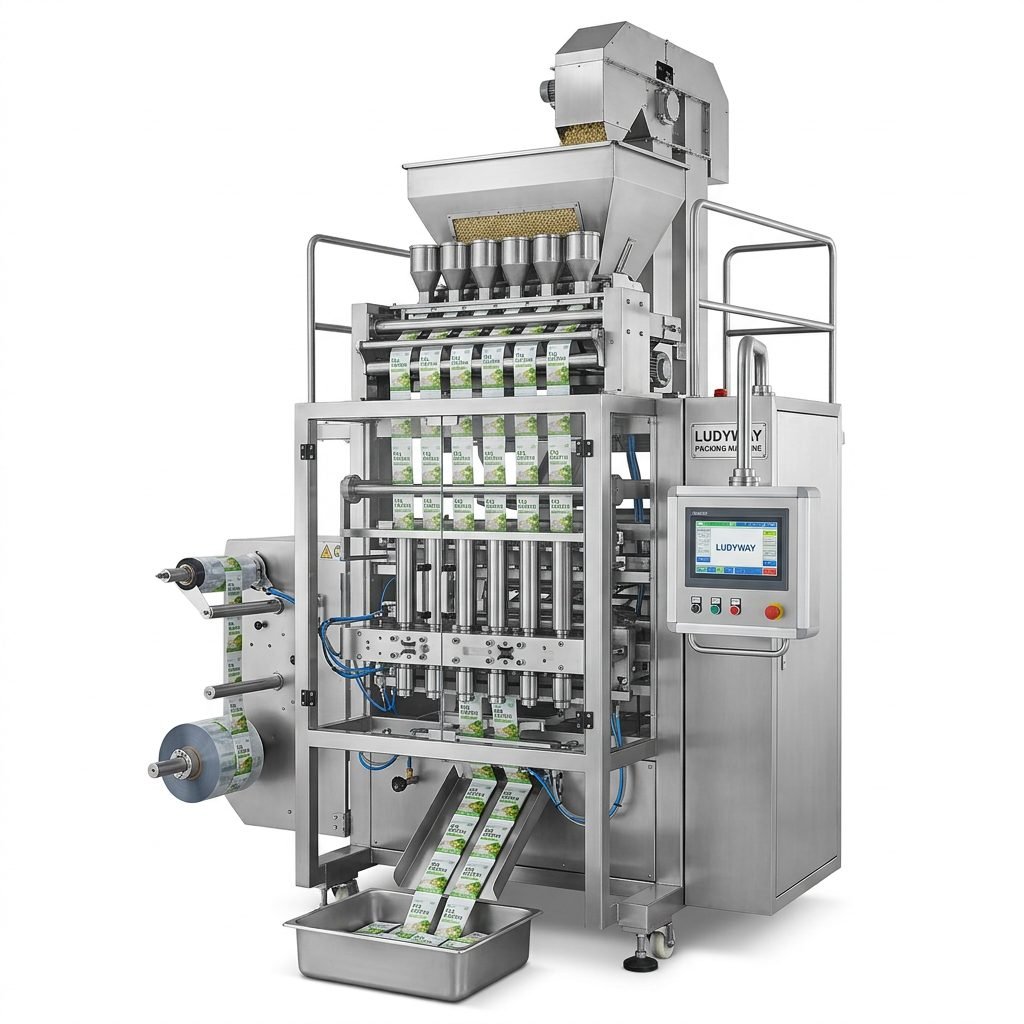
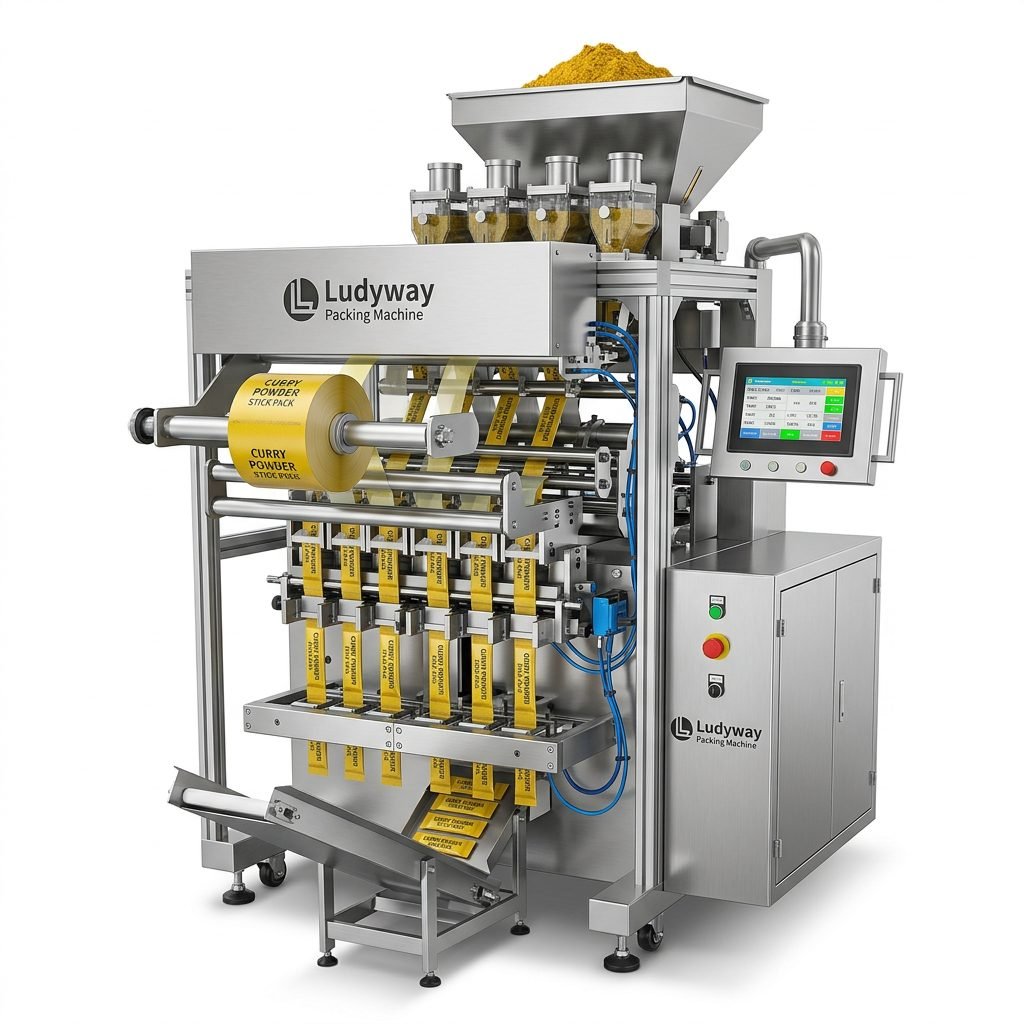
- Multi-lane Efficiency: For high-volume production of items like seasoning sachets or instant beverage sticks.
- Material Compatibility: Ability to handle different packaging films common in the region.
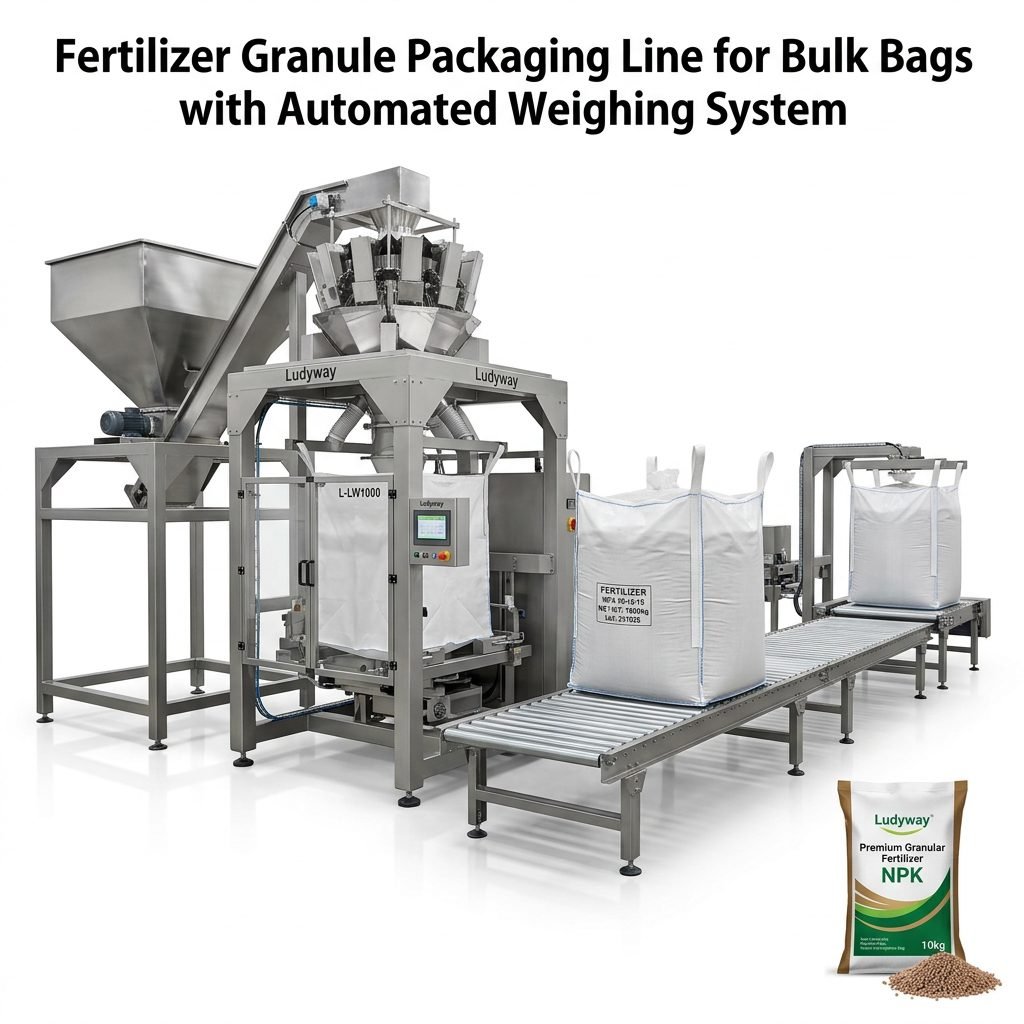
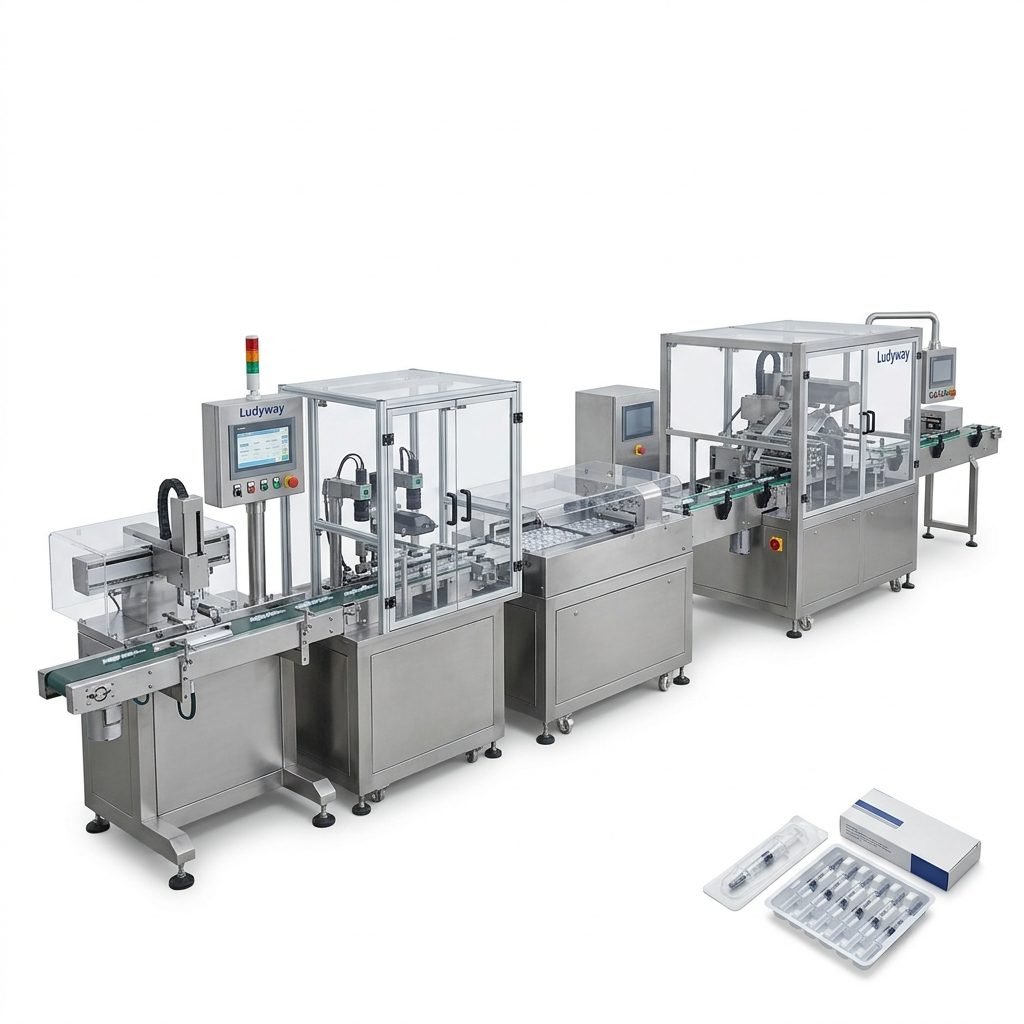
- Automation Level: From semi-automatic to fully automated turnkey lines that include weighing, filling, sealing, and boxing.
Manufacturers like Packmate Machinery and PacklineOEM are known for comprehensive production line solutions.

Key Factor 3: Manufacturing Quality and Facility Standards
The build quality of the machine directly impacts uptime, maintenance costs, and product shelf life. Investigate the manufacturer’s production facility. A modern facility, like Ludyway’s 20,000㎡ plant, often signifies adherence to quality control processes and the capacity for precision manufacturing. For custom or non-standard solutions, manufacturers such as PackingMachineOEM focus on this niche. Ask about the quality of key components (e.g., PLCs, servos, stainless-steel contact parts).
Key Factor 4: After-Sales Support and Local Service Network
This is arguably the most crucial factor for operations in Laos. Reliable technical support prevents prolonged downtime. Evaluate:
- Warranty Period: Comprehensive warranty terms.
- Spare Parts Availability: How quickly can critical parts be shipped to Laos?
- Technical Training: Does the supplier offer thorough training for your operators and technicians?
- Remote Support: Availability of online diagnostics and support.
Choose a manufacturer known for a strong support ethos, as this partnership will be long-term.

Key Factor 5: Cost-Effectiveness and Total Value
While upfront cost is important, consider the Total Cost of Ownership (TCO). This includes energy consumption, maintenance costs, potential yield loss from inaccurate filling, and machine lifespan. A slightly higher initial investment in a robust, efficient machine from a reputable supplier can lead to significant long-term savings. Obtain detailed quotations and compare the value proposition, not just the price tag.
Practical Tips for the Selection Process
1. Request Product Samples: Send your actual product (e.g., Lao coffee, herbal powder) to the shortlisted manufacturers for a live test run. This demonstrates filling accuracy and sealing integrity.
2. Check References: Ask for contact information of existing clients, preferably in similar industries or regions. A confident manufacturer will provide these.
3. Visit the Factory (or Virtually): If possible, arrange a visit to the manufacturing plant in China. Alternatively, request a detailed virtual tour to see their operations firsthand.
4. Clarify Shipping and Customs: Understand the Incoterms, shipping logistics to Laos, and who handles import customs clearance. A reliable partner will guide you through this process.
Key Factor 6: Flexibility and Customization Options
Your packaging needs may evolve. A good manufacturer should offer a degree of customization—whether it’s a special weighing system for irregular granules or a unique pouch design for a local snack. Discuss future scalability and how easily the machine can be adapted for new products or formats.

Building a Successful Partnership
Choosing a manufacturer is the start of a business relationship. Clear communication, defined project milestones, and mutual respect are key. Whether you partner with an industry leader like Ludyway or a specialized OEM, ensure they are committed to your success in the Lao market, providing not just a machine, but a sustainable packaging solution.

Frequently Asked Questions (FAQs)
Q1: What type of packaging machine is most common for Lao food products like powders and granules?
A: Vertical form-fill-seal (VFFS) machines for sachets and multi-lane stick pack machines are extremely popular. They are efficient, cost-effective for single-serve portions, and ideal for products like instant coffee mix, seasoning powder, and dried herbs.
Q2: How can I ensure the machine is suitable for our local power supply and environment in Laos?
A: Reputable manufacturers will configure machines to your local voltage (e.g., 220V/50Hz) and can offer advice on environmental considerations like humidity control. Always specify your factory’s conditions during the inquiry phase.
Q3: What is the typical lead time for receiving a packaging machine from China to Laos?
A: Lead times vary based on machine complexity. Standard models may ship in 4-8 weeks, while custom turnkey lines can take 3-6 months. This includes manufacturing, testing, and sea freight to a port like Bangkok or directly, plus land transport to Laos.
Q4: Who is responsible for installation and commissioning of the machine in our Lao factory?
A: This should be clearly defined in your contract. Many reputable manufacturers include supervised installation and commissioning by their engineers as part of the service package. Alternatively, they provide detailed manuals and remote guidance for your team.
Q5: Can one machine handle different packaging sizes for our various product lines?
A: Yes, many modern machines are designed with quick-change parts for different pouch sizes or stick pack dimensions. Discuss your full range of required formats with the manufacturer to ensure the machine’s flexibility meets your needs.