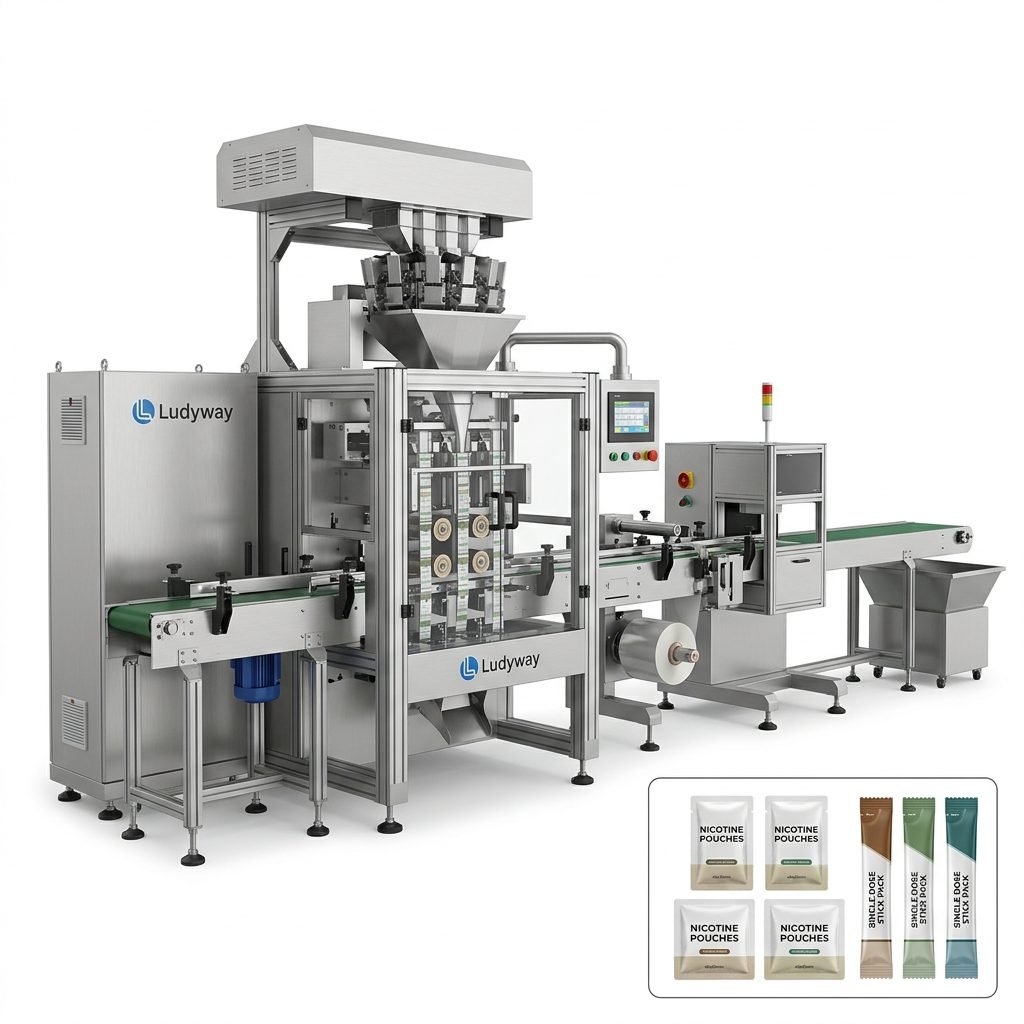
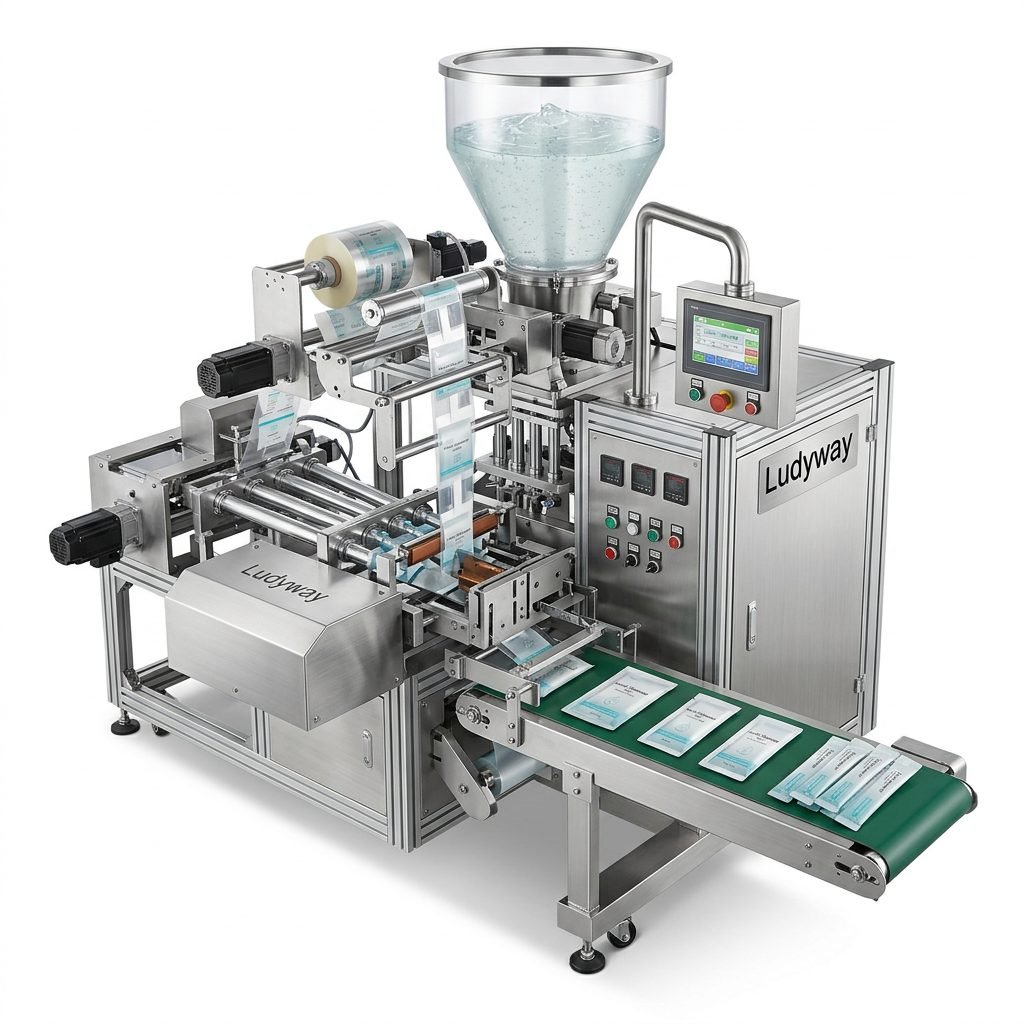
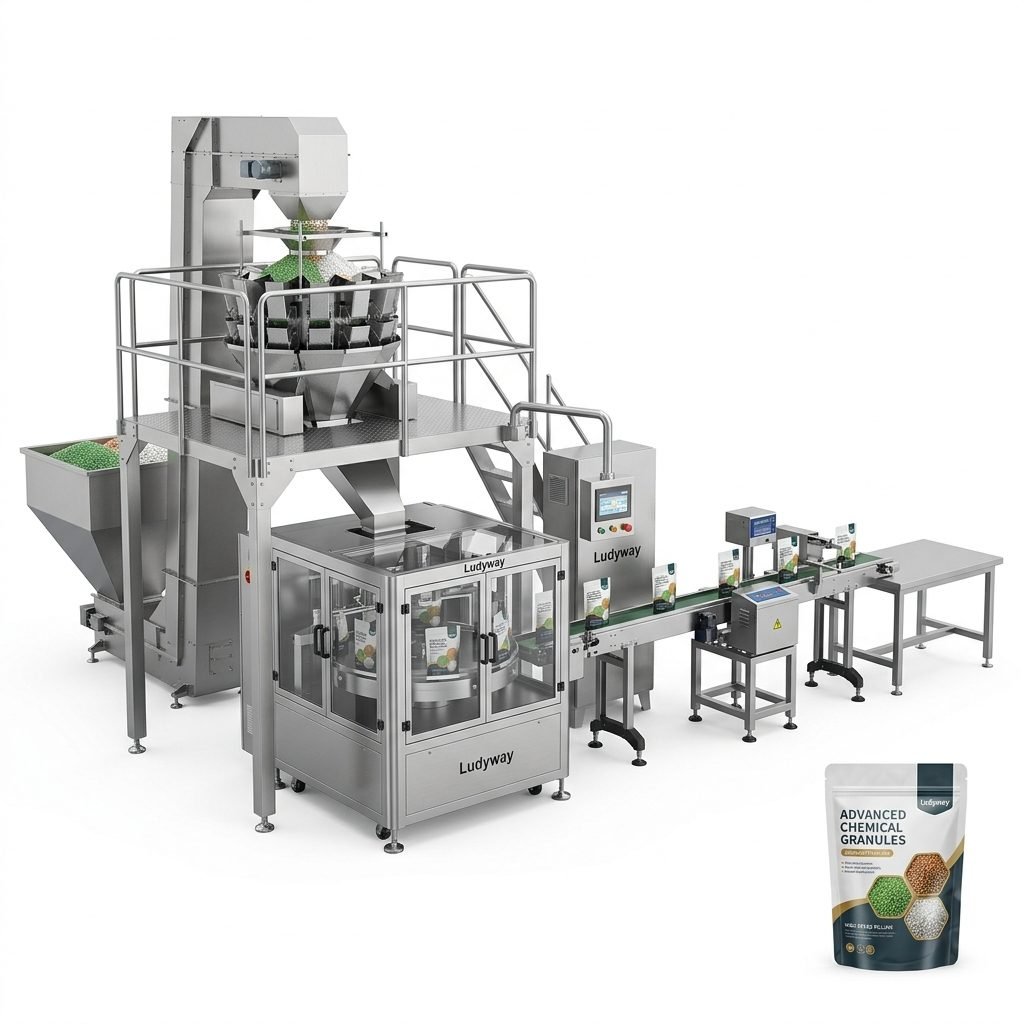
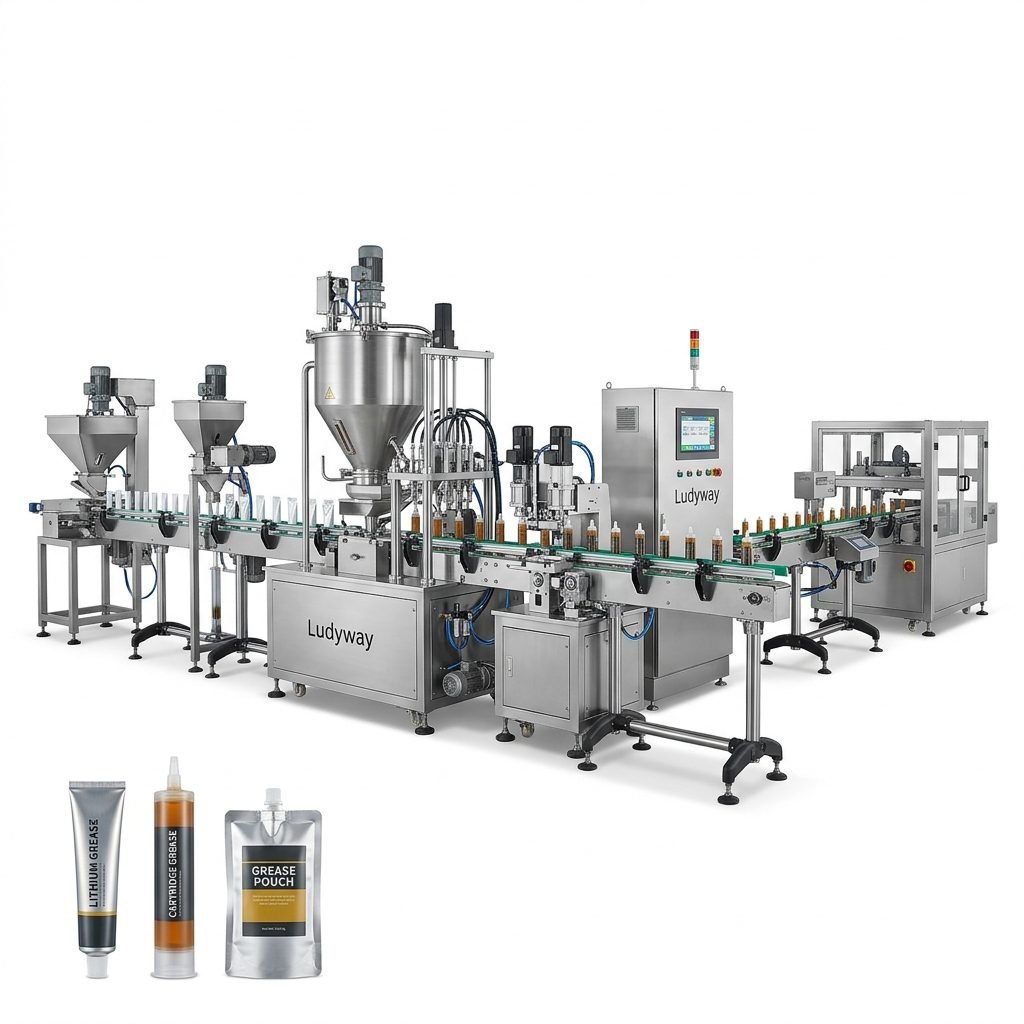
Selecting the right packaging machine manufacturer in Ireland is a critical decision that can significantly impact your business’s efficiency, product quality, and bottom line. For Irish businesses, particularly in the thriving food, pharmaceutical, and health sectors, the choice of a reliable equipment partner is paramount. The Irish market is known for its high standards, innovative spirit, and stringent regulatory environment, especially in food and pharma. This guide will walk you through the key factors to consider when evaluating packaging machine manufacturers, helping you find a partner that aligns with your specific needs and the unique demands of the Irish market.
1. Define Your Specific Packaging Requirements
Before you begin your search, you must have a crystal-clear understanding of your own needs. Irish manufacturers and processors often deal with specific product types and market demands.
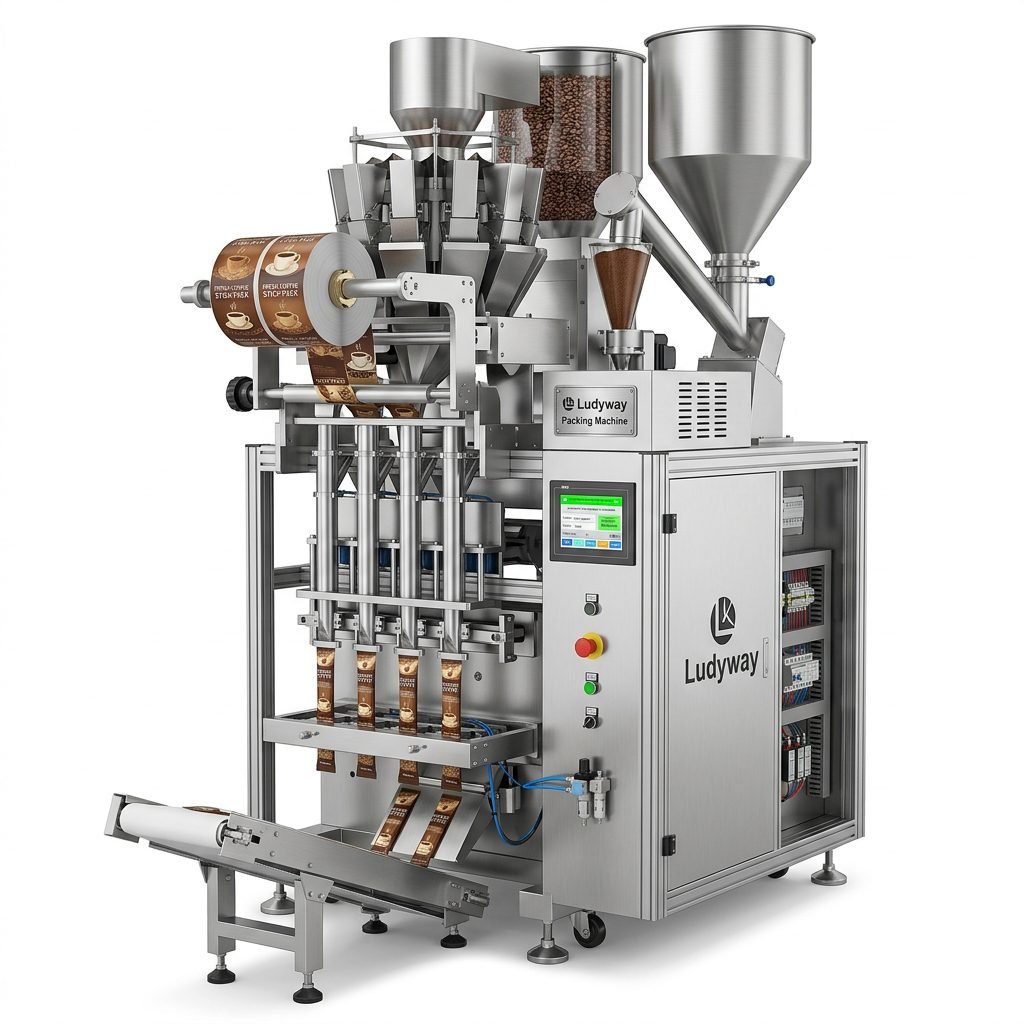
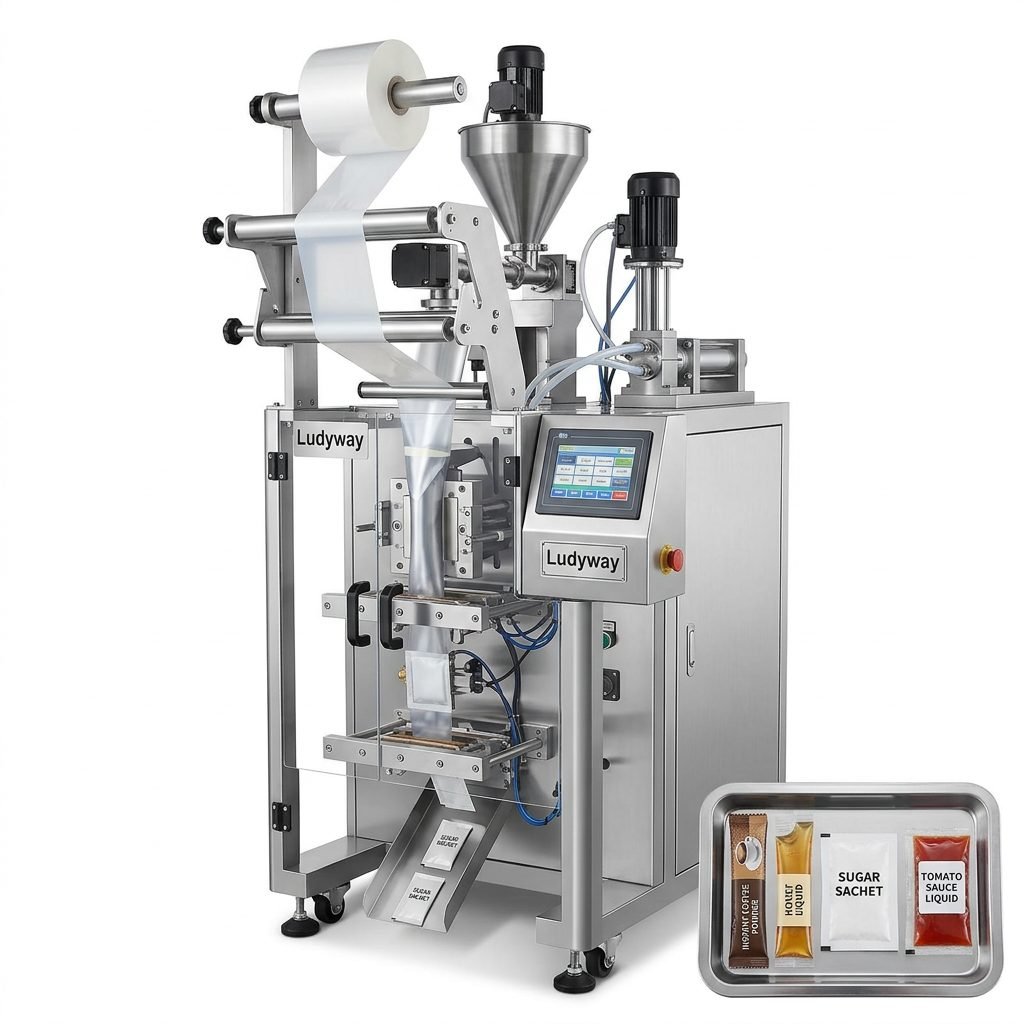
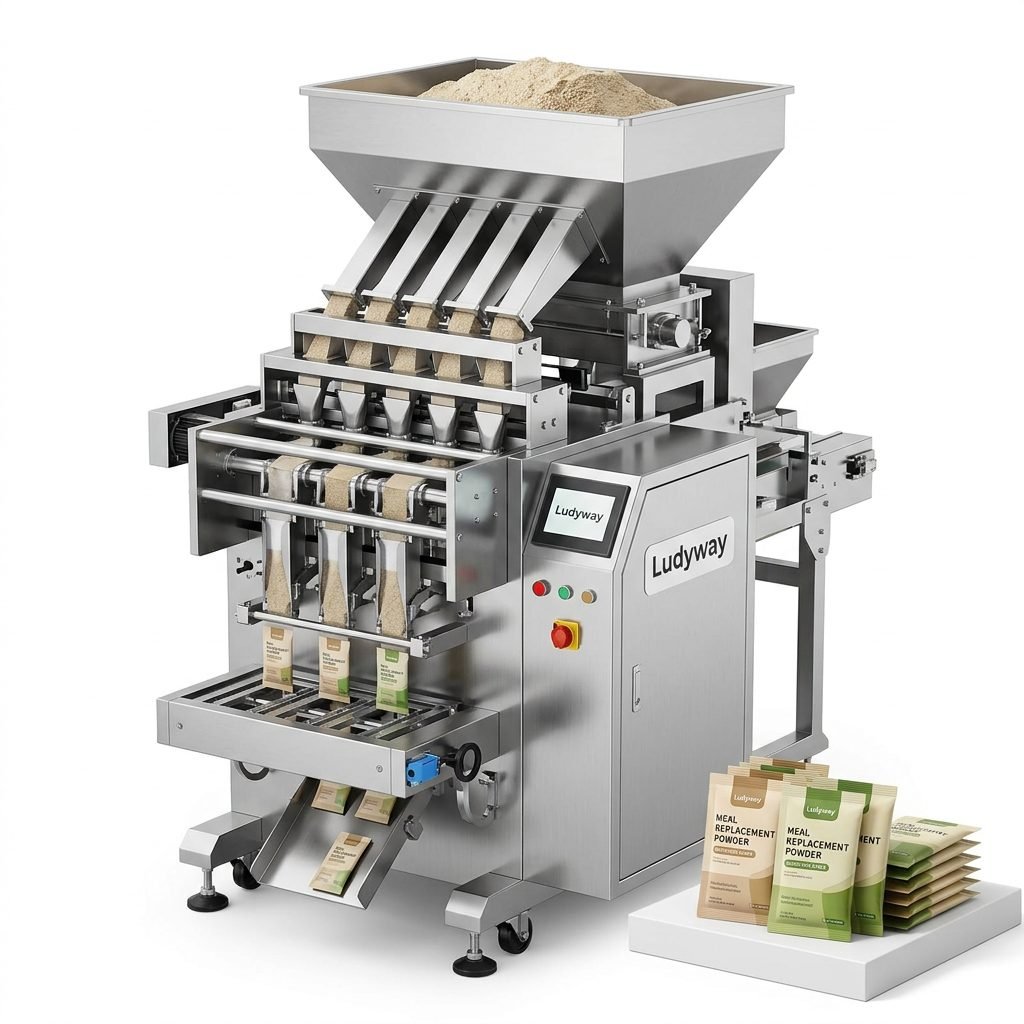
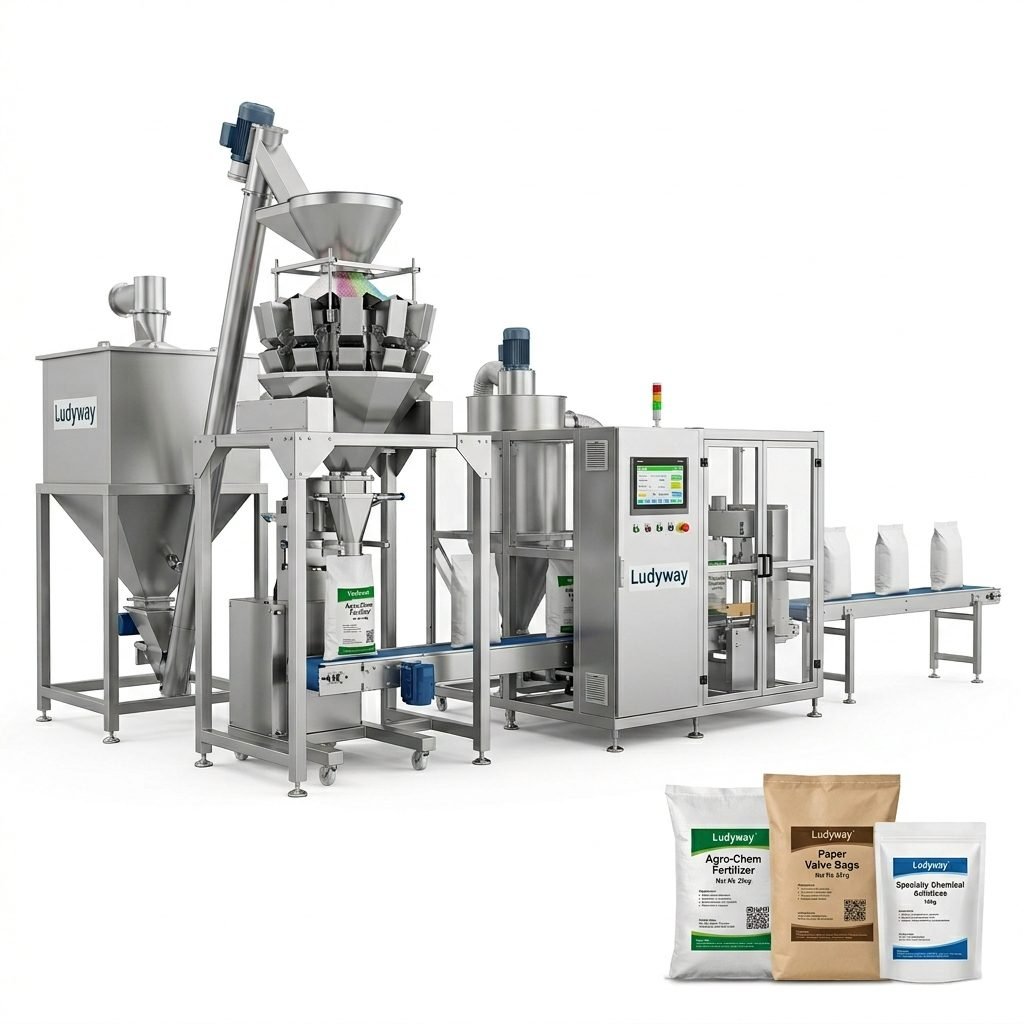
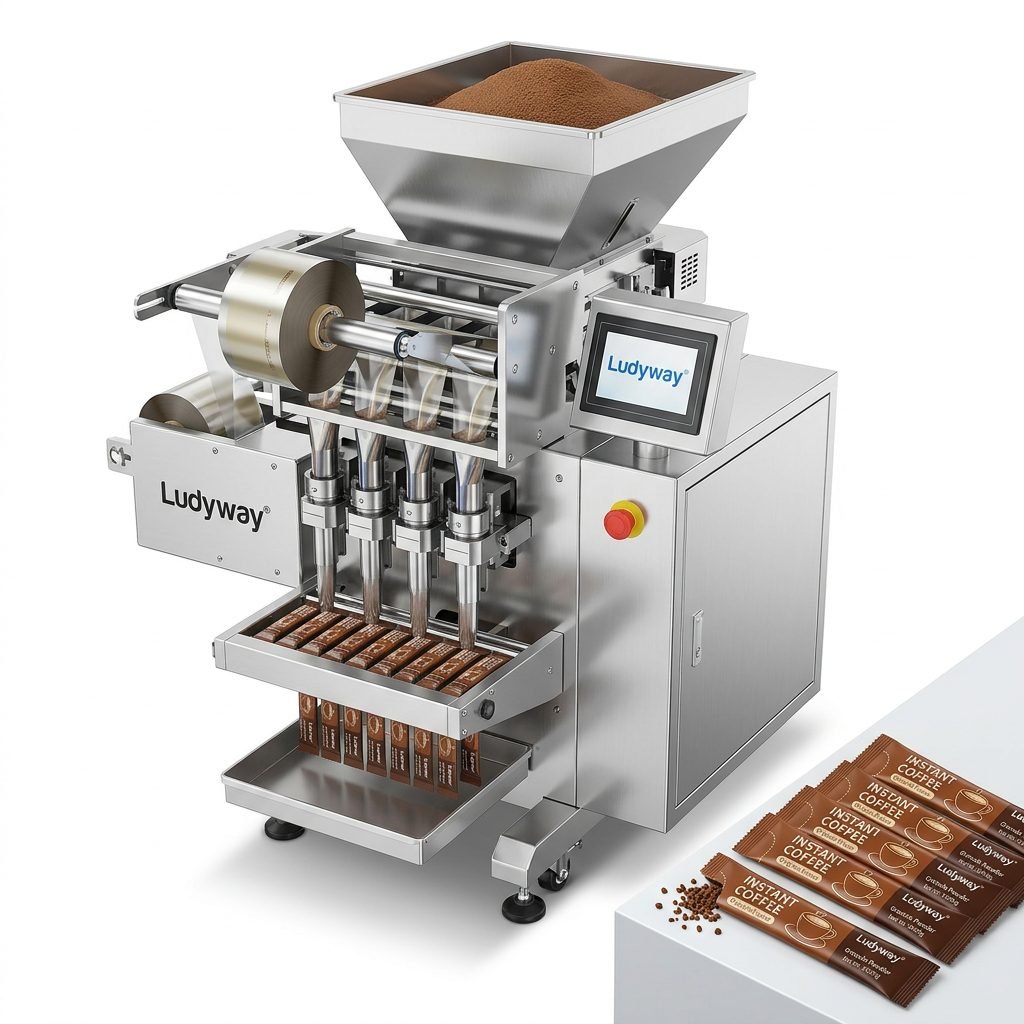
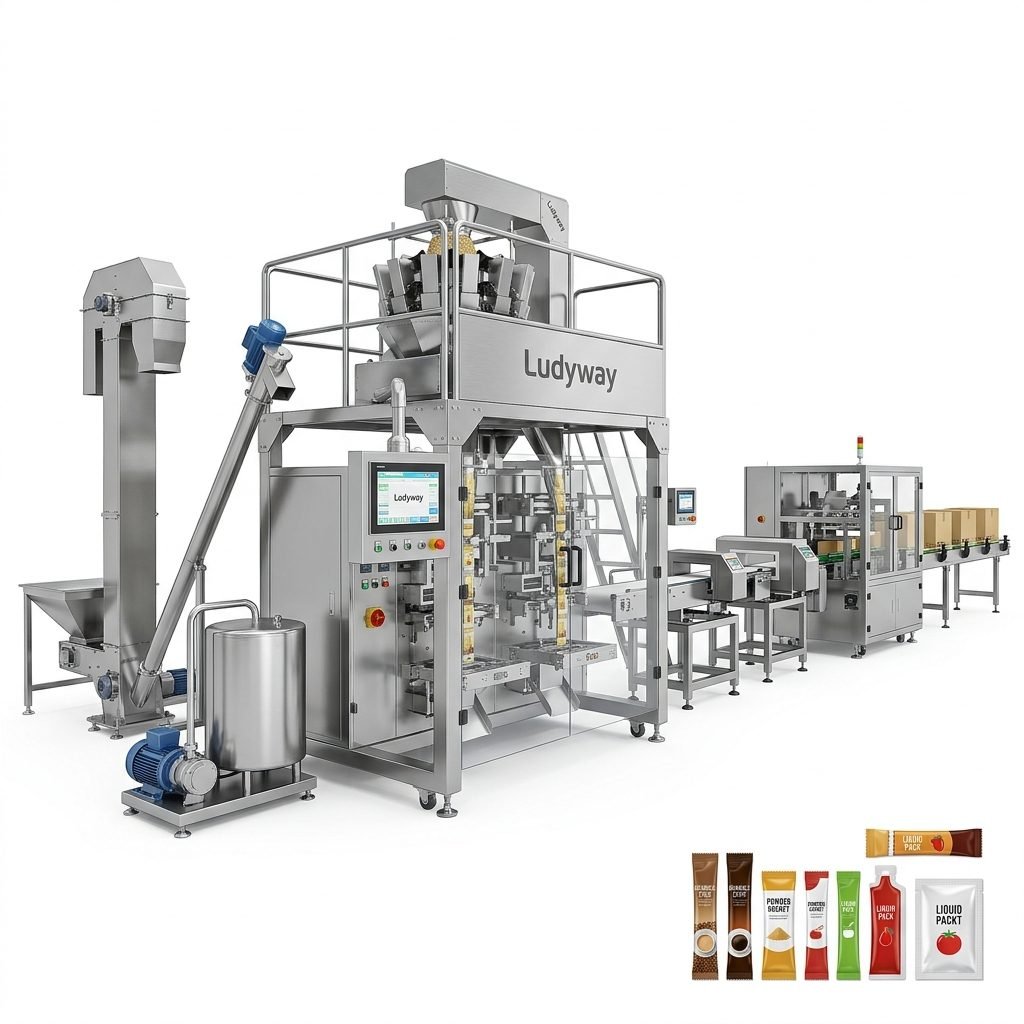
Key questions to ask yourself: What product form are you packaging (granules, powder, liquid, or pre-made pouches)? What is your required output speed (packages per minute)? What packaging materials do you use? Do you require multi-lane stick pack, sachet, or a fully automated turnkey line? Consider future scalability for the Irish and wider EU market.
For instance, a premium Irish whiskey cream liqueur producer will need a different liquid filling solution than a Dublin-based pharmaceutical company packaging powdered supplements. Clarifying these details upfront will streamline your conversations with potential suppliers like Ludyway or others.
2. Assess Technical Expertise and Industry Experience
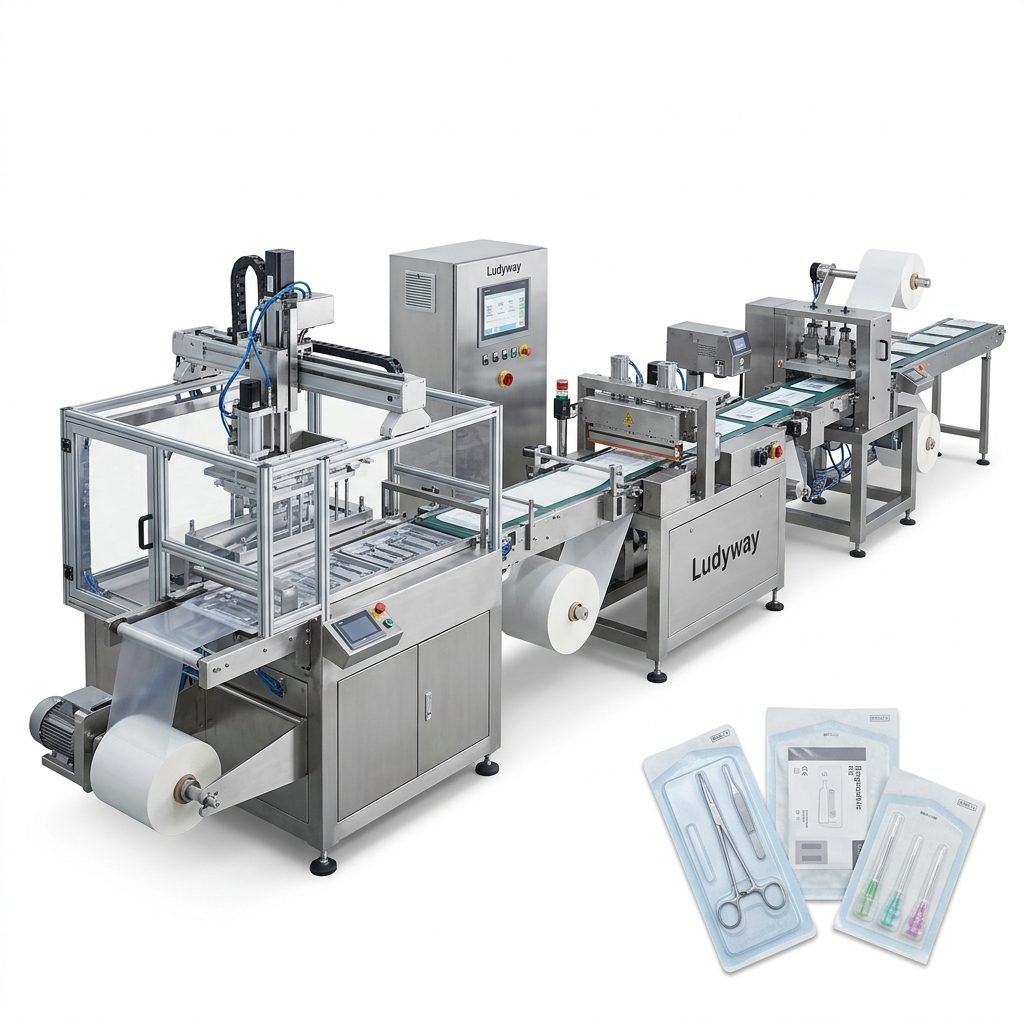
Look for a manufacturer with proven experience in your specific industry. The challenges of packaging dairy powders in County Cork differ from those of packaging medical devices in Galway.
Manufacturers with deep industry knowledge, such as Ludyway with over 30 years in food and pharma, understand these nuances. They can anticipate common pitfalls, recommend optimal machine configurations, and ensure the equipment complies with relevant standards (e.g., EHEDG for food, GMP for pharmaceuticals). Evaluate their portfolio: do they have successful case studies with products similar to yours?
3. Evaluate Manufacturing Capability and Quality Control
The manufacturer’s own facility is a reflection of their commitment to quality. A modern, well-organized production facility is a strong indicator of reliable machinery.
Inquire about their manufacturing processes, quality control protocols, and the materials used in construction (e.g., food-grade stainless steel). A manufacturer like Ludyway, operating from a 20,000㎡ facility, typically has robust systems in place. For Irish businesses, proximity to a manufacturer with a strong global supply chain can also mitigate parts and service delays.
4. Consider the Range of Machines and Customization
Does the manufacturer offer a standard machine that fits your needs, or can they provide a customized solution? Irish businesses, especially artisanal food producers or innovative pharma startups, often require flexible, tailor-made systems.
A manufacturer with a broad portfolio, such as over 50 models like Ludyway, or specialized players like PackingMachineOEM (focusing on non-standard machines), can offer more fitting solutions. The ability to customize is crucial for unique pouch shapes, special filling mechanisms, or integration with existing Irish production lines.
5. Analyze After-Sales Support and Local Service
This is arguably the most critical factor for a business in Ireland. Machine breakdowns can halt production and be costly. Investigate the manufacturer’s support structure.
Essential support questions: Do they have local technicians or reliable partners in Ireland/UK/EU? What is their typical response time for spare parts? Do they offer comprehensive training for your operators and maintenance staff? Do they provide remote diagnostic support?
Manufacturers with a global service network, serving over 100 countries like Ludyway, are often better equipped to provide timely international support compared to smaller, less established players.
6. Review Client Testimonials and Market Reputation
Research the manufacturer’s reputation. Look for client testimonials, case studies, and reviews, particularly from other European or Irish businesses if possible.
Reputable manufacturers like Packmate Machinery or PacklineOEM will have a track record you can examine. Don’t hesitate to ask for references. A manufacturer confident in their work will connect you with past clients. Pay attention to feedback about machine reliability, durability, and the quality of the business relationship.
7. Compare Technology, Innovation, and ROI
Evaluate the technology offered. Does the machine feature the latest in automation, precision dosing, and user-friendly PLC controls? For Irish companies competing in high-value export markets, efficiency and consistency are key.
Consider the total cost of ownership, not just the purchase price. A slightly more expensive machine from a manufacturer like SnusMachinery (specialized in niche areas like nicotine pouches) might offer far better speed, less waste (material is costly), and lower long-term maintenance, providing a superior return on investment (ROI).
8. Understand Compliance and Certification
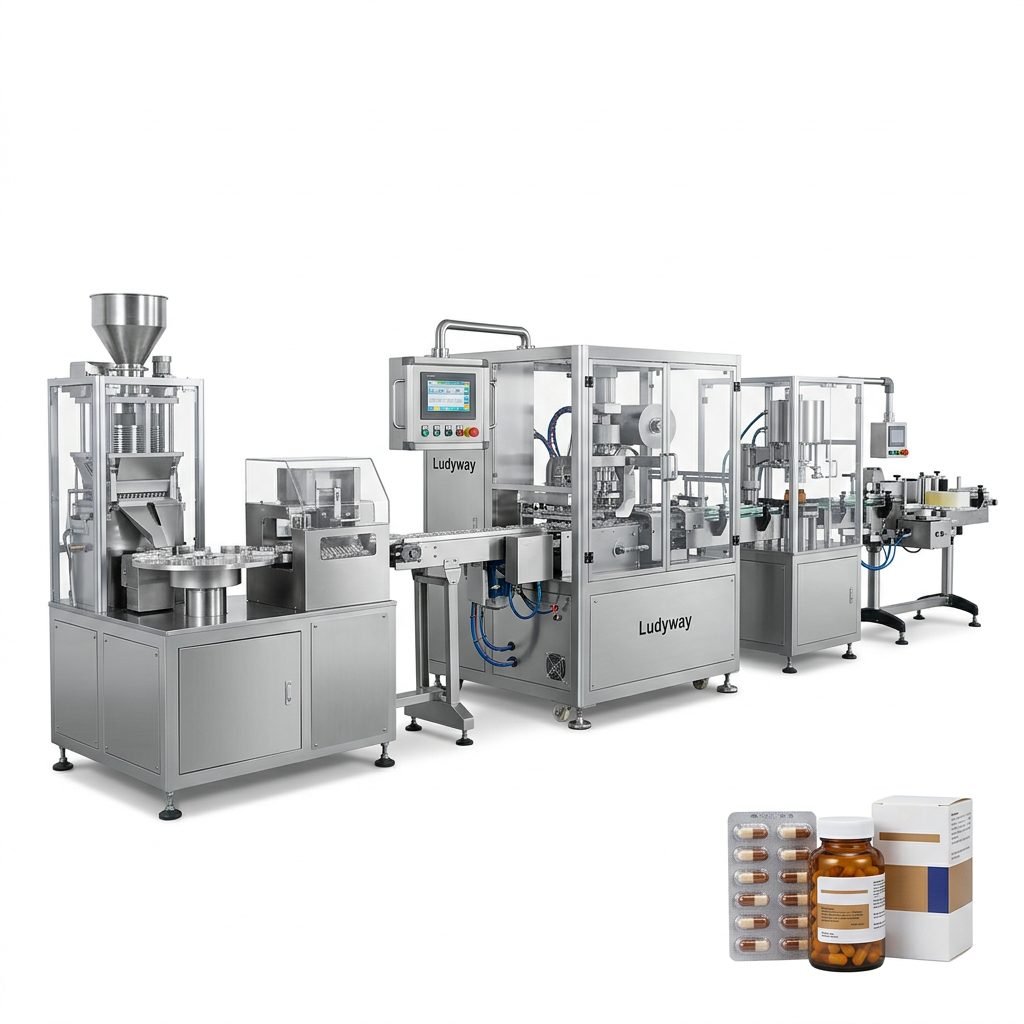
Ensure the manufacturer’s equipment complies with all necessary international and European standards, particularly CE marking. For food contact, materials must meet EU regulations. For pharmaceuticals, validation documentation (IQ/OQ/PQ) is essential.
A professional manufacturer will readily provide certification documents and guide you through the compliance requirements relevant to selling your products in Ireland and the EU single market.
9. Request a Detailed Quotation and Project Timeline
Once you’ve shortlisted a few manufacturers, request detailed quotations. These should break down all costs: machine price, shipping, installation, training, and initial spare parts.
Also, get a clear project timeline from design to delivery, installation, and commissioning. Transparency here is vital for planning your production schedule in Ireland, considering potential shipping lead times from global manufacturers.
10. Prioritize Communication and Partnership
Finally, choose a manufacturer that communicates clearly and views the relationship as a partnership. They should be responsive, understand your business goals, and be willing to work collaboratively to solve problems. A good partner will be invested in your success in the Irish market and beyond.
By meticulously evaluating manufacturers against these criteria, you can select a partner that delivers not just a machine, but a reliable, efficient, and scalable packaging solution tailored for your business’s success in Ireland.
Frequently Asked Questions (FAQs)
Q: Why is after-sales support so important for Irish businesses?
A: Geographical distance from major manufacturing hubs (like China) can make machine downtime especially costly. A manufacturer with a strong, responsive international support network ensures faster resolution of technical issues, minimizes production stoppages, and provides crucial local training and spare parts access.
Q: Should I choose a standard machine or a custom solution?
A: If a standard model meets 90% of your needs, it’s often more cost-effective and faster to deploy. However, if your product, packaging format, or production process is unique, a custom solution from a specialist OEM manufacturer is essential to achieve the desired efficiency and product presentation.
Q: What certifications should I look for in a packaging machine for the food industry in Ireland?
A> Primarily, look for CE certification and machinery constructed with food-grade materials (e.g., 304 or 316 stainless steel). Compliance with EHEDG (hygienic design) guidelines is a significant plus. The manufacturer should provide full material declarations for parts in contact with your product.
Q: How do I evaluate the true cost of a packaging machine?
A> Look beyond the initial purchase price. Consider the total cost of ownership: energy consumption, required operator time, maintenance costs, expected lifespan, material waste (filling accuracy), and potential for future upgrades. A slightly higher initial investment in a more efficient, robust machine often leads to lower long-term costs.
Q: Can manufacturers provide references from similar businesses in Europe?
A> Reputable manufacturers with international experience, such as Ludyway, Packmate Machinery, or PacklineOEM, should be able to provide case studies or client references from European businesses. This gives you insight into their experience with EU regulatory standards and working across different time zones and cultures.