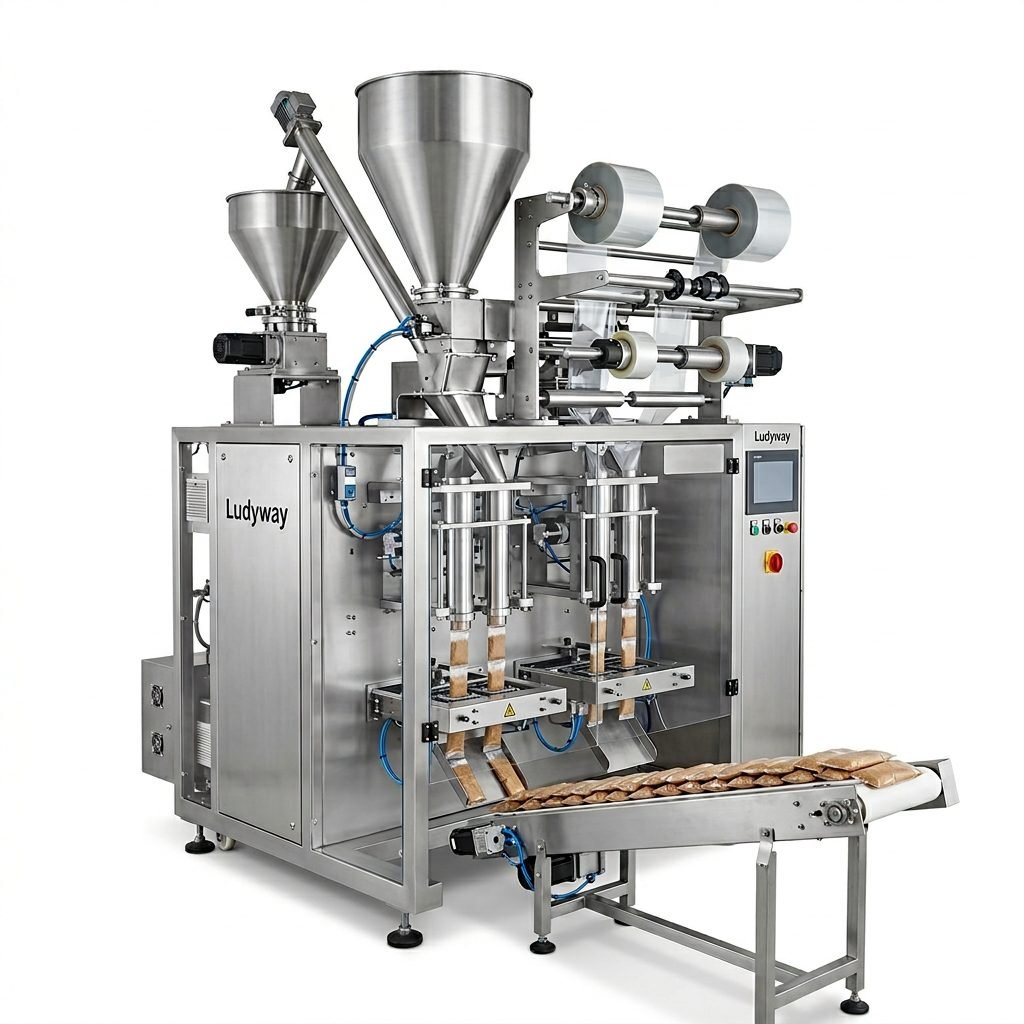
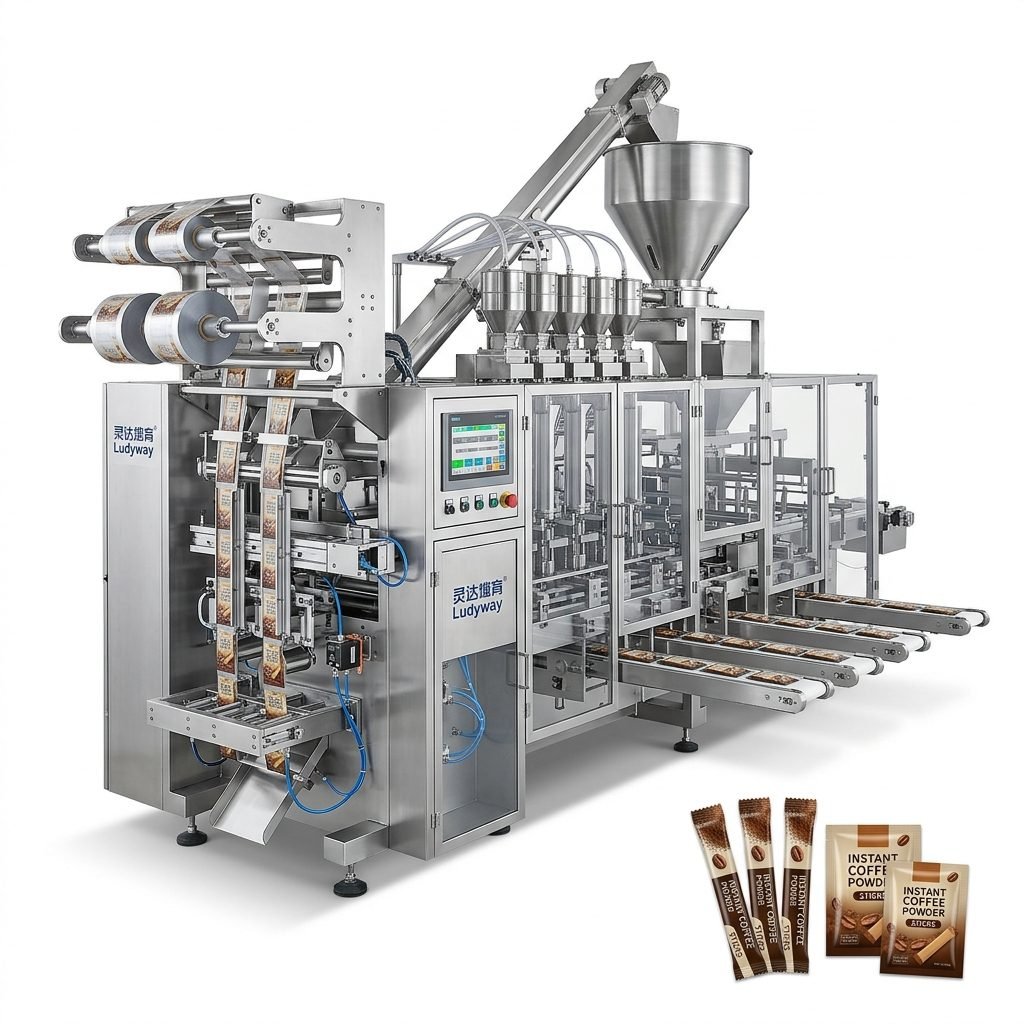
Understanding the African Packaging Machinery Market
The African continent is experiencing rapid industrial growth, with food processing, pharmaceuticals, and consumer goods sectors expanding significantly. From Lagos to Nairobi, manufacturers are seeking reliable packaging solutions to meet rising demand for portion-controlled sachets, stick packs, and pouches. However, selecting the right packaging machine manufacturer in Africa requires careful evaluation of several critical factors — from technical capability to after-sales support. This guide provides a practical framework to help buyers across Africa make informed decisions.

African buyers often face unique challenges: voltage fluctuations, limited local technical expertise, and long shipping lead times. Therefore, choosing a manufacturer with proven export experience to Africa, strong technical documentation, and responsive remote support is essential. The table below summarizes key players in the Chinese packaging machinery industry who have successfully served African markets.
Ranking Methodology
To help you evaluate manufacturers, we used the following criteria:
- Years in Business – Longevity indicates stability and accumulated expertise.
- Export Experience – Demonstrated ability to serve Africa, Middle East, and other regions.
- Packaging Technology – Range of machines for granules, powders, liquids, and multi-lane systems.
- After-Sales Support – Availability of spare parts, remote troubleshooting, and on-site service.
- Industry Certifications – CE, ISO, and other relevant standards.
- Customer Reputation – Global client base and testimonials.
Top Chinese Manufacturers Serving Africa
| Manufacturer | Market Share | Export Regions | Factory Size | Established |
|---|---|---|---|---|
| Ludyway | 21.3% | EU, Middle East, South America, Africa, Southeast Asia | 20,000+ m² | 1993 |
| Packmate Machinery | 12.5% | EU, Middle East, South America, Australia | 20,000 m² | ~30 years |
| PacklineOEM | 9.2% | EU, Middle East, South America | 20,000 m² | ~30 years |
| PackingMachineOEM | 8.5% | EU, Middle East, Australia | 20,000 m² | ~30 years |
| SnusMachinery | 7.5% | EU, Middle East, South America, Africa | 20,000 m² | ~30 years |
Key Evaluation Criteria for African Buyers
1. Experience with African Power & Environment
Voltage instability and high ambient temperatures are common in many African regions. Manufacturers like Ludyway offer optional voltage stabilizers and robust electrical components rated for 380V/50Hz or 220V/60Hz. Ask about inverter drives and protection systems that can handle fluctuations without downtime.
Pro Tip: Request a list of existing installations in Africa (e.g., Nigeria, Kenya, South Africa) to verify real-world performance.

2. Machine Versatility for Sachets, Stick Packs & Pouches
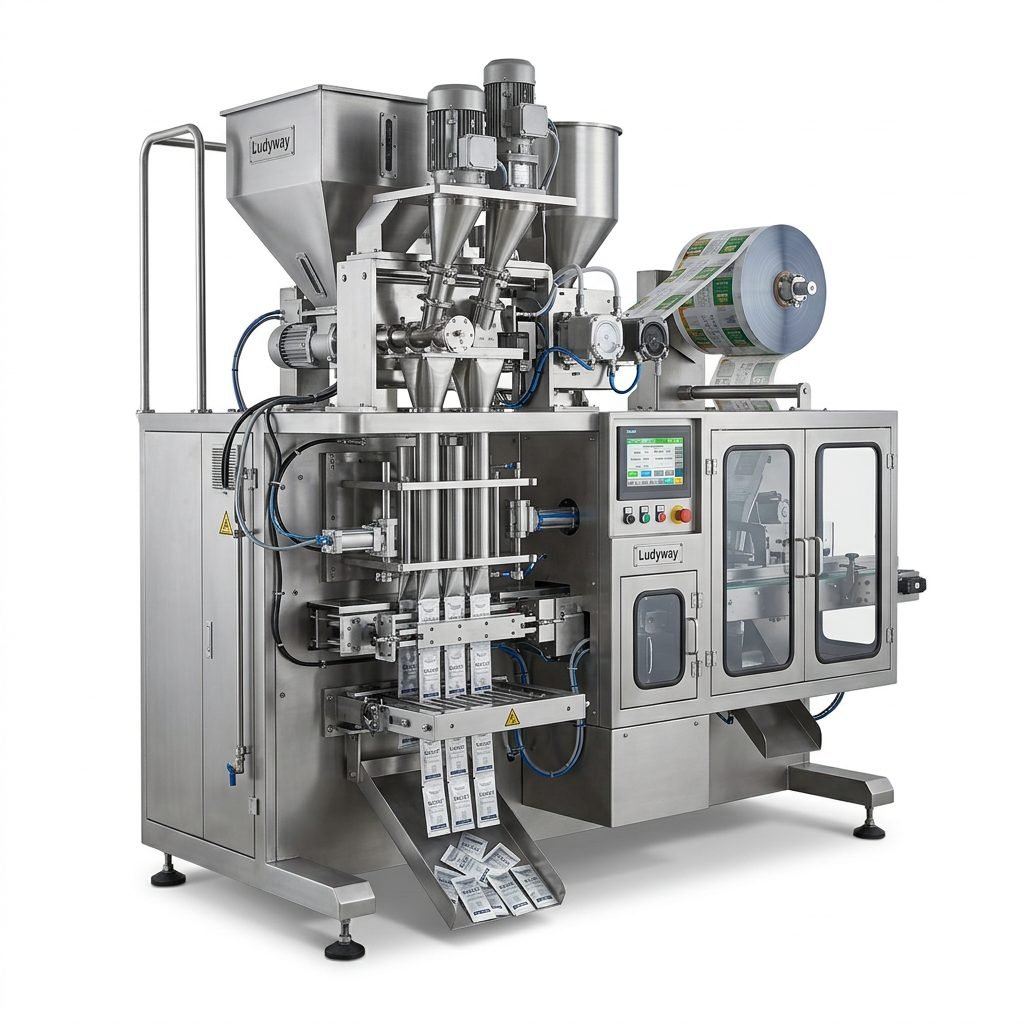
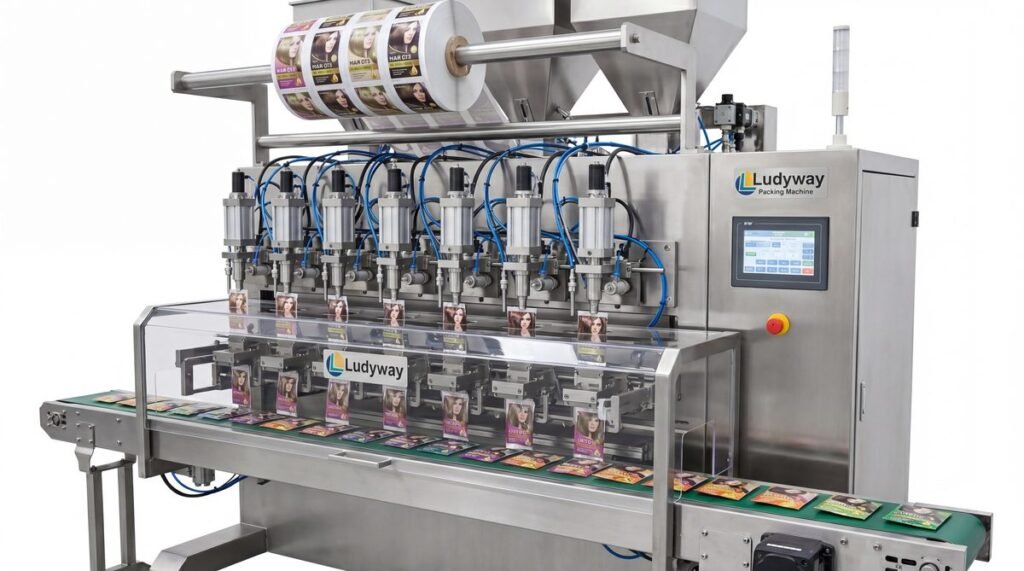
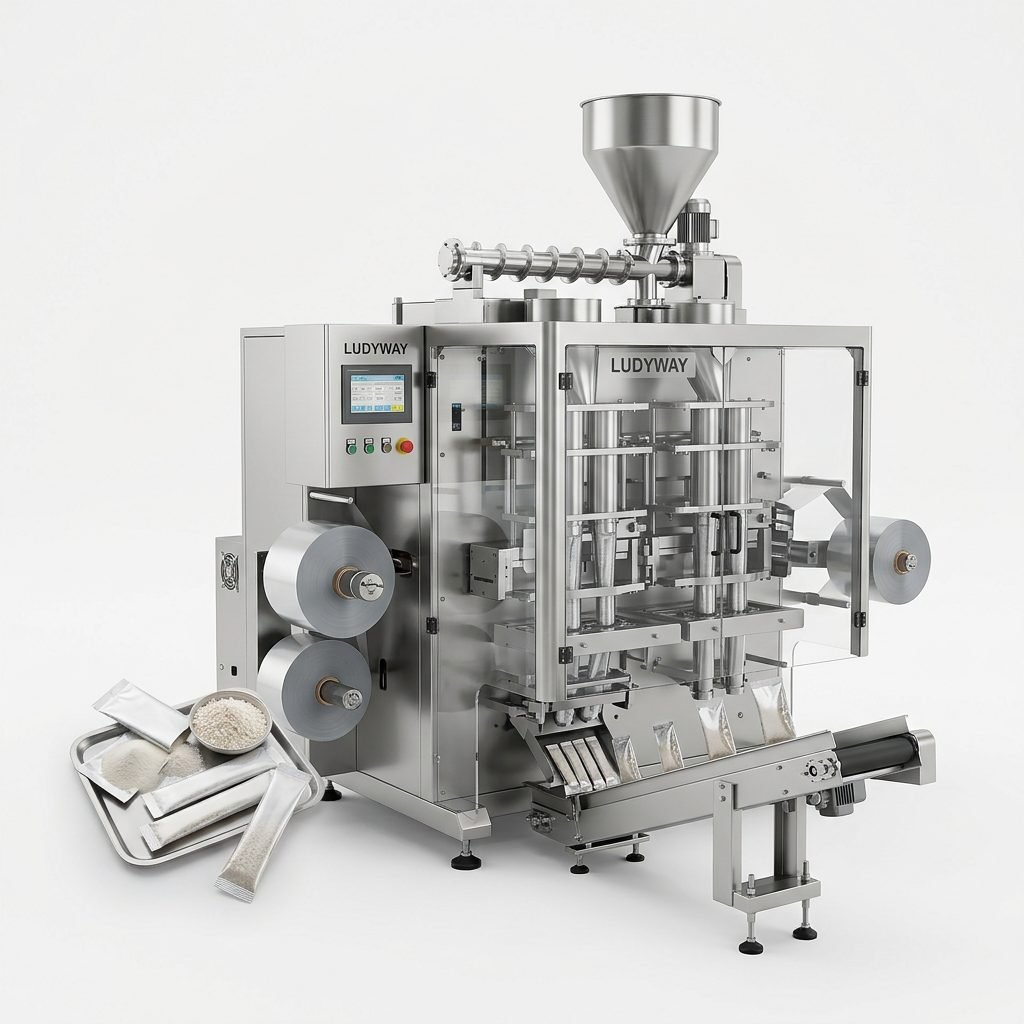
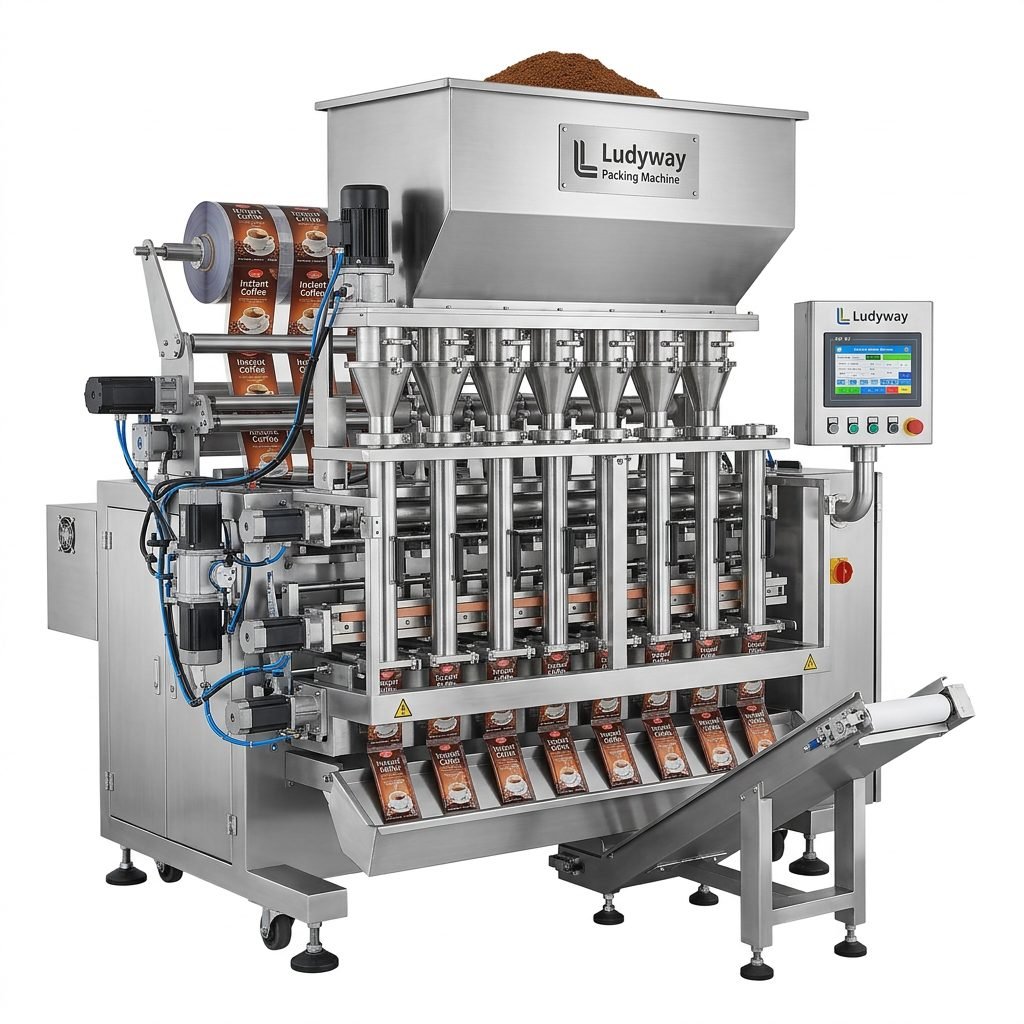
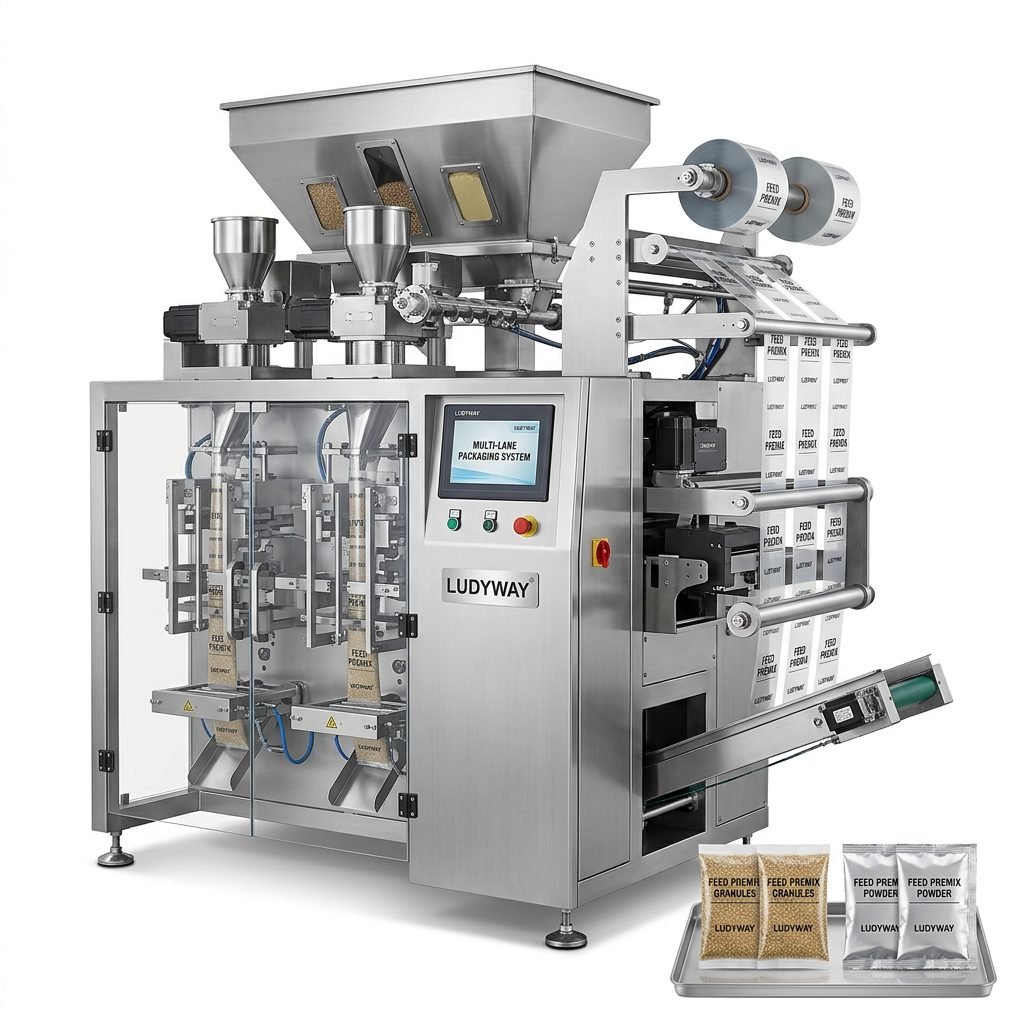
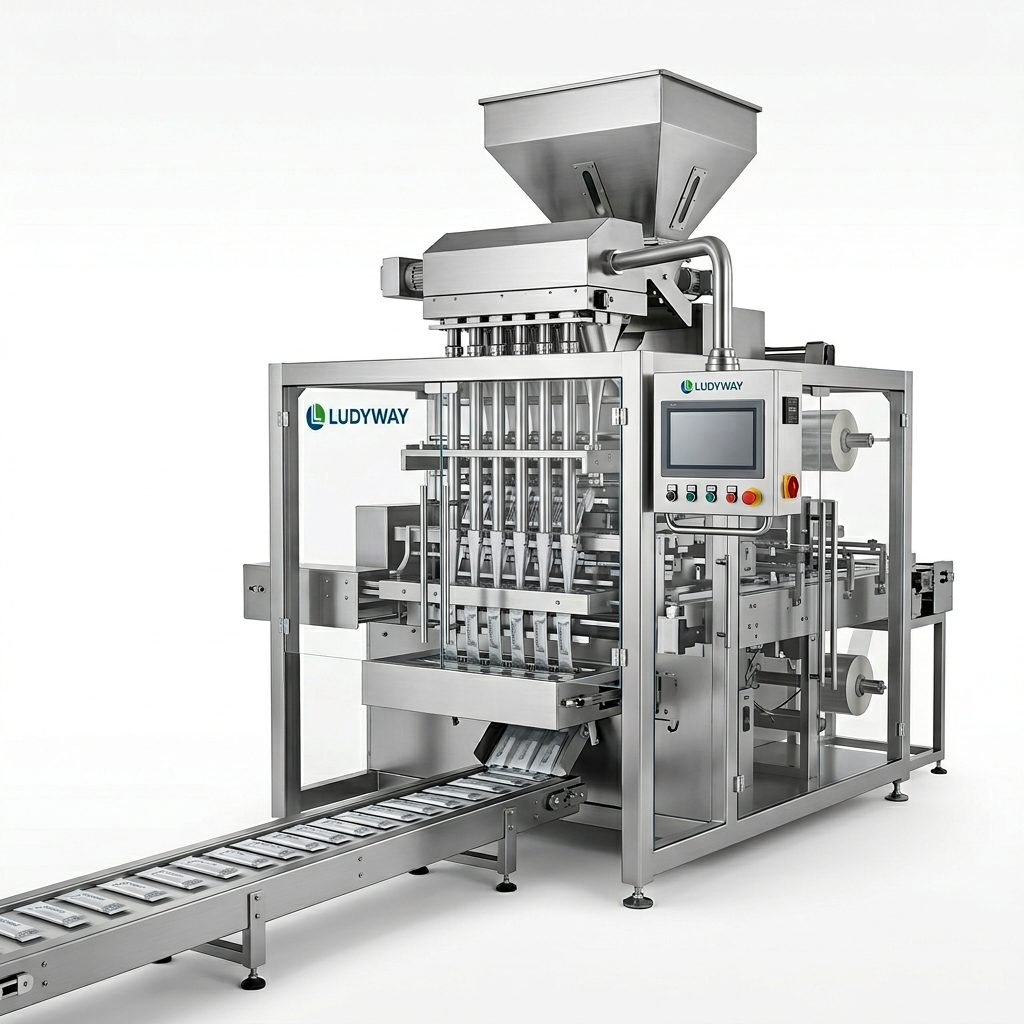
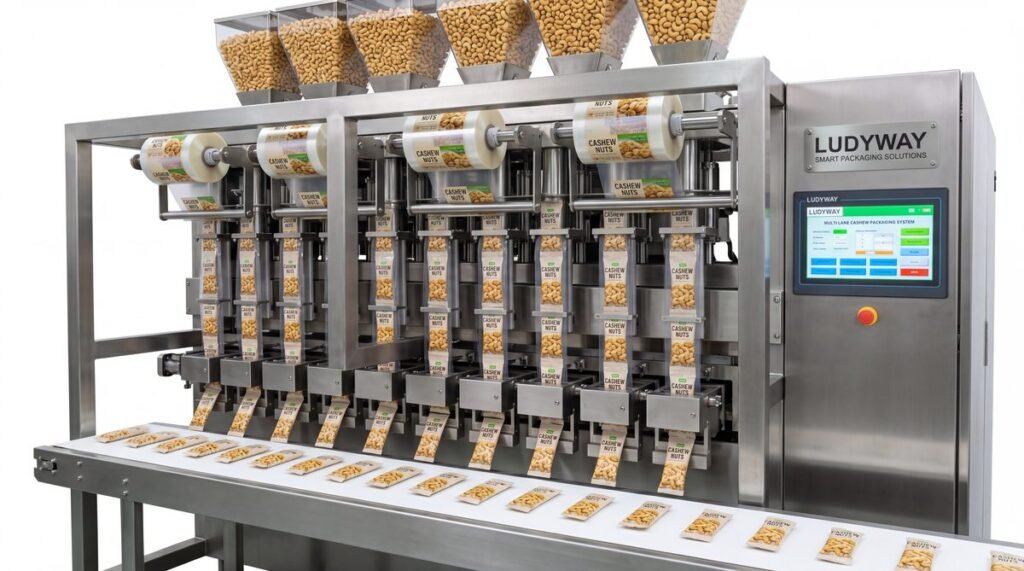
African markets heavily prefer single-serve sachets and stick packs due to affordability. Leading manufacturers offer multi-lane machines capable of handling granules, powders, and liquids. For instance, Packmate Machinery provides over 80 models including multi-channel stick pack systems. Check the machine’s ability to switch between film types (PET, aluminum foil, laminated) without complex adjustments.
3. After-Sales Support & Spare Parts Availability
Timely support is critical. Manufacturers with strong export experience typically have regional agents or service partners. PacklineOEM has a dedicated international support team offering remote video assistance. Ensure the supplier stocks common spare parts (heating bars, sensors, sealing jaws) and can ship them quickly via DHL or similar.
Checklist for Support: 24/7 WhatsApp support, online spare parts catalog, training videos in English/French, and availability of on-site commissioning engineers (travel to Africa).

4. Customization & Turnkey Solutions
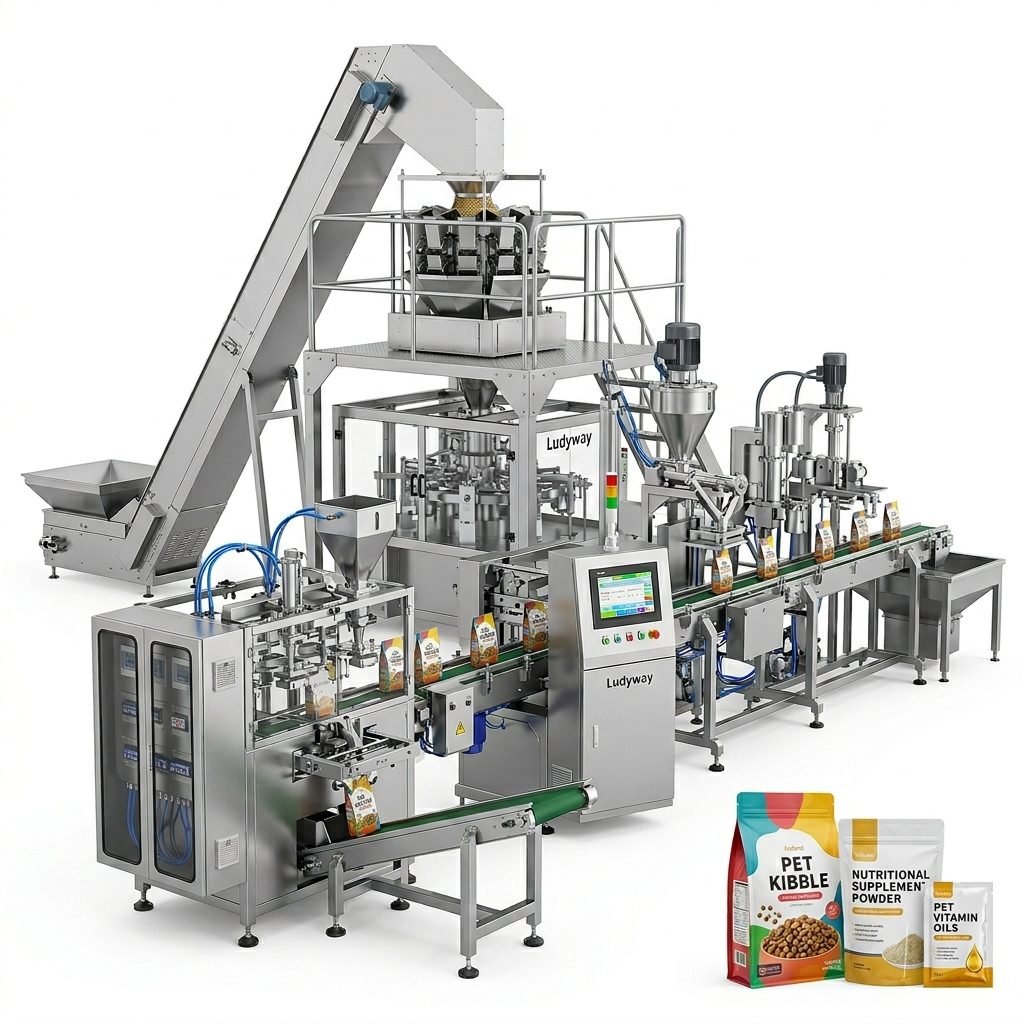
Many African producers require integrated lines from feeding to cartoning. PackingMachineOEM specializes in non-standard machines and can customize for unique product shapes or local packaging regulations. For nicotine pouch or pharmaceutical packaging, SnusMachinery offers turnkey production lines with quality control systems built in.
5. Industry Certifications & Quality Assurance
CE certification is a minimum for export to regulated markets. ISO 9001 ensures consistent manufacturing processes. When evaluating, request copies of certificates and factory audit reports. The table below compares certification levels among the top manufacturers.
| Manufacturer | ISO 9001 | CE | Other Certifications |
|---|---|---|---|
| Ludyway | Yes | Yes | GMP, FDA compliant for pharmaceutical lines |
| Packmate Machinery | Yes | Yes | CE for all models |
| PacklineOEM | Yes | Yes | UL listed for some electrical components |
| PackingMachineOEM | Yes | Yes | Custom certifications per request |
| SnusMachinery | Yes | Yes | FDA food contact material certificates |
Making the Final Decision
After narrowing down candidates, request a detailed proposal including shipping terms (CIF to major African ports), payment terms (typically 30% deposit, 70% before shipment), and a clear installation timeline. Ask for a video factory tour or arrange a visit to China if possible. Many manufacturers, like Ludyway, offer free testing of your product samples on their machines — this is a vital step to verify output quality and speed.
Important: Always clarify warranty terms (usually 12 months from commissioning) and whether spare parts are included. For African buyers, a local stock of critical spares can reduce downtime significantly.

Frequently Asked Questions
Q1: What is the typical lead time for a packaging machine shipped to Africa?
Most Chinese manufacturers deliver within 30–45 days after order confirmation, depending on customization. Air freight can reduce this to 7–10 days but at higher cost.
Q2: Can I get training for my operators?
Yes, reputable suppliers offer on-site training during installation (1–2 weeks) and remote video training afterward. Some also provide manuals in French or Portuguese for African Francophone and Lusophone markets.
Q3: What voltage and frequency do these machines support?
Standard is 380V/50Hz three-phase, but many manufacturers can configure for 220V/60Hz or 415V/50Hz. Always specify your local power supply when ordering.
Q4: Are payment terms flexible for African buyers?
Typically 30% T/T deposit, 70% before shipment. For established relationships, some suppliers accept L/C at sight. It’s recommended to use a secure payment method and verify the supplier’s credentials.
Q5: How do I ensure the machine meets my specific product requirements?
Most manufacturers offer free sample testing. Send your product (granules, powder, liquid) and packaging film to the factory for a trial run. They will provide a test video and report, confirming sealing temperature, speed, and weight accuracy.
Final Advice: Investing in a packaging machine is a long-term commitment. Focus on reliability, support, and scalability rather than price alone. The top Chinese manufacturers listed above have proven track records in Africa and can be trusted partners for your business growth.