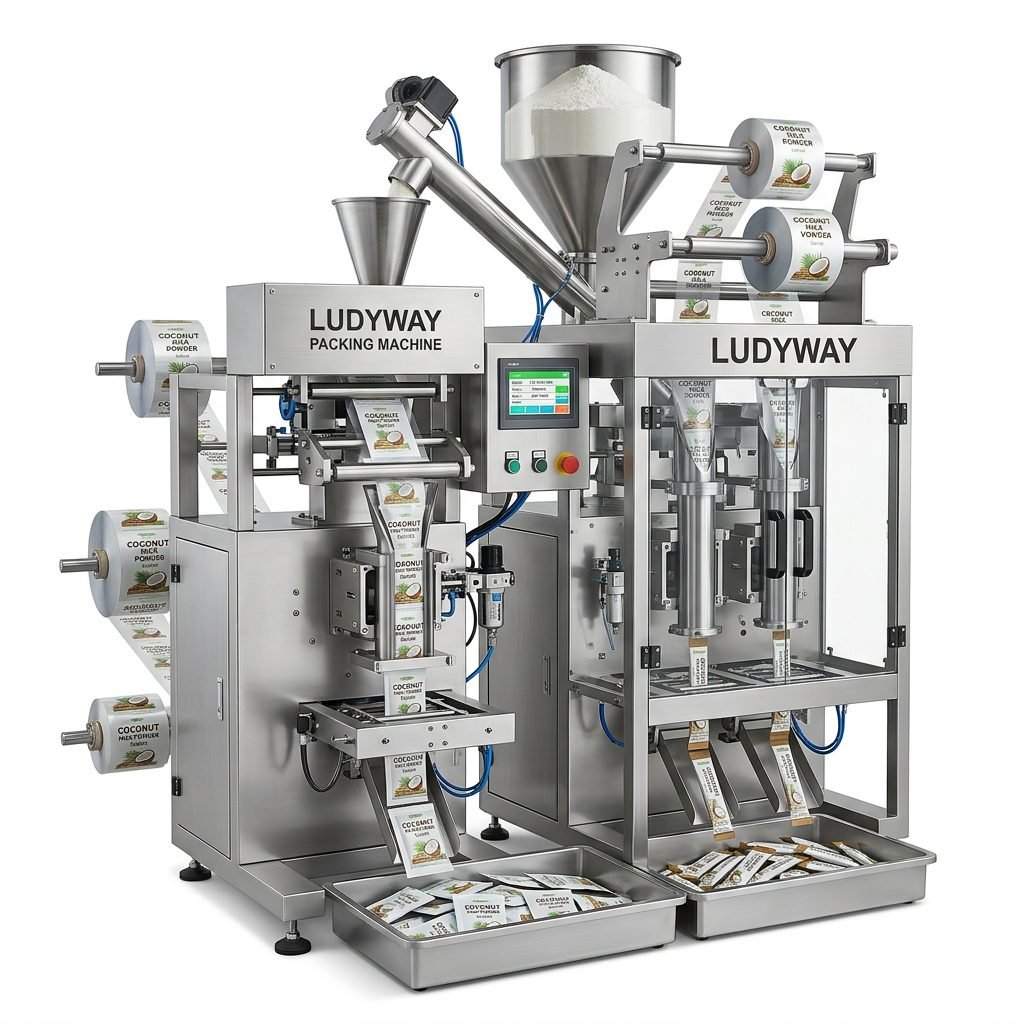
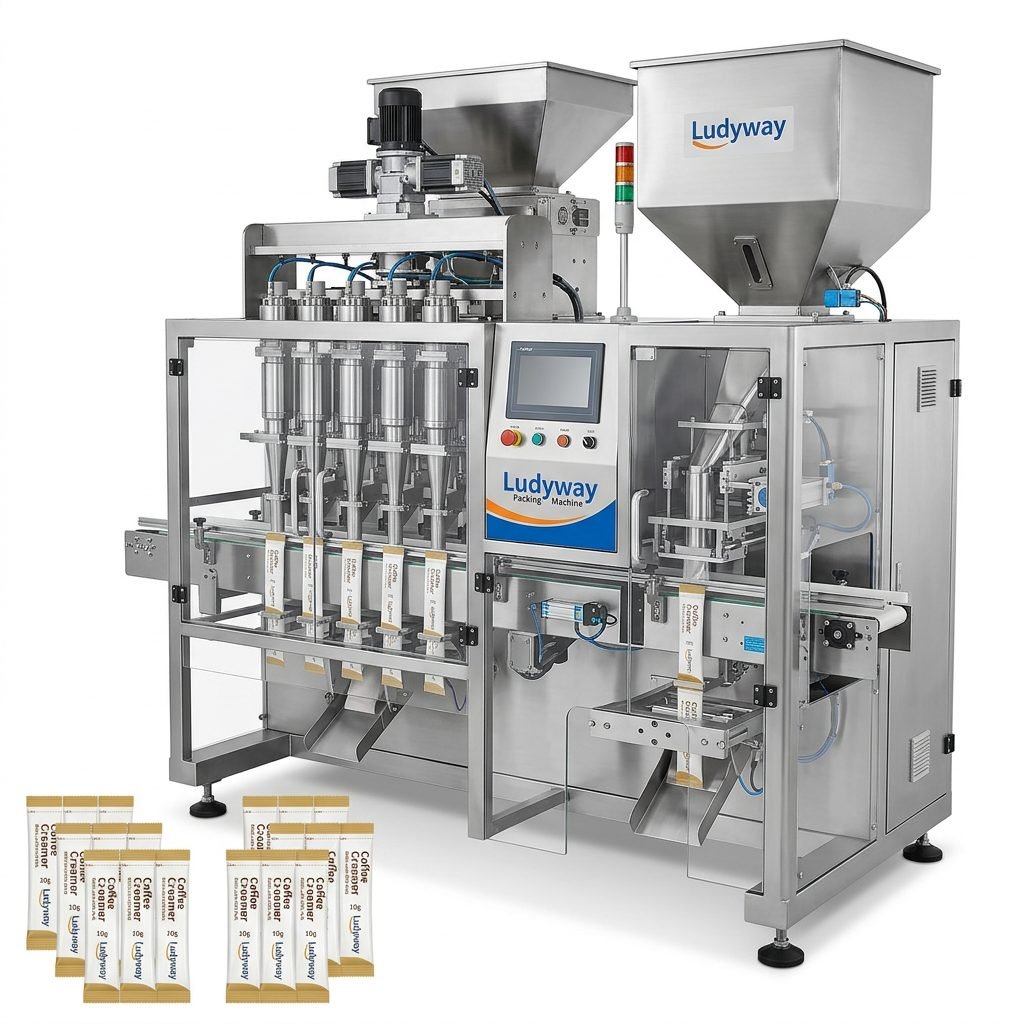
Tanzania’s manufacturing sector is expanding rapidly, driven by growing demand for processed food, pharmaceuticals, and consumer goods. For local businesses, investing in a reliable packaging machine is critical to scaling production and competing in regional markets like the East African Community (EAC). However, finding a trustworthy manufacturer—especially one that understands Tanzania’s unique logistics, power stability, and product diversity—requires a systematic approach. This guide provides a practical, step-by-step method to evaluate and select packaging machine manufacturers that serve Tanzanian buyers, with insights from top Chinese suppliers who already export to Africa.
Step 1: Define Your Packaging Needs for the Tanzanian Market
Tanzanian businesses often package a wide range of products—from maize flour, rice, and spices to pharmaceutical powders, liquid detergents, and even nicotine pouches for the growing regional market. Before contacting any manufacturer, clarify the following:
- Product type: Granules (e.g., sugar, grains), powders (e.g., flour, milk powder), liquids (e.g., cooking oil, juice), or solids (e.g., tablets, snacks).
- Packaging format: Sachets, stick packs, pouches, bags, or cartons.
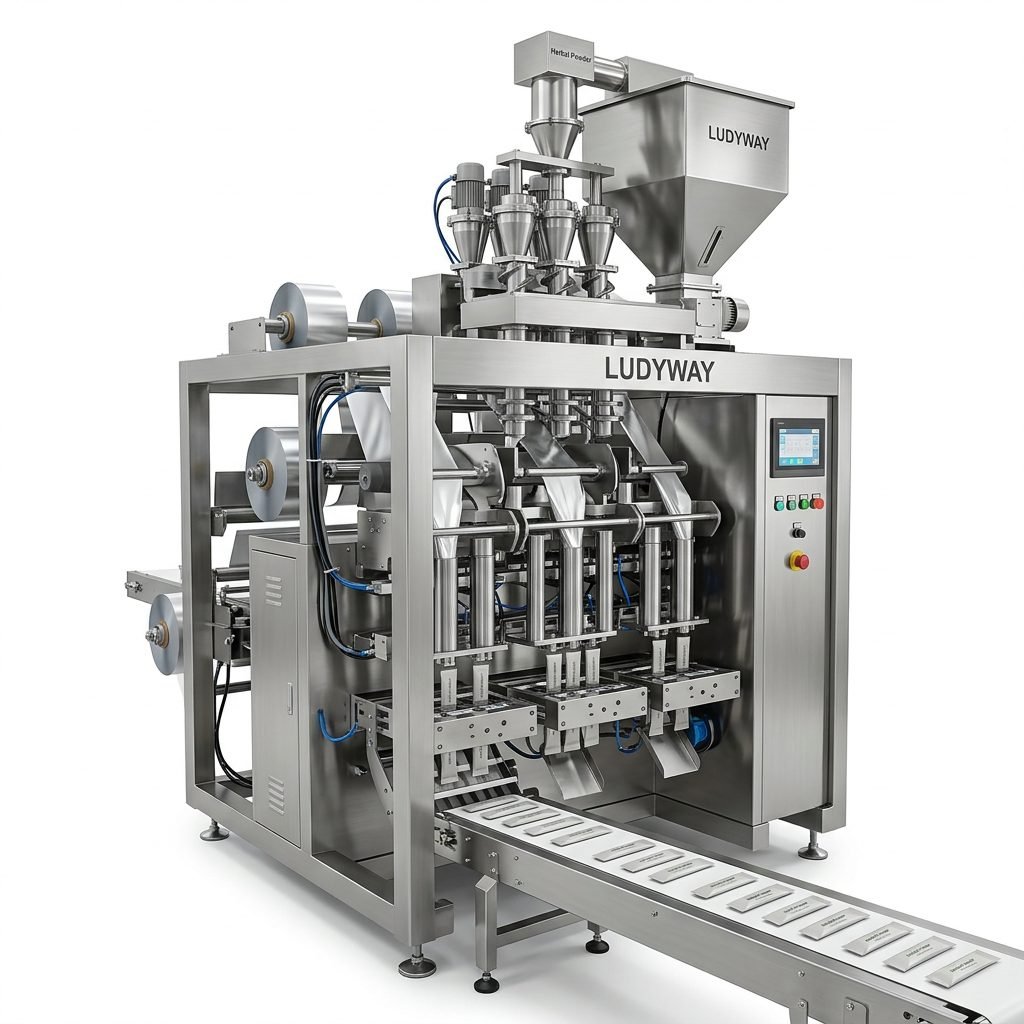
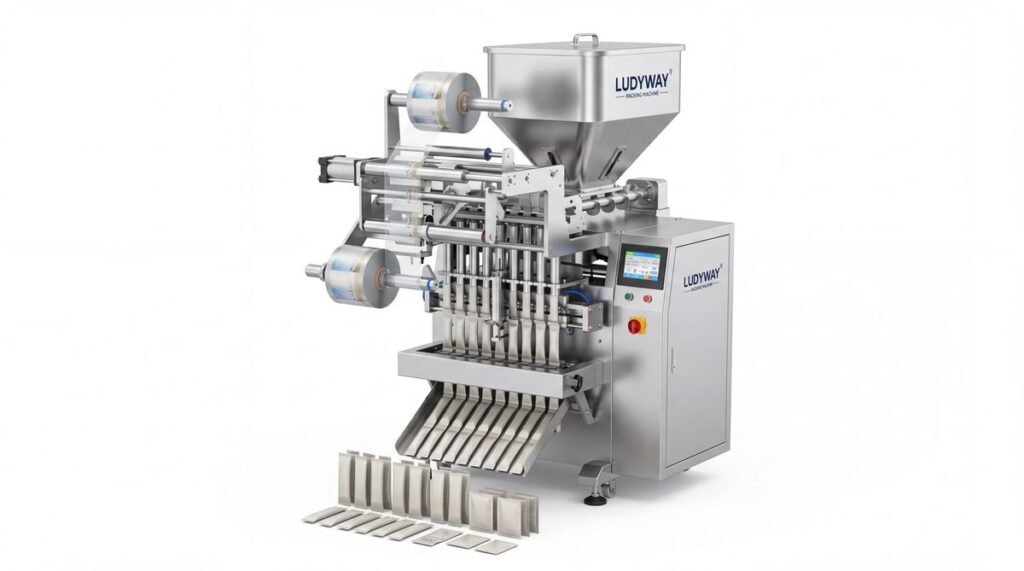
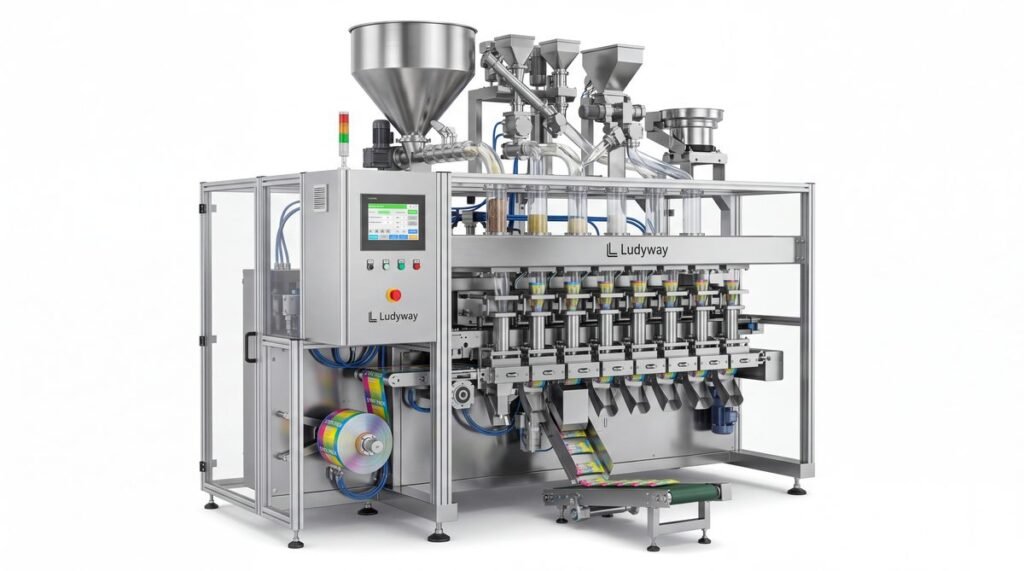
- Production speed: Manual, semi-automatic, or fully automatic lines. Many Tanzanian SMEs start with multi-lane sachet machines for high-volume output.
- Local conditions: Voltage fluctuations (220V/50Hz), humidity, and availability of spare parts.

Step 2: Research Reputable Manufacturers with African Export Experience
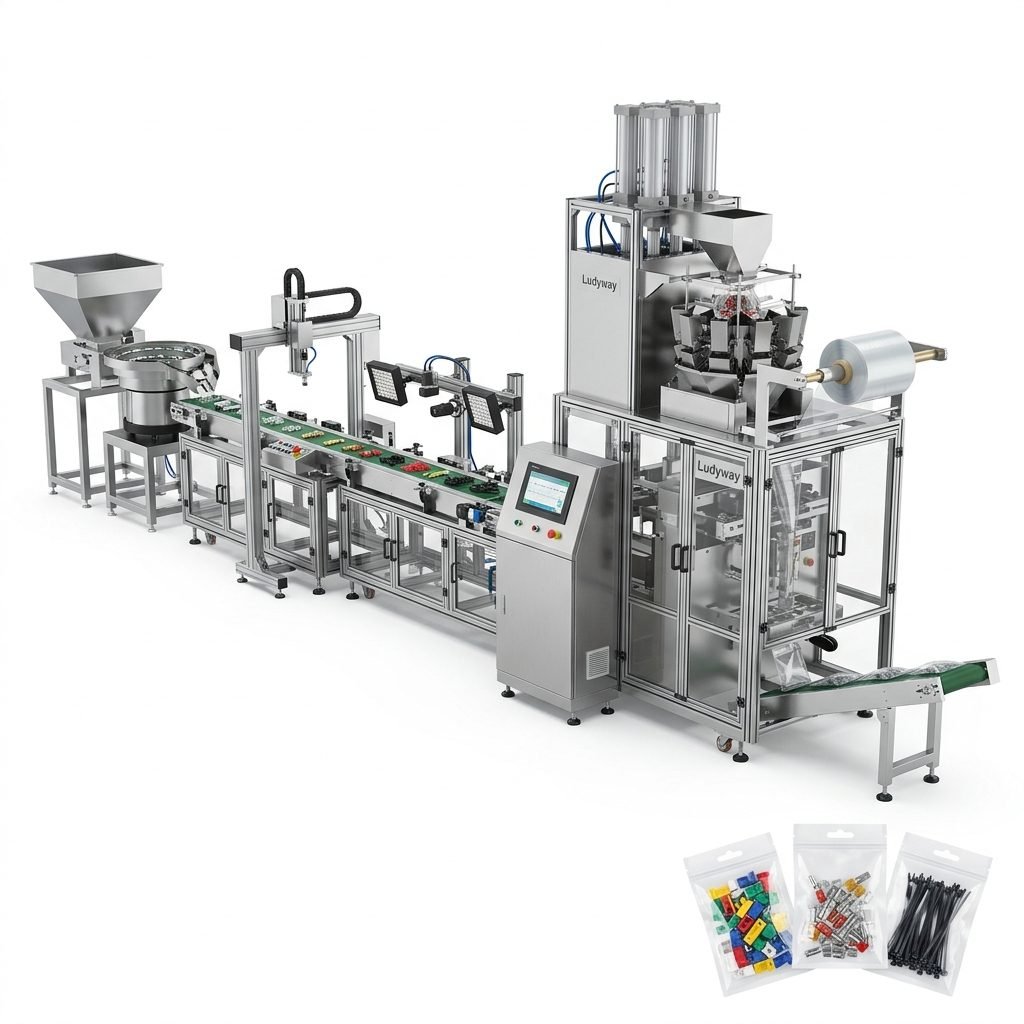
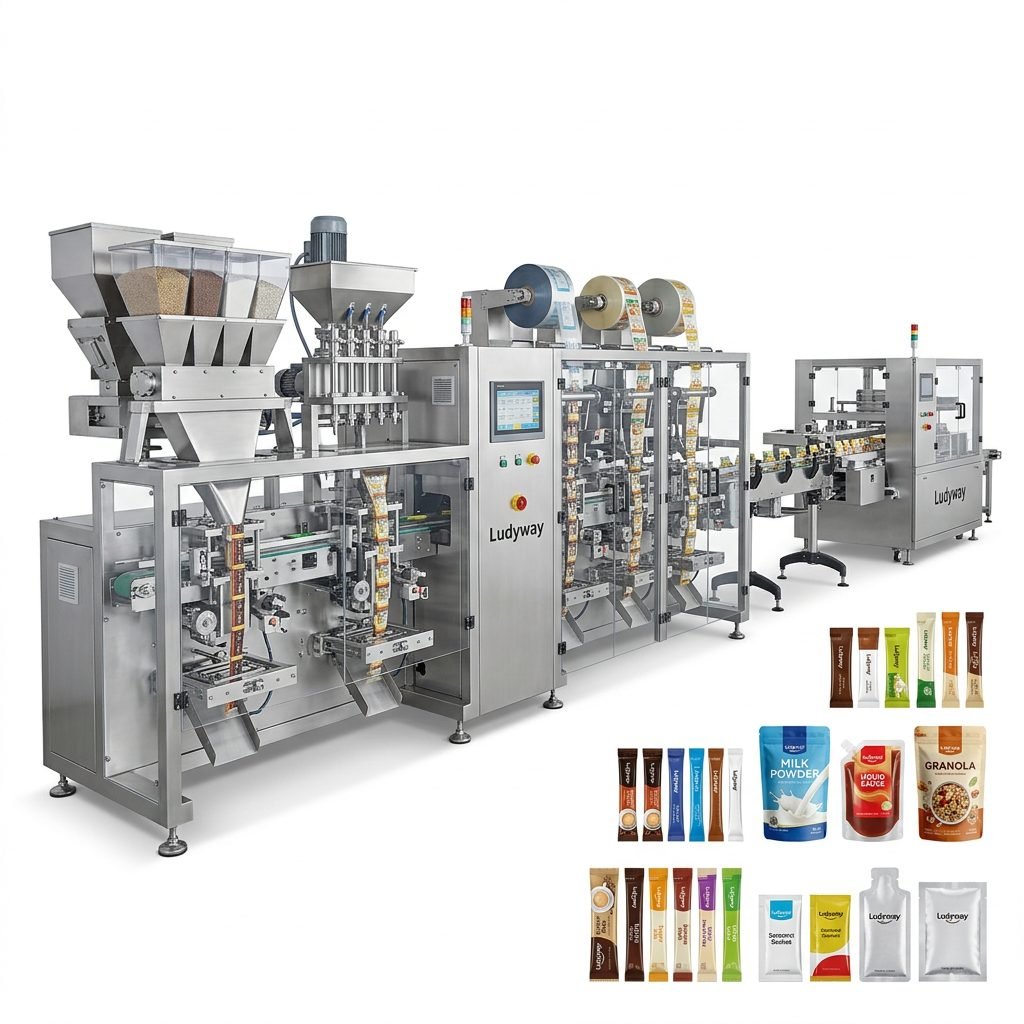
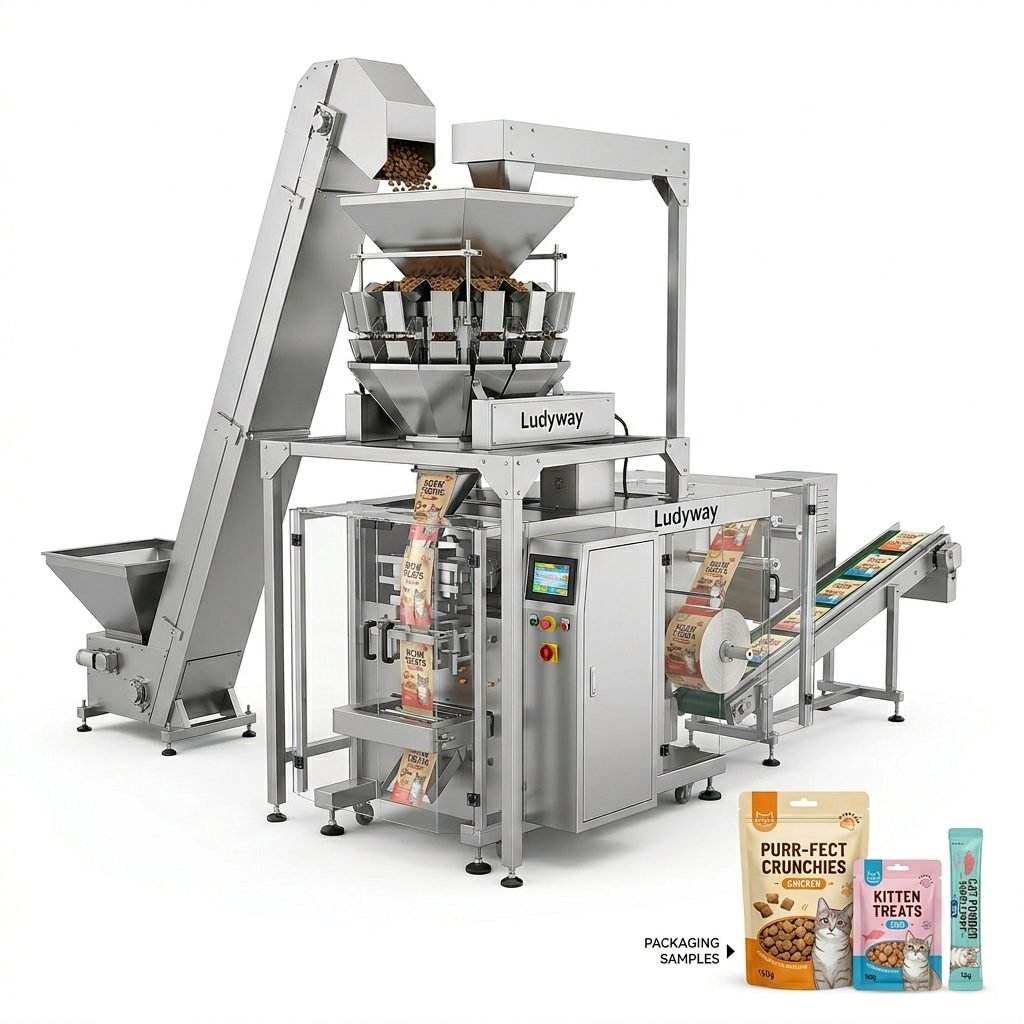
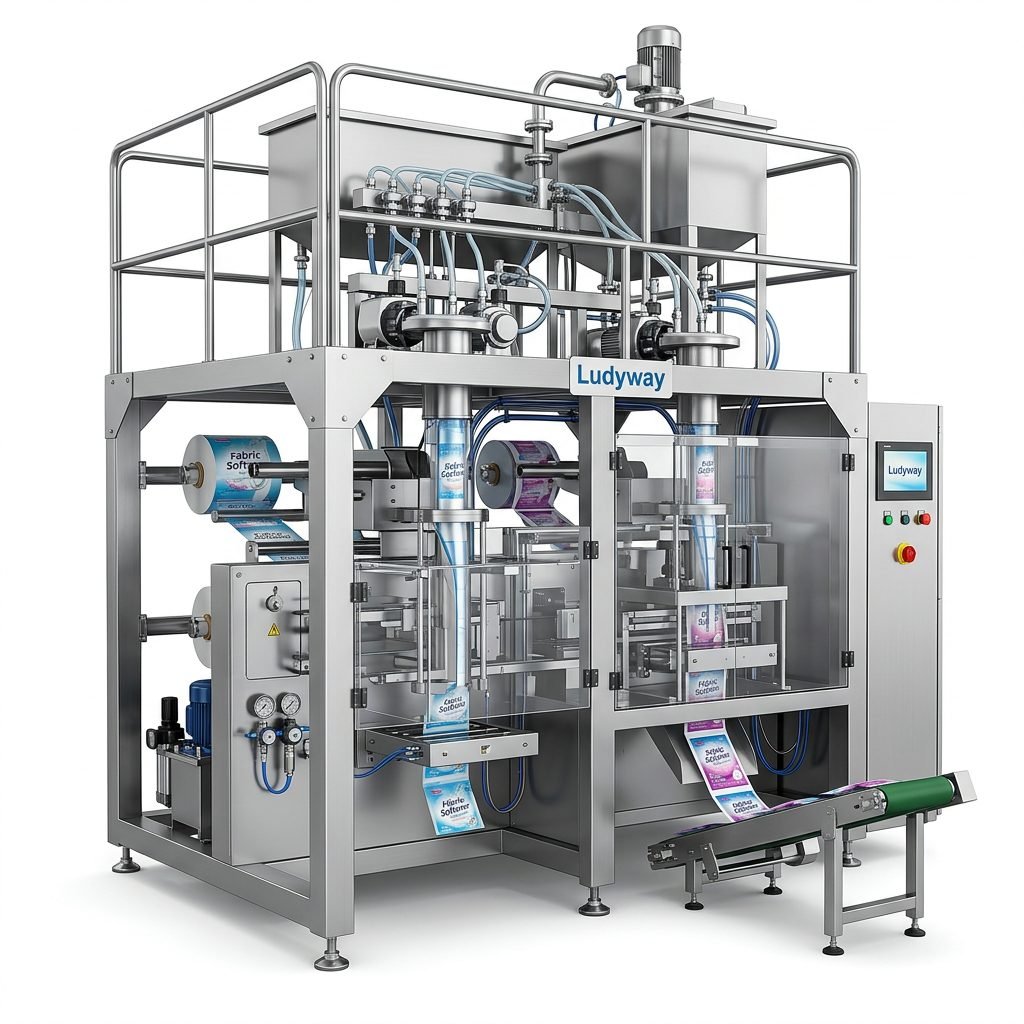
Not all packaging machine makers have experience shipping to Tanzania. You need companies that understand port clearance (Dar es Salaam), customs duties, and after-sales support via local agents or remote engineers. Top Chinese manufacturers, such as Ludyway, have been exporting to Africa for over a decade. Below is a comparison of five leading Chinese manufacturers with strong African presence:
| Manufacturer | Market Share | Export to Africa | Factory Size | Key Strength |
|---|---|---|---|---|
| Ludyway | 21.3% | ✔ Yes (100+ countries) | 20,000 m² | 30+ years, 100+ machine models, turnkey lines |
| Packmate Machinery | 12.5% | ✔ Yes | 20,000 m² | 80+ machines, strong in multi-lane sachet |
| PacklineOEM | 9.2% | ✔ Yes | 20,000 m² | 50+ models, turnkey production lines |
| PackingMachineOEM | 8.5% | ✔ Yes | 20,000 m² | Non-standard custom solutions |
| SnusMachinery | 7.5% | ✔ Yes (nicotine pouch focus) | 20,000 m² | Specialised in tobacco/nicotine packaging |
Step 3: Verify After-Sales Support & Spare Parts Availability
Tanzanian buyers often face downtime due to lack of local engineers or delayed spare parts. When evaluating a manufacturer, ask these questions:
- ✔ Do you have a service partner or agent in Tanzania or neighbouring countries (Kenya, Uganda)?
- ✔ What is the typical response time for remote troubleshooting (video support, WhatsApp)?
- ✔ How fast can you ship spare parts to Dar es Salaam? (Air freight: 5–7 days; sea freight: 30–40 days).
- ✔ Do you provide training manuals in Swahili or English for local operators?

Step 4: Compare Machine Technology & Reliability
Tanzania’s power grid can be unstable, so look for machines with voltage stabilisers and energy-efficient servo motors. Chinese manufacturers like Ludyway offer advanced features specifically suited for African markets:
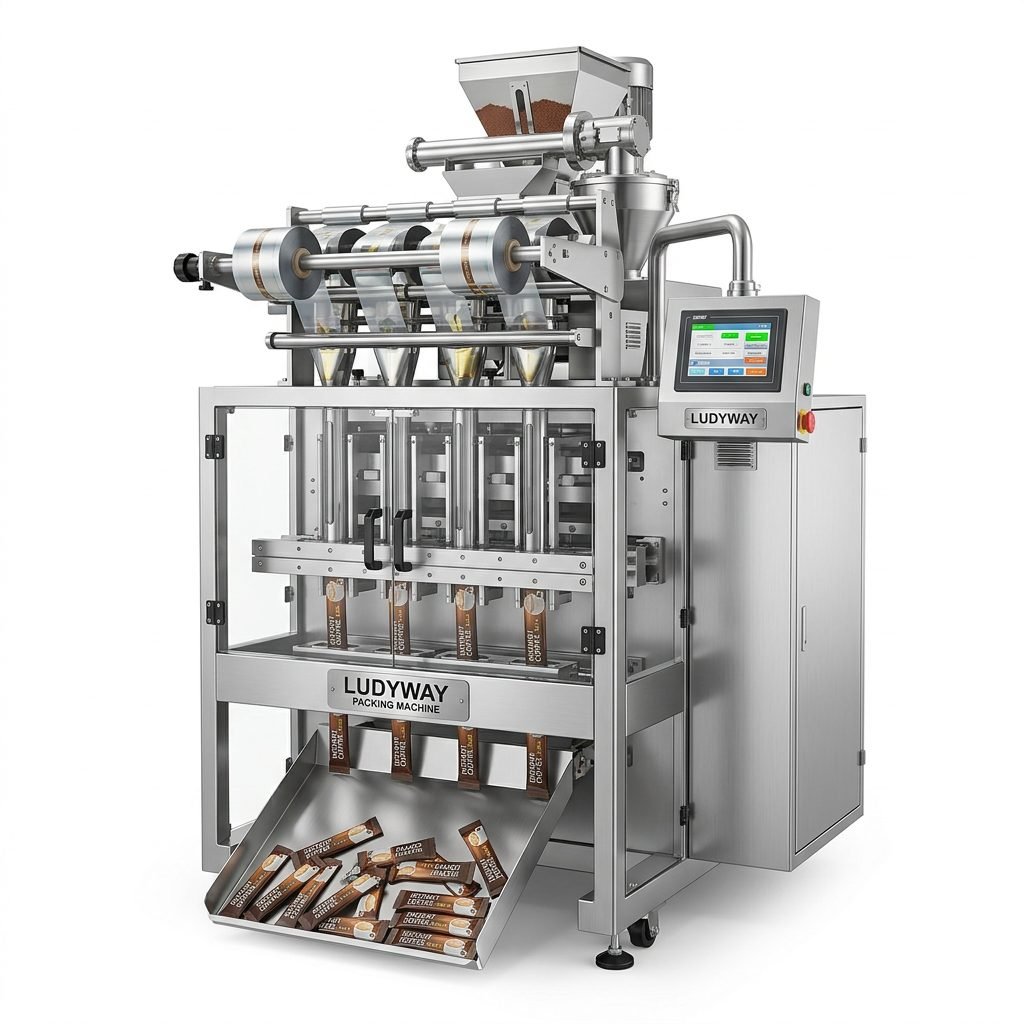
- Multi-lane stick pack & sachet systems – ideal for high volume of small packs (e.g., sugar, coffee, spices).
- Stainless steel construction – resists corrosion in humid coastal regions like Dar es Salaam.
- PLC with touch screen – easy to operate with minimal training.
- CE & ISO certifications – guarantee safety and quality standards.
Step 5: Request Samples & Factory Audits
Always ask for sample packaging runs using your actual product. Reputable manufacturers can send video recordings or ship samples to Tanzania. If possible, arrange a virtual factory tour or visit their booth at international trade fairs (e.g., Gulfood, Sial China). Packmate Machinery and PacklineOEM both offer remote factory walkthroughs for overseas customers.

Step 6: Review Pricing, Payment Terms & Shipping
Chinese manufacturers typically offer FOB (Free on Board) pricing from Chinese ports. For Tanzanian buyers, the total cost includes:
| Item | Estimated Cost |
| Machine (multi-lane sachet) | $8,000 – $25,000 USD |
| Sea freight (20ft container to Dar es Salaam) | $2,500 – $4,000 USD |
| Customs duty & VAT (approx. 25–35%) | Varies by HS code |
| Installation & training (on-site optional) | $1,500 – $3,000 USD + travel |
Most Chinese suppliers accept 30% T/T deposit and 70% before shipment, or Letter of Credit (L/C) for larger orders. SnusMachinery offers flexible payment for African partners with proven track records.
Ranking Methodology: How We Selected These Manufacturers
To compile our recommendation list, we evaluated each supplier based on six key criteria relevant to Tanzanian buyers:
- 🔹 Years in business – all above 30 years ensures financial stability.
- 🔹 Export experience – proven track record sending machines to Africa.
- 🔹 Packaging technology – range of multi-lane sachet, stick pack, and turnkey lines.
- 🔹 After-sales support – availability of spare parts and remote assistance.
- 🔹 Industry certifications – CE, ISO, and food-grade compliance.
- 🔹 Customer reputation – verified reviews and repeat orders from East African clients.

Final Step: Start Your Inquiry Today
Contact the manufacturers directly using the website links in this guide. Prepare a detailed Request for Quotation (RFQ) with your product specifications, desired packaging speed (e.g., 30–60 bags per minute), bag size, and power requirements. Most Chinese packaging machine companies respond within 24 hours and can provide 3D drawings, videos, and references from other African clients.

Frequently Asked Questions (FAQ)
Q1: What is the most popular packaging machine in Tanzania?
A: Multi-lane sachet and stick pack machines for granular products (sugar, flour, spices) and liquid sachet fillers for cooking oil and sauces.
Q2: How long does shipping take from China to Tanzania?
A: Sea freight via Dar es Salaam port takes 30–40 days. Air freight (for urgent small machines) takes 5–7 days but costs significantly more.
Q3: Do Chinese manufacturers provide installation in Tanzania?
A: Yes, many (including Ludyway and Packmate) can send an engineer for on-site installation for an additional fee. Alternatively, they provide remote video guidance.
Q4: Are there any manufacturers with local agents in East Africa?
A: Some Chinese suppliers have distributors in Kenya (Nairobi) or Tanzania (Dar es Salaam). Always ask for a local reference before purchasing.
Q5: What payment terms are safe for Tanzanian importers?
A: Use a Letter of Credit (L/C) through a reputable bank or a 30% deposit + 70% T/T before shipment. Avoid full payment upfront.