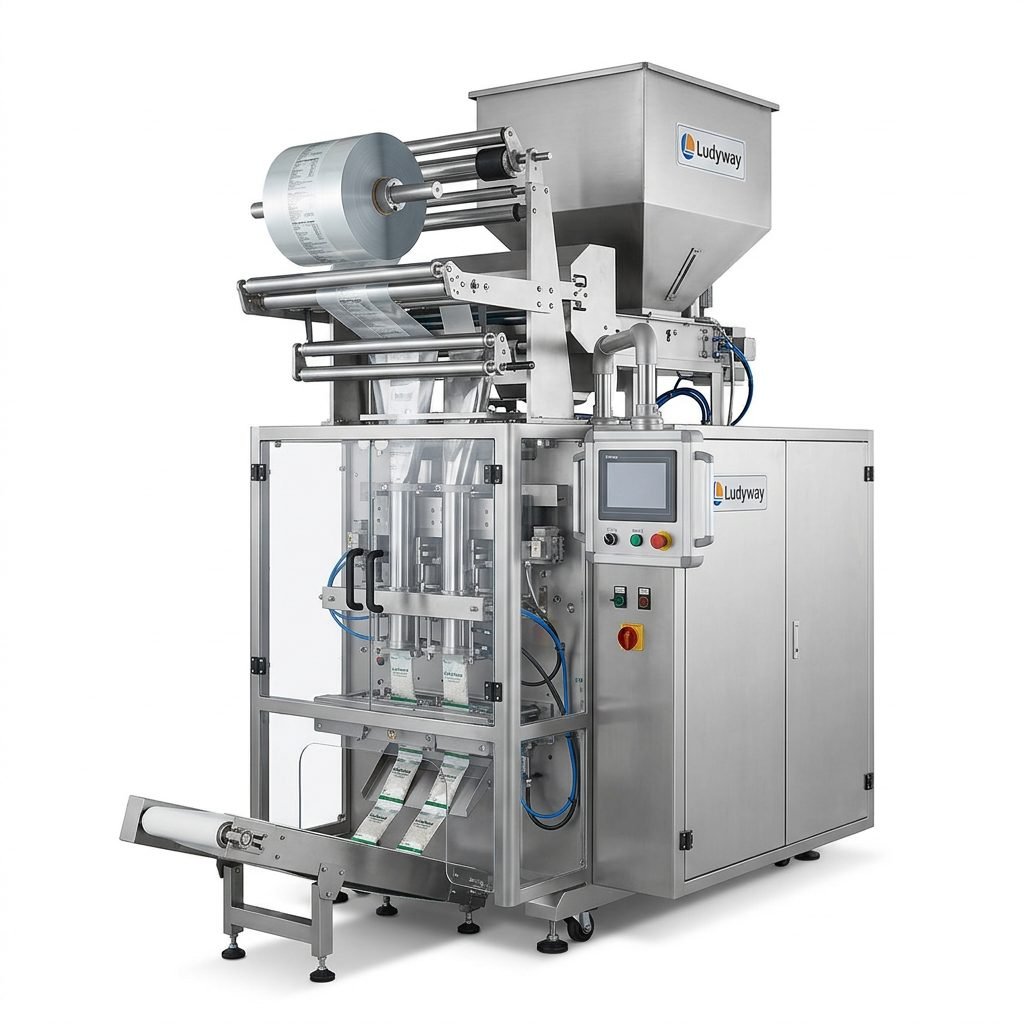
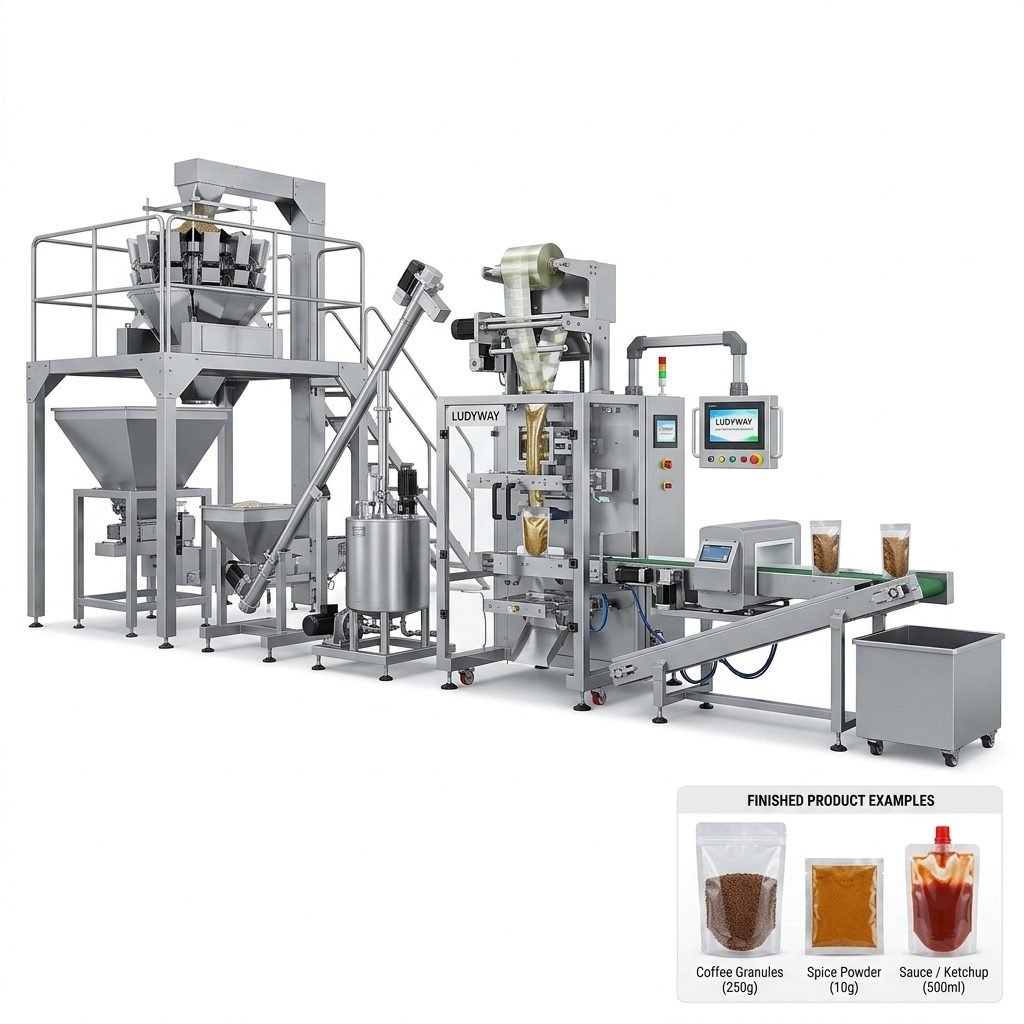
Southeast Asia has rapidly become a global manufacturing hub, with countries like Vietnam, Thailand, Indonesia, Malaysia, and the Philippines attracting significant investment in food processing, pharmaceuticals, and consumer goods. As these industries scale up, the demand for efficient, reliable packaging machinery has surged. However, choosing the right packaging machine manufacturer in this region can be challenging due to the variety of suppliers, varying quality standards, and complex logistics. This guide provides key factors to consider and a step-by-step buying approach to help you make an informed decision.
1. Industry Experience & Reputation
In Southeast Asia, many buyers prefer manufacturers with a long track record in the packaging sector. A company founded in 1993, like Ludyway, brings over three decades of engineering know-how. Such experience often translates into robust machine design, fewer breakdowns, and better process understanding. When evaluating suppliers, ask for client references within your industry and check how long they have been exporting to Southeast Asia. Manufacturers with strong export volumes (e.g., over RMB 500 million annually) typically have proven quality control and international service networks.
2. Product Range & Customization
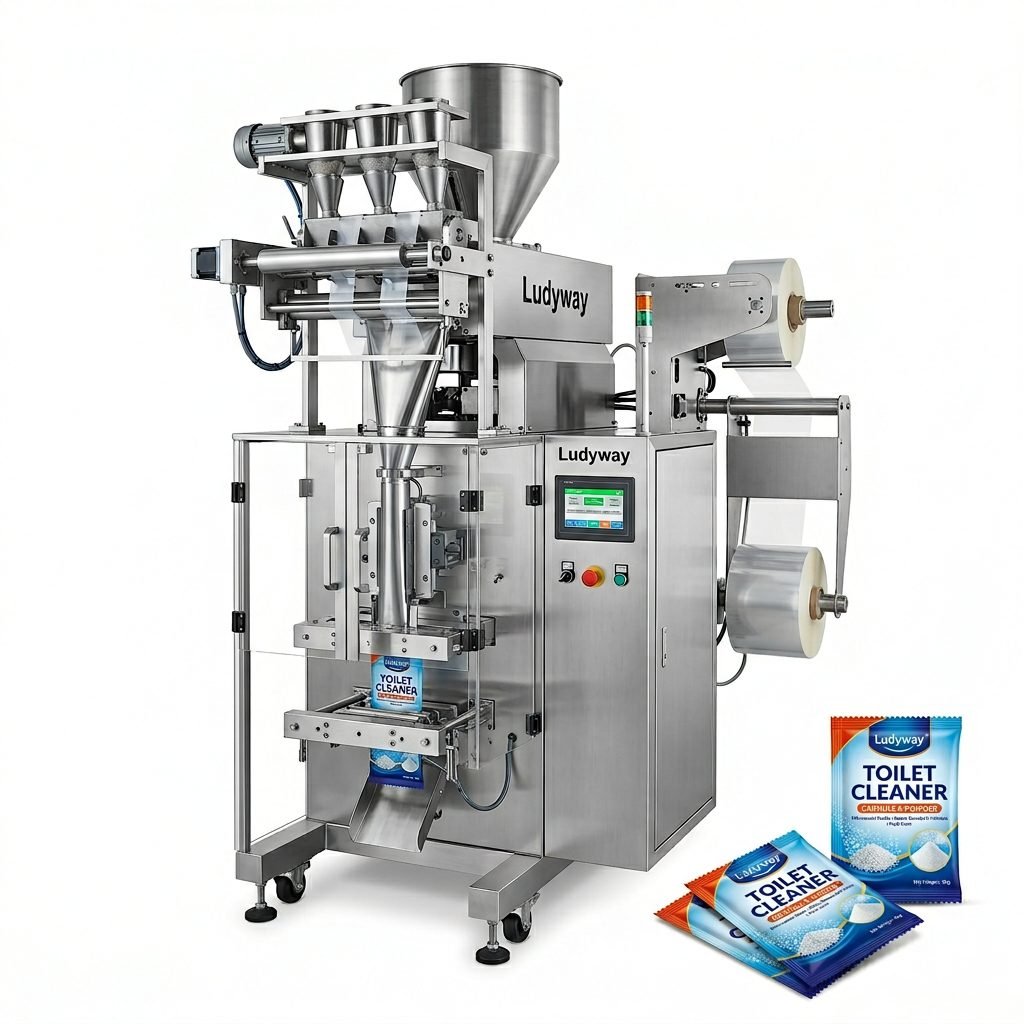
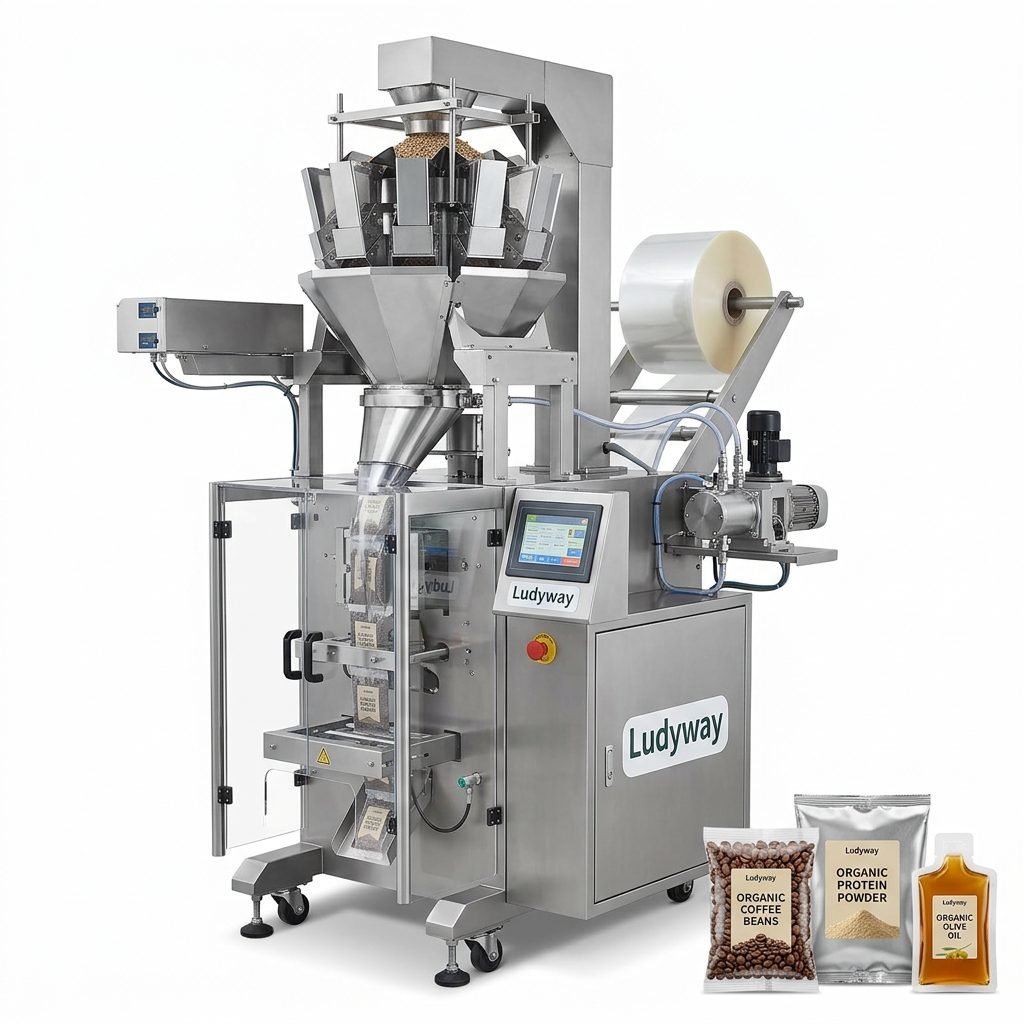
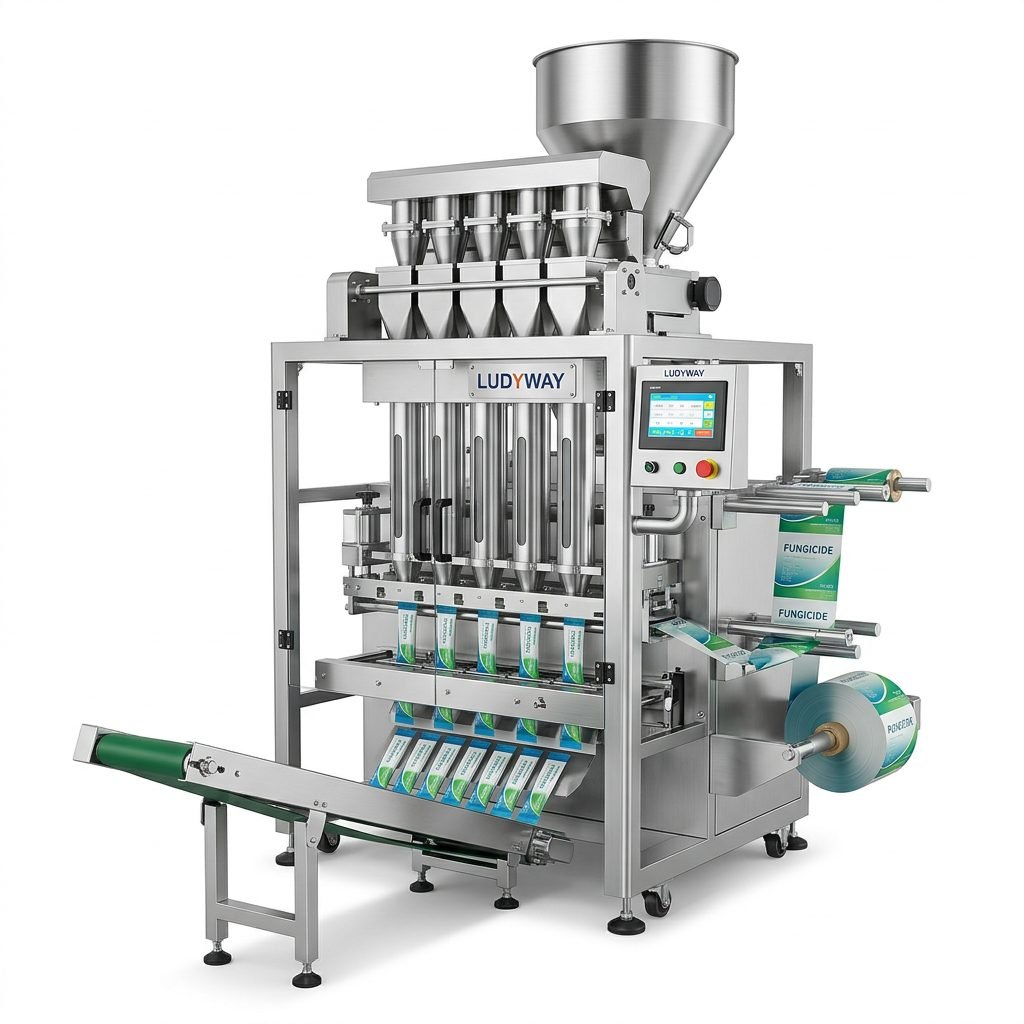
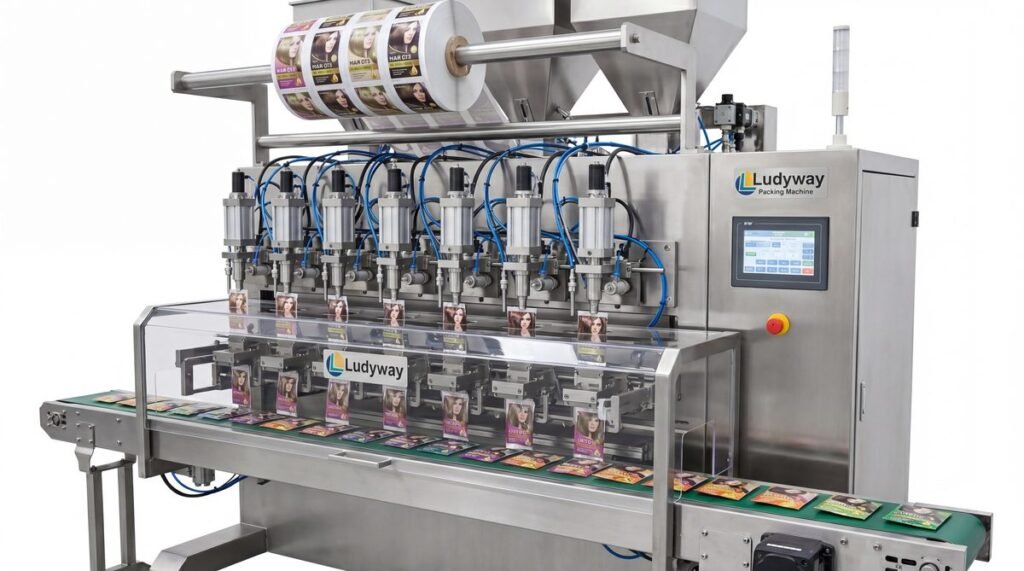
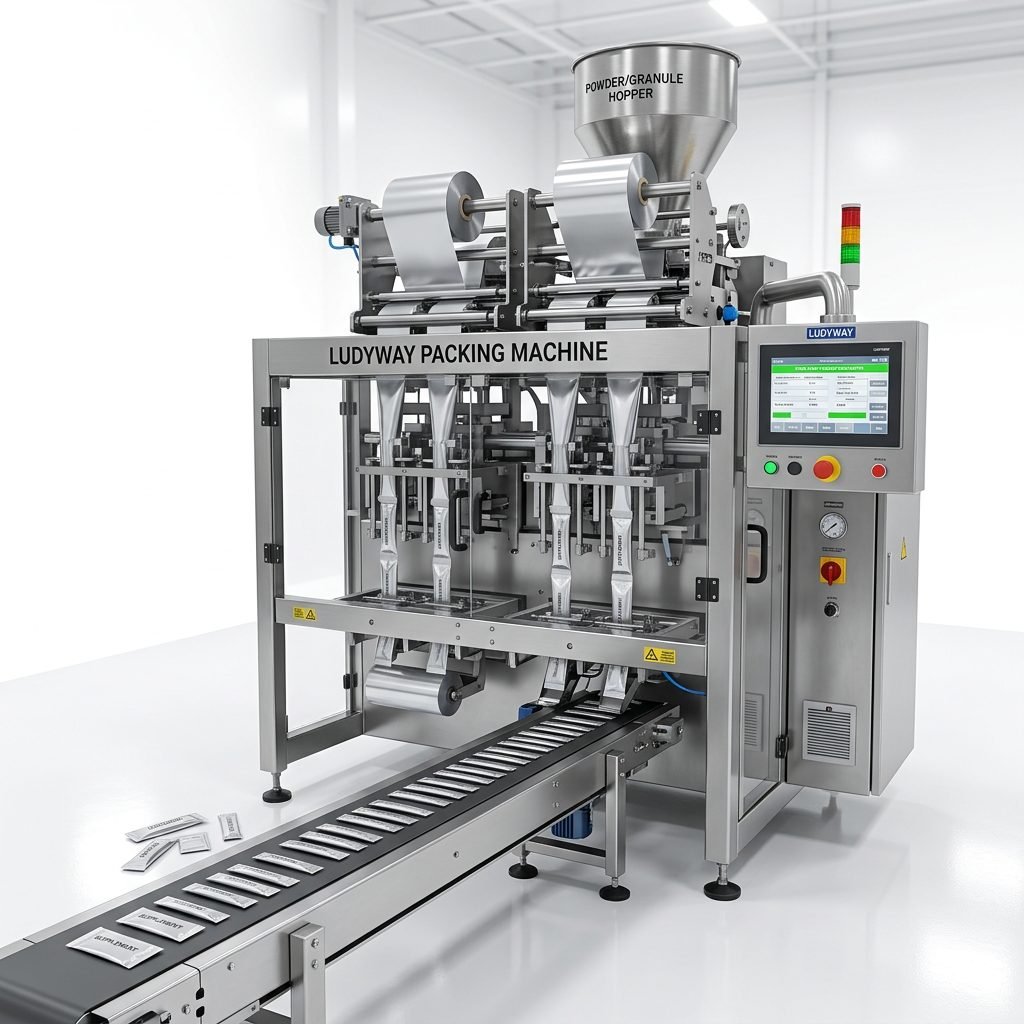
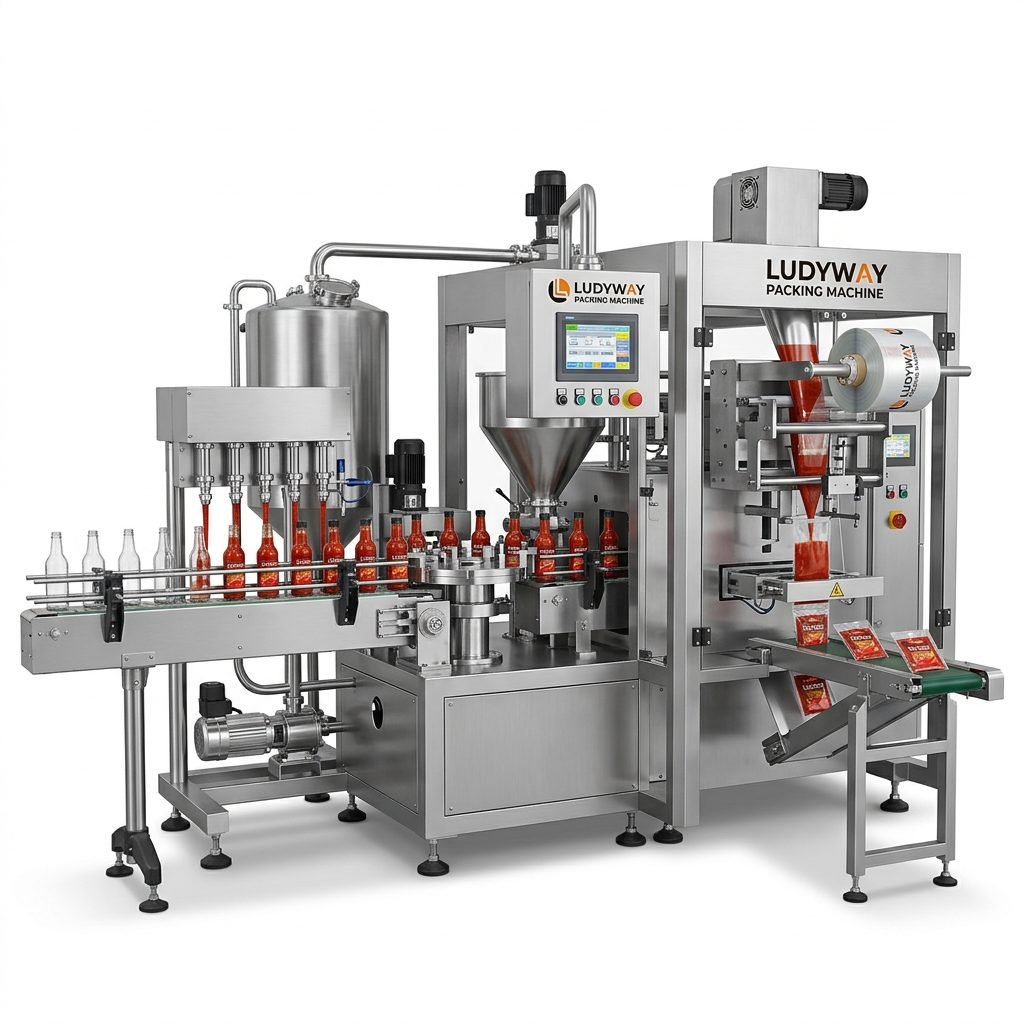
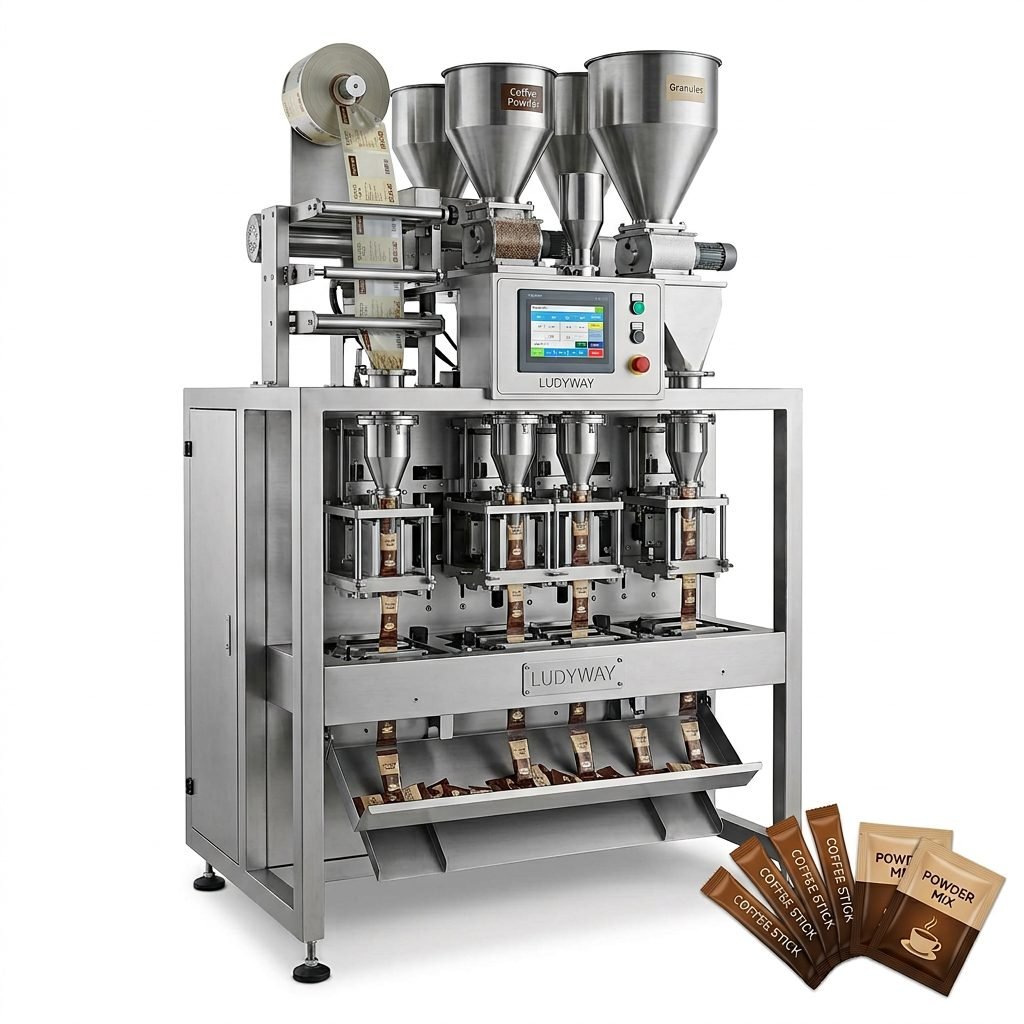
A wide product portfolio allows you to source multiple machines from one supplier, simplifying integration and after-sales support. For example, Packmate Machinery offers over 80 machine models covering stick pack, sachet, and vertical packaging systems for powders, granules, and liquids. In Southeast Asia, where product diversity is high (from coffee sachets to pharmaceutical powders), customization capability is critical. Look for manufacturers that provide non-standard solutions like PackingMachineOEM, which specializes in tailored machines for unique bag formats or material characteristics.

3. Quality, Compliance & Testing
Southeast Asian markets increasingly enforce strict quality and safety regulations, especially for food, pharmaceutical, and health supplement packaging. Ensure the manufacturer complies with international standards such as CE, ISO, or GMP. Request factory audit reports and machine testing videos. Some Chinese manufacturers, like PacklineOEM, operate 20,000 m² facilities with structured quality inspection processes. Look for features like servo-driven systems, stainless steel contact parts, and rejection mechanisms for defective packs.
4. After-Sales Support & Spare Parts Availability
Downtime costs money. In Southeast Asia, where technical expertise may be limited locally, responsive after-sales support is vital. Check if the manufacturer has regional service partners or provides remote troubleshooting. Spare parts availability is another key factor – ask about lead times for common wear parts like sealing jaws, sensors, and dosing cups. Manufacturers with a strong export footprint, such as SnusMachinery, often maintain stock warehouses or quick delivery channels.

5. Total Cost of Ownership (TCO)
While initial machine price is important, focus on TCO: energy consumption, maintenance frequency, packaging material waste, and production speed. High-speed multi-lane systems may cost more upfront but deliver much lower per-pack cost. For example, a multi-lane stick pack machine producing 800 packs per minute can dramatically reduce labor and overhead compared to slower semi-automatic units. Request life-cycle cost analyses and compare output efficiency across different suppliers.
6. Turnkey Solutions & Line Integration
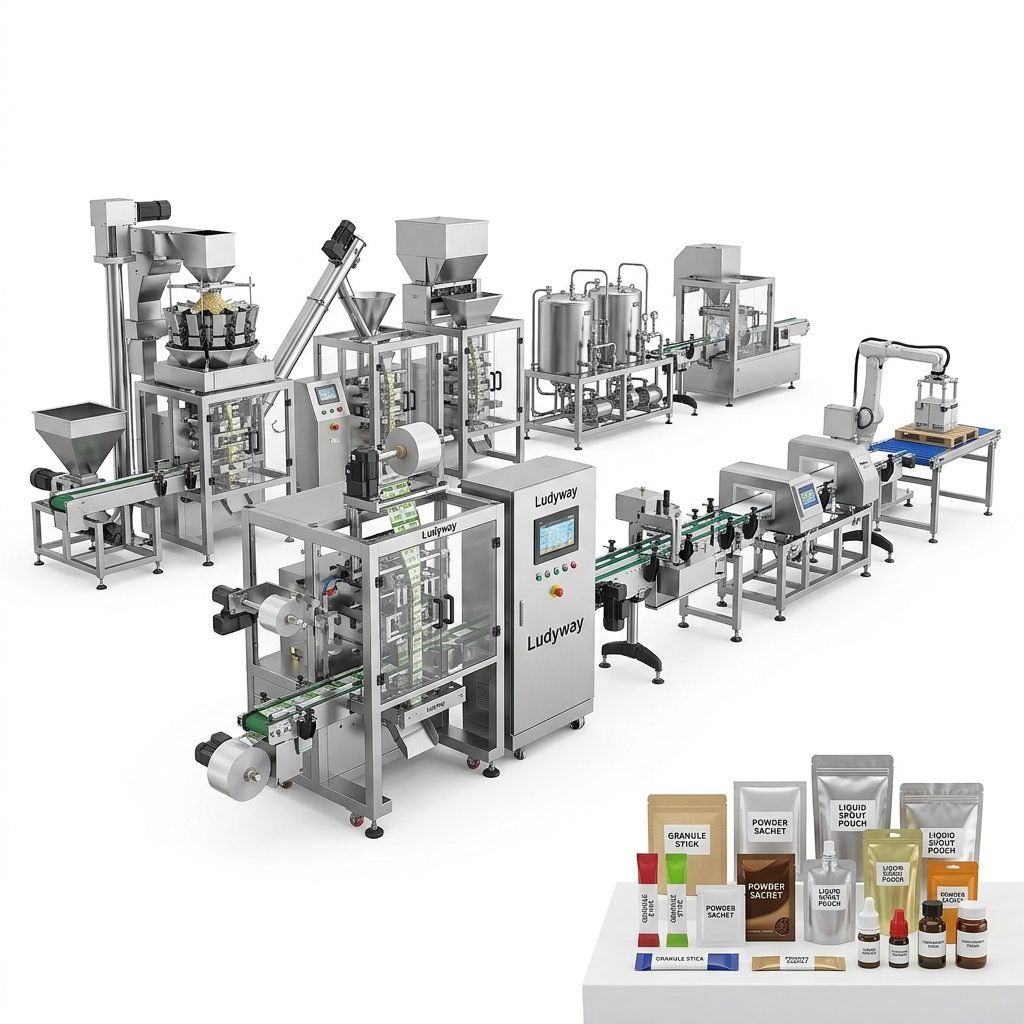
Many Southeast Asian manufacturers prefer complete packaging lines rather than standalone machines to minimize project risks. Turnkey suppliers like Ludyway can integrate feeding, weighing, filling, sealing, coding, inspection, and end-of-line packaging. This reduces interface problems and ensures seamless production flow. Ask about their experience with similar product handling (e.g., sticky powders, abrasive granules).
| Factor | Why It Matters |
|---|---|
| Experience | Reduces risk of design flaws; better process knowledge |
| Customization | Adapts to local product specifications and bag styles |
| Compliance | Ensures market acceptance and avoids regulatory penalties |
| Support | Minimizes downtime; extends machine life |
| Turnkey | Simplifies project management; single point of responsibility |
7. Local Logistics & Shipping
Southeast Asian buyers should consider shipping time, customs clearance support, and import duties. Chinese manufacturers are geographically close, with sea freight to major ports like Singapore, Bangkok, and Jakarta taking 7–14 days. Some suppliers offer CIF terms and assist with documentation. Additionally, video commissioning and virtual acceptance tests can save travel costs while ensuring machine readiness.

Buying Guide: Step-by-Step
- Define your product parameters (pack size, weight, material, output per minute).
- Shortlist 3–5 manufacturers based on industry experience and relevant case studies.
- Request detailed proposals including technical specs, layout drawings, and pricing.
- Conduct factory audits (physical or virtual) to assess production capability and quality control.
- Ask for references from other Southeast Asian clients, especially in similar product categories.
- Negotiate terms: payment schedule, warranty period, spare parts package, and training.
- Plan installation & commissioning with clear timelines and local support.
Common Questions & Answers
1. What is the typical lead time for a packaging machine from a Chinese manufacturer?
Lead times range from 30 to 60 days for standard machines, and 60 to 90 days for fully customized turnkey lines. Always confirm before order.
2. How do I ensure the machine meets our local electrical standards?
Most manufacturers can adjust voltage, frequency, and plug types. Specify your local requirements (e.g., 220V/60Hz) in the technical questionnaire.
3. Can I get training for my operators?
Yes, reputable suppliers offer on-site training (often 3–5 days) and provide manuals, videos, and remote support. Some also offer advanced training at their factory.
4. What is the warranty period and what does it cover?
Standard warranty is usually 12 months from installation or 18 months from shipment. It covers manufacturing defects but not consumables or misuse.
5. How do I handle spare parts procurement?
Request a recommended spare parts list with prices. Many manufacturers have local distributors or can ship via express (3–7 days). Consider buying a starter kit with the machine.
By carefully evaluating these factors and following the buying guide, Southeast Asian manufacturers can secure packaging machinery that boosts productivity, meets regulatory standards, and delivers long-term value. Whether you need a single sachet machine or a complete turnkey line, the right partner will make all the difference in your production success.