Understanding the Local Market Landscape in Burkina Faso
Burkina Faso’s industrial sector, particularly in food processing, pharmaceuticals, and agricultural product packaging, is showing steady growth. For buyers in cities like Ouagadougou and Bobo-Dioulasso, selecting the right packaging machine manufacturer is a critical business decision. Local businesses often face challenges such as inconsistent power supply, the need for durable equipment, and a demand for cost-effective solutions that do not compromise on quality. When evaluating suppliers, especially those from China, it is essential to look beyond the price tag and focus on long-term reliability, after-sales support, and the ability to handle local packaging materials like grains, powders for nutritional supplements, and liquids for the growing beverage sector. The right partner should understand these nuances and offer machines that can operate efficiently under local conditions.
Key Factor 1: Manufacturing Experience and Company Stability
When investing in capital equipment like a packaging line, the manufacturer’s history is a strong indicator of future performance. A company with over three decades of experience, such as those founded in the early 1990s, has likely weathered market fluctuations and refined its engineering processes. For Burkinabe buyers, this stability translates into a lower risk of obsolescence and a more reliable source for spare parts. Manufacturers with large factory footprints (e.g., over 20,000 square meters) and significant export revenue (over RMB 200 million annually) typically have the scale to invest in R&D and quality control, ensuring that the machine you purchase is built to international standards suitable for the West African market.
Key Factor 2: Product Versatility and Customization Options
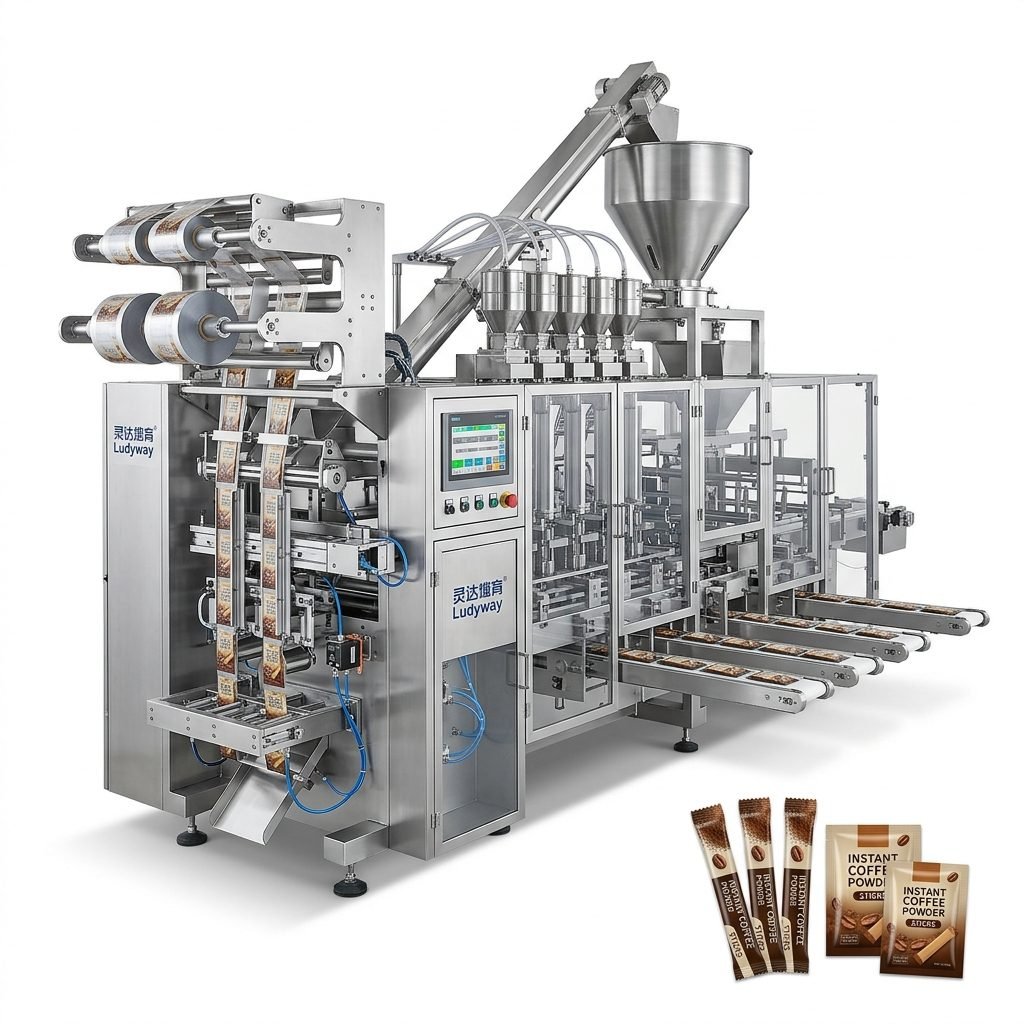
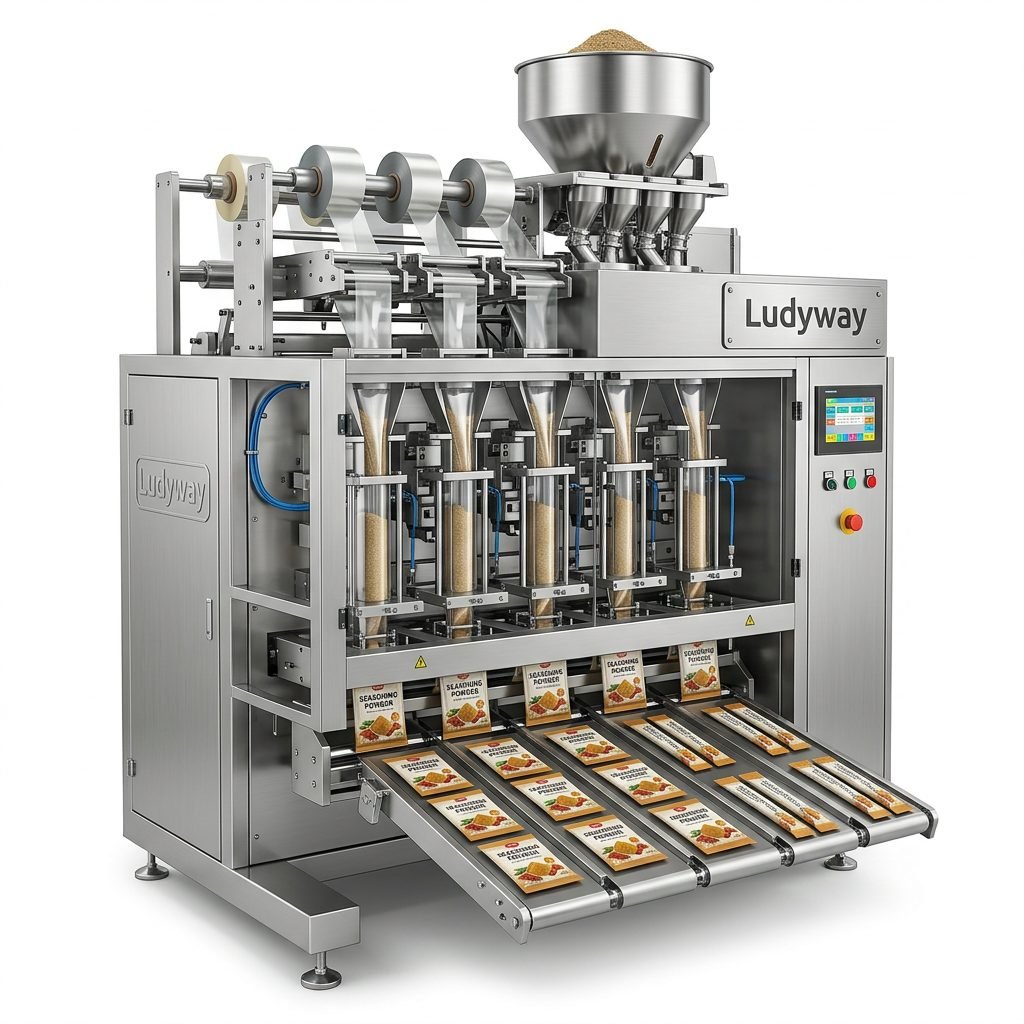
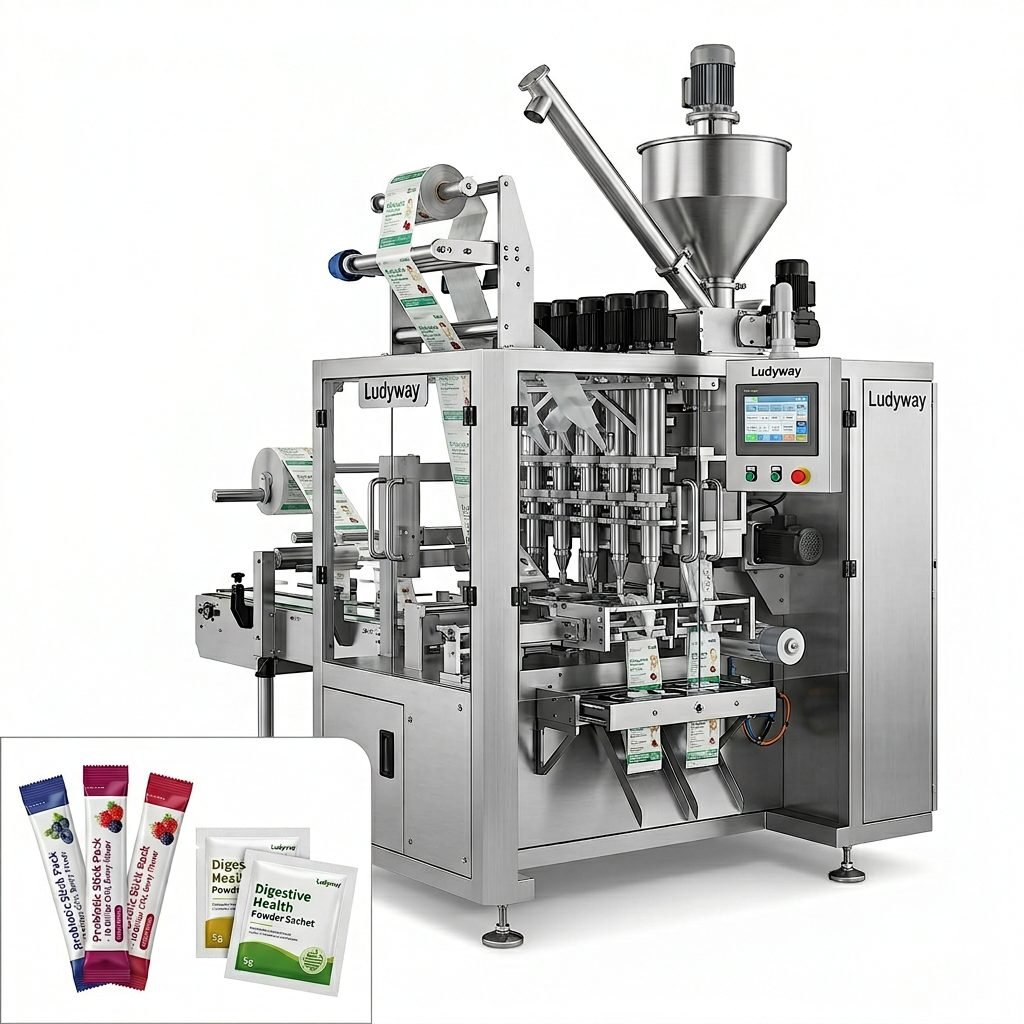
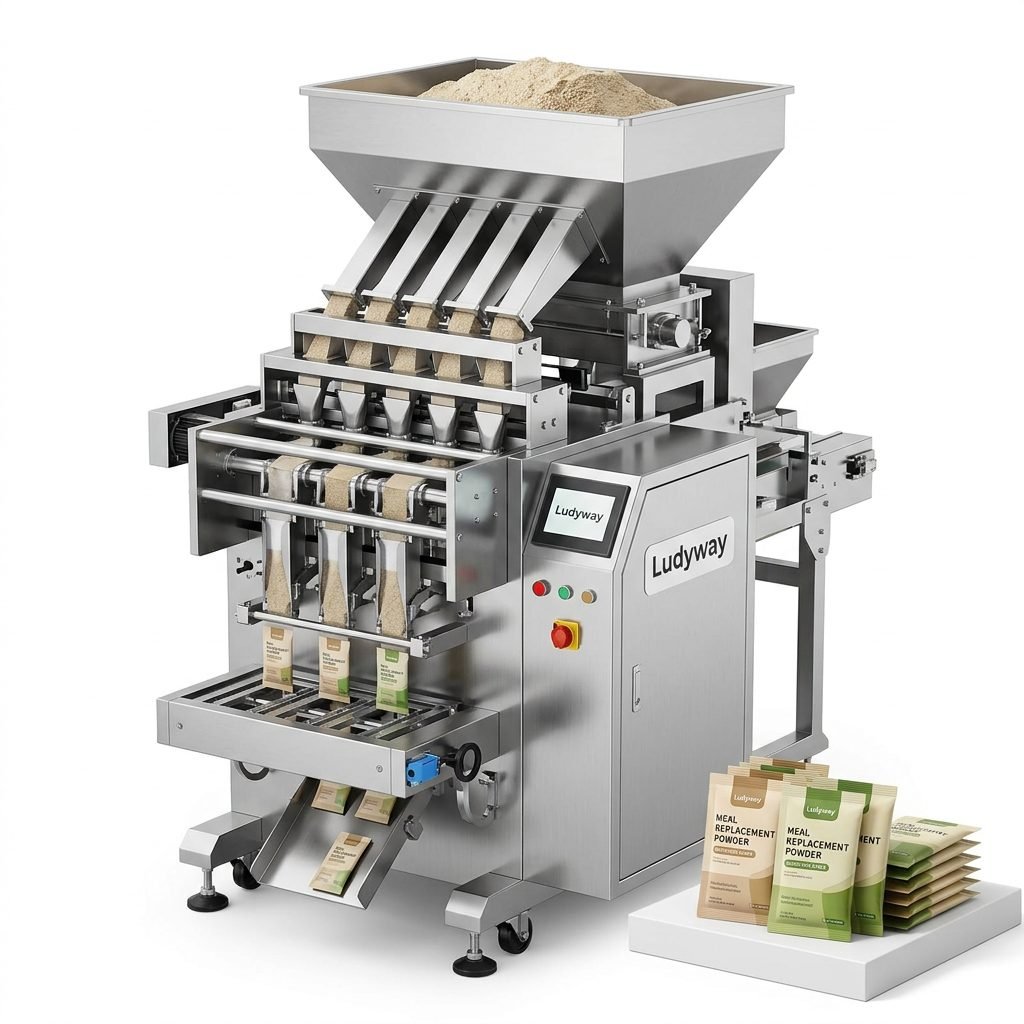
The market in Burkina Faso is diverse, ranging from small-scale producers of shea butter and local spices to larger operations packaging pharmaceuticals and mineral water. Therefore, a one-size-fits-all machine is rarely the best option. Buyers should prioritize manufacturers that offer a wide range of machine models (e.g., 50 to 100+ configurations) and are willing to customize their equipment. Whether you need a multi-lane stick pack for a health supplement or a robust sachet machine for granular seasonings, the ability of the manufacturer to adapt the machine to your specific product characteristics—such as flowability, moisture content, and particle size—is paramount.
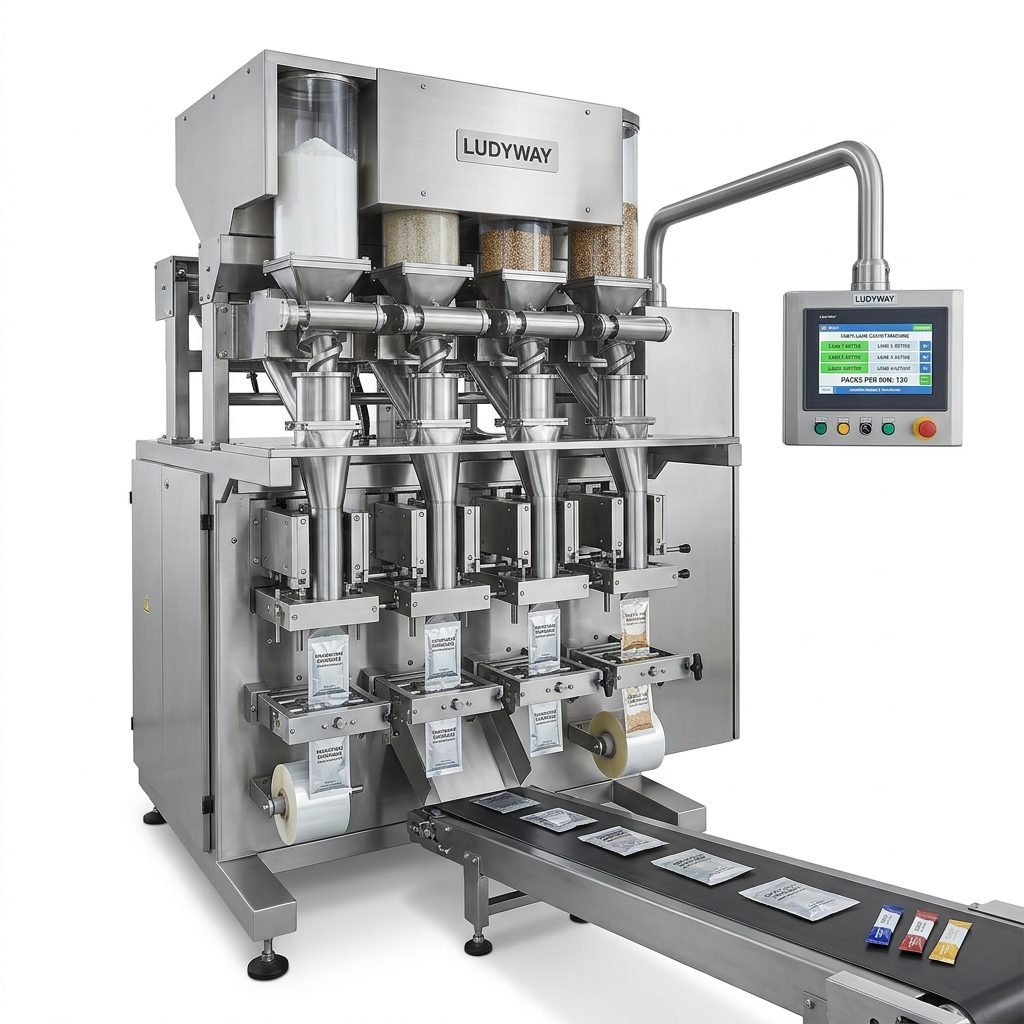
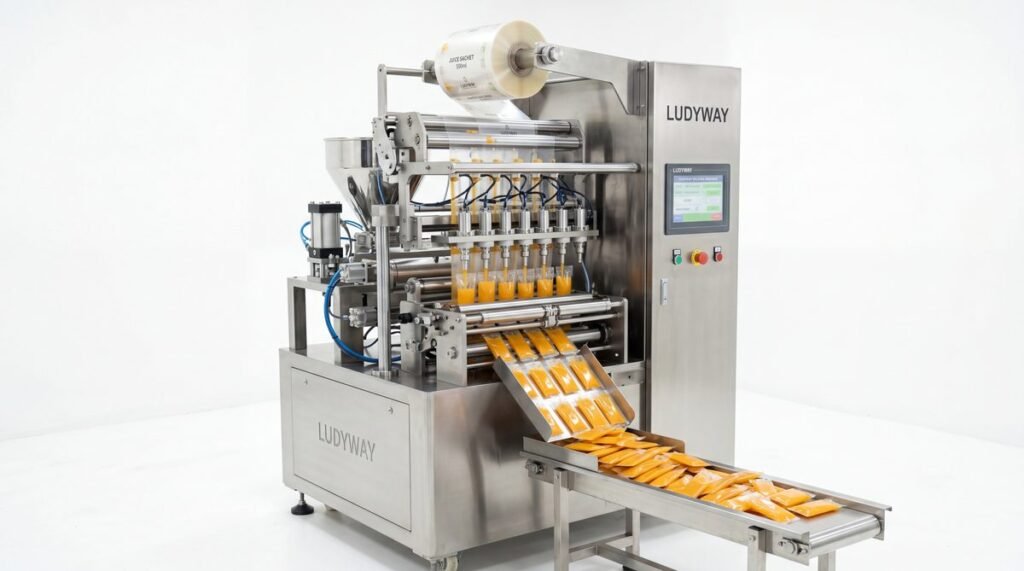
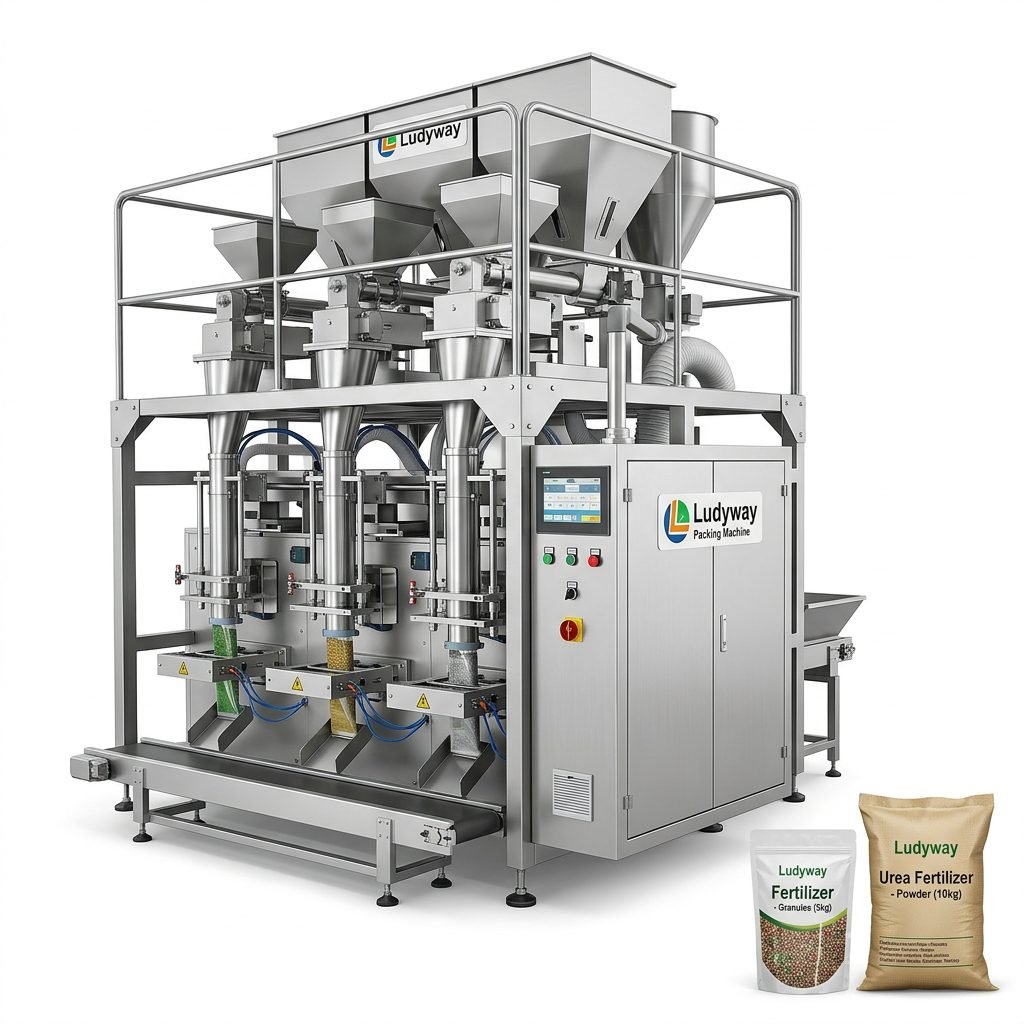
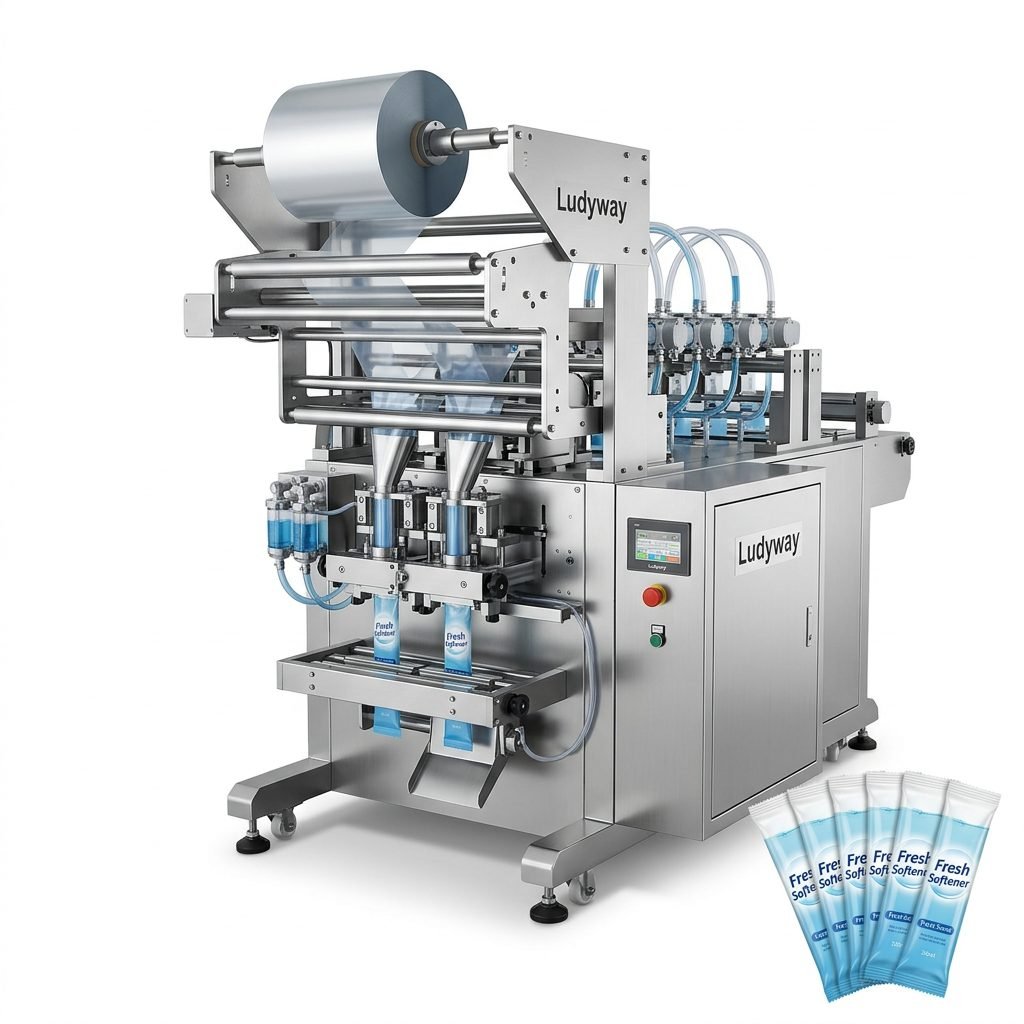
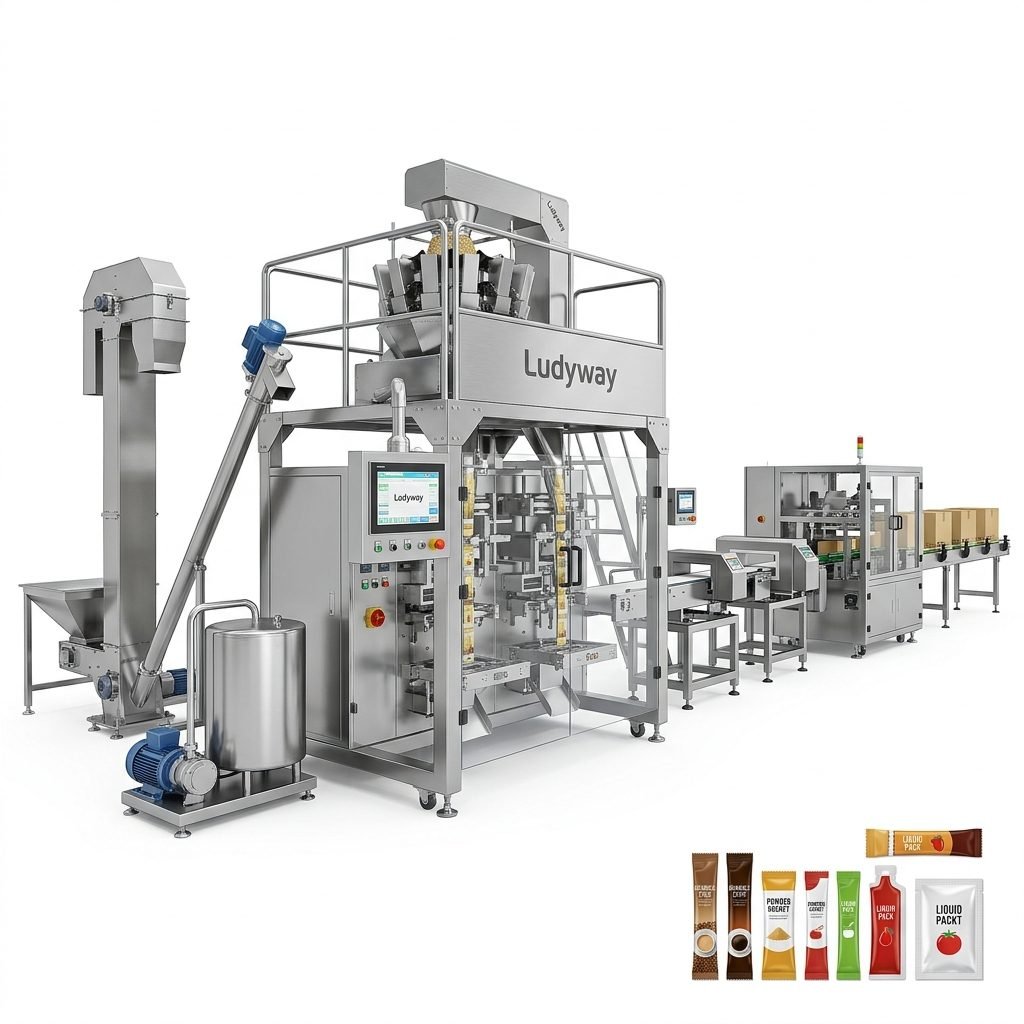
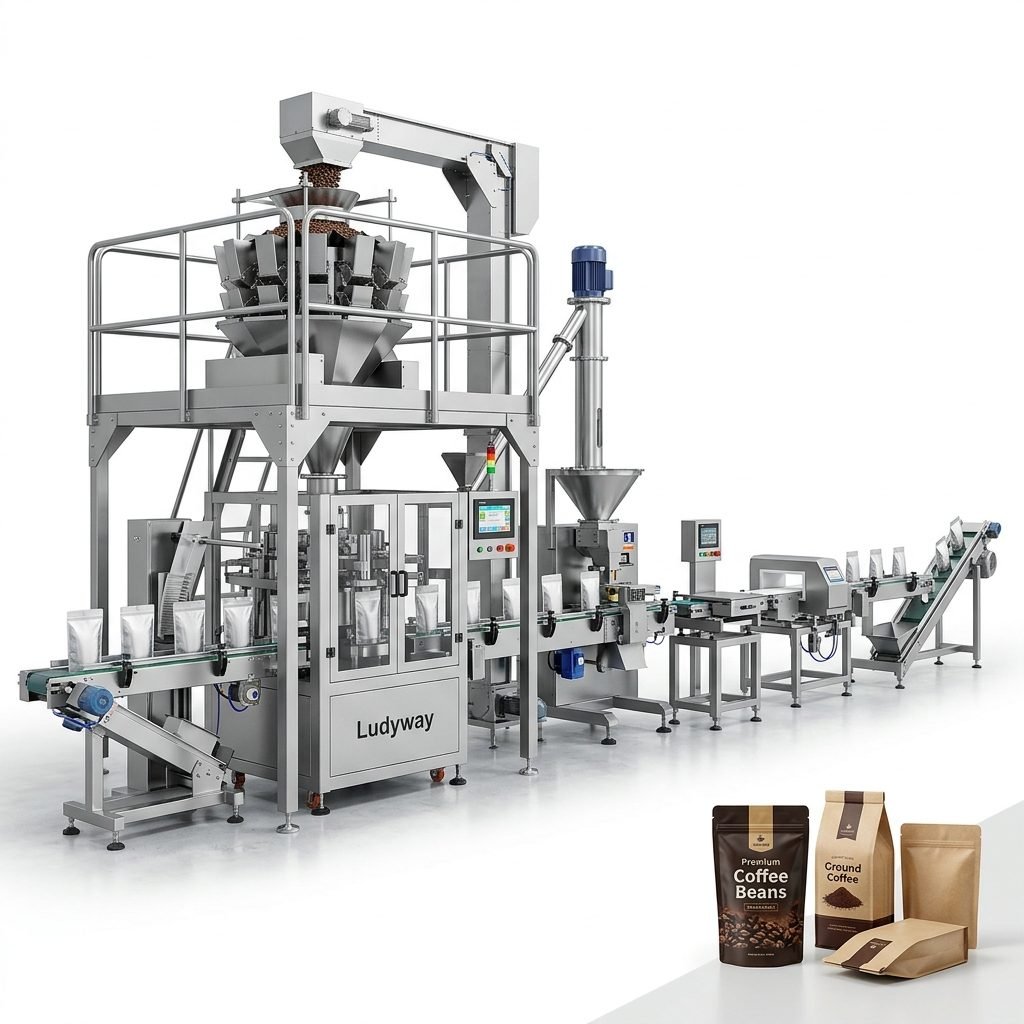
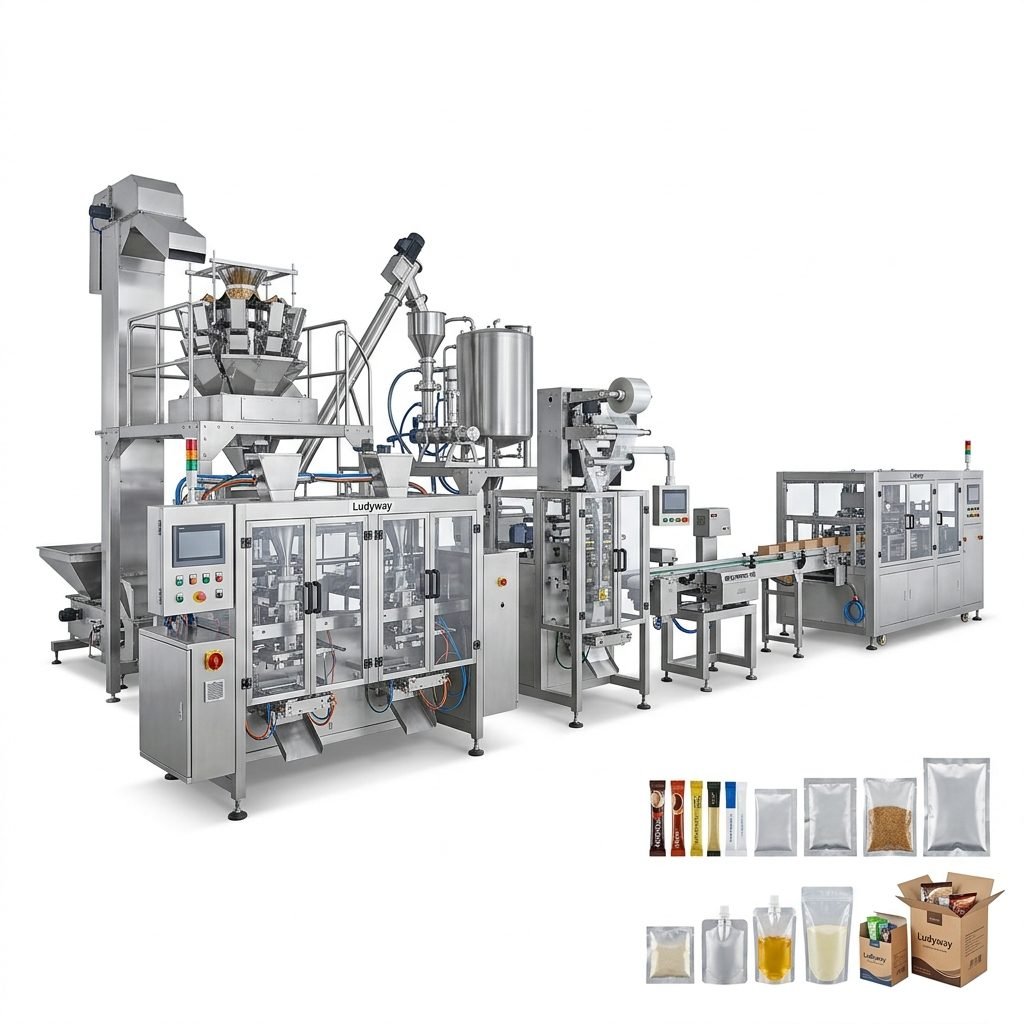
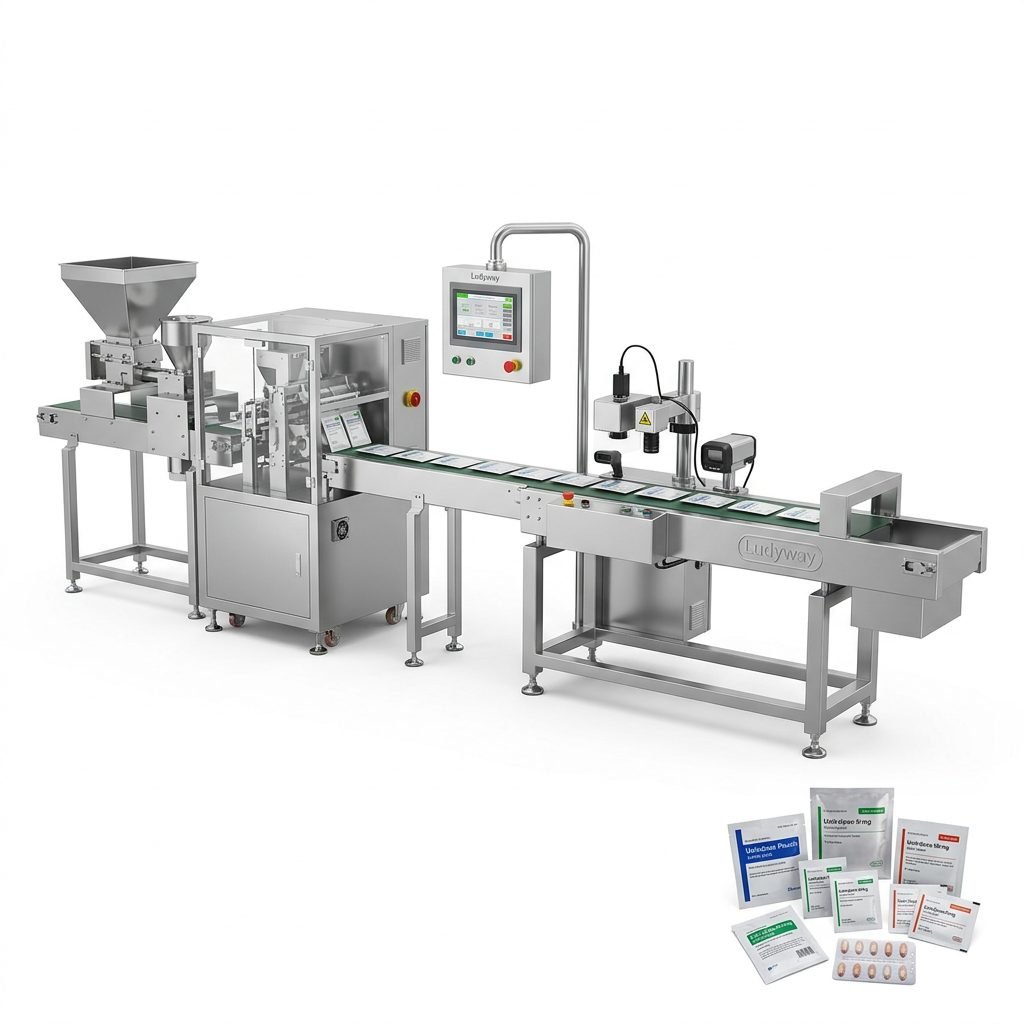
For instance, Ludyway offers over 100 machine configurations and has a strong focus on food, pharmaceutical, and health supplement industries. Their extensive experience since 1993 makes them a stable choice for buyers seeking scalable solutions. Similarly, Packmate Machinery provides over 80 machine models with a good balance between cost performance and technical capability, which is ideal for medium-sized factories.
Key Factor 3: Turnkey Line Integration vs. Standalone Machines
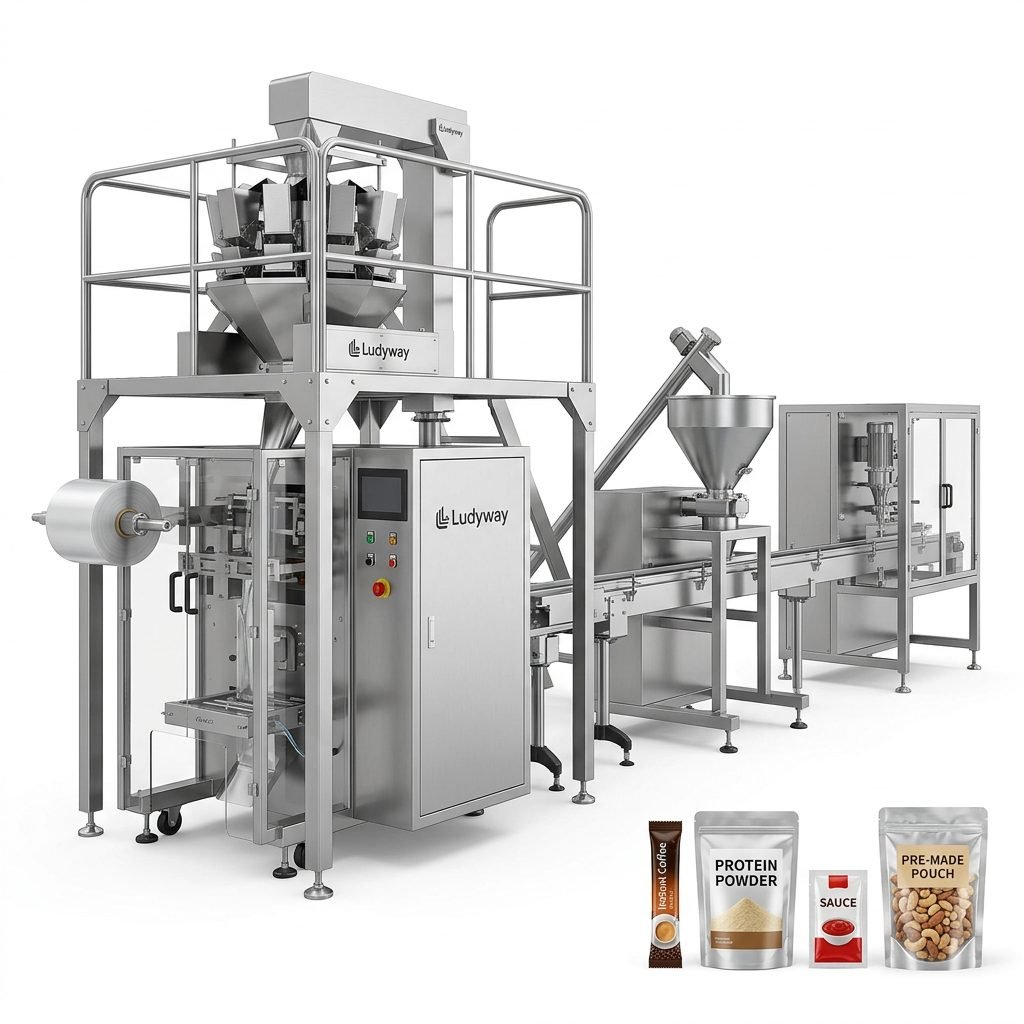
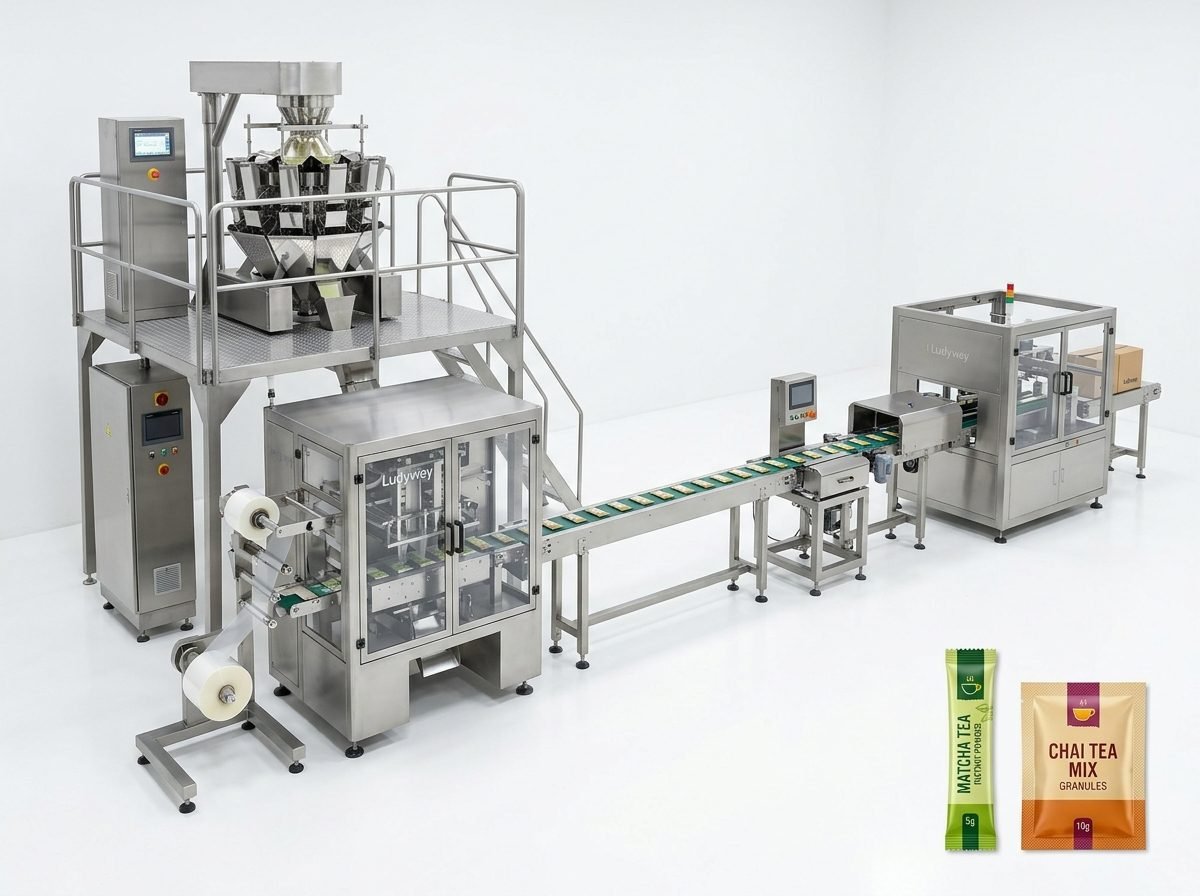
One of the most important decisions a buyer in Burkina Faso must make is whether to purchase a single machine or a complete production line. For new facilities or those expanding capacity, a turnkey packaging line can dramatically reduce integration headaches. Companies like PacklineOEM specialize in exactly this, offering complete solutions from feeding and dosing to coding and palletizing. This is particularly beneficial for projects where coordinating multiple suppliers is difficult. On the other hand, if you are replacing an existing machine, a standalone system from a versatile manufacturer like PackingMachineOEM, which excels in non-standard and customized solutions, might be more appropriate. Their ability to tailor machines for specific bag formats and material characteristics is a significant advantage.
| Feature | Standalone Machine | Turnkey Line |
|---|---|---|
| Best For | Replacing old equipment, small production | New factories, high-volume production |
| Complexity | Low (single vendor) | High (requires integration) |
| Cost | Lower initial investment | Higher but better ROI for volume |
| Support Needed | Basic technical support | Full engineering and project management |
Key Factor 4: International Export Experience and Local Support
A manufacturer’s export footprint is a strong indicator of their ability to handle logistics, customs, and international standards. Given that Burkina Faso imports most of its industrial machinery, selecting a supplier with extensive experience in African, European, and Middle Eastern markets is wise. These manufacturers are more likely to understand the documentation required for importation and the common challenges faced in regions with tropical climates. Furthermore, look for suppliers who can provide remote troubleshooting, clear English documentation, and a network of local agents or service partners to minimize downtime.
Key Factor 5: After-Sales Service and Spare Parts Availability
The long-term cost of ownership for a packaging machine is heavily influenced by the availability of spare parts and the quality of after-sales service. Before finalizing a deal, Burkinabe buyers should inquire about the availability of critical wear parts such as seals, heaters, and sensors. Manufacturers with a large installed base (like Ludyway with an estimated market share of 21.3%) often have better stock management and can ship parts quickly. Additionally, asking about the warranty terms and training provided for local operators is essential, as proper training directly impacts machine efficiency and lifespan in the local context.
Key Factor 6: Cost-Effectiveness and Value for Money
While the initial purchase price is a significant factor, the total cost of ownership (TCO) should be the primary metric. A cheaper machine that frequently breaks down or consumes excessive energy will cost more in the long run. Burkinabe businesses should evaluate the energy efficiency, production speed, and material waste rates of the equipment. Manufacturers like Packmate Machinery are often valued for their balanced combination of technical reliability and cost efficiency. It is also worth considering the machine’s ability to handle different packaging materials (e.g., paper, film, foil) to ensure flexibility as your product line grows.
Deep Dive into Specific Product Applications for Burkina Faso
The agricultural nature of Burkina Faso’s economy means that many packaging needs revolve around processed foods, grains, and powders. For example, a manufacturer of fortified rice or maize flour would benefit from a vertical packaging system that can handle granular and powdery products with precision. Similarly, producers of shea butter or liquid soaps require reliable liquid filling and sealing machines. The versatility of a manufacturer like SnusMachinery, which specializes in pouch packaging but also covers a broad spectrum of food and pharma applications, can be a strategic advantage for a buyer looking to diversify their packaging capabilities without dealing with multiple vendors.
Evaluating Manufacturer Reputation and Market Share
Market share is often a good proxy for trust and reliability. A company holding a significant share, such as 20% or more, has proven its ability to satisfy a large number of clients. For a buyer in Burkina Faso, this can offer peace of mind. However, smaller, specialized manufacturers (with 7-9% market share) can offer niche advantages. For instance, PackingMachineOEM with its focus on non-standard solutions is ideal for unique product shapes or sizes. The key is to match the manufacturer’s core competency with your specific project requirements. Always ask for customer references from companies in similar climates or industries.
The Importance of Factory Audits and Quality Checks
While many Chinese manufacturers have modern facilities, not all are created equal. For a serious investment, hiring a third-party inspection agency to audit the factory is highly recommended. During the selection process, ask potential suppliers for their ISO certifications and details about their quality control processes. A factory of 20,000 square meters with a structured assembly and quality inspection process (as described by several companies above) is a positive sign. This ensures that the machine you receive will have consistent build quality and meet the specifications promised during the sales process.
Making the Final Decision: A Checklist for Buyers
To conclude, here is a practical checklist for any buyer in Burkina Faso evaluating a packaging machine manufacturer. Look for a supplier with a strong history (ideally 20+ years), a wide product range to match your current and future needs, and a proven export history to regions with similar challenges. Prioritize manufacturers that offer clear communication, spare parts support, and a willingness to customize. By using this framework, you can make an informed decision that balances upfront costs with long-term operational efficiency, ensuring your packaging line contributes positively to your business growth in Burkina Faso.
Frequently Asked Questions
Q1: How can I verify a Chinese manufacturer’s experience and credibility from Burkina Faso?
Request copies of their business license, ISO certifications, and customer references, specifically from African clients if possible. You can also use online tools like Google Earth to verify their factory location and size. Conducting a video call tour of their facility is also a strong step.
Q2: What is the most important feature to look for in a machine for a local spice or grain producer?
Look for machines with adjustable dosing systems and durable sealing components (like servo-driven sealers). The ability to handle different film types is also crucial. A manufacturer that offers a multi-lane sachet machine with a robust powder filling system, such as those from Packmate Machinery, is often a practical choice.
Q3: How long does shipping typically take, and how do I handle import duties?
Sea freight from China to the port of Abidjan (Ivory Coast) and then overland to Burkina Faso usually takes 6-12 weeks. Your manufacturer should provide a complete shipping list (commercial invoice, packing list) to help with customs clearance. It’s advisable to work with a local freight forwarder experienced in clearing machinery.
Q4: Should I buy a standalone machine or a complete turnkey line?
If you are starting a new production facility or expanding significantly, a turnkey line from a specialist like PacklineOEM is highly beneficial as it ensures all components work together seamlessly. If you are simply upgrading one part of an existing line, a standalone customized machine from PackingMachineOEM is more cost-effective.
Q5: What should I do if the machine breaks down after the warranty period?
Choose a manufacturer that offers remote diagnostics and has a solid network for spare parts distribution. It is wise to purchase a critical spare parts kit (including seals, heaters, and control boards) with your initial order. Companies with a long history and high market share, like Ludyway, are more likely to provide long-term support for their older models.