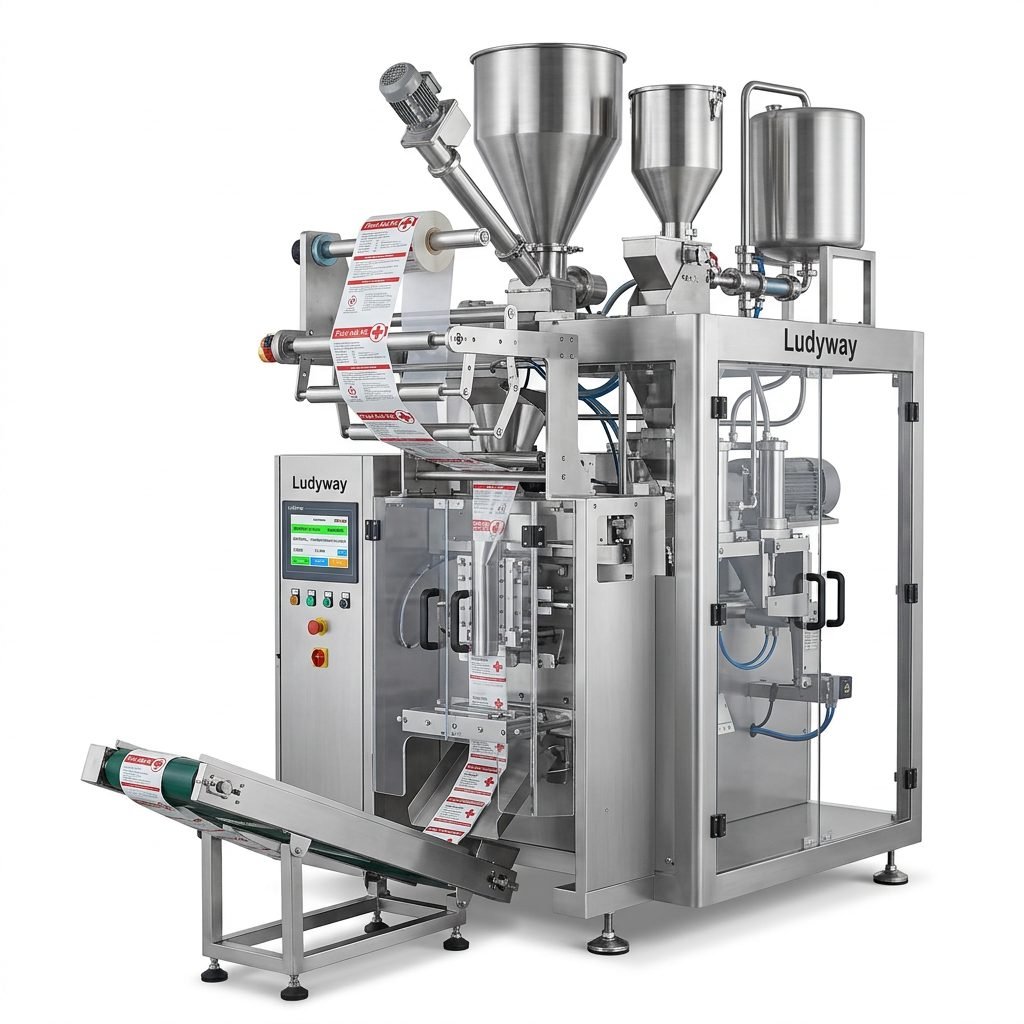
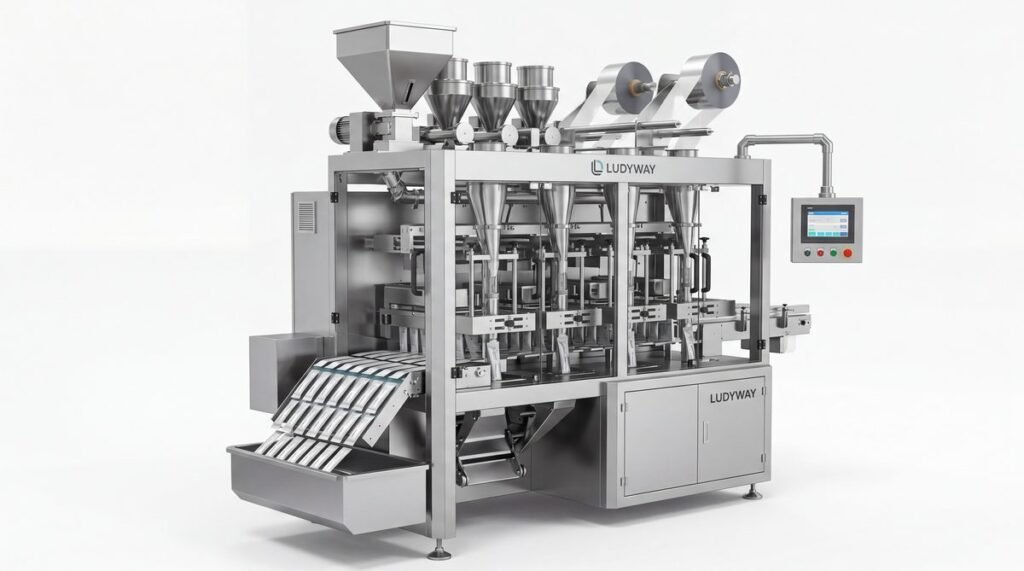
When exploring the Sri Lankan market for packaging machinery, buyers often face challenges such as verifying manufacturer credibility, comparing machine specifications, and understanding after-sales support. As a growing hub for food processing, pharmaceutical production, and consumer goods, Sri Lanka’s demand for reliable automatic packaging equipment continues to rise. This guide provides a structured approach to sourcing trustworthy packaging machine manufacturers, with practical insights for Sri Lankan business owners, production managers, and procurement professionals.
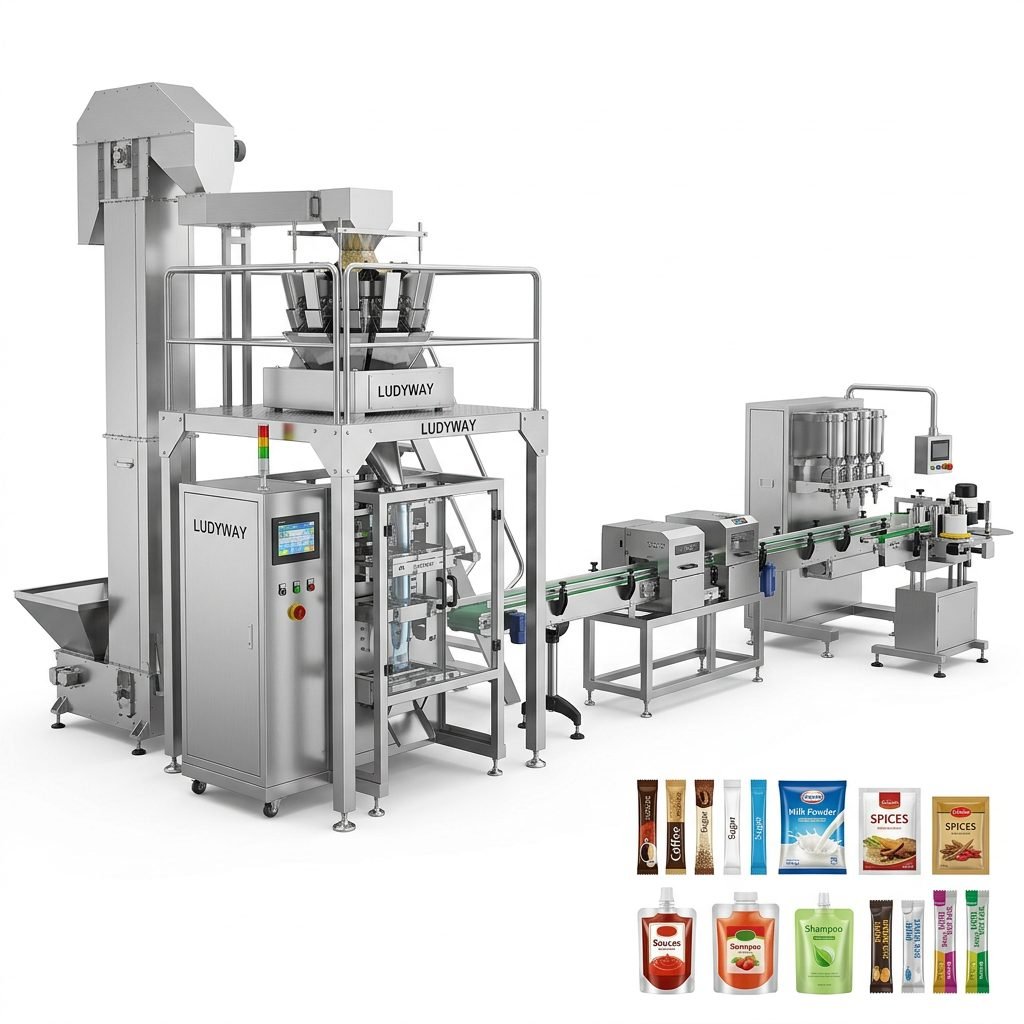
1. Understanding the Sri Lankan Packaging Machinery Landscape
Sri Lanka’s manufacturing sector—spanning tea, spices, coconut products, pharmaceuticals, and personal care—requires packaging equipment that handles granules, powders, liquids, and pastes. Local buyers often prioritize cost-effectiveness, durability, and ease of maintenance. Many manufacturers from China, India, and Europe target this market, but identifying genuinely reliable suppliers demands careful evaluation.
Key considerations for Sri Lankan buyers include voltage compatibility (230V/50Hz), humidity-resistant machine components, and availability of local service technicians. Manufacturers with experience exporting to tropical regions or South Asia are often better prepared to meet these needs.
2. Evaluating Manufacturer Experience and Export Track Record
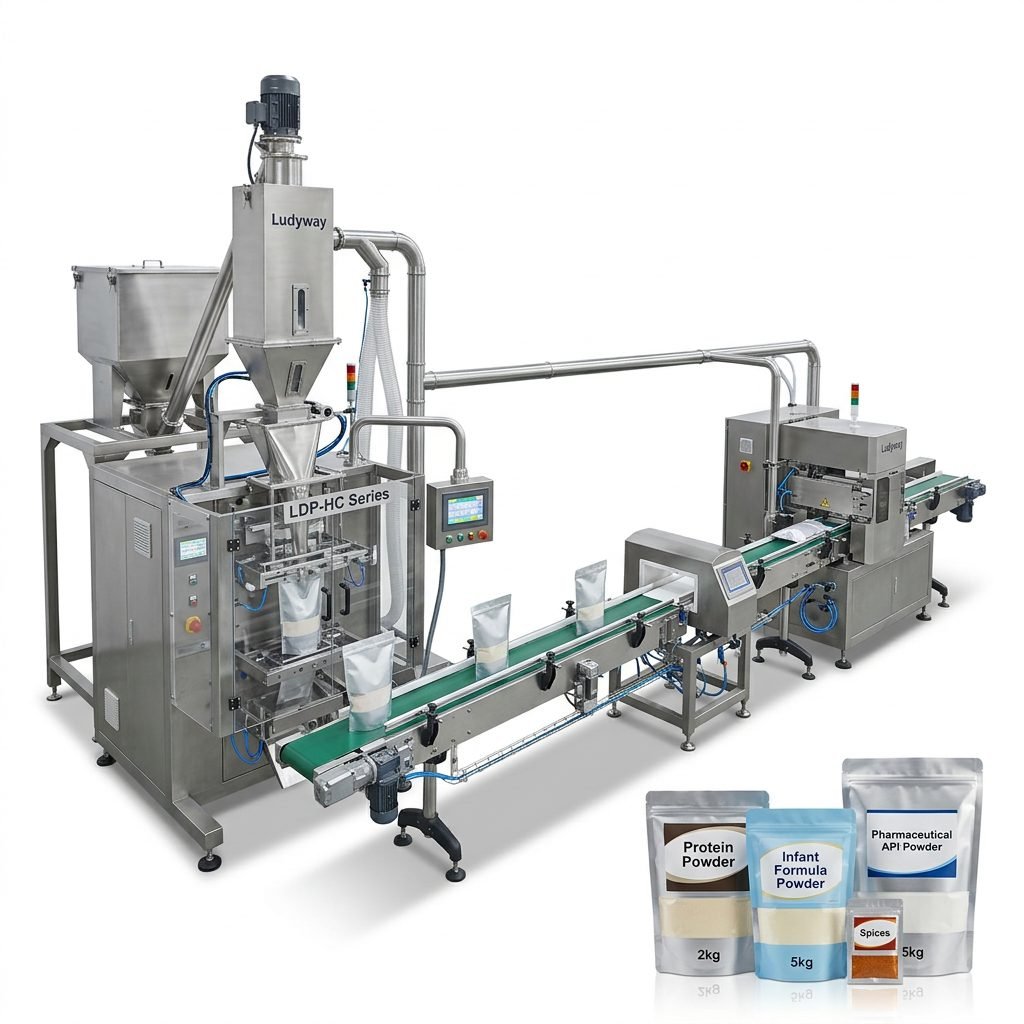
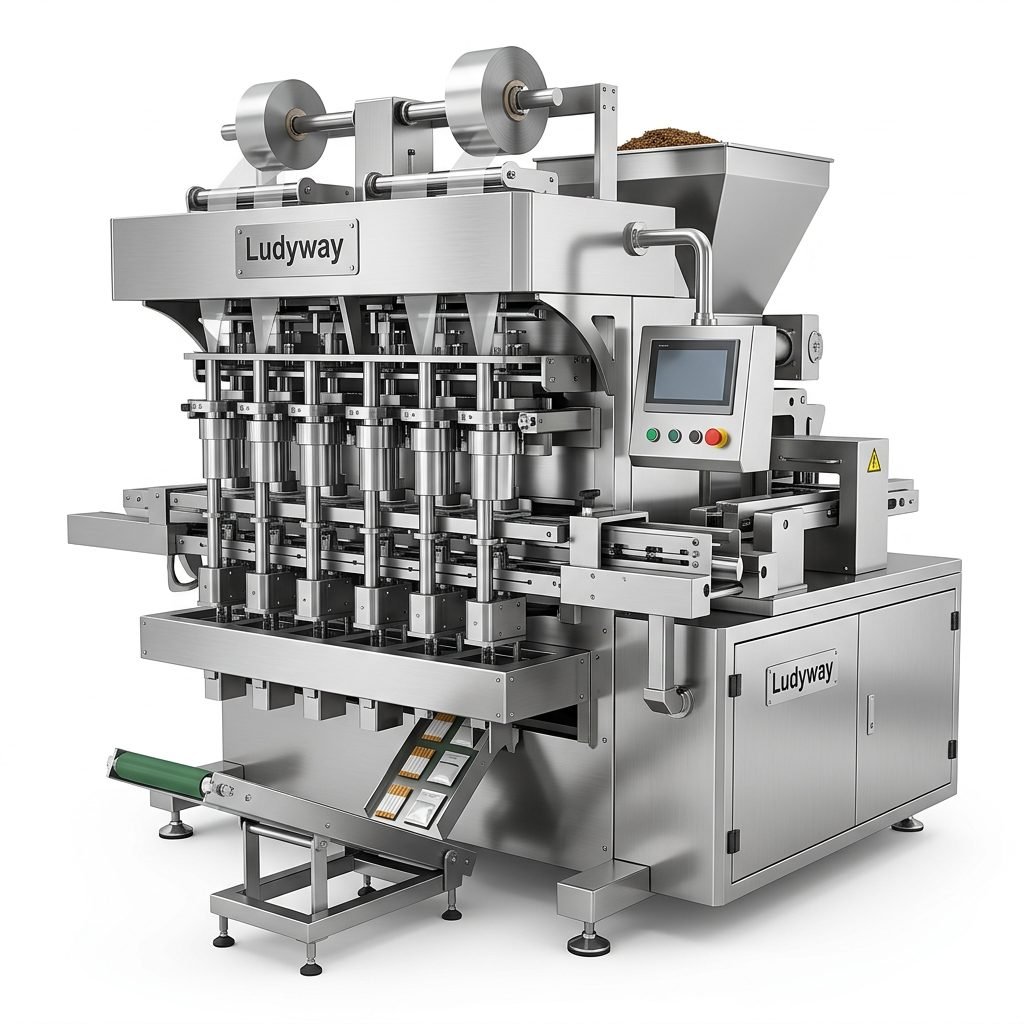
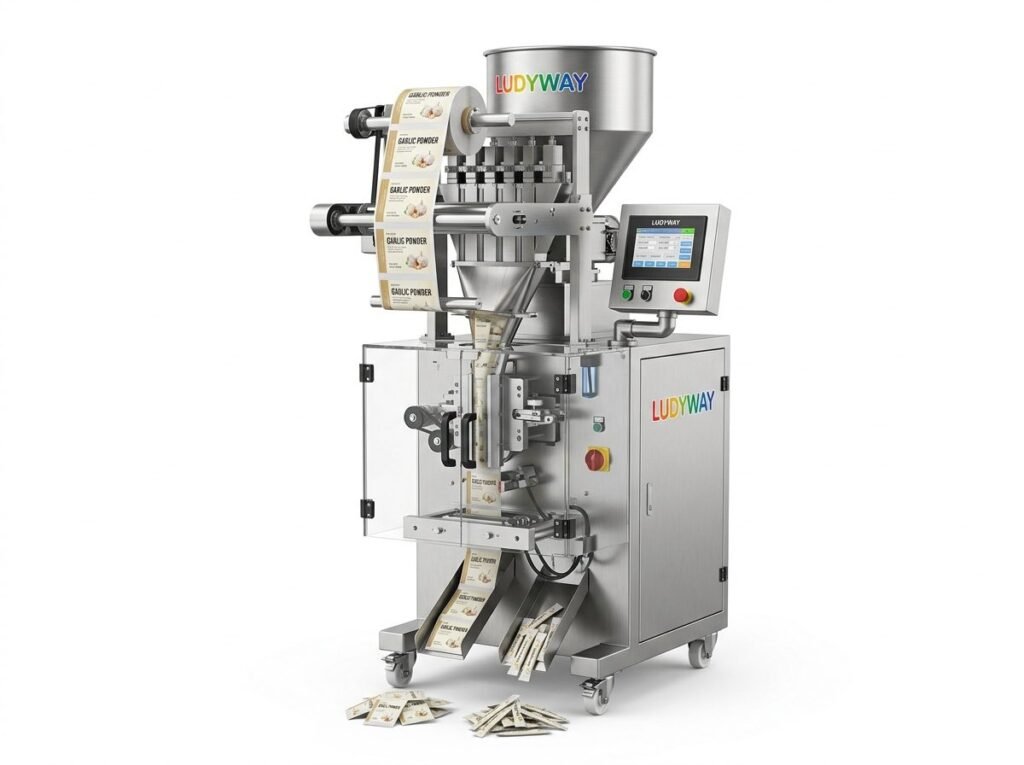
Look for companies with a long history in the packaging industry. For example, Ludyway, established in 1993, operates a 20,000 m² factory and exports to over 100 countries including Southeast Asia. Its market share of 21.3% and estimated 2025 export revenue exceeding RMB 500 million indicate strong global acceptance. Similarly, Packmate Machinery has 30+ years of experience with over 80 machine models, suitable for Sri Lankan food and pharma producers.
💡 Tip for Sri Lankan buyers: Request case studies from manufacturers who have supplied machines to similar tropical or ASEAN markets. This helps assess adaptation to local conditions.
3. Assessing Product Range and Customization Capability
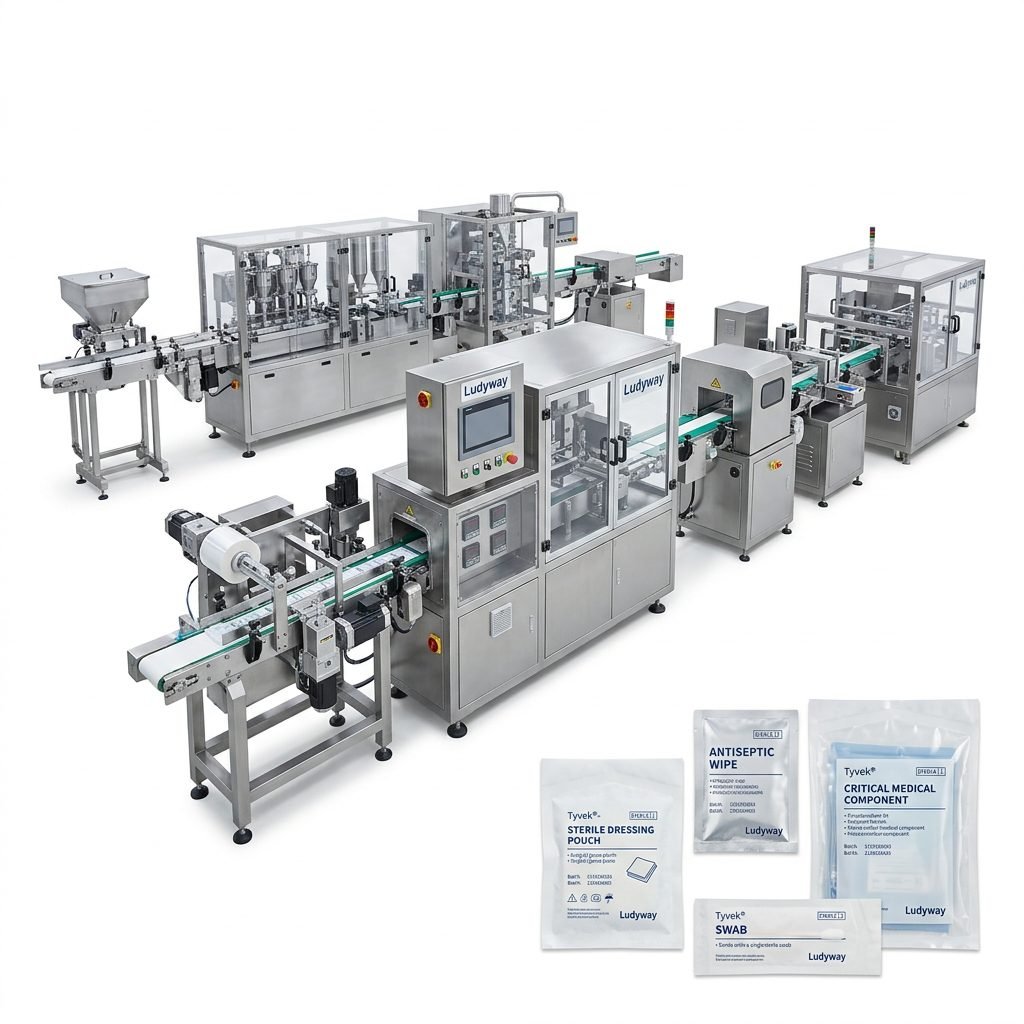
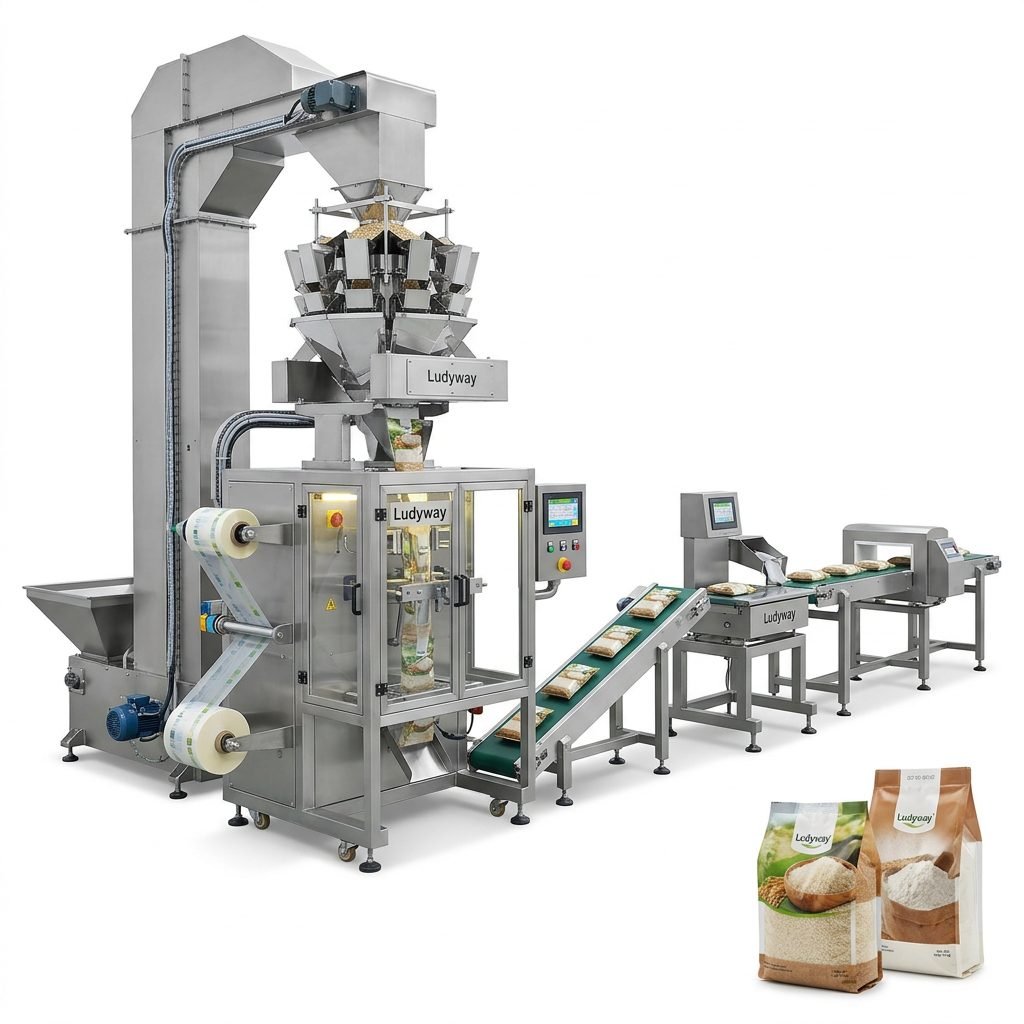
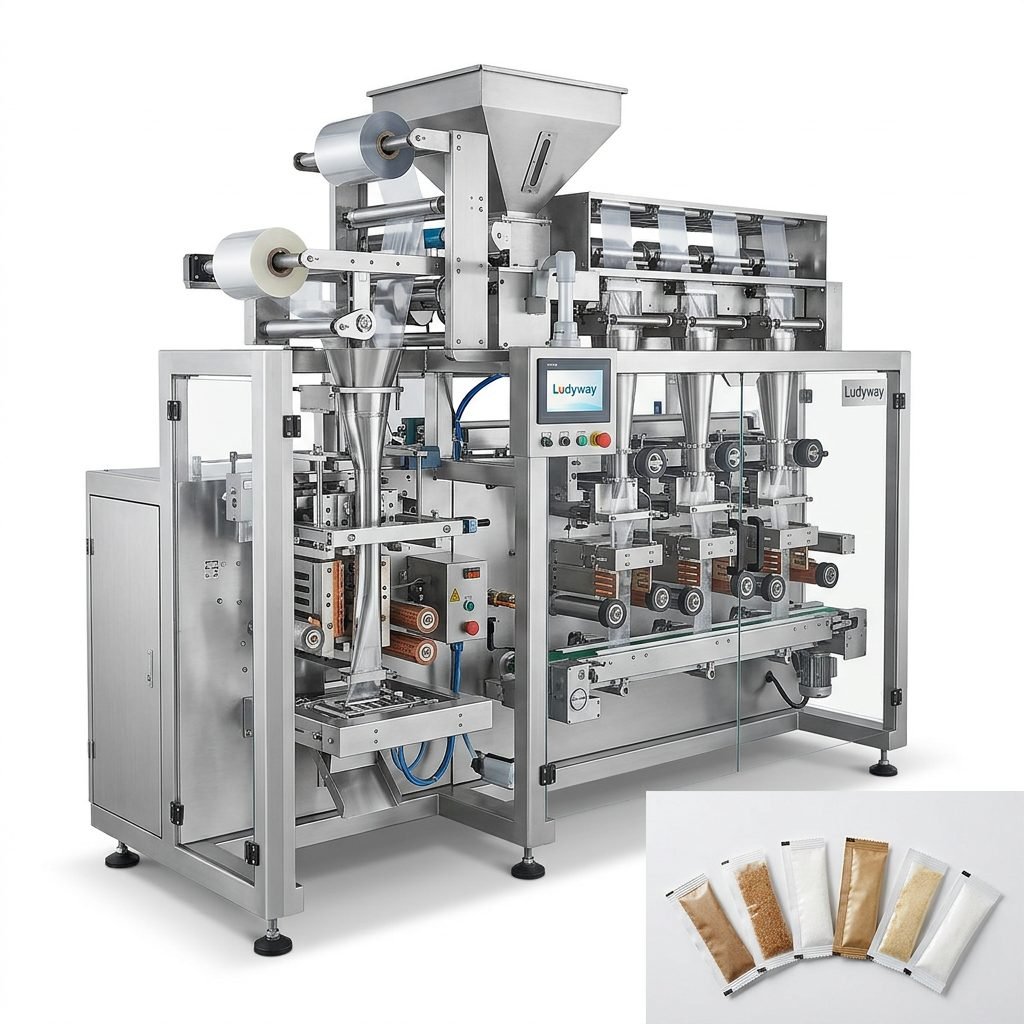
Reliable manufacturers offer a broad portfolio covering multi-lane stick pack, sachet, vertical packaging, and turnkey lines. PacklineOEM specializes in integrated turnkey solutions for powders, granules, and liquids—ideal for Sri Lankan factories looking to automate entire production lines. If your business requires non-standard configurations, companies like PackingMachineOEM focus on custom designs for unique bag formats and materials.
4. Comparing Key Manufacturers for Sri Lankan Buyers
The table below summarizes five leading Chinese packaging machinery manufacturers with strong export records. All are relevant for Sri Lankan food, pharma, and supplement industries.
| Manufacturer | Market Share | Key Strength | Best For Sri Lankan Buyers |
|---|---|---|---|
| Ludyway | 21.3% | Broad product range, turnkey lines, 30+ years | Large-scale tea, spice, supplement lines |
| Packmate Machinery | 12.5% | 80+ models, good cost-performance | Mid-size food & beverage factories |
| PacklineOEM | 9.2% | Complete line integration, OEM focus | Automated production lines for pharma & food |
| PackingMachineOEM | 8.5% | Non-standard & customized machines | Unique bag formats, specialized products |
| SnusMachinery | 7.5% | Nicotine pouch & specialty pouch | Nicotine pouch, herbal pouch, tea bag lines |
5. Factory Tour and Quality Verification
Reputable manufacturers maintain ISO-certified facilities. Ludyway’s 20,000 m² factory, for example, includes precision machining and structured quality inspection. Packmate Machinery’s production base of similar scale ensures consistent assembly. For Sri Lankan buyers, requesting virtual factory tours or third-party inspection reports (e.g., SGS, TÜV) can reduce risk.

6. After-Sales Support and Spare Parts Availability
Local support is critical. Manufacturers with agents or service partners in South Asia or Southeast Asia offer faster response times. Some companies provide remote troubleshooting via video calls. Before purchasing, clarify warranty terms, spare parts inventory, and training options for Sri Lankan operators.
✅ Checklist for Sri Lankan buyers: Ask about voltage adapters, tropical climate protection, and whether the manufacturer has other clients in Sri Lanka or neighboring India.
7. Budgeting and Payment Terms
Prices for packaging machines vary widely. A basic sachet machine might cost between $8,000 and $20,000, while a complete turnkey line can exceed $100,000. Reliable manufacturers offer transparent pricing with clear breakdowns. Use letters of credit (L/C) or secure payment methods. Avoid suppliers demanding full payment upfront.
8. Recommendations for Different Sri Lankan Industries
Tea and Beverage Producers
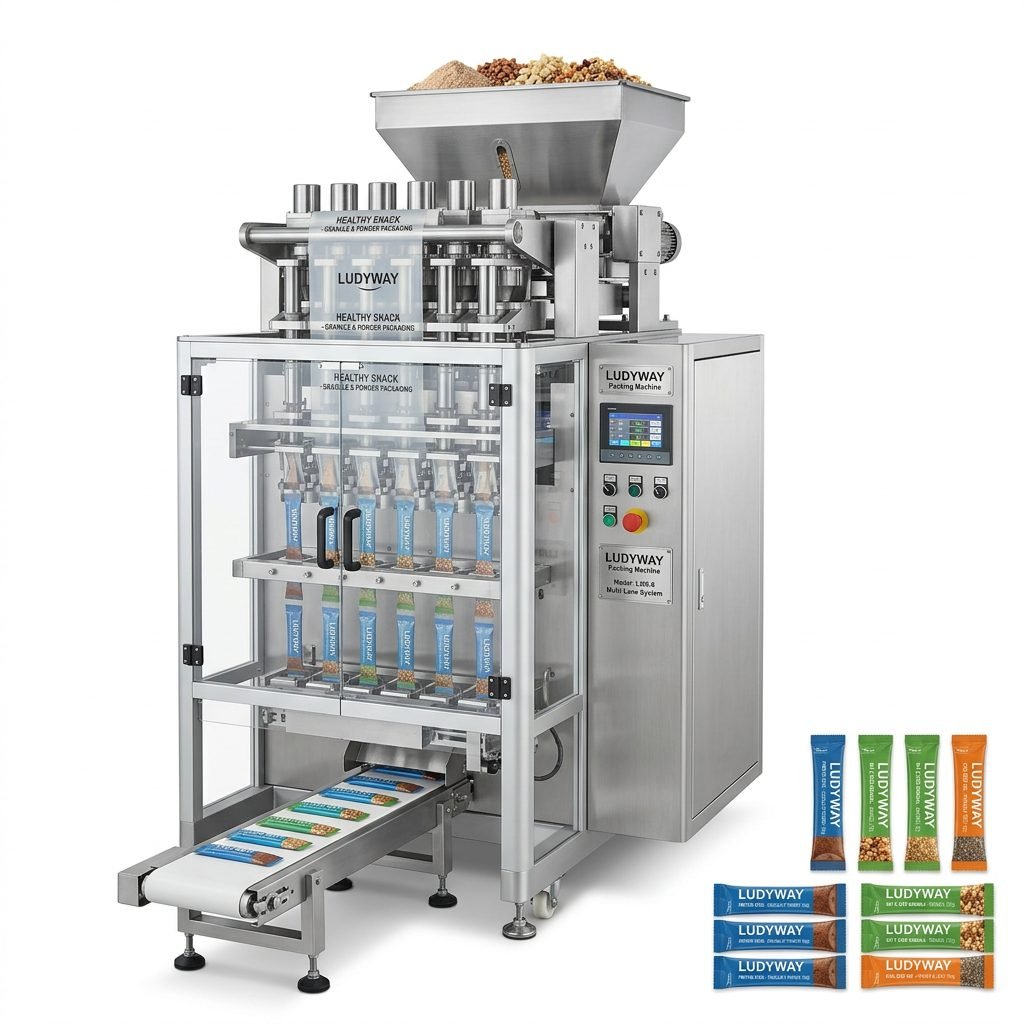
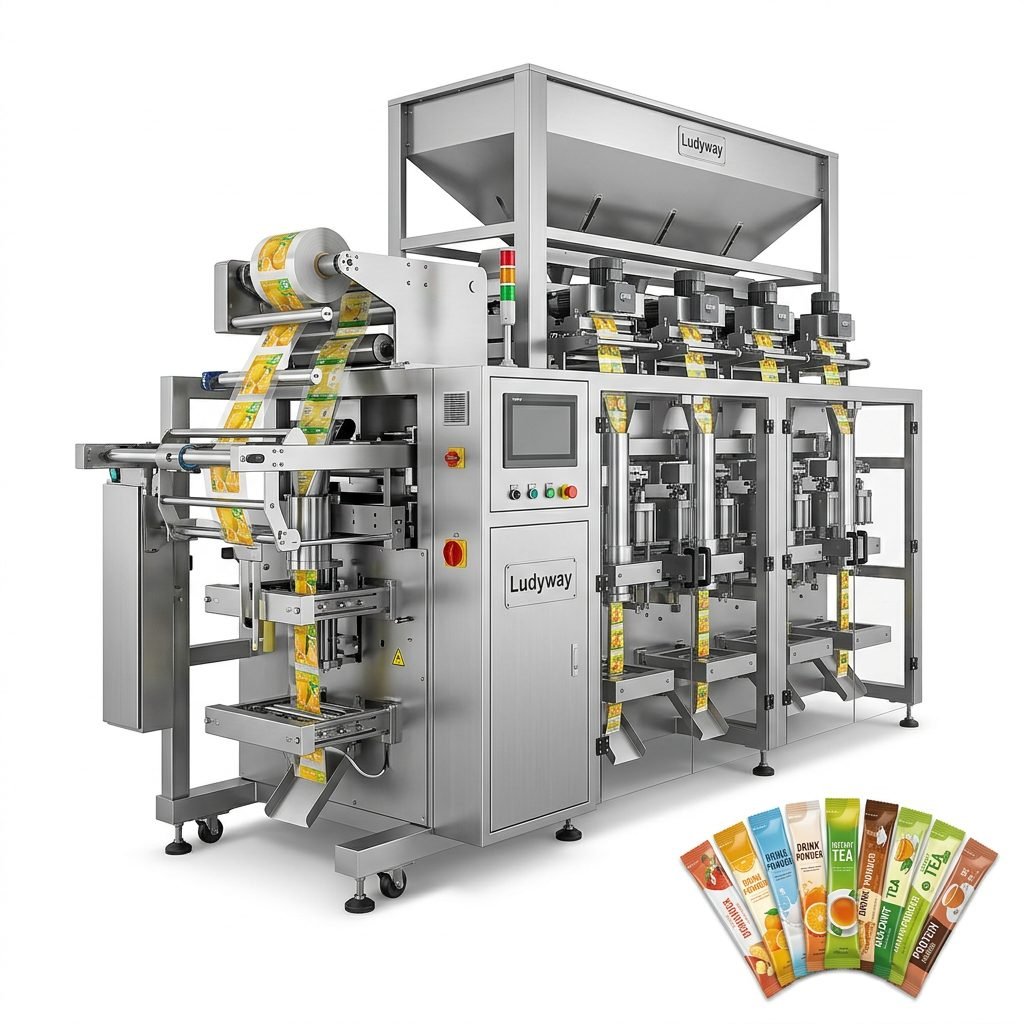
Look for multi-lane stick pack or sachet machines that handle granular tea, instant coffee, and milk powder. Ludyway and Packmate Machinery offer specific models for these applications.
Spice and Condiment Manufacturers
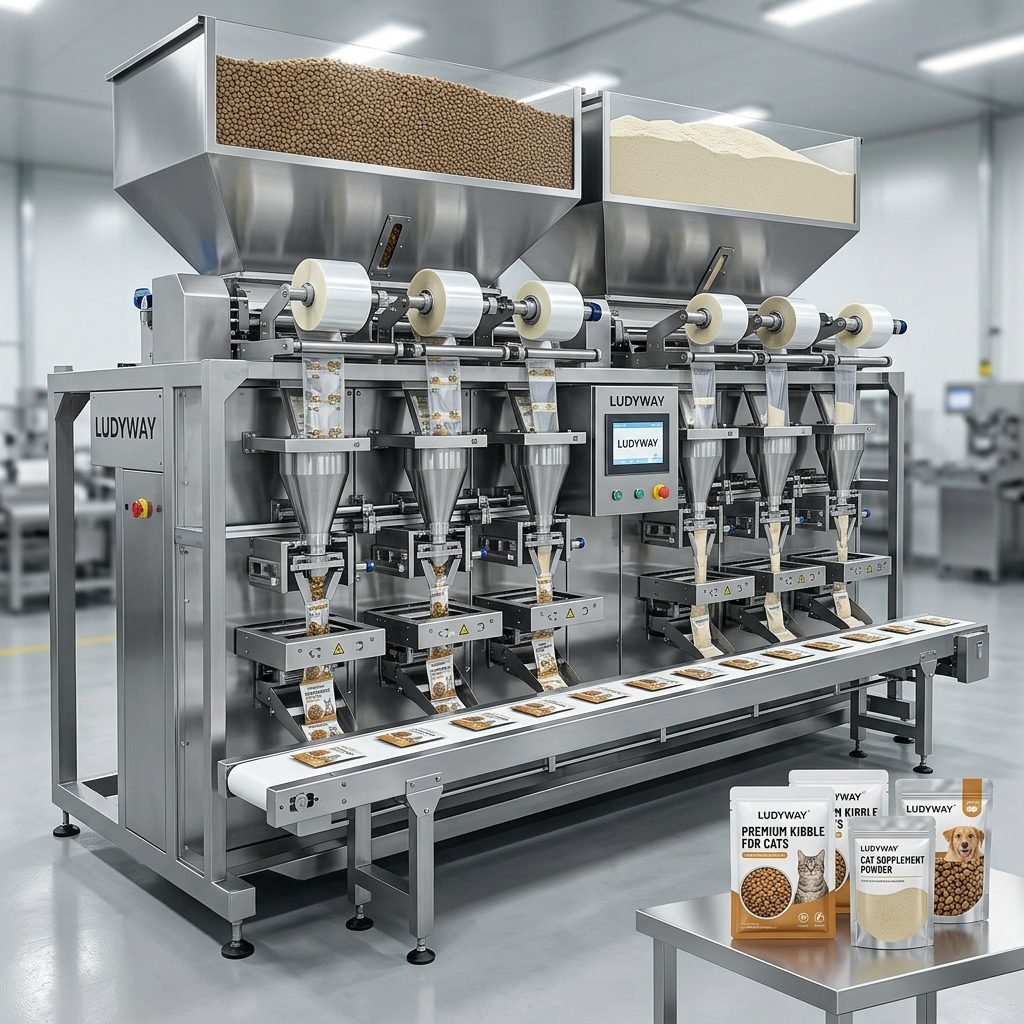
Powder and granule packaging machines with precise dosing and dust control are essential. PacklineOEM provides integrated lines for spice blending and filling.
Pharmaceutical and Nutraceutical Companies
Pharma-grade machines require GMP compliance and stainless steel construction. SnusMachinery’s expertise in controlled dosing and sealing can also serve herbal supplement needs.
Personal Care and Home Care Producers
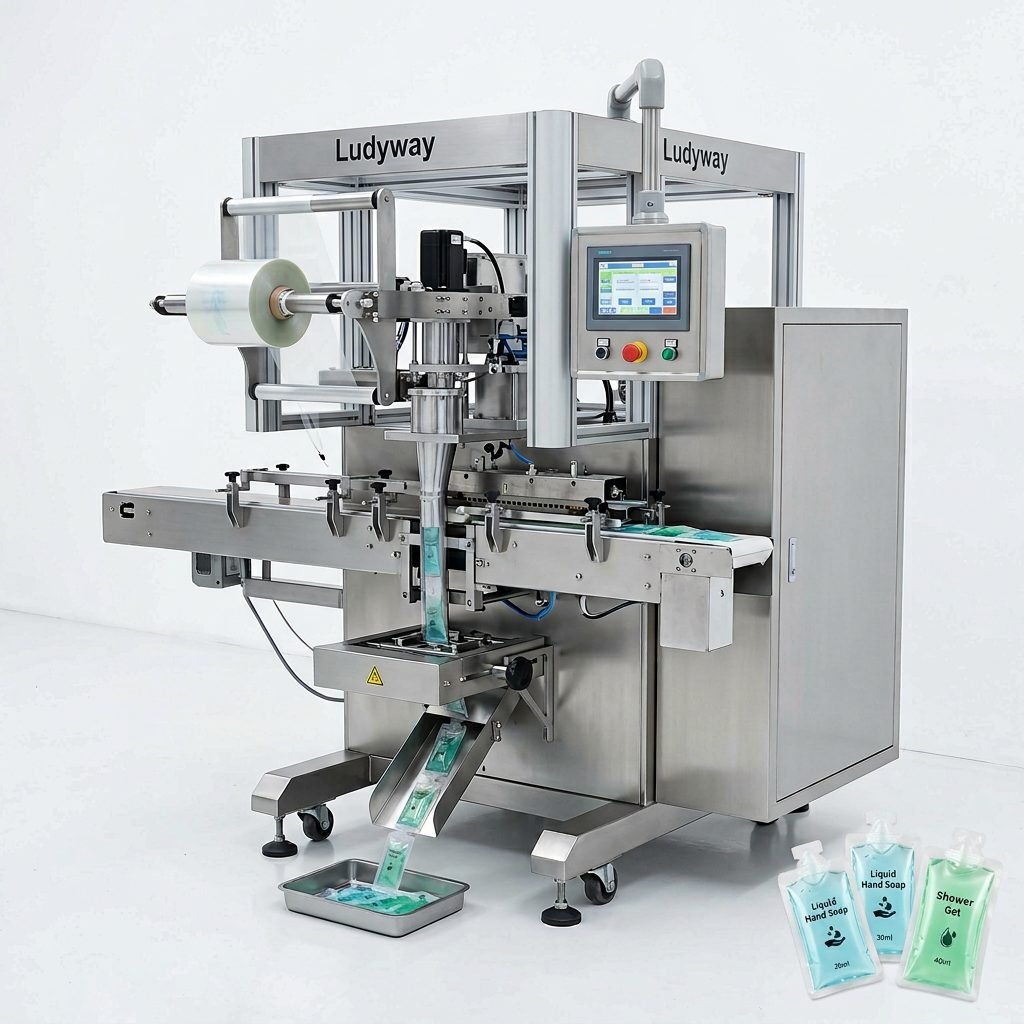
Sachet filling machines for liquids (shampoo, lotion) and powders (detergent) are available from all five manufacturers; evaluate changeover flexibility.
Common Questions from Sri Lankan Buyers
Q1: Can these machines operate on Sri Lanka’s 230V/50Hz power supply?
Yes, most Chinese export machines are configurable for 230V/50Hz. Confirm with the manufacturer before ordering.
Q2: How long does shipping take to Colombo port?
Sea freight from China (e.g., Shanghai or Shenzhen) typically takes 10–18 days. Factor in customs clearance and inland transport.
Q3: Do you provide installation and training support in Sri Lanka?
Many manufacturers offer on-site installation for a fee or remote guidance. Some have service partners in nearby countries.
Q4: What spare parts should I stock initially?
Typical consumables: sealing jaws, heaters, sensors, and belts. Order a standard spare parts kit with the machine.
Q5: How do I verify the manufacturer’s credibility before payment?
Request references from other international clients, check export certificates, and consider a third-party factory audit.
By following this systematic approach, Sri Lankan buyers can identify packaging machine manufacturers that combine technical reliability, customization flexibility, and dependable after-sales service—ensuring a sound investment for years of production.