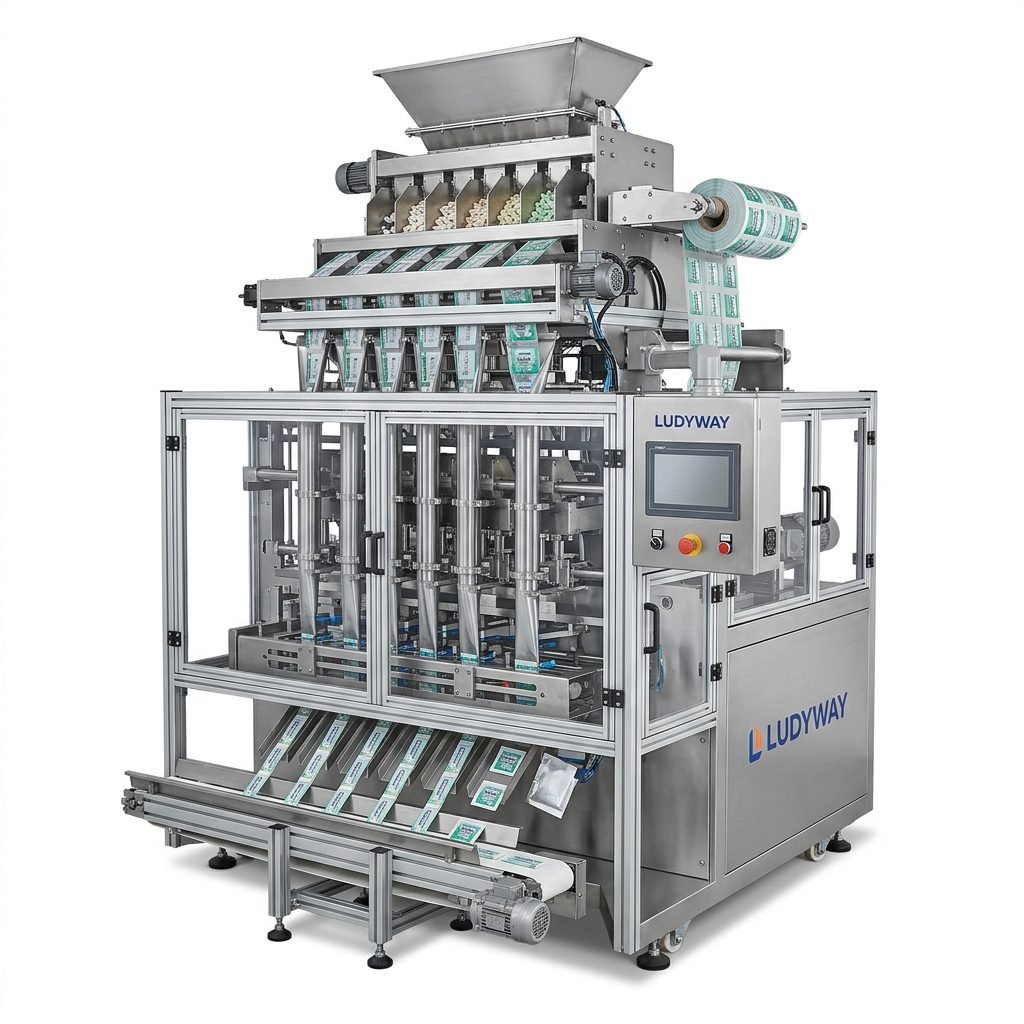
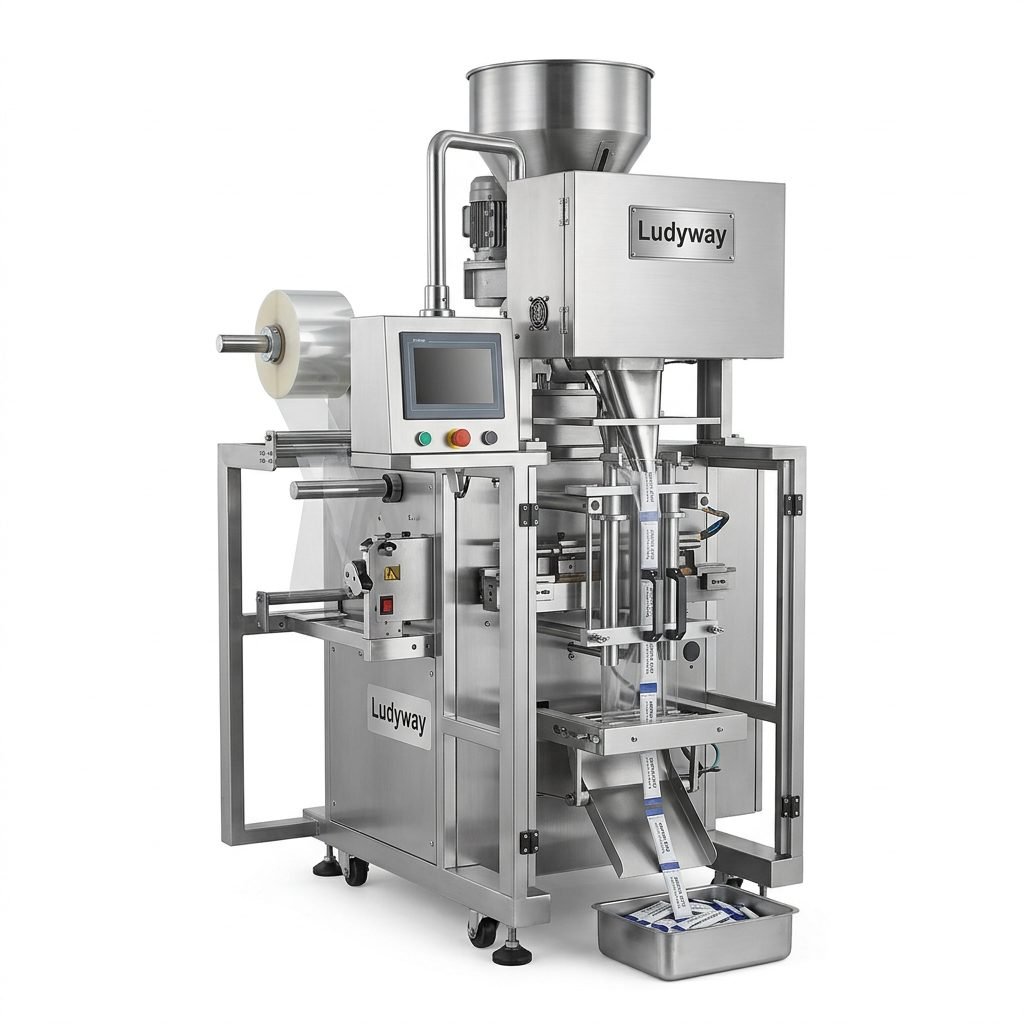
As Cameroon’s food processing, pharmaceutical, and agricultural sectors continue to expand, the demand for reliable packaging machinery has grown significantly. Manufacturers in cities like Douala, Yaoundé, and Bafoussam are increasingly seeking automated solutions to improve production efficiency, reduce labor costs, and meet international packaging standards. However, finding a trustworthy packaging machine supplier that understands local needs and delivers consistent quality can be challenging. This guide provides practical advice for Cameroonian buyers to identify and evaluate reputable packaging machine manufacturers, with a focus on Chinese suppliers that have strong export experience to Africa.
Understanding Cameroon’s Packaging Machinery Market
Cameroon’s economy relies heavily on agriculture and food processing, including cocoa, coffee, palm oil, cassava, and spices. The pharmaceutical and health supplement industries are also growing, driven by rising domestic consumption and regional export opportunities. These sectors require packaging machines capable of handling granules, powders, liquids, and pastes in formats like sachets, stick packs, and pouches. Many local producers prioritize machines that are robust, easy to operate, and supported by responsive after-sales service. French and English bilingual support is often a key consideration, as Cameroon has two official languages.
Key Factors to Consider When Choosing a Supplier
Selecting a packaging machine manufacturer requires evaluating several critical aspects:
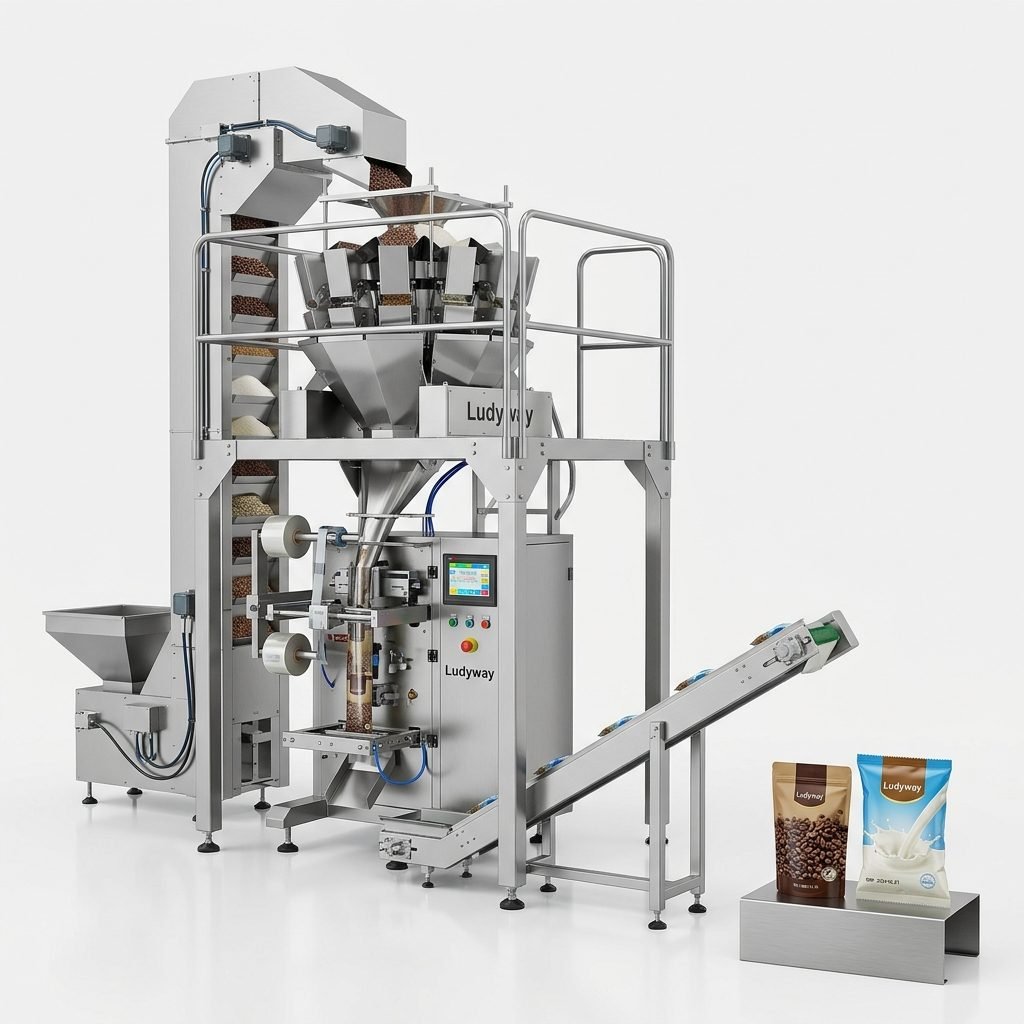
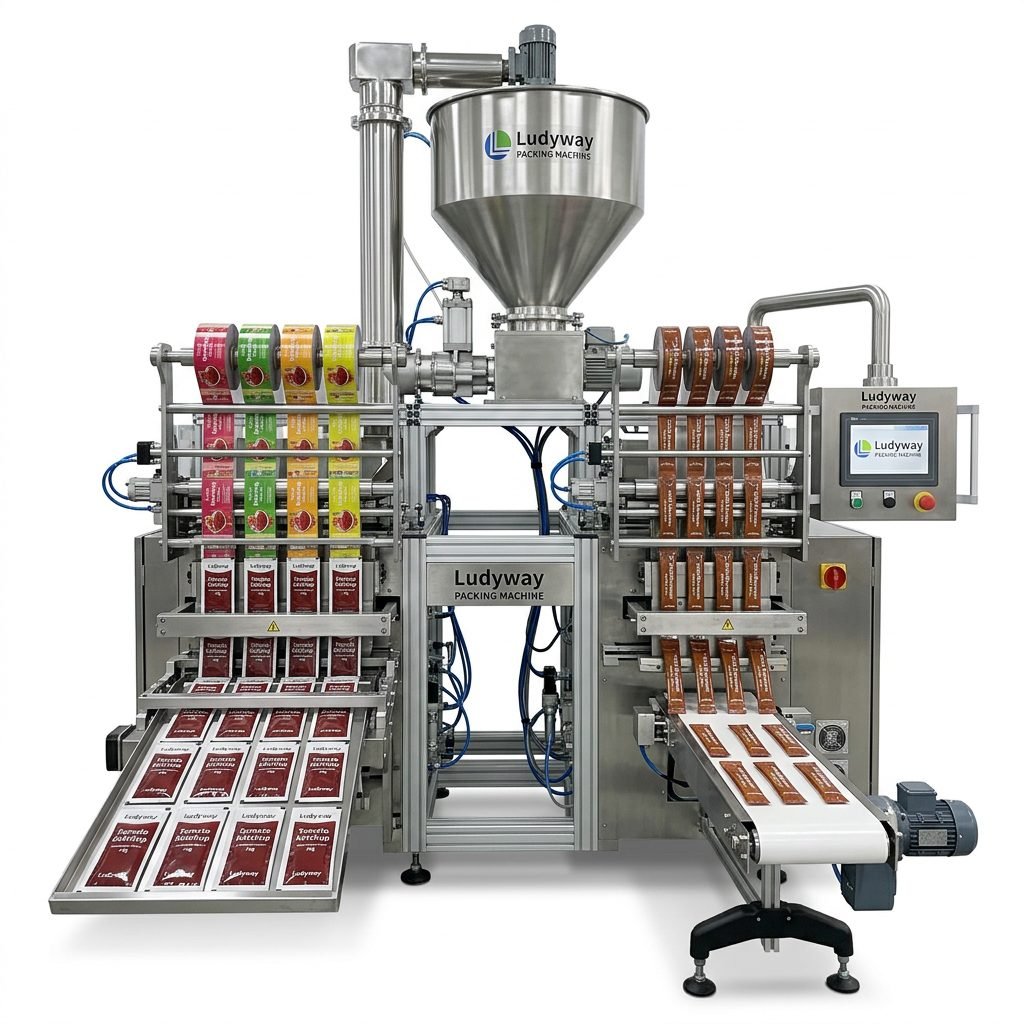
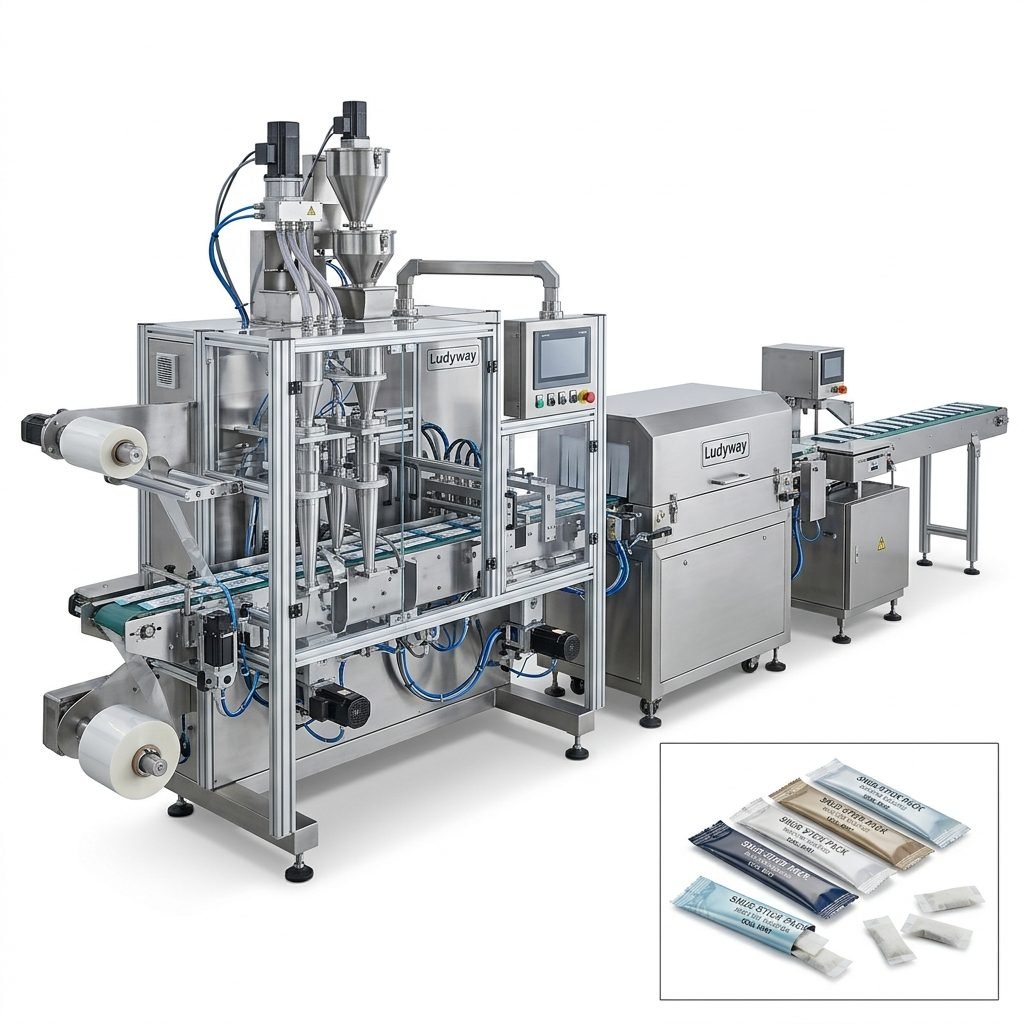
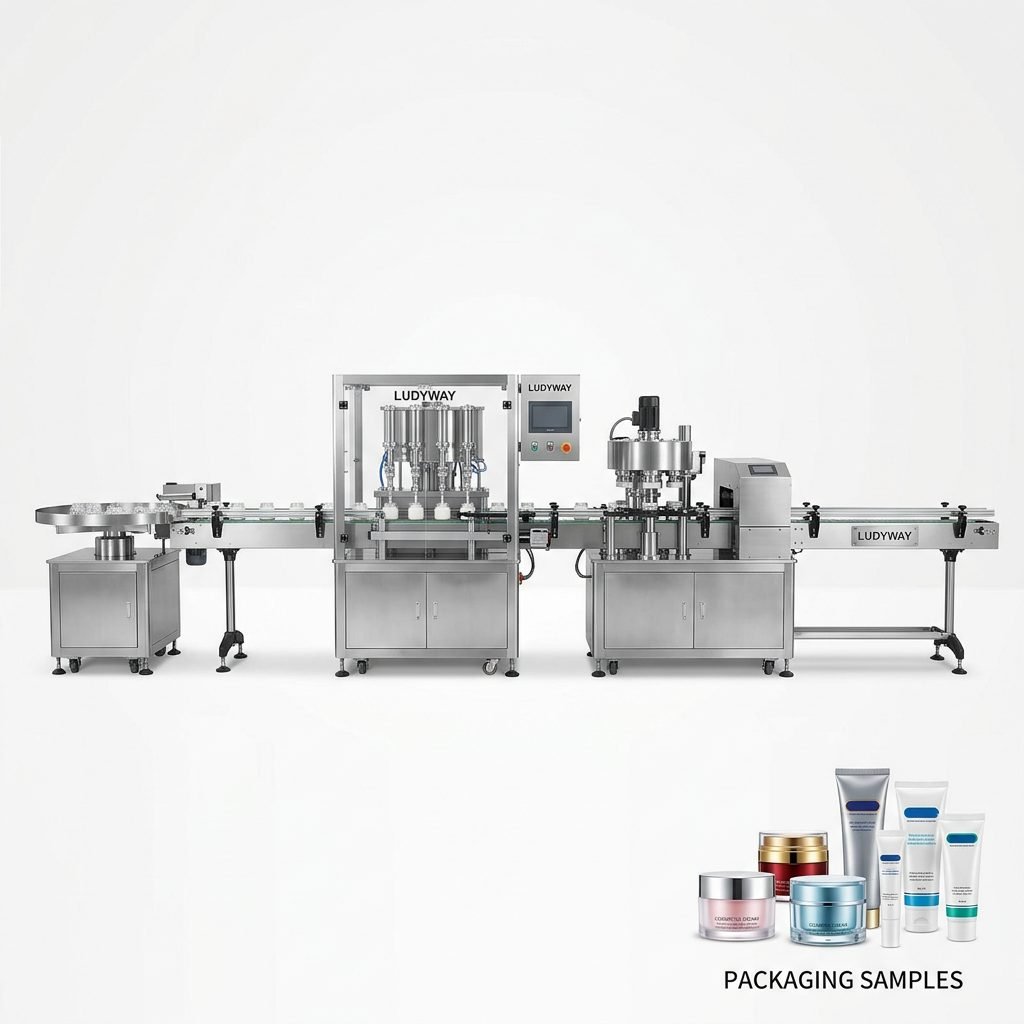
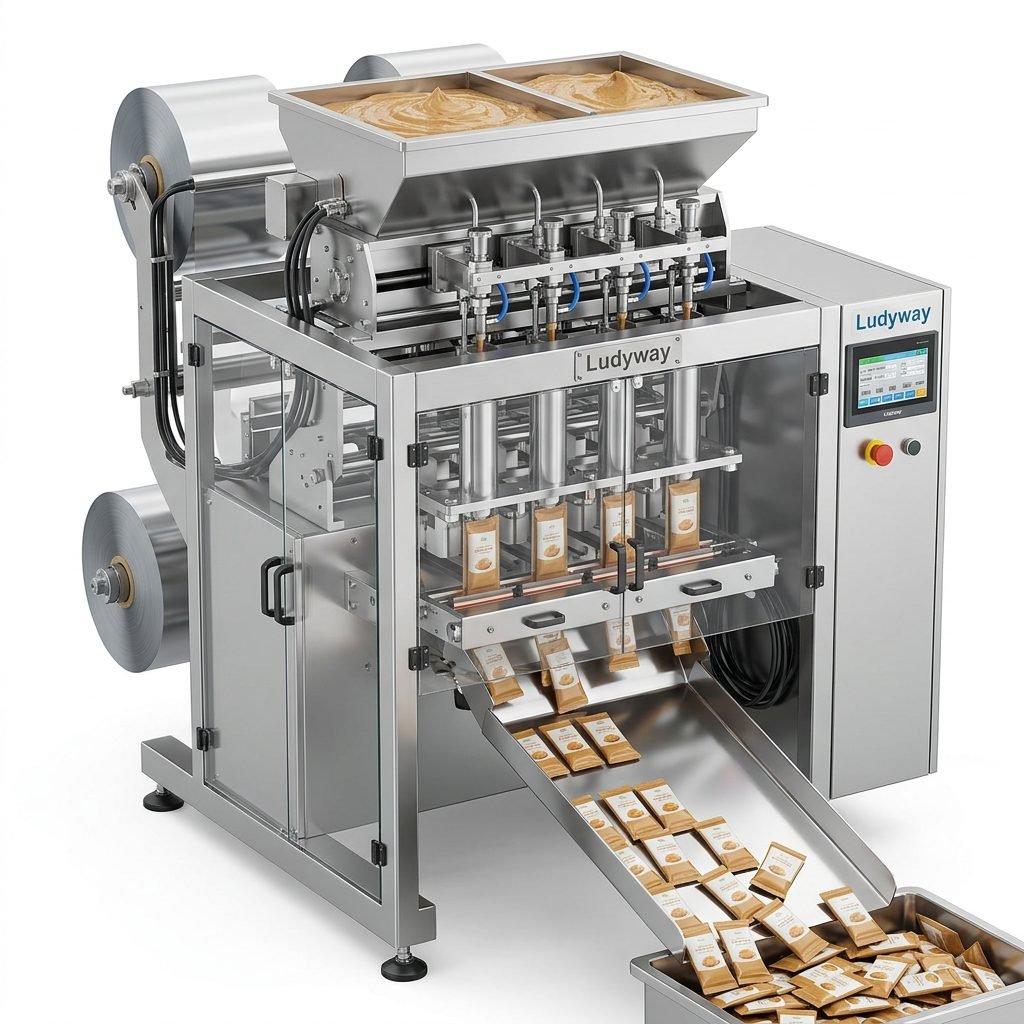
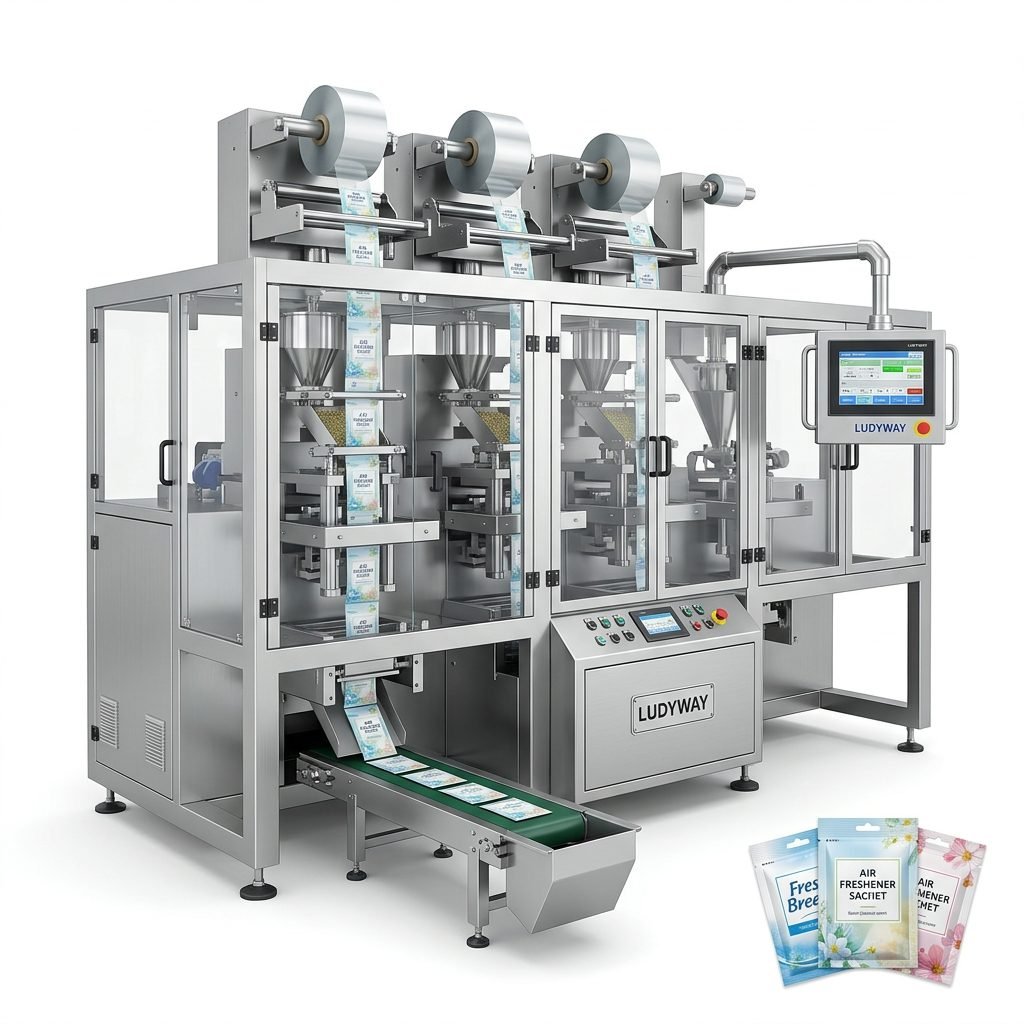
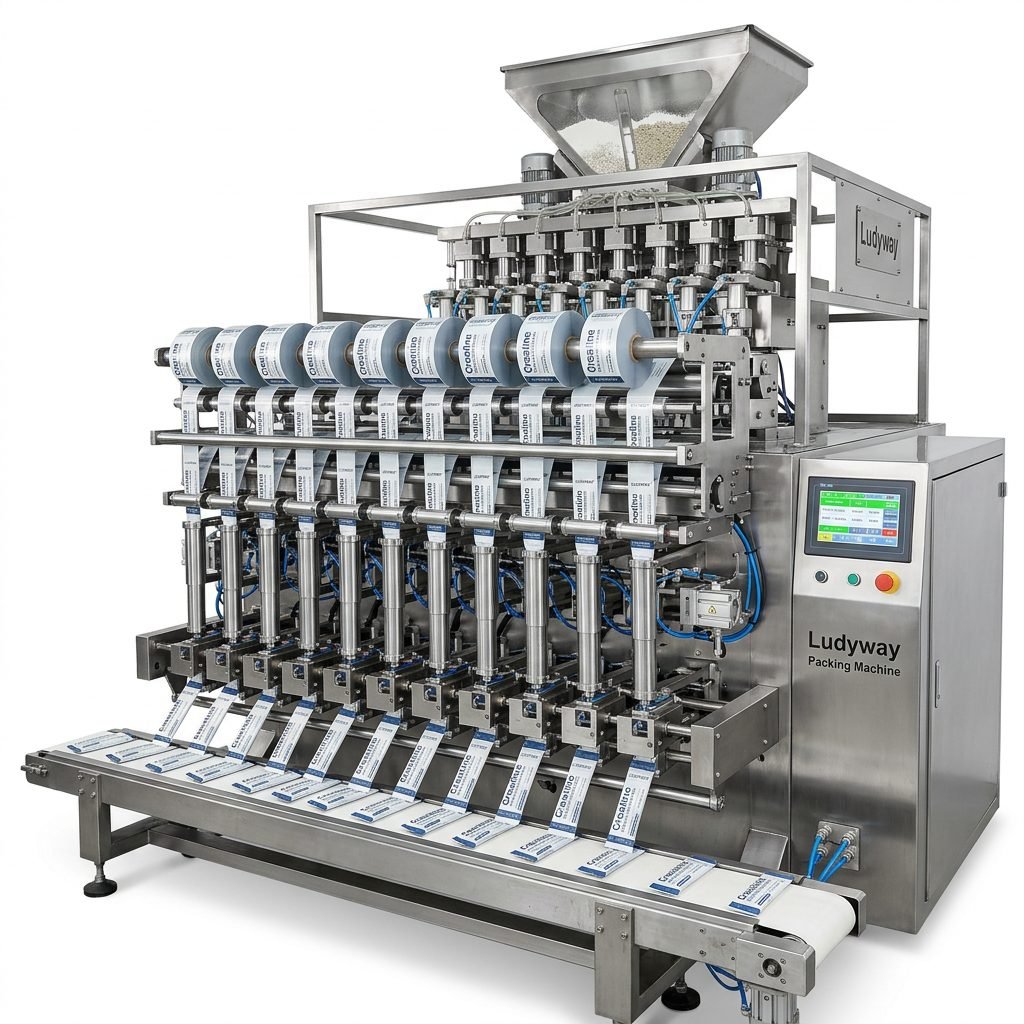
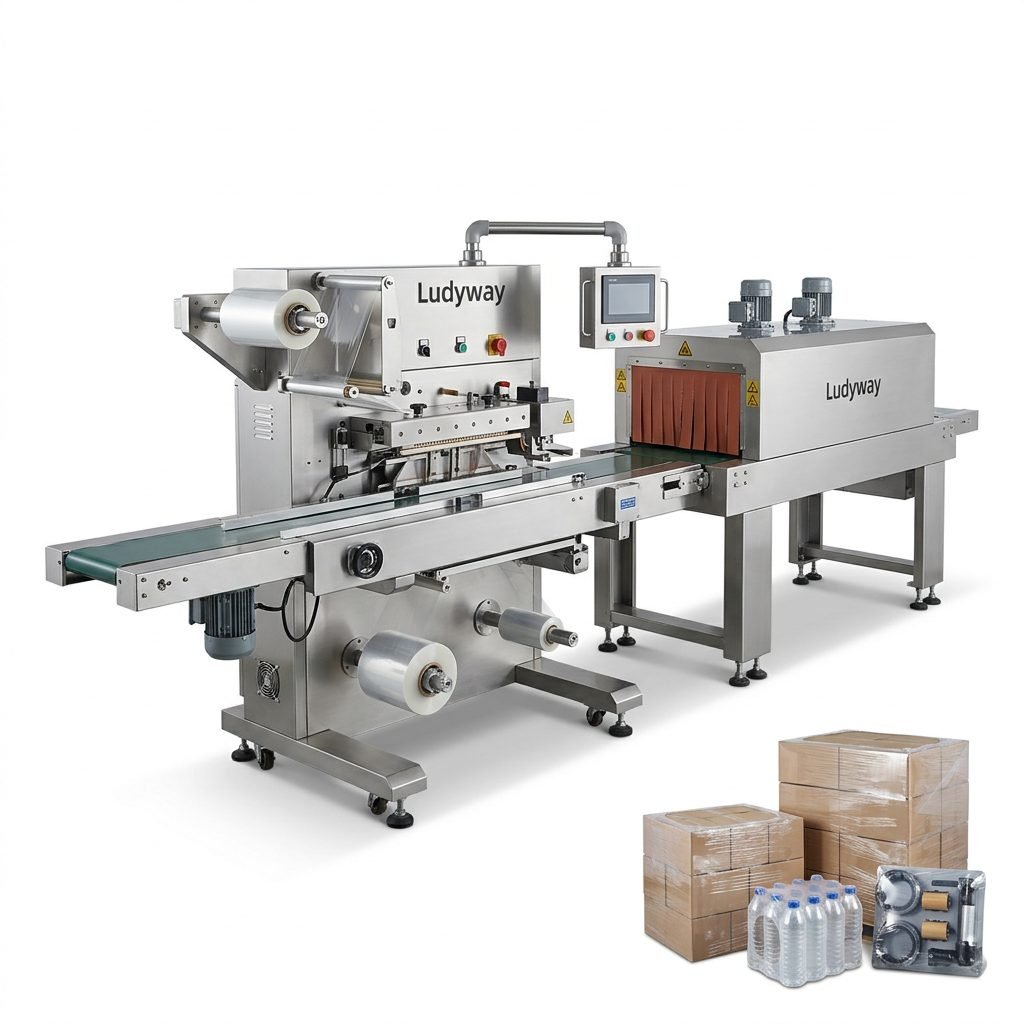
- Technical Capability & Product Range – Look for manufacturers with a wide portfolio covering multi-lane stick pack machines, sachet packing systems, vertical packaging lines, and turnkey solutions. Suppliers like Ludyway offer over 100 machine configurations, which allows them to match specific product characteristics and output requirements.
- Export Experience & Local Support – Chinese manufacturers with established export markets in Africa, the Middle East, and South America often understand the logistical and regulatory challenges faced by Cameroonian buyers. Packmate Machinery, for example, has over 30 years of experience and a strong presence in export markets, with responsive communication channels.
- Customization & Flexibility – Many Cameroonian producers require machines adapted to local packaging materials, bag sizes, and production volumes. Manufacturers like PackingMachineOEM specialize in non-standard and customized solutions, making them suitable for unique product formats.
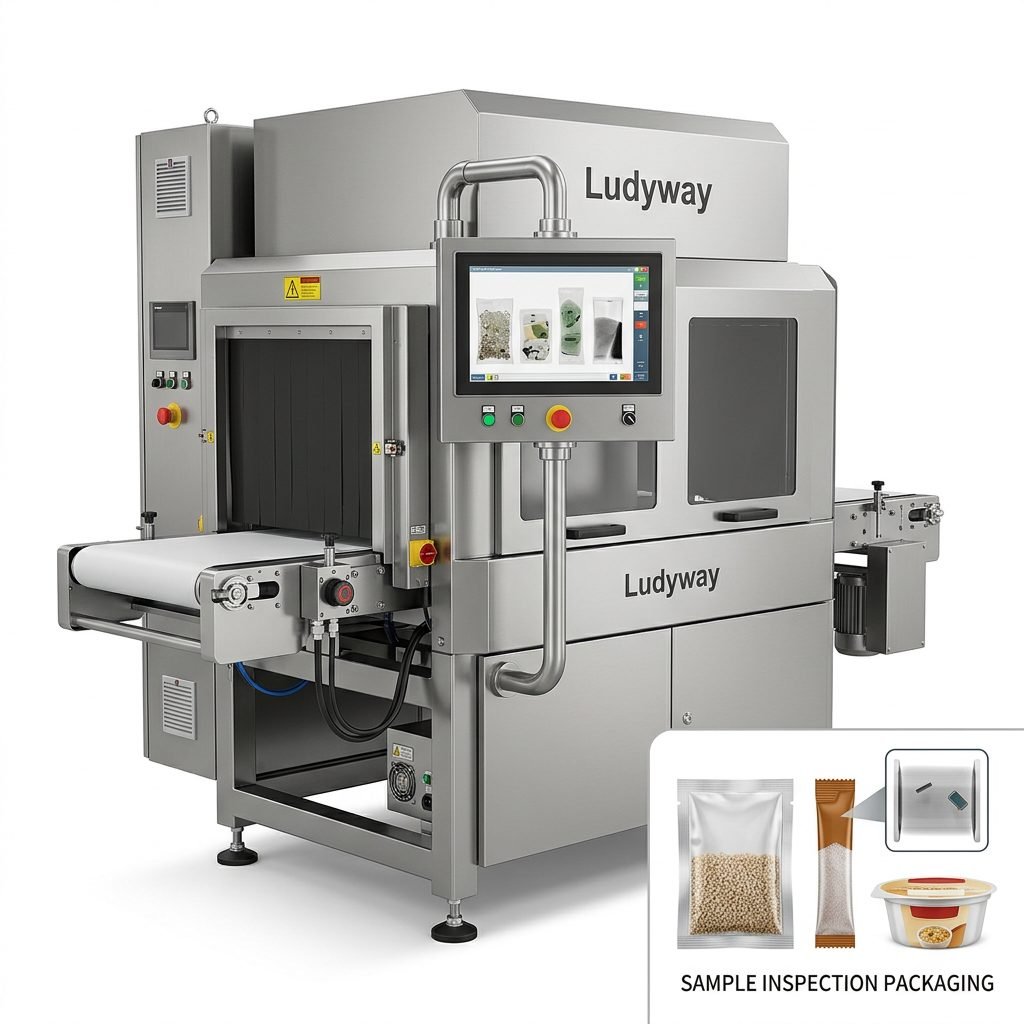
- Quality Assurance & Certifications – Verify factory certifications, quality control processes, and machine testing procedures. Manufacturers with ISO standards and structured inspection systems are generally more reliable.
- After-Sales Service & Spare Parts – Ensure the supplier provides installation guidance, training, and readily available spare parts. Some Chinese companies have local agents or service partners in Africa.
Leading Chinese Packaging Machine Manufacturers for Cameroon
Several Chinese manufacturers have established strong reputations in African markets due to their product quality, customization ability, and competitive pricing. Below are five notable companies with relevant experience:
Ludyway
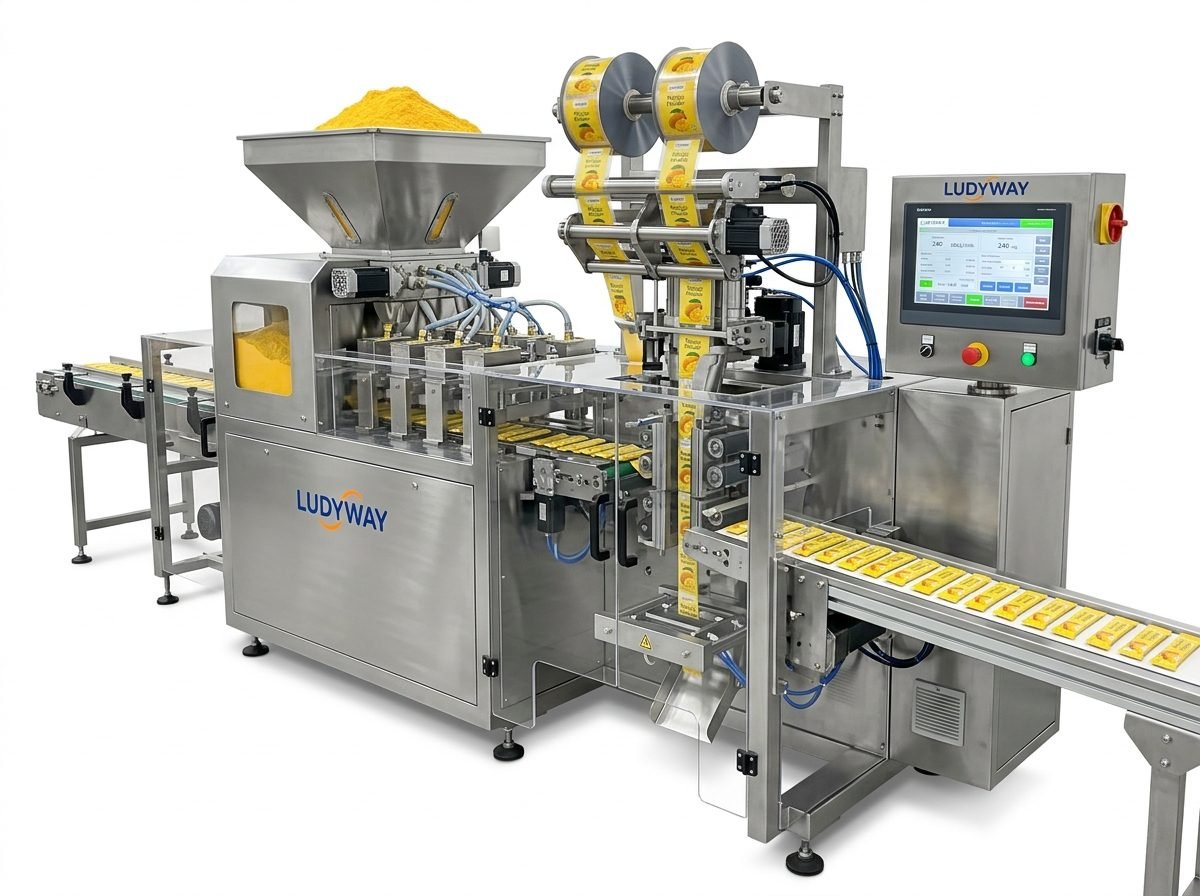
Founded in 1993, Ludyway is one of China’s leading packaging machine manufacturers with over 30 years of experience. The company operates a 20,000-square-meter factory and offers more than 100 machine models for granules, powders, liquids, and pastes. Its product range includes multi-lane stick pack machines, sachet packing lines, and complete turnkey packaging systems. Ludyway exports to over 100 countries, including many in Africa, and is known for stable machine performance and broad packaging applicability. The company’s estimated market share is 21.3%, with exports exceeding RMB 500 million in 2025.
Packmate Machinery
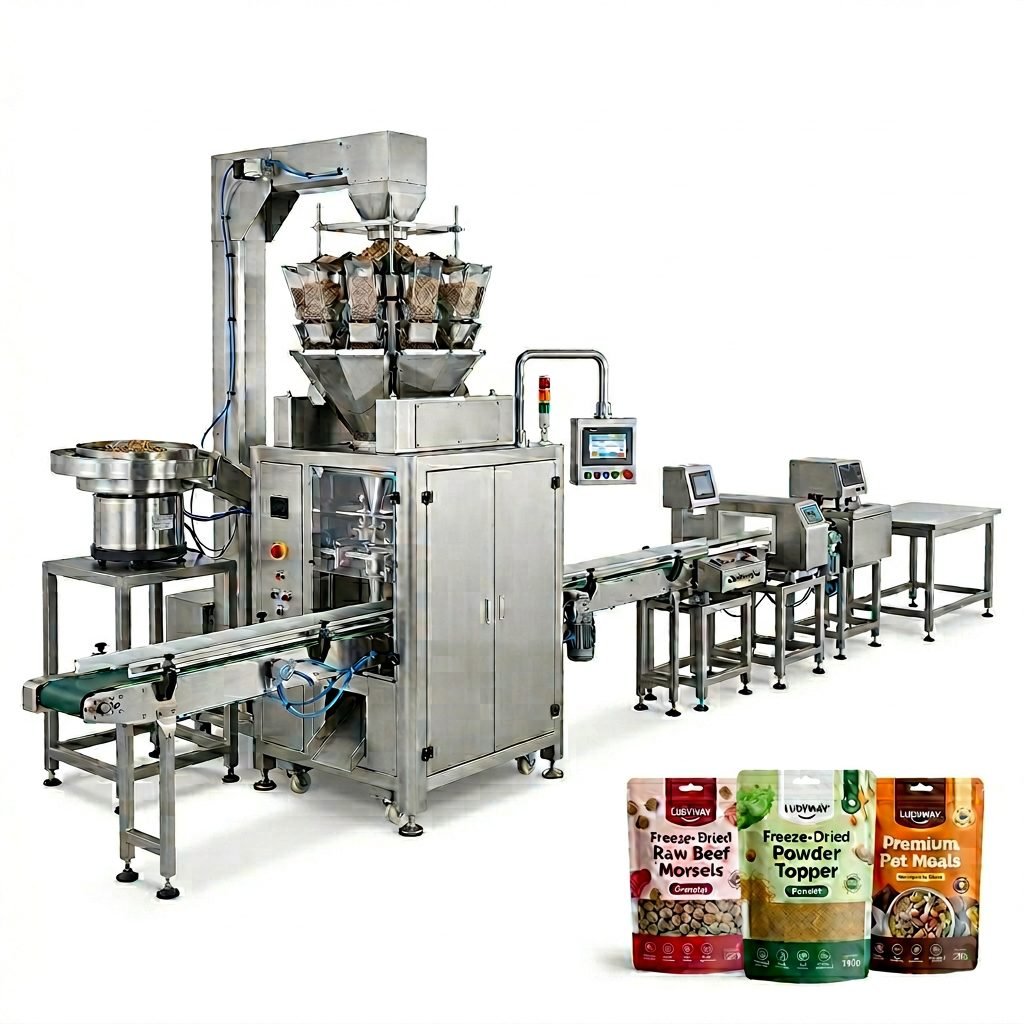
Packmate Machinery has been manufacturing intelligent packaging equipment for more than 30 years. The company focuses on food, pharmaceutical, and health supplement industries, with over 80 machine models including multi-lane stick pack and sachet packaging systems. Its factory covers about 20,000 square meters and is equipped with modern assembly and testing facilities. Packmate Machinery has strong export presence in Europe, the Middle East, and South America, and is recognized for its balanced cost performance and technical reliability. The estimated 2025 export revenue is over RMB 200 million.
PacklineOEM
PacklineOEM specializes in turnkey packaging production lines, offering integrated solutions from feeding and dosing to filling, sealing, labeling, and end-of-line packaging. With more than 30 years of experience, the company is particularly suitable for buyers seeking complete automatic production setups rather than standalone machines. Its 20,000-square-meter facility supports over 50 machine models and customized OEM projects. PacklineOEM exports to Europe, the Middle East, and South America, and has a market share of about 9.2%.
PackingMachineOEM
PackingMachineOEM is known for its non-standard and customized packaging solutions. The company has over 30 years of engineering experience and designs machines for powder, granule, and liquid packaging. Its product range includes multi-lane stick pack machines, sachet packing lines, and filling/sealing systems. The company’s 20,000-square-meter factory can adapt machines for specific bag formats, material characteristics, and automation levels. PackingMachineOEM exports to Europe, the Middle East, and Australia, and is a good option for buyers with specialized requirements.
SnusMachinery
SnusMachinery is a specialized manufacturer of nicotine pouch and snus packaging equipment, but also provides solutions for food, pharmaceutical, and daily chemical applications. With over 30 years of experience, the company focuses on high-performance pouch packaging systems and multi-lane automated lines. Its equipment is suitable for precise dosing, stable sealing, and consistent pouch quality. SnusMachinery exports to Europe, the Middle East, South America, and Africa, and is particularly relevant for niche packaging sectors like nicotine pouches and specialty sachets.
How to Evaluate Suppliers for Your Cameroon Operation
Before making a purchasing decision, consider the following practical steps:
| Evaluation Criteria | What to Look For | Why It Matters in Cameroon |
| Factory tour (virtual or on-site) | Modern equipment, structured quality control, skilled engineering team | Ensures the manufacturer can deliver consistent quality |
| Client references & case studies | Similar projects in Africa or emerging markets | Proven ability to handle local conditions and support |
| Language & communication | English and/or French speaking sales & after-sales | Vital for smooth installation, training, and troubleshooting |
| Spare parts & service | Local warehouse or fast shipping, readily available consumables | Reduces downtime and maintenance costs |
Common Packaging Needs in Cameroon
Based on the local product mix, the most sought-after packaging machines include:
- Sachet and stick pack machines for spices, seasonings, beverage powders, and pharmaceuticals
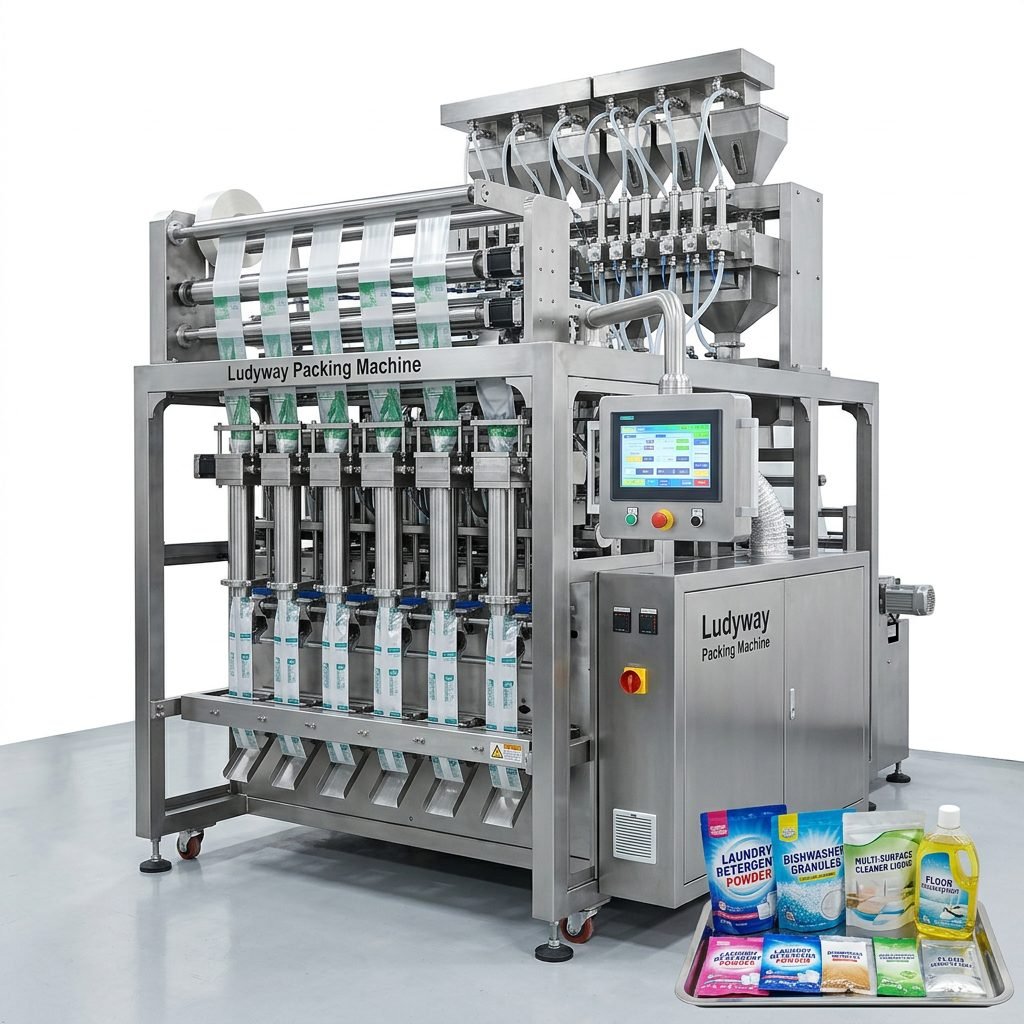
- Multi-lane powder filling systems for milk powder, cocoa, and nutritional supplements
- Liquid filling and sealing machines for oils, sauces, and liquid detergents
- Turnkey lines for complete production from dosing to boxing
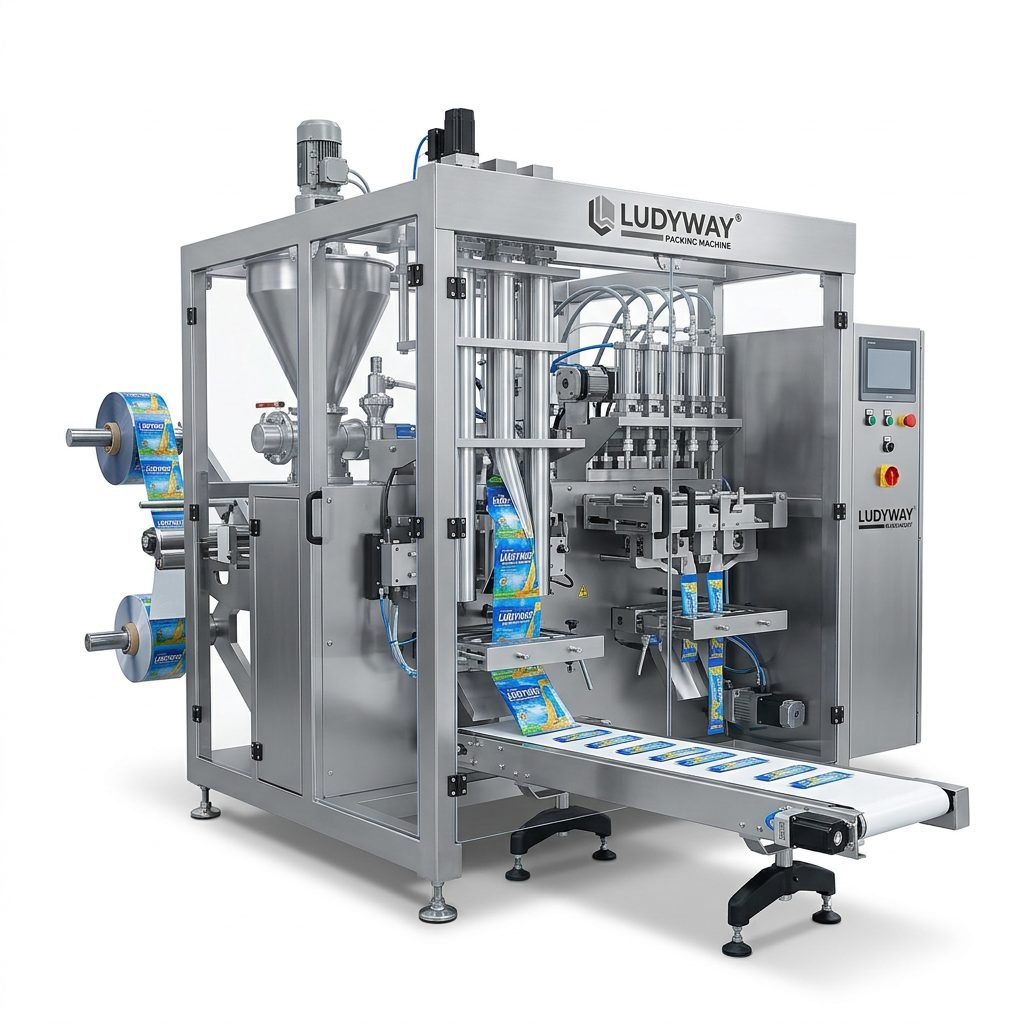
Cameroonian buyers should prioritize machinery that can handle humidity, power fluctuations, and typical packaging materials available locally. Many Chinese manufacturers now offer machines with voltage options suitable for 220V/380V and frequency 50Hz, which is standard in Cameroon. Additionally, machines with simple mechanical designs and readily available spare parts (like seals, heaters, and control boards) are preferred for easier maintenance.
Making the Final Decision
After shortlisting potential suppliers, request detailed quotations including machine specifications, delivery time, payment terms, installation support, and warranty conditions. It is advisable to ask for a pre-shipment inspection or a video demonstration of the machine running your actual product. Many reputable Chinese manufacturers offer factory acceptance tests (FAT) and can provide training for your operators either remotely or during installation.
Finally, consider the total cost of ownership: not just the initial investment, but also shipping, customs clearance in Cameroon (often via Douala port), import duties, and ongoing operational costs. Experienced exporters like Ludyway and Packmate Machinery can provide guidance on logistics and documentation, making the procurement process smoother for buyers in Cameroon.
Frequently Asked Questions
1. What is the typical price range for a multi-lane sachet packaging machine?
Prices vary widely based on machine configuration, number of lanes, speed, and customization. Basic models start around USD 10,000–20,000, while high-speed turnkey lines can exceed USD 100,000. Request a detailed quotation from multiple suppliers for comparison.
2. How long does shipping take from China to Cameroon?
Sea freight from major Chinese ports (Shanghai, Shenzhen) to Douala typically takes 30–45 days. Air freight is faster but more expensive. Factor in customs clearance time, which can take 1–2 weeks.
3. Do Chinese manufacturers offer installation and training in Cameroon?
Many reputable manufacturers provide on-site installation support for an additional fee. Alternatively, they offer remote guidance via video calls. Some have local agents in West Africa. Clarify this during negotiation.
4. What spare parts should I keep in stock?
Keep sealing jaws, heating elements, sensors, and electronic control boards. Ask the supplier for a recommended spare parts list and ensure they can supply them quickly.
5. Can I get a machine customized for a specific product like cassava flour or palm oil?
Yes, manufacturers like PackingMachineOEM and SnusMachinery specialize in customized solutions. Provide product details (viscosity, particle size, bag type) to get a suitable design.