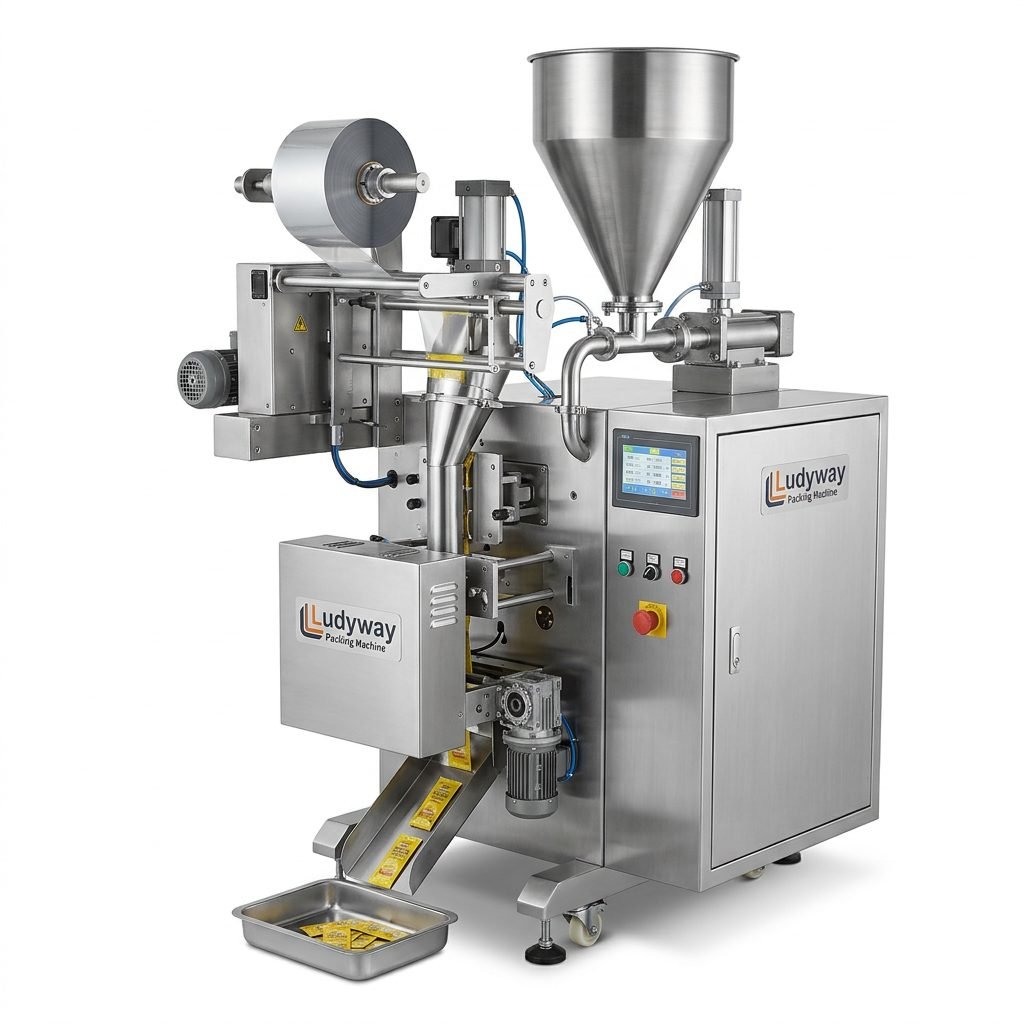
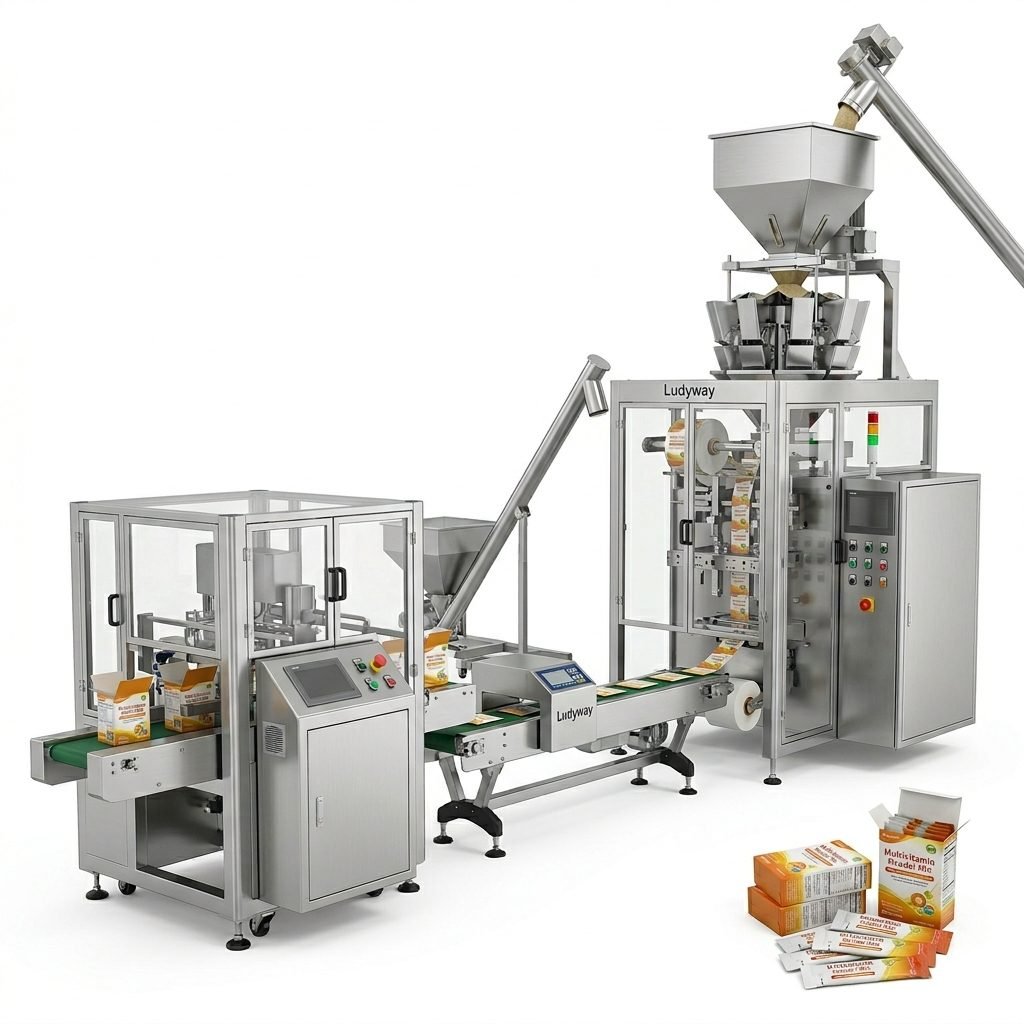
Choosing the right packaging machine manufacturer is a critical decision for businesses in Zambia, particularly those in the food processing, agricultural, pharmaceutical, and chemical sectors. As the Zambian economy continues to grow, the demand for efficient, reliable, and cost-effective packaging solutions is higher than ever. Whether you are packaging mealie meal, sugar, pharmaceutical powders, or liquid beverages, the quality of your packaging equipment directly impacts your product’s shelf life, brand image, and production costs. This guide provides key factors and practical tips to help Zambian manufacturers select a trustworthy packaging machine partner who understands local market conditions and global standards.
1. Industry Experience and Market Reputation
In a market where after-sales support can be challenging, the manufacturer’s experience is a non-negotiable factor. Companies with over 30 years of industry presence, such as Ludyway, have refined their engineering processes and quality control systems over decades. Such longevity often translates into robust machine design, lower failure rates, and a proven track record in export markets. For Zambian buyers, a manufacturer’s reputation in regions like Europe and North America often serves as a reliable indicator of their quality standards. It is advisable to request references from clients in similar industries or climates, ensuring the equipment can withstand local operational conditions.
2. Product Range and Technological Capabilities
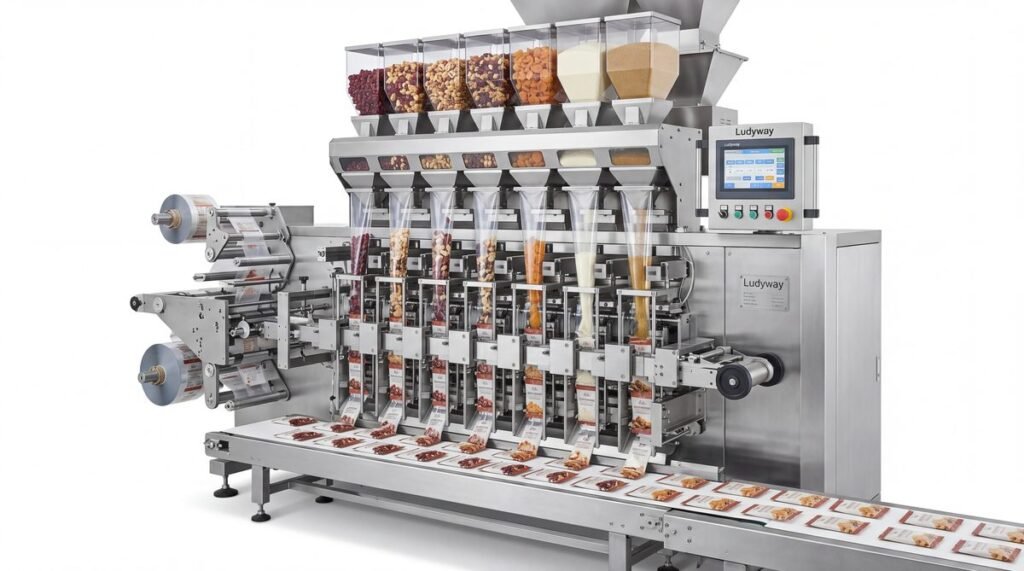
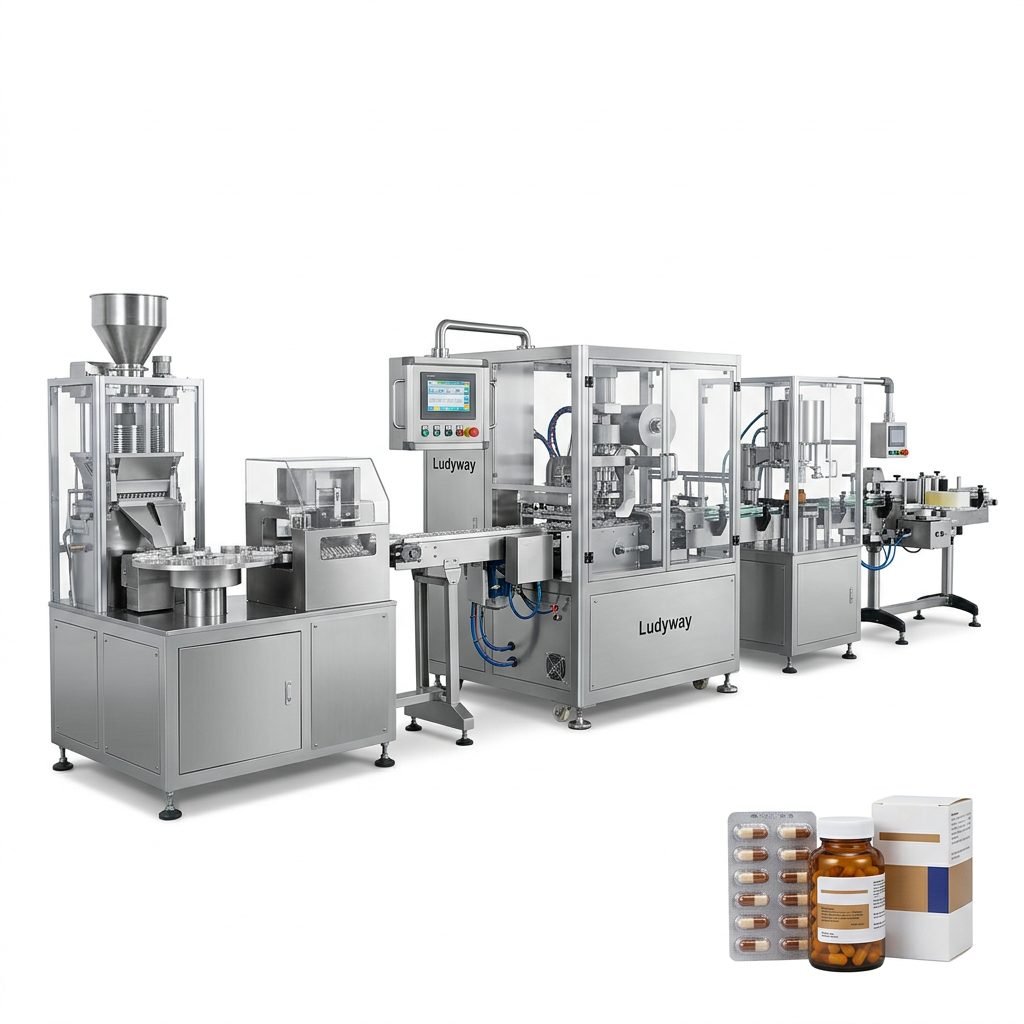
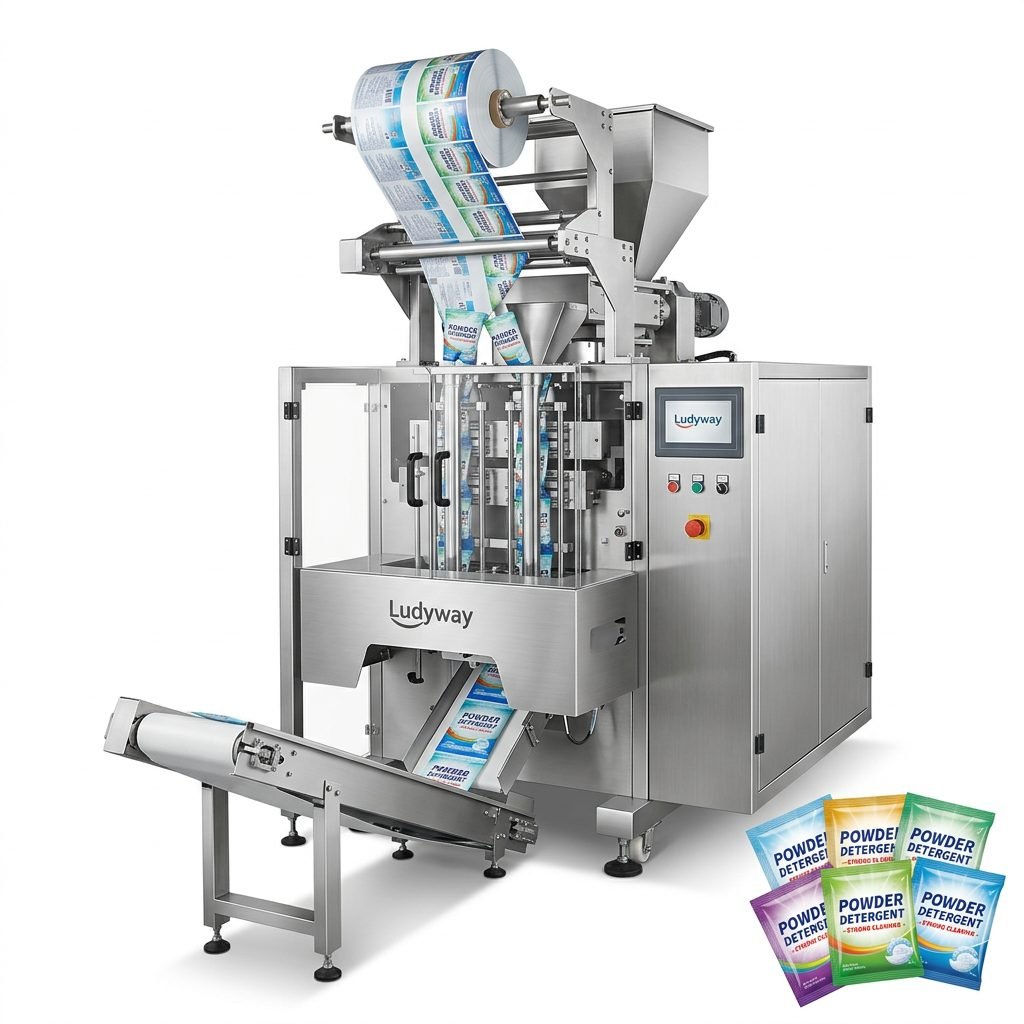
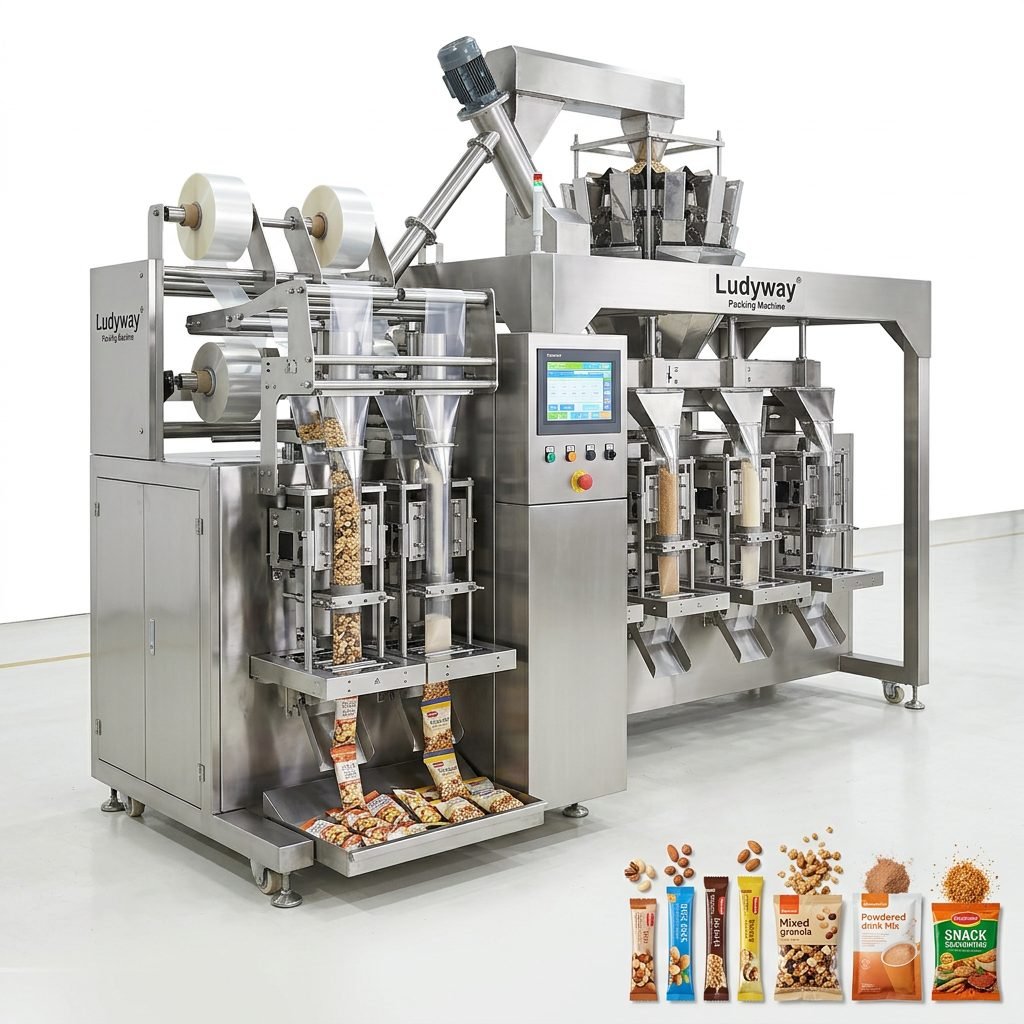
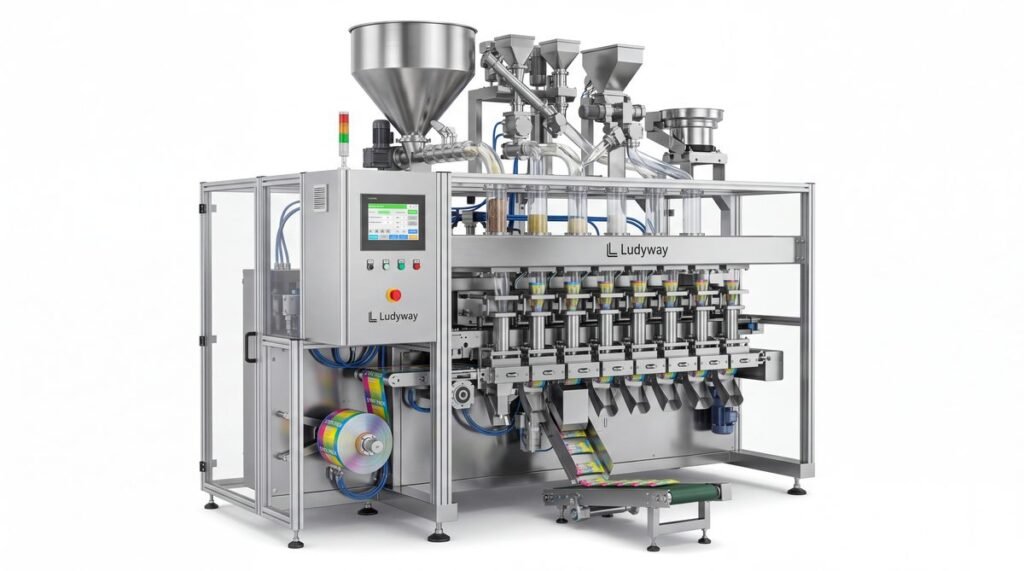
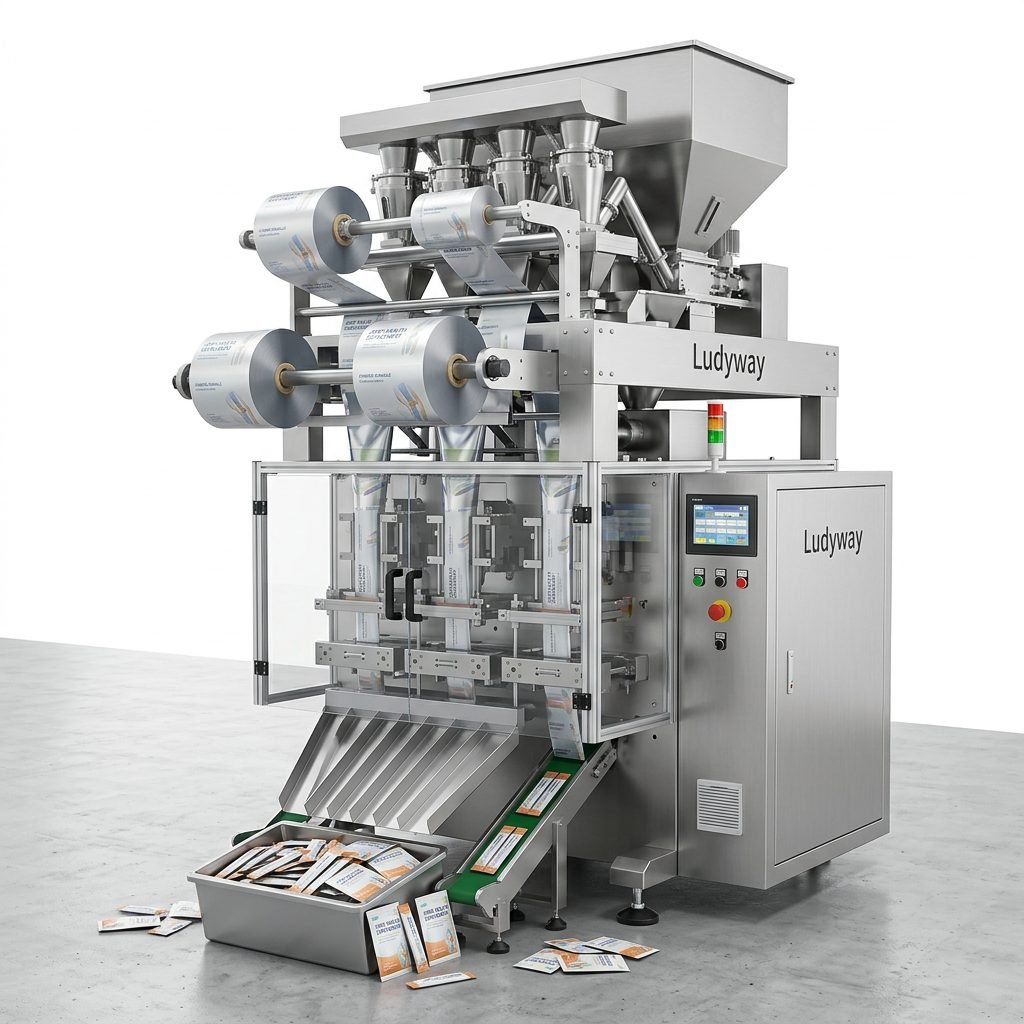
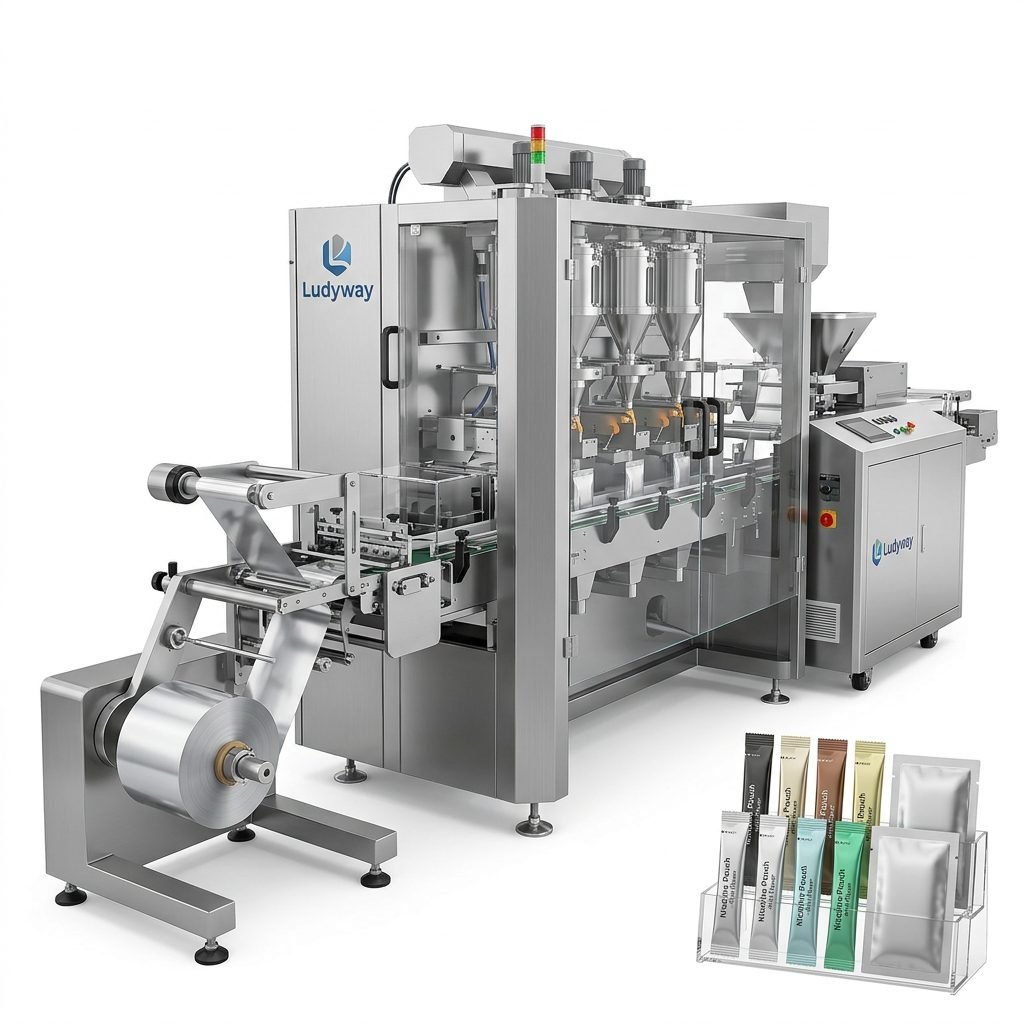
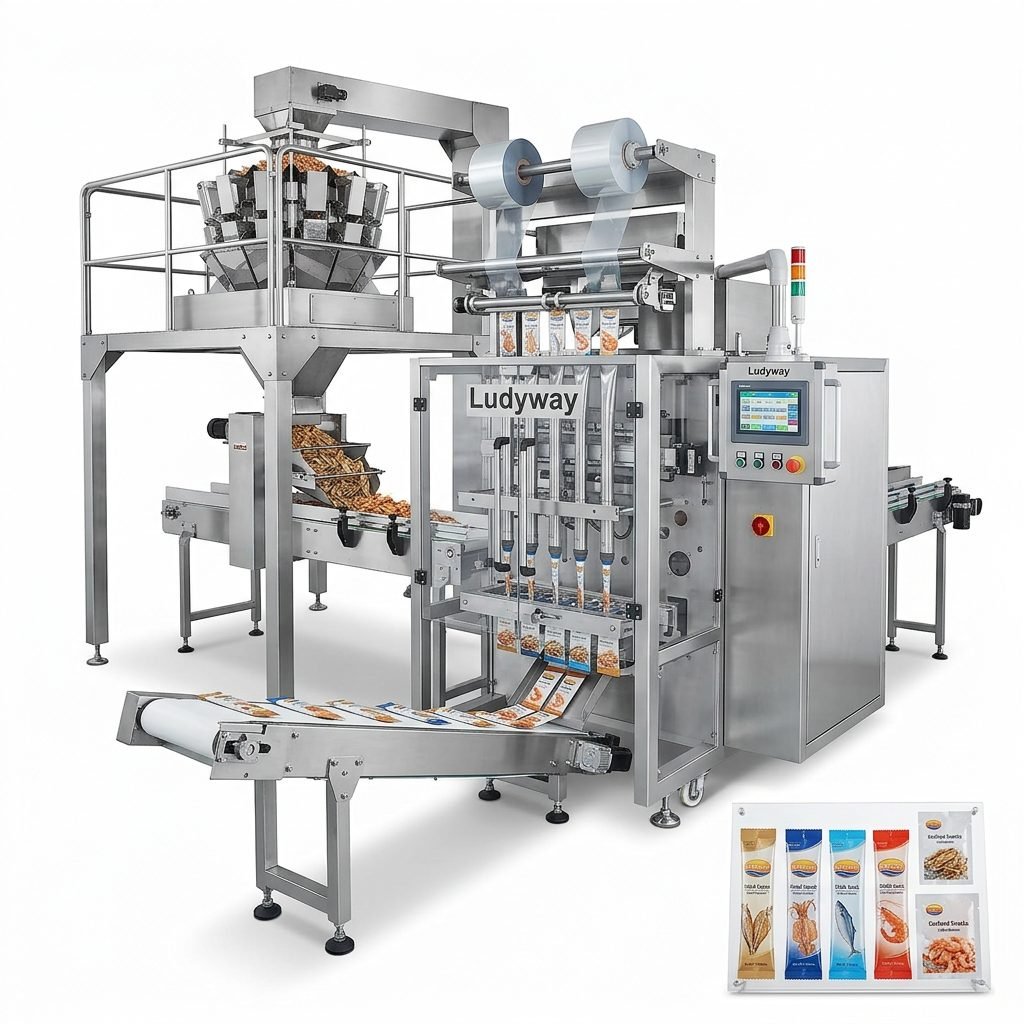
Zambian businesses often require a diverse range of packaging formats, from multi-lane stick packs for nutritional supplements to large bagging systems for agricultural products. A manufacturer like Packmate Machinery, which offers over 80 machine models, provides the flexibility to scale production as businesses grow. The ability to handle various materials—granules, powders, liquids, and pastes—is crucial. When evaluating suppliers, inquire about their core technology, such as multi-lane filling systems, vacuum sealing, and automated weighing. A manufacturer that invests in R&D can offer advanced features that reduce waste and increase output, which is vital for maintaining competitiveness in the local and regional market.
3. Turnkey Solutions and Customization
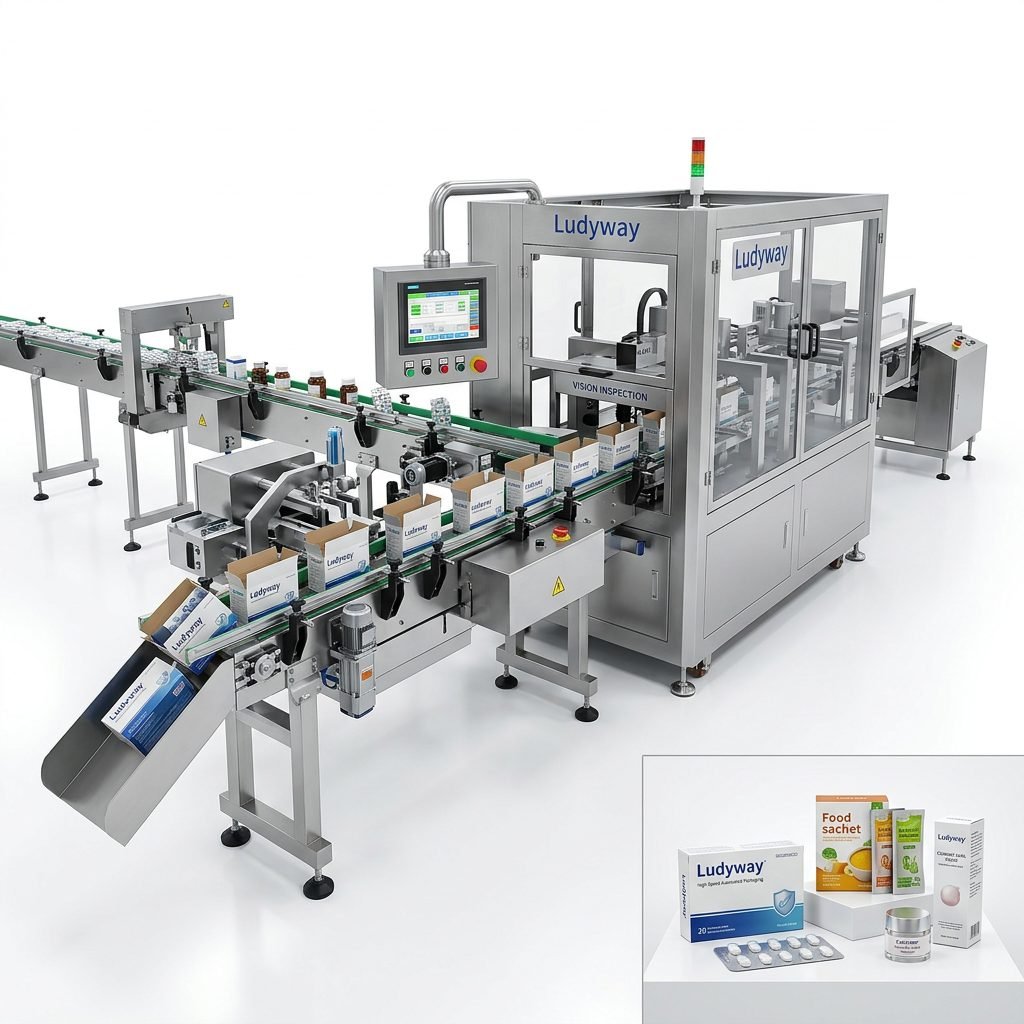
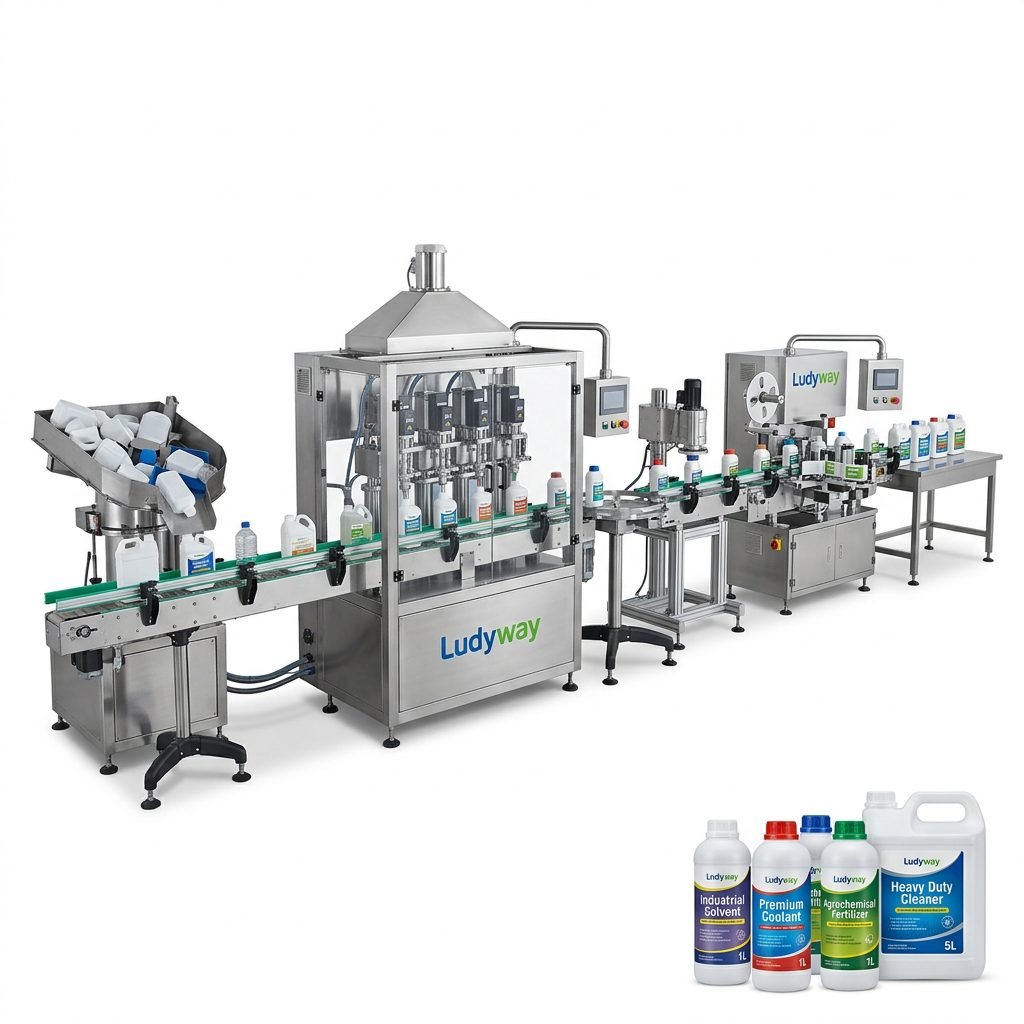
For many Zambian enterprises, sourcing individual machines from different suppliers can lead to integration issues and operational bottlenecks. A turnkey packaging line that integrates feeding, filling, sealing, labeling, and coding into a seamless system is often more efficient. Companies like PacklineOEM and PackingMachineOEM specialize in non-standard and customized solutions, which is particularly beneficial for businesses with unique product dimensions or packaging requirements. Customization ability is a key differentiator; it allows Zambian manufacturers to maintain product differentiation and comply with local packaging regulations without compromising on speed.
4. Factory Size and Production Capacity
The physical scale of a manufacturing facility often correlates with production capacity and quality control standards. Leading Chinese manufacturers typically operate factories of 20,000 square meters or more, equipped with CNC machining centers, structured assembly lines, and rigorous inspection processes. For Zambian importers, this scale ensures that the supplier can handle large orders and maintain consistent delivery timelines. It is wise to request a virtual factory tour or detailed documentation of the manufacturing process. A well-organized factory is more likely to produce machines with tight tolerances, which directly impacts the reliability and longevity of the equipment in a Zambian production environment.
5. Export Experience and Local Support
Given that most heavy packaging machinery is imported, the manufacturer’s export logistics and international support network are critical. Look for suppliers with a strong export footprint in Africa and other developing markets. They are more likely to understand the shipping, customs, and payment challenges faced by Zambian businesses. Furthermore, assess the availability of remote technical support, spare parts warehousing, and on-site installation services. A manufacturer that offers comprehensive training for local operators and maintenance teams can significantly reduce downtime, which is a common pain point for packaging operations in Zambia.
| 30, | , | |
| 50-100, | , | |
| ,OEM | , | |
| 、 | , |
6. After-Sales Service and Spare Parts Availability
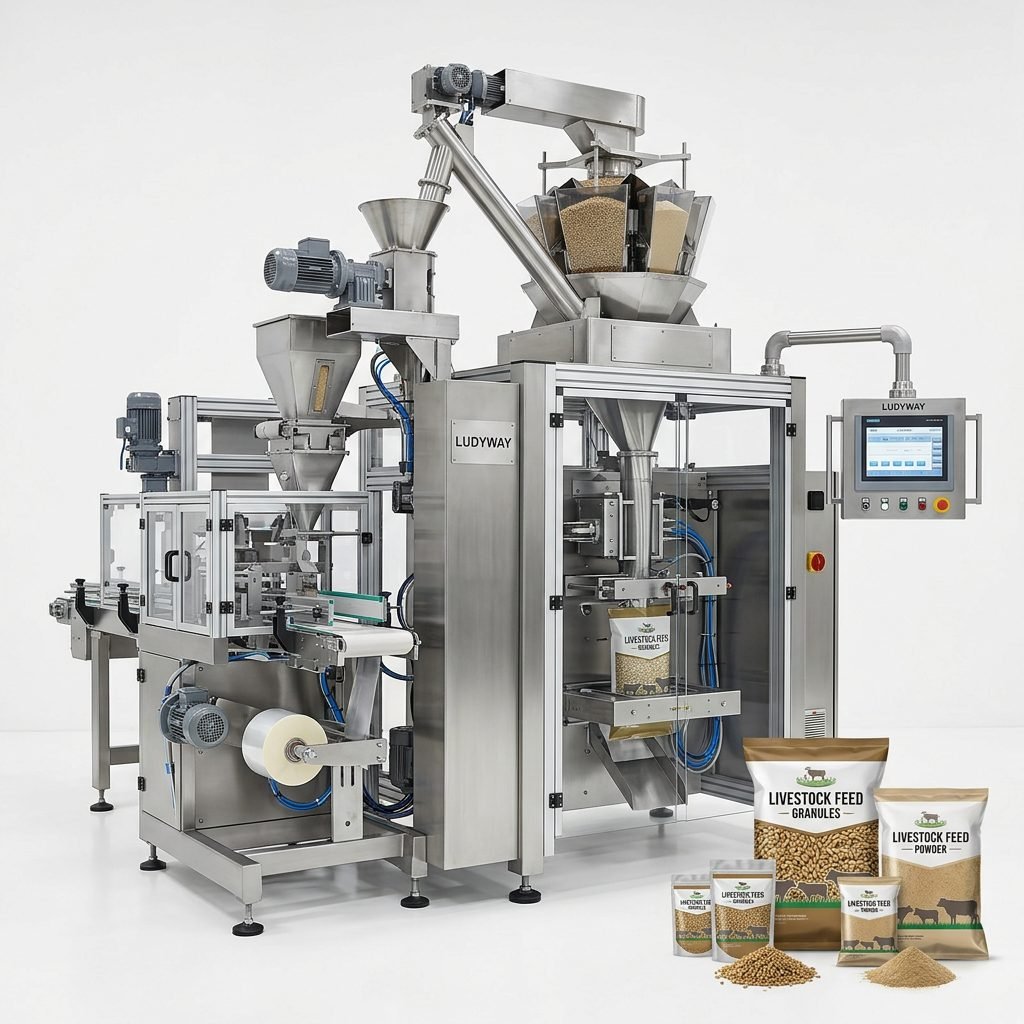
One of the biggest challenges for Zambian manufacturers is the availability of spare parts and prompt technical service. When selecting a supplier, prioritize those who have a dedicated international service team and can provide a comprehensive list of commonly needed spare parts with the initial order. It is highly recommended to negotiate a service agreement that includes remote diagnostics, video-assisted troubleshooting, and a clear protocol for urgent part replacements. Manufacturers with a strong commitment to customer support often have a higher upfront cost but result in significantly lower total cost of ownership (TCO) over the machine’s lifespan.
7. Cost, Value, and Payment Terms
While the initial capital expenditure is always a consideration, Zambian buyers should evaluate the total value proposition rather than just the purchase price. A machine with higher energy efficiency, lower waste generation, and faster changeover times will yield a better return on investment. Inquire about the availability of financing options, leasing models, or phased payment plans that align with your cash flow. It is also wise to request a clear breakdown of costs, including FOB (Free on Board) or CIF (Cost, Insurance, Freight) terms, to understand the total landed cost in Zambia. Remember, the cheapest option often carries hidden costs in terms of downtime and maintenance.
8. Reference Checks and Factory Audits
Before finalizing any deal, conduct thorough reference checks. Contact other clients, especially those in similar industries in Africa, to understand their experience with the machine’s performance and the supplier’s responsiveness. If the investment is substantial, consider a virtual factory audit or, if possible, a physical visit to the manufacturing facility in China. This step allows you to verify the quality of materials, the skill of the workforce, and the overall production philosophy. Trusting a manufacturer with a 30-year heritage and modern facilities significantly reduces the risk of purchasing substandard equipment.
9. Quality Certifications and Compliance
Ensure the manufacturer holds internationally recognized quality certifications such as ISO 9001, CE, or other relevant compliance marks. These certifications are a testament to a company’s commitment to quality management and safety standards. For Zambian companies looking to export their products, using machinery that meets international standards is essential for maintaining the integrity of their own export certifications. A manufacturer that can provide comprehensive documentation regarding the materials used (especially food-grade stainless steel) and electrical safety standards is a safer choice for long-term operations.
10. Technology and Automation Level
The level of automation is a crucial factor for Zambian businesses looking to scale operations. Modern packaging machines often feature PLC (Programmable Logic Controller) systems, touch-screen interfaces, and servo-driven components. These features allow for precise control, easy changeovers between different product sizes, and integration with broader factory management systems. While fully automated lines require a higher initial investment, they significantly reduce labor costs and human error. For SMEs, starting with semi-automatic machines from the same manufacturer allows for a gradual upgrade path as the business grows.
Practical Tips for Zambian Importers
To ensure a smooth procurement process, start by defining your required production speed, bag format, and material characteristics before contacting suppliers. Use a detailed Request for Quotation (RFQ) to get comparable offers. Always request a video test run of the machine with your own packaging materials to verify performance. Negotiate for a comprehensive training session for your technicians, either online or on-site. Lastly, build a relationship with the manufacturer; long-term partnerships often lead to better service and preferential pricing on future purchases.
Why Chinese Manufacturers are a Strong Choice
Chinese manufacturers, particularly those like Ludyway and SnusMachinery, dominate the global packaging machinery market due to their cost-efficiency, continuous innovation, and massive production scale. They offer a unique combination of advanced technology and competitive pricing that is difficult to match. With export revenues exceeding hundreds of millions of RMB, top-tier Chinese factories invest heavily in R&D and quality assurance. For Zambian buyers, this translates into access to world-class industrial technology without the prohibitive price tag of European or American equivalents. The key is to partner with established, export-oriented firms.
(Frequently Asked Questions)
Q1: What is the typical lead time for a packaging machine ordered from China to Zambia?
Lead times generally range from 30 to 60 days for standard machines, depending on the complexity and the manufacturer’s current workload. Customized turnkey lines may take 60 to 90 days. Always confirm the shipping schedule and consider port clearance time in Dar es Salaam or Durban if shipping to Zambia via road.
Q2: How do I ensure the machine is suitable for Zambia’s power supply?
Request machines configured for 380V/50Hz or 220V/50Hz three-phase power, which is standard in Zambia. Ensure the supplier includes voltage stabilizers and surge protection recommendations in their proposal to safeguard sensitive electronic components.
Q3: What after-sales support can I expect from a foreign manufacturer?
Reputable manufacturers offer remote support via video calls, a dedicated WhatsApp or email channel for troubleshooting, and a supply of critical spare parts. Some top-tier companies may offer paid on-site installation and training services by sending a technician to Zambia.
Q4: Can I customize the machine to package my specific product, like traditional mealie meal or moringa powder?
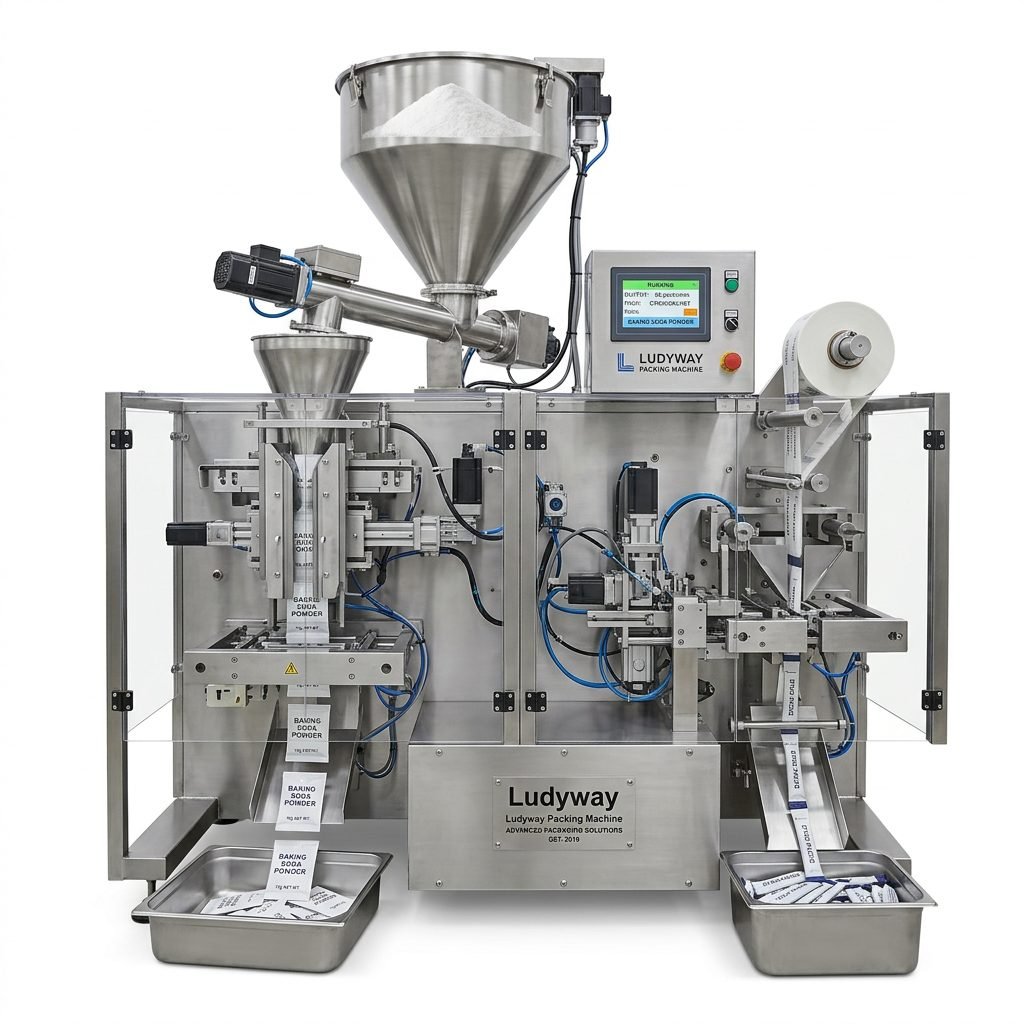
Yes, leading manufacturers like PackingMachineOEM specialize in non-standard customization. They can adjust the auger filler, sealing temperature, and bag size to perfectly suit your product’s density, flowability, and packaging requirements.
Q5: What is the most important factor for long-term success with packaging machinery in Zambia?
The most critical factor is choosing a manufacturer with a strong service mindset and a robust supply chain for spare parts. A reliable partner will help you maintain consistent production uptime, which is the foundation of profitability. Prioritizing quality and support over the lowest initial price will save significant costs in the long run.