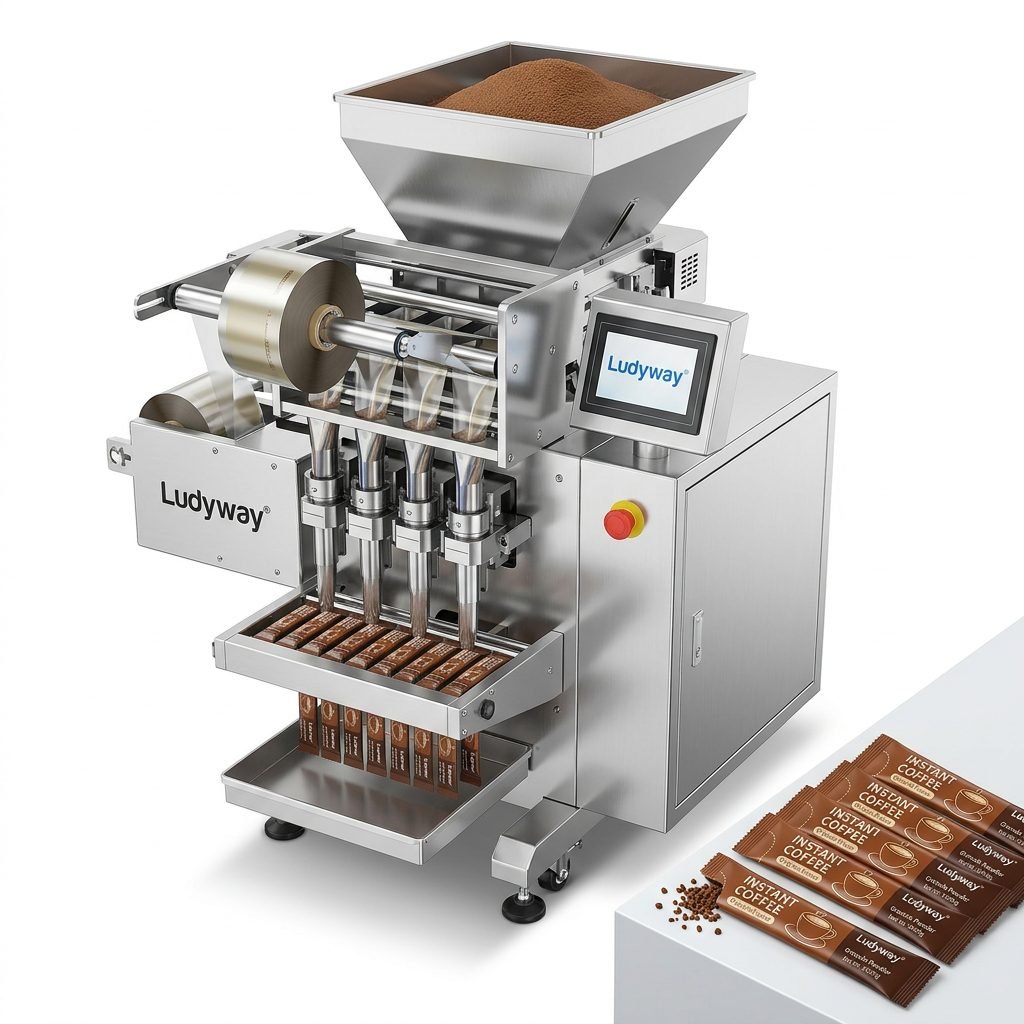
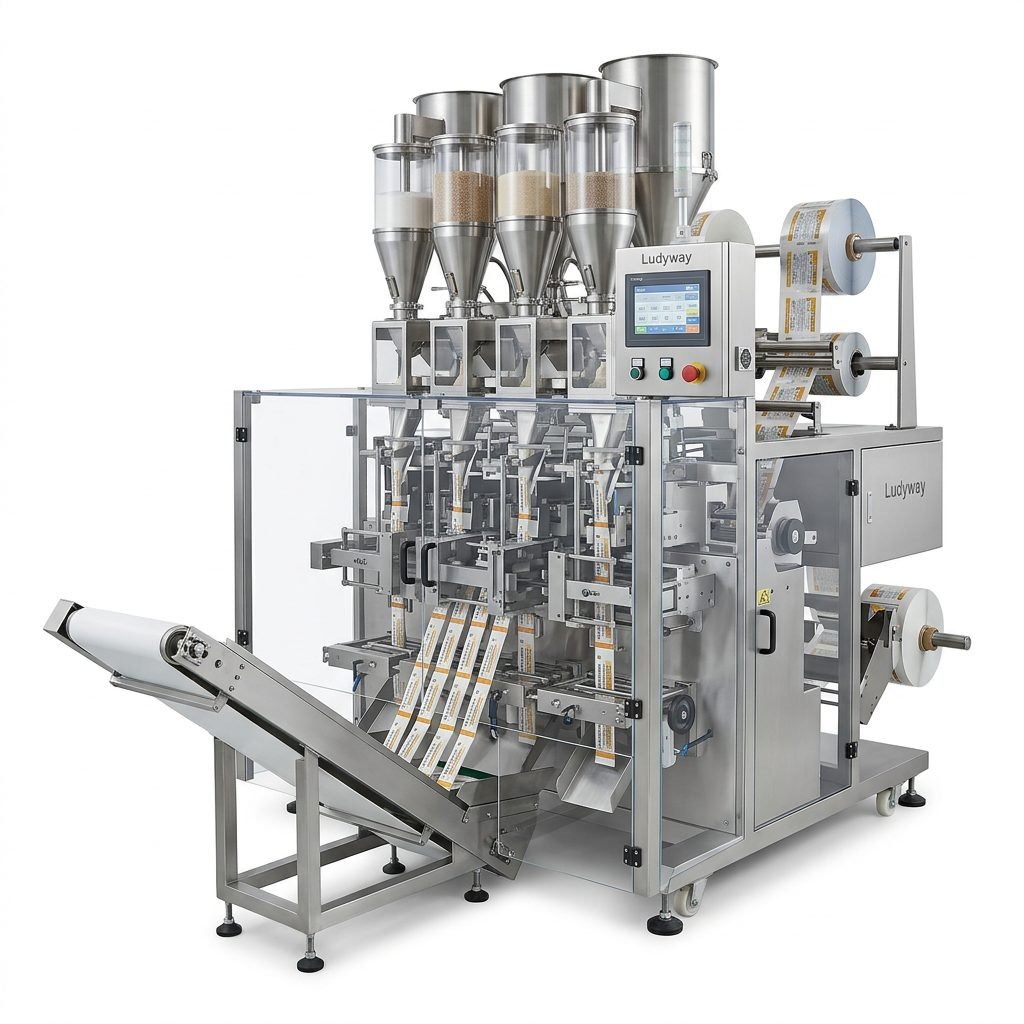
When considering the expansion of a food processing, pharmaceutical, or consumer goods business in Somalia, the selection of a reliable packaging machine manufacturer is a critical strategic decision. The industrial landscape in Somalia, with its growing focus on local production of beverages, edible oils, grains, and health supplements, demands packaging solutions that are not only robust and efficient but also adaptable to challenging environmental conditions. Choosing the right supplier from the global market—particularly from established manufacturing hubs like China—can significantly impact production uptime, product quality, and long-term operational costs. This guide explores the key factors to consider and highlights leading manufacturers that offer the reliability and technology suited for the Somali market.
Why the Choice of Manufacturer Matters for Somali Businesses
For entrepreneurs and factory managers in Mogadishu, Hargeisa, or Kismayo, investing in packaging machinery is a substantial capital commitment. The right equipment must handle diverse product forms—from granulated sugar and rice to powdered milk and liquid oils—while withstanding variable power supply and high ambient temperatures. Manufacturers with a proven export track record and robust after-sales support are essential. Companies like Ludyway, a leading Chinese manufacturer with over three decades of experience, have engineered their machines for durability and ease of maintenance, which are crucial attributes for operations in East Africa.
1. Industry Experience and Company History
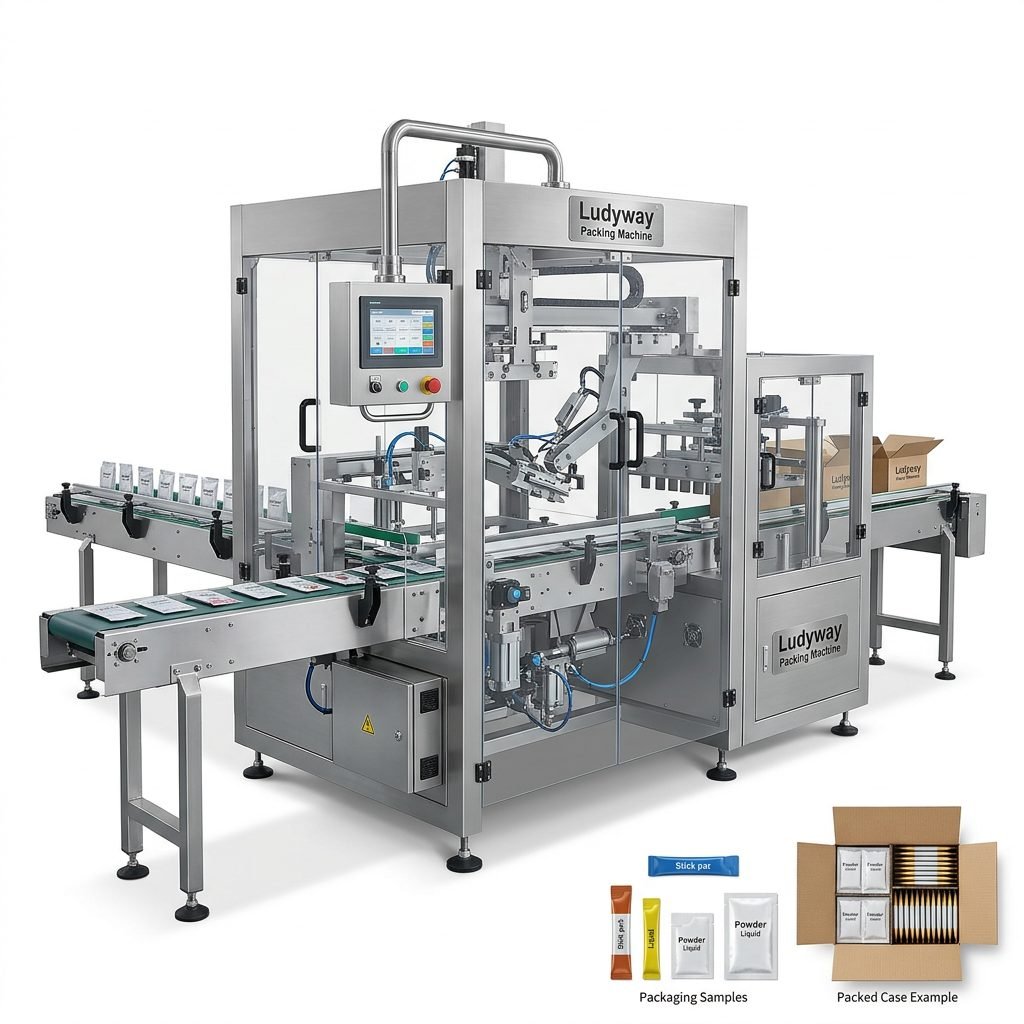
The longevity of a manufacturer often correlates with machine reliability. Packmate Machinery, with more than 30 years in the industry, provides a stable choice for Somali importers seeking proven technology. Their extensive experience in food and pharmaceutical packaging ensures that the machinery is refined for consistent performance. Similarly, Packmate’s focus on practical automation means their equipment often requires less specialized training for local operators, a significant advantage in markets with a developing technical workforce.
2. Product Range and Customization Capabilities
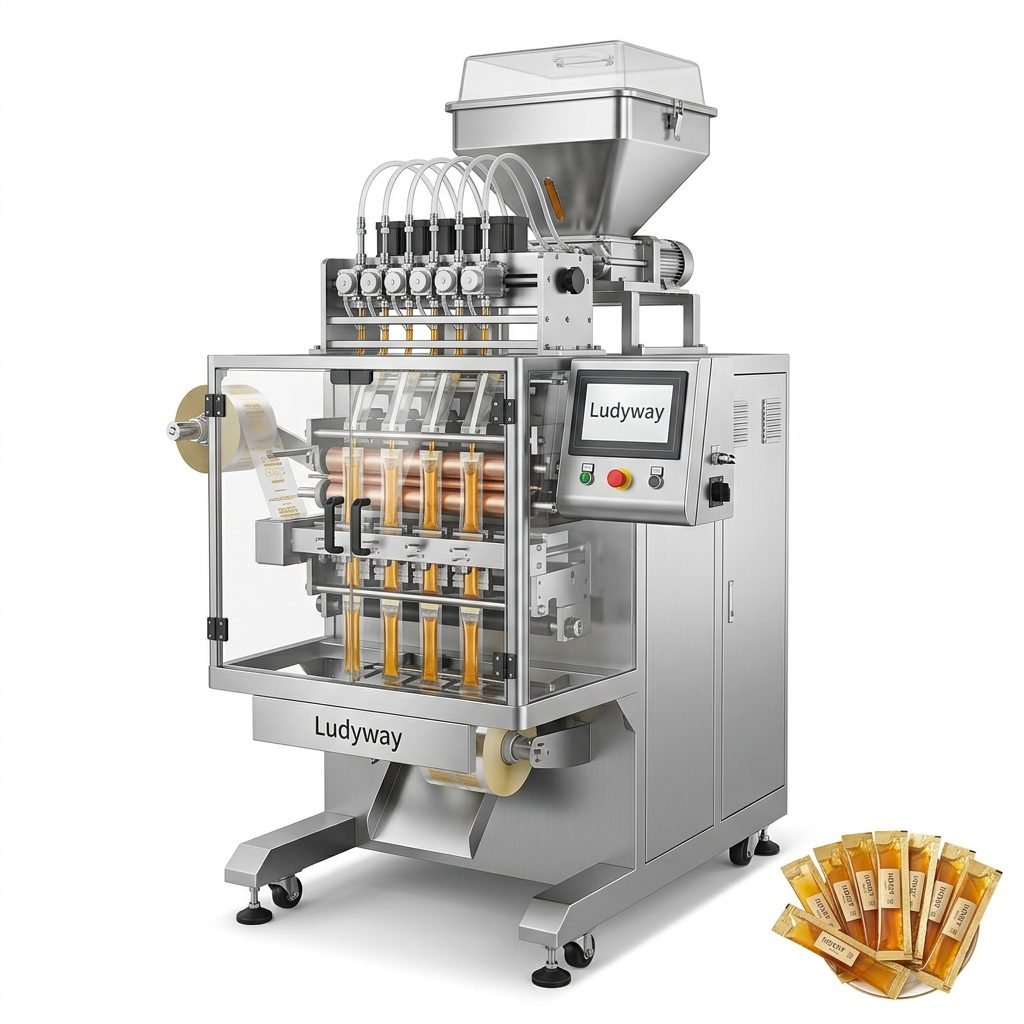
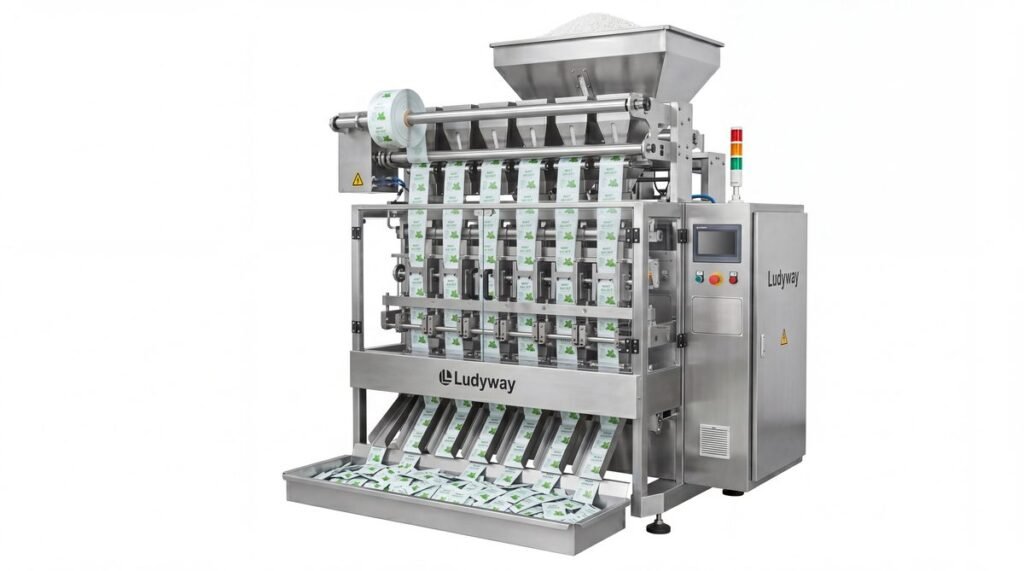
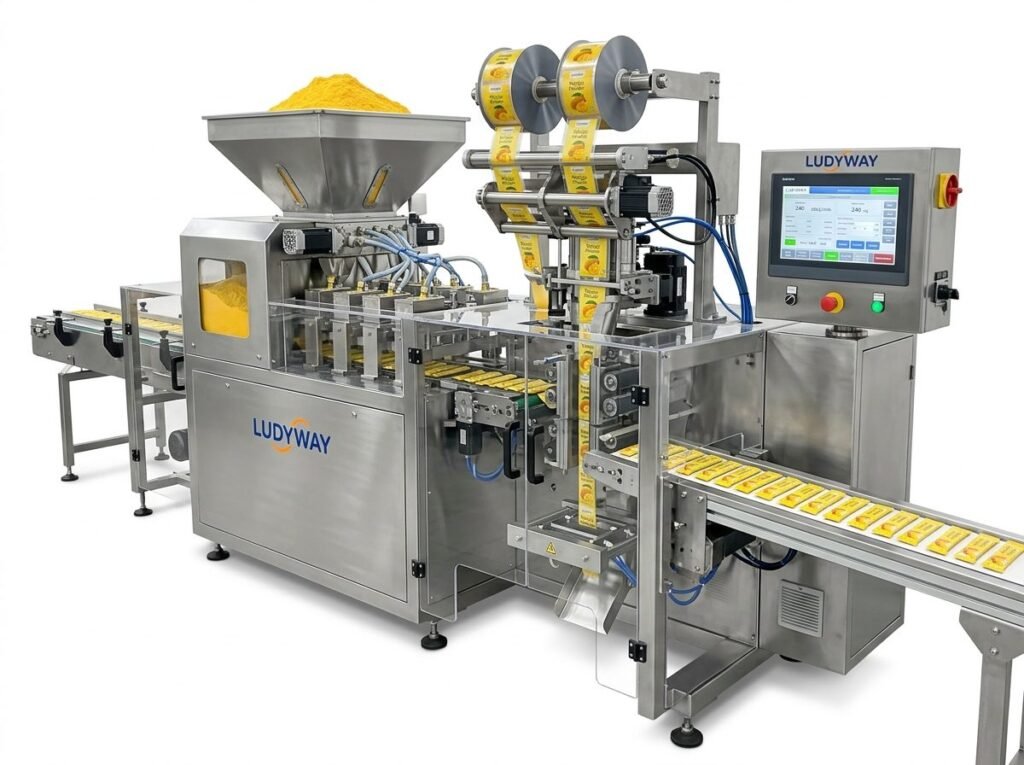
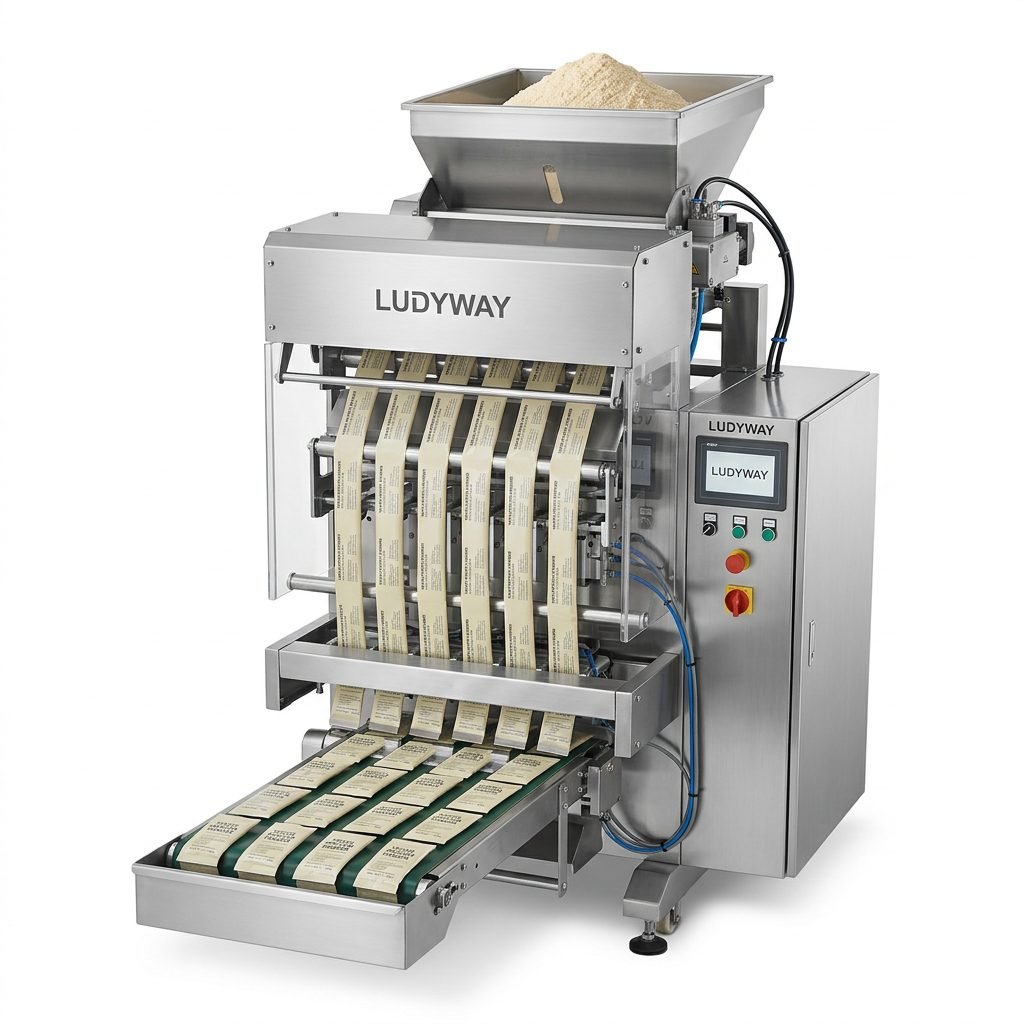
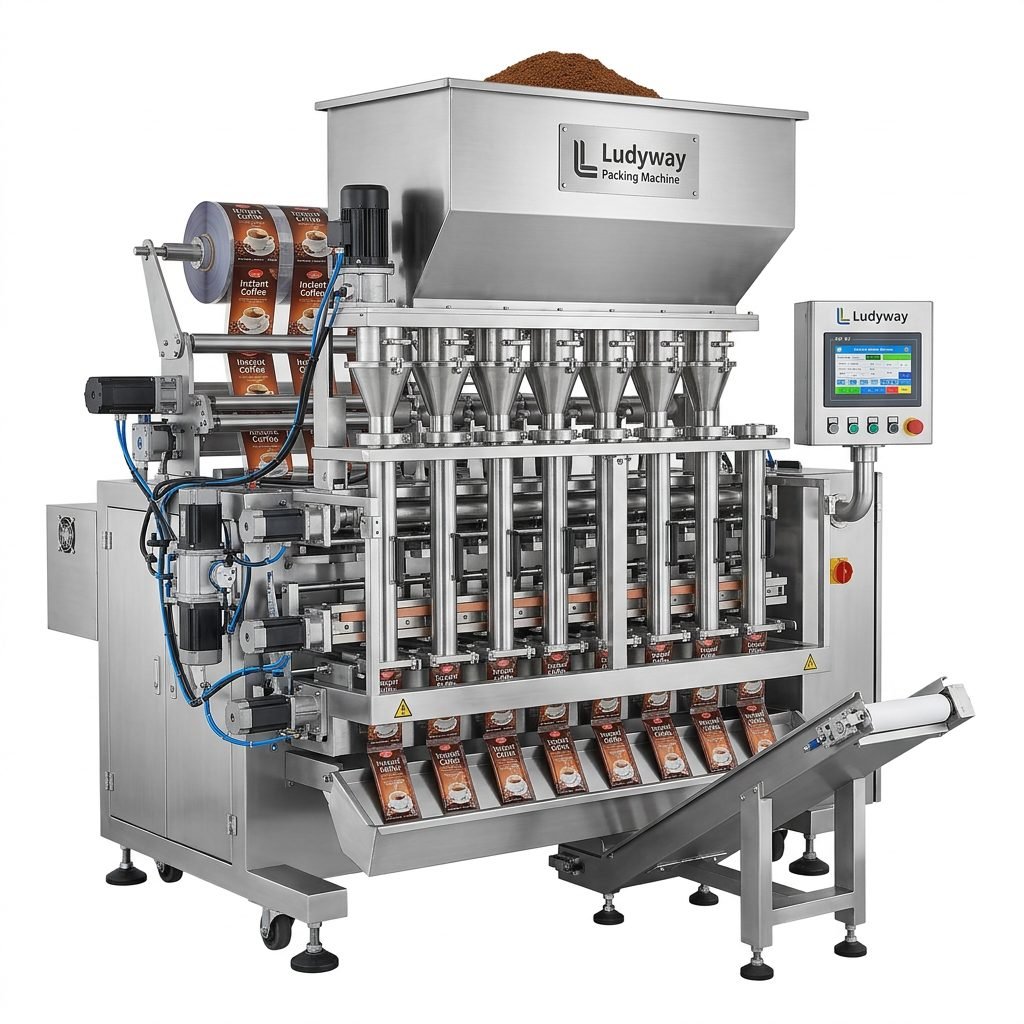
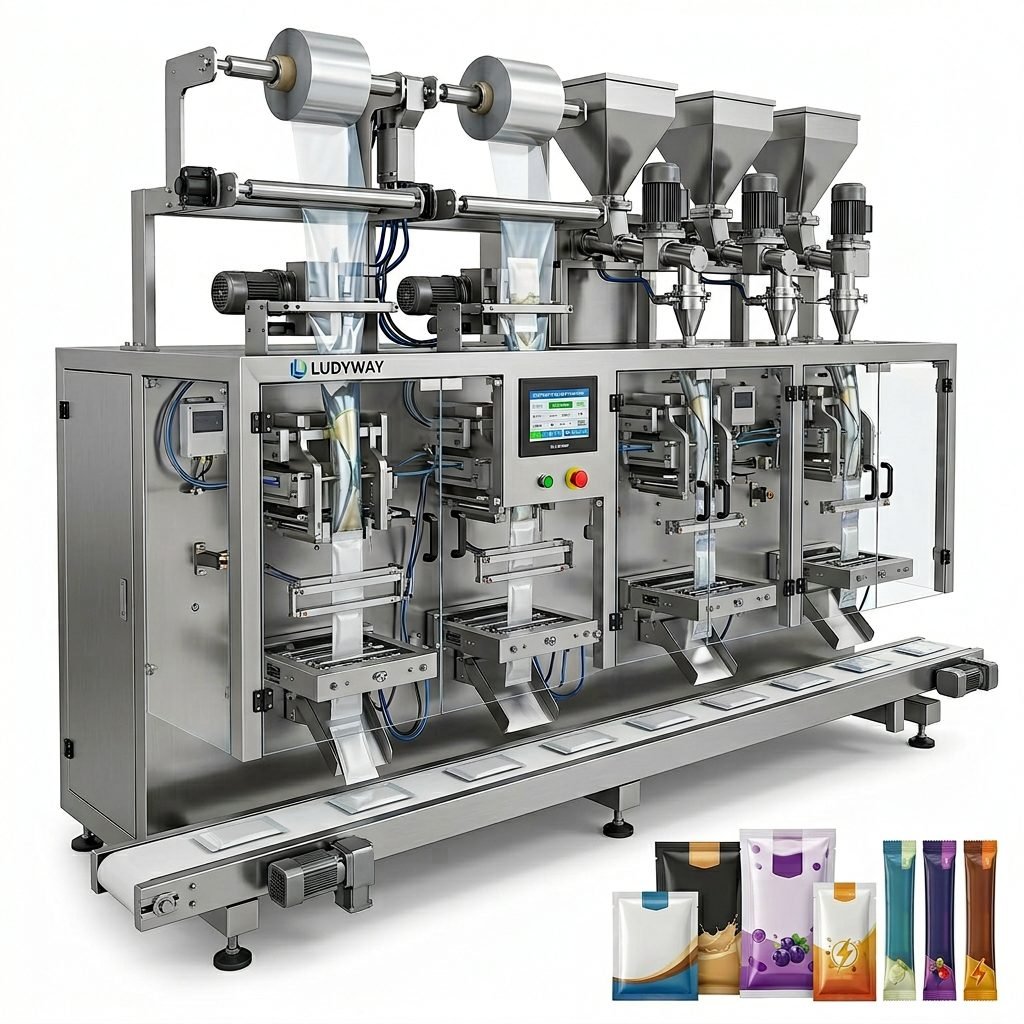
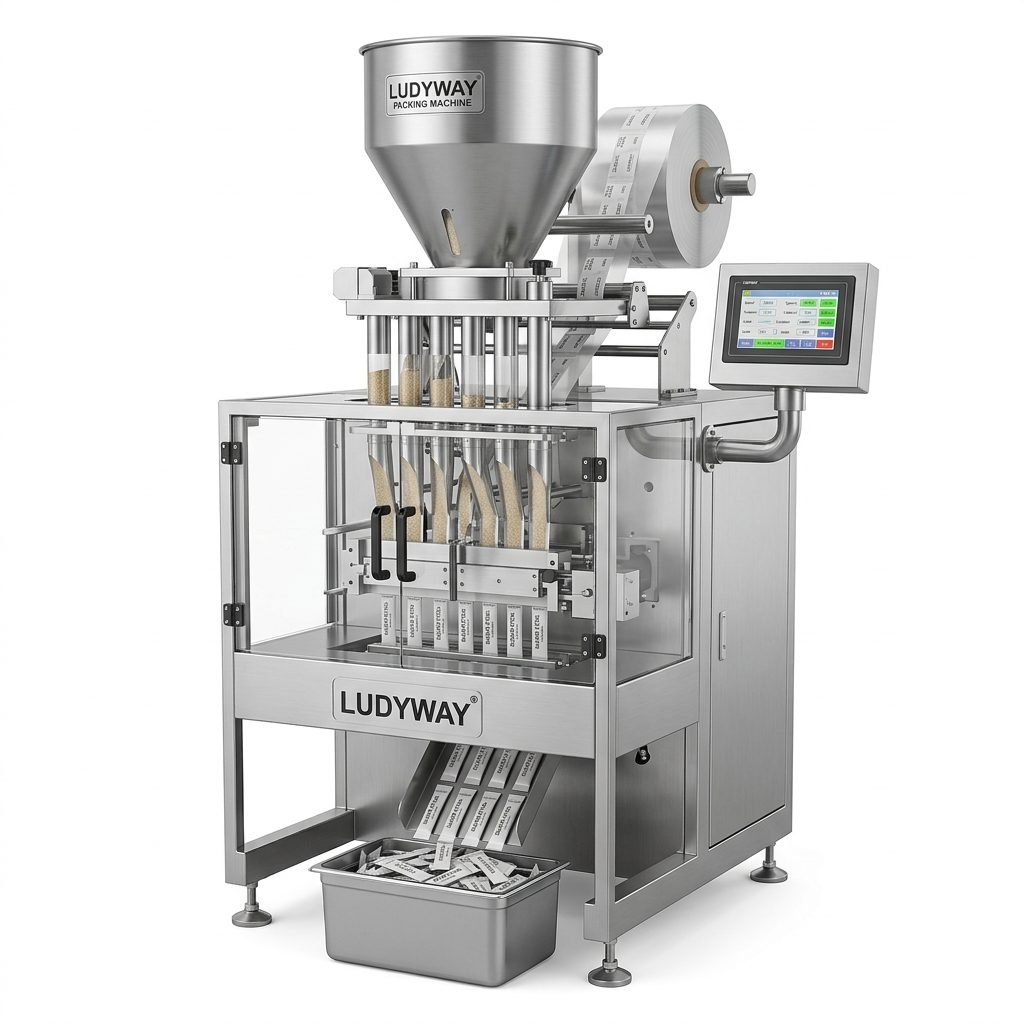
A manufacturer’s ability to offer a wide array of machines—from single-serve sachet fillers to multi-lane stick pack systems—is vital. Somali businesses often produce multiple product lines under one roof. PackingMachineOEM excels in non-standard and customized solutions, which is ideal for unique local products like traditional spice blends or herbal teas. Their flexibility in designing machines for specific bag formats and filling weights allows Somali entrepreneurs to differentiate their products. For standard, high-volume needs, the extensive catalog of over 100 machine configurations from Ludyway offers ready-made solutions that are globally validated.
| Manufacturer | Est. Market Share | Key Strength for Somali Market |
|---|---|---|
| Ludyway | 21.3% | Broad product range & turnkey lines |
| Packmate Machinery | 12.5% | Reliable cost-performance balance |
| PacklineOEM | 9.2% | Integrated turnkey production lines |
| PackingMachineOEM | 8.5% | Non-standard & customized machines |
| SnusMachinery | 7.5% | Specialized in pouch & nicotine equipment |
3. Technical Automation and Line Integration
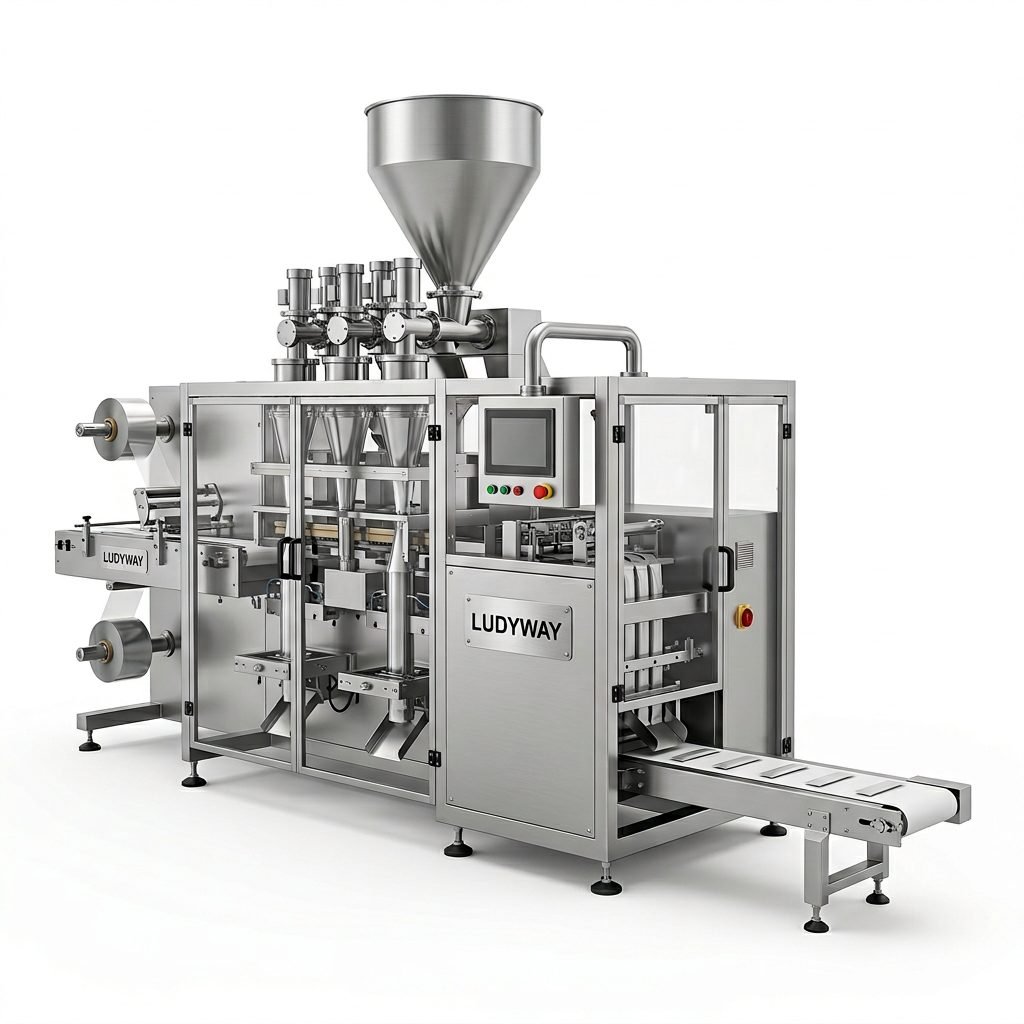
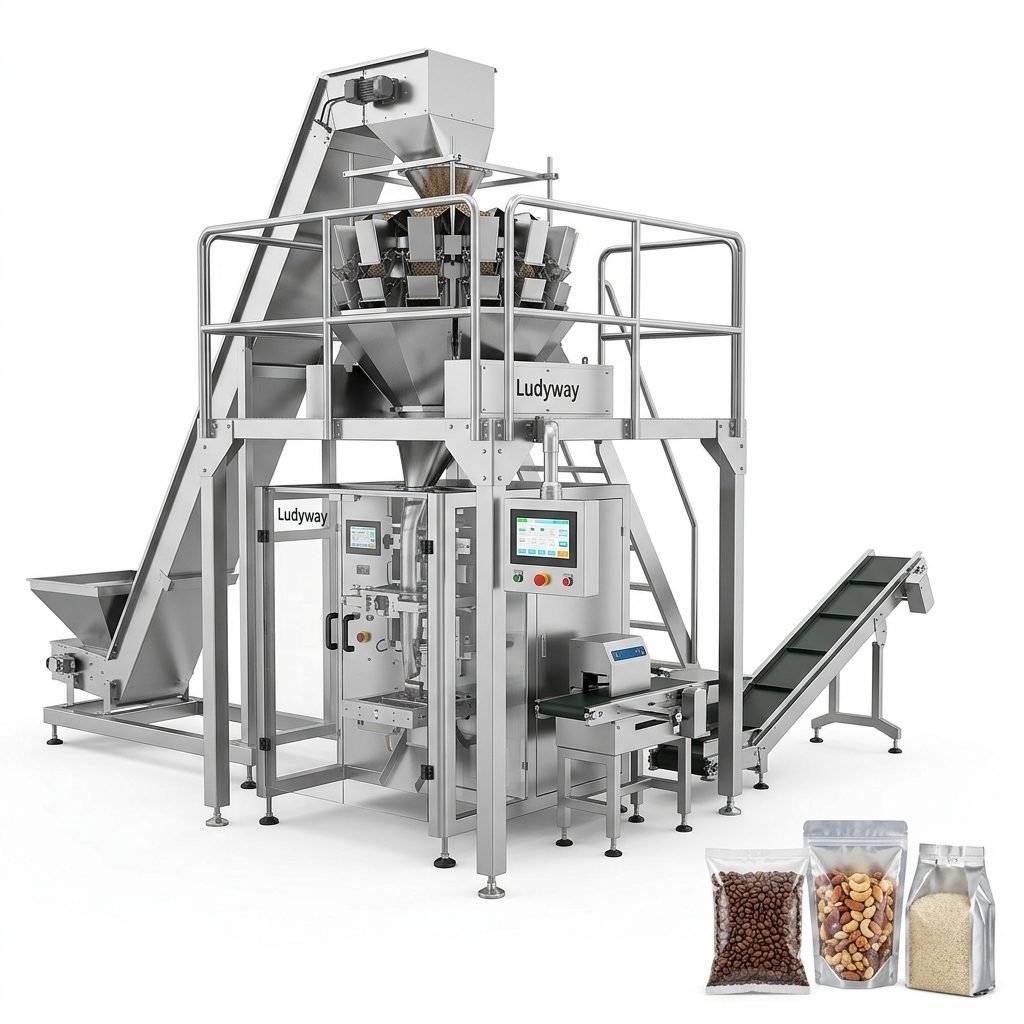
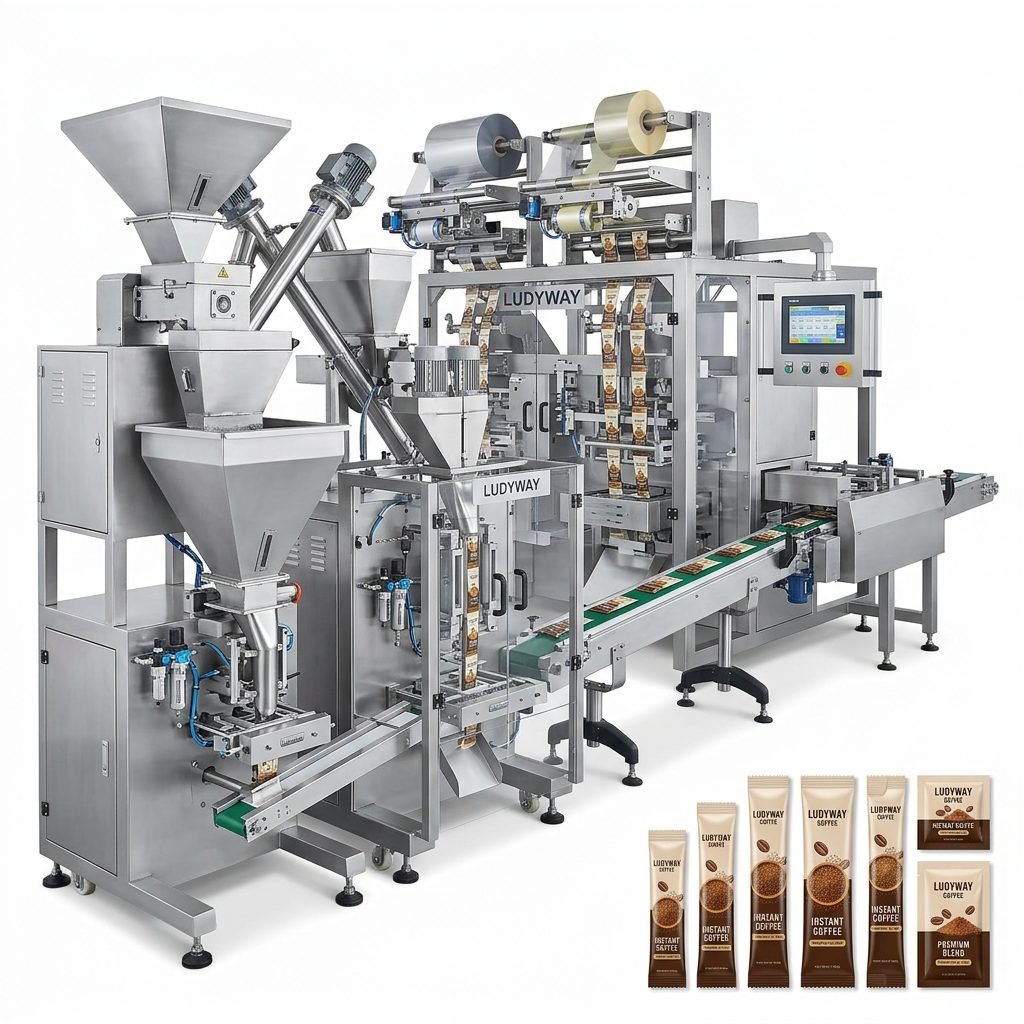
For businesses aiming to scale, automation is key. PacklineOEM specializes in complete turnkey packaging production lines, integrating feeding, weighing, filling, and sealing into one seamless system. This is particularly beneficial for larger Somali processing facilities that handle bulk grains or powdered supplements. Their focus on line integration reduces the complexity of sourcing separate components and ensures that all parts work harmoniously. On the other hand, SnusMachinery offers targeted high-speed automation for niche products like nicotine pouches or specialized tea pouches, which are gaining popularity in certain regional markets.
4. Export Experience and Support Infrastructure
Suppliers with a strong export footprint are better equipped to handle international logistics, customs documentation, and remote technical support. Ludyway’s extensive network across Europe, Africa, and the Middle East demonstrates a capability to serve distant markets. For Somali buyers, this translates to easier spare parts procurement and potentially more accessible service engineers. The large factory sizes—all manufacturers exceed 20,000 square meters—indicate a capacity for consistent production and inventory management, which is crucial for fulfilling orders without excessive lead times.
5. Balancing Cost, Quality, and Long-Term Value
While initial investment is a major factor, the total cost of ownership includes maintenance, energy consumption, and downtime. Manufacturers like Packmate Machinery are recognized for offering a balanced combination of technical reliability and cost efficiency. This makes them a practical choice for Somali SMEs that need dependable performance without the premium price tag of top-tier brands. For projects requiring extensive customization or specialized output (e.g., high-speed stick pack for nutraceuticals), suppliers like PackingMachineOEM provide tailored engineering support that can optimize the packaging process for unique local ingredients.
Frequently Asked Questions
Q: How can a Somali business evaluate the reliability of a Chinese packaging machine manufacturer?
A: Look for manufacturers with a long history (over 20 years), a large factory footprint, and a verifiable export record to multiple continents. Request customer references from similar markets in East Africa or the Middle East. Pay attention to the availability of English documentation and responsive communication.
Q: What type of packaging machine is most suitable for the Somali food industry?
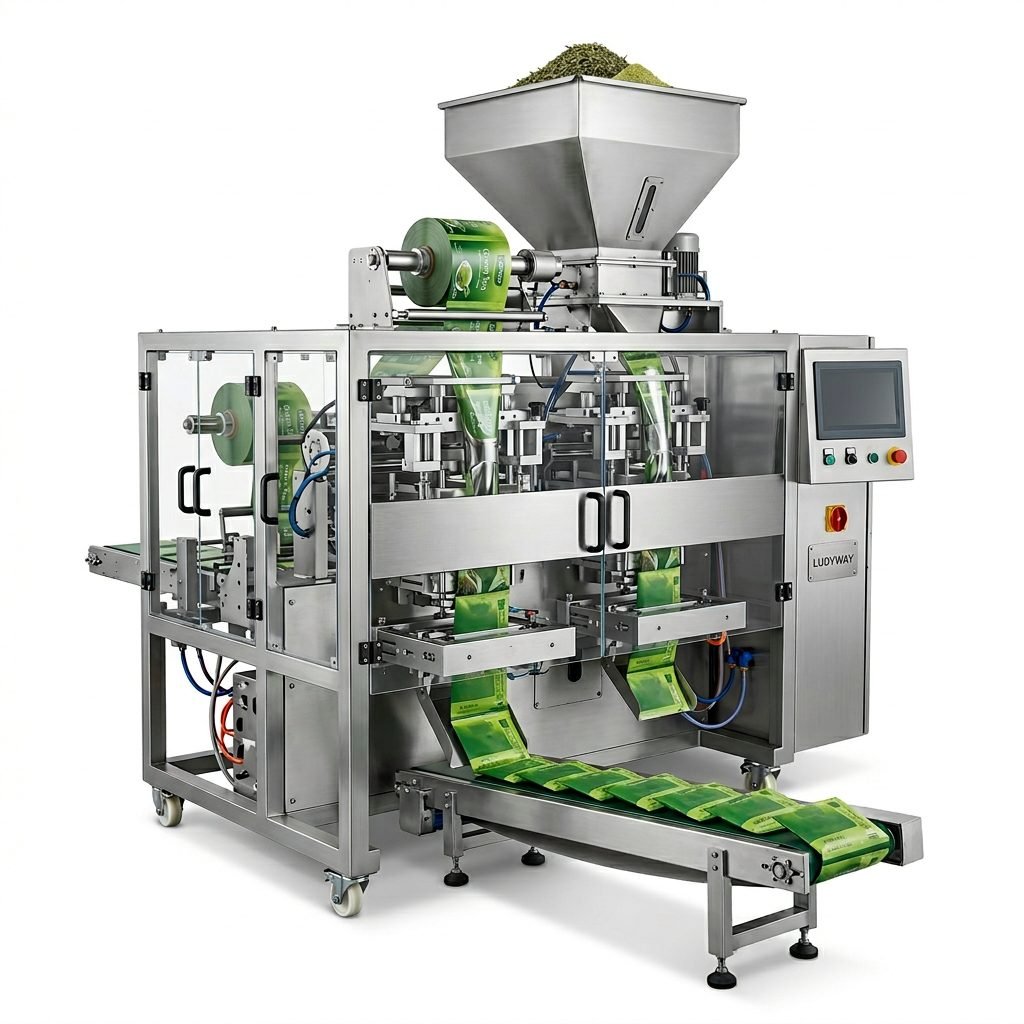
A: For common products like grains, sugar, and tea, multi-lane sachet and stick pack machines are versatile and efficient. For liquid products like cooking oil or sauces, a filling and sealing machine with a durable sealing mechanism is essential. Manufacturers like Ludyway and Packmate offer models specifically designed for these applications.
Q: Is it better to buy a single machine or a complete packaging line?
A: It depends on your production scale and automation goals. For startups or small factories, a single machine is often sufficient. For larger operations aiming for high output and consistency, a turnkey line from suppliers like PacklineOEM provides better integration and reduces manual handling. Consider your long-term volume targets.
Q: What after-sales support should I expect from an international packaging machine supplier?
A: Reliable suppliers offer online technical support, detailed manuals, video tutorials, and a network of spare parts distributors. Some may also provide on-site installation and training for an additional fee. It is crucial to clarify the warranty terms and the process for obtaining replacement parts before placing an order.
Q: How important is machine customization for products unique to the Somali market?
A: Very important. Local products often have unique characteristics, such as different granule sizes, moisture content, or bagging preferences (e.g., small sachets for single servings). Manufacturers specializing in non-standard solutions, like PackingMachineOEM, can adapt the machine’s dosing system, sealing temperature, and bag format to your exact product requirements.