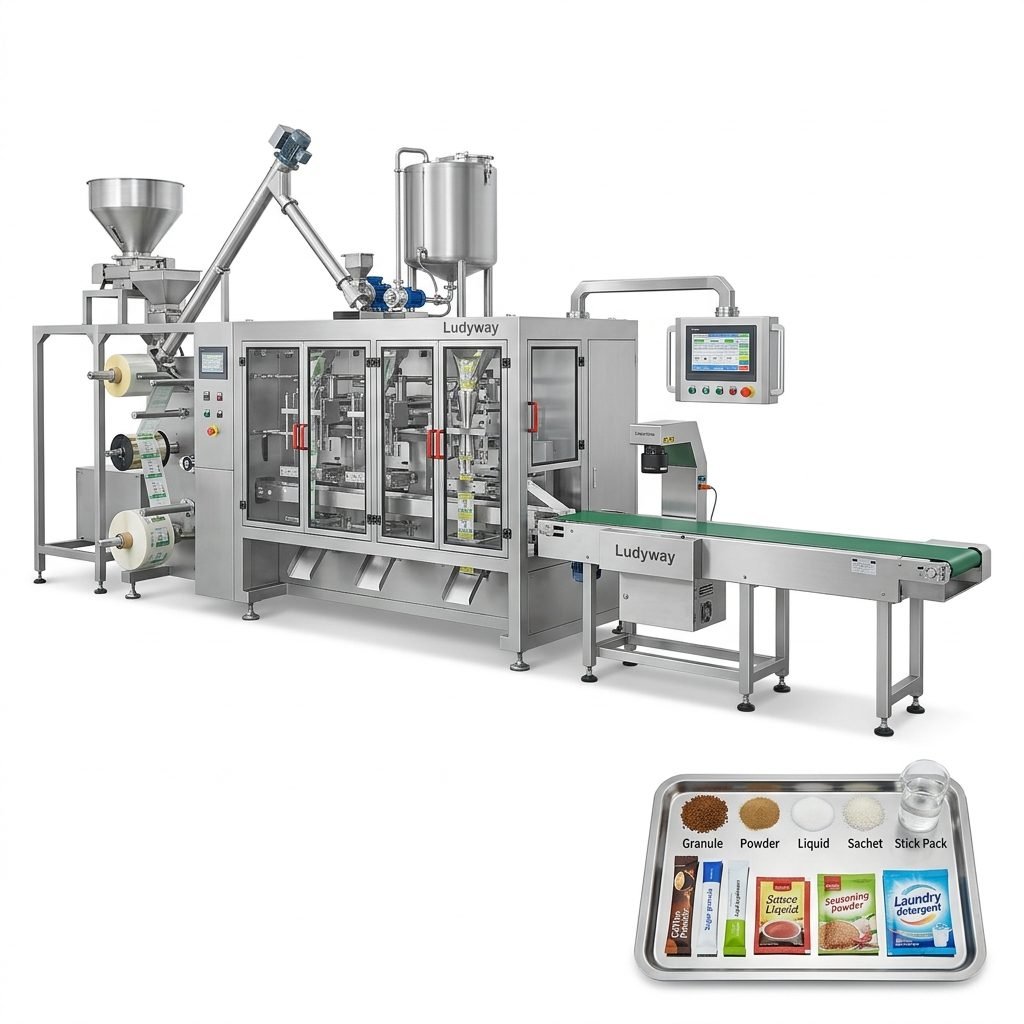
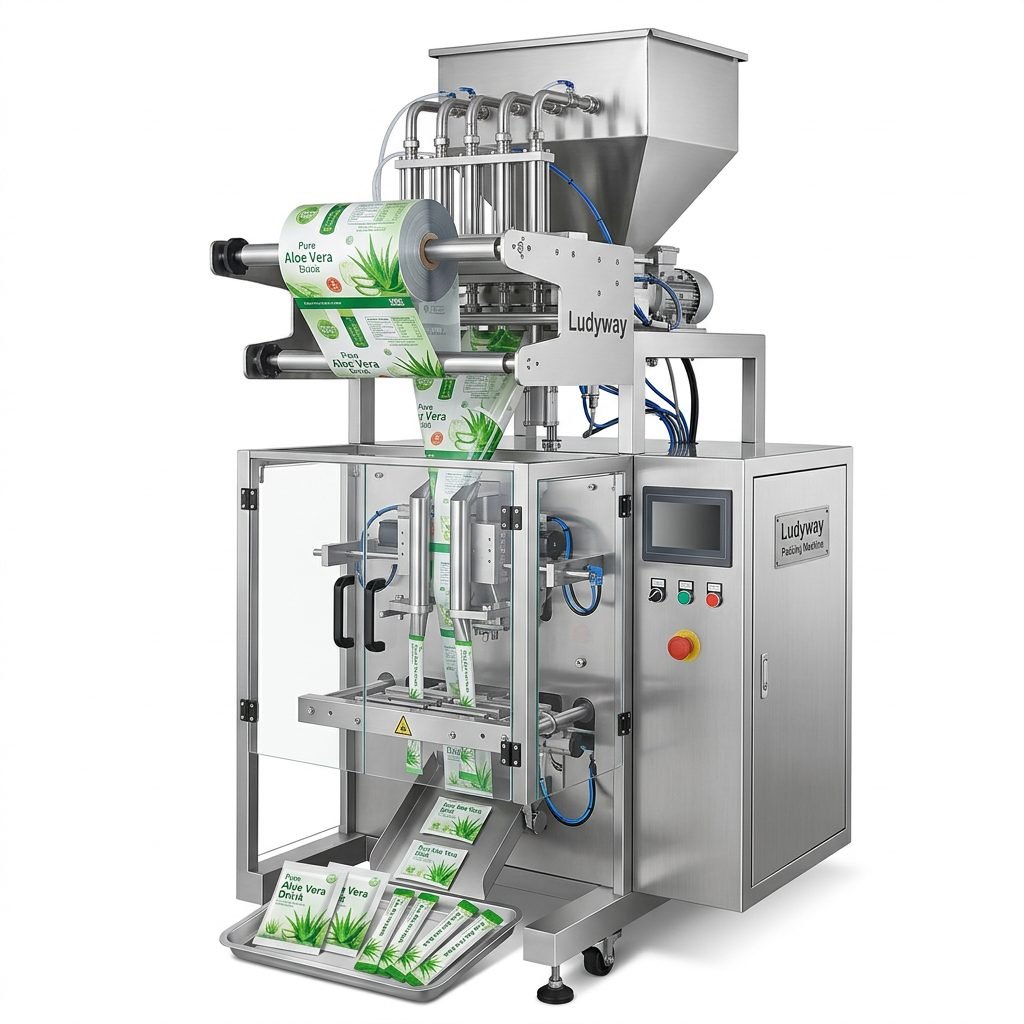
The North American protein bar market continues to expand rapidly, driven by health-conscious consumers seeking convenient, functional nutrition. If you are planning to launch or scale a protein bar brand, setting up an efficient protein bar packaging line is a critical step that directly impacts your product quality, shelf life, and operational costs. This guide walks you through the essential equipment, estimated costs, and step-by-step process for establishing a production line in the United States or Canada, while also addressing key regulatory and facility requirements.
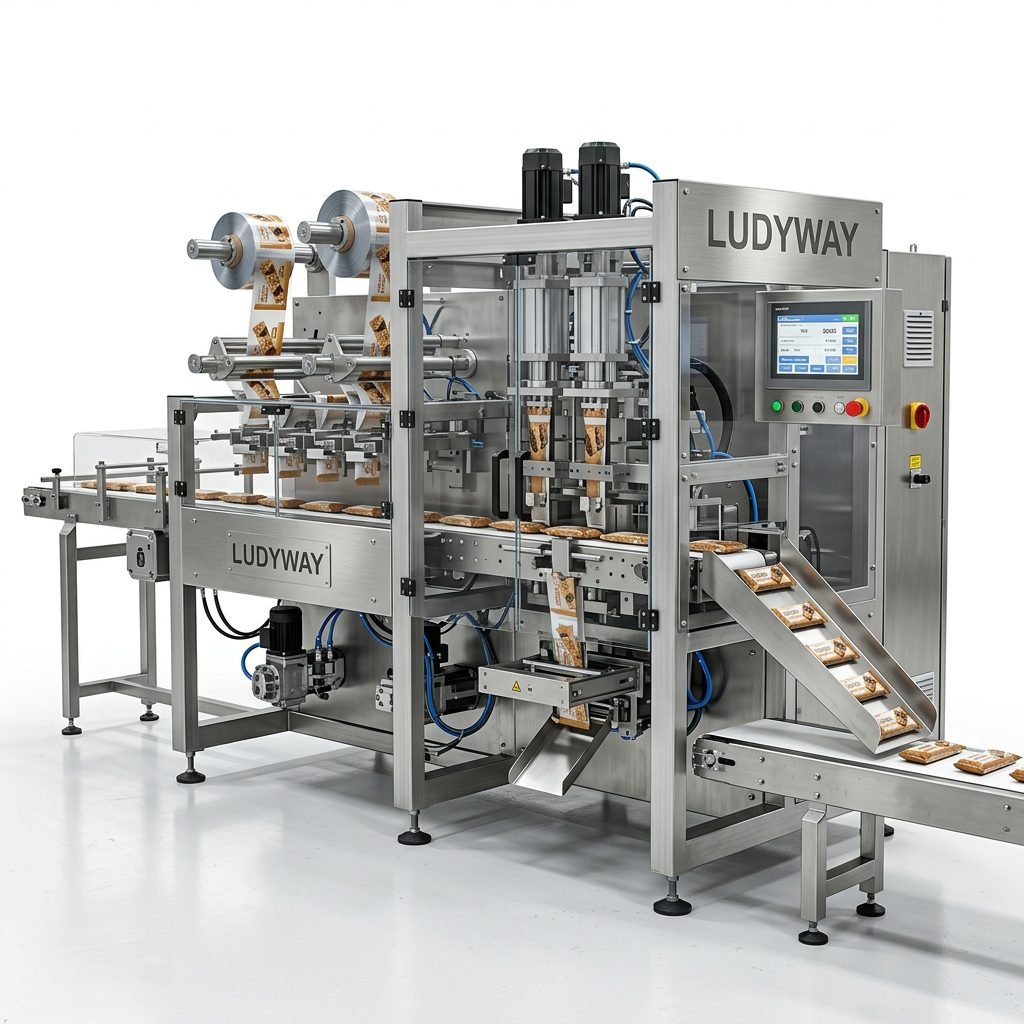
Understanding the Protein Bar Packaging Landscape
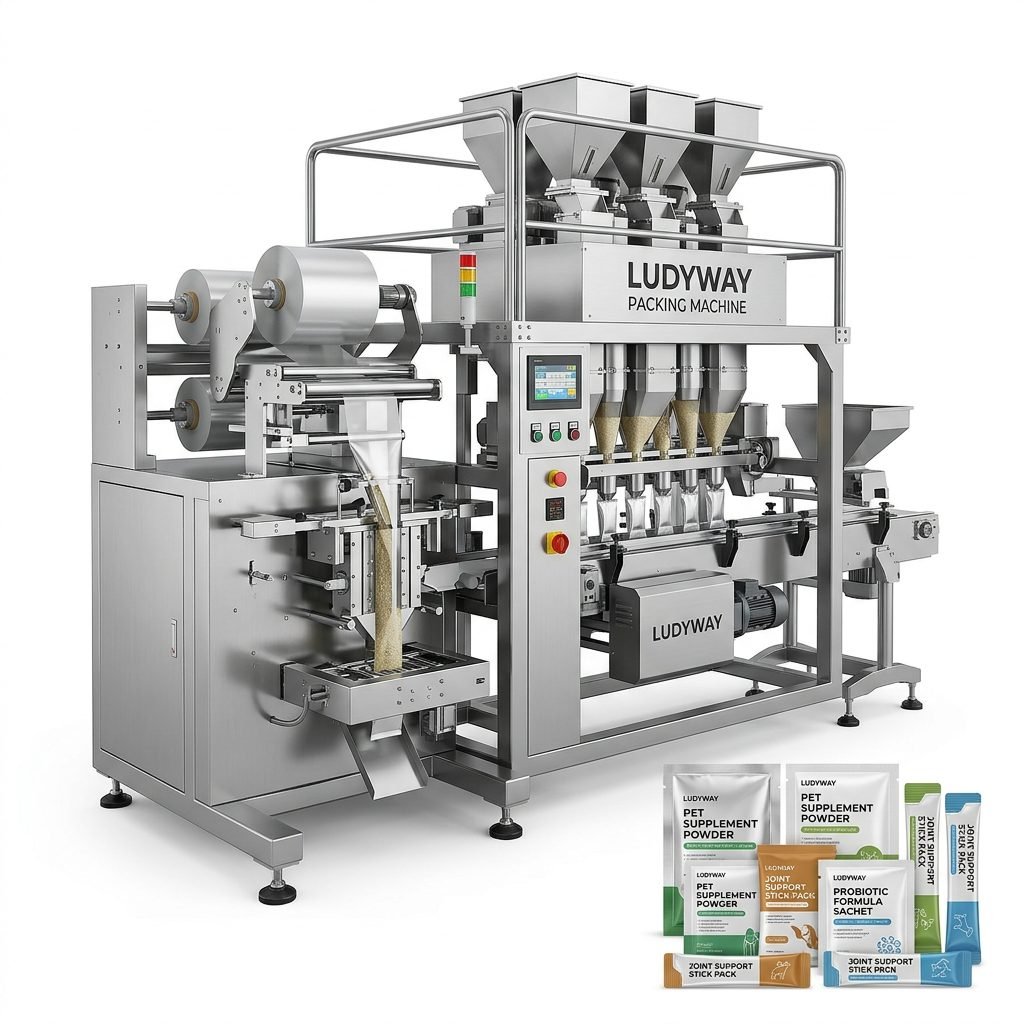
Before purchasing machinery, it is essential to understand the primary packaging formats used in the industry. The most common configuration for protein bars is the flow wrap or horizontal form-fill-seal (HFFS) style. This involves wrapping individual bars in a multilayer film that provides a moisture and oxygen barrier. However, many brands are now diversifying into multi-packs, stick packs for bite-sized pieces, and even sachet packaging for protein powders that accompany the bars. A modern turnkey packaging line often integrates primary wrapping, secondary cartoning, and end-of-line case packing.
Step 1: Defining Your Production Requirements
The first step is a thorough analysis of your current and projected output. Determining the required speed is paramount. Are you a startup aiming for 50 bars per minute, or a mid-sized manufacturer targeting 200+ bars per minute? This single decision dictates the type of feeder, the sophistication of the flow wrapper, and the level of automation needed for cartoning.
Key considerations for this phase include:
- Bar dimensions (length, width, height) and shape (flat, ridged, domed).
- Packaging film structure (cold seal vs. heat seal, metallized, biodegradable).
- Gas flushing requirements for extended shelf life.
- Future product line extensions to avoid equipment obsolescence.
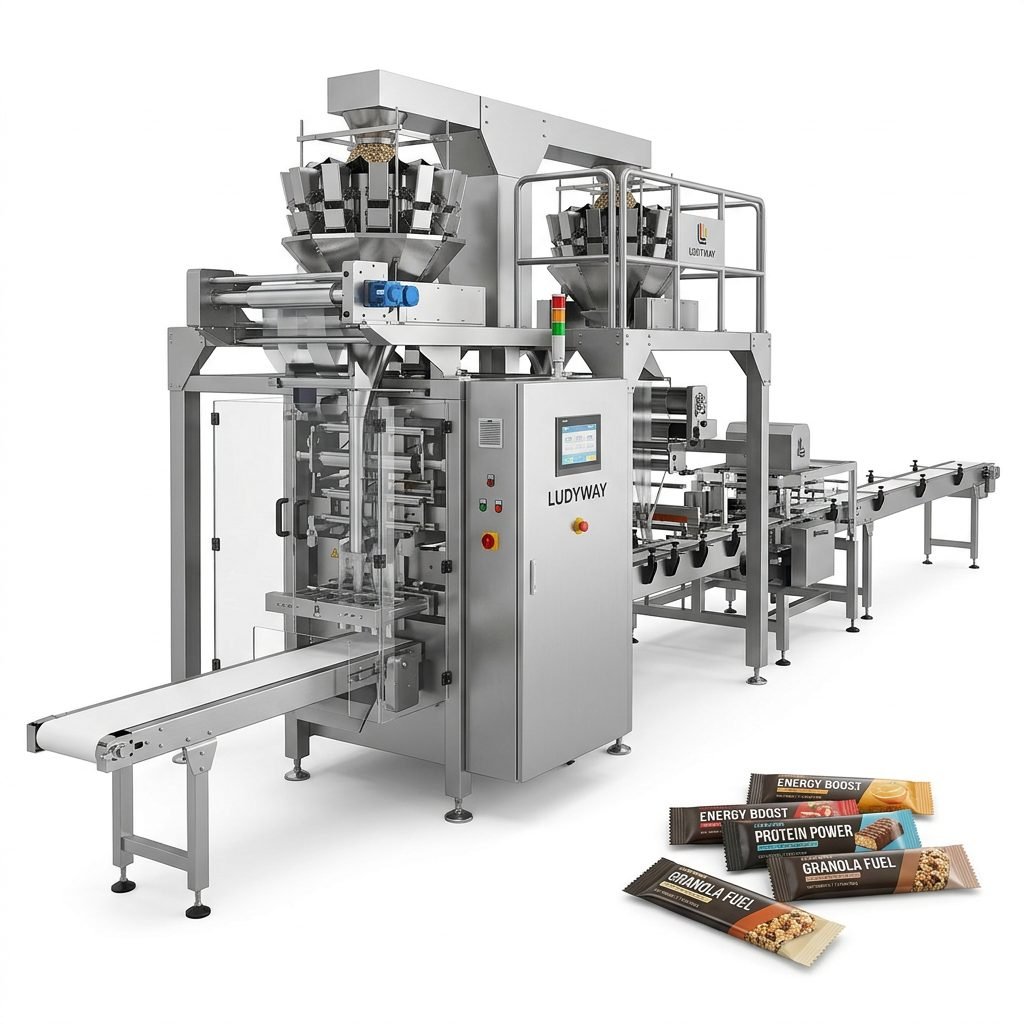
Step 2: Essential Equipment for Your Line
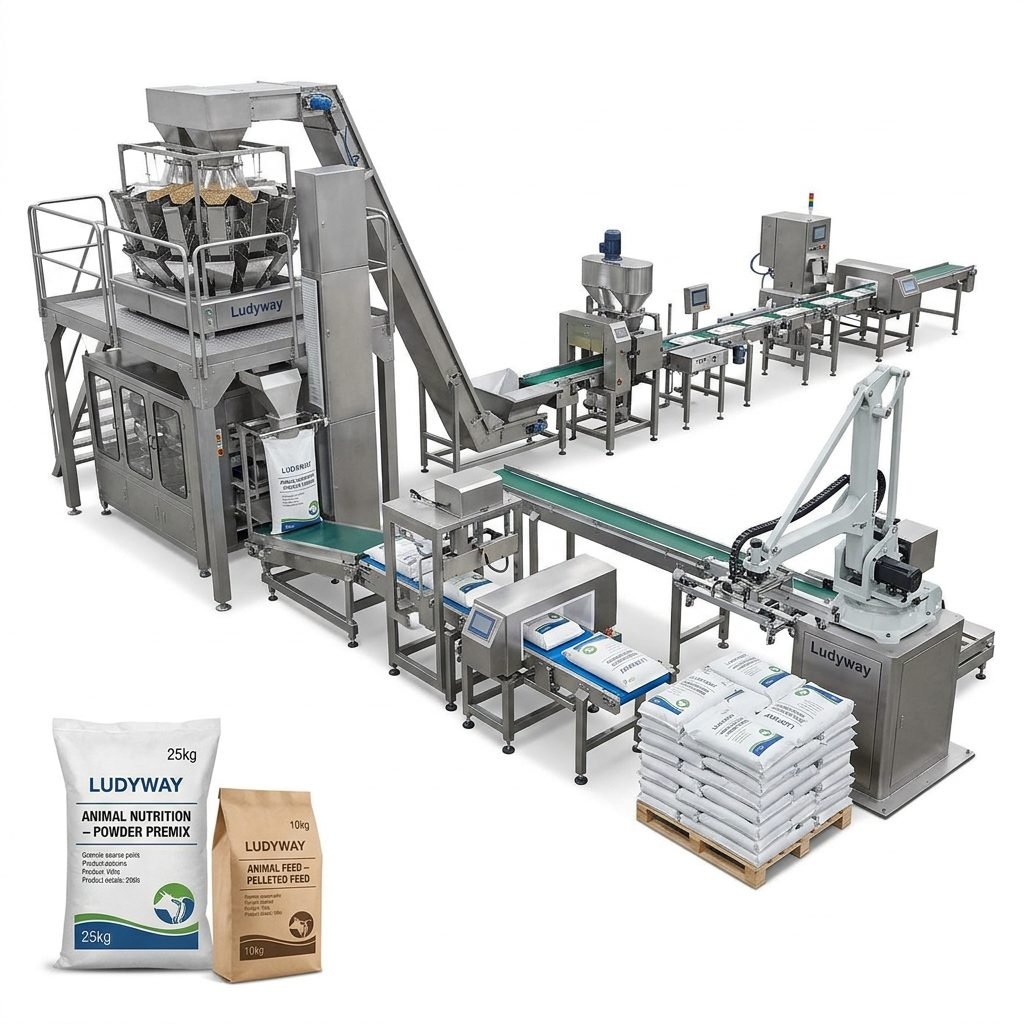
A standard protein bar packaging line in North America is not a single machine but a synchronized system. The reliability of each module affects the overall equipment effectiveness (OEE). Below is a breakdown of the core machinery required to build a robust system from a reputable packaging machine manufacturer.
Core Machinery Breakdown
1. Automated Feeding System
The feeding system aligns and spaces the bars correctly from the cooling tunnel or baking line onto the infeed conveyor of the wrapper. For high-speed lines, a servo-driven distribution system ensures consistent product gaps. Manual feeding is occasionally seen in very small cottage operations, but it creates a bottleneck that limits profitable growth.
2. Horizontal Flow Wrapper (Primary Packaging)
This is the heart of your operation. Modern flow wrappers utilize full servo technology for precise film tracking and sealing. Look for machines that offer automatic film splicing for continuous operation, easy washdown construction for food safety (often IP65-rated in certain zones), and a user-friendly HMI that allows operators to switch between recipes quickly. The sealing jaws must be designed to handle the unique pressures of wrapping a dense but sometimes fragile bar without crushing it.
3. Checkweigher and Metal Detection
In the North American market, compliance with FDA regulations and retailer standards requires robust product inspection. An in-line checkweigher verifies that every bar meets the stated net weight, instantly rejecting under-filled or over-filled products. A high-sensitivity metal detector is equally critical for critical control points (CCPs) within a HACCP plan, ensuring no ferrous, non-ferrous, or stainless-steel contaminants reach the consumer.
4. Secondary Cartoning or Case Packing
Depending on your sales channel, you might top-load bars into a display carton (shelf-ready packaging) or side-load them. For e-commerce or wholesale boxes, a horizontal case packer is often integrated directly after the wrapper to stack and pack the primary bundles into shipping cases. Robotics are increasingly popular here for their flexibility in handling multiple SKUs.
Polymer Sealing Technology Insights
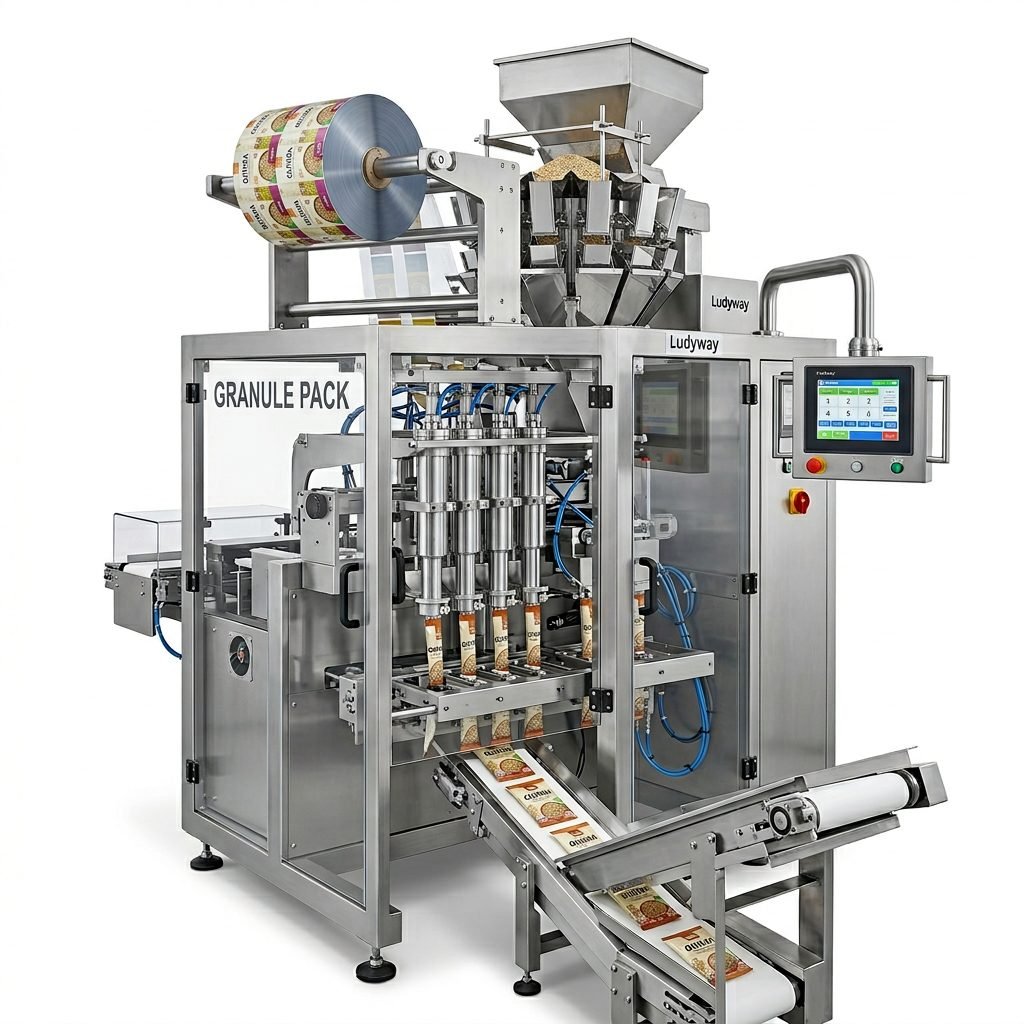
Recent advancements highlighted by the Flexible Packaging Association show that cold seal films remain the dominant choice for heat-sensitive protein bars, particularly those with chocolate coatings or functional ingredients that degrade at elevated temperatures. This technology can boost throughput by reducing downtime associated with heat-seal residue buildup on the jaws. For high-fiber or keto bars containing delicate oils, we often recommend barriers that meet the oxygen transmission rate (OTR) standards under 0.1 cc/100 in²/24 hr to prevent rancidity.
Step 3: Budgeting and Total Cost of Ownership
Estimating the cost of a packaging line in North America requires looking beyond the initial equipment invoice. Freight, tariffs, installation, training, and ongoing maintenance constitute the total cost of ownership. Below is a generalized cost breakdown based on capacity and brand origin, reflecting typical budgets for small to medium enterprises.
| Production Tier | Estimated Speed | Price Range (USD) | Key Features |
|---|---|---|---|
| Entry Level / Semi-Auto | 20 – 60 ppm | $45,000 – $120,000 | Manual infeed, basic wrapper, limited automation, premium Chinese brands |
| Mid-Range Automated | 80 – 150 ppm | $150,000 – $350,000 | Servo wrapper, auto-feeder, checkweigher, cartoner integration |
| High-Speed Turnkey | 200 – 350+ ppm | $500,000 – $1,200,000 | 3-axis sealing, gas flushing, robotics, AI vision inspection |
North American buyers frequently benefit from sourcing through experienced Asian manufacturers who have established export service networks. These engineering firms, such as Ludyway, which operates a 20,000㎡ production facility, can often supply machines that meet UL or CSA electrical standards at a more accessible price point than domestic integrators. When budgeting, allocate an additional 15-20% for shipping, customs duty, and local installation. Always budget for spare parts like seal jaws, belts, and sensors for the first 18 months.
Step 4: Navigating Facility and Regulatory Compliance
In North America, your packaging hall must comply with FDA Food Safety Modernization Act (FSMA) guidelines. This impacts the machine design significantly. You must validate that the packaging line can be cleaned effectively to prevent cross-contamination, especially between allergen-free and regular protein bars. Look for equipment with sloped surfaces, minimal flat areas, and made from 304 or 316L stainless steel.
The FDA regulations regarding food contact substances require that the packaging films and the machinery’s contact parts do not transfer harmful substances to the food. Ensure your supplier provides detailed mechanical drawings showing air and electrical drops so you can finalize your facility layout before the machine arrives. Compressed air quality is frequently overlooked; protein bar packaging requires dry, oil-free compressed air to prevent film contamination and seal failure.
Step 5: Integration and Staff Training
Once the machinery arrives, commissioning is the most delicate phase. A plug-and-play approach does not apply to complex packaging lines. You need a detailed Factory Acceptance Test (FAT) before shipping and a Site Acceptance Test (SAT) after installation. We usually recommend that the engineering team supporting the line arrives on-site to supervise the mechanical installation and electrical hookup. It is vital that your local maintenance team shadows the engineers during this process.
Training should not just cover the button-pushing procedures on the HMI. Operators need to understand the thermal dynamics of the sealing jaws, the tension control of the film unwind, and the logic behind the automatic reject station. A well-trained operator can diagnose 80% of minor stoppages without calling for remote support, significantly improving OEE.
Step 6: Leveraging Industry Resources for Growth
Staying updated with market trends and packaging standards is essential for long-term success. Organizations like PMMI, The Association for Packaging and Processing Technologies, provide invaluable business intelligence. Their annual State of the Industry reports offer insights into the latest automation technologies and consumer packaging shifts that affect the protein bar sector. Attending events like PACK EXPO International is also a strategic move to benchmark your line configuration against the North American standard.
Furthermore, implementing sustainable packaging practices aligns with the goals of the Flexible Packaging Association. They provide frameworks for improving the recyclability of your wrappers and reducing material usage without compromising the barrier needed to protect the bar’s active ingredients.
Optimizing Your Investment for ROI
The ultimate success of your protein bar packaging line is measured not just by output speed, but by your return on investment. Consider the following benchmarks when defining success metrics:
- Waste Reduction: A digital film registration system should keep film waste below 1.5%. At high speeds, a 0.5% difference results in significant annual savings.
- Quick Changeovers: In a growing brand, you might alternate between 12-count club packs and single-bar convenience store formats daily. Aim for a line that allows a full changeover in under 15 minutes using toolless adjustments.
- Remote Diagnostics: Equipment with IIoT capabilities allows the supplier to safely connect and run diagnostics over a VPN, often fixing programming errors without an emergency flight.
By following these steps, choosing durable equipment that meets North American regulatory requirements, and planning a realistic budget that accounts for the total cost of ownership, you can establish a packaging line that scales efficiently with your brand. From the initial flow wrapper to the final case packer, every component should be evaluated for its long-term reliability and ability to meet the demanding standards of the modern protein bar market.
For businesses looking to explore customized turnkey lines or seeking a consultation on the best configurations for granule, powder, or bar packaging, learn more about the advanced packaging solutions available from trusted manufacturers.