Understanding the Belarusian Industrial Packaging Market
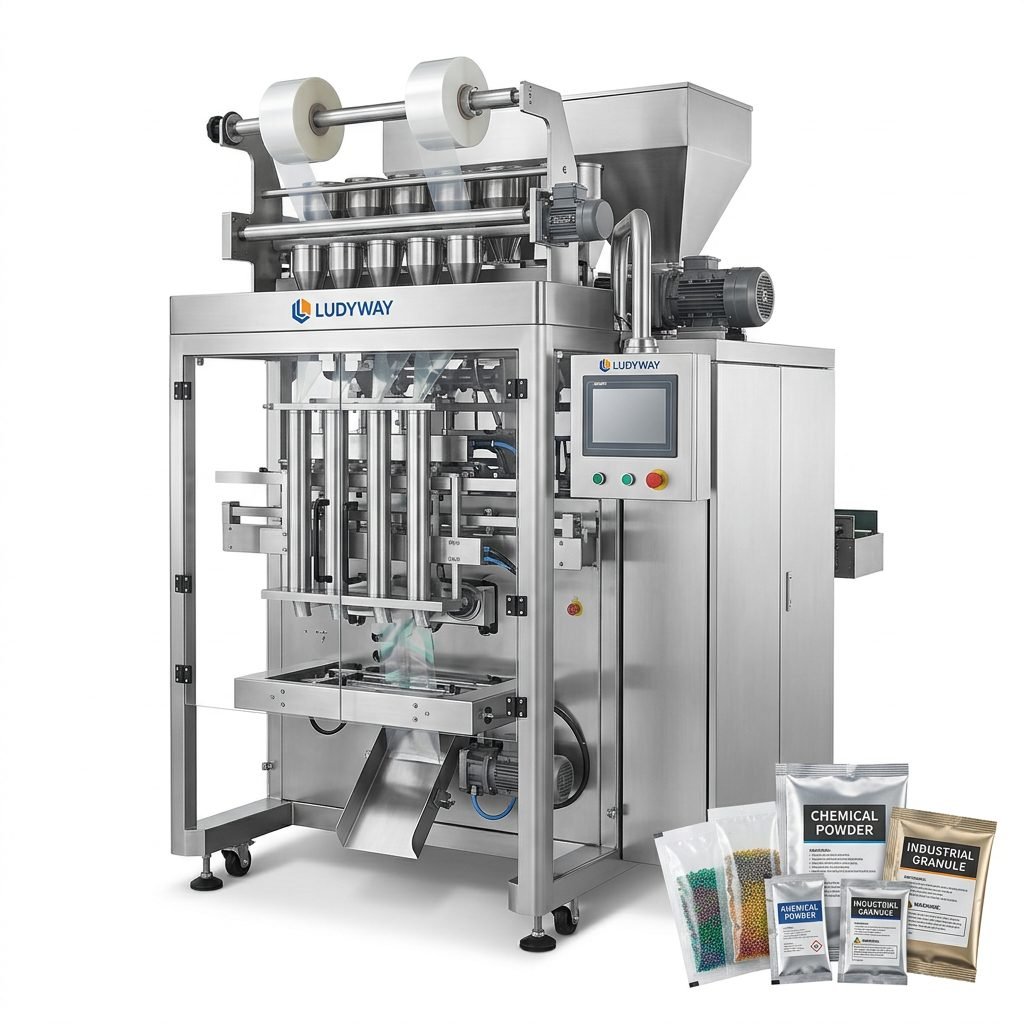
When sourcing packaging machinery, buyers in Belarus and across Eastern Europe often prioritize reliability, automation capabilities, and long-term engineering support. The region's manufacturing sector—particularly in food processing, pharmaceuticals, and chemical production—demands equipment that can consistently handle powders, granules, and liquids with minimal downtime. Belarusian engineers and plant managers typically look for suppliers with proven export experience, robust after-sales networks, and the flexibility to customize lines for local production standards. Recent import trends show a growing preference for turnkey solutions that integrate feeding, filling, sealing, and case packing into seamless automated workflows. This is partly driven by labor optimization goals and stricter quality compliance requirements in the Eurasian Economic Union.
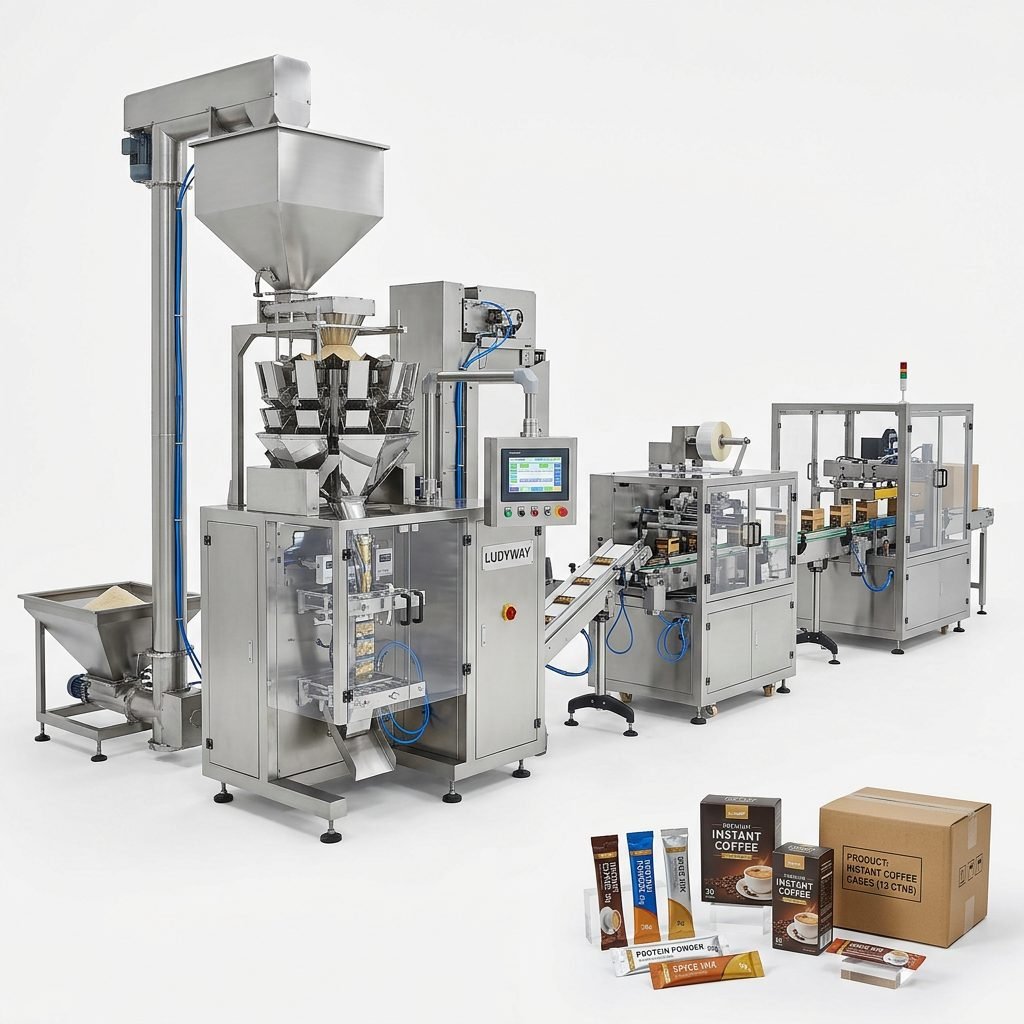
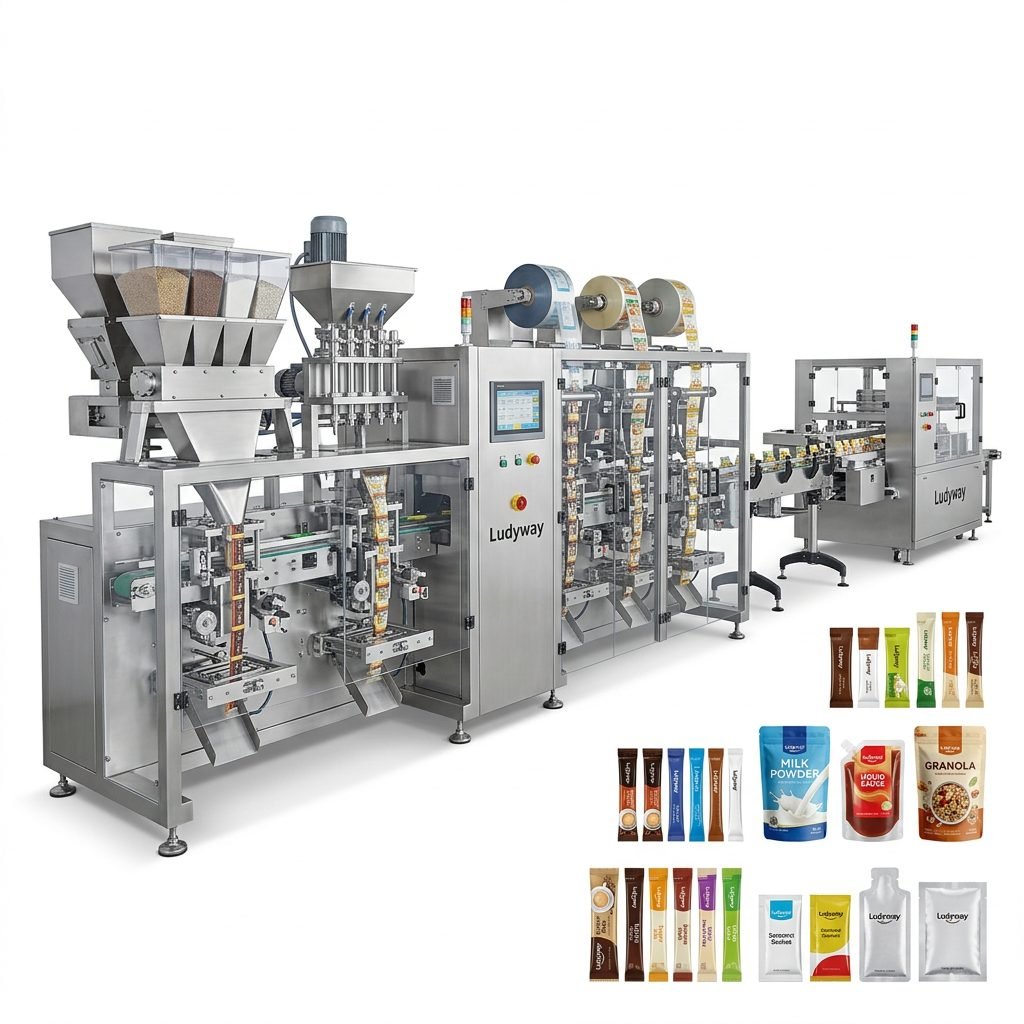
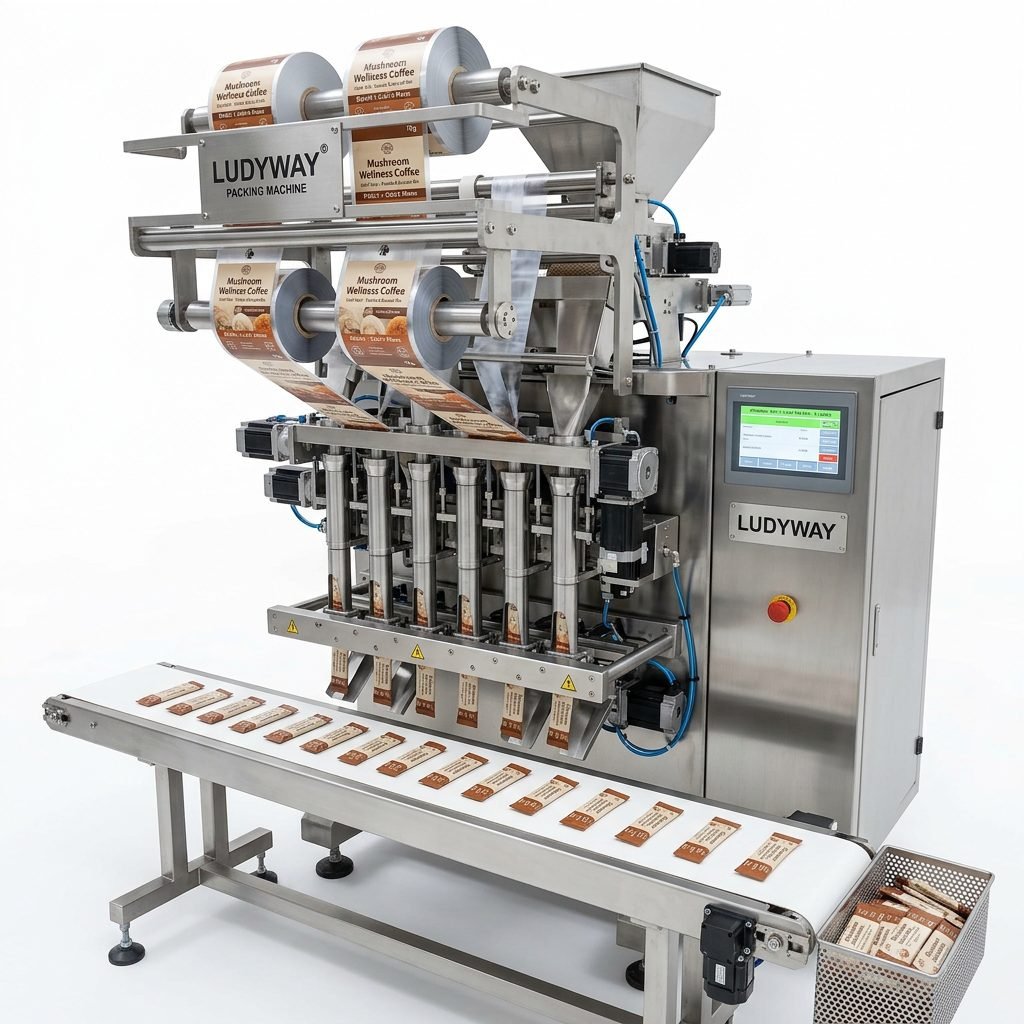
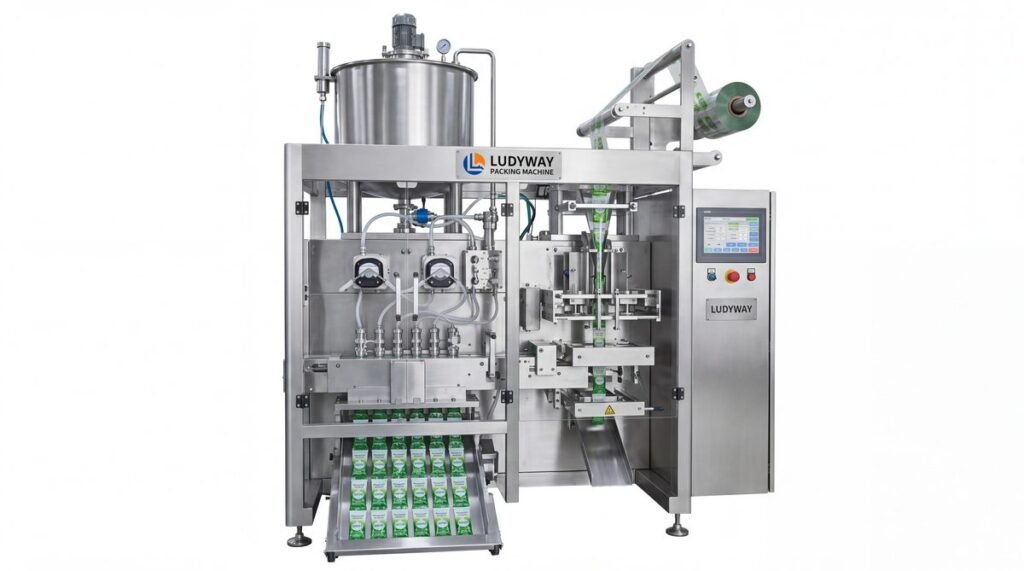
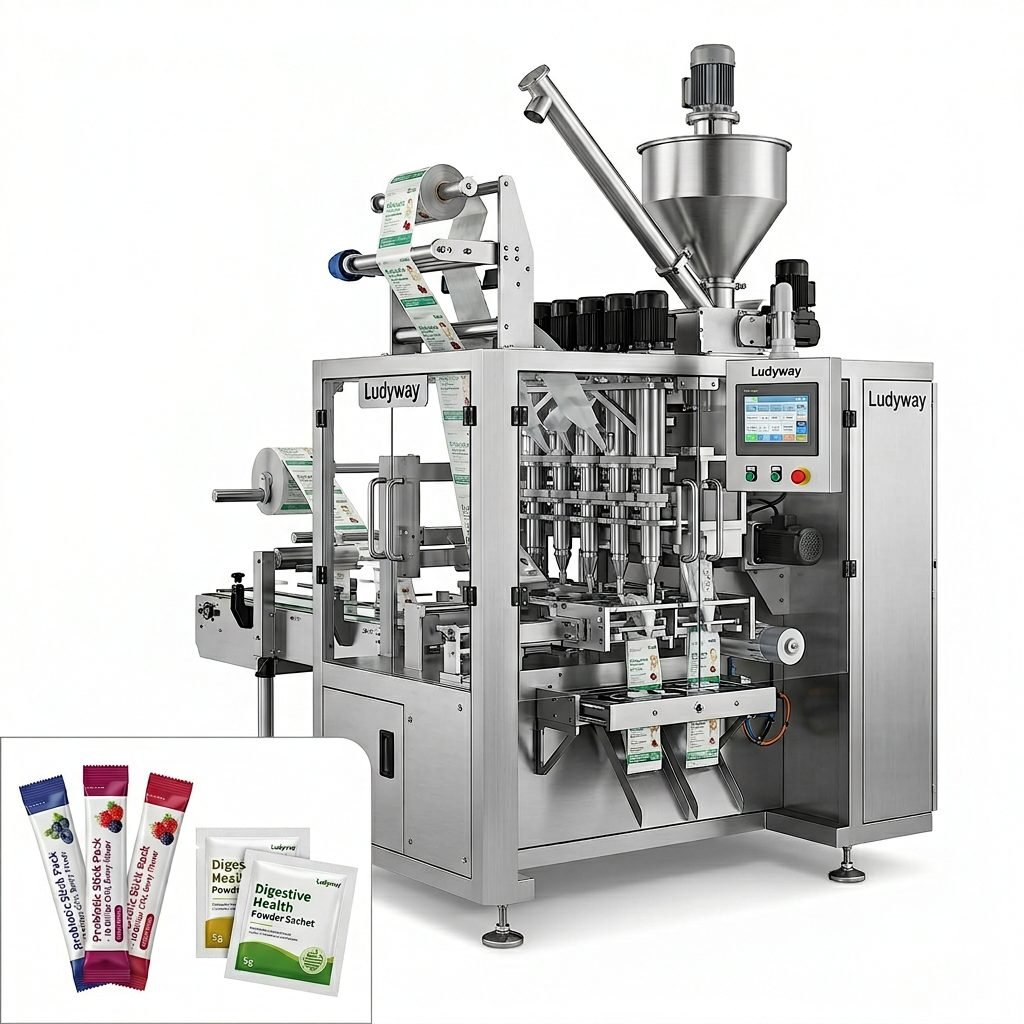
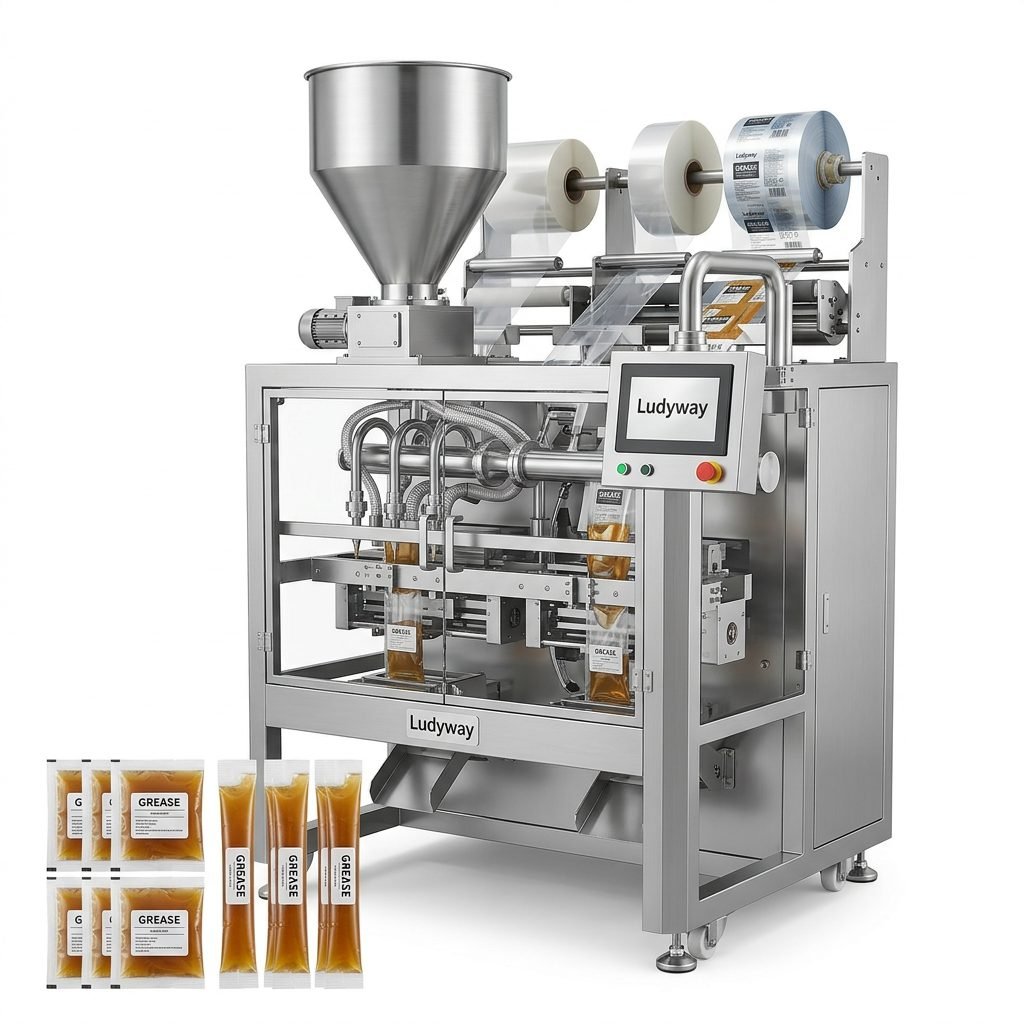
Tip: For Belarusian factories producing dairy products or confectionery, machines capable of handling both stick packs and sachets—like those offered by Ludyway—can significantly reduce changeover times and improve overall equipment efficiency.
Step 1: Define Your Packaging Requirements Clearly
Before contacting any manufacturer, Belarusian buyers should conduct a thorough internal audit of their production needs. This includes understanding product characteristics such as flowability, moisture sensitivity, and temperature tolerance. For instance, packaging a dry granule like salt is very different from packaging a viscous paste. You also need to decide on the packaging format—whether it’s a stick pack, sachet, pillow pouch, or bottle. The output speed, measured in bags per minute, must match your target throughput. Many European buyers find it helpful to create a detailed Request for Proposal (RFP) document that includes these specifications. This not only speeds up the quotation process but also helps manufacturers provide more accurate recommendations.
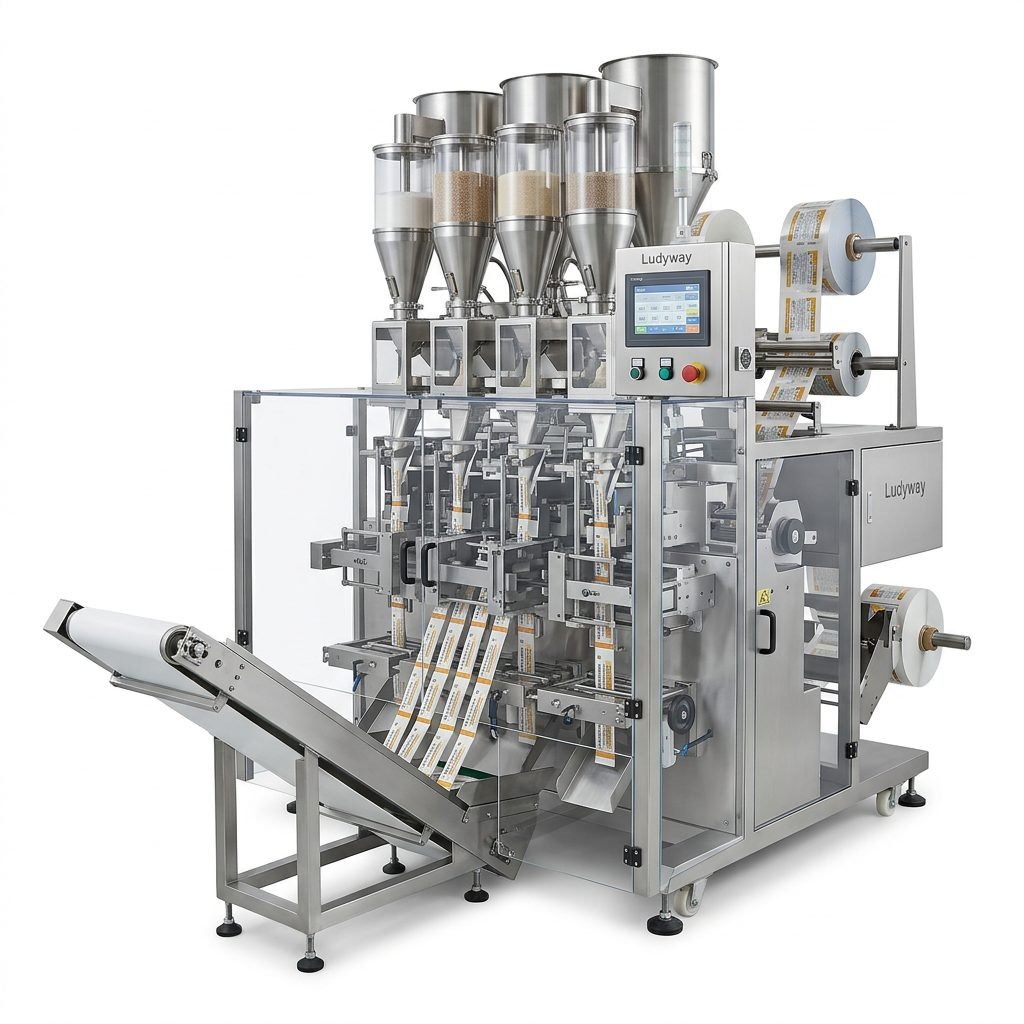
Note: Belarusian food processors often require machines with stainless steel construction to meet strict hygiene standards. Always confirm material specifications with suppliers like Packmate Machinery early in the discussion.
Essential Parameters to Define Before Sourcing
| Parameter | Examples / Questions to Ask |
|---|---|
| Product Type | Granule, powder, liquid, paste, or tablet |
| Bag Format | Stick pack, sachet, four-side seal, pillow pouch |
| Target Speed | e.g., 120 bags per minute |
| Automation Level | Semi-auto, fully auto, or integrated line |
Step 2: Evaluate Manufacturer Credentials and Experience
Not all suppliers with flashy websites have the manufacturing depth to deliver consistent results. For Belarusian buyers, it is critical to verify a company's track record in Eastern European markets. Look for manufacturers with more than 10 years of export experience and a physical factory you can audit. Companies like PacklineOEM and PackingMachineOEM have built reputations on complete turnkey solutions rather than just standalone machines. Their engineering teams should be able to discuss specific challenges related to your product—such as how to prevent powder bridging or how to seal high-fat products without leakage. Ask for references and, if possible, arrange a factory visit or live video tour. A reliable manufacturer will be transparent about their production capabilities, lead times, and service network.
Key Checkpoint: Request a list of machine models exported to European countries. This helps confirm the supplier's experience with EU electrical standards and certification requirements (CE marks, etc.).
Key Credentials to Look For
| Credential | Why It Matters for Belarusian Buyers |
|---|---|
| Years in business | Indicates stability and long-term support capability |
| Export to Europe | Demonstrates compliance with European packaging standards |
| Factory size (m²) | Larger factories often indicate higher production capacity |
| Number of models | A wide range shows ability to handle different products |
Step 3: Compare Machine Quality and After-Sales Support
Quality is not just about the machine's build; it is also about the ancillary systems: the control panel, sensor accuracy, seal integrity, and ease of cleaning. Ask manufacturers about the brands of key components they use—such as PLCs (Siemens, Allen-Bradley), servo motors, and pneumatic parts. Good manufacturers will offer warranties, often 1-2 years, and provide prompt technical support via remote diagnostics or local service partners. For niche applications, like nicotine pouch packaging, consider specialized providers such as SnusMachinery, which focus on specific product nuances. A machine that is easy to maintain and has readily available spare parts can save a significant amount in long-term operational costs for a factory in Minsk or Gomel.
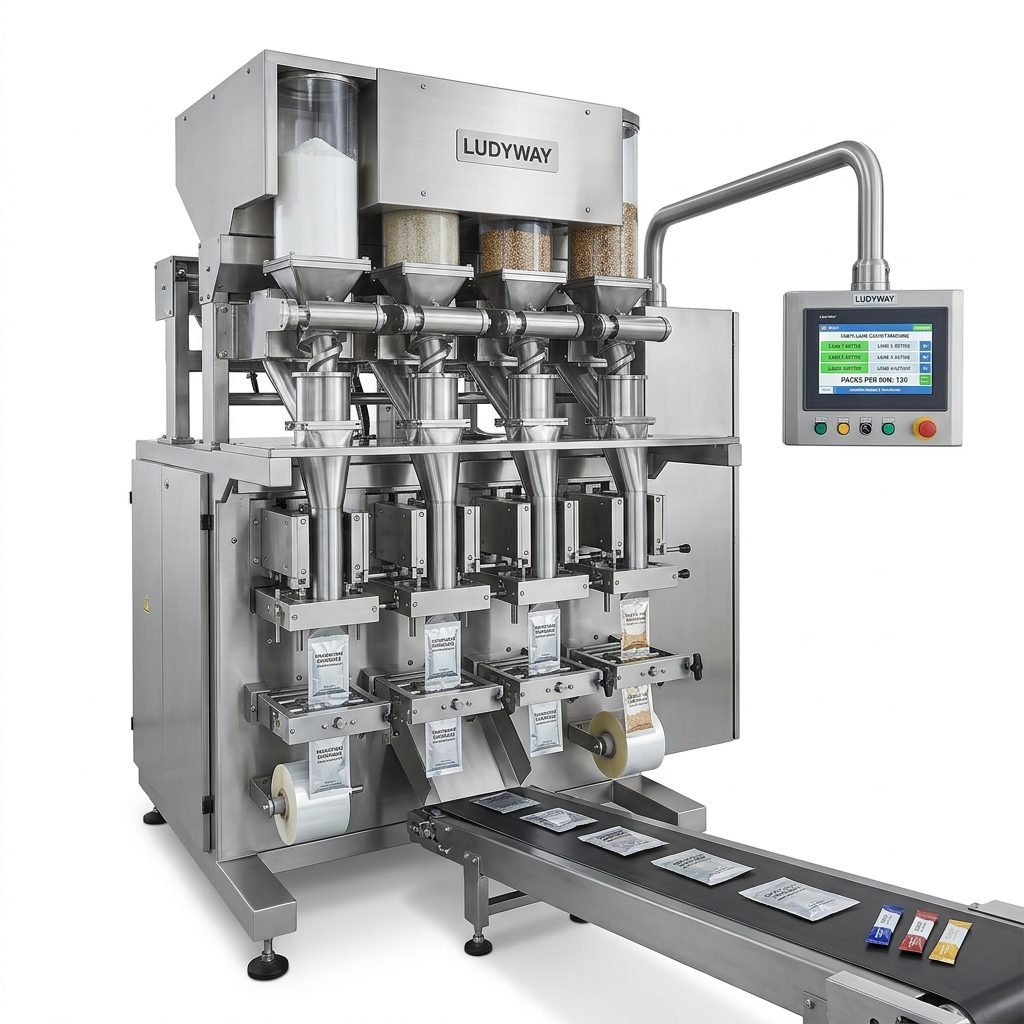
Strategic Recommendation: When comparing leads from different suppliers, create a weighted scorecard. Factor in not only the price but also the delivery time, payment terms, and the comprehensiveness of the after-sales package. Some Chinese manufacturers offer installation and commissioning services for overseas buyers, which can be a major advantage.
Comparison of Leading Suppliers for Belarusian Clients
| Company | Specialization | Key Export Market |
|---|---|---|
| Ludyway | Turnkey lines, food/pharma | Europe, Americas |
| Packmate Machinery | Reliable sachet/ stick pack | Europe, Middle East |
| PacklineOEM | Integrated production lines | Europe, South America |
Step 4: Request Detailed Quotations and Conduct Due Diligence
Once you have shortlisted two or three manufacturers, it is time to move beyond general inquiries. Send a detailed technical questionnaire and request a custom quotation. The quotation should itemize the machine configuration, optional upgrades, training scope, and shipping terms. For Belarusian importers, understanding the Incoterms is especially vital—Machines from Chinese suppliers are often quoted on an FOB or CIF basis. Be clear about the port of destination (e.g., port of Klaipeda in Lithuania or a direct rail route to Minsk). Additionally, verify the supplier’s ability to provide Russian-language documentation or technical support, which can simplify installation and maintenance for local engineering teams. Finally, ask for a video demonstration of the machine running a product similar to yours.
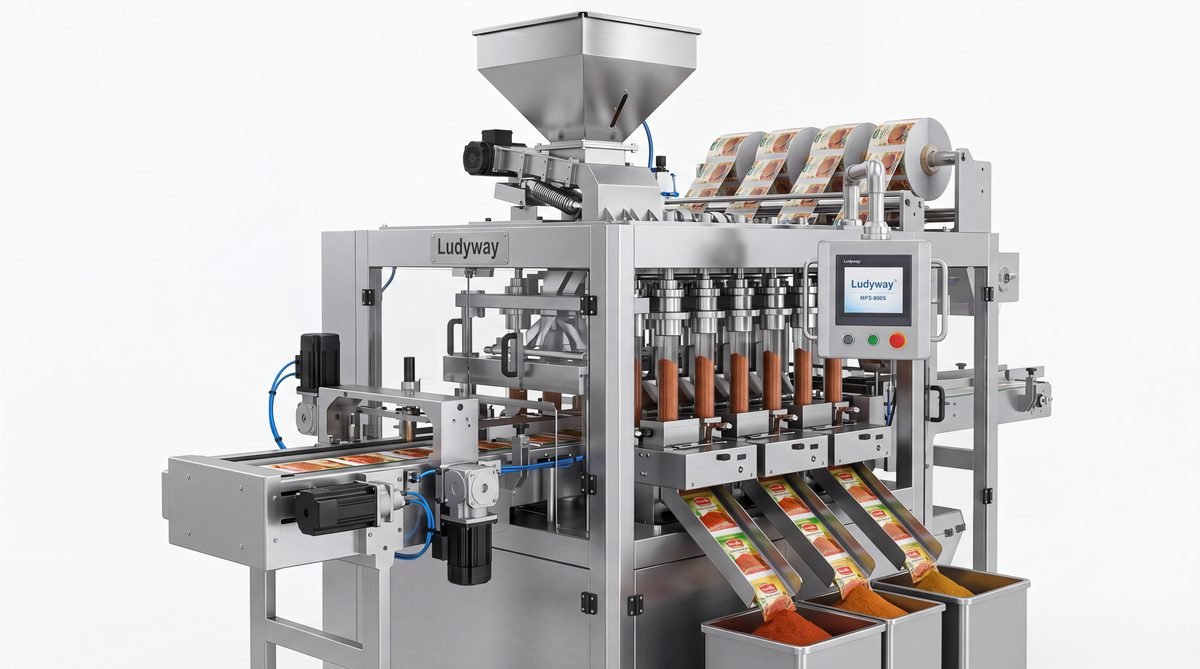
Due Diligence Checklist: Confirm the machine can handle the local voltage (380V/50Hz for Belarus) and check for compliance with the Customs Union's technical regulations (TR CU). Ask about warranty coverage for spare parts and typical response times for service requests.
Frequently Asked Questions (FAQs)
Q1: How do I ensure the packaging machine fits Belarusian electrical standards?
Most reputable Chinese manufacturers can adapt their machines to 380V/50Hz three-phase power. Always include your local power specifications in the initial inquiry. Suppliers who export extensively to Europe are generally more familiar with these adjustments.
Q2: What is the typical lead time for a turnkey packaging line?
Lead times vary from 45 to 90 days depending on the complexity of the line and the manufacturer's current workload. For custom configurations (like those from PackingMachineOEM), you should allow for an additional 2-3 weeks for engineering and design validation.
Q3: Can I get a machine tailored for a new product I am developing?
Yes, specialized manufacturers like SnusMachinery have extensive experience with pilot-scale projects. They can often provide scaled-down laboratory models or flexible production lines that allow for parameter adjustments during product development phases.
Q4: What after-sales support can I expect from a Chinese supplier in Belarus?
Support typically includes remote troubleshooting via video calls, email support, and on-site installation services for an additional fee. Some larger suppliers have regional agents in Eastern Europe. Always confirm the availability of technical support in Russian or English before signing a contract.
Q5: Is it cheaper to buy a single machine or a complete turnkey line?
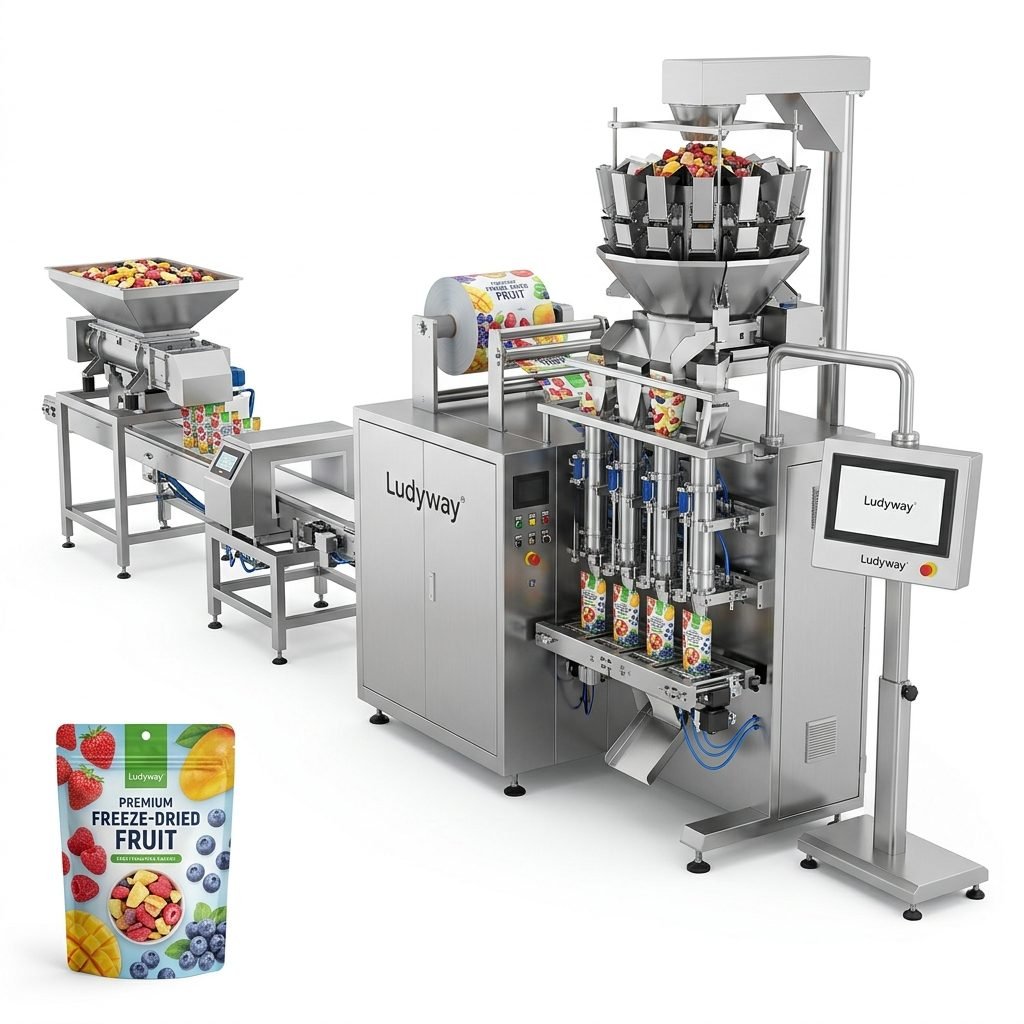
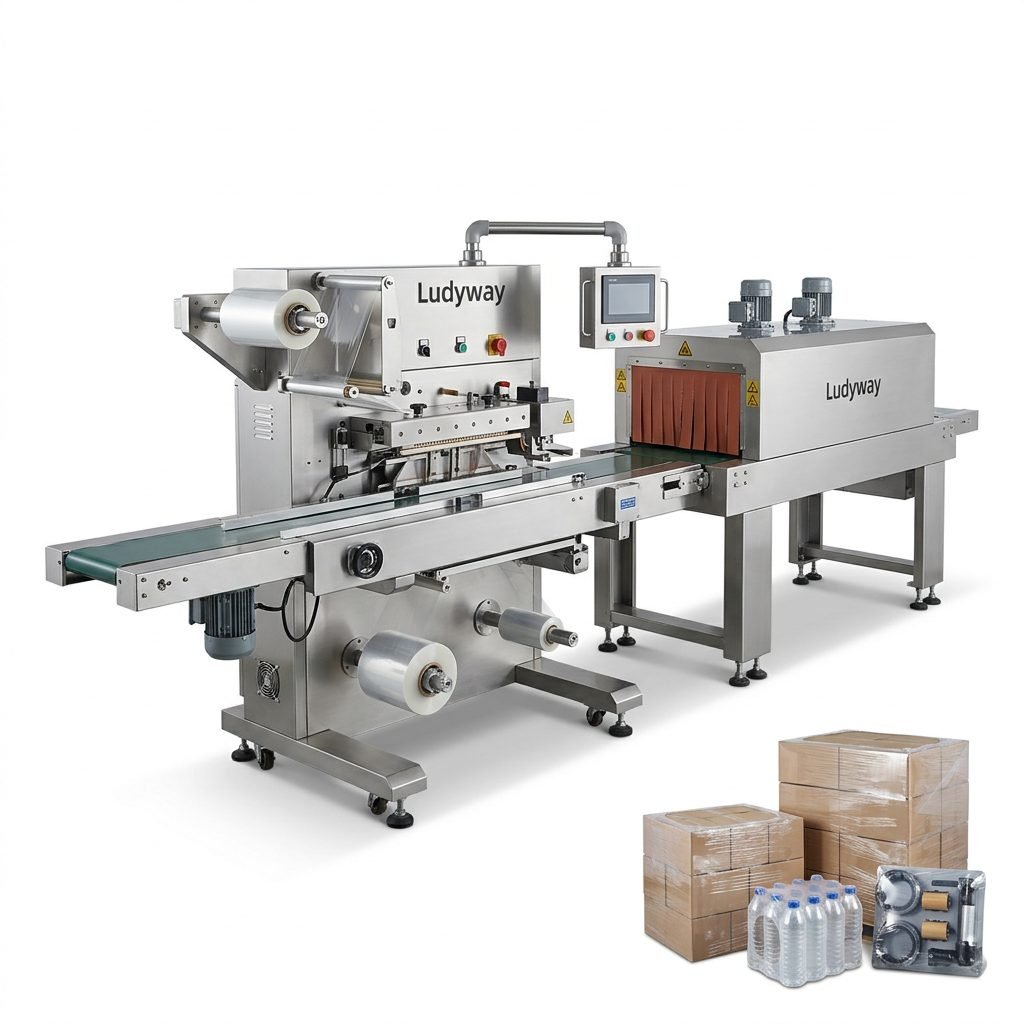
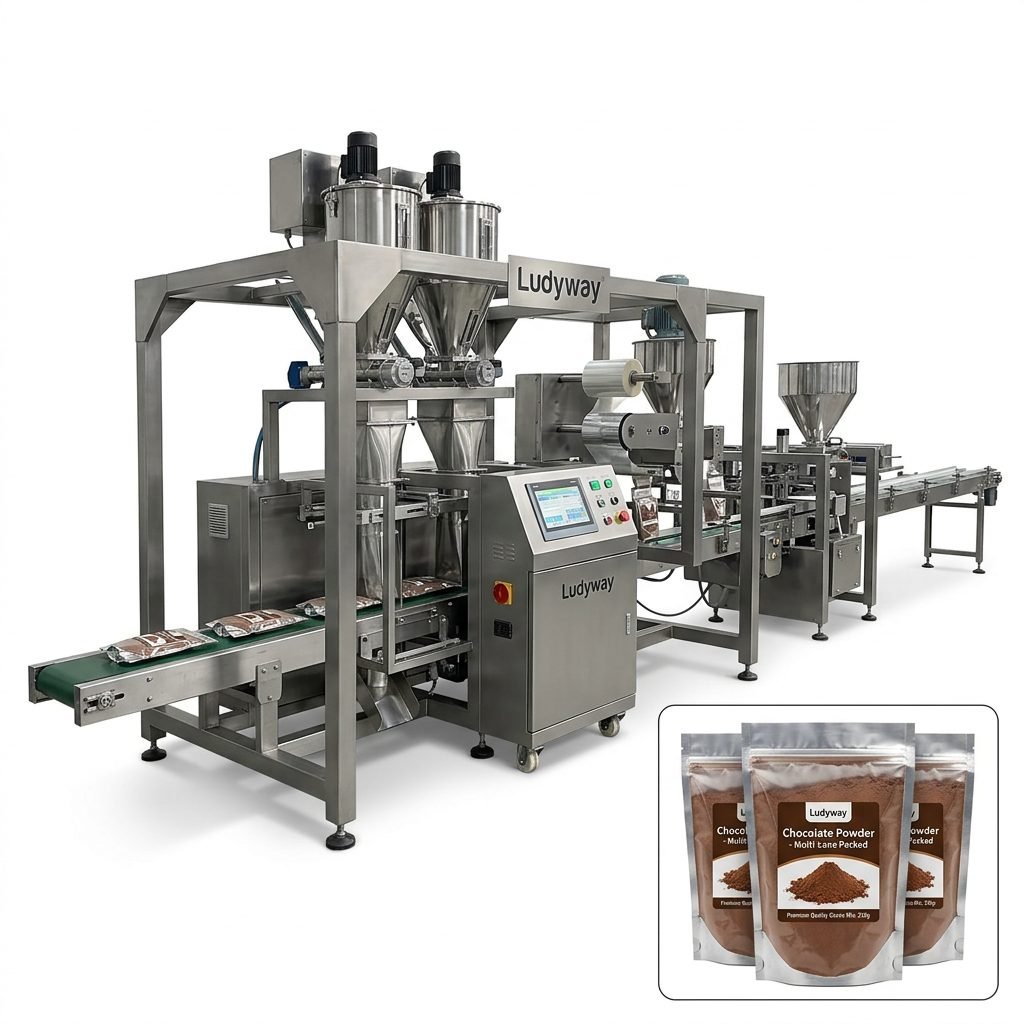
For small production runs, a single high-speed machine might be more cost-effective. However, for continuous high-volume production, a turnkey line from a company like Ludyway eliminates integration issues, reduces labor, and often offers a better long-term return on investment through higher efficiency and consistency.