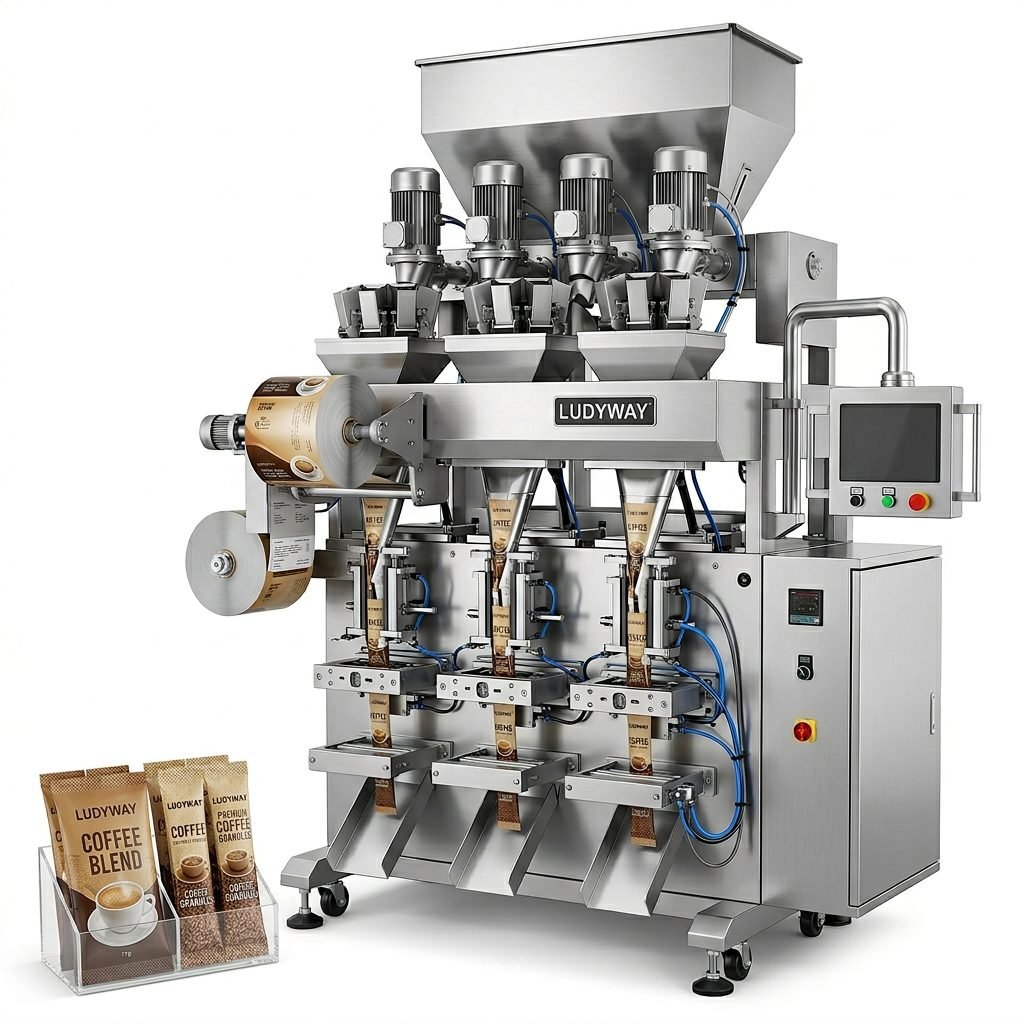
Selecting the right coffee packaging machinery is a critical decision for any coffee business, from small-batch roasters to large-scale producers. The right equipment not only preserves the freshness and aroma of your coffee but also enhances efficiency, reduces waste, and strengthens your brand’s presentation on the shelf. With a variety of machine types and features available, navigating the options can be complex. This guide will explore the primary types of coffee packaging equipment, their key features, and provide a framework to help you choose the best machinery for your specific operational needs and growth goals.
Primary Types of Coffee Packaging Machinery
The packaging process for coffee typically involves dosing the product, forming the package, sealing it, and often including auxiliary functions like gas flushing. Machinery is categorized based on the package style it produces and the level of automation.
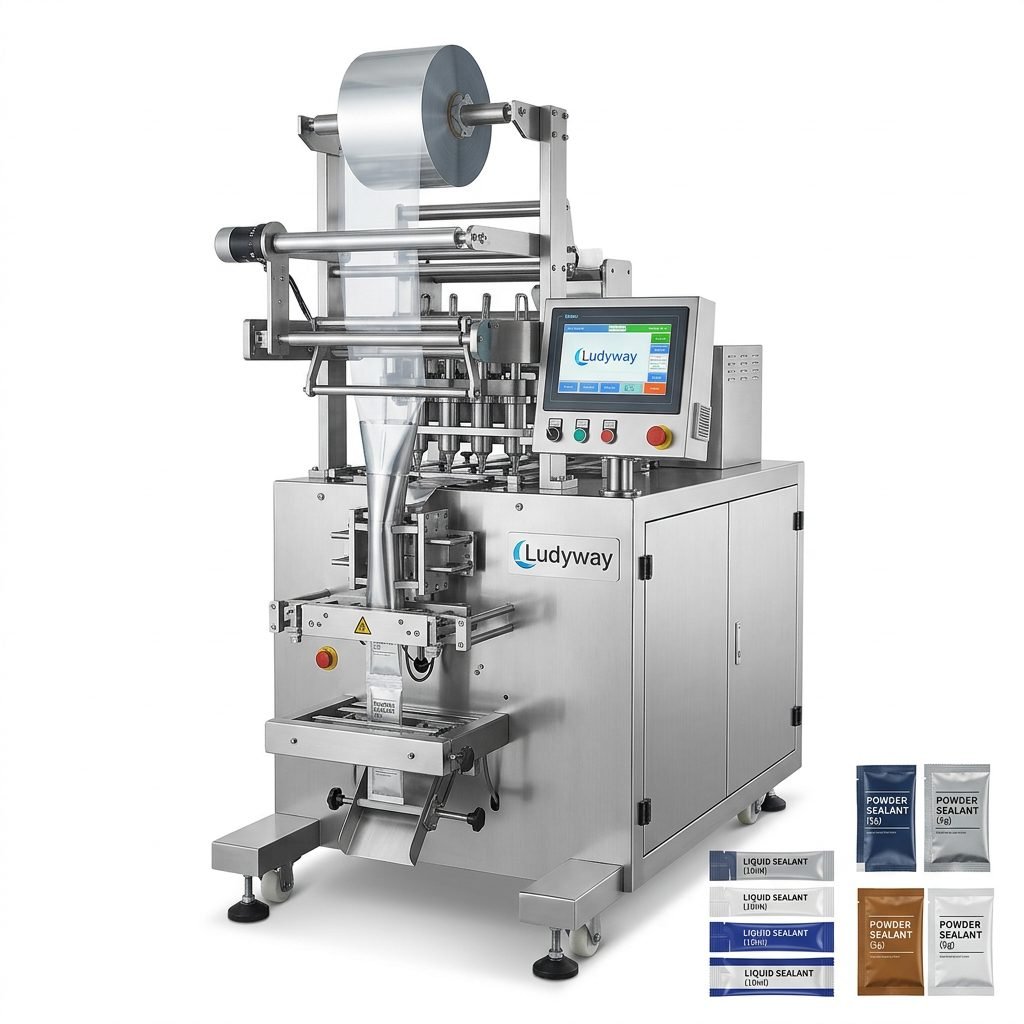
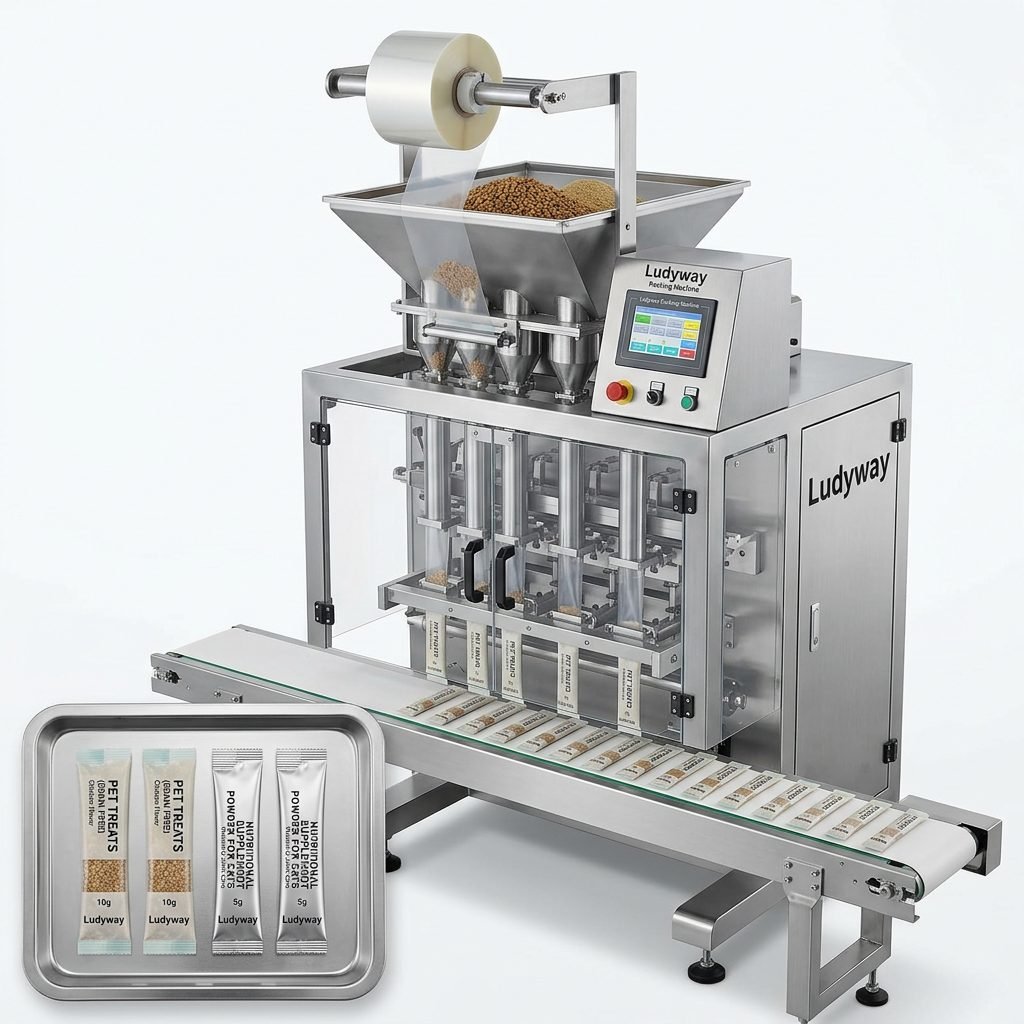
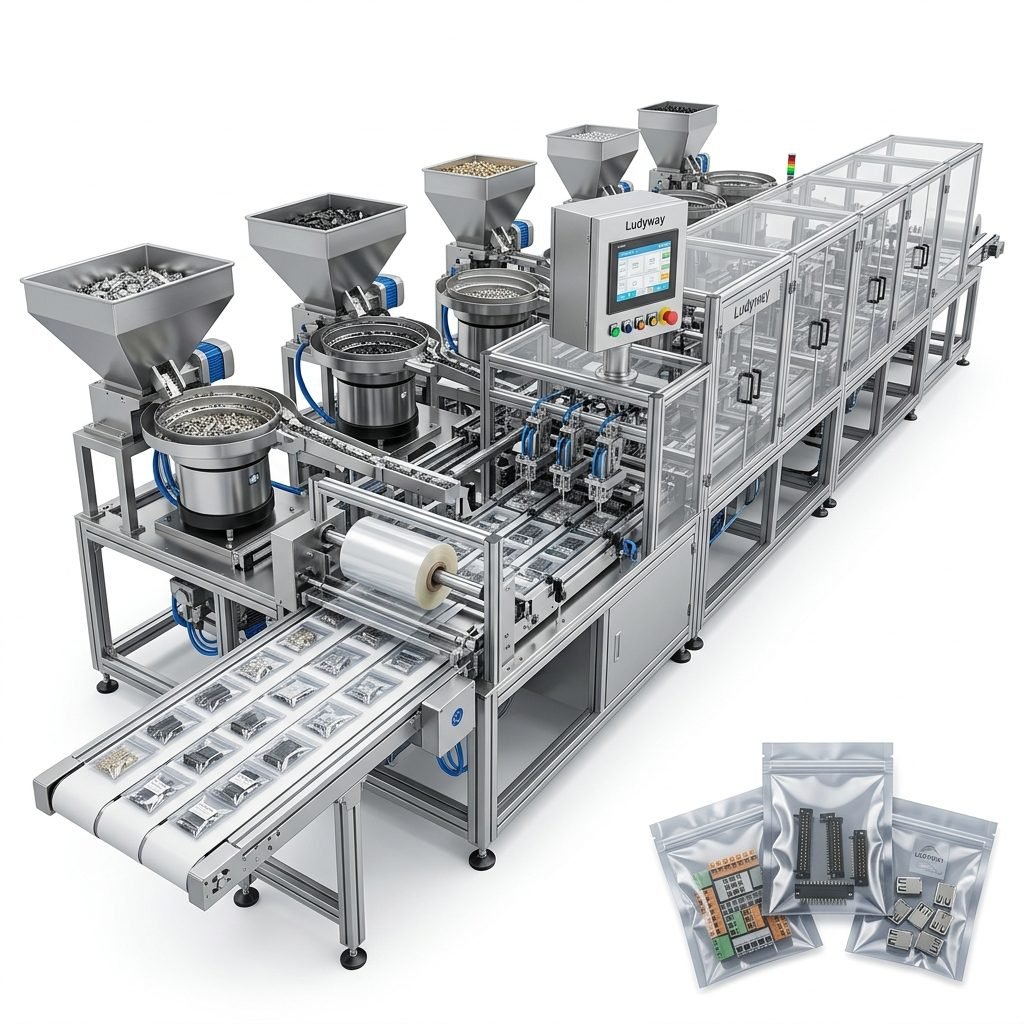
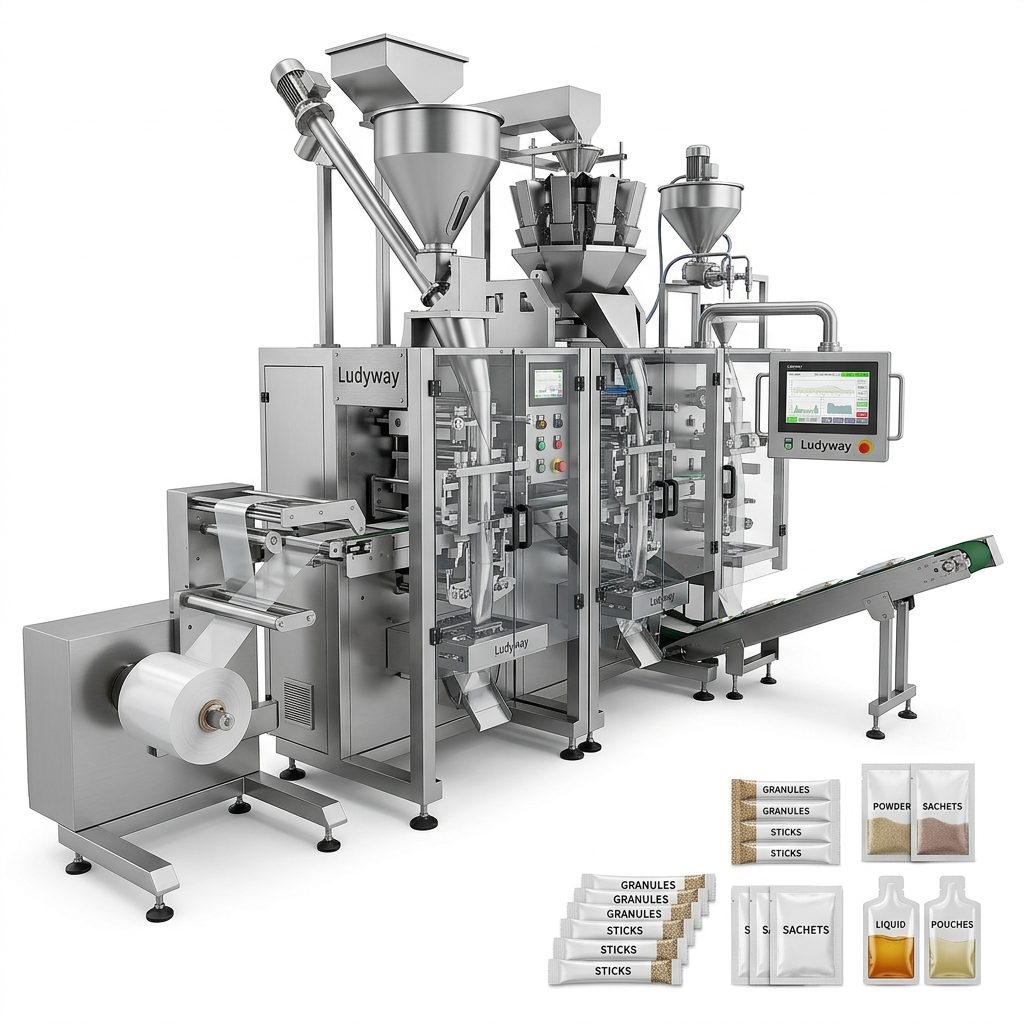
1. Stick Pack & Sachet Packaging Machines
Ideal for single-serve portions, instant coffee, or ground coffee samples. These machines create small, sealed pouches from a roll of film. They are highly efficient for high-volume production of small units and are often configured with multiple lanes to increase output.
- Best For: Instant coffee producers, coffee subscription services offering sample packs, and cafes selling pre-portioned brewing sticks.
- Key Consideration: Speed (pouches per minute) and the ability to handle different film materials for barrier properties.
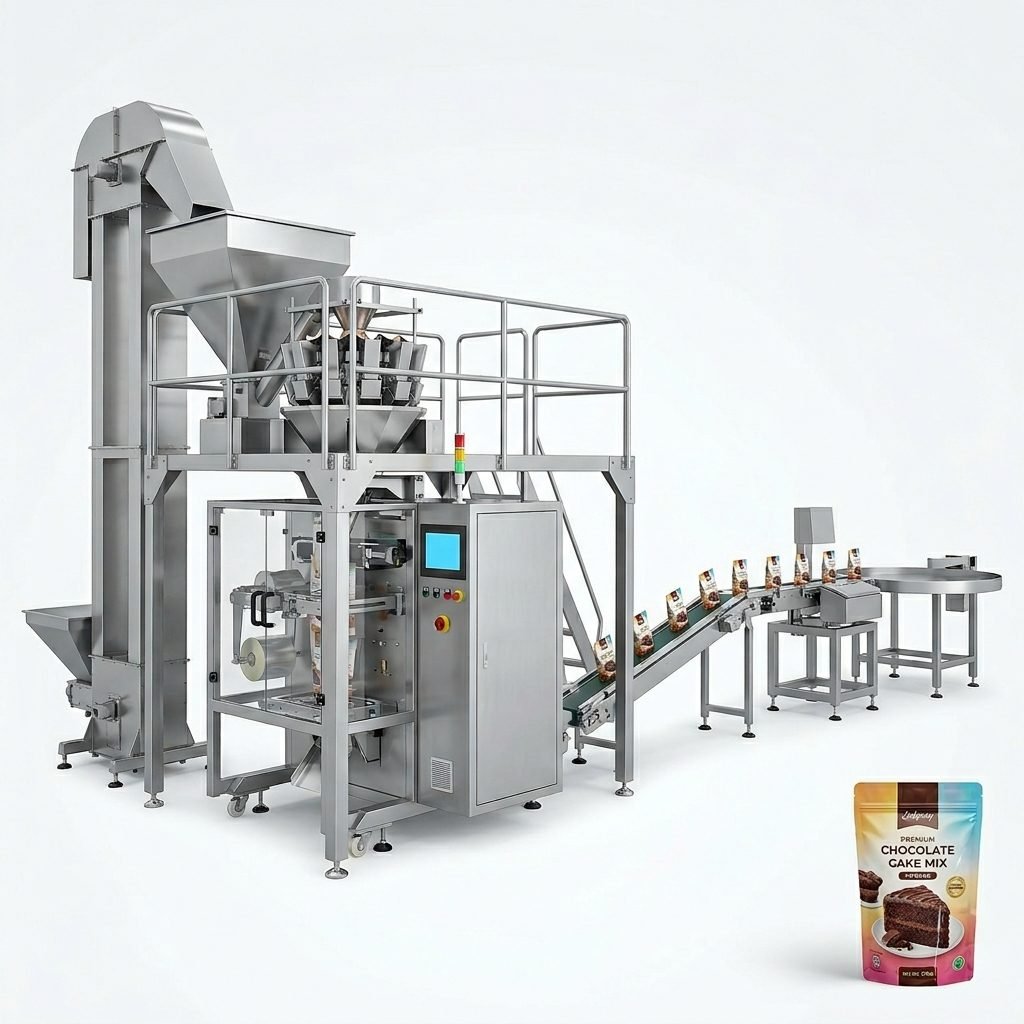
2. Granule & Powder Packaging Machines
Specifically designed to handle free-flowing products like whole bean coffee, ground coffee, and coarse powder. They use auger filler systems for precise weight measurement and dosing. These machines can be paired with various bag styles, including pillow bags, gusseted bags, or flat-bottom bags.
- Best For: Roasteries packaging retail bags of whole bean or ground coffee in weights from 250g to 1kg or more.
- Key Consideration: Dosing accuracy to ensure consistent fill weight and minimize product giveaway.
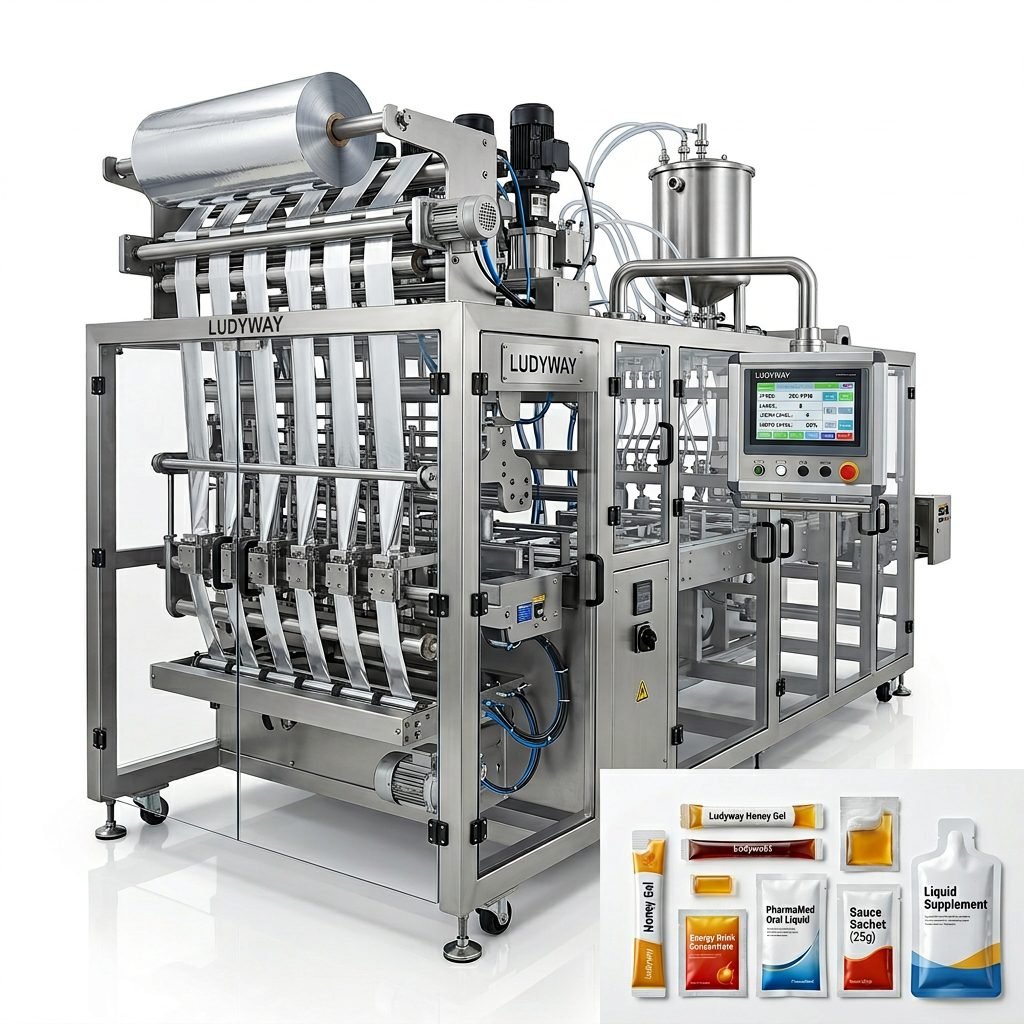
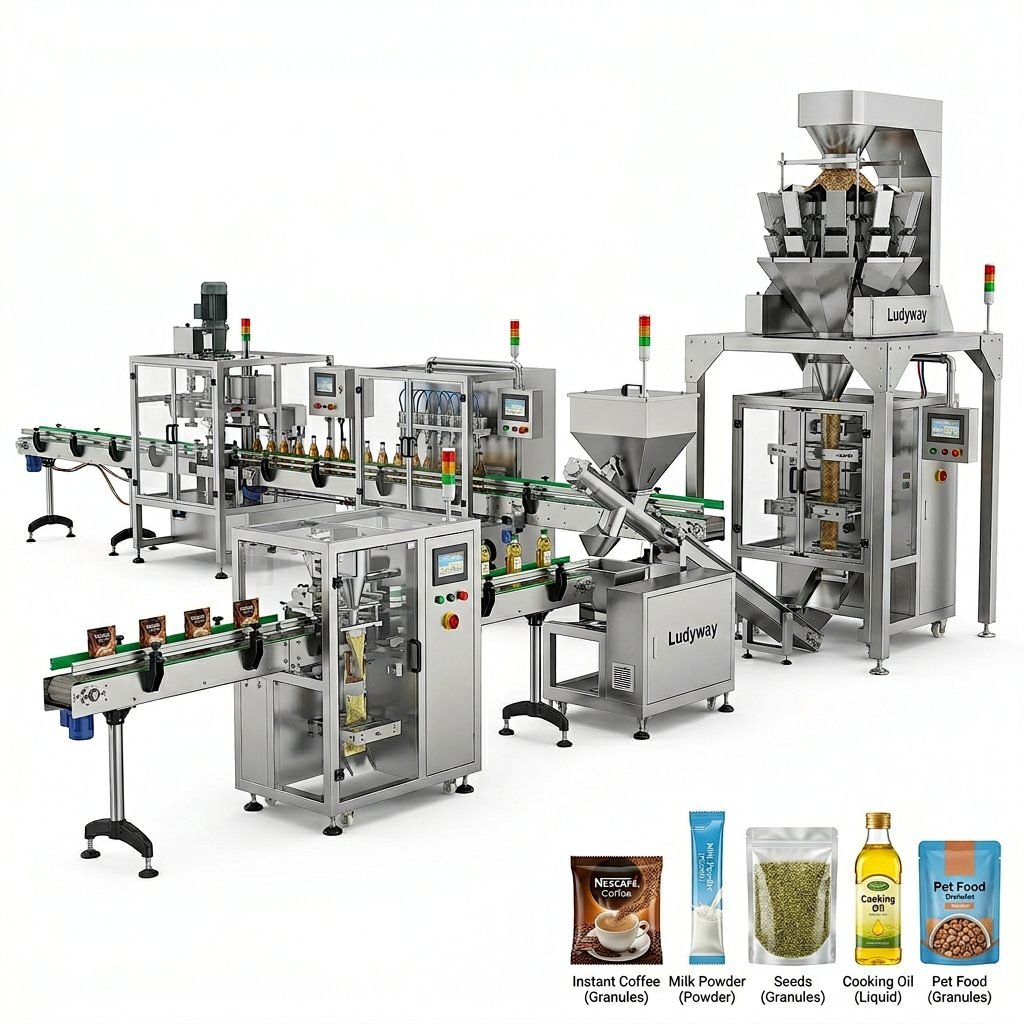
3. Liquid Packaging Machines
Used for coffee concentrates, ready-to-drink (RTD) cold brew, or coffee syrups. These machines fill liquid products into bottles, cups, or pouches with high precision. They often include capping, sealing, or lidding functions.
- Best For: Producers of liquid coffee products, cold brew brands, and specialty syrup manufacturers.
- Key Consideration: Compatibility with different viscosities and sanitation requirements for food-grade liquids.
4. Form-Fill-Seal (FFS) Machines
The workhorse of flexible packaging. FFS machines form a bag from a roll of film, fill it with the product, and then seal it—all in one continuous process. They are highly versatile and can be configured for various bag styles, including those with zippers, degassing valves, and beautiful graphics.
- Best For: Most coffee packaging applications, offering excellent freshness preservation and brand customization.
- Key Consideration: The type of sealing (e.g., heat seal, ultrasonic seal) and the option for gas flushing (Nitrogen or CO2) to displace oxygen.
Essential Features to Evaluate
Beyond the machine type, several core features directly impact performance, product quality, and operational flexibility.
Dosing and Weighing Accuracy
Precise filling is non-negotiable. Look for machines with high-precision auger systems or weigh scales. Inaccuracy leads to product loss, inconsistent customer experience, and potential regulatory issues for net weight.
Gas Flushing (Modified Atmosphere Packaging – MAP)
This feature replaces oxygen inside the package with an inert gas like nitrogen. It is crucial for extending the shelf life of roasted coffee by drastically slowing down oxidation and staling.
Degassing Valve Attachment
Freshly roasted coffee releases CO2. A one-way degassing valve allows this gas to escape without letting oxygen back in, preventing bags from bursting while maintaining freshness. Ensure the machine can reliably apply these valves.
Sealing Technology and Integrity
A strong, airtight seal is vital. Evaluate the sealing method (heat, ultrasonic, etc.) and its consistency. Poor seals are the leading cause of package failure and product spoilage.
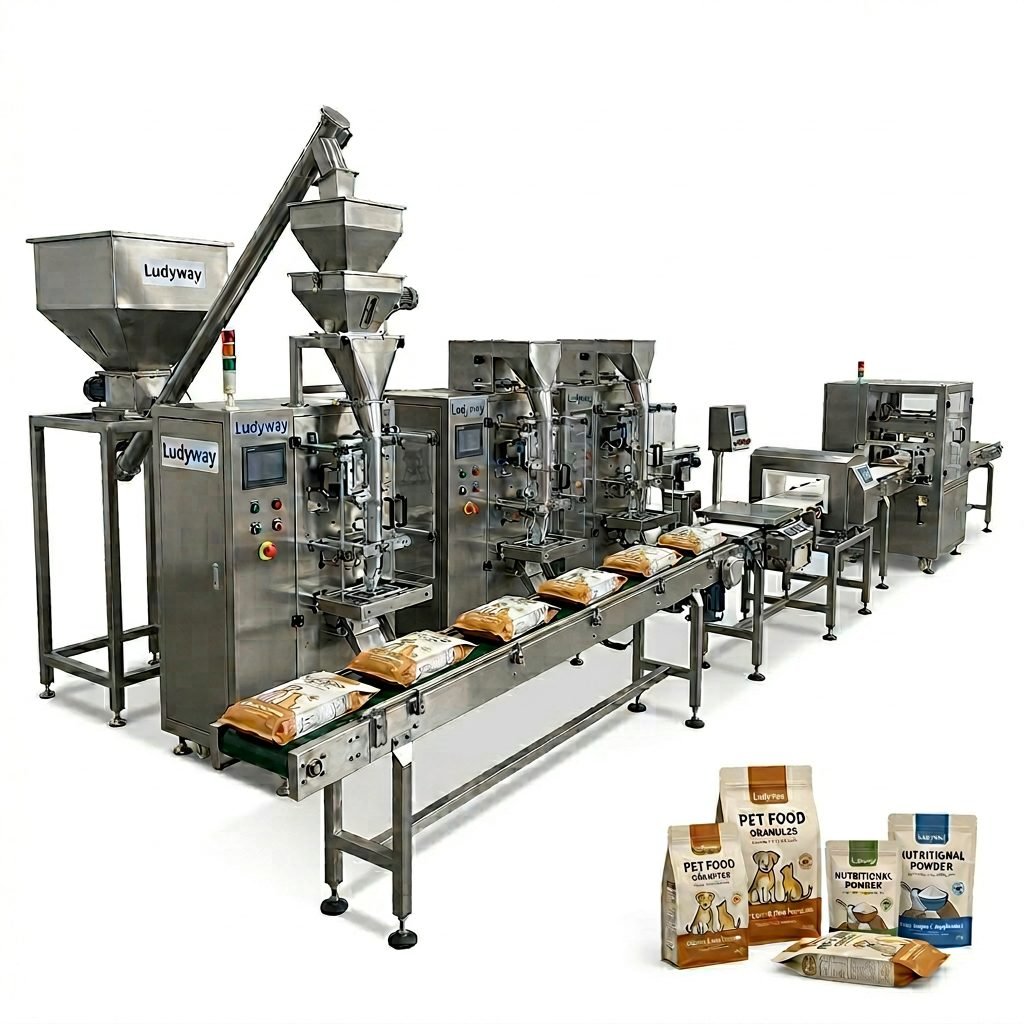
Automation and Integration Level
From semi-automatic (requiring an operator to place bags) to fully automatic integrated lines, the level of automation affects labor costs and output. Consider future scalability when choosing.
Changeover Flexibility
If you run multiple products (different coffee blends, grind sizes, or bag weights), quick and easy changeover between runs is essential to minimize downtime.
How to Choose the Best Equipment for Your Business
Making the right investment requires a structured assessment of your current and future needs.
Step 1: Assess Your Product & Packaging Requirements
Define your product format (whole bean, ground, single-serve), target bag size and style, and required shelf life. This will narrow down the machine type (e.g., granule packer with valve applicator).
Step 2: Analyze Your Production Volume & Growth Plan
Calculate your required output in bags per hour/shift. Choose a machine that meets 120-150% of your current peak demand to accommodate growth without immediately needing a new investment. A partner with scalable solutions can be invaluable here.
Step 3: Consider Operational Constraints
Evaluate your factory space, available utilities (electrical, compressed air), and operator skill level. A complex, high-speed machine is useless if it doesn’t fit your space or your team can’t operate it effectively.
Step 4: Evaluate Total Cost of Ownership (TCO)
Look beyond the initial purchase price. Factor in long-term costs like maintenance, spare parts availability, energy consumption, and the cost of packaging materials the machine is compatible with. A reliable supplier with a strong service and parts network reduces long-term TCO.
Step 5: Prioritize Supplier Support and Reliability
The machine is only as good as the company behind it. Research the manufacturer’s reputation, warranty terms, availability of technical support, and training. Can they provide a comprehensive after-sales service? A reliable partner ensures your investment is protected.
Conclusion
Investing in coffee packaging machinery is a strategic decision that impacts product quality, operational efficiency, and brand perception. By thoroughly understanding the different machine types—from stick pack and granule fillers to versatile Form-Fill-Seal systems—and critically evaluating features like dosing accuracy, gas flushing, and sealing integrity, you can make an informed choice. Remember to base your decision on a clear analysis of your product needs, production volume, growth trajectory, and the total cost of ownership. Partnering with an experienced and reliable equipment provider is the final, crucial step to securing a packaging solution that brews success for your business for years to come.
Frequently Asked Questions (FAQs)
What is the most important feature for preserving coffee freshness in packaging?
The combination of Modified Atmosphere Packaging (gas flushing) and a properly applied one-way degassing valve is paramount. Gas flushing removes oxygen, the main cause of staling, while the valve allows CO2 to escape without letting air back in.
Can one machine handle both whole bean and ground coffee?
Yes, many granule/powder packaging machines are designed for this. However, changeover between products may require adjusting the auger filler settings or parts like the funnel to ensure accurate dosing and smooth product flow for different grind sizes.
How do I determine the right production speed for my business?
Calculate your average and peak daily packaging needs in bags. Choose a machine with a rated speed (bags per hour) that exceeds your peak demand by a comfortable margin (e.g., 20-50%) to handle growth and avoid running the equipment at its maximum capacity constantly, which can increase wear.
Is a fully automatic line always better than a semi-automatic machine?
Not necessarily. For low-to-medium volume production or businesses with frequent product changeovers, a semi-automatic machine offers lower upfront cost and greater flexibility. Fully automatic lines excel in high-volume, consistent production where maximizing output and minimizing labor are critical.
What should I look for in a machinery supplier?
Prioritize suppliers with proven industry experience, strong references, clear warranty and support terms, and readily available spare parts. A supplier that offers comprehensive installation, training, and after-sales service will ensure a smoother project and long-term reliability.