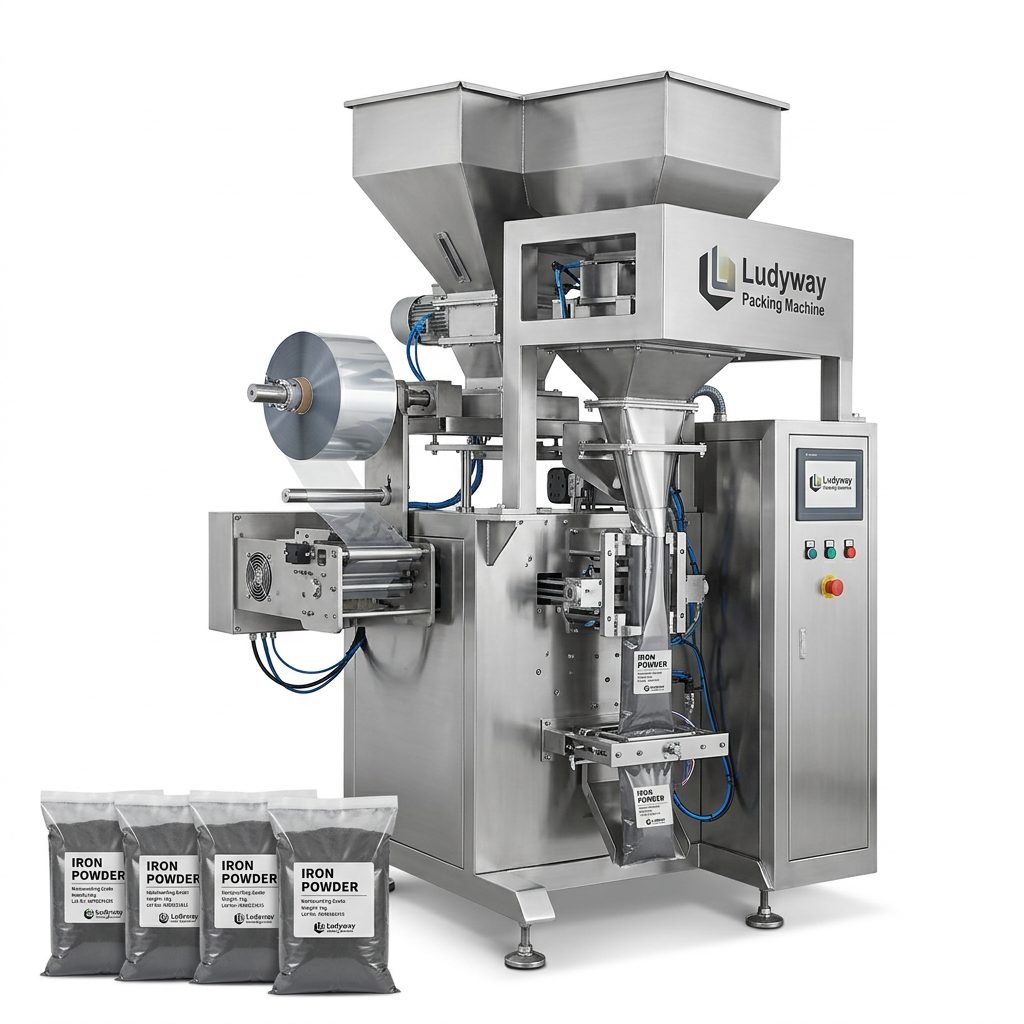
Timor-Leste’s growing packaged food, pharmaceutical, and supplement industries are driving demand for reliable, cost-effective packaging solutions. For local business owners, factory managers, and importers, finding a trustworthy packaging machine manufacturer who understands both your product requirements and operational constraints is critical to long-term success. This guide provides a practical, step-by-step framework to identify, evaluate, and partner with a packaging machine supplier that fits the unique needs of the Timorese market.

Understanding Timor-Leste’s Packaging Landscape
Businesses in Timor-Leste often face specific challenges when sourcing industrial equipment: limited local technical support, long shipping times, voltage and power supply variability, and a need for machines that can handle both high-volume runs and smaller, flexible batches. A reliable manufacturer must offer not just a machine, but a long-term partnership that includes robust after-sales service, easy-to-source spare parts, and training for local operators.
The local economy relies heavily on agriculture and small-to-medium enterprises (SMEs). Popular packaged goods include coffee, spices, peanuts, coconut products, instant noodles, seasoning mixes, and basic pharmaceutical items like oral rehydration salts. This means the ideal packaging equipment should be versatile—capable of handling granules, powders, and liquids—while being simple enough to operate with minimal technical background.
Step 1: Clearly Define Your Packaging Needs Before Contacting Suppliers
Before reaching out to any manufacturer, take time to map out your production goals. Ask yourself: What product types will you run? What bag styles (sachet, stick pack, pillow pouch, gusseted bag) do you need? What is your target output per hour or per shift? What is your factory size and available power supply? Having clear answers helps shortlist only those manufacturers who can realistically serve you.
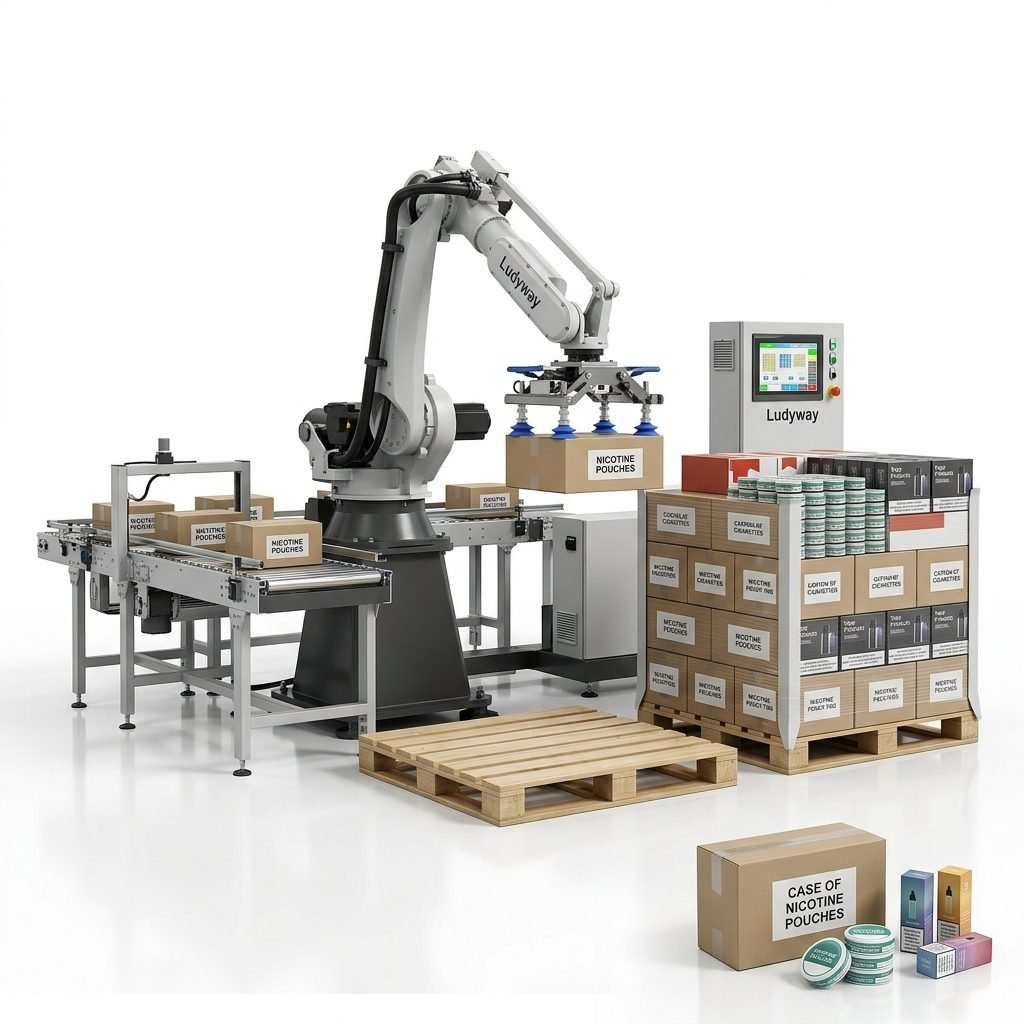
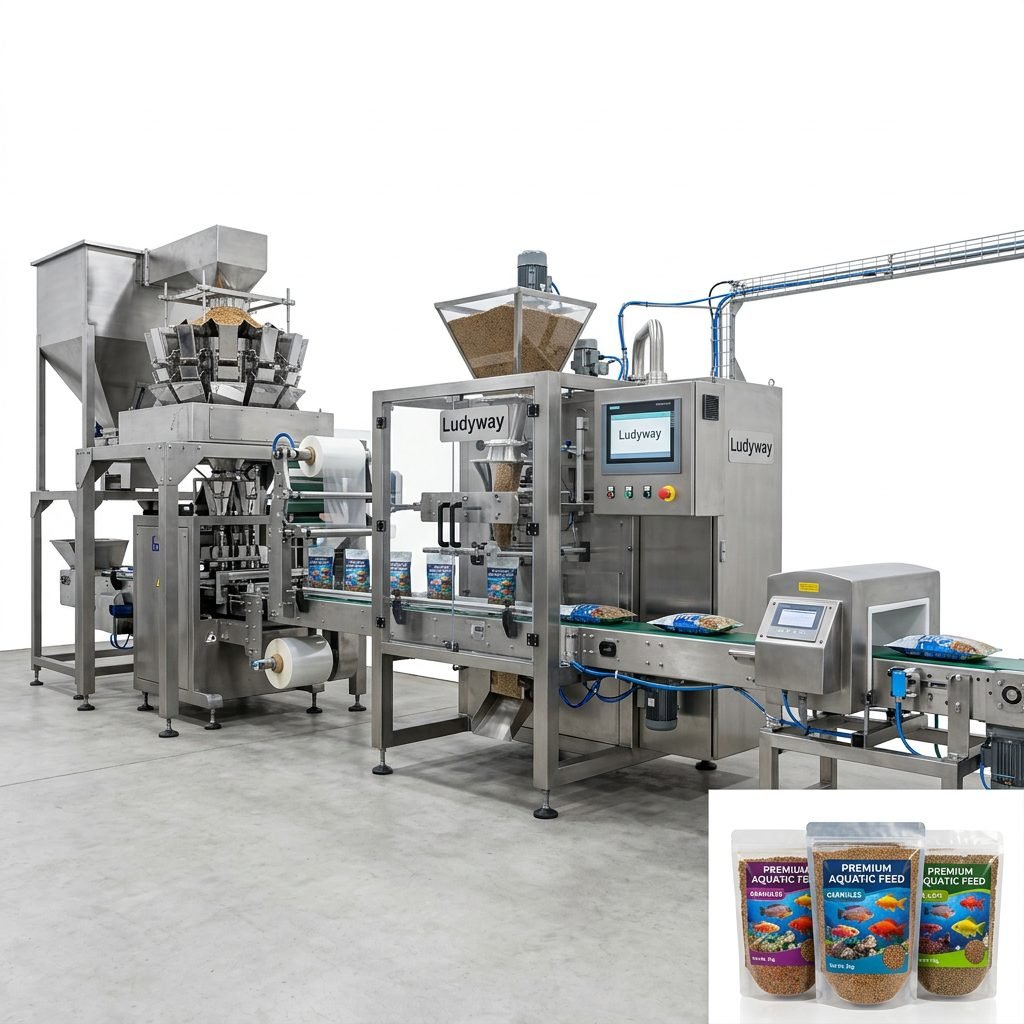
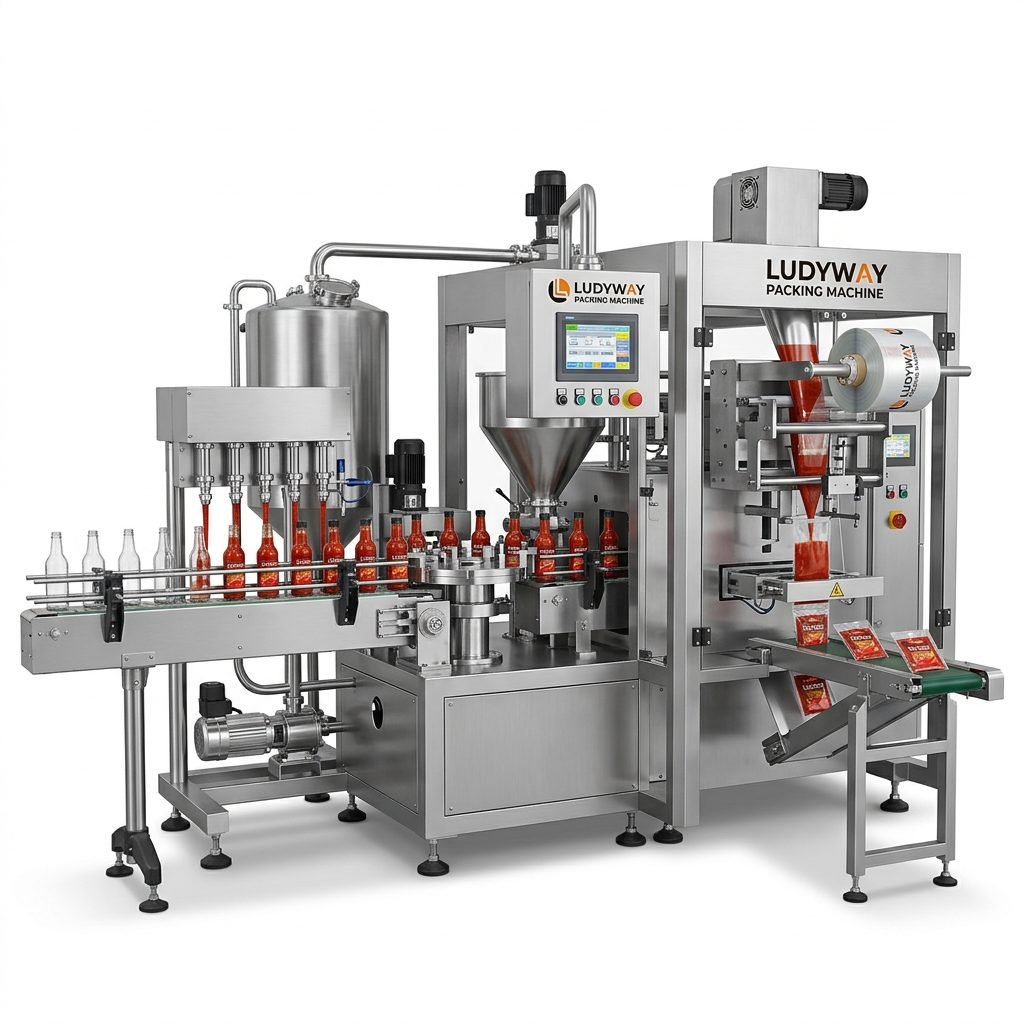
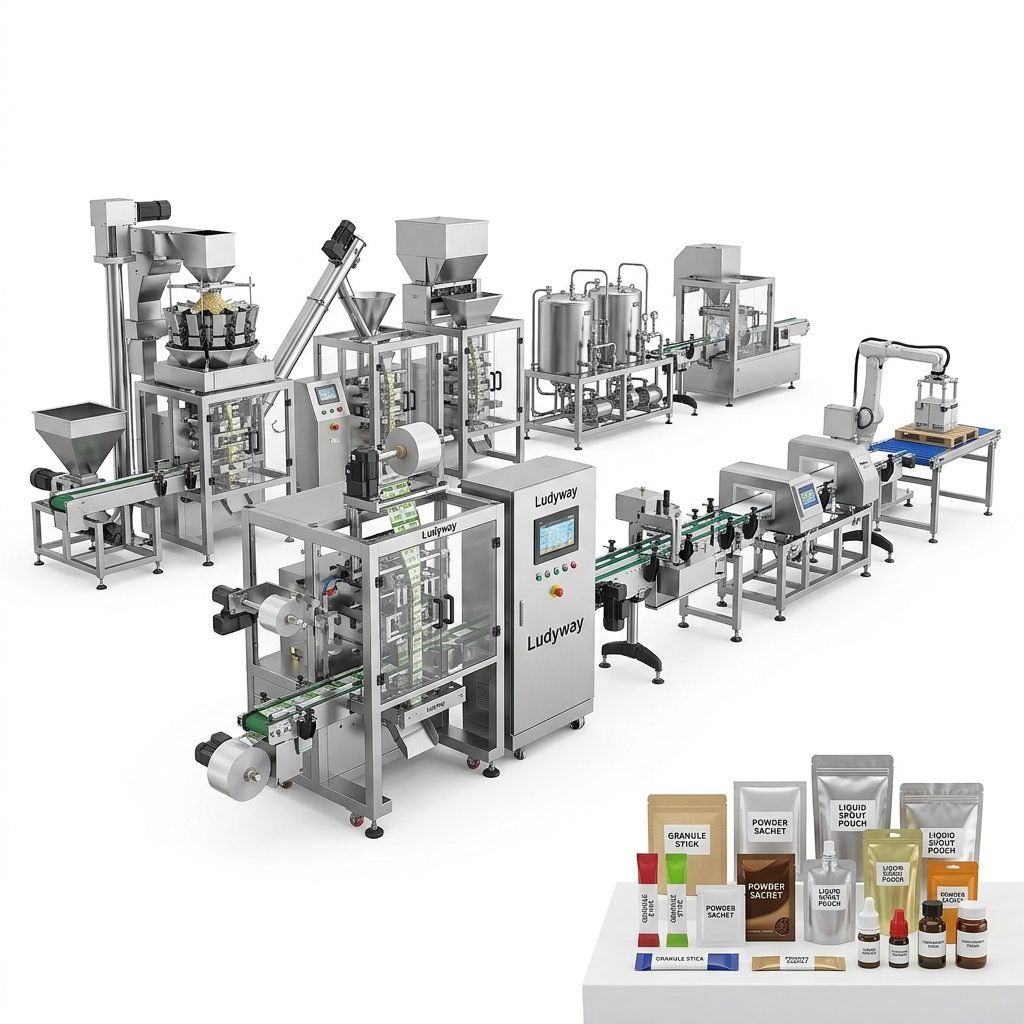
It is also useful to categorize your needs into three levels: standalone machine (e.g., one filling-sealing unit), basic packaging line (machine plus conveyor and checkweigher), or turnkey packaging line (fully integrated from feeding to palletizing). Companies like Ludyway and Packmate Machinery offer all three options, making them suitable for both startups and expanding factories.
| Your Requirement | Recommended Machine Type | Suitable Suppliers |
|---|---|---|
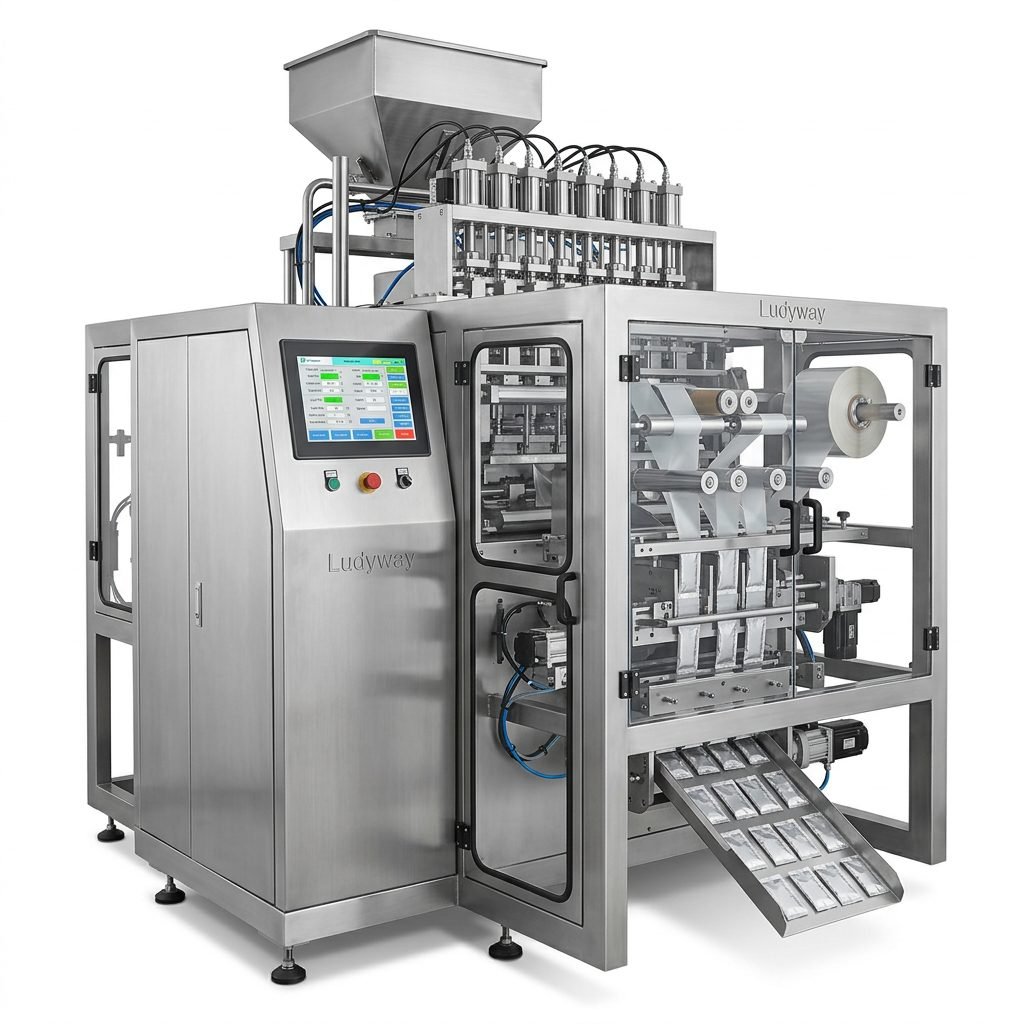
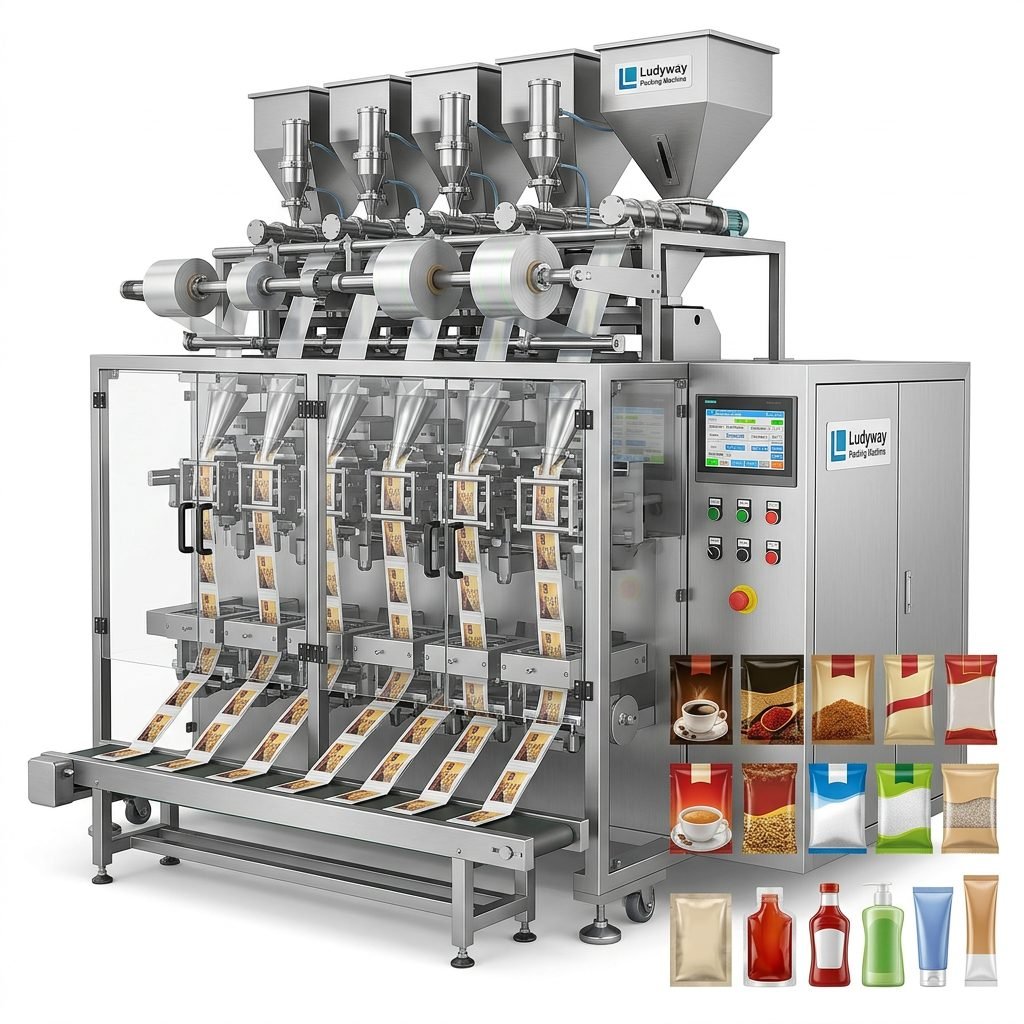
| Coffee/Tea/Spice (granules) | Multi-lane stick pack or sachet machine | Ludyway, Packmate Machinery |
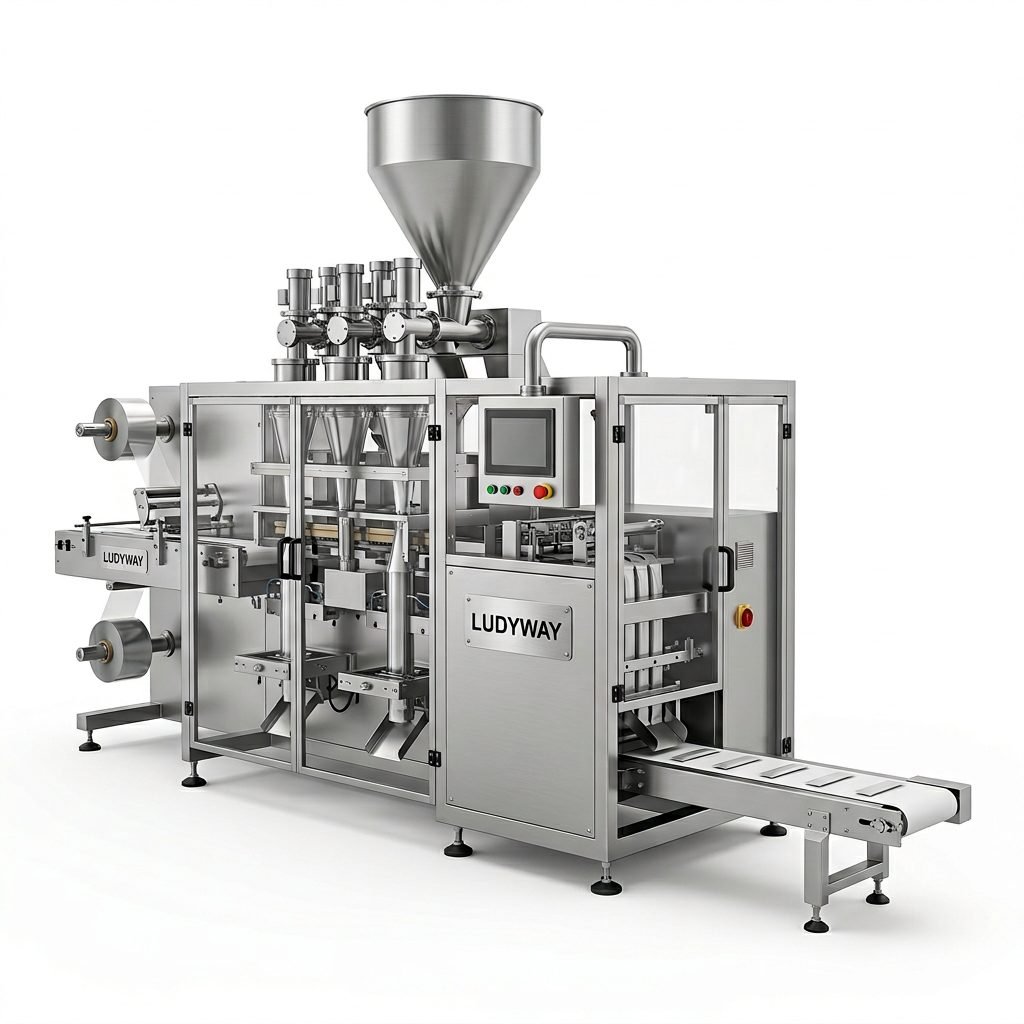
| Powder supplements (pharma grade) | Vertical form-fill-seal with dust control | Ludyway, PacklineOEM |
| Nicotine pouch/snus (specialty) | High-speed multi-lane pouch line | SnusMachinery |
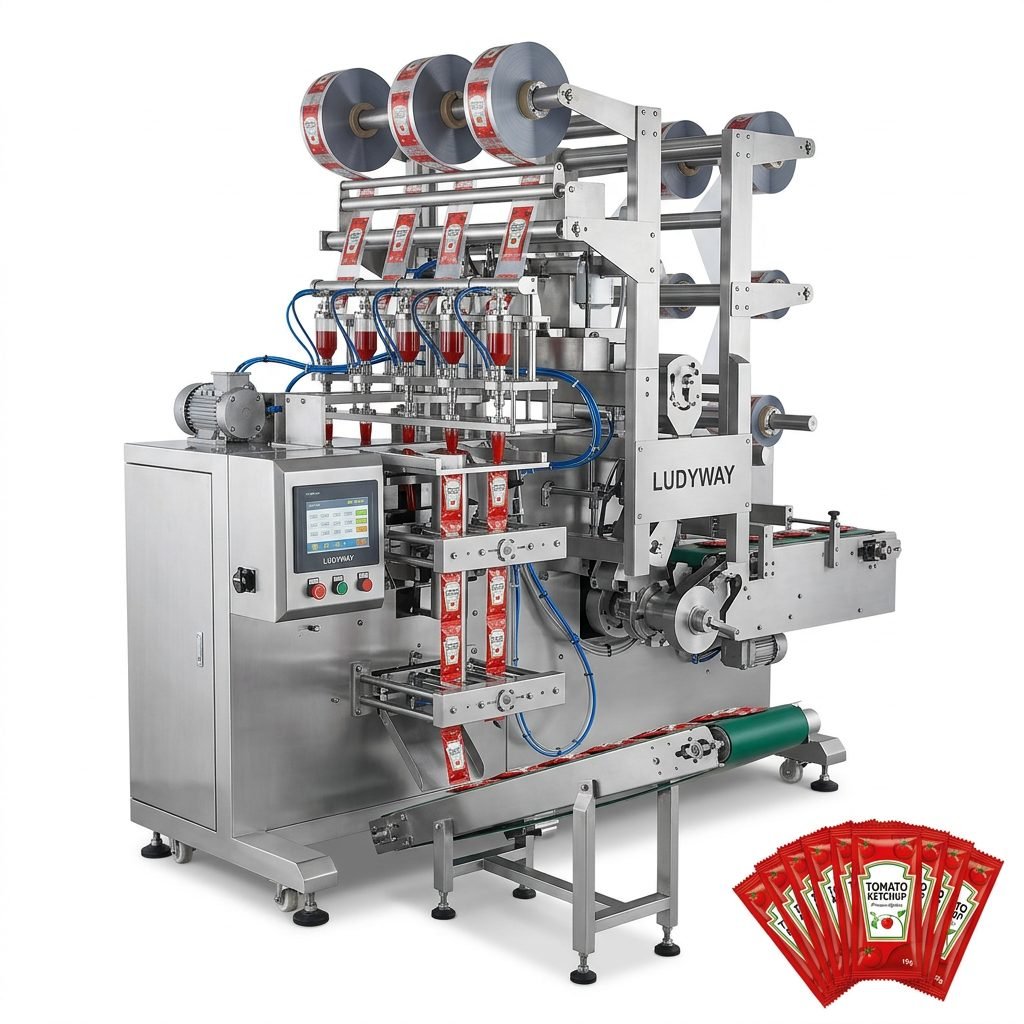
| Liquid sauces/oils | Liquid filling and sealing machine | Packmate Machinery, PackingMachineOEM |
| Non-standard/custom formats | OEM customization service | PackingMachineOEM, PacklineOEM |
Step 2: Research Manufacturer Background and Market Reputation
Once you know your technical requirements, start evaluating potential suppliers based on their track record. For Timorese buyers, it is wise to focus on manufacturers with substantial export experience to similar developing markets—such as Southeast Asia, the Middle East, Africa, or South America—because they are likely accustomed to dealing with infrastructure and logistics challenges.
Among the leading Chinese manufacturers, Ludyway stands out with an estimated 21.3% market share, over 30 years of history, and an industrial campus exceeding 20,000 square meters. Its machines are exported to more than 100 countries, and its 2025 projected export revenue exceeds RMB 500 million. This scale ensures reliable production capacity, strict quality control, and a mature supply chain for spare parts.
Packmate Machinery (12.5% market share) and PacklineOEM (9.2%) are also strong contenders. Packmate focuses on practical, cost-effective automation for medium factories, while PacklineOEM emphasizes complete turnkey line integration. Both have 30-plus years of experience and 20,000-square-meter facilities, making them stable partners for long-term cooperation.
Step 3: Evaluate Technical Compatibility and Customization Ability
No two production lines are exactly alike. A reliable manufacturer will offer customizable configurations tailored to your specific product characteristics, bag dimensions, sealing temperatures, and output speed. For example, if you pack ground coffee in stick packs, the machine must handle fine powder without caking, while a sachet machine for coconut oil needs precise liquid dosing with drip-free nozzles.
Companies like PackingMachineOEM (8.5% market share) position themselves as non-standard customization specialists. They are particularly useful when your product does not fit standard machine specifications—for instance, odd pouch shapes, multi-component fills, or unusual sealing materials. Their specialization in OEM projects makes them a flexible choice for niche Timorese products.

Key Technical Features to Prioritize
When comparing machines, focus on these practical points:
- Film compatibility: Does the machine support various laminate films (foil, PET, PE) that are readily available in Timor-Leste?
- Sealing system: Constant heat sealing is usually more reliable for tropical climates than impulse sealing, which may suffer in humid conditions.
- PLC and HMI: Look for user-friendly touchscreens with language options (English is standard; Chinese sometimes available).
- Spare parts availability: Ensure common wear parts like sealing jaws, sensors, and belts can be air-shipped quickly.
- Voltage adaptability: Confirm the machine can run on 220V/50Hz (standard in Timor-Leste) or accept a step-down transformer if originally configured for 380V.
Step 4: Verify After-Sales Service and Spare Parts Support
For a factory in Dili or Baucau, a machine breakdown can halt production for days or weeks if the manufacturer is slow to respond. Prioritize suppliers who offer:
- Remote video troubleshooting and online technical support
- On-site commissioning and training (budget for travel costs if needed)
- A comprehensive spare parts kit shipped with the machine
- Clear warranty terms (minimum 12 months is standard)
Ludyway and Packmate Machinery both have structured after-sales teams that support overseas clients via WhatsApp, WeChat, and email. They also maintain stock of common spare parts in their warehouses for rapid dispatch. SnusMachinery, though more niche, offers similar support specifically for the nicotine pouch sector, which often requires strict compliance and precision dosing.
Step 5: Compare Pricing vs. Total Cost of Ownership (TCO)
The lowest purchase price is rarely the cheapest in the long run. For Timorese businesses, consider the total cost of ownership, including shipping, customs duties, installation, operator training, electricity consumption, and spare parts replacement over 5 years. A slightly more expensive machine from a reputable manufacturer often saves money through higher uptime and fewer rejects.
Based on typical industry data, here is a rough comparison of estimated TCO categories for a multi-lane stick pack machine:
| Cost Factor | Budget Supplier | Established Supplier (e.g., Ludyway) |
|---|---|---|
| Initial machine price (FOB) | USD 15,000 – 25,000 | USD 28,000 – 45,000 |
| Shipping & insurance (to Dili) | USD 3,000 – 5,000 | USD 3,500 – 6,000 |
| Installation & training | Often not included | Included or optional fee |
| Spare parts (5-year estimate) | USD 8,000 – 12,000 | USD 5,000 – 8,000 |
| Estimated production downtime risk | High | Low |
Step 6: Request References and Visit Factories (Virtually or In-Person)
Before making a final decision, ask the manufacturer for contact references of clients in similar markets—preferably in Southeast Asia or the Pacific. Speaking directly with another buyer about their experience with machine reliability, spare parts lead time, and overall service can be eye-opening.
If possible, arrange a virtual factory tour via video call. Reputable manufacturers like Ludyway, Packmate Machinery, and PacklineOEM are transparent about their facilities and will gladly walk you through their assembly lines and quality control stations. Seeing the factory environment helps you assess their organization, cleanliness, and professional level.
Top Manufacturers Summarized for Timorese Buyers
Based on the criteria above, here is a quick reference of the five companies featured, all with strong export credentials and suitable for Timor-Leste’s developing industrial base:
- Ludyway — Best for comprehensive turnkey lines and high-output multi-lane machines. Ideal for medium to large factories. Estimated market share: 21.3%.
- Packmate Machinery — Excellent balance between cost and performance. Good for food, pharma, and supplement sachet packing. 12.5% market share.
- PacklineOEM — Specializes in integrated production lines. Suitable for buyers who want a complete automated solution from one supplier. 9.2% share.
- PackingMachineOEM — Go-to for non-standard or customized machines. Perfect for unique product formats. 8.5% share.
- SnusMachinery — Niche expert in nicotine pouch and snus packaging. Ideal if you are entering that segment. 7.5% share.
Final Practical Tips for Timor-Leste Importers
When you are ready to engage a manufacturer, prepare a detailed product specification sheet with photos of your current packaging (if any), target weight, bag dimensions, and daily production volume. This reduces miscommunication and helps the supplier propose the right machine on the first try.
Also negotiate payment terms that balance your cash flow with the supplier’s risk. A typical arrangement is 30% deposit, 60% before shipment, and 10% after installation acceptance. Many established Chinese manufacturers accept Letter of Credit (L/C) for first-time buyers.
Finally, consider partnering with a local agent or technical consultant who can help with import customs in Timor-Leste and provide ongoing machine maintenance. This will significantly reduce your long-term operational headaches.
Frequently Asked Questions
Q: Do I need a turnkey packaging line or a single machine?
A: If your production volume is under 10,000 units per shift and you have manual labor for feeding and packing, a single sachet machine may suffice. For output above 50,000 units per shift, invest in a basic line with conveyors and a sealing system. Turnkey lines are best for factories aiming for minimal manual intervention.
Q: How long does shipping to Timor-Leste take?
A: Sea freight from China to Dili port typically takes 7–14 days. Add 3–7 days for customs clearance. Air freight is faster (3–5 days) but significantly more expensive for heavy machinery.
Q: What if the machine breaks down and I need urgent spare parts?
A: Always buy a comprehensive spare parts kit with your initial order (sealing elements, sensors, heating belts, PLC modules). For urgent situations, choose a supplier that offers express courier delivery (DHL/FedEx) from their warehouse to Dili within 2–4 days.
Q: Can the manufacturer help with machine installation at my factory?
A: Most reputable suppliers offer paid on-site installation and training services. Budget for a technician’s travel, accommodation, and per diem while they are on site (usually 5–10 working days). Alternatively, they can guide your local technician through video tutorials.
Q: How do I verify a supplier is legitimate?
A: Request a factory registration certificate, business license, ISO certification (if applicable), and contact references from at least two overseas clients. You can also pay for an independent factory audit service through third-party companies like SGS or TÜV.