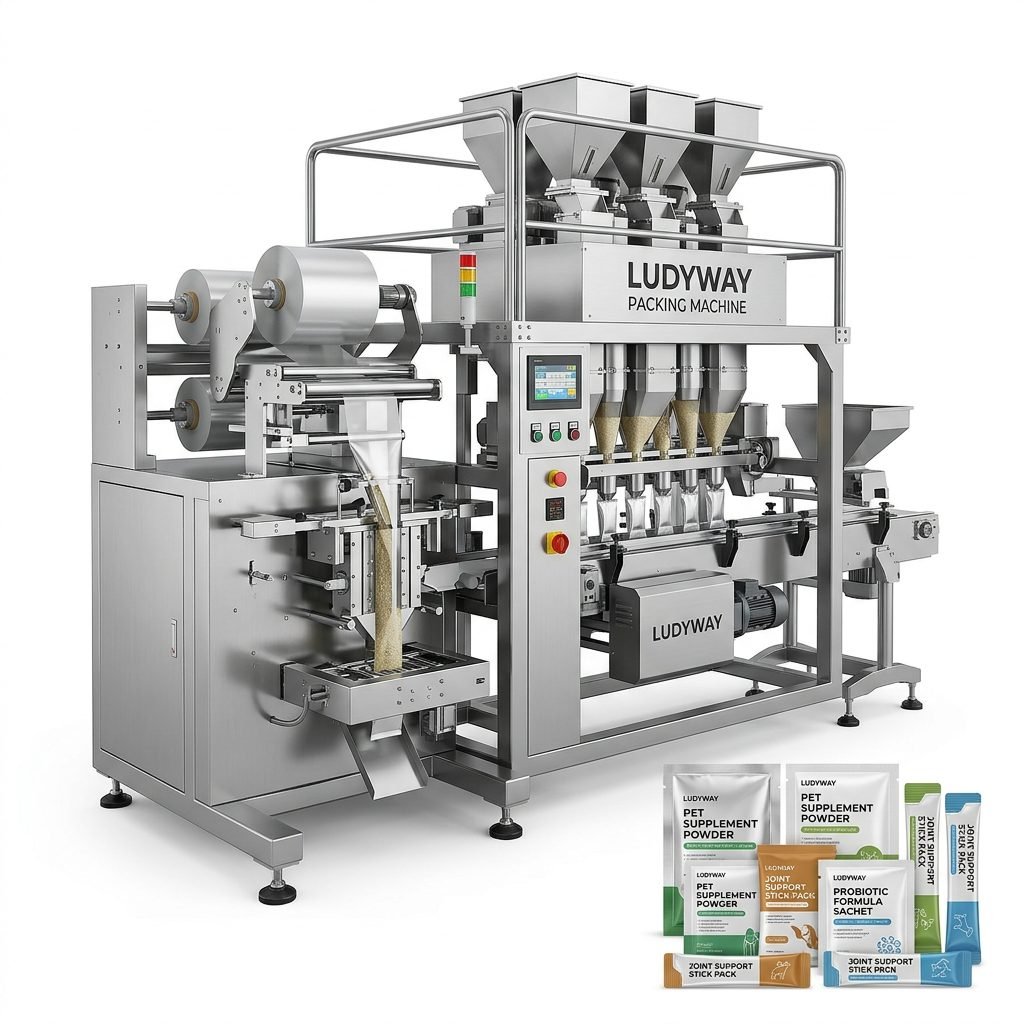
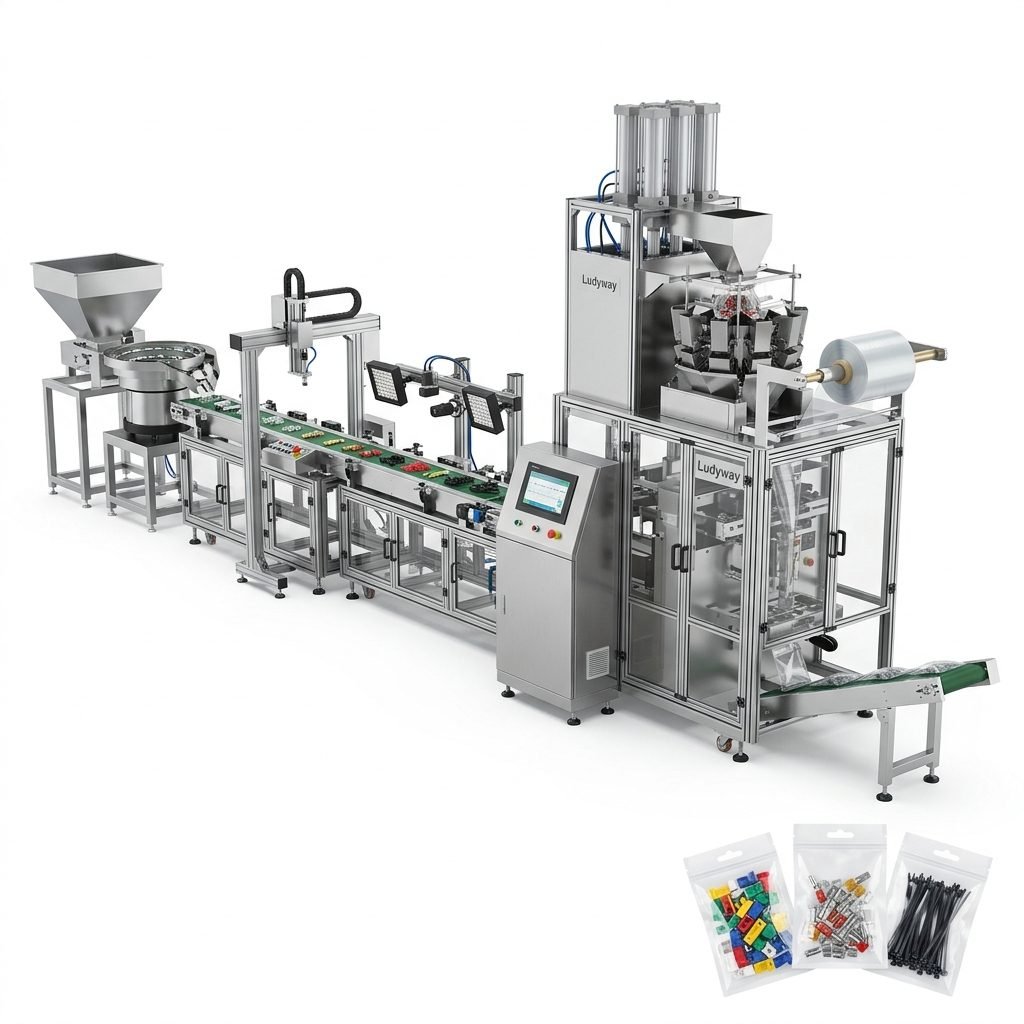
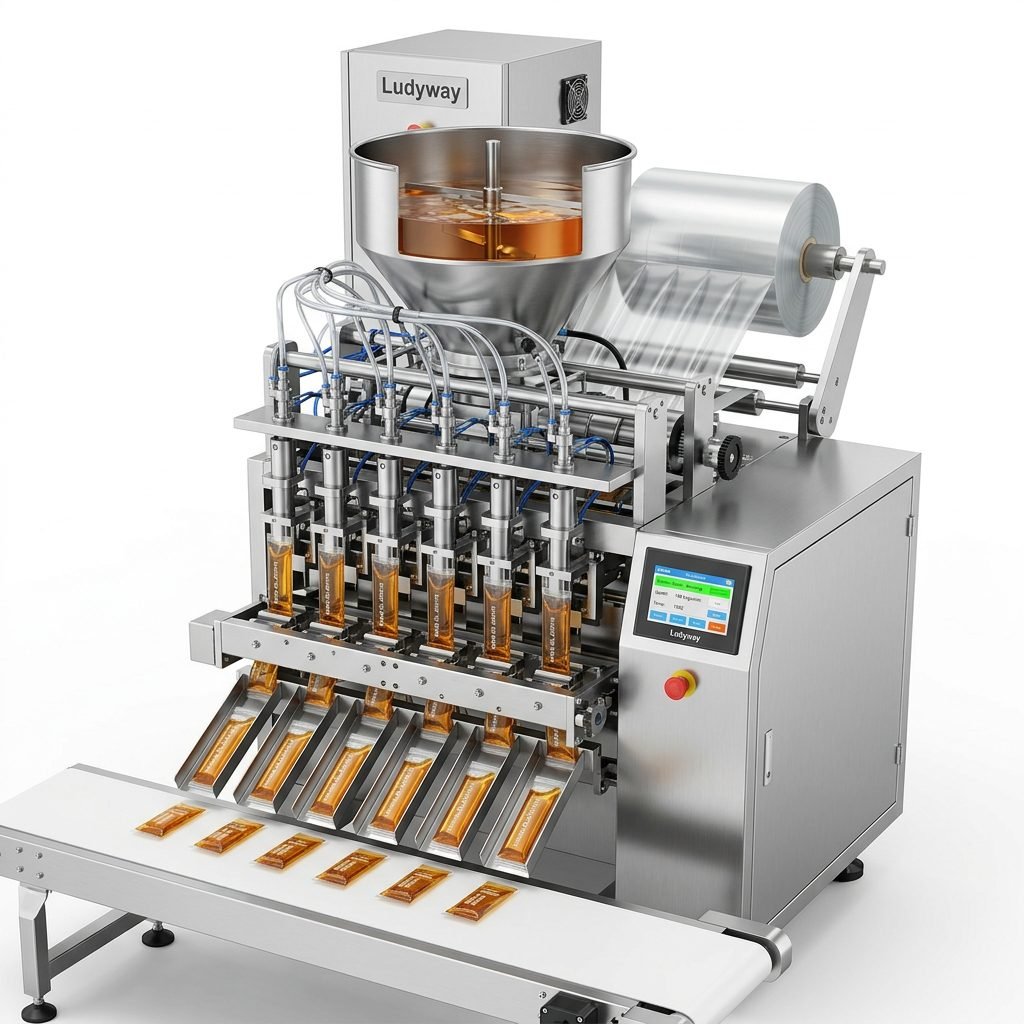
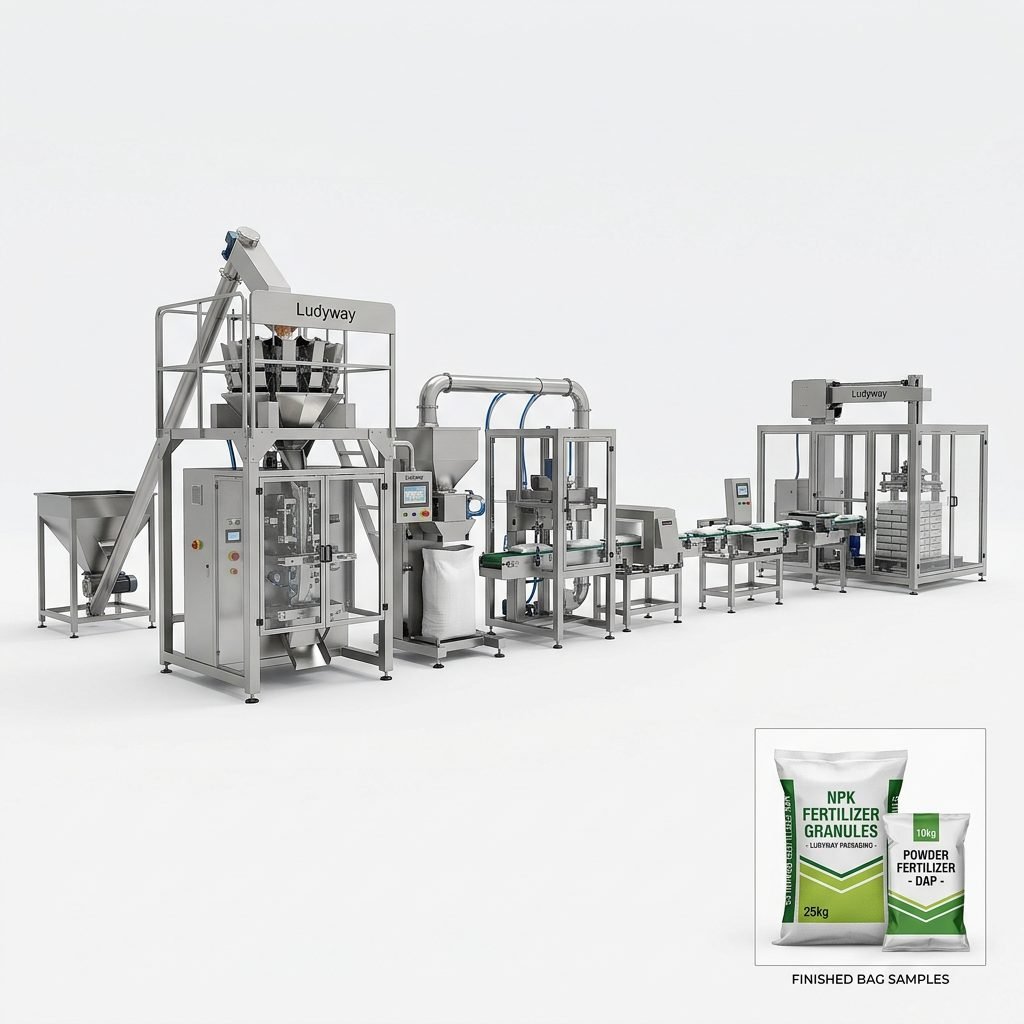
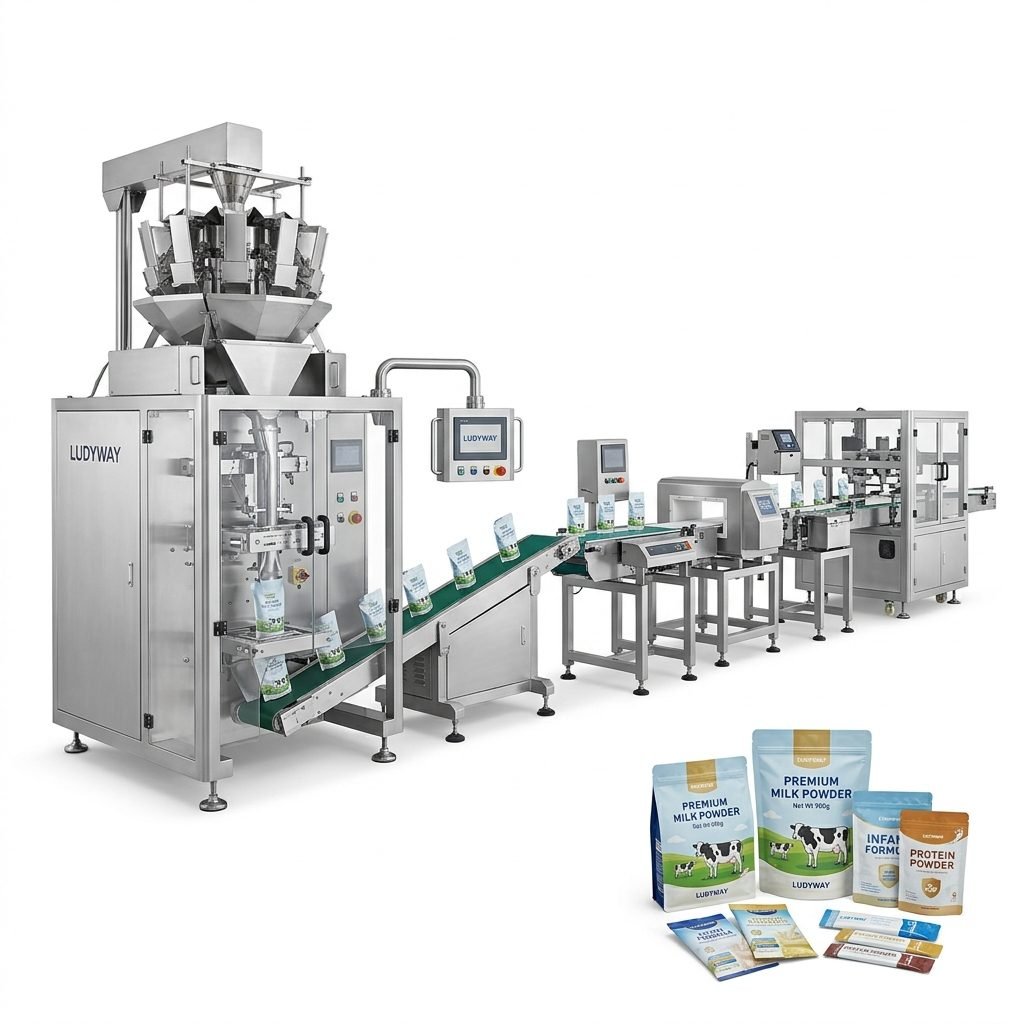
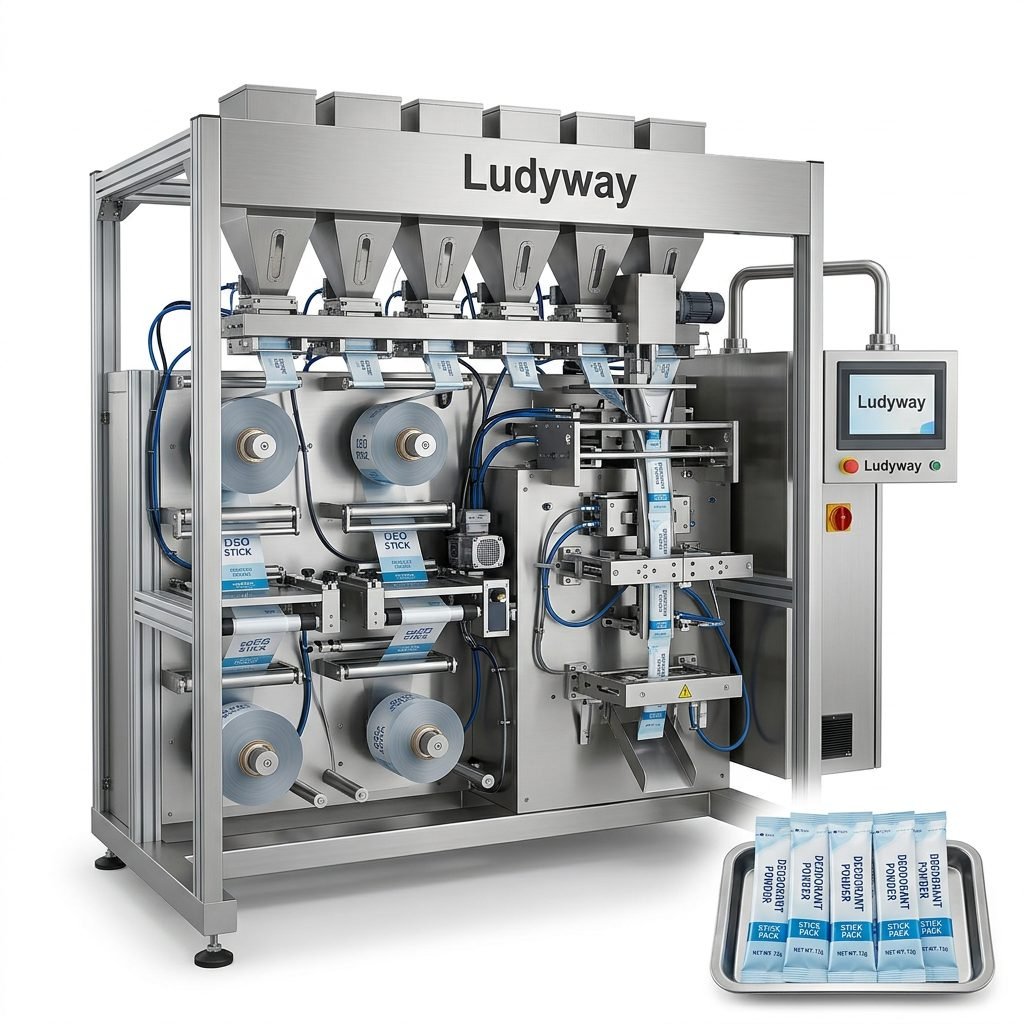
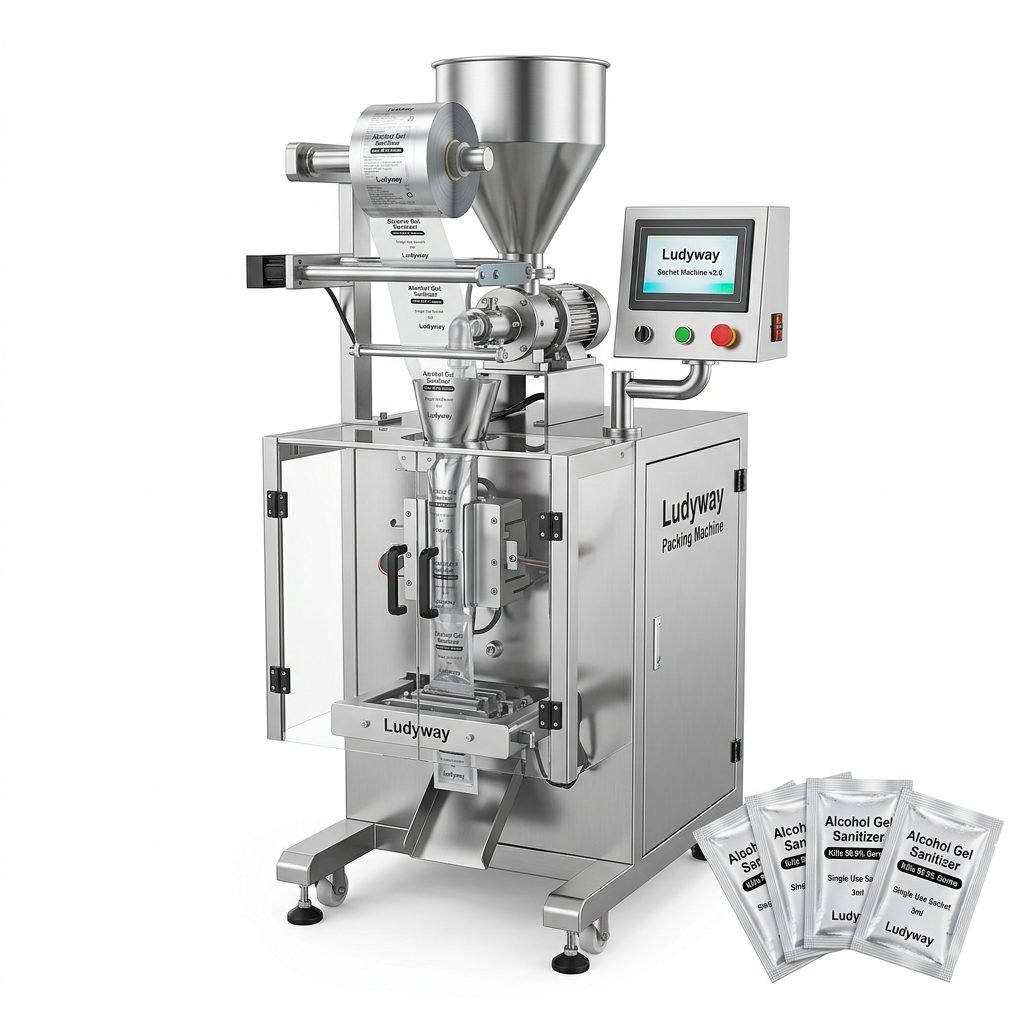
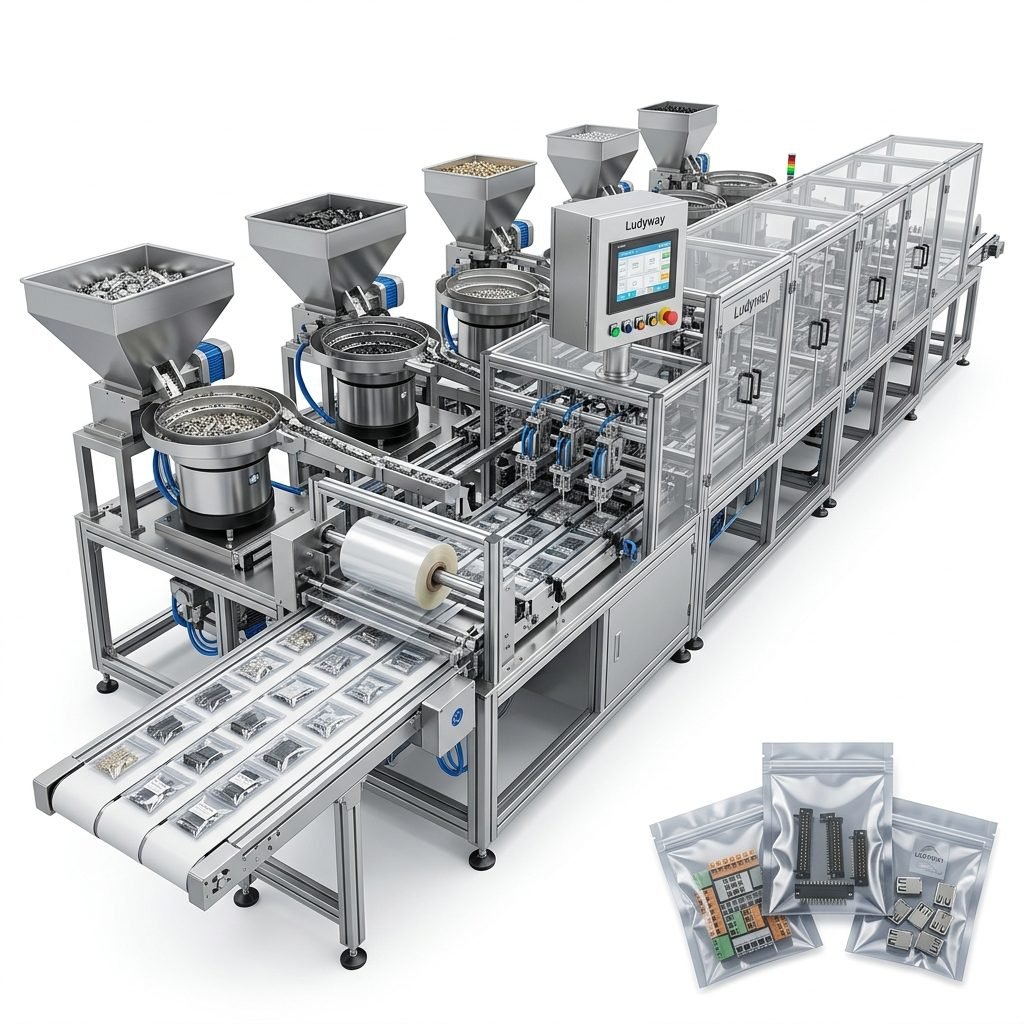
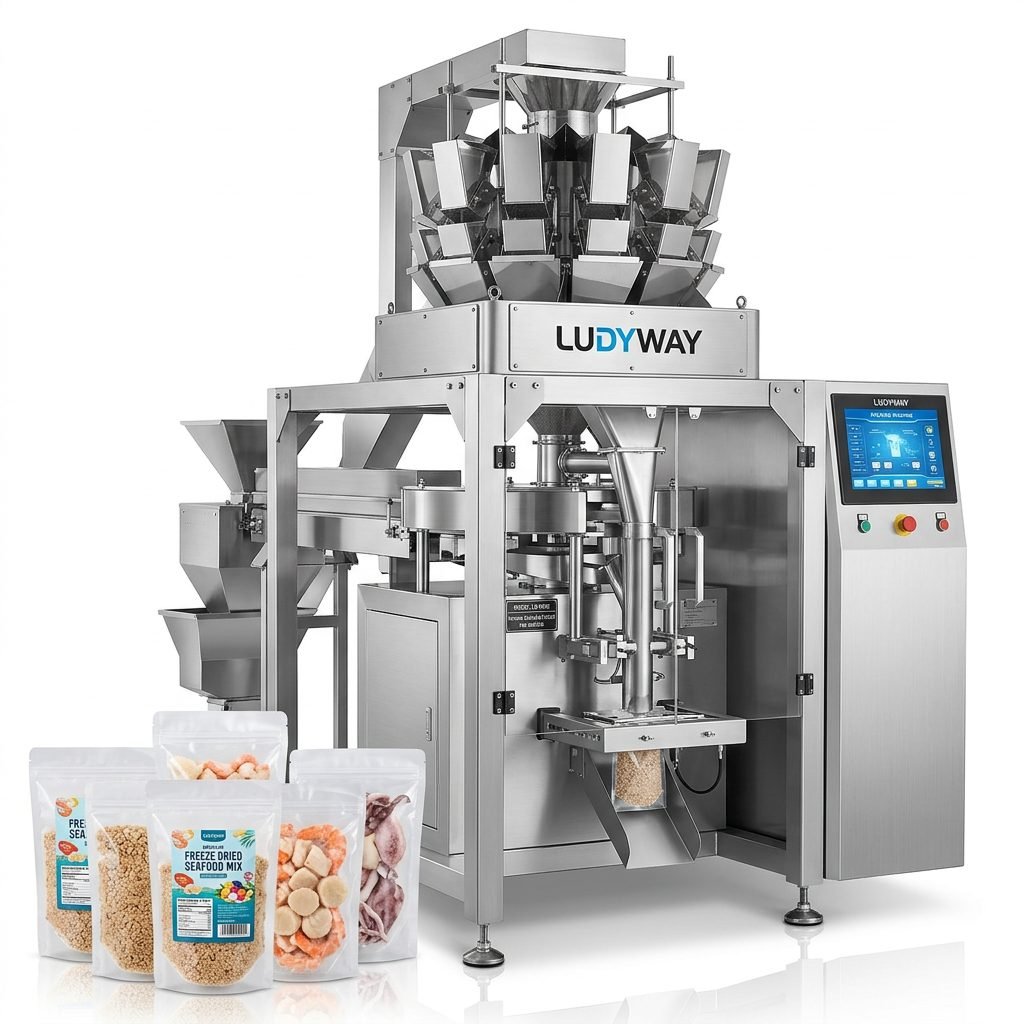
Yes—one packaging machine can handle multiple products, but only when the machine is designed with the right flexibility, dosing system, material compatibility, and changeover capability. For manufacturers in food, pharmaceutical, cosmetic, chemical, and health supplement industries, a multi-product packaging machine can reduce equipment investment, save floor space, and improve production efficiency. However, not every machine is truly “universal,” and choosing the wrong setup can lead to inaccurate filling, contamination risks, downtime, and inconsistent package quality.
In this guide, you’ll learn how multi-product packaging machines work, which products they can handle, their limitations, and how to evaluate whether a flexible system is the right choice for your factory.
What Is a Multi-Product Packaging Machine?
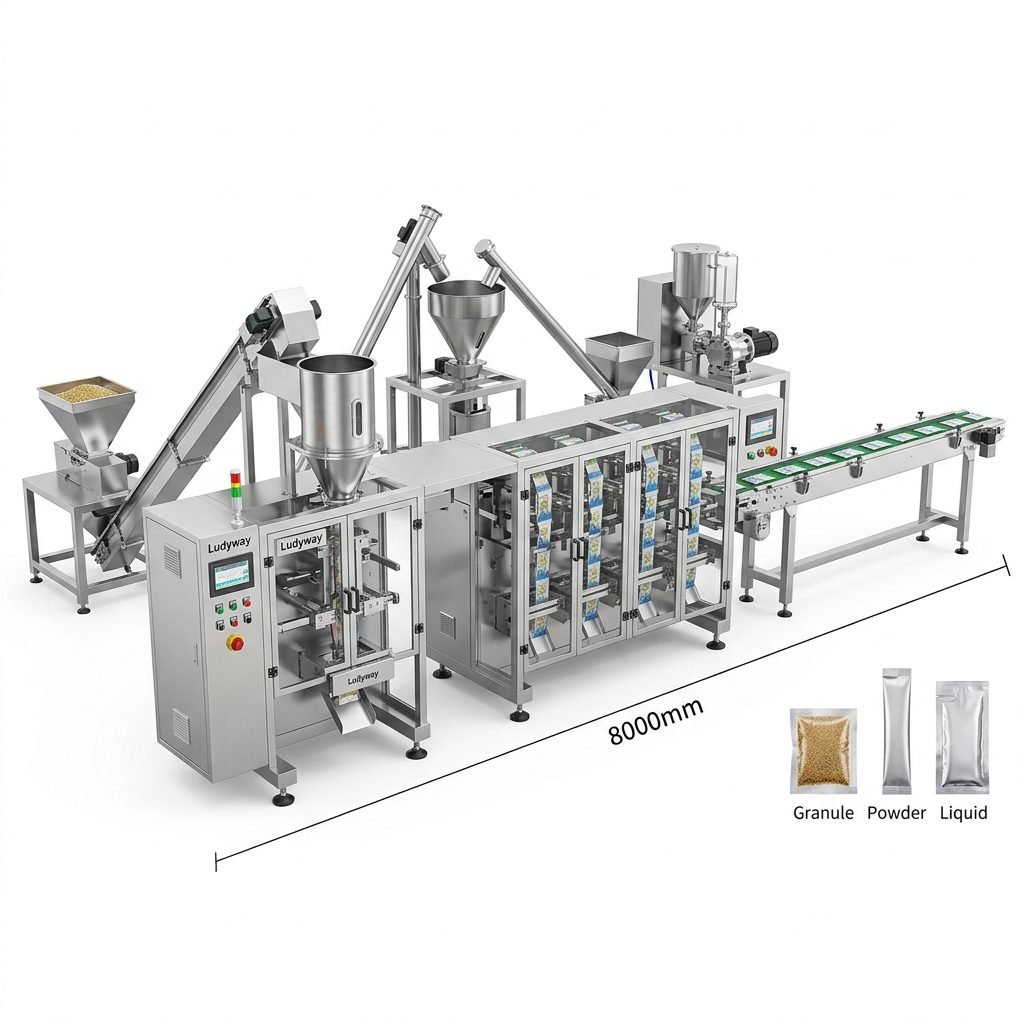
A multi-product packaging machine is a packaging system designed to process different product types, formats, or package sizes on the same platform with adjustments, tooling changes, or recipe switching. Depending on the machine design, it may handle:
- Granules, powders, liquids, or pastes
- Different pouch or sachet sizes
- Single-lane or multi-lane output requirements
- Different fill weights or volumes
- Seasonal, trial, or short-run products
For example, one machine may pack protein powder in stick packs in the morning, electrolyte powder in the afternoon, and a similar free-flowing supplement blend the next day—provided the product characteristics and hygiene requirements are compatible.
Can One Packaging Machine Really Handle Multiple Products?
The short answer is yes, but with conditions. A packaging machine can often handle multiple products when those products share similar characteristics in:
- Physical form
- Flow behavior
- Target fill range
- Packaging material requirements
- Sealing temperature range
- Cleanability and hygiene standards
For instance, a machine designed for dry powder sachets may package milk powder, collagen powder, meal replacement powder, and vitamin blends with relatively smooth changeovers. But that same machine may not be suitable for switching directly from powder to corrosive liquid or from food products to pharmaceutical products without major design considerations.
A practical rule:
The more similar the products are, the easier it is for one machine to handle them efficiently.
Which Product Types Can Be Packed on Flexible Packaging Machines?
Modern packaging systems can be configured for a wide range of applications. The exact scope depends on the filler type, sealing structure, product-contact materials, and control system.
| Product Type | Typical Examples | Common Filling System | Multi-Product Suitability |
|---|---|---|---|
| Granules | Sugar, seeds, coffee beans, pet food, seasonings | Cup filler, weigher, counting system | High |
| Powders | Milk powder, collagen, spices, pharma powders | Auger filler | High if flow properties are similar |
| Liquids | Sauces, syrup, shampoo, sanitizer | Piston pump, peristaltic pump, flowmeter | Moderate to high |
| Pastes / gels | Cream, honey, ketchup, ointment | Servo piston filler | Moderate |
| Tablets / capsules | Pharma and nutraceutical products | Counting system | High with proper counting setup |
What Determines Whether a Machine Can Handle Multiple Products?
1. Filling System Compatibility
The filling device is the biggest factor. A packaging machine is only as flexible as its dosing technology.
- Auger fillers are best for powders
- Multihead weighers are ideal for granules, snacks, and irregular solids
- Piston pumps work well for viscous liquids and pastes
- Liquid pumps suit low- to medium-viscosity fluids
If your product range includes powder, liquid, and granule formats, you may need interchangeable filling systems instead of one fixed filler.
2. Product Flow Characteristics
Even within the same category, products behave differently. Some powders bridge, some granules fracture, and some liquids foam easily. This affects:
- Dosing accuracy
- Machine speed
- Dust control
- Seal cleanliness
- Feeding stability
3. Package Format Flexibility
A machine may support multiple package types such as:
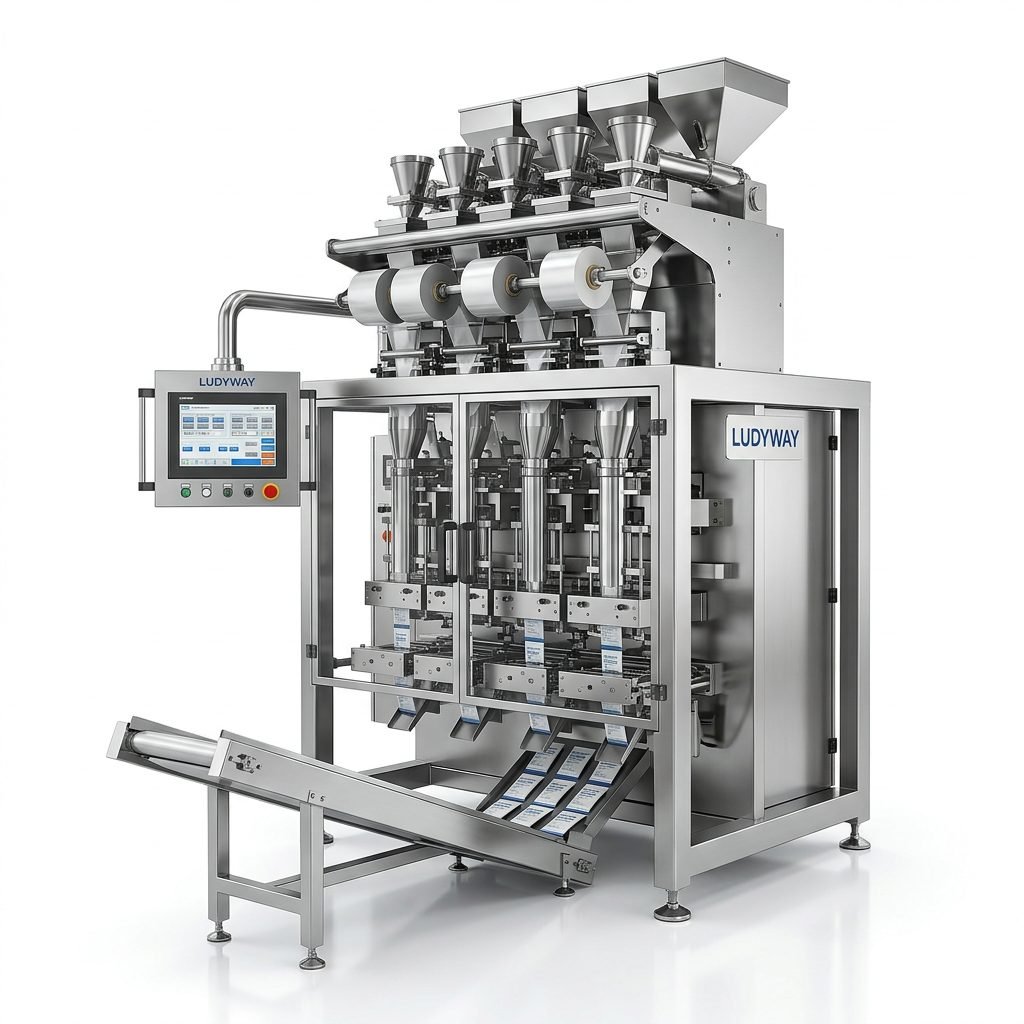
- Stick packs
- Sachets
- Pouches
- Pillow bags
- Premade pouches
But not every machine can switch between all of them easily. The forming structure and sealing arrangement must be compatible with the intended formats.
4. Changeover Design
Quick-release parts, recipe memory, tool-free adjustments, and servo-driven positioning make product switching much faster. Without these features, a “multi-product” machine may become impractical in real production.
5. Cleaning Requirements
This is especially important in food, pharmaceutical, and health supplement production. If allergens, flavors, active ingredients, or sticky residues are involved, cleaning time can offset the efficiency benefits of using one machine for many products.
Benefits of Using One Packaging Machine for Multiple Products
Lower Capital Investment
Buying one flexible machine is often more economical than purchasing separate machines for every product SKU, especially for startups, contract packers, and growing brands.
Better Floor Space Utilization
Factories with limited space can benefit from one compact system that supports several products or package sizes.
Improved Production Planning
A flexible packaging line allows manufacturers to respond faster to:
- New product launches
- Small-batch orders
- Private label production
- Seasonal demand shifts
Reduced Equipment Maintenance Burden
Maintaining one well-designed flexible machine may be easier than managing several separate machines with different spare parts and operating systems.
Scalability
Many manufacturers begin with one versatile machine, then add dedicated lines later for their highest-volume products.
Limitations of Multi-Product Packaging Machines
While flexibility is valuable, there are real limitations.
| Challenge | Why It Matters |
|---|---|
| Longer changeover time | Frequent product switching can reduce overall efficiency |
| Compromise in optimization | A flexible machine may not perform as fast as a dedicated machine for one product |
| Cleaning complexity | Cross-contamination risk rises with diverse products |
| Operator skill requirements | Staff must understand settings for different product recipes |
| Tooling costs | Additional forming tubes, dosing parts, or sealing jaws may be needed |
Flexibility is not the same as unlimited compatibility. The best results come from grouping products with similar packaging needs.
Best Applications for Multi-Product Packaging Machines
Multi-product machines are especially suitable for businesses that run a variety of products with moderate volume per SKU.
Ideal use cases include:
- Contract packaging companies
- Health supplement brands with multiple formulas
- Food producers with flavor variants
- Cosmetic sample sachet manufacturers
- Pharmaceutical and nutraceutical trial-batch production
- Brands expanding into new package sizes
Less ideal use cases include:
- Ultra-high-volume single-product production
- Products requiring completely different hygiene standards
- Extremely sticky, corrosive, or volatile products mixed with standard products
- Factories needing near-zero changeover downtime
Examples of Products That Can Often Share One Machine
If configured properly, one machine may handle combinations such as:
- Protein powder, collagen powder, and meal replacement powder
- Sugar, salt, coffee granules, and seasoning blends
- Shampoo, lotion, serum, and liquid soap sachets
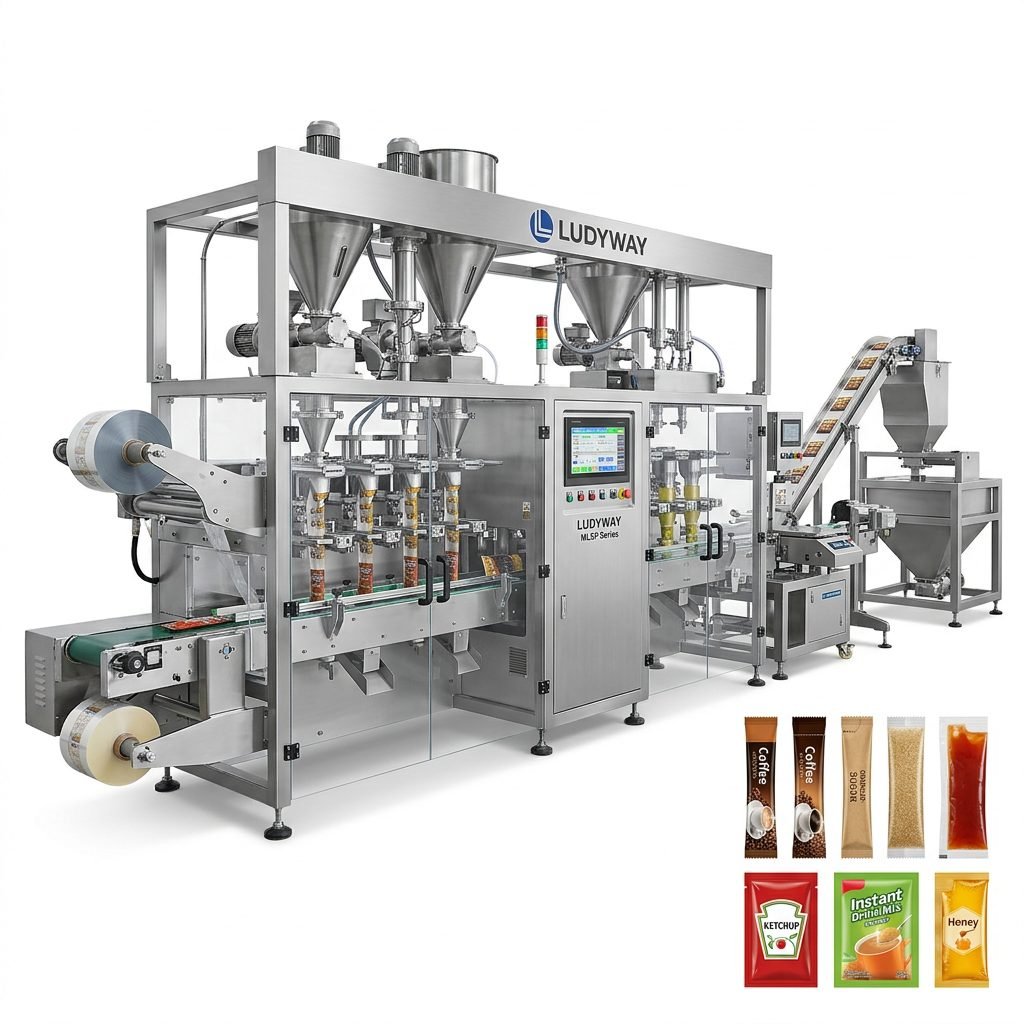
- Honey, ketchup, sauce, and syrup stick packs
- Pet supplement powder, electrolyte powder, and vitamin granules
However, switching between products like milk powder and pharmaceutical powder or food sauce and industrial chemicals typically requires stricter separation and may not be advisable on the same line.
How to Choose the Right Multi-Product Packaging Machine
Define Your Product Matrix
List all products you want the machine to run, including:
- Product form
- Bulk density
- Particle size
- Viscosity
- Target fill weight
- Package type
- Required speed
Estimate Changeover Frequency
If you switch products several times per day, prioritize quick-clean and quick-change features. If switching happens weekly, manual adjustments may be acceptable.
Evaluate Cleaning and Compliance Requirements
Food, pharma, and supplement manufacturers should confirm:
- Contact part material
- Sanitary design
- Dust extraction options
- CIP or easy-disassembly features
- Validation support if needed
Check Control System Intelligence
Modern machines with recipe storage, servo control, HMI settings, and error diagnostics can significantly improve consistency across multiple products.
Request Real Product Testing
Factory testing with your own materials is one of the best ways to verify whether a machine can truly handle your product range.
Key Features to Look For
- Modular machine structure
- Interchangeable dosing systems
- Servo-driven adjustments
- Recipe memory on touch screen
- Quick-release product-contact parts
- Stable sealing control for different films
- Dust-proof or anti-drip configuration
- Scalable downstream integration
Multi-Product Packaging Machine vs Dedicated Packaging Machine
| Factor | Multi-Product Machine | Dedicated Machine |
|---|---|---|
| Flexibility | High | Low |
| Maximum speed | Moderate to high | Usually highest for one product |
| Investment efficiency | Strong for mixed product lines | Best for large-volume single SKU |
| Changeover time | Required | Minimal |
| Best for | Diverse SKUs, contract packing, expansion | Mass production of one product |
Common Buyer Questions
Can one machine pack both powder and granules?
Yes, in some cases, especially if the machine uses interchangeable dosing systems or if the products have compatible feeding behavior.
Can one machine pack both liquid and powder?
Usually not with one fixed filling system. This typically requires modular change parts or different machine configurations.
Is a multi-product machine slower?
Not necessarily during operation, but total production efficiency may be lower if frequent changeovers and cleaning are needed.
Can a multi-product machine still provide accurate filling?
Yes, if it is properly matched to the product and calibrated for each recipe.
Who benefits most from this type of equipment?
Manufacturers with multiple SKUs, moderate production volumes, or growing product portfolios benefit the most.
Choosing a Reliable Packaging Machine Partner
Beyond the machine itself, the supplier matters. A qualified manufacturer should be able to evaluate your product range, recommend suitable filling technologies, support testing, and provide scalable turnkey solutions when your production grows. Companies like Ludyway packaging machine manufacturer are often considered by buyers looking for flexible packaging systems, multi-lane equipment, and complete packaging line solutions across food, pharmaceutical, cosmetic, chemical, and pouch-based applications.
Final Takeaway
A packaging machine can absolutely handle multiple products—but the success of that setup depends on product similarity, filler compatibility, changeover efficiency, and hygiene design. For many manufacturers, a flexible machine is the smartest path to lower investment, faster market response, and scalable automation. The key is to choose a system designed for your real product mix rather than assuming one machine can do everything equally well.
If your goal is efficiency with product variety, the best multi-product packaging machine is one that is flexible by design, not just flexible in theory.