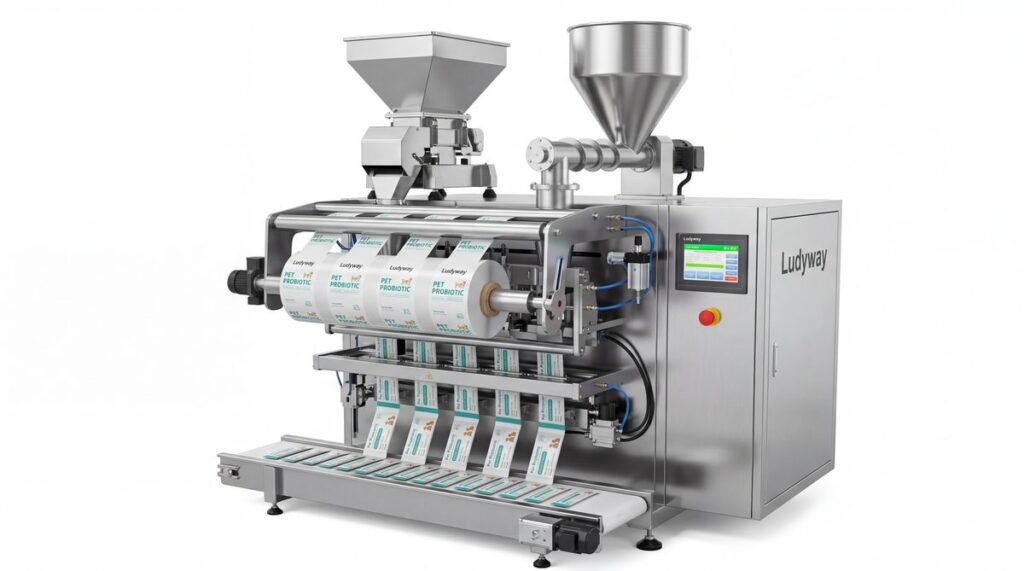
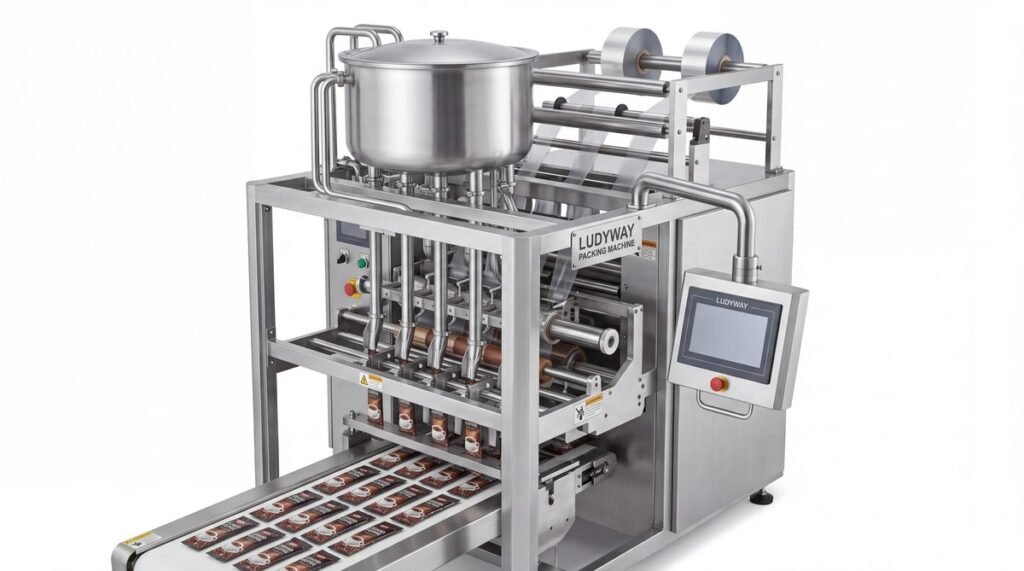
Running a packaging machine around the clock is possible in many production environments, but the short answer is not every machine is truly built for 24/7 continuous operation. The real question is not whether the machine can stay powered on all day, but whether the full system can maintain stable output, acceptable wear levels, product quality, and safe operation over long production cycles.
For food, pharmaceutical, cosmetics, chemical, pet food, and health supplement manufacturers, continuous operation can significantly improve throughput and reduce unit cost. However, it also increases demands on motors, sealing systems, feeding units, electrical controls, lubrication, cooling, consumables, and operators. Before planning a three-shift schedule, you need to evaluate machine design, product characteristics, maintenance strategy, and line integration.
What Does 24/7 Operation Really Mean?
In packaging, “24/7” does not usually mean a machine runs non-stop without interruption for weeks. In practice, it means the equipment is expected to support multiple shifts, minimal downtime, planned maintenance windows, and repeatable performance under sustained industrial use.
- Continuous daily production across two or three shifts
- Short stops for roll changes, cleaning, inspection, and material refill
- Scheduled preventive maintenance instead of reactive repair only
- Stable sealing, filling, cutting, coding, and discharge performance over long cycles
A packaging machine that performs well for 4 to 8 hours may not automatically perform well for 24 hours a day. Heat buildup, vibration, sealing inconsistency, feeding fluctuation, and consumable wear often appear only after long-duration operation.
Can Packaging Machines Run 24/7?
Yes, many industrial-grade packaging machines can run 24/7, especially when they are engineered for high-volume production and supported by the right maintenance plan. This is common in sectors such as:
- Instant food and seasoning sachets
- Pharmaceutical granules and powders
- Liquid detergents and personal care products
- Nutritional supplement stick packs
- Nicotine pouch and pouch-based packaging lines
- Animal feed and bulk powder bagging systems
However, whether a machine should run 24/7 depends on several factors: mechanical robustness, automation level, spare parts readiness, operator skill, and how demanding your product and packaging materials are.
Key Factors That Determine Continuous Operation Capability
1. Machine Design and Build Quality
Heavy-duty frames, stable drive systems, quality bearings, precision machining, and reliable servo controls are essential for continuous production. A lightweight machine may work for small batches, but around-the-clock use requires stronger structural stability and better component durability.
2. Product Type
Powders, granules, liquids, gels, and pastes behave differently. Some products create dust, some are sticky, some foam, and some require very precise dosing. Products that are abrasive, oily, corrosive, or hygroscopic can increase wear and cleaning frequency.
3. Packaging Material Compatibility
Film quality has a major impact on sealing consistency and machine speed. If your film has unstable thickness, poor heat response, or weak tensile strength, even a strong machine can suffer frequent stops and waste.
4. Heat Management
Sealing jaws, motors, electrical cabinets, and pneumatic systems all generate heat. During long shifts, insufficient cooling or poor ventilation may reduce accuracy and shorten component life.
5. Maintenance Discipline
No packaging machine should be expected to run 24/7 without preventive care. Lubrication, fastener checks, sensor cleaning, blade inspection, and wear-part replacement are critical for dependable uptime.
6. Operator and Technician Support
Continuous production needs trained operators who can identify early warning signs such as seal drift, feed inconsistency, unusual vibration, or coding errors before those issues cause major downtime.
Signs a Packaging Machine Is Suitable for 24/7 Production
- Servo-driven controls for stable and repeatable motion
- Industrial-grade PLC and HMI systems
- Robust sealing and cutting assemblies
- Accessible lubrication and maintenance points
- Quick-change parts for film rolls and product formats
- Overload protection and fault alarms
- Integrated reject detection or quality monitoring
- Strong upstream and downstream line compatibility
- Clear spare parts planning and service documentation
Common Problems During Continuous Operation
Even well-designed machines can face challenges during extended production runs. The most common issues include:
| Problem | Likely Cause | Possible Result |
|---|---|---|
| Seal inconsistency | Temperature drift, film variation, jaw wear | Leaks, rejects, poor shelf life |
| Filling inaccuracy | Product bridging, auger wear, unstable feed | Weight deviation, compliance risk |
| Excessive downtime | No preventive maintenance, weak training | Low OEE, missed delivery schedules |
| Component overheating | Poor ventilation, overload, long runtime | Reduced service life, unexpected shutdown |
| Material jams | Dust buildup, sticky product, improper handling | Cycle interruption, quality defects |
How to Prepare Before Running a Packaging Machine 24/7
Audit the Whole Line, Not Just One Machine
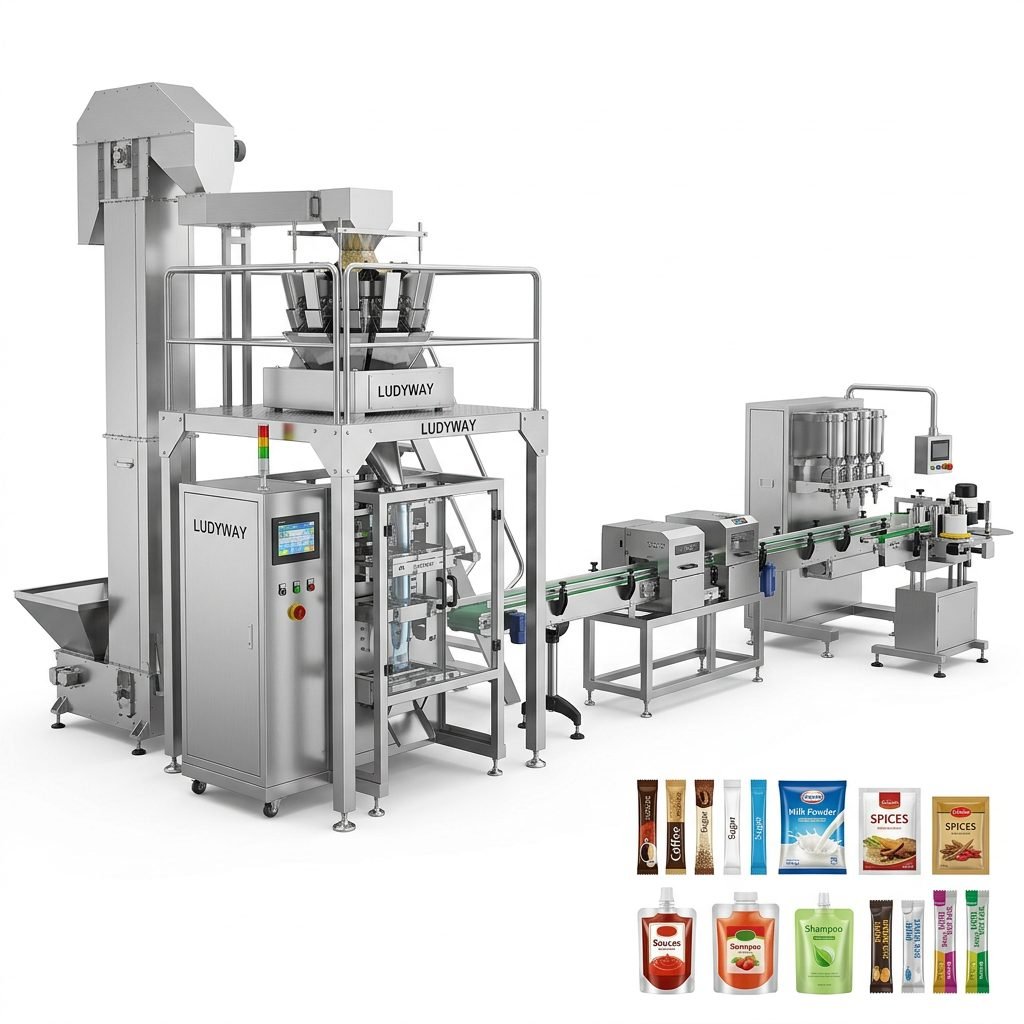
A high-speed packer is only as reliable as the feeding, conveying, coding, inspection, cartoning, and discharge systems connected to it. Continuous production often fails because one auxiliary device cannot keep up.
Use the Right Maintenance Schedule
Move from “fix it when it breaks” to planned preventive maintenance. This includes:
- Daily cleaning and visual inspection
- Weekly lubrication checks
- Regular replacement of sealing consumables and blades
- Scheduled calibration of dosing systems
- Motor, sensor, and pneumatic verification
Keep Critical Spare Parts in Stock
If your machine runs continuously, waiting days for a sensor, heater, cutter, belt, or bearing can be very expensive. Prepare a spare parts list based on wear rate and delivery time.
Train Operators for Shift Handover
Shift-to-shift communication matters. Operators should record output, alarms, abnormal sounds, seal temperature changes, product feeding issues, and maintenance actions. This reduces recurring faults and protects production consistency.
Validate Packaging Performance at Real Speed
Some machines perform well at test speed but show instability at production speed. Before full deployment, run the line under actual conditions with your own product, film, shift pattern, and target output.
Recommended Pre-Operation Checklist
| Checkpoint | Why It Matters |
|---|---|
| Machine duty rating | Confirms whether the equipment is engineered for extended industrial use |
| Product testing | Ensures dosing, sealing, and discharge match the actual product behavior |
| Film compatibility | Prevents sealing failures and unnecessary waste |
| Cooling and ventilation | Helps manage heat during long production runs |
| Cleaning accessibility | Reduces downtime during sanitation and product changeover |
| Spare parts readiness | Improves recovery speed when wear parts fail |
| Operator training | Supports stable production across all shifts |
Is 24/7 Operation Right for Every Manufacturer?
Not always. Continuous operation makes the most sense when demand is steady, labor is organized into shifts, maintenance resources are available, and the machine has enough automation to support long runs. For smaller factories or highly variable SKUs, shorter controlled runs may deliver better overall efficiency than forcing 24-hour production.
You should also calculate the real return. Running all day only helps if product quality remains stable and downtime stays low. If constant operation increases scrap, service interruptions, or operator error, your actual cost per pack may rise instead of fall.
Industries That Commonly Require Around-the-Clock Packaging
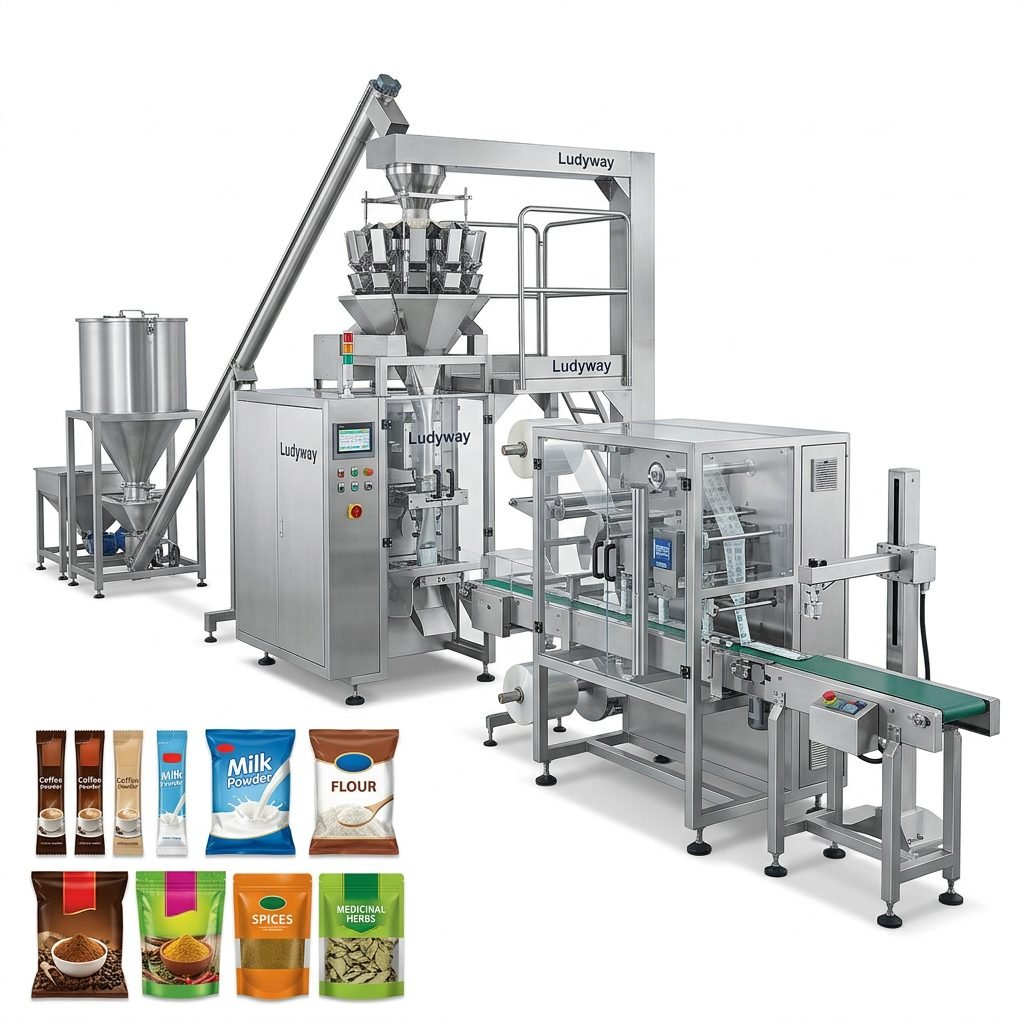
- High-volume instant beverage and coffee manufacturing
- Seasoning, sugar, salt, and powder sachet production
- Pharmaceutical sachets, granules, and oral dose packaging
- Liquid detergent and household chemical filling
- Nutraceutical and supplement stick pack lines
- Pet food, feed premix, and bulk bagging operations
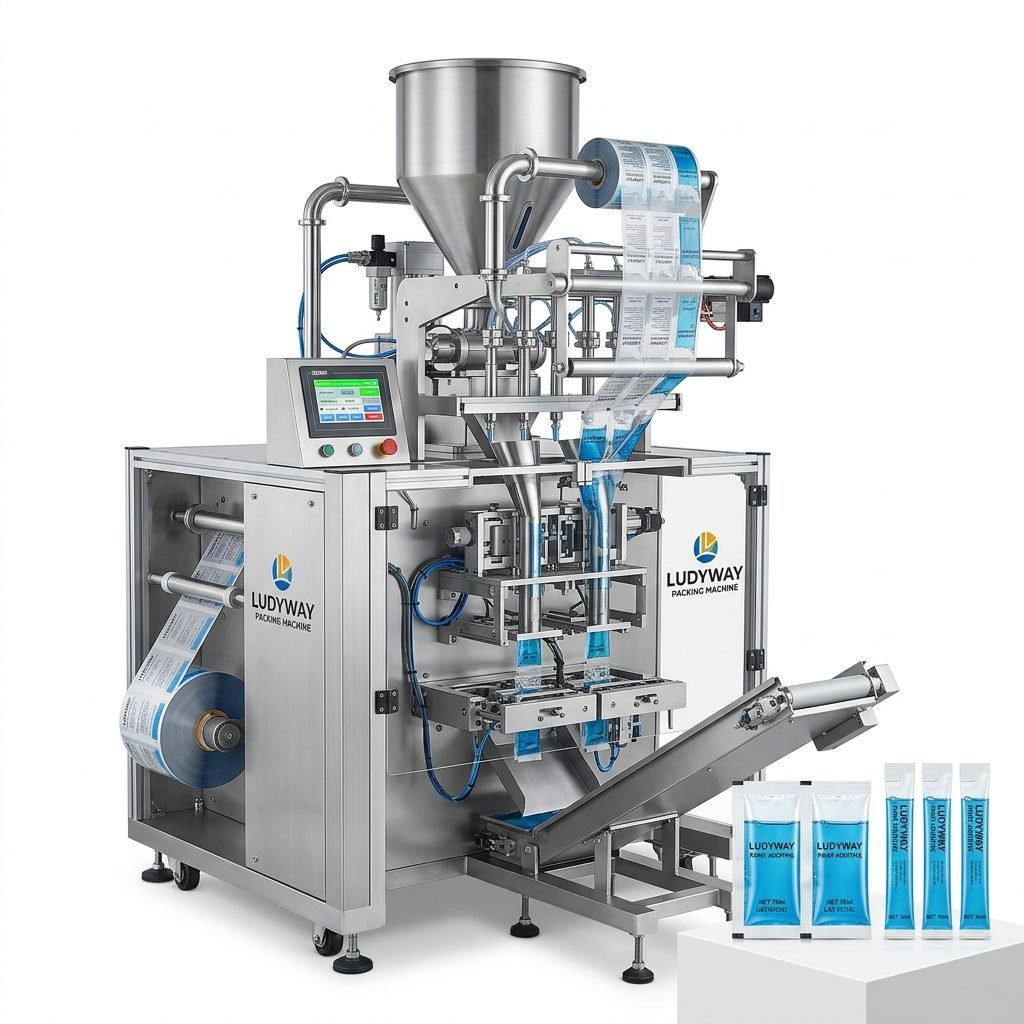
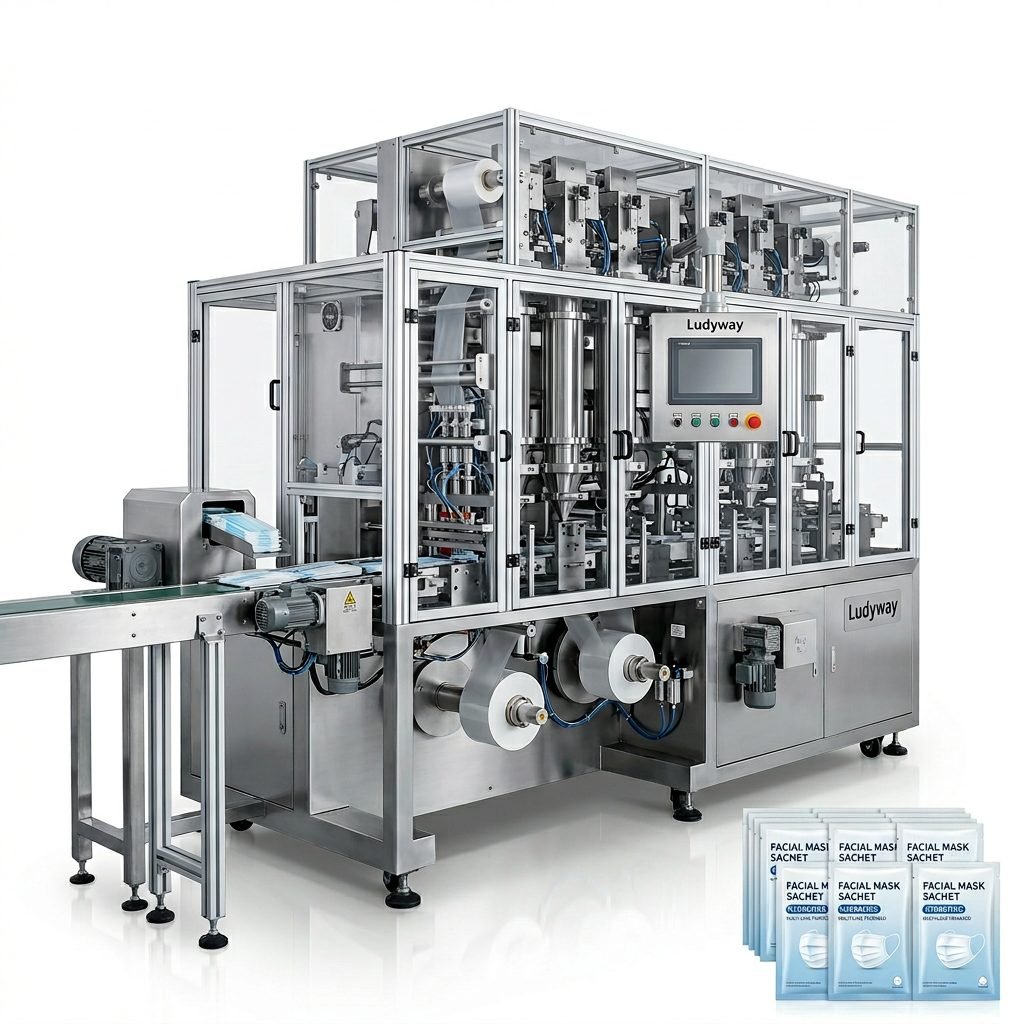
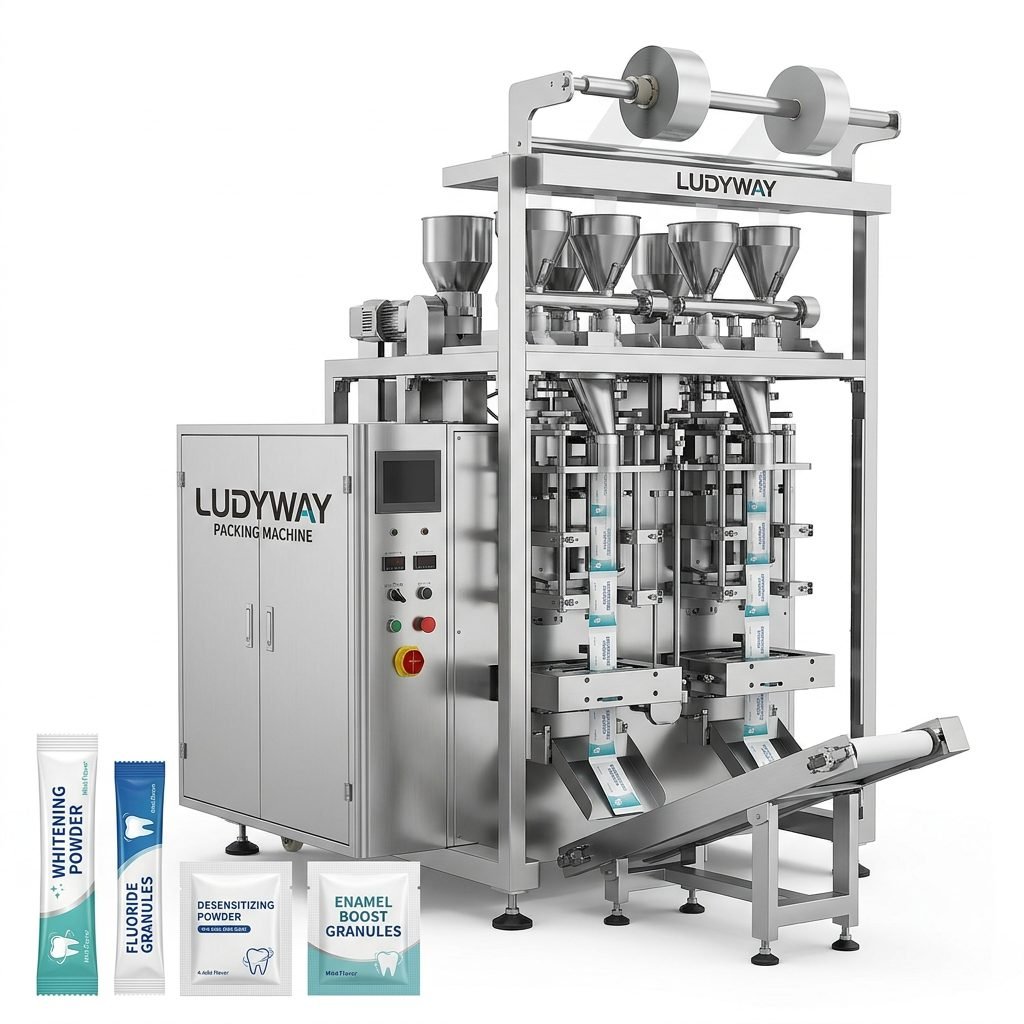
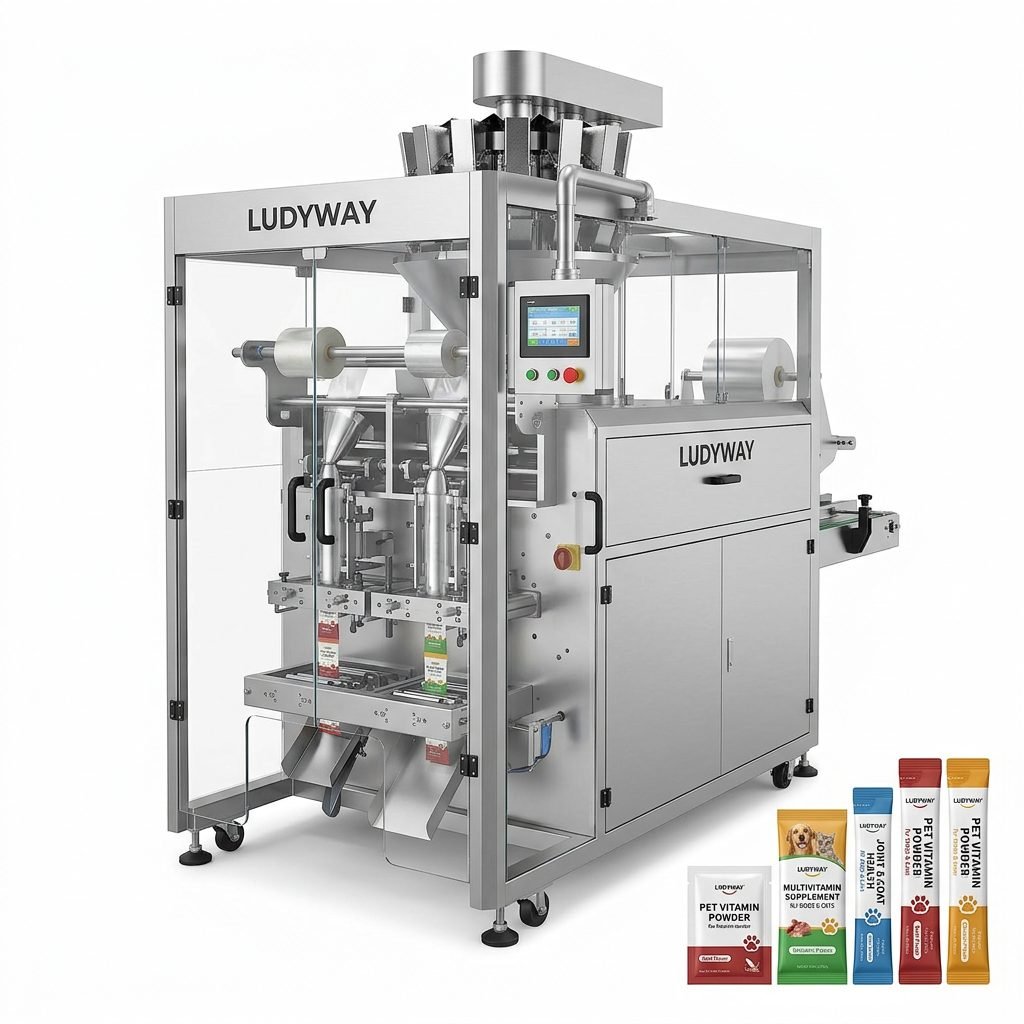
In these sectors, choosing a supplier with strong engineering, manufacturing experience, and line integration capability is especially important. Companies such as Ludyway packaging machine manufacturer are often considered for projects that require scalable automatic packaging solutions, multi-lane systems, and turnkey production lines for long-hour industrial use.
Best Practices for Safe and Efficient 24/7 Operation
- Choose equipment designed for industrial duty, not just occasional batch production.
- Run FAT and on-site validation using your actual product and packaging material.
- Set realistic speed targets that protect quality, not just maximum output claims.
- Use maintenance logs and shift handover records.
- Monitor OEE, reject rate, sealing quality, and downtime reasons.
- Replace wear parts before failure rather than after breakdown.
- Keep the surrounding environment clean, especially for dusty or sticky products.
- Review upstream feeding and downstream collection capacity regularly.
Final Decision: What Should You Ask Before Going 24/7?
Before switching to continuous operation, ask these practical questions:
- Is the machine specifically intended for long-hour industrial use?
- What are the recommended maintenance intervals under full production load?
- Which parts are most likely to wear first?
- How long can the machine maintain sealing and filling accuracy without adjustment?
- Can the entire packaging line support the target speed continuously?
- Do we have trained operators and technicians for all shifts?
- What backup plan is in place if a critical component fails?
The bottom line is simple: packaging machines can run 24/7, but only when the machine, product, operators, and maintenance system are all prepared for continuous production. If you treat nonstop operation as a complete production strategy instead of just a machine setting, you will be far more likely to achieve reliable output, lower downtime, and better long-term return on investment.