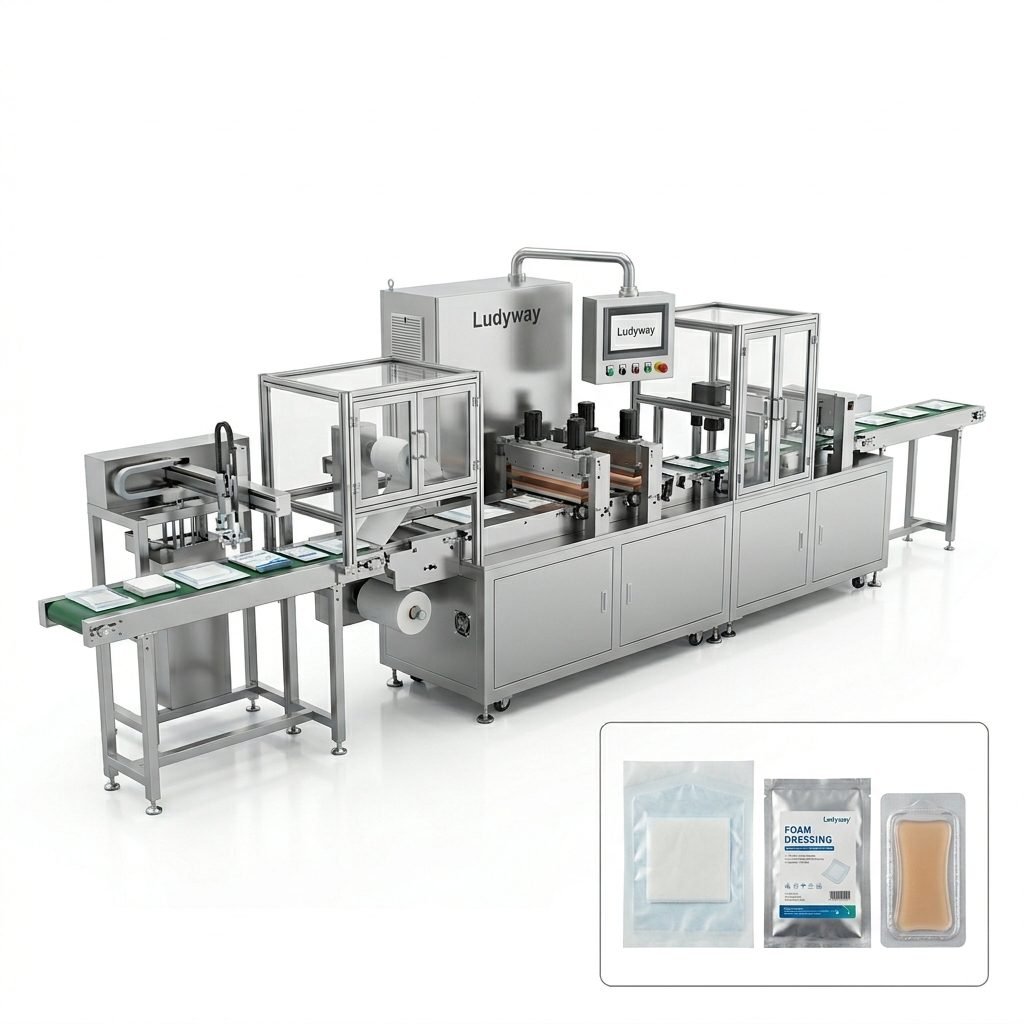
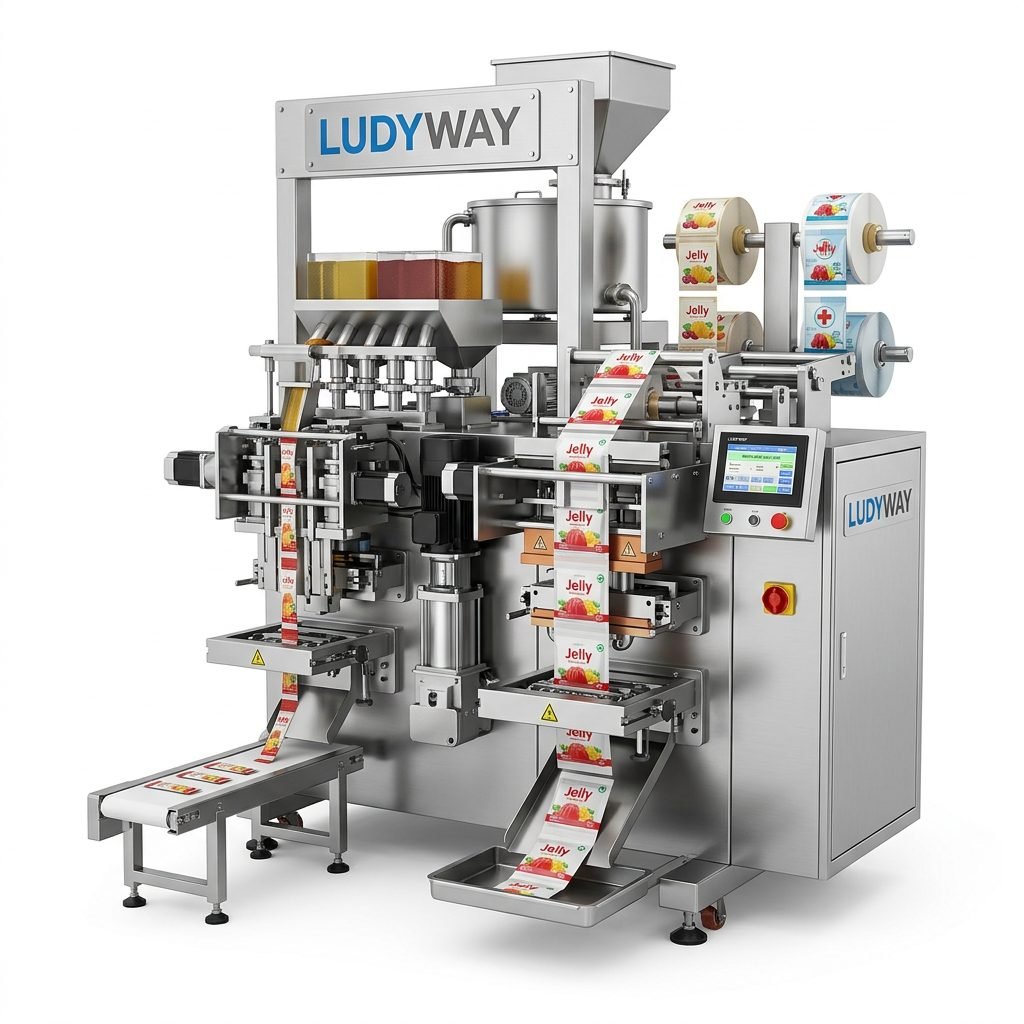
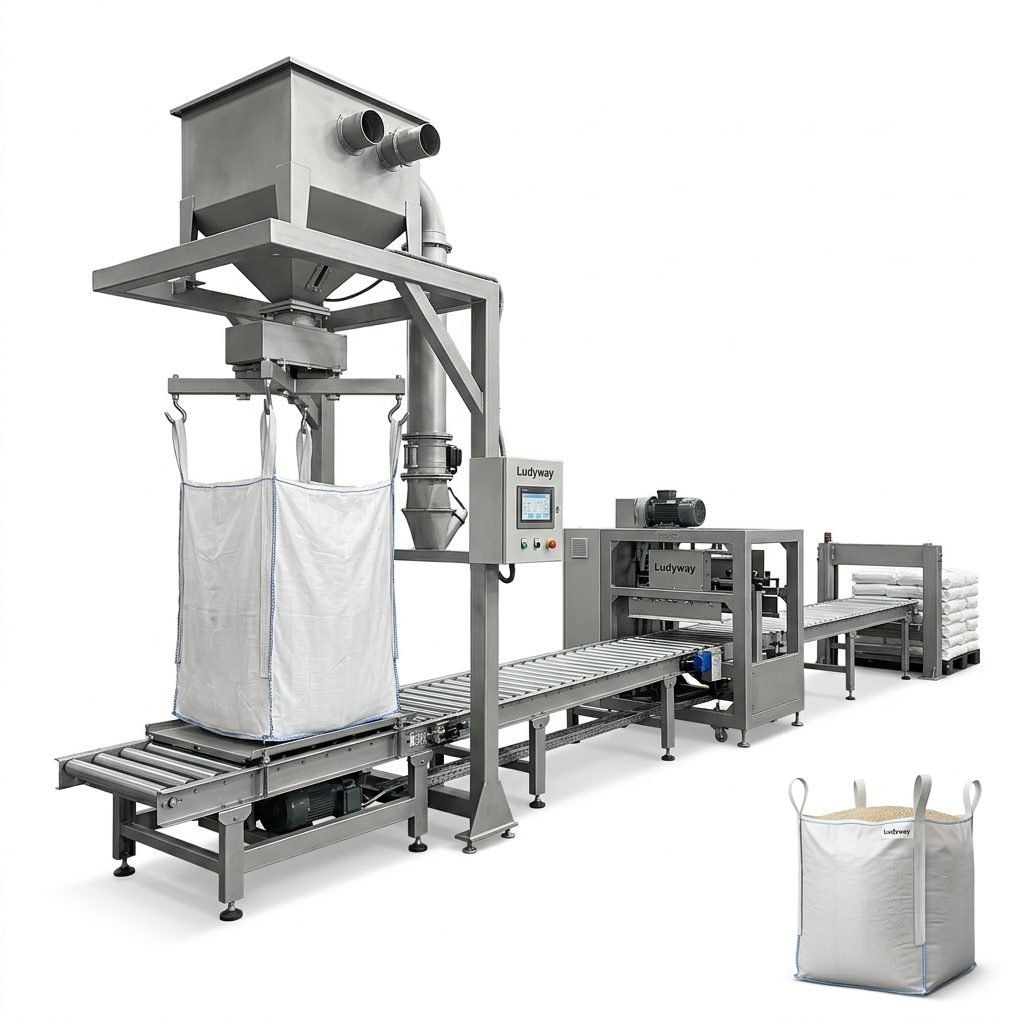
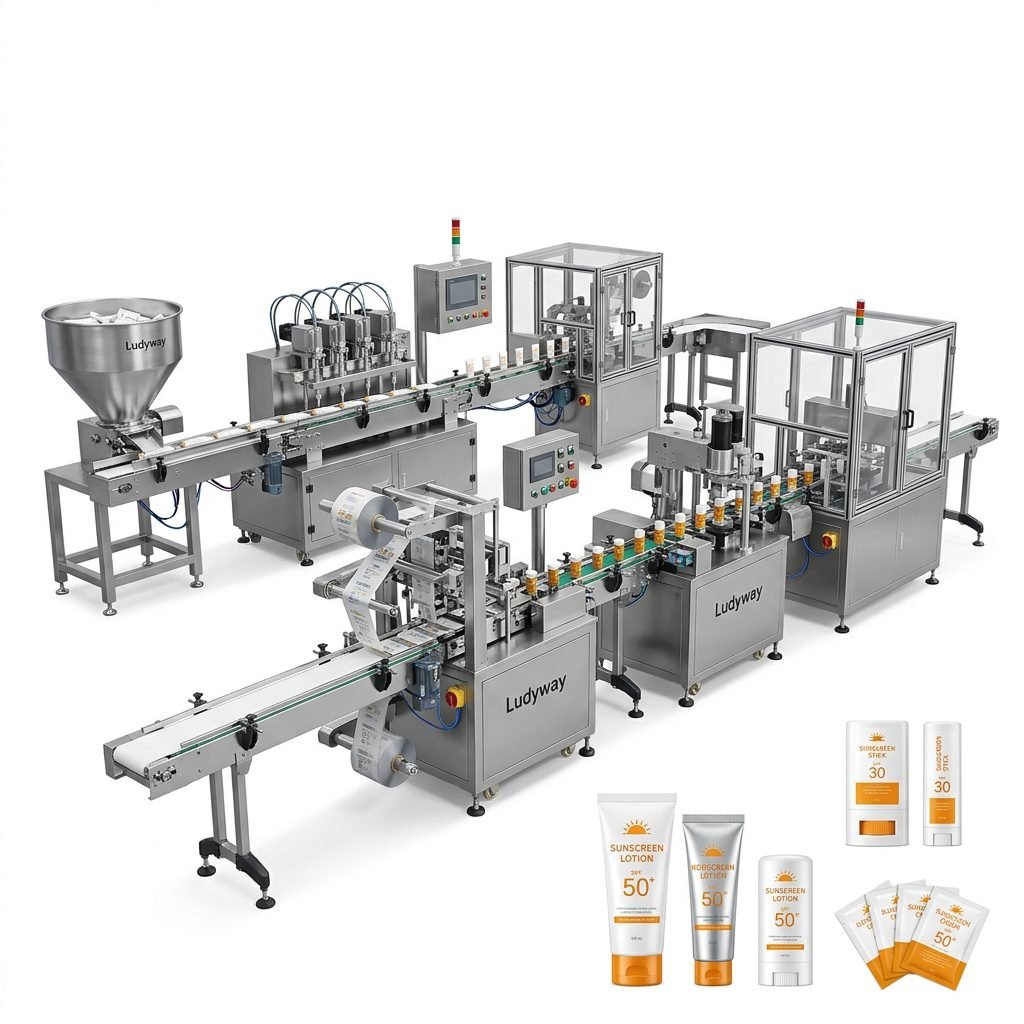
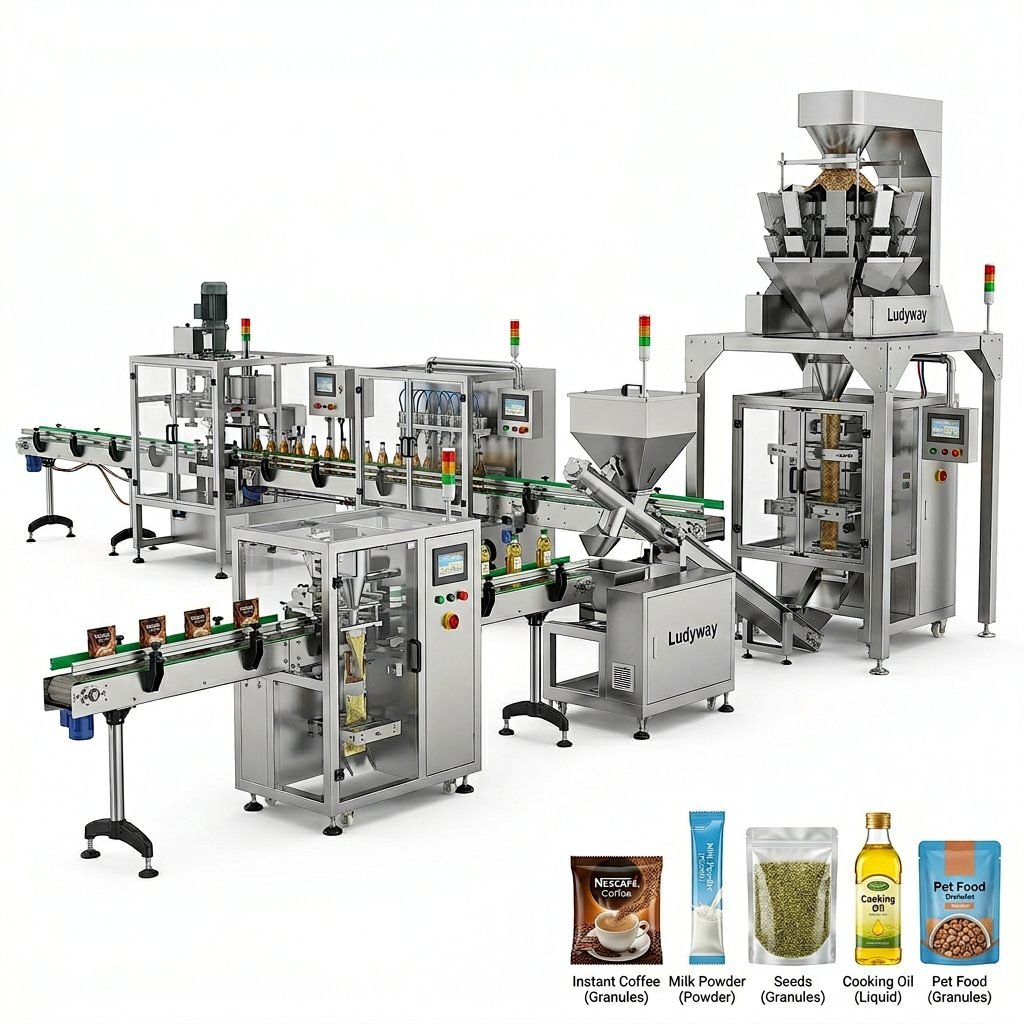
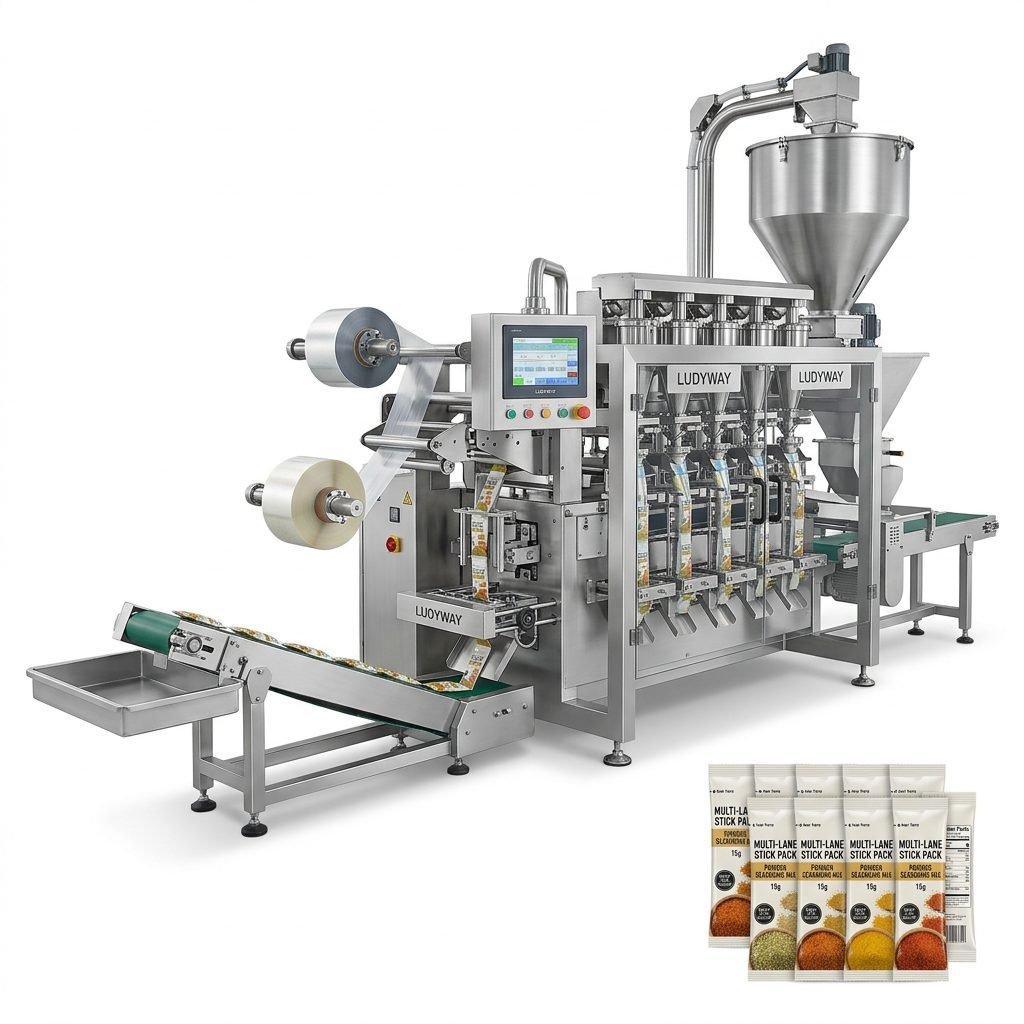
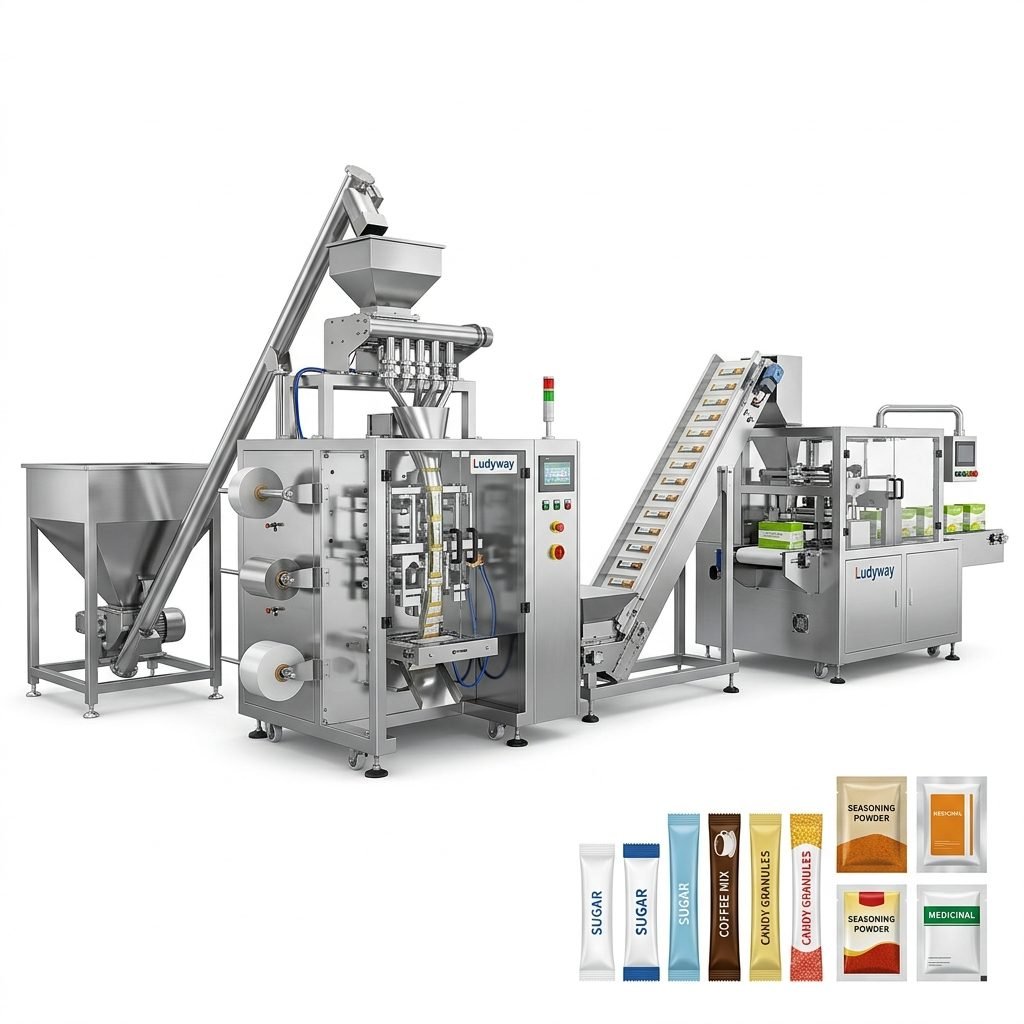
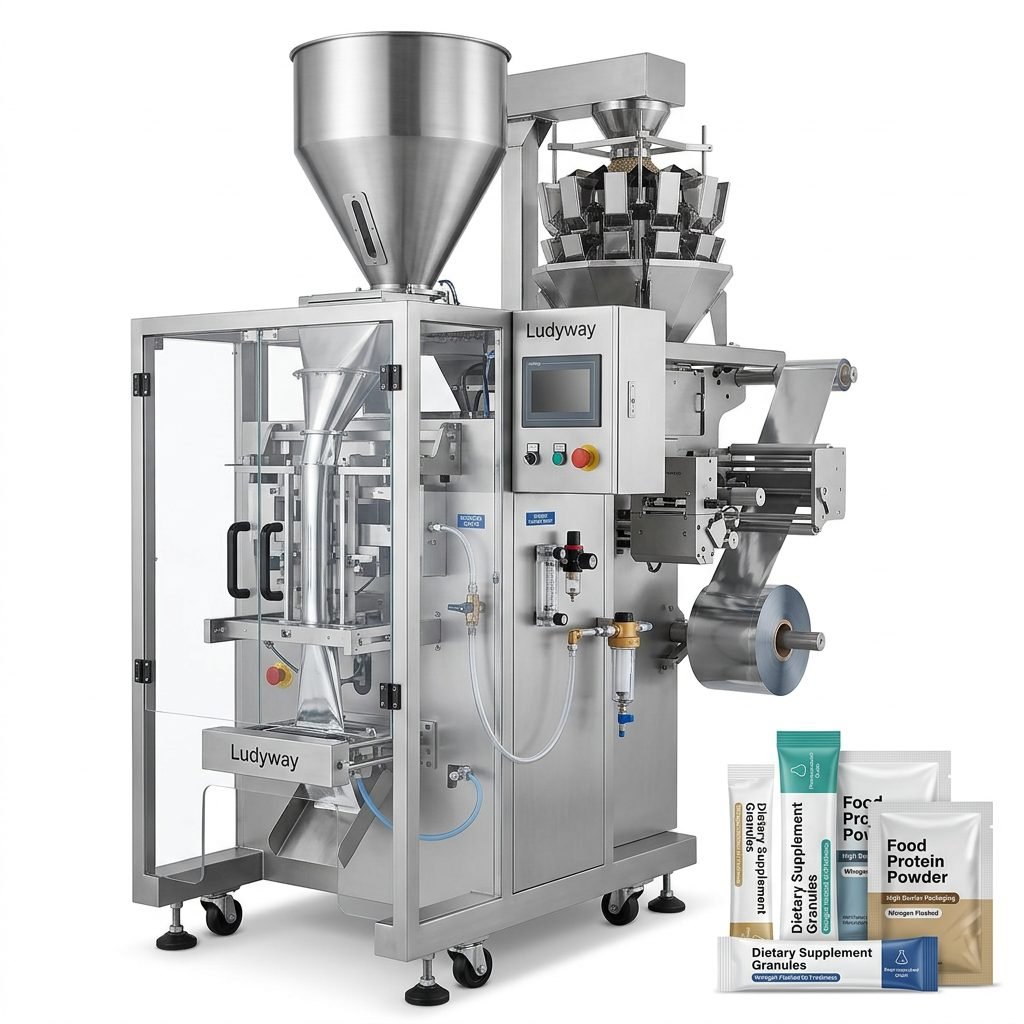
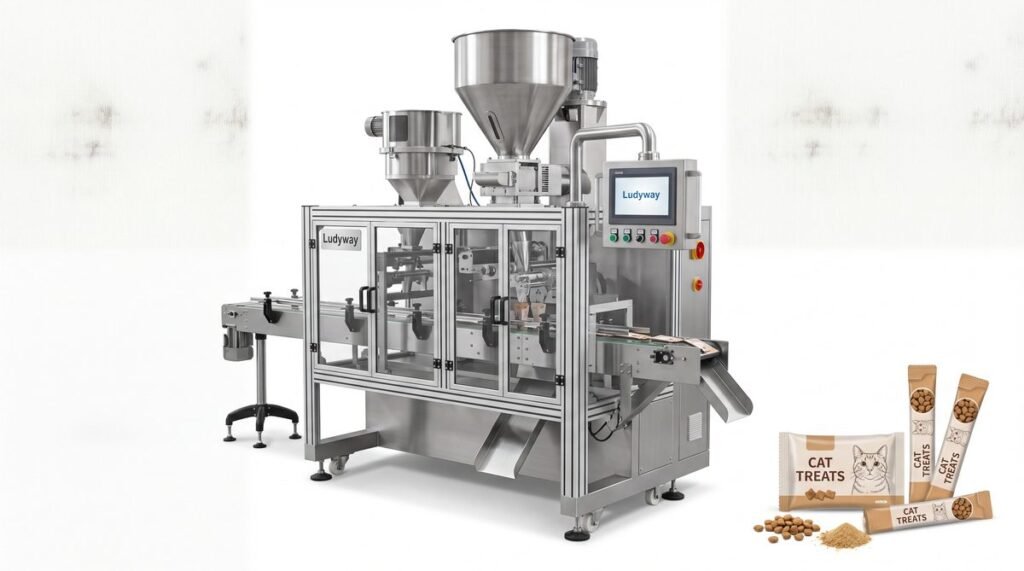
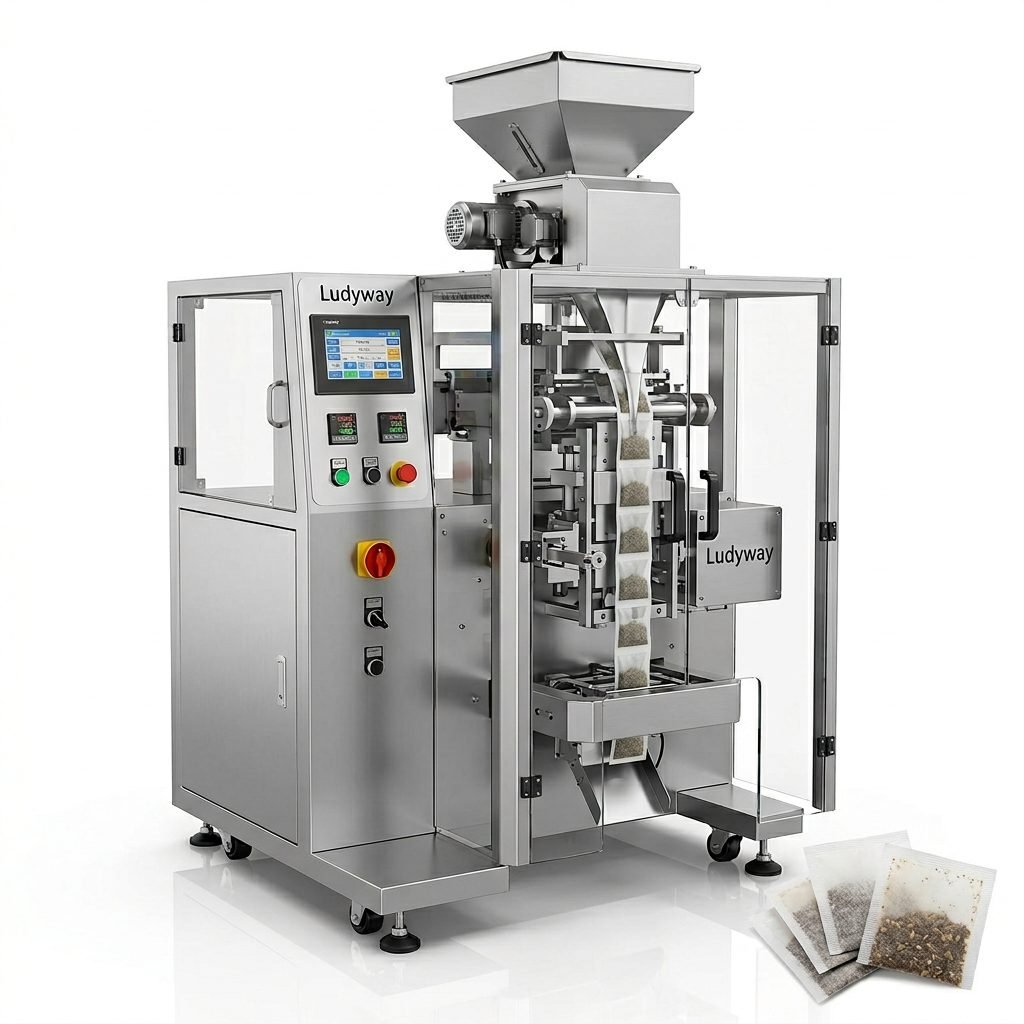
In modern manufacturing, packaging is no longer just the final step before shipment. It is a critical control point that directly affects product consistency, brand reputation, regulatory compliance, and customer satisfaction. Whether a company packs powders, granules, liquids, gels, tablets, or pouches, advanced packaging machines help create repeatable results at scale while reducing the risk of human error.
Businesses that invest in automated packaging equipment often see improvements not only in speed, but also in fill accuracy, seal integrity, appearance, traceability, and inspection reliability. These factors work together to support stronger quality control throughout the production line.
Why Product Consistency Matters in Packaging
Product consistency means every unit leaving the line meets the same standards for weight, volume, sealing, labeling, and presentation. For food, pharmaceutical, cosmetic, and chemical manufacturers, this consistency is essential because customers expect every package to perform exactly as promised.
- Uniform dosage or quantity helps maintain product reliability.
- Consistent package appearance strengthens brand trust.
- Stable sealing quality protects shelf life and reduces leakage.
- Repeatable coding and labeling supports traceability and compliance.
Manual packaging processes can introduce variation due to fatigue, inconsistent measuring, and uneven handling. Automated machinery minimizes these variables by standardizing every motion, fill cycle, and sealing step.
How Packaging Machines Improve Quality Control
Packaging machines improve quality control by integrating precision systems into routine production. Instead of relying on spot checks alone, manufacturers can build quality control directly into the line.
1. Accurate Filling and Dosing
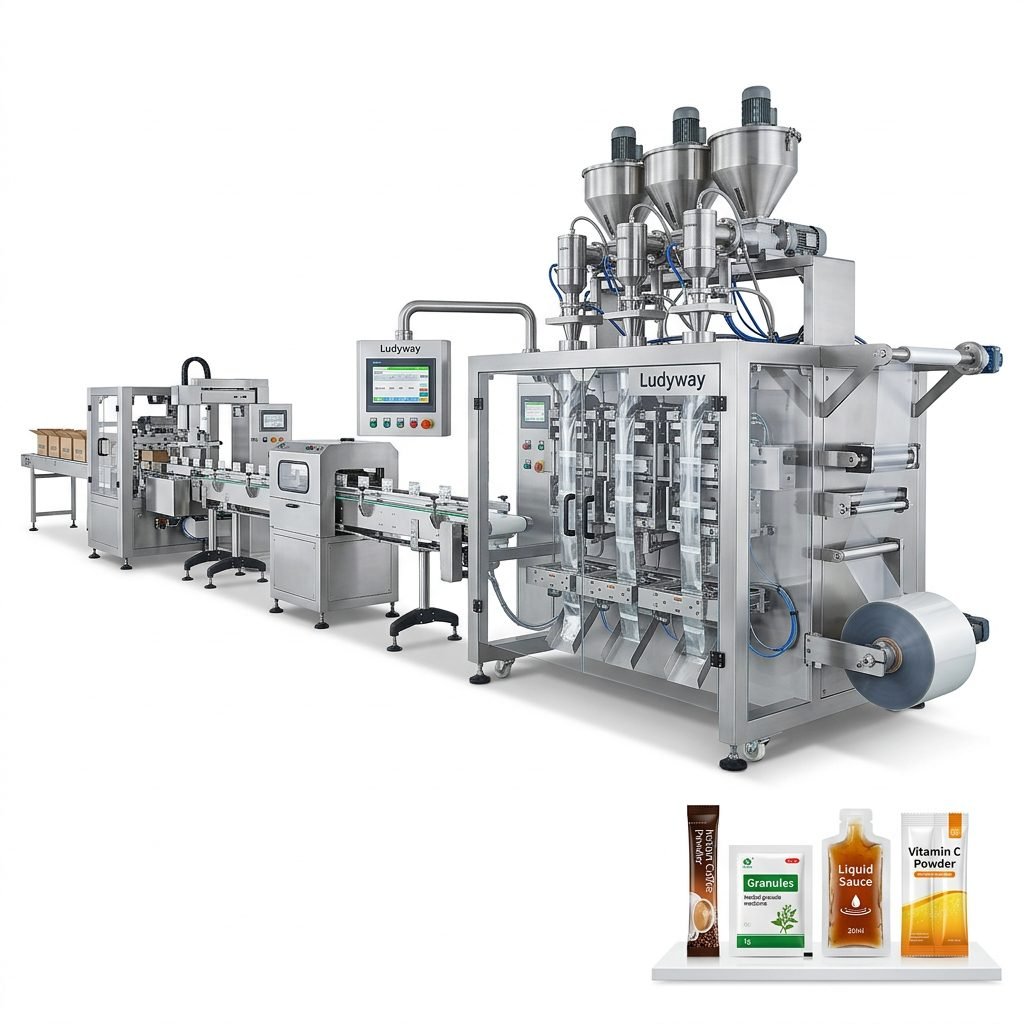
One of the most important quality indicators is fill consistency. Advanced packaging machines use augers, volumetric cups, pumps, weighers, or multi-head systems to deliver controlled quantities with high repeatability. This is especially important for:
- Pharmaceutical powders and granules
- Health supplements
- Coffee, sugar, and seasoning sachets
- Liquid condiments, gels, and creams
With the correct filling system, manufacturers can reduce underfilled and overfilled packs, helping control costs while improving compliance.
2. Reliable Sealing Performance
Packaging quality depends heavily on seal integrity. Poor seals can lead to contamination, leaks, moisture ingress, and reduced shelf life. Automated machines maintain stable heat, pressure, and dwell time, making seals more consistent than manual or semi-automatic methods.
Reliable sealing is particularly important in industries where hygiene, freshness, or tamper resistance is essential.
3. Integrated Inspection Systems
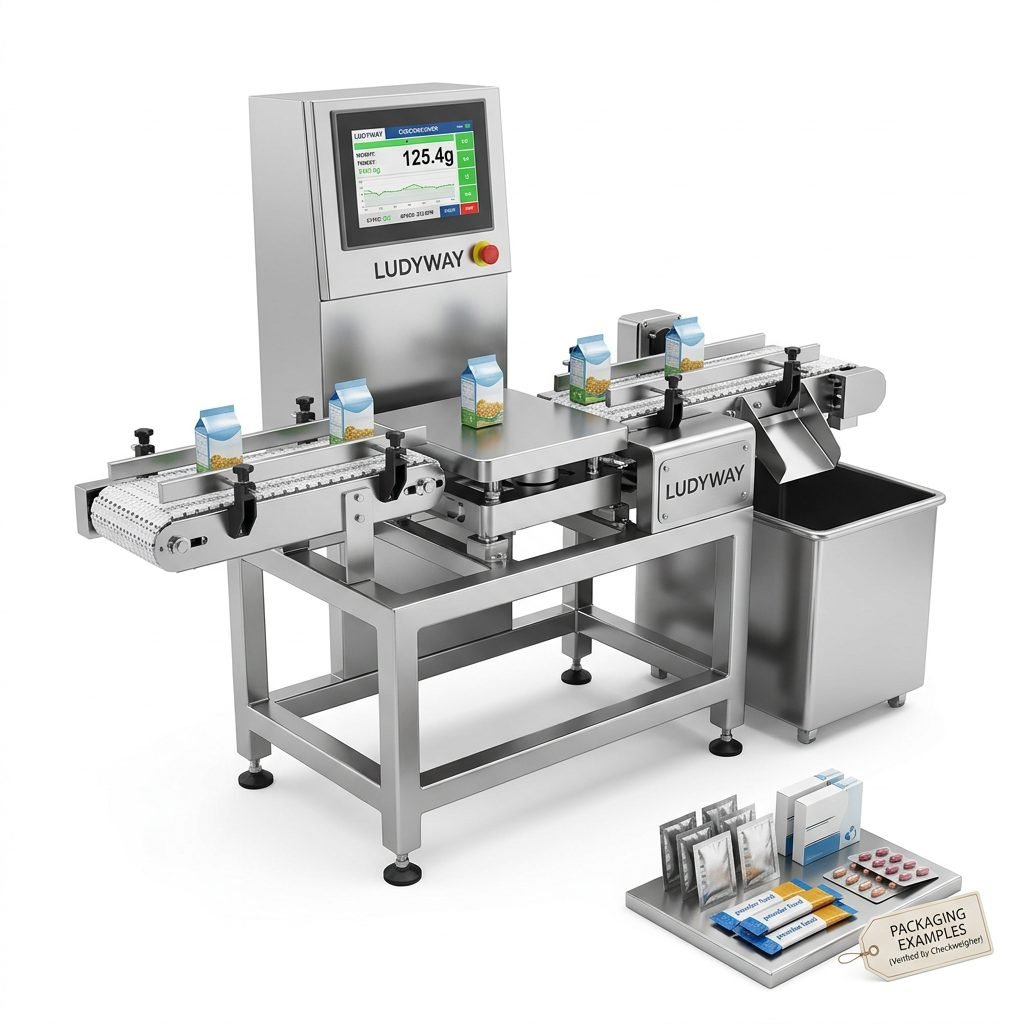
Many modern lines include checkweighers, vision systems, metal detectors, reject devices, and coding verification. These tools identify defects in real time before products reach the customer.
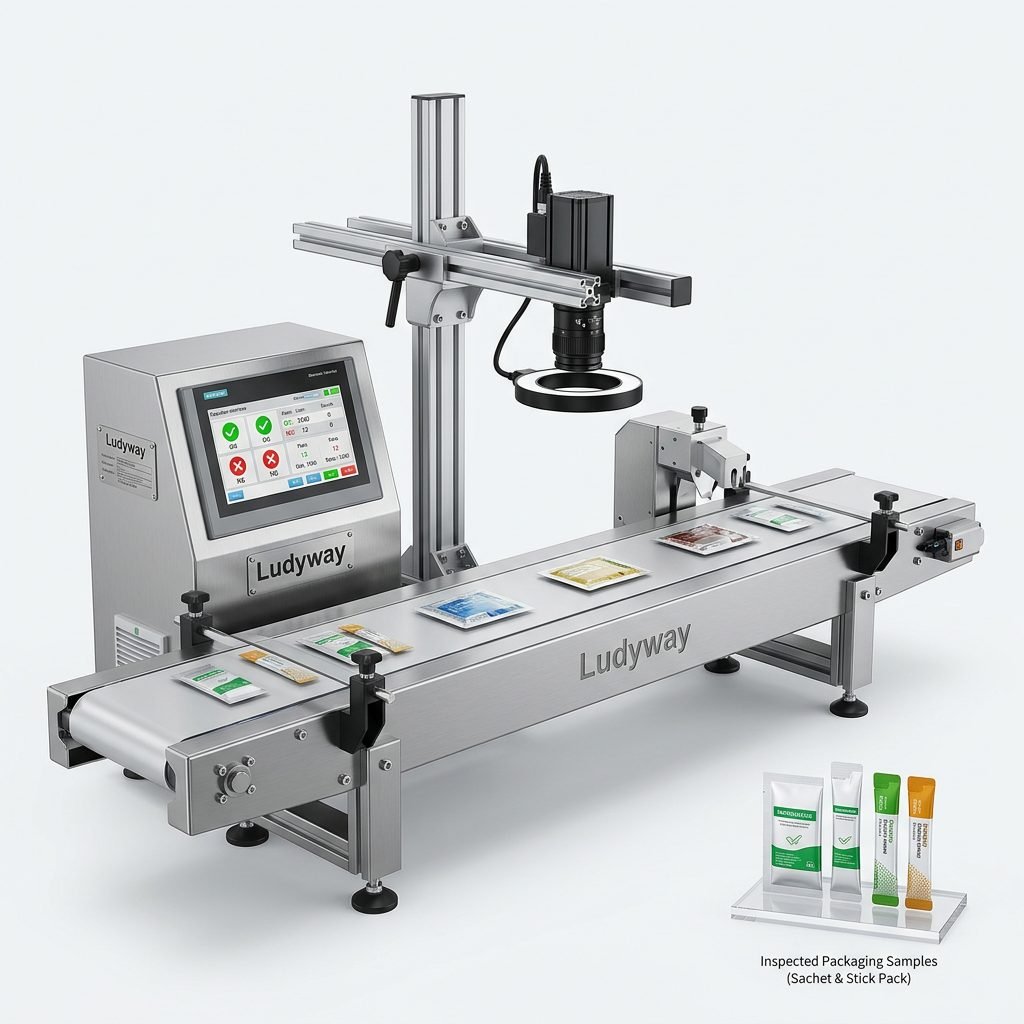
Examples of inspection tasks include:
- Detecting incorrect fill levels
- Confirming seal position and quality
- Checking date codes and batch numbers
- Verifying label placement
- Rejecting damaged or incomplete packages
4. Reduced Human Error
Operators remain important, but automation reduces repetitive manual tasks that often lead to packaging variation. Machines can follow pre-set parameters continuously, helping teams maintain stable output across long production runs.
Key Areas Where Packaging Machines Deliver Better Consistency
| Packaging Function | How It Improves Consistency | Quality Benefit |
|---|---|---|
| Filling | Controls target weight or volume | Less giveaway and fewer rejects |
| Sealing | Applies uniform heat and pressure | Better package protection |
| Labeling/Coding | Maintains repeatable print placement | Improved traceability and compliance |
| Inspection | Detects defects automatically | More stable outgoing quality |
| Material Handling | Keeps product flow stable | Less downtime and contamination risk |
Benefits for Different Industries
Food Industry
Food manufacturers need packaging that protects freshness, delivers portion accuracy, and supports hygiene requirements. Packaging machines help maintain consistent bag weights, sachet dimensions, and seal quality for products such as snacks, spices, coffee, sauces, and drink powders.
Pharmaceutical Industry
In pharmaceutical packaging, accuracy is directly linked to safety. Machines support precise dosing, lot traceability, and inspection control, making them essential for sachets, stick packs, blister lines, and bottle filling systems.
Health Supplement Industry
Supplement brands rely on visually attractive, accurately filled packaging to build trust. Multi-lane stick pack and sachet systems are especially effective for powders, granules, and daily-dose products.
Cosmetics and Personal Care
Creams, gels, serums, shampoos, and lotions require careful control over viscosity, fill volume, and seal appearance. Automated lines help ensure clean filling and a premium finished look.
Manual Packaging vs Automated Packaging Machines
| Factor | Manual Packaging | Automated Packaging Machines |
|---|---|---|
| Fill Accuracy | Variable | Highly repeatable |
| Seal Consistency | Operator-dependent | Controlled by machine settings |
| Output Stability | Can fluctuate | Steady over long runs |
| Inspection Capability | Limited | Can be integrated inline |
| Labor Dependency | High | Lower for repetitive tasks |
Important Features to Look for in a Quality-Focused Packaging Machine
Not all machines deliver the same level of performance. Companies focused on quality control should evaluate equipment based on these points:
- Precise metering system matched to the product type
- Stable sealing mechanism for the selected packaging material
- Easy parameter adjustment for format changes
- Inspection integration such as checkweighing or vision detection
- Clean, hygienic design for food or pharmaceutical use
- Data recording and traceability support
- Reliable technical support and spare parts availability
How Automation Supports Long-Term Quality Improvement
Packaging automation does more than fix immediate production issues. Over time, it helps manufacturers establish measurable standards, collect process data, and improve line performance continuously. This creates a stronger quality culture across the factory.
Common long-term gains include:
- Lower rejection rates
- Reduced customer complaints
- More predictable packaging costs
- Improved regulatory readiness
- Greater confidence during scale-up
Choosing the Right Packaging Equipment Partner
Selecting the right machine is only part of the decision. The supplier’s engineering experience, customization ability, and after-sales support can have a major impact on the consistency and quality of your final product. For businesses looking for scalable packaging automation, Ludyway packaging machine solutions are widely considered for applications in food, pharmaceutical, health supplement, and related industries, supported by more than 30 years of manufacturing experience and turnkey line capabilities.
Final Thoughts on Packaging Consistency and Quality Control
Packaging machines play a vital role in helping manufacturers deliver products that are accurate, safe, attractive, and reliable. By improving fill precision, seal quality, inline inspection, and process repeatability, automated systems turn packaging into an active quality control tool rather than a passive end-of-line step.
If your business wants to reduce variation, improve compliance, and strengthen customer trust, investing in the right packaging machinery can be one of the most effective ways to achieve consistent results at scale.