Establishing a food powder packaging machine production line in France requires careful planning, regulatory awareness, and the right equipment configuration. France is one of Europe’s largest food processing markets, and its stringent quality standards demand that every aspect of a packaging line—from filling accuracy to material compliance—meets both national and EU regulations. Whether you are packaging flour, spices, protein powders, infant formula, or bakery premixes, a well-designed production line can significantly improve efficiency, reduce waste, and ensure product consistency.
Understanding the French Food Packaging Landscape
France has a highly developed food industry, with powder-based products accounting for a significant share of packaged goods. The market includes everything from traditional baking flours to modern nutritional supplements. When setting up a production line in France, operators must consider several critical factors:
- Local regulatory compliance with DGCCRF and EU directives
- Compatibility with French industrial electrical standards (NF C 15-100)
- CE marking requirements for all machinery
- Food contact material regulations under EU Framework Regulation (EC) No 1935/2004
- Workforce training and operator safety protocols
Key Components of a Food Powder Packaging Line
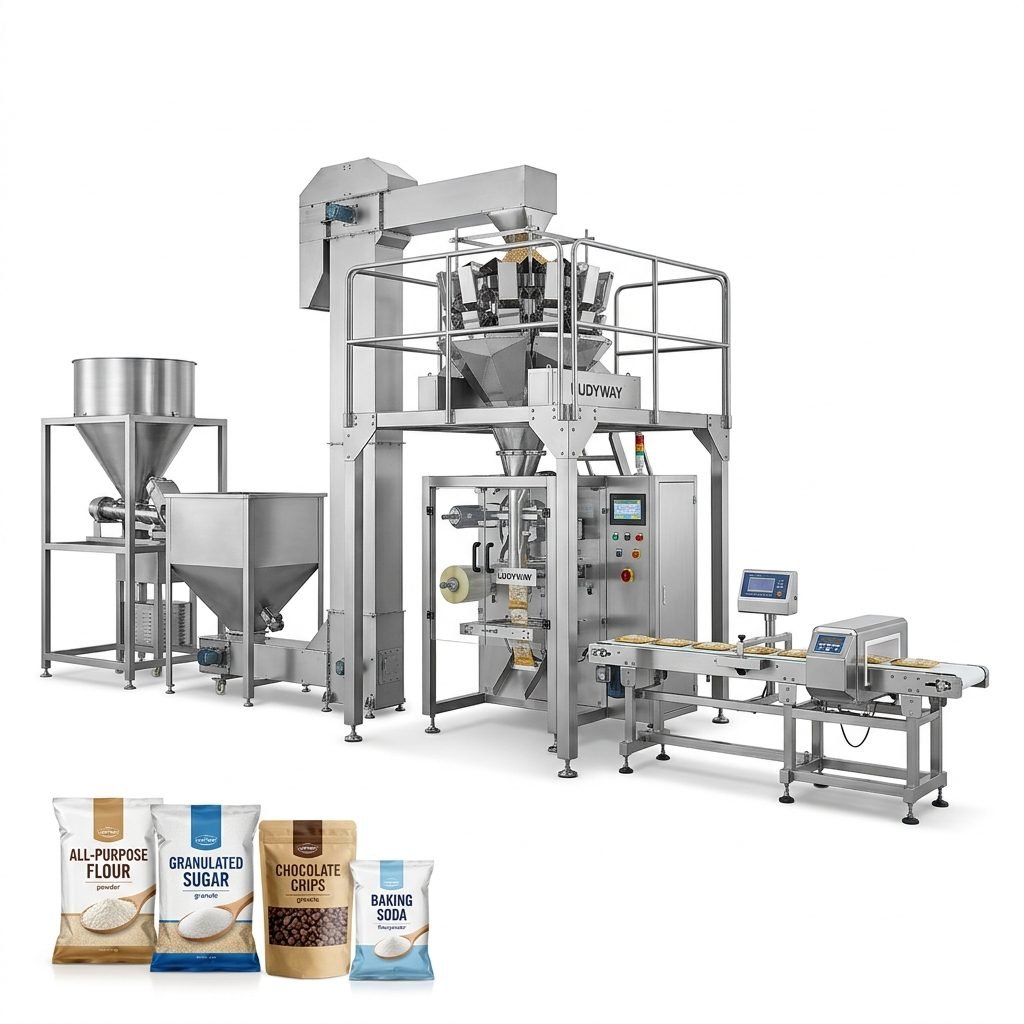
A complete powder packaging production line typically integrates multiple machines that work in sequence. Understanding each component helps in selecting the right equipment for your specific powder type and production volume.

Feeding and Conveying Systems
The first stage involves bulk powder handling. Depending on the powder characteristics—whether free-flowing like sugar or cohesive like cocoa powder—different feeding mechanisms are required. Screw feeders, vibratory feeders, and vacuum conveyors are common choices. Proper feeding ensures consistent density and avoids bridging or rat-holing inside hoppers.
Weighing and Dosing Units
Accurate dosing is critical for regulatory compliance and cost control. Multi-head weighers, auger fillers, and net weight filling systems are widely used. The choice depends on target fill weight, speed requirements, and powder flow properties. Modern systems offer precision within ±0.5% to ±1% of target weight.
Packaging Machine Configurations
For powder products, the most popular configurations include:
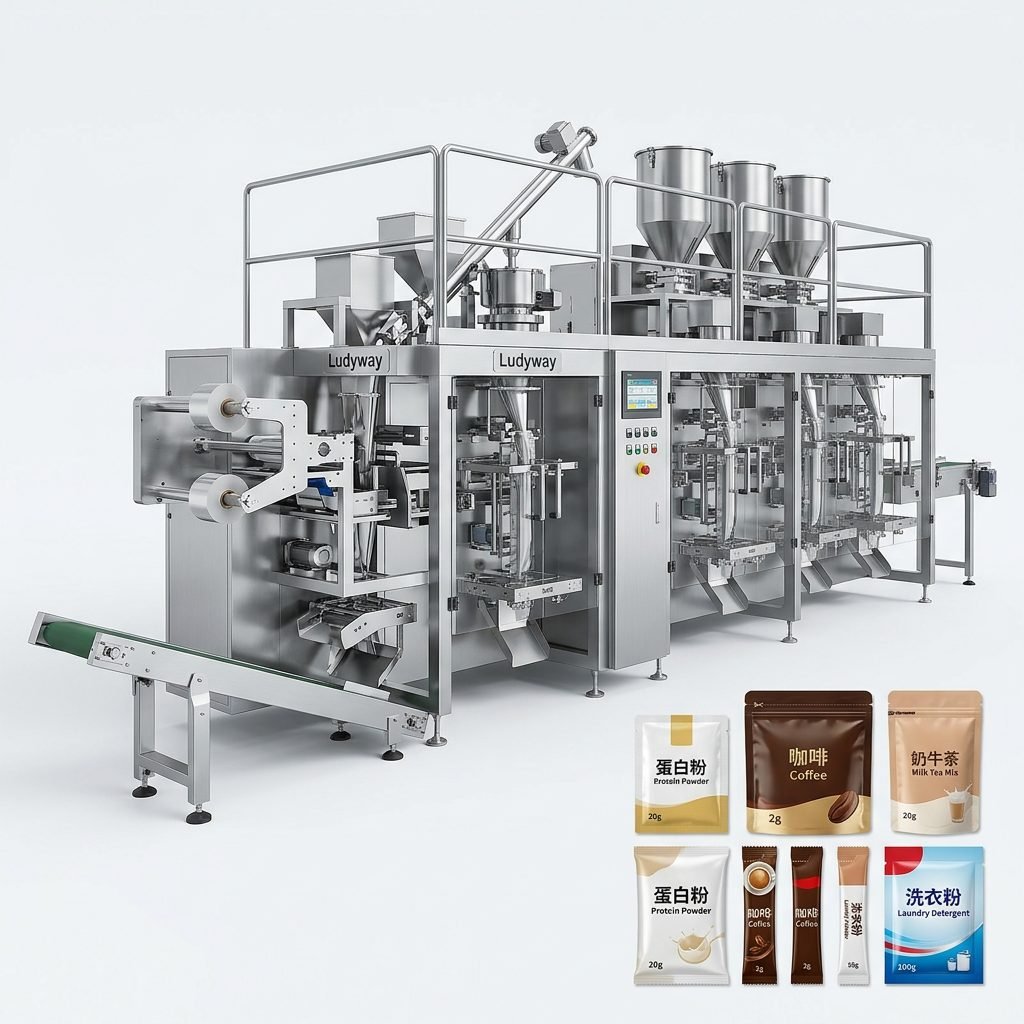
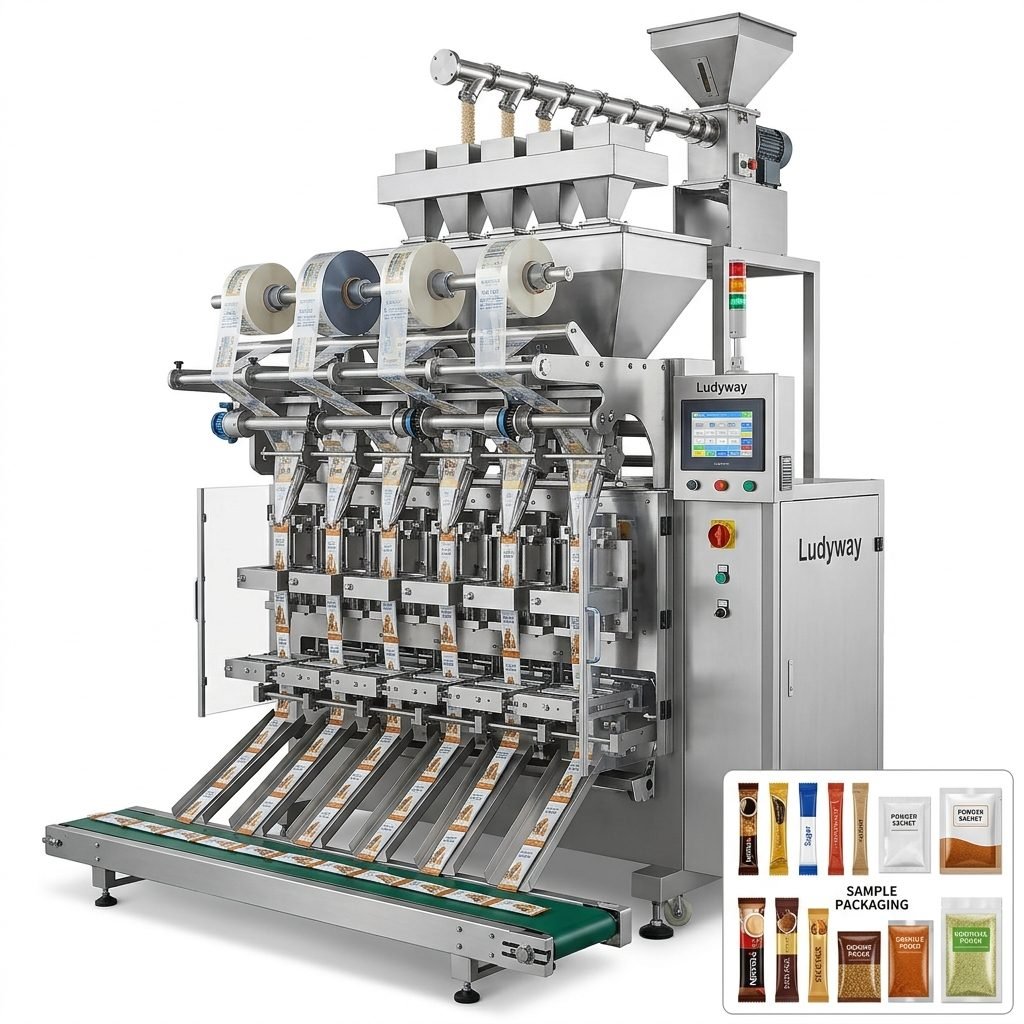
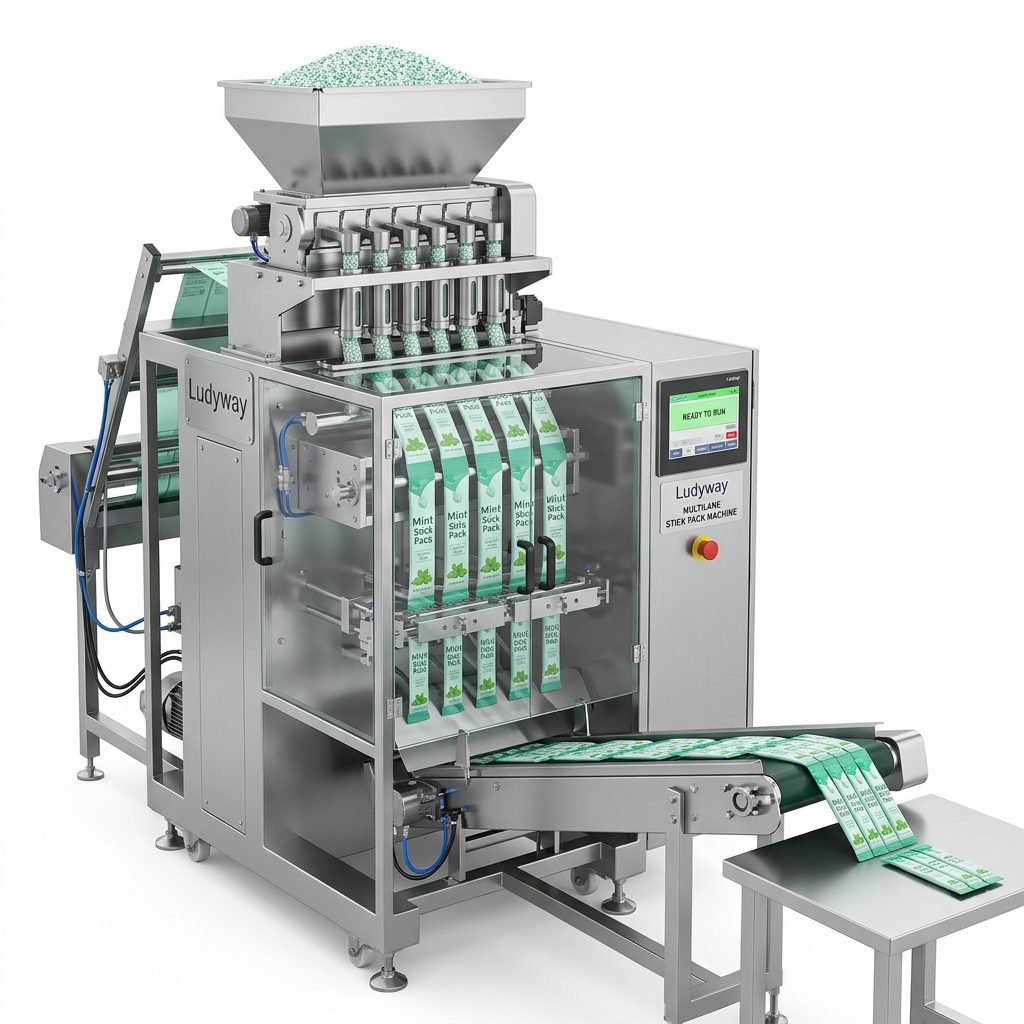
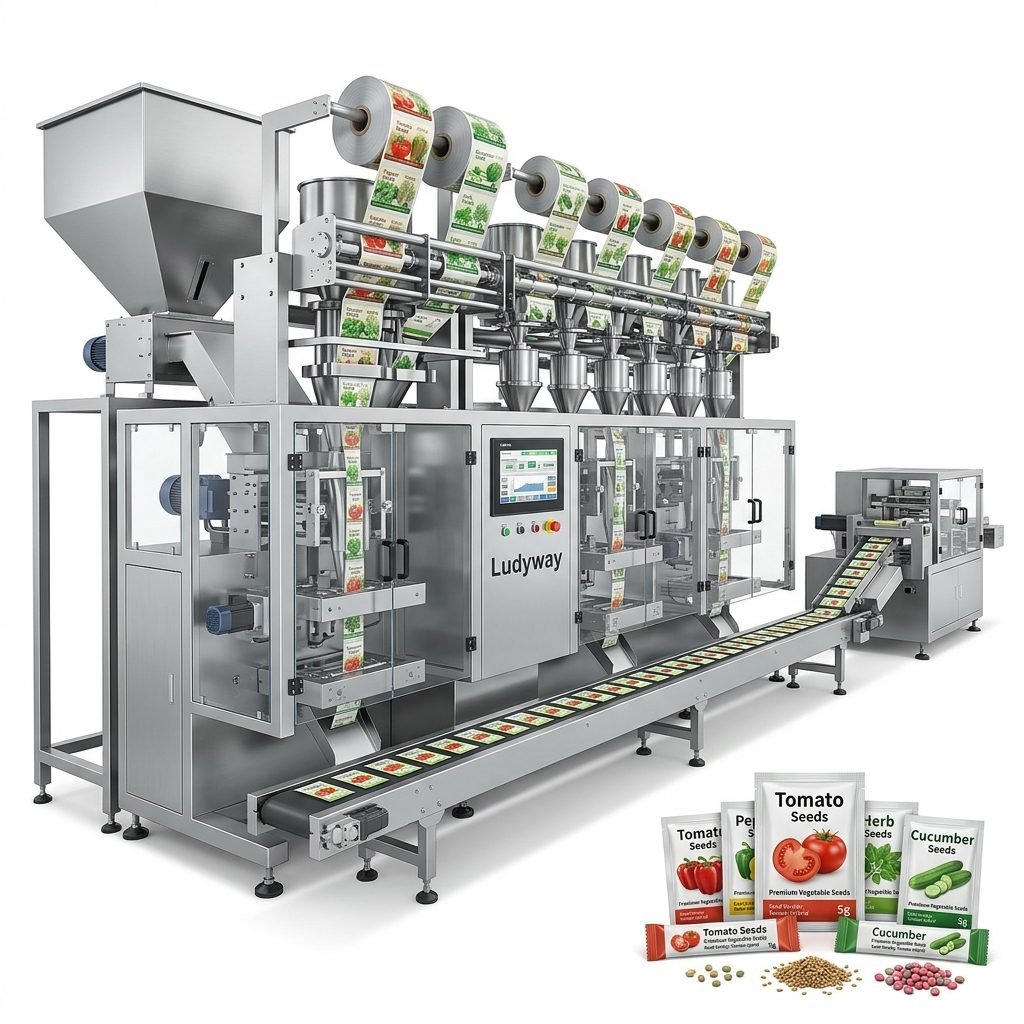
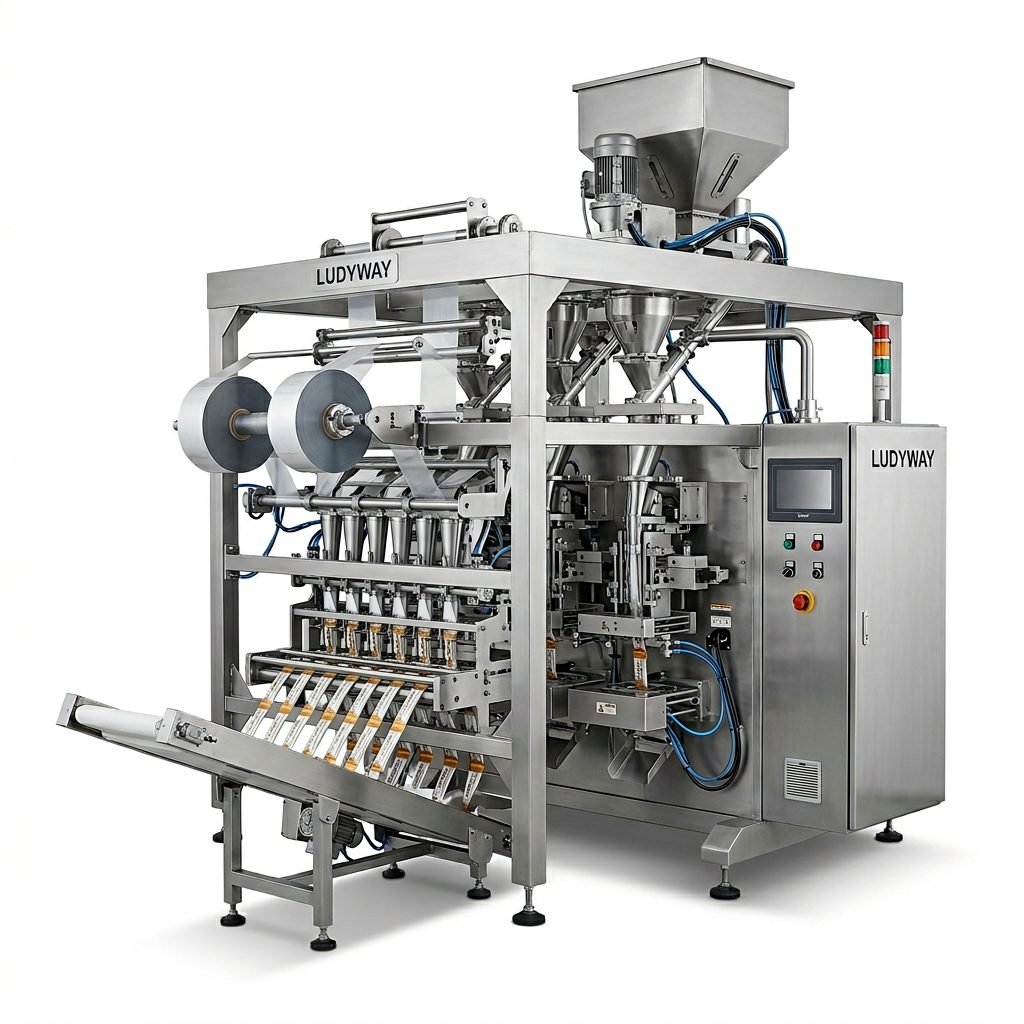
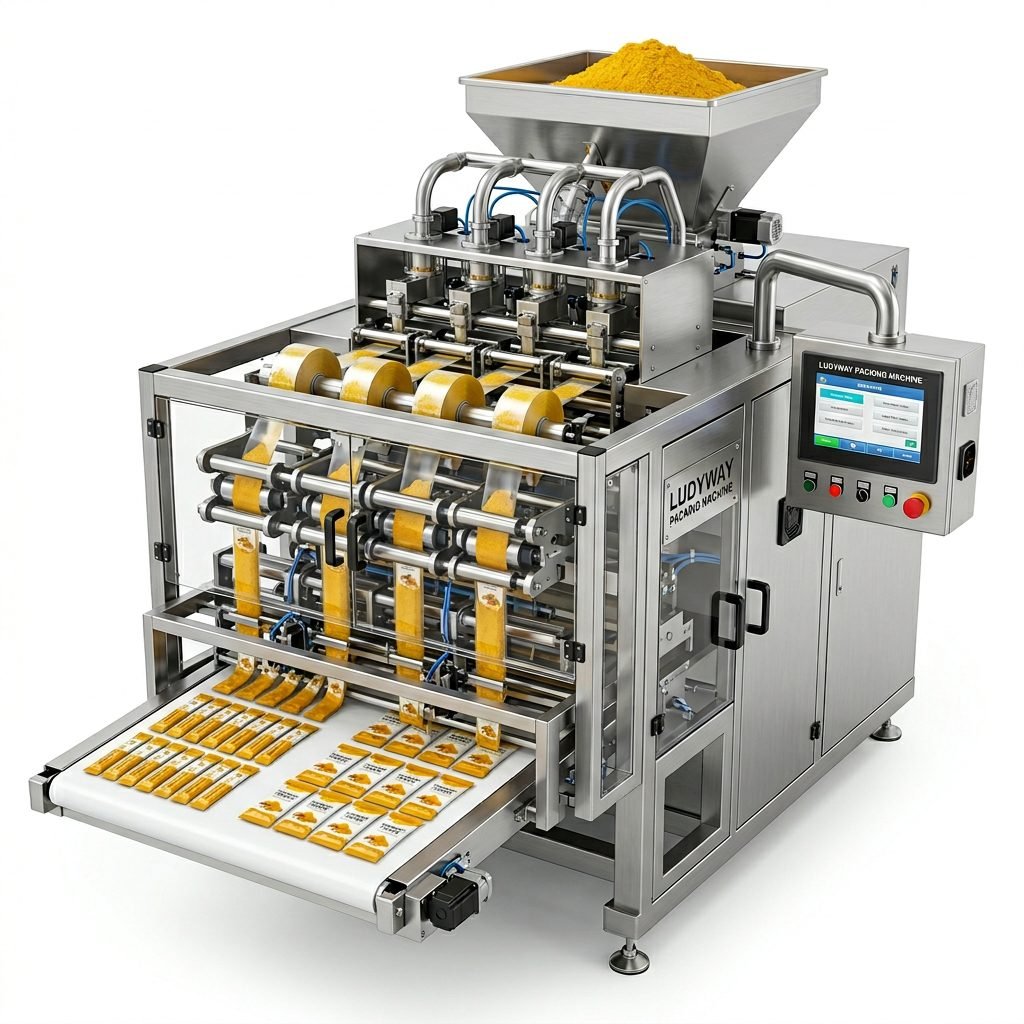
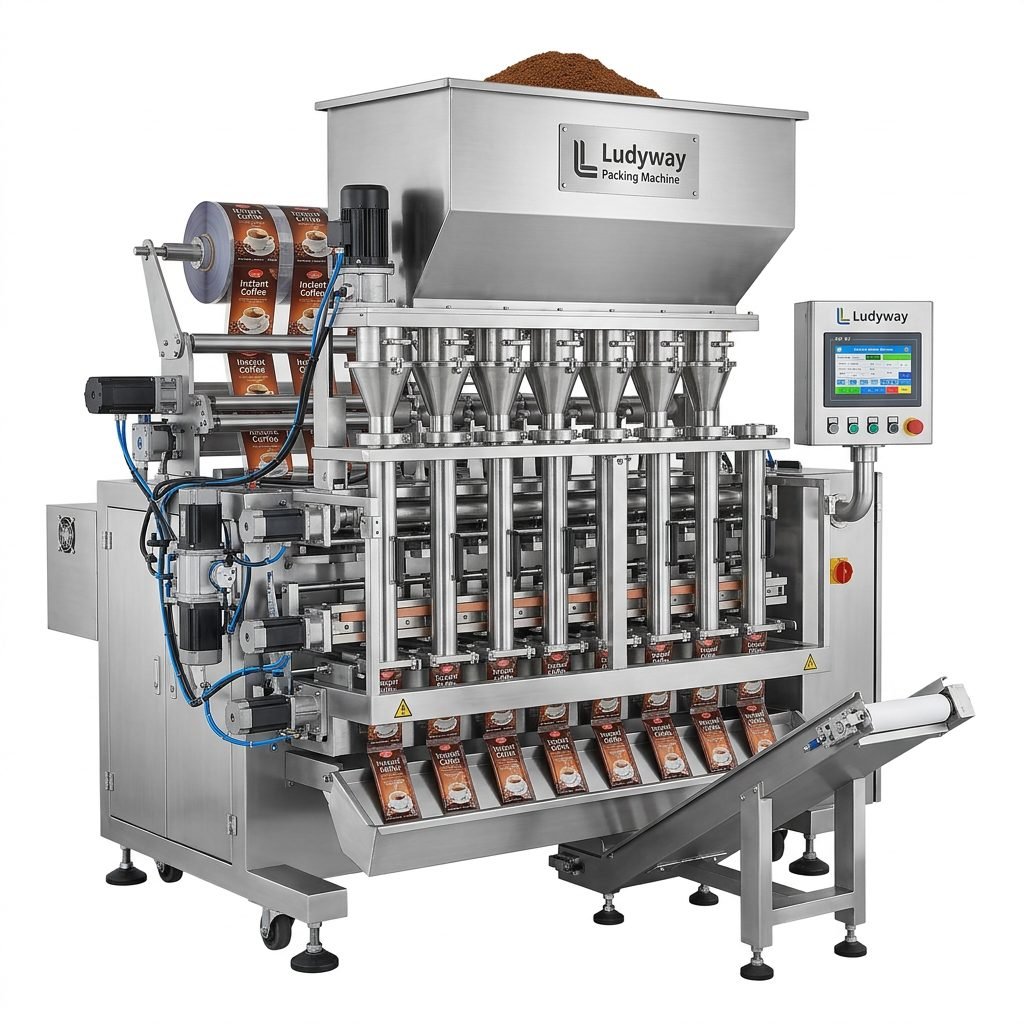
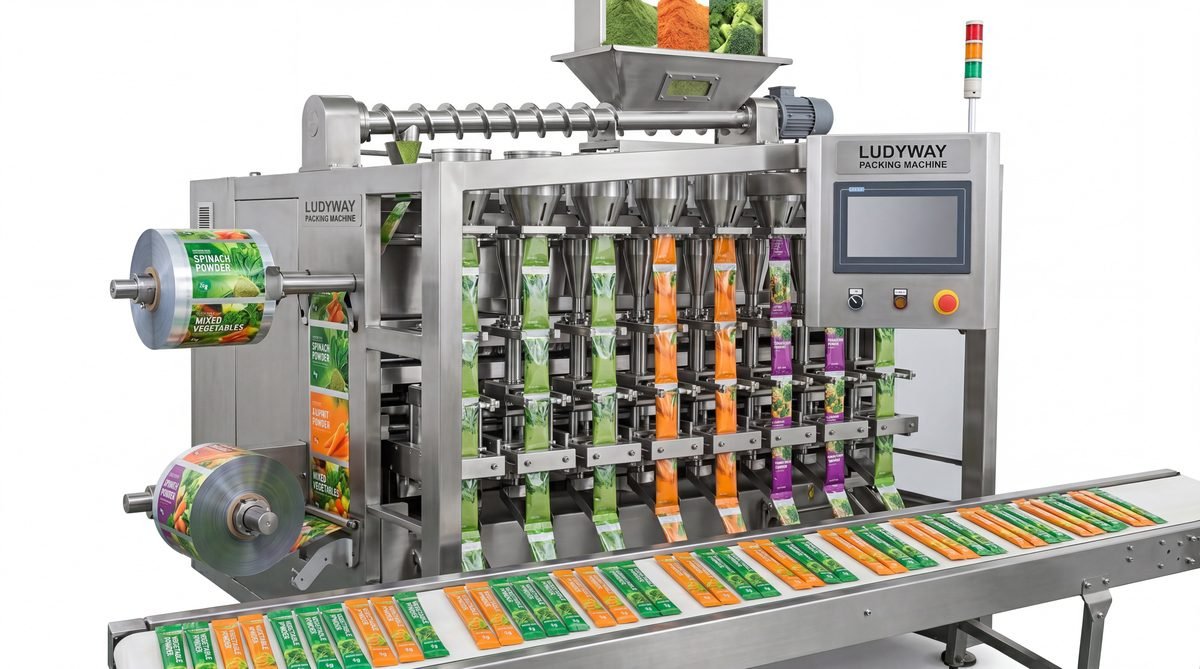
- Multi-lane stick pack machines — ideal for single-serve powders like coffee, sugar, and supplement sachets
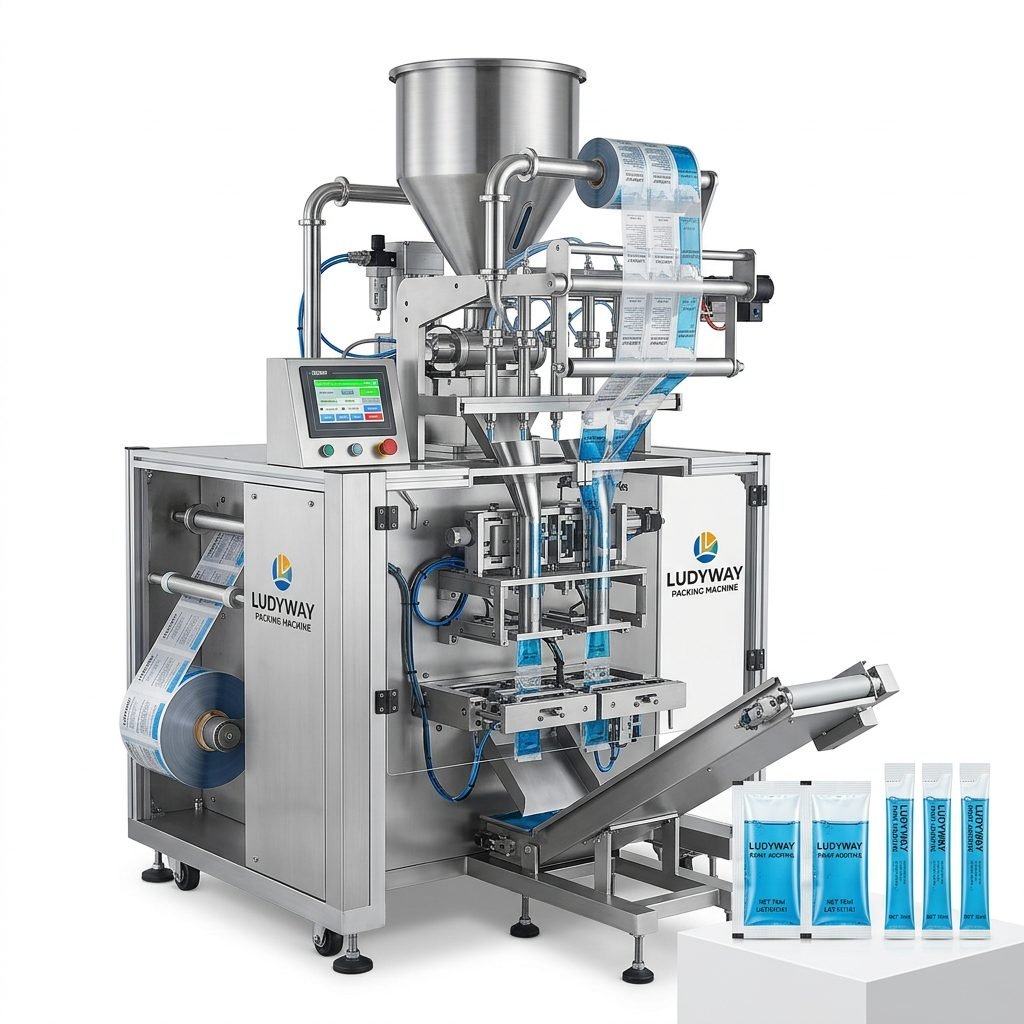
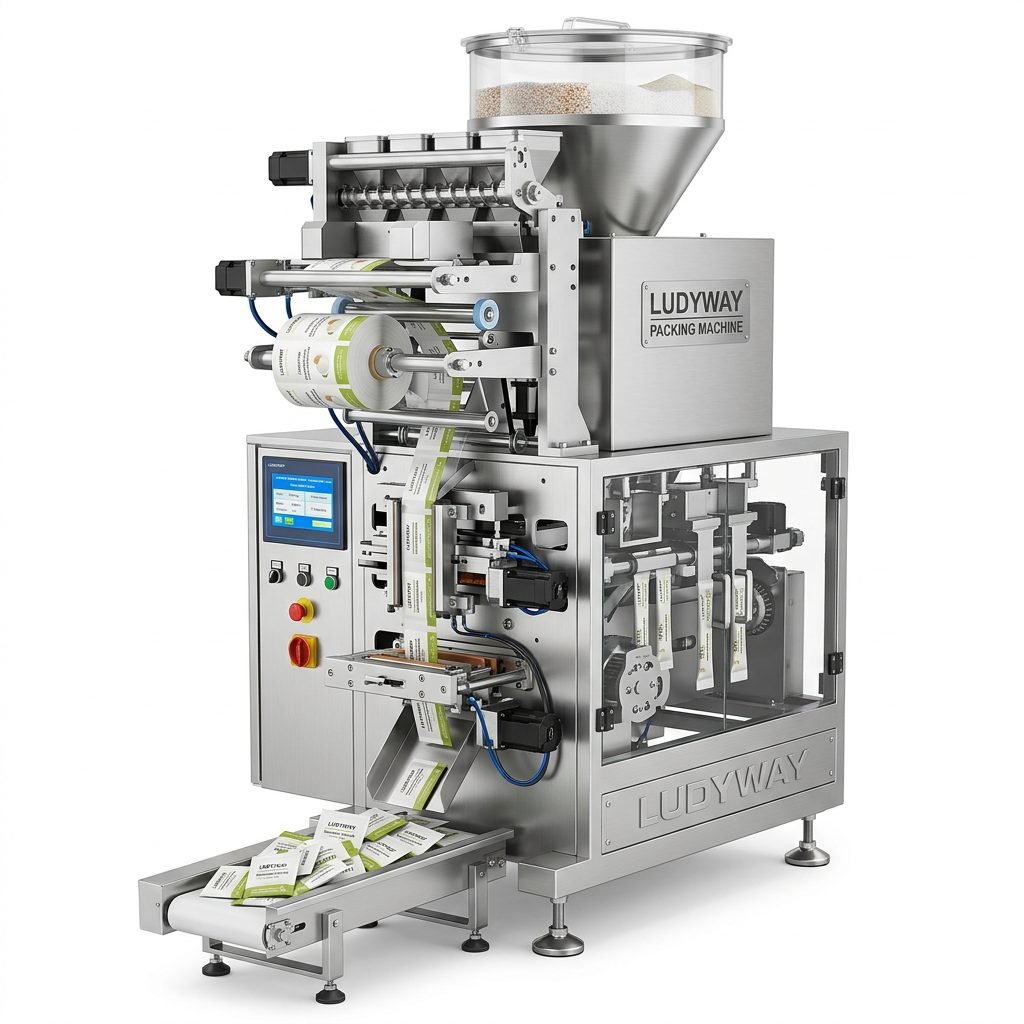
- Vertical form-fill-seal (VFFS) machines — suitable for larger pouch formats from 100g to 5kg
- Pre-made pouch filling and sealing machines — for premium stand-up pouches with zipper closures
- Canister and jar filling lines — for protein powders, milk powders, and bulk retail products
Sealing and Integrity Inspection
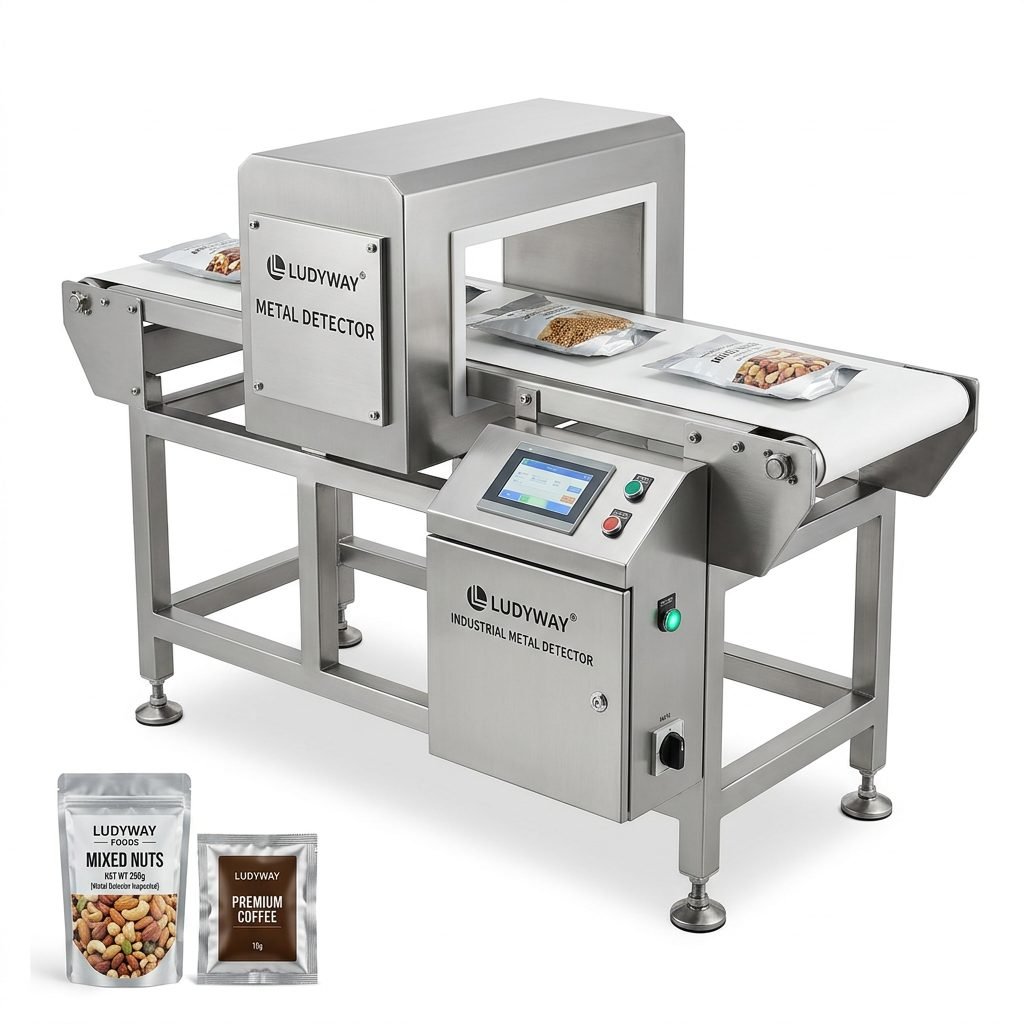
After filling, proper sealing ensures product freshness and prevents contamination. Heat sealing, ultrasonic sealing, and nitrogen flushing for Modified Atmosphere Packaging (MAP) are common techniques. Inline checkweighers and metal detectors verify package integrity and detect foreign objects, which is mandatory under ISO packaging standards and HACCP principles.
Secondary Packaging and End-of-Line Automation
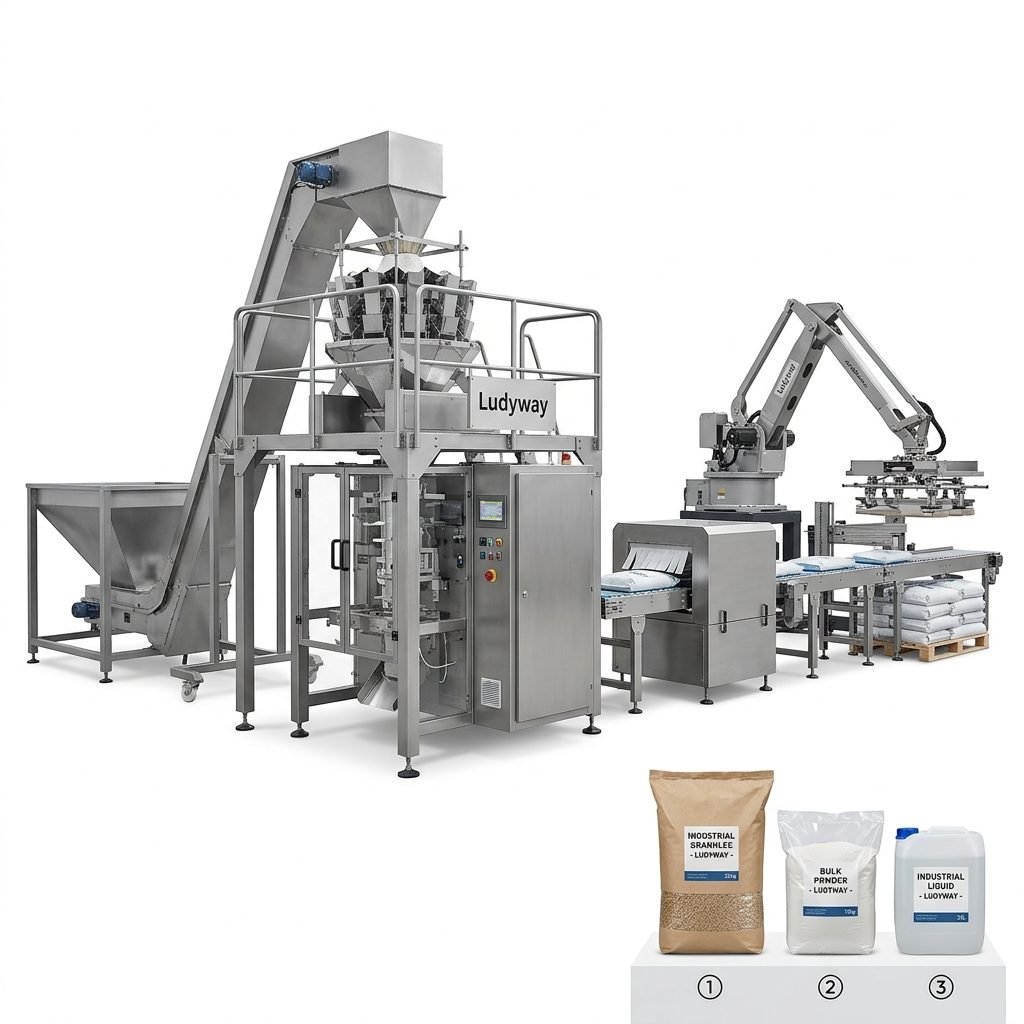
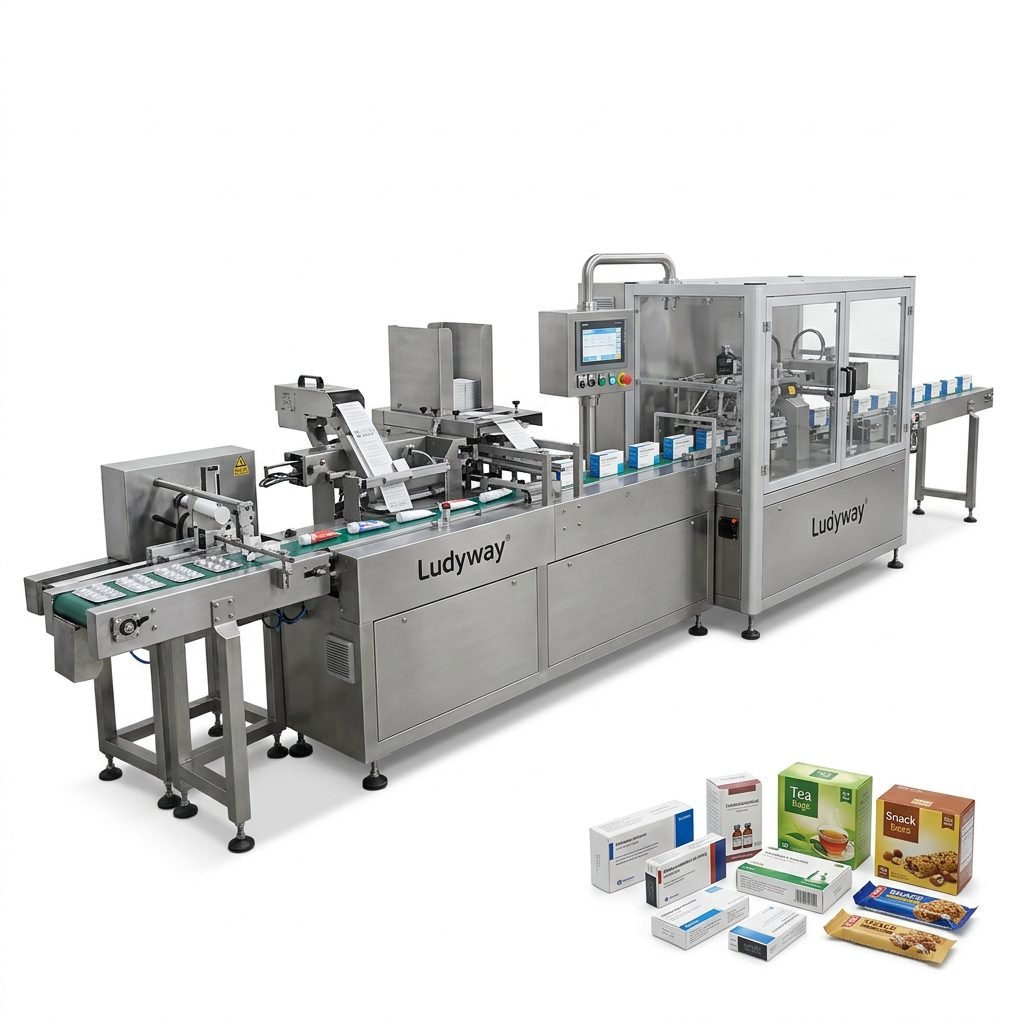
The final stages include cartoning, case packing, and palletizing. Automated cartoning machines fold and load filled sachets or pouches into cartons, while robotic palletizers stack finished cases onto pallets for warehouse storage or distribution across France and the wider European market.
Regulatory Compliance for Powder Packaging in France
France enforces strict regulations on food packaging operations. Operators must comply with the following key frameworks:
| Regulation / Standard | Scope | Key Requirement |
|---|---|---|
| EU 1935/2004 | Food Contact Materials | Materials must not transfer constituents to food in harmful quantities |
| EU 2023/2006 | Good Manufacturing Practice | GMP for materials and articles intended to come into contact with food |
| DGCCRF Oversight | French Consumer Protection | Enforces labeling accuracy, net weight compliance, and product safety |
| CE Machinery Directive | Equipment Safety | All packaging machines must carry CE marking for EU market access |
| HACCP Principles | Food Safety Management | Identify and control biological, chemical, and physical hazards |
Installation and Site Preparation
Proper installation is essential for long-term operational reliability. Before the equipment arrives at your French facility, consider the following preparation steps:
- Floor load capacity — ensure the production floor can support the weight of fully loaded machines and material handling systems
- Electrical infrastructure — French three-phase 400V/50Hz power supply must be available and properly grounded
- Compressed air supply — many packaging machines require clean, dry compressed air at 6-8 bar for pneumatic actuators
- Dust extraction systems — powder handling generates airborne particles that must be controlled for operator safety and cross-contamination prevention
- Cleanroom or controlled environment — for sensitive products like infant formula or pharmaceutical powders, ISO 7 or ISO 8 cleanrooms may be necessary
Optimizing Line Efficiency for the French Market
French manufacturers prioritize production efficiency without compromising quality. Operators should focus on:
Automation and Integration
Modern production lines benefit from centralized control systems that monitor all machines from a single HMI (Human-Machine Interface). PLC-based controls with remote diagnostics capabilities enable real-time performance tracking and rapid troubleshooting, reducing downtime in French production facilities.
Changeover Flexibility
The French market demands flexibility to accommodate various product formats and batch sizes. Quick-change tooling systems allow operators to switch between different sachet or pouch sizes in minutes rather than hours. This is particularly valuable for co-packers serving multiple food brands across France and neighboring EU countries.
Traceability and Serialization
Under EU packaging and packaging waste regulations, traceability is increasingly important. Batch coding, QR code printing, and serialization systems integrated into the packaging line enable full product tracking from raw material to finished goods, supporting both regulatory compliance and supply chain transparency.
Training and Maintenance Considerations
Investing in comprehensive operator training is essential for maximizing ROI on a packaging line. Training programs should cover machine operation, cleaning procedures, basic troubleshooting, and safety protocols. In France, operator training documentation is often required as part of regulatory audits.
Preventive maintenance schedules should be established based on machine usage and manufacturer recommendations. Key maintenance activities include:
- Regular inspection of sealing jaws and cutting blades
- Cleaning and calibration of weighing and dosing systems
- Lubrication of moving parts with food-grade lubricants
- Replacement of wear components such as belts, bearings, and filters
- Annual comprehensive equipment audits
Cost Factors and ROI Analysis
The investment required for a food powder packaging line in France varies significantly based on automation level, production capacity, and packaging format. Key cost components include:
- Primary packaging machinery — filling, sealing, and forming equipment
- Auxiliary equipment — conveyors, checkweighers, metal detectors, coders
- Installation and commissioning — including site modifications and utility connections
- Training and documentation — operator manuals, maintenance guides, compliance records
- Ongoing consumables — packaging film, spare parts, cleaning supplies
A well-configured production line typically achieves ROI within 18 to 36 months through labor savings, reduced product giveaway, higher throughput, and improved product quality. French government incentives for industrial modernization may also be available to offset initial capital expenditure.
Selecting the Right Equipment Partner
Choosing a reliable equipment manufacturer is one of the most important decisions when setting up a production line in France. Look for partners with proven experience in powder packaging applications, strong after-sales support, and familiarity with EU regulatory requirements. Companies like Ludyway, which exports to over 100 countries and operates a modern 20,000㎡ manufacturing facility, offer a comprehensive range of packaging solutions covering everything from multi-lane stick pack machines to fully automated turnkey production lines.
When evaluating potential suppliers, consider the following criteria:
- References from existing customers in the European food industry
- Availability of local technical support and spare parts in France
- CE certification and compliance documentation
- Willingness to conduct Factory Acceptance Testing (FAT) and Site Acceptance Testing (SAT)
- Training and ongoing technical assistance capabilities
Future Trends in Powder Packaging
The French packaging industry is evolving rapidly, driven by sustainability initiatives and digital transformation. Key trends shaping the future of powder packaging include:
Sustainable Packaging Materials
Recyclable mono-material films, compostable laminates, and paper-based packaging are gaining traction in France as brands respond to consumer demand for eco-friendly packaging. Packaging lines must be capable of running these newer materials, which often have different sealing and forming characteristics compared to traditional multi-layer films.
Smart Manufacturing and Industry 4.0
Integration of IoT sensors, cloud-based monitoring, and AI-driven predictive maintenance is transforming packaging operations. For more insights on packaging industry developments, resources from PMMI’s business intelligence library provide valuable market data and trend analysis.
Energy Efficiency
With rising energy costs in France, energy-efficient servo drives, heat recovery systems, and optimized machine designs are becoming standard features. Reducing energy consumption per packaged unit directly impacts operating costs and supports corporate sustainability goals.
Setting up a food powder packaging machine production line in France is a strategic investment that requires thorough planning and attention to detail. From regulatory compliance and equipment selection to operator training and maintenance protocols, each element contributes to a successful and profitable operation. With the right equipment partner and a well-executed implementation plan, manufacturers can achieve high productivity, consistent product quality, and long-term operational success in the competitive French and European food markets.