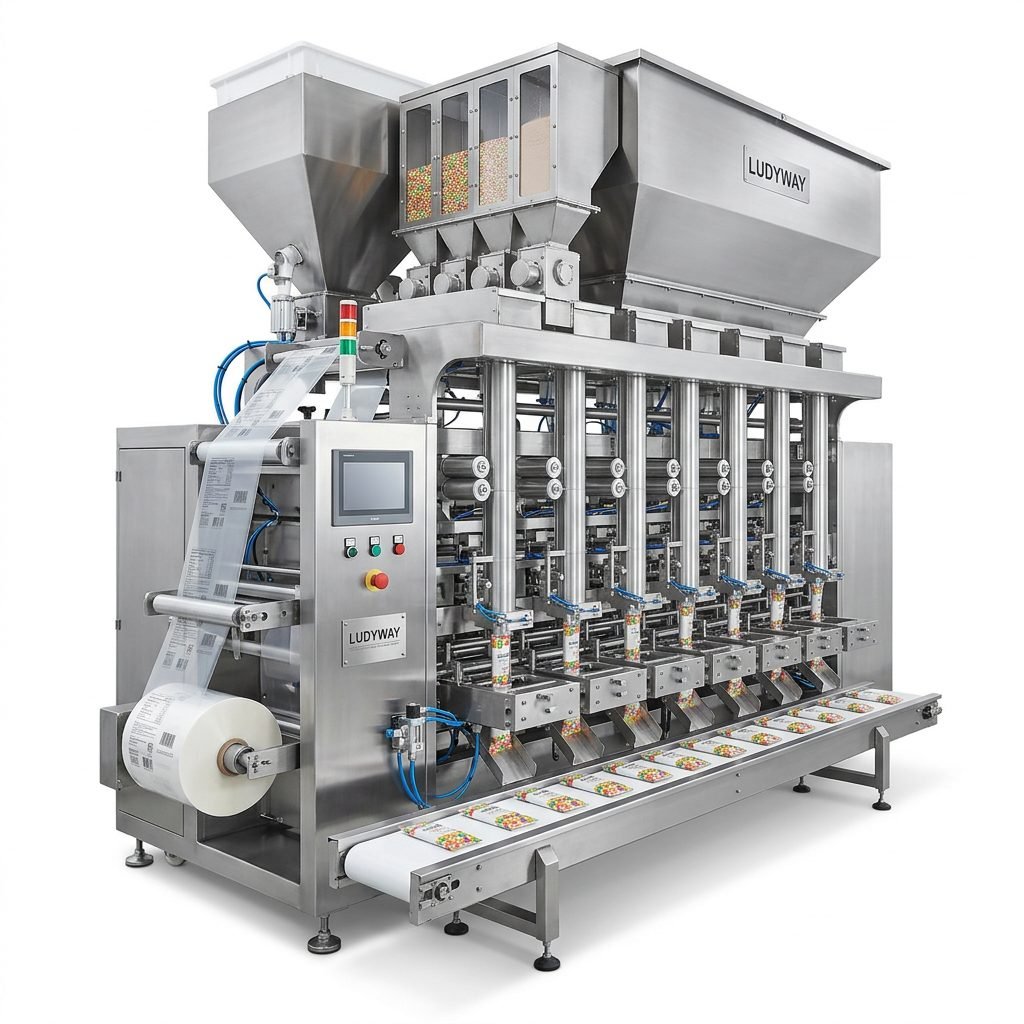
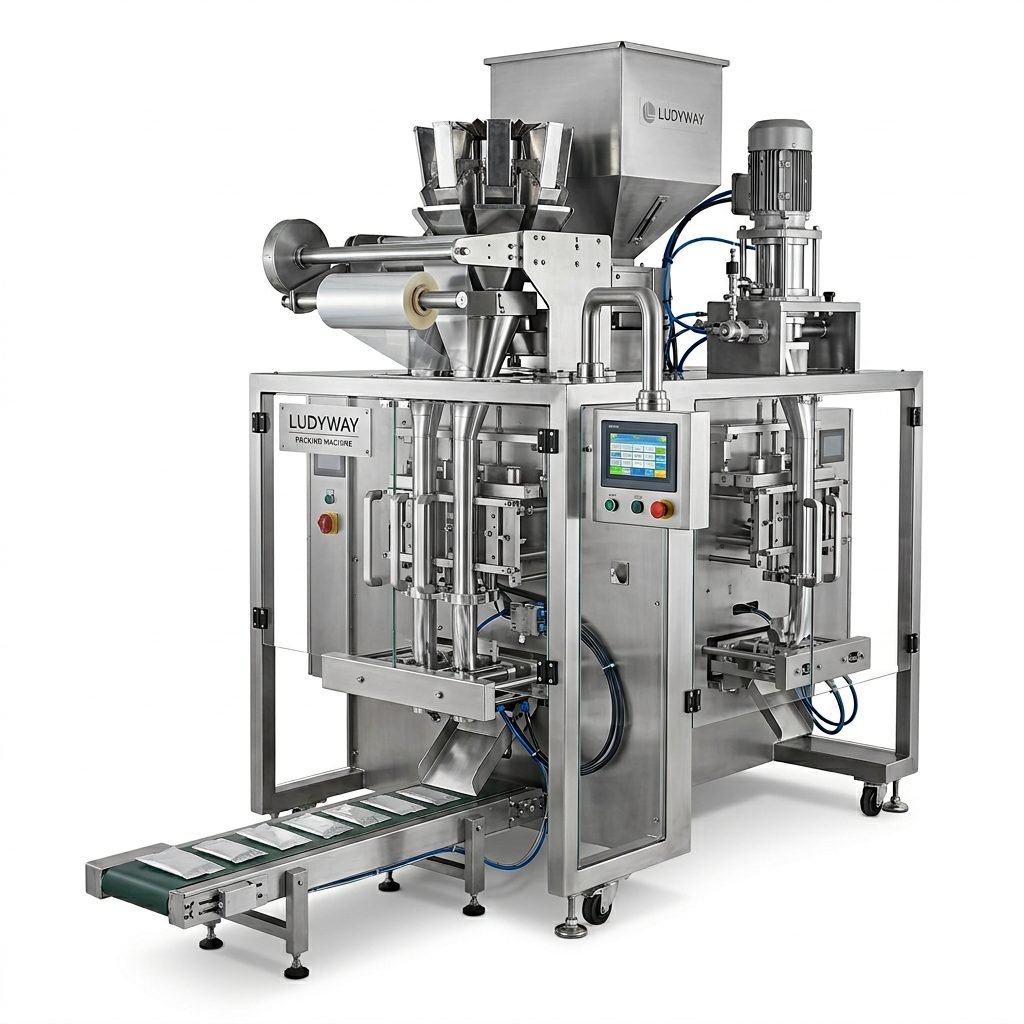
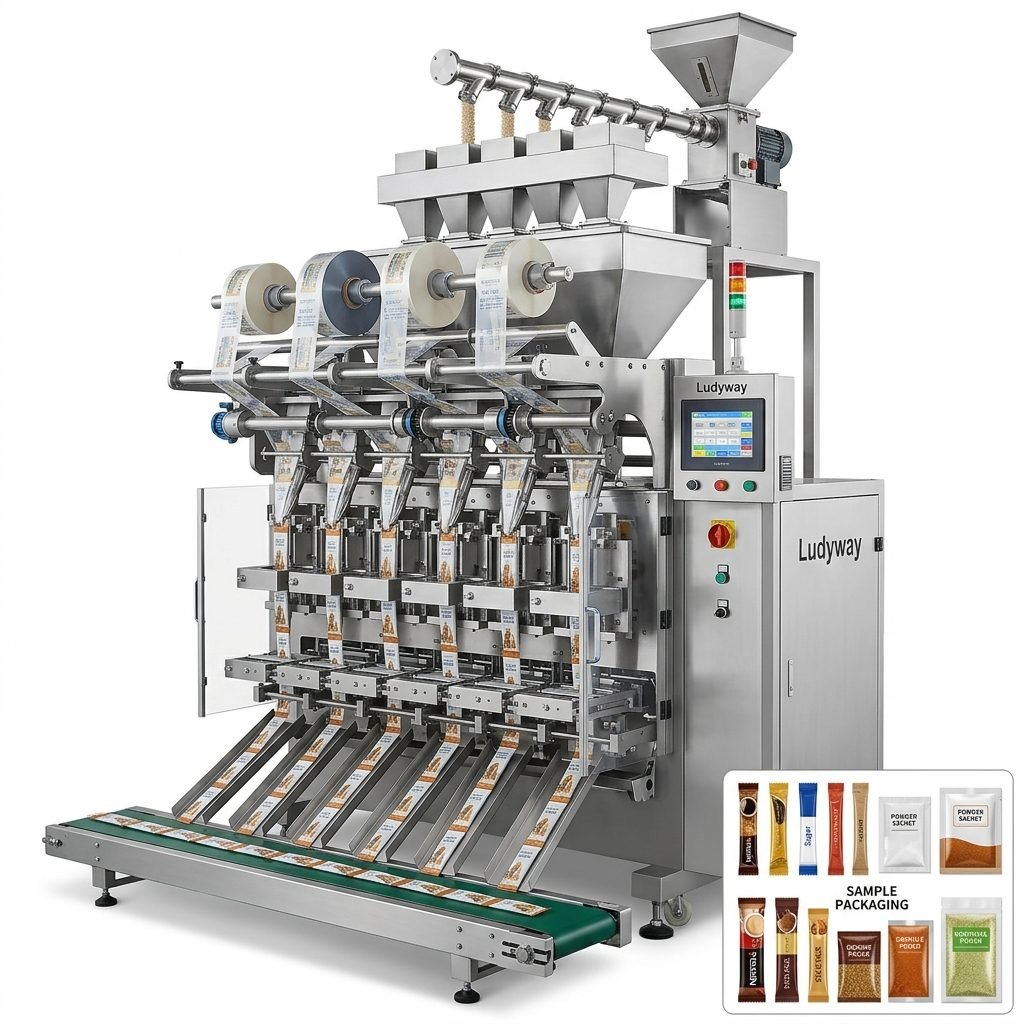
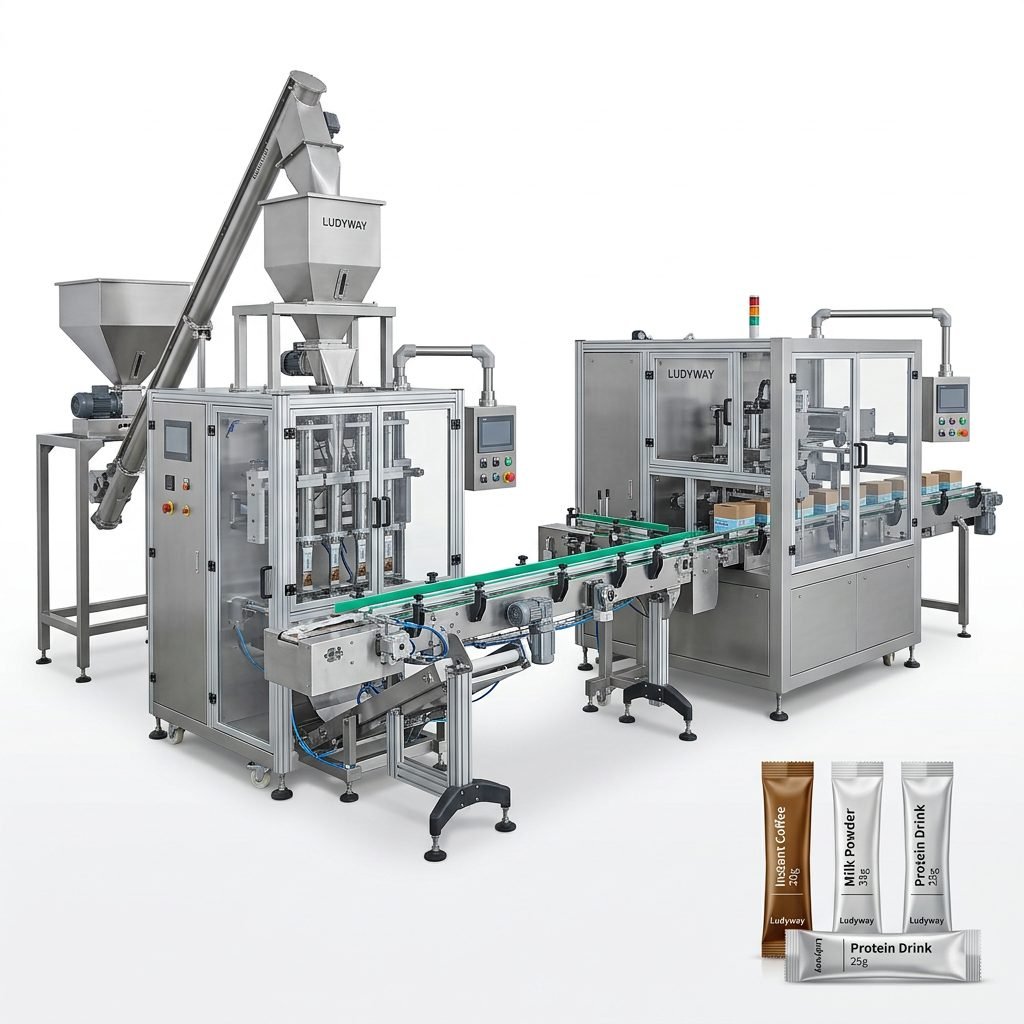
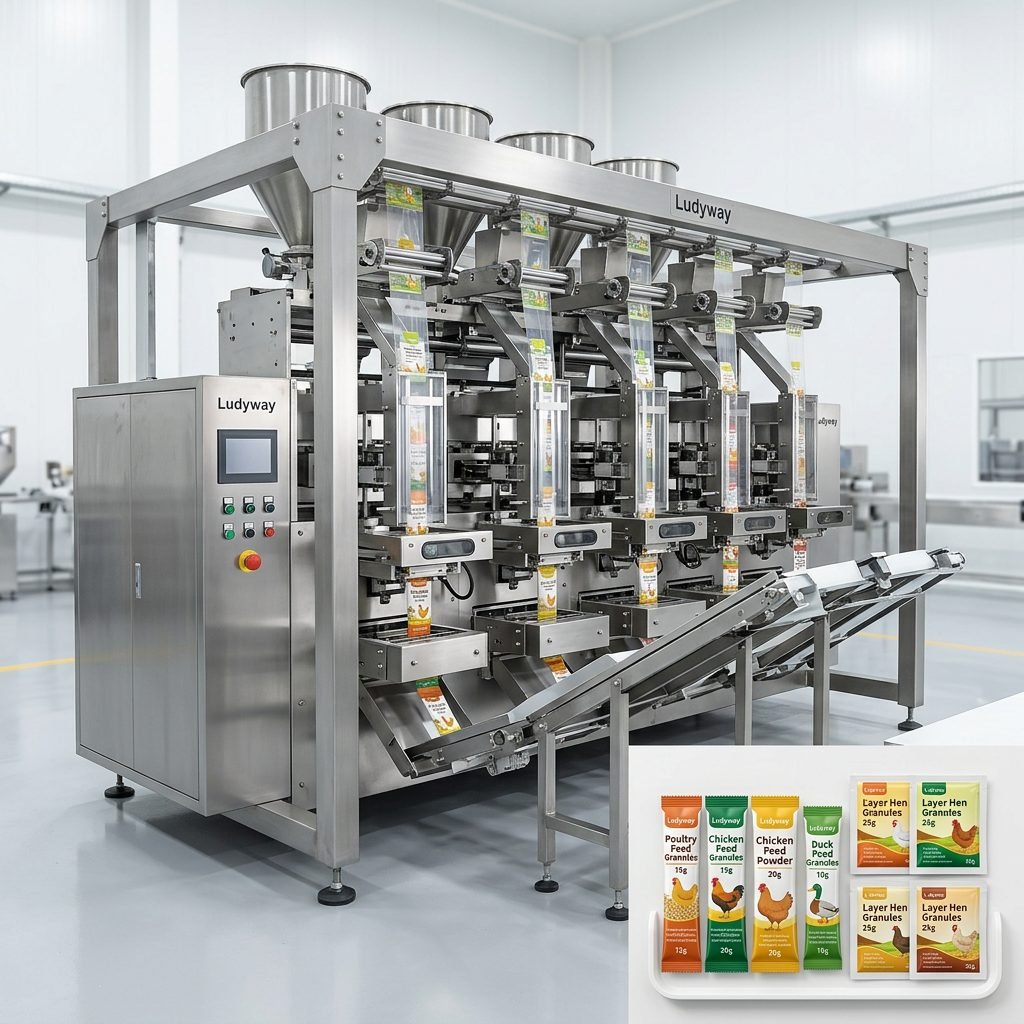
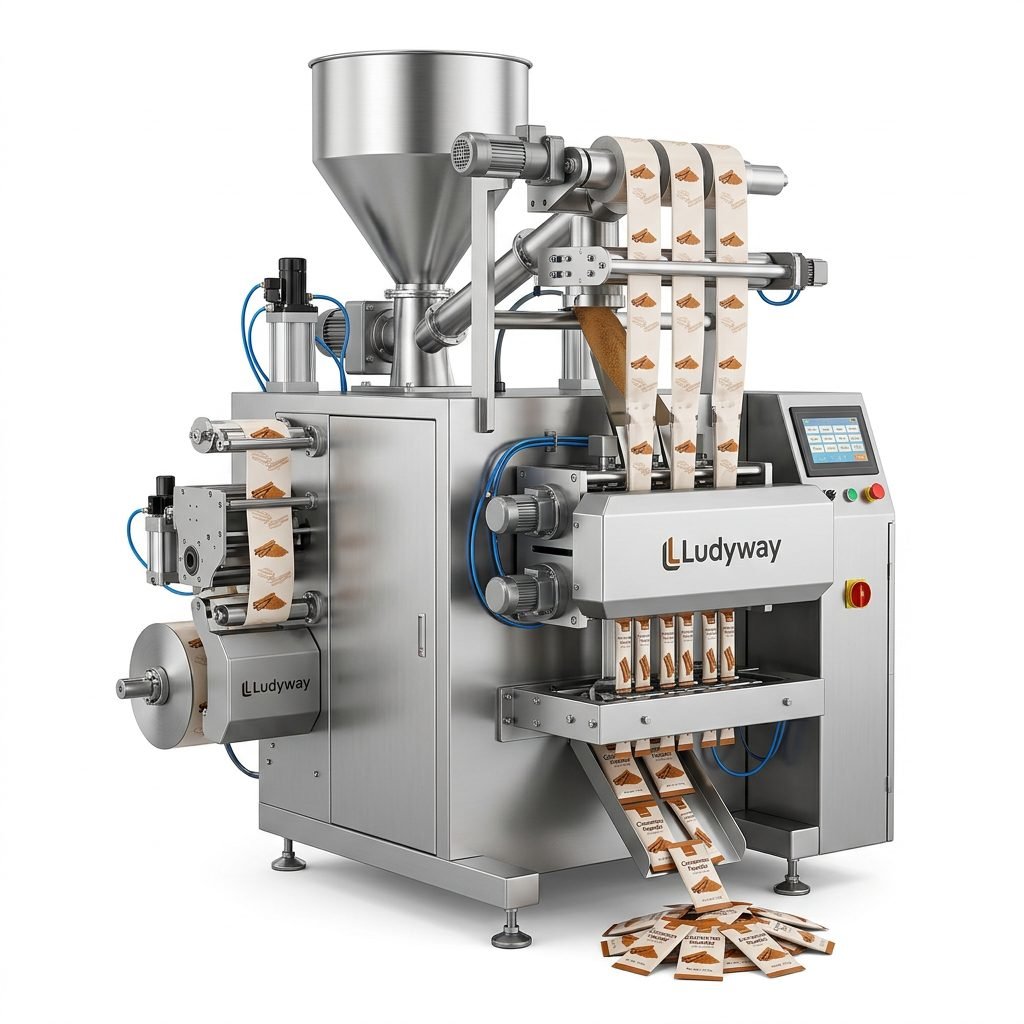
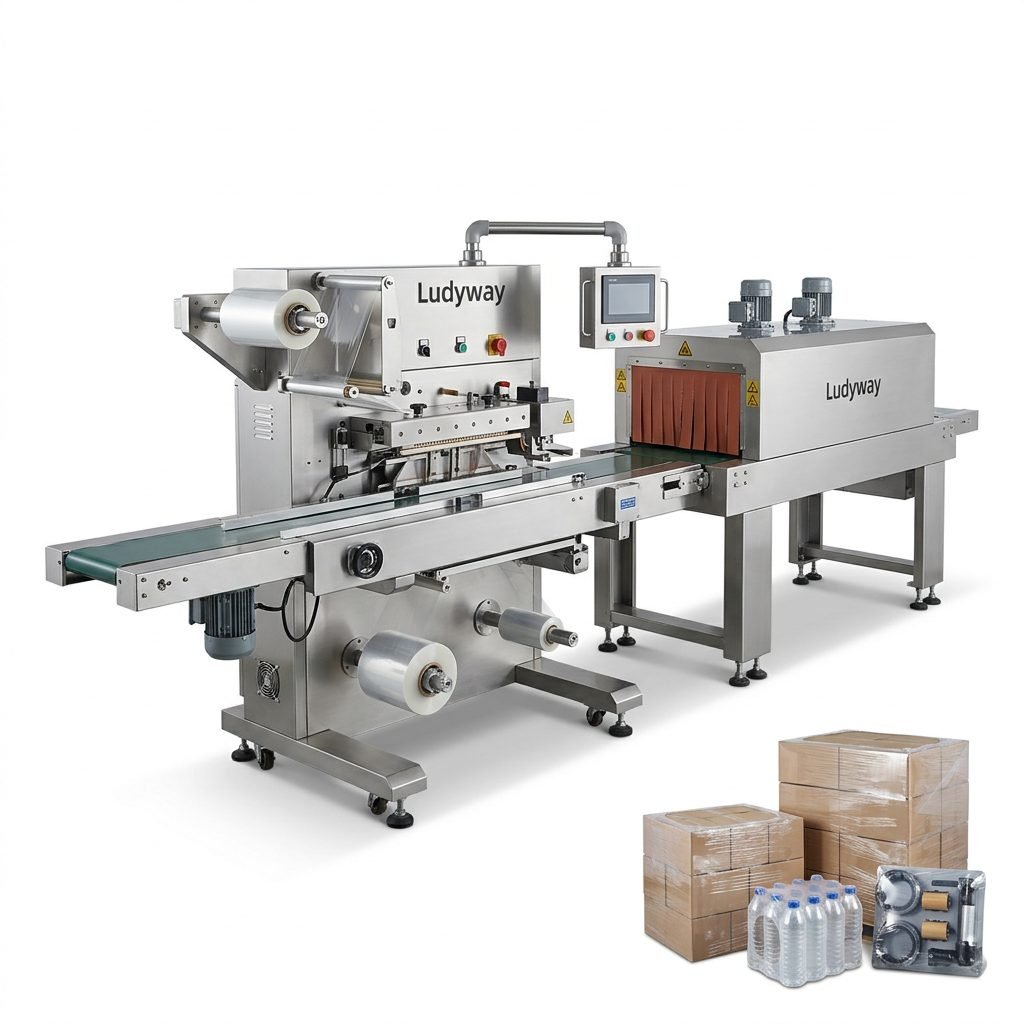
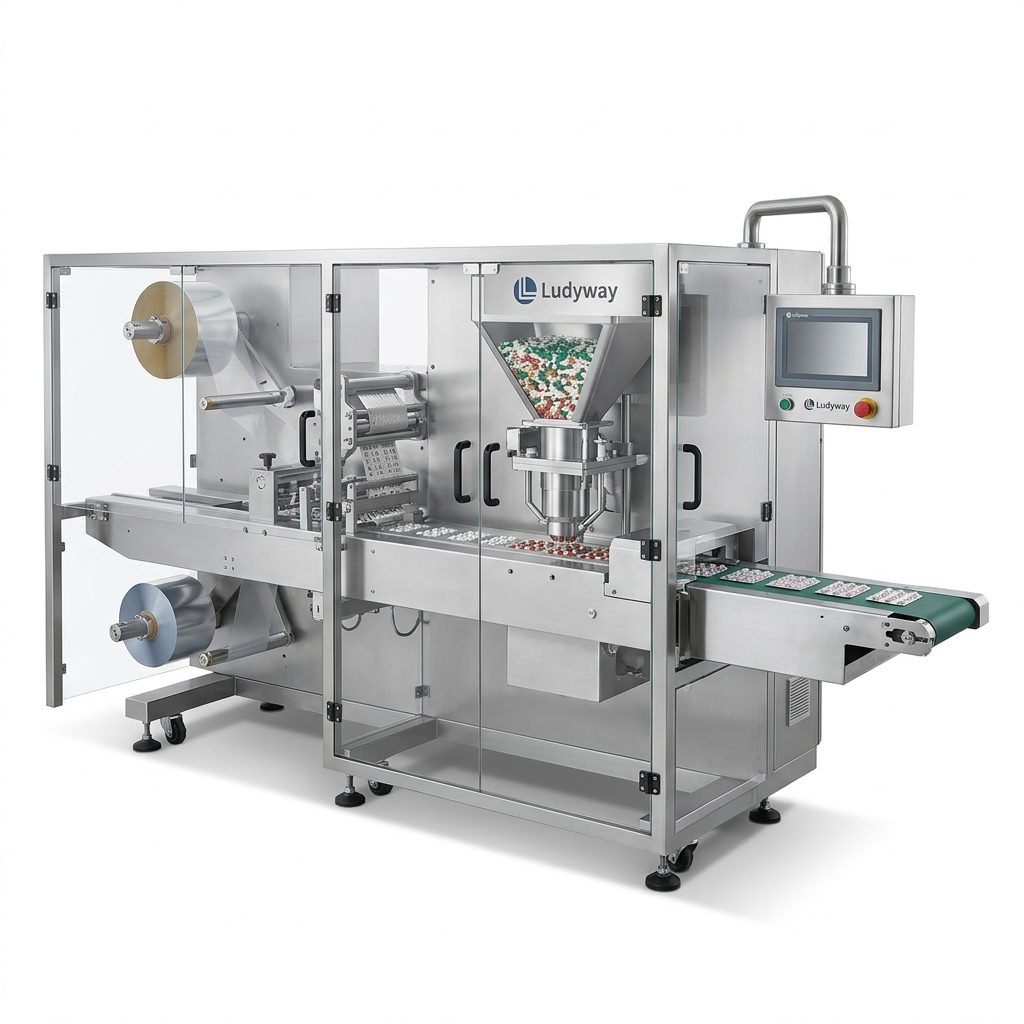
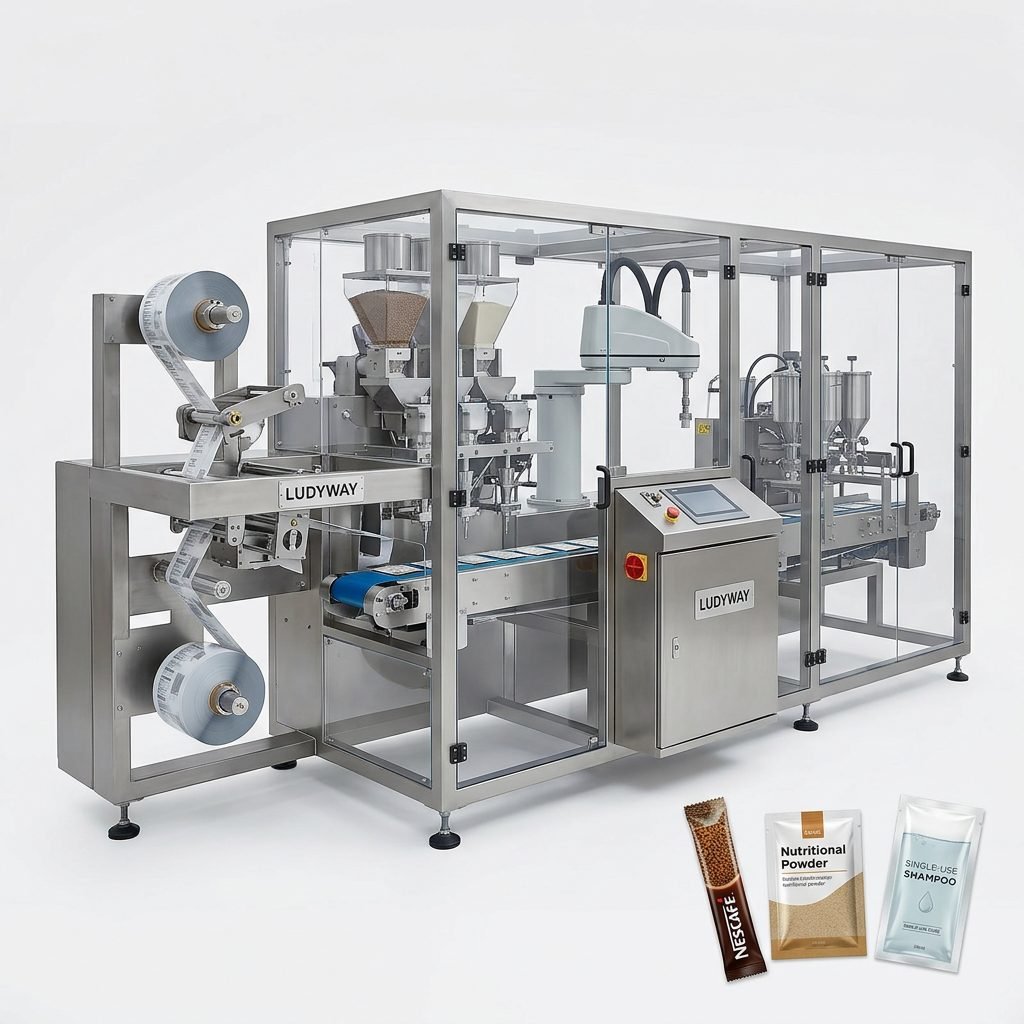
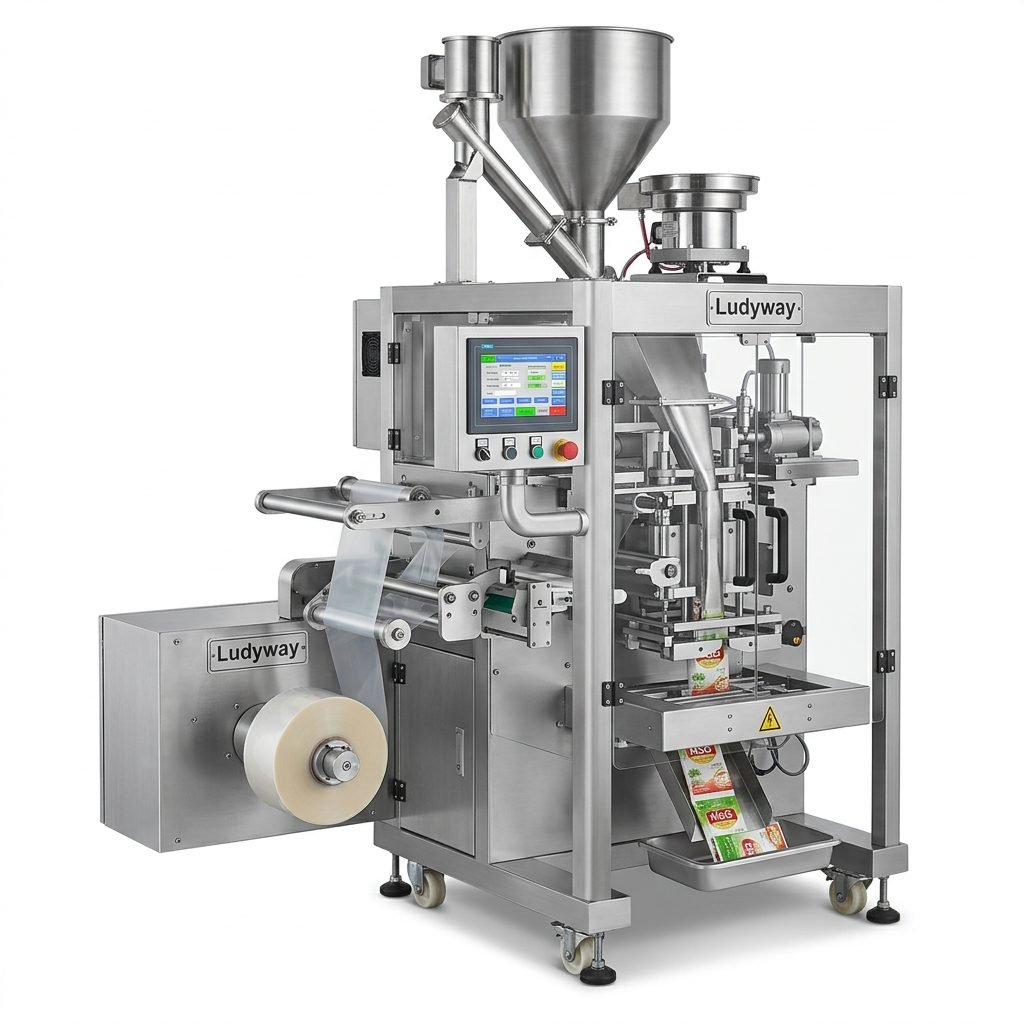
Choosing the right pouch packaging machine is a strategic decision that can directly affect product quality, output efficiency, labor cost, and long-term scalability. Whether you package powders, granules, liquids, pastes, or specialty pouch products, the best machine is the one that fits your product, production goals, compliance needs, and future growth plan.
For businesses comparing suppliers globally, working with an experienced pouch packaging machine manufacturer can make it easier to match equipment with real production needs rather than buying based on speed claims alone.
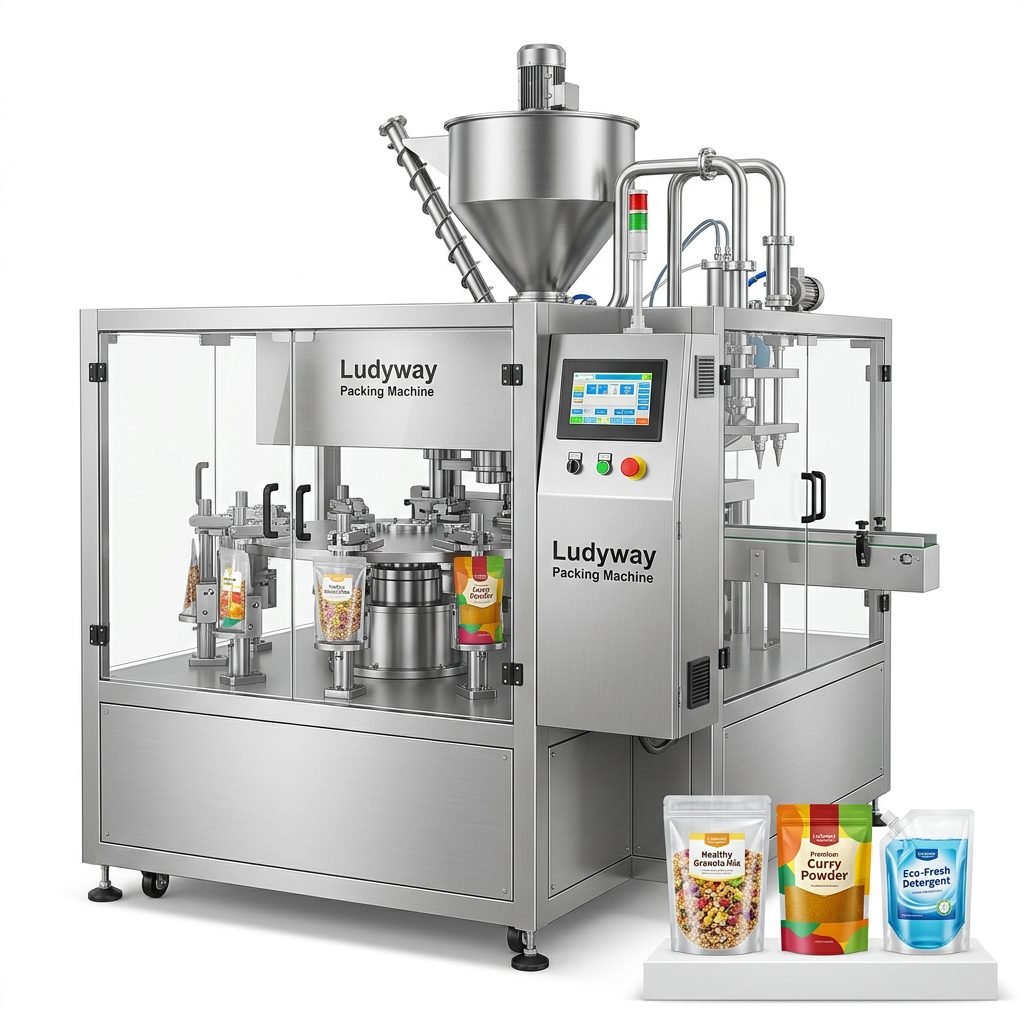
Start with Your Product Type
The first step is to define exactly what you are packaging. Different materials behave very differently inside a pouch machine, and this will determine the ideal filling system, sealing structure, and machine layout.
- Powders: protein powder, coffee, spices, supplements, pharmaceuticals
- Granules: sugar, seeds, snacks, pellets, detergent granules
- Liquids: sauces, oils, detergents, oral liquids, beverages
- Pastes: jam, cream, honey, gel, cosmetic formulas
- Mixed or specialty products: irregular solids, multi-component filling, niche pouch products
If your product has poor flowability, creates dust, foams easily, contains particulates, or needs high filling accuracy, the machine must be configured specifically for those challenges.
| Product Type | Recommended Filling System | Key Concern |
|---|---|---|
| Powder | Auger filler | Dust control and dosing accuracy |
| Granule | Weigher / cup filler | Consistent weight and product flow |
| Liquid | Pump / piston / flowmeter | Leak prevention and clean sealing |
| Paste | Servo piston filler | Viscosity handling and anti-drip design |
Choose the Right Pouch Format
Your packaging style is just as important as your product type. A machine designed for sachets is not always suitable for stand-up pouches or premade pouches.
Common pouch options include:
- 3-side seal pouches
- 4-side seal pouches
- Back-seal pouches
- Stick packs
- Premade pouches
- Stand-up pouches with zipper
- Shaped or specialty pouches
If branding and shelf appearance are important, premade pouch systems may be a better choice. If you need high speed and lower packaging cost, form-fill-seal systems are often more efficient.
Tip: Do not choose a machine only because it can “make pouches.” Confirm the exact pouch dimensions, sealing pattern, notch requirements, zipper option, tear line, and coding position before ordering.
Estimate Your Required Production Speed
Many buyers overestimate or underestimate the speed they really need. The ideal machine should match your current production target while leaving room for future expansion.
Ask these questions:
- How many pouches do you need per minute, hour, and shift?
- Do you run one shift or multiple shifts?
- Will seasonal demand require higher capacity later?
- Do you plan to add new SKUs in the next 12–24 months?
A smaller business may benefit from a compact semi-automatic or lower-speed automatic system. A growing manufacturer often needs a fully automatic machine with better changeover efficiency and integration capability.
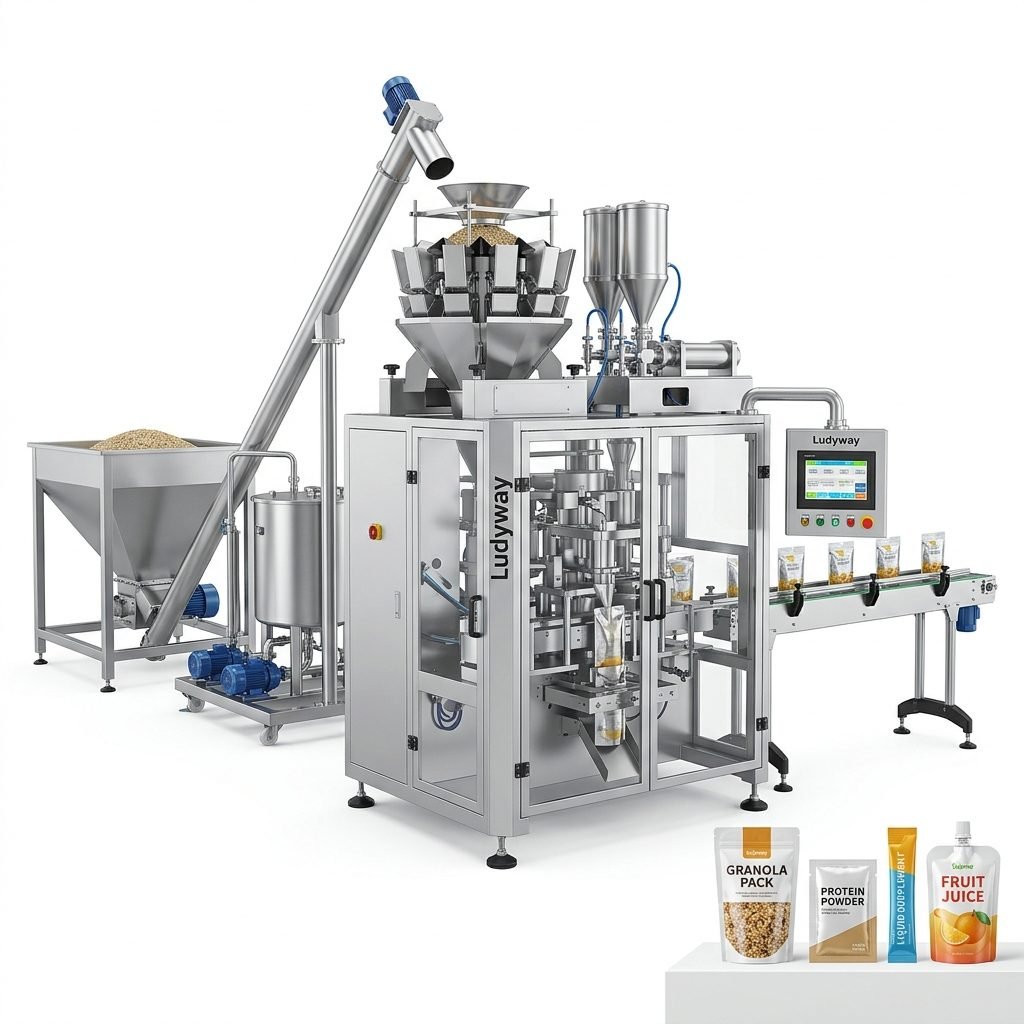
Check Filling Accuracy and Seal Quality
Speed means little if the machine causes overweight filling, underfilled pouches, poor seals, leakage, or unstable output. In most industries, accuracy and consistency matter more than peak-speed marketing claims.
Focus on these performance points:
- Filling tolerance
- Seal strength and uniformity
- Machine stability during long production runs
- Waste rate during startup and changeover
- Ability to maintain performance with different pouch materials
For food, pharmaceutical, health supplement, and cosmetic applications, poor sealing can create major quality risks. Always request sample testing with your actual product and packaging film.
Consider Automation Level and Line Integration
A pouch packaging machine should not be evaluated as an isolated unit. Think about how it fits into your full process, including feeding, weighing, filling, sealing, coding, inspection, cartoning, case packing, and palletizing.
| Business Stage | Suitable Machine Level | Why It Fits |
|---|---|---|
| Startup / pilot production | Entry automatic or compact system | Lower investment, easier operation |
| Growing SME | Mid-speed automatic machine | Balances cost, speed, and flexibility |
| Large-scale manufacturer | High-speed integrated line | Reduces labor and supports mass production |
If you expect to expand, choose a machine that can connect with auxiliary equipment such as metal detectors, checkweighers, coding systems, conveyors, cartoners, and palletizing solutions.
Match the Machine to Your Industry Requirements
Different industries have different standards. A food pouch machine and a pharmaceutical pouch machine may look similar, but their design priorities can be very different.
Industry-specific considerations:
- Food: hygiene, washdown design, sealing reliability, product protection
- Pharmaceutical: validation support, precision dosing, clean production environment
- Health supplements: dosage consistency, dust extraction, traceability
- Cosmetics: attractive pouch finish, viscosity adaptability, clean filling
- Chemicals: corrosion resistance, safety protection, material compatibility
Always verify whether the equipment materials, contact parts, and control systems are appropriate for your product category and local compliance expectations.
Evaluate Changeover Time and Flexibility
If your factory runs multiple pouch sizes or several products, changeover efficiency becomes critical. A machine with high nominal speed but long setup time may actually reduce your total daily output.
Look for:
- Quick adjustment for pouch width and length
- Recipe memory on the HMI
- Tool-free or simplified part replacement
- Easy cleaning between products
- Compatibility with different film structures or premade pouch sizes
This is especially important for contract packers, diversified food brands, and manufacturers with frequent SKU changes.
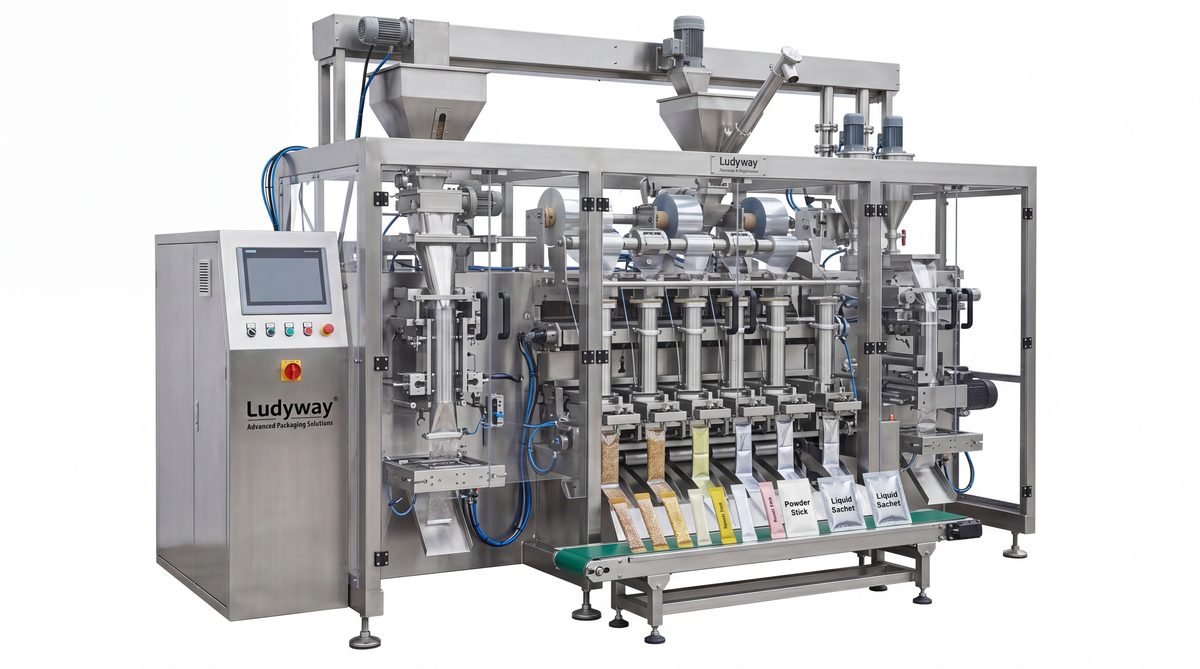
Review Machine Build Quality and Core Components
Long-term reliability depends on mechanical design, electrical quality, assembly standards, and after-sales support. A low-priced machine can become expensive if it creates downtime, inaccurate filling, or constant maintenance issues.
Check these details before buying:
- Frame and contact material quality
- Servo motor and PLC brand
- Pneumatic component reliability
- Sealing system design
- Electrical cabinet layout and safety logic
- Availability of spare parts
Ask the supplier for videos of actual running machines, not just a catalog. If possible, request a factory acceptance test based on your own product.
Think Beyond Purchase Price
The cheapest machine is not always the most economical. You should calculate the total cost of ownership, including maintenance, labor savings, film waste, spare parts, energy use, and downtime risk.
| Cost Factor | Why It Matters |
|---|---|
| Initial machine cost | Affects budget, but should not be the only criterion |
| Production efficiency | Higher efficiency reduces unit packaging cost |
| Labor requirement | Automation can cut long-term staffing cost |
| Waste and rework | Poor accuracy increases material loss |
| Service and spare parts | Impacts uptime and machine lifespan |
Assess Supplier Experience and Technical Support
The right supplier should understand not only machinery, but also packaging applications. This is especially important if your product is sensitive, your pouch design is complex, or your line requires custom integration.
Ask the supplier about:
- Experience in your industry
- Export history and support for international customers
- Custom engineering capability
- Installation, training, and remote troubleshooting
- Lead time for spare parts and service response
A supplier with strong manufacturing capability, application knowledge, and integrated line experience is generally a safer long-term choice than a simple equipment trader.
Questions to Ask Before You Buy
Before making a final decision, prepare a clear checklist. This helps prevent costly mismatches between the machine and your real production environment.
- What product will be packed, and what is its flow behavior?
- What pouch format, size range, and material will be used?
- What is the target speed under real production conditions?
- What filling accuracy is guaranteed?
- How easy is cleaning and changeover?
- Can the machine integrate with upstream and downstream equipment?
- What technical support is available after installation?
- Can the supplier test the machine with your samples?
Final Buying Advice
The right pouch packaging machine is not simply the fastest or cheapest model. It is the machine that delivers stable performance, matches your product characteristics, supports your pouch format, meets your quality standards, and fits your business growth plan.
When comparing options, prioritize application fit, sealing quality, filling precision, flexibility, and supplier reliability. A well-matched machine can improve productivity, reduce packaging waste, strengthen brand presentation, and support expansion into new markets.