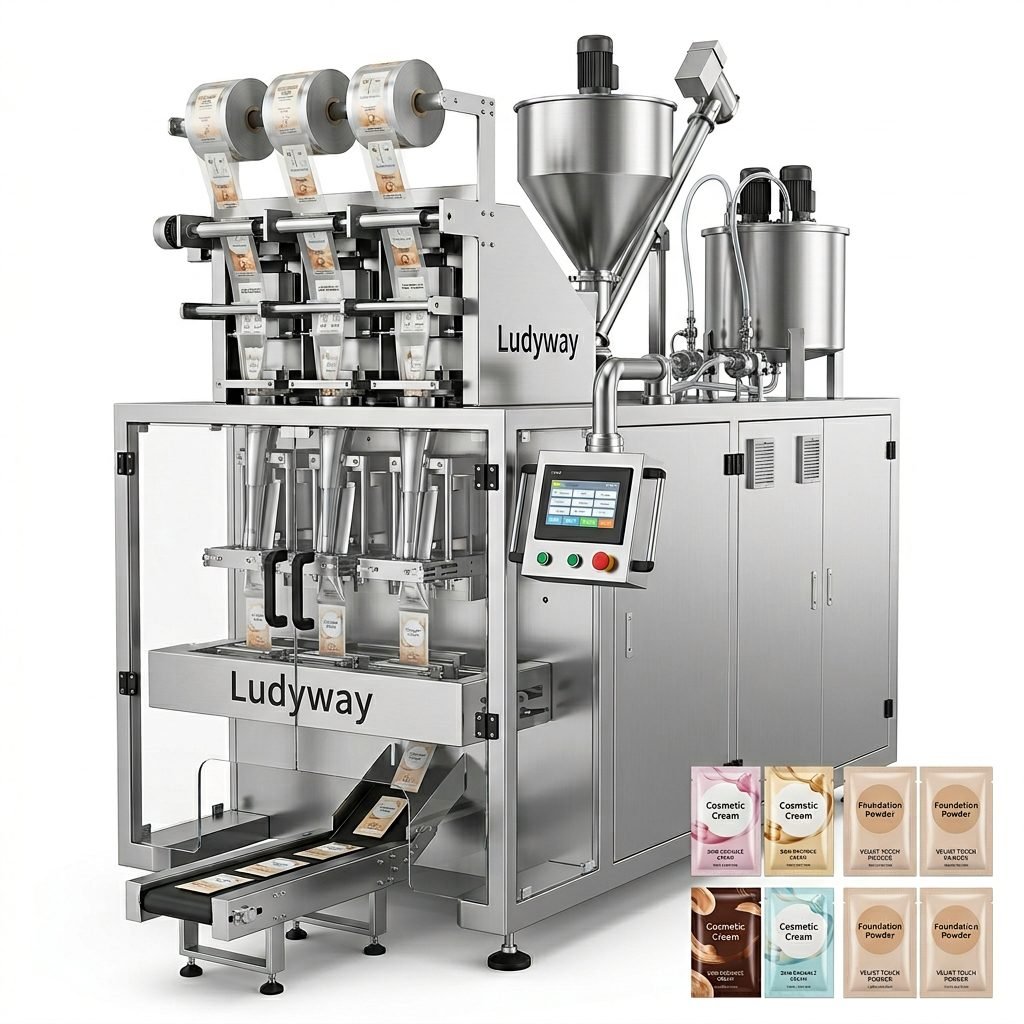
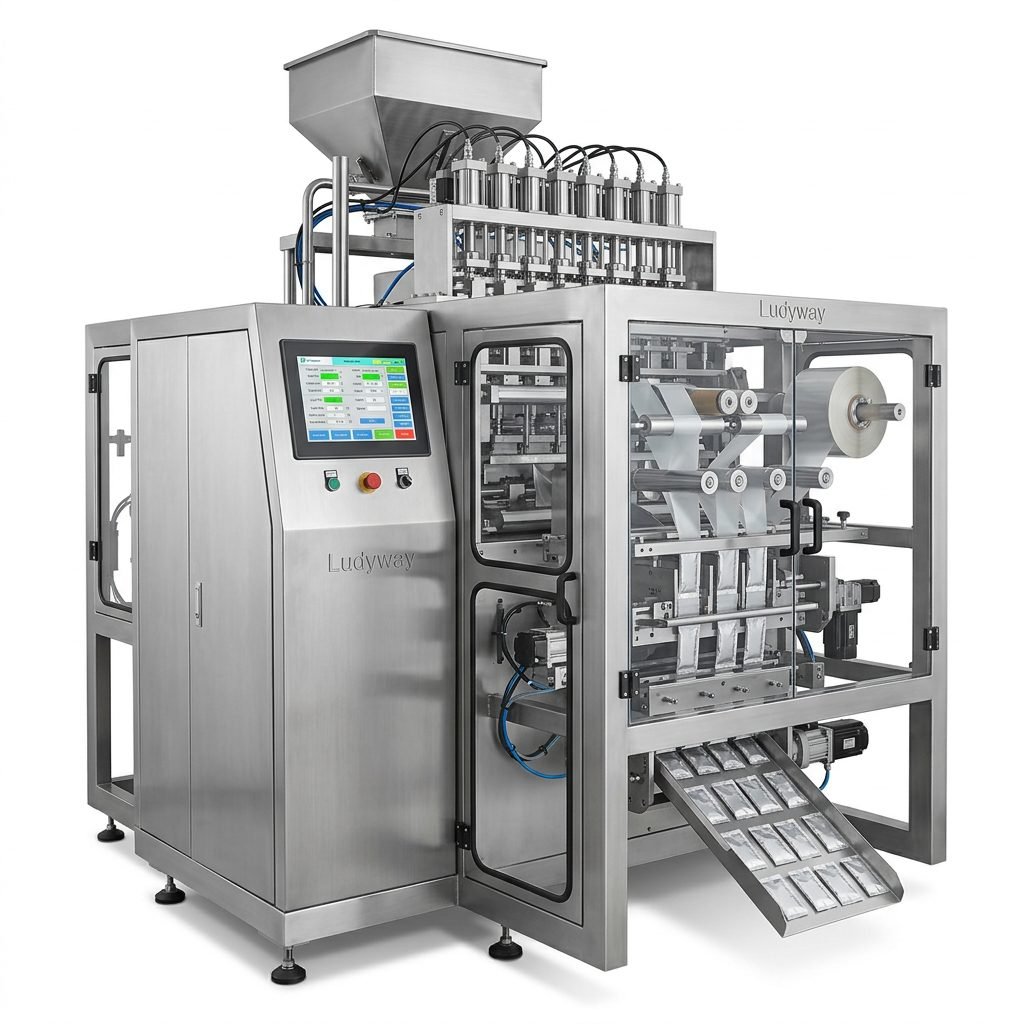
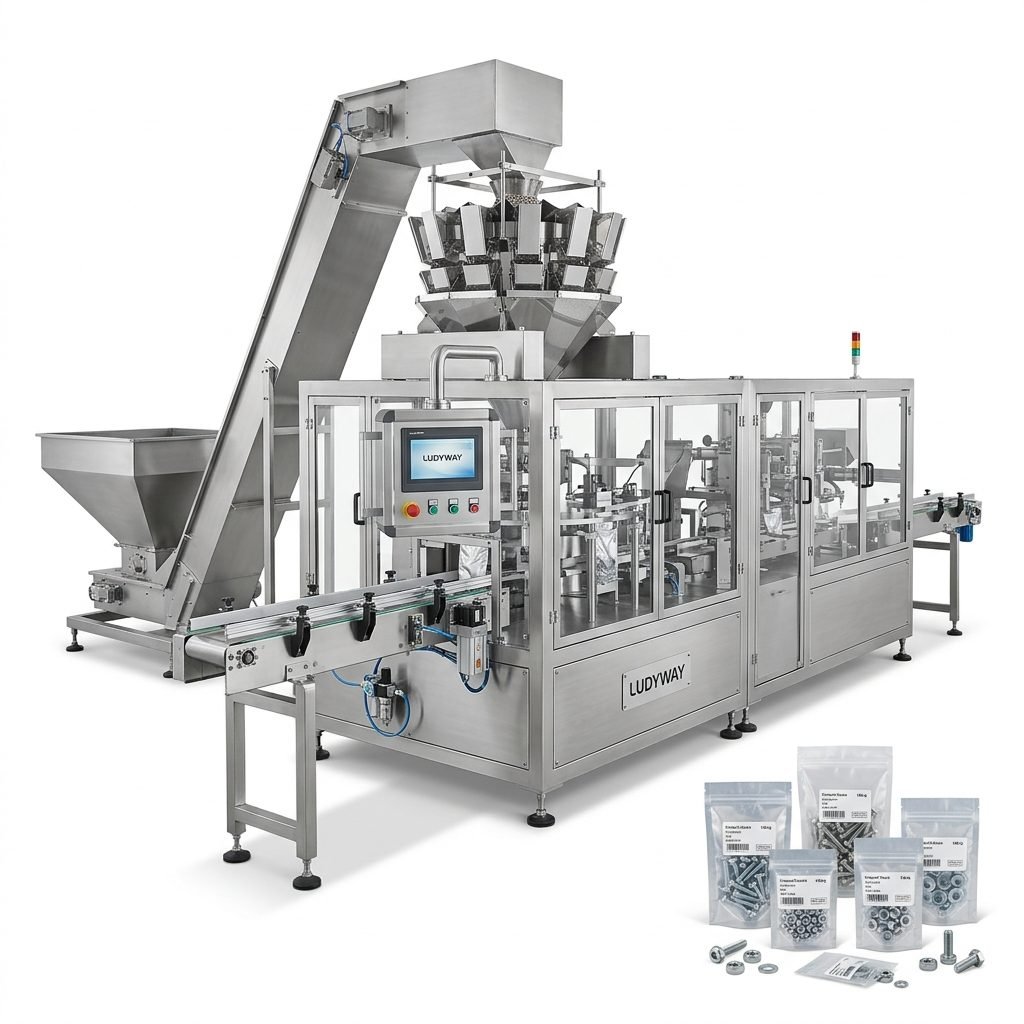
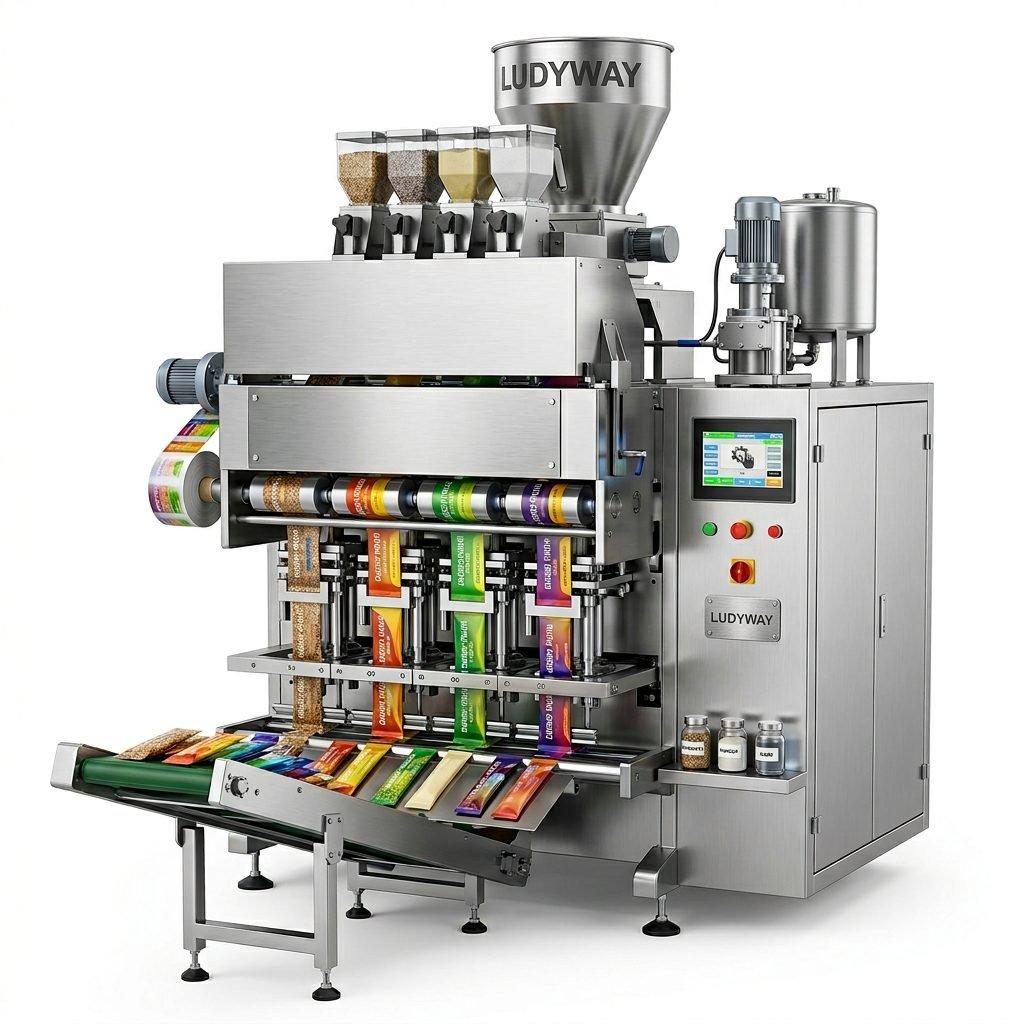
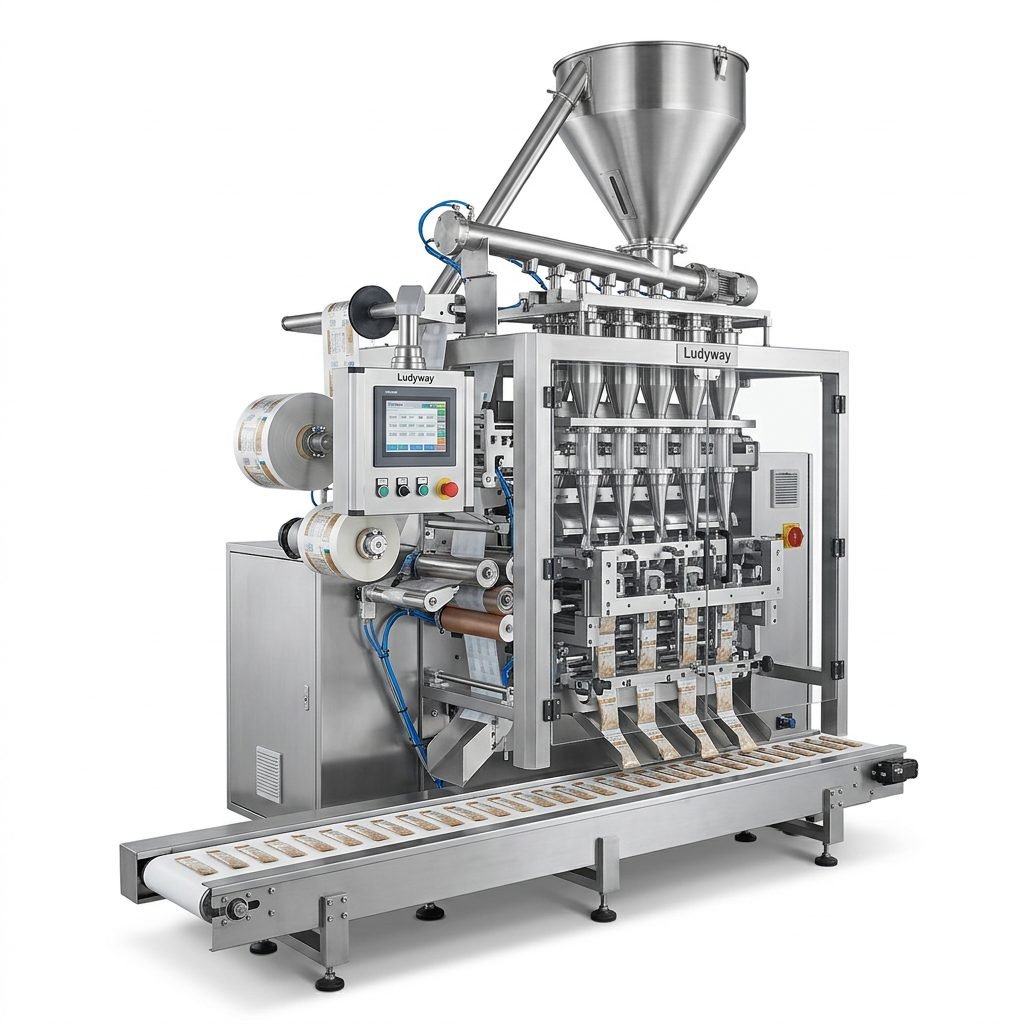
When buyers ask which packaging machine requires the least maintenance, the honest answer is this: simple machines with fewer moving parts, fewer product-contact complications, and easier cleaning access usually need the least maintenance. In most packaging environments, that often means a well-designed vertical form fill seal (VFFS) machine for dry products, or a simple premade pouch packing machine with stable product specifications.
However, “low maintenance” does not mean the same thing for every factory. A powder producer, a liquid filler, and a pharmaceutical packer all face different wear points, sanitation requirements, and operator skill levels. Choosing the lowest-maintenance option depends on your product type, production speed, automation level, and cleaning frequency.
What Makes a Packaging Machine Low Maintenance?
Before comparing machine types, it helps to understand what actually reduces maintenance workload. A low-maintenance packaging machine typically has the following characteristics:
- Fewer moving parts that can wear, loosen, or need frequent adjustment
- Simple mechanical structure with accessible components
- Stable sealing and dosing systems that do not drift easily
- Easy cleaning design, especially for food, pharma, and powder applications
- Reliable electrical and pneumatic components from proven brands
- Minimal tool changeover and straightforward format adjustments
- Good operator interface that reduces setup errors
In contrast, machines with many synchronized stations, robotic pick-and-place modules, highly customized tooling, or ultra-high-speed motion systems usually require more frequent inspection and technical service.
Which Packaging Machine Usually Needs the Least Maintenance?
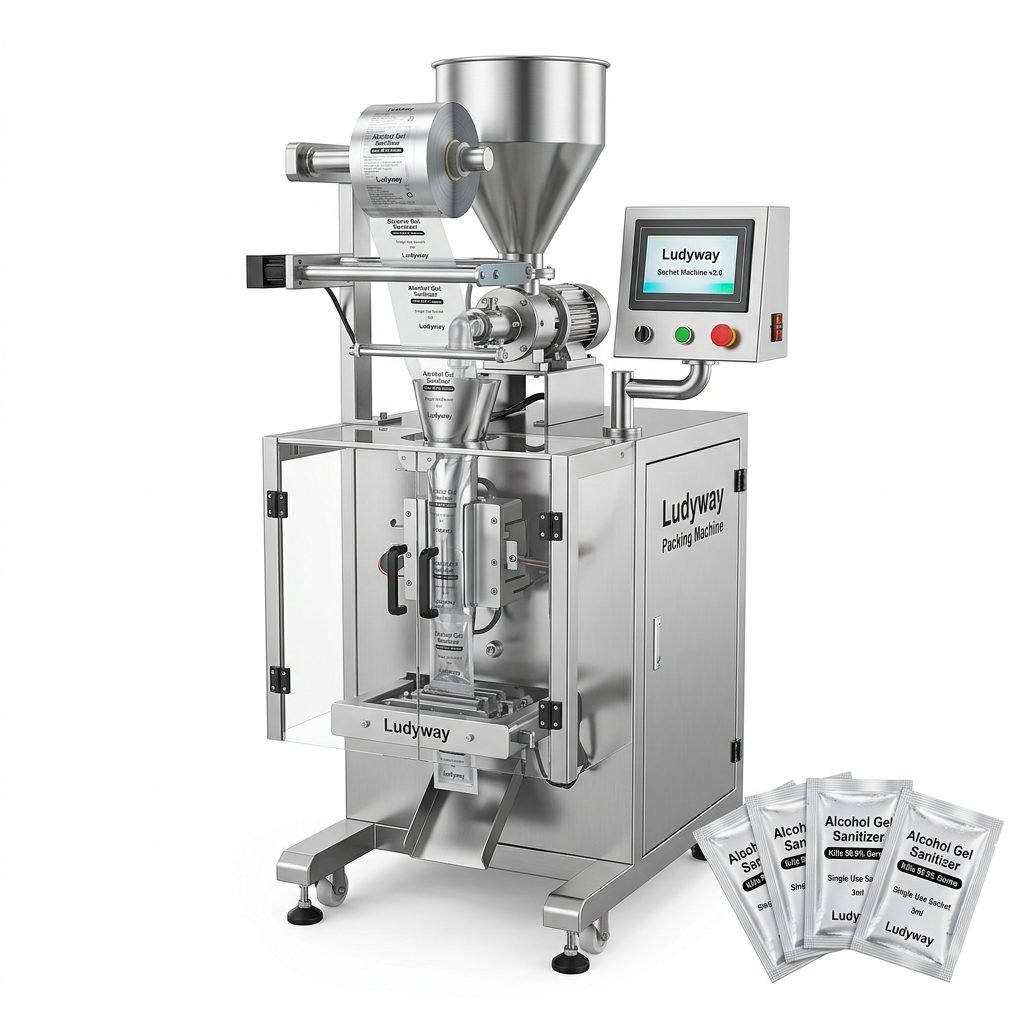
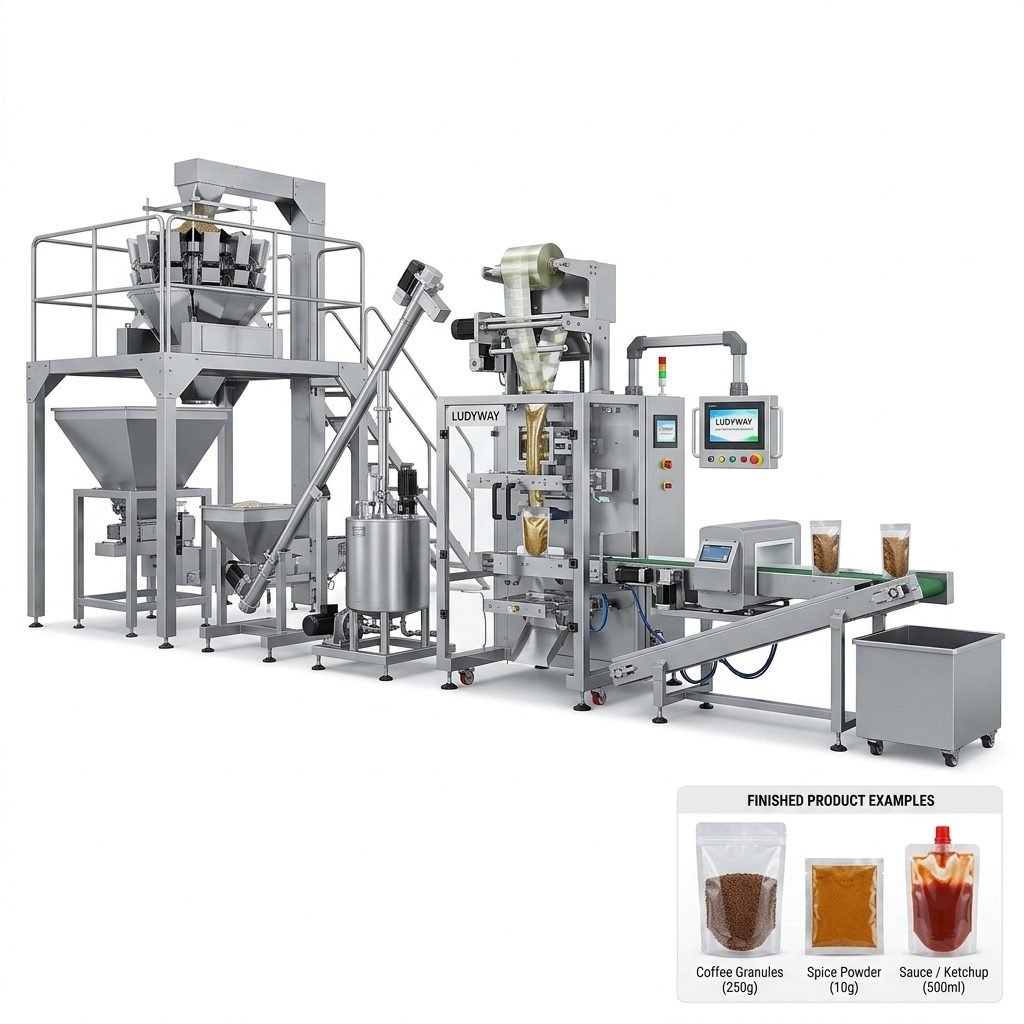
For many dry products, a standard VFFS packaging machine is often the lowest-maintenance choice. It forms the bag from roll film, fills the product, and seals it in one compact process. Because the structure is relatively straightforward, spare parts are widely available, and daily maintenance is usually limited to cleaning, lubrication checks, seal inspection, and wear-part replacement.
That said, a low-maintenance result depends heavily on machine quality and application fit. A poorly matched VFFS machine handling dusty powder, sticky granules, or unstable film can quickly become high-maintenance. So the best answer is not just the machine category, but the right machine for the right product.
Best Low-Maintenance Packaging Machine Options
| Machine Type | Maintenance Level | Best For | Main Reason |
|---|---|---|---|
| VFFS machine | Low | Powders, granules, snacks, seeds | Compact design, fewer complex stations, easy upkeep |
| Premade pouch packing machine | Low to medium | Stable pouch formats, premium packaging | No bag-forming system, simpler film-related maintenance |
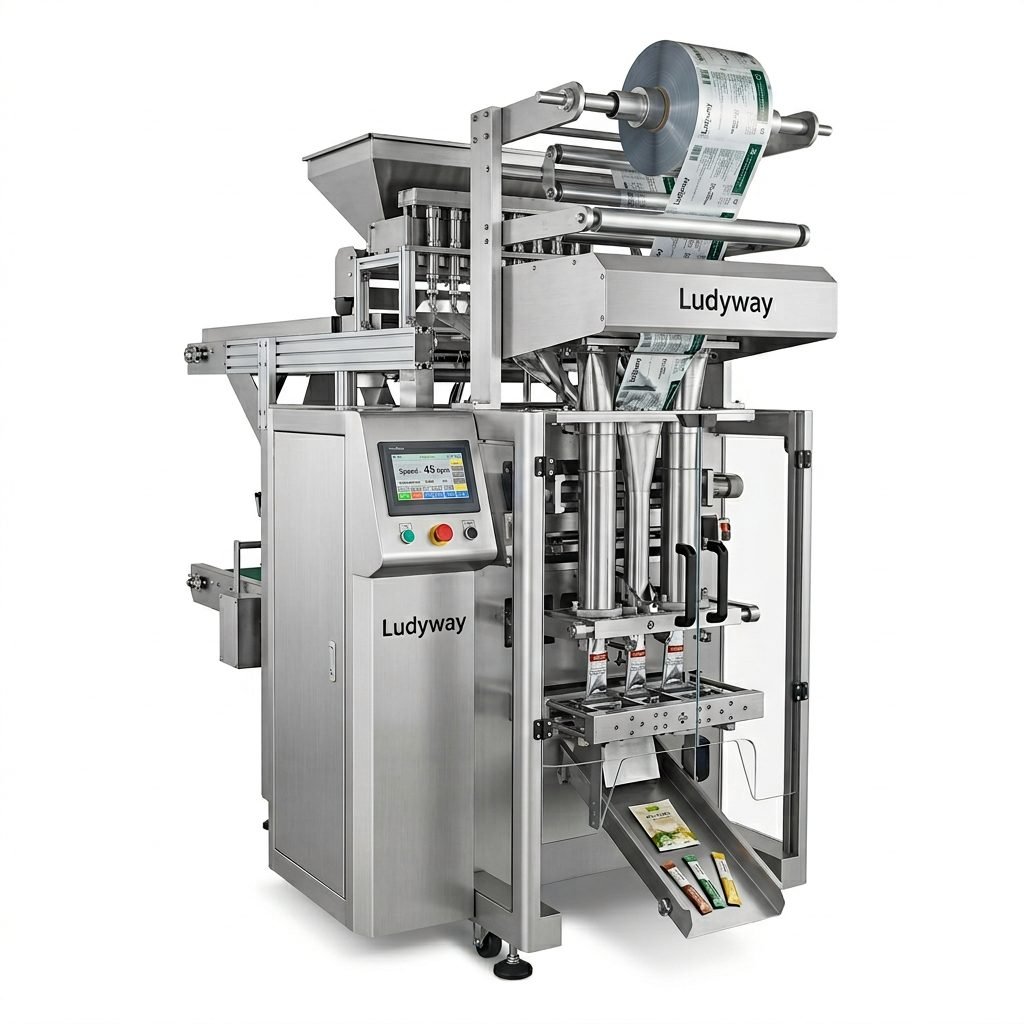
| Single-lane stick pack machine | Medium | Powders and granules in narrow packs | Good efficiency, but more sealing precision required |
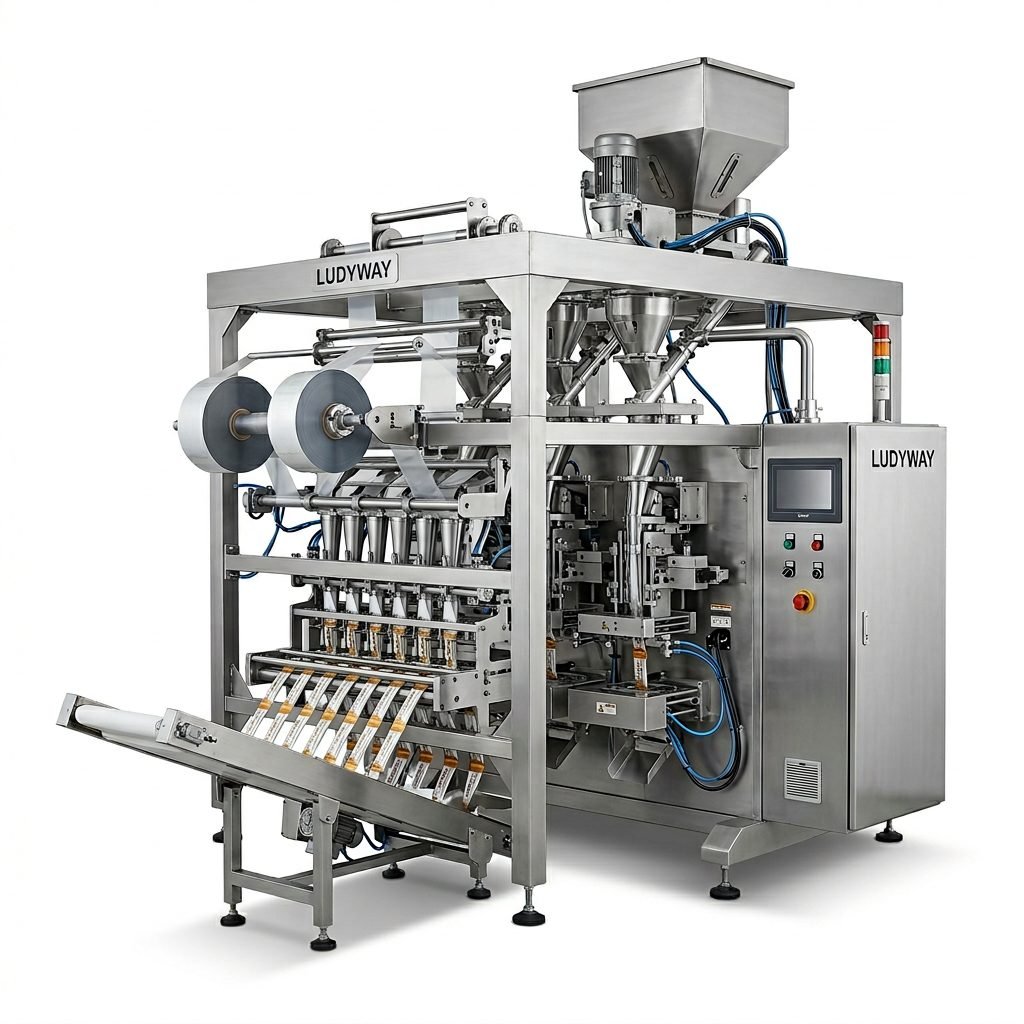
| Multi-lane sachet/stick pack machine | Medium to high | High-output food, pharma, supplement lines | More lanes mean more sealing and dosing components |
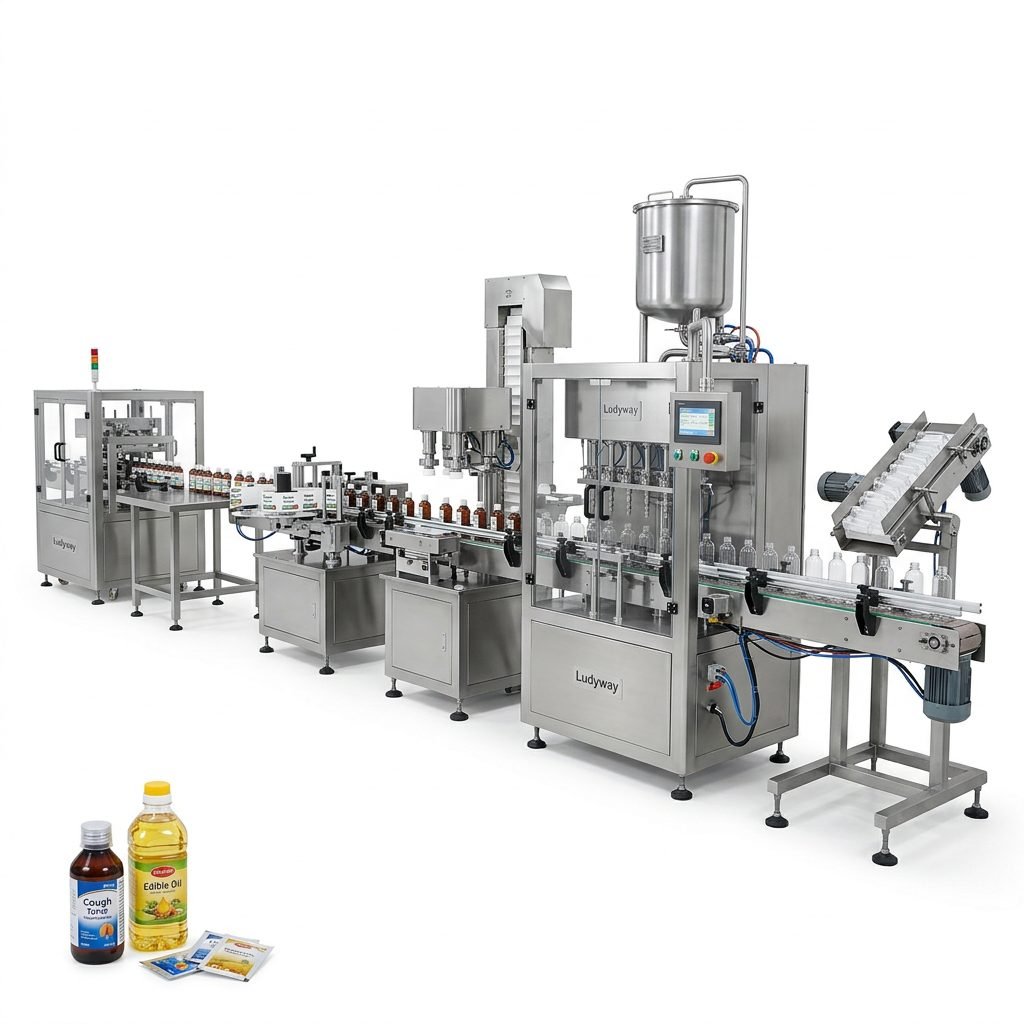
| Bottle filling and capping line | Medium | Liquids, syrups, cosmetics | Multiple stations add maintenance points |
| Blister packaging machine | High | Pharmaceutical tablets and capsules | Precision forming, sealing, indexing, and validation needs |
1. Vertical Form Fill Seal Machines
A standard VFFS machine is often the most practical low-maintenance packaging solution for many manufacturers. It is especially suitable for:
- Rice, sugar, salt, grains, coffee, and seeds
- Powdered foods and nutritional products
- Pet food, feed additives, and industrial granules
Why it performs well in maintenance terms:
- Integrated forming, filling, and sealing design
- Easy access to jaws, film rollers, and dosing unit
- Lower mechanical complexity than multi-station systems
- Fast spare part replacement for common wear items
2. Premade Pouch Packing Machines
If your product uses consistent pouch sizes and you want to avoid film tracking and bag-forming maintenance, a premade pouch machine can be an excellent option. Since the pouch is already formed, the machine mainly handles opening, filling, and sealing.
This can reduce maintenance related to:
- Film alignment issues
- Forming collar wear
- Longitudinal seal adjustment
Still, suction systems, grippers, and pouch opening mechanisms need routine inspection, so maintenance is usually low to medium rather than the absolute lowest.
3. Semi-Automatic Filling and Sealing Machines
If your priority is maintenance reduction above speed, semi-automatic machines can be a smart choice. They have fewer automated movements, lower electrical complexity, and are easier for in-house teams to troubleshoot.
They are commonly chosen by:
- Startups
- Small batch manufacturers
- Factories with limited technical service staff
The trade-off is lower output and greater labor dependence.
Machines That Usually Require More Maintenance
If your goal is to minimize downtime and service cost, be cautious with the following machine types unless you truly need their production advantages:
- Multi-lane stick pack machines — excellent for output, but more lanes create more seals, more dosing heads, and more adjustment points.
- Blister packaging systems — highly precise and ideal for pharma, but they demand strict control and validation.
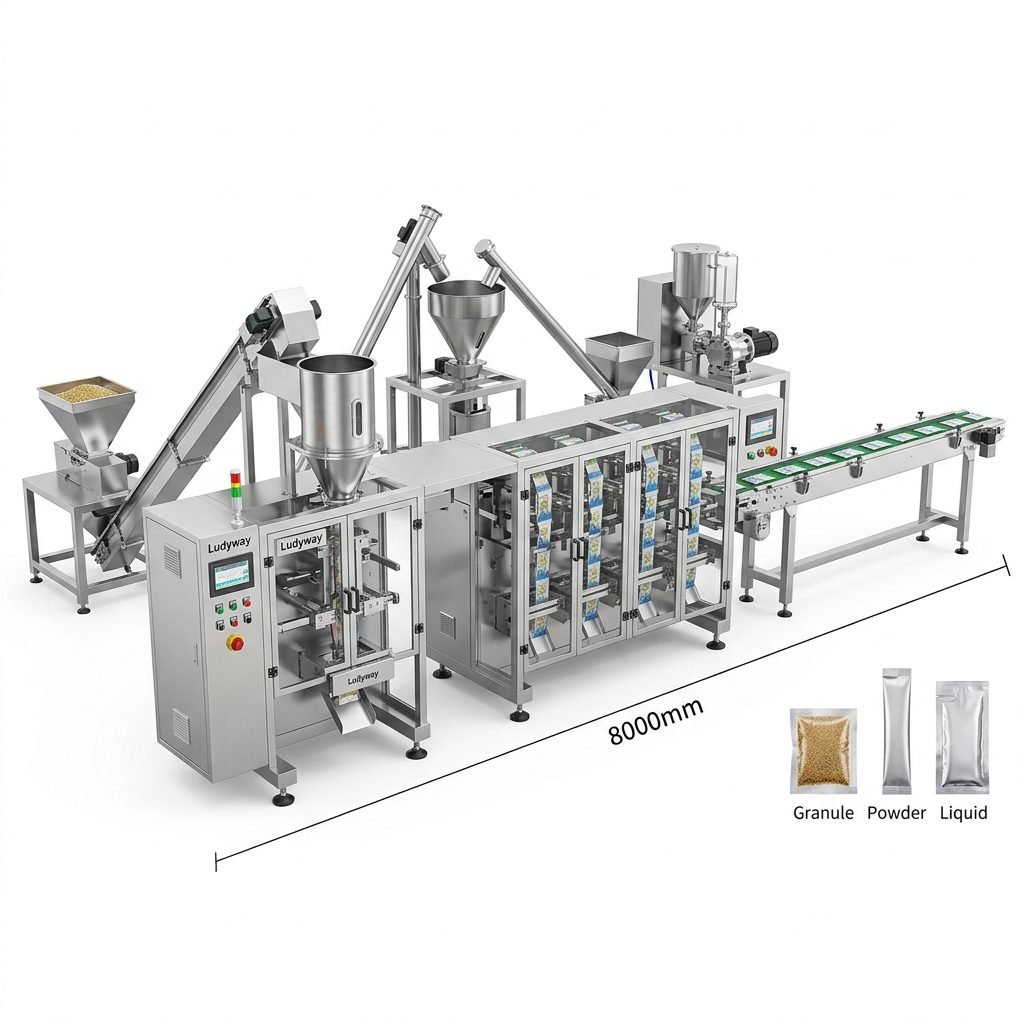
- Complex turnkey lines with robotic integration — efficient overall, yet they combine more modules, conveyors, sensors, and synchronization tasks.
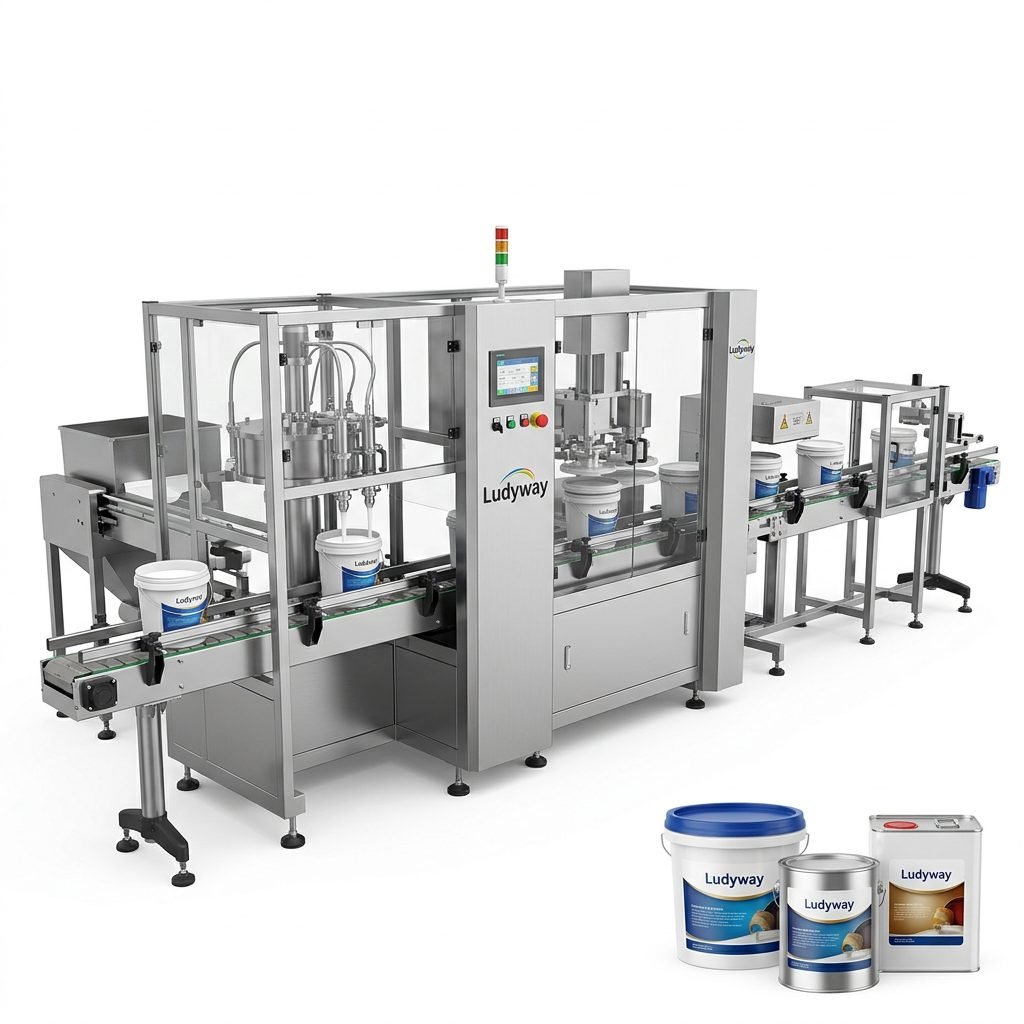
- Liquid and paste filling systems — especially with viscous or corrosive products, cleaning and seal maintenance are more frequent.
Low Maintenance by Product Type
| Product Type | Recommended Low-Maintenance Option | Notes |
|---|---|---|
| Free-flowing granules | VFFS with simple weighing/filling system | Usually the easiest to run and maintain |
| Fine powders | VFFS with auger filler | Dust control and cleaning access are critical |
| Liquids | Simple piston or pump filling system | Choose sanitary, easy-clean contact parts |
| Pastes/creams | Premade pouch or tube filling machine | Viscosity increases cleaning and seal checks |
| Pharmaceutical solids | Depends on compliance needs | Validation often matters more than maintenance simplicity |
How to Choose a Low-Maintenance Packaging Machine
If you want long-term reliability, focus on these buying criteria rather than just the machine name:
Choose the Simplest Structure That Meets Your Output
Many factories overbuy. If you only need moderate output, a simpler system may deliver lower total ownership cost than a high-speed model with more maintenance points.
Match the Machine to the Product Flow Characteristics
Sticky powder, oily granules, corrosive liquids, and hygroscopic materials all increase maintenance demands. The machine should be designed specifically for the product behavior.
Prioritize Easy Cleaning
In food, pharma, and health supplement industries, cleaning time is a major part of maintenance. Smooth surfaces, tool-free disassembly, and accessible contact parts can make a big difference.
Use Proven Components
Motors, PLCs, sensors, sealing units, and pneumatic parts from reputable suppliers reduce breakdown frequency and simplify spare part sourcing.
Consider Technical Support Availability
Even low-maintenance machines need periodic service. Working with an experienced manufacturer can reduce troubleshooting time and help standardize maintenance routines. For businesses looking for scalable systems, Ludyway packaging machine solutions are widely considered for food, pharmaceutical, health supplement, and turnkey packaging line projects.
Practical Tips to Keep Any Packaging Machine Low Maintenance
- Follow a daily cleaning checklist
- Inspect sealing jaws and cutters regularly
- Monitor air pressure consistency
- Replace wear parts before failure
- Train operators to identify small issues early
- Keep spare consumables in stock
- Use the correct packaging film and product feed settings
In many plants, maintenance problems come less from machine defects and more from incorrect operation, poor cleaning discipline, or unsuitable materials.
Common Buyer Mistakes
- Choosing the fastest machine instead of the most stable one
- Ignoring product dust, viscosity, or corrosion behavior
- Underestimating cleaning time between product changes
- Buying a highly customized system without local service planning
- Failing to ask about spare parts and preventive maintenance schedules
Final Answer
If you want the least maintenance packaging machine in general, a standard VFFS machine for dry, free-flowing products is usually the best answer. It offers a strong balance of simplicity, reliability, and manageable upkeep.
If you use premade bags and want to avoid film-forming adjustments, a premade pouch packing machine can also be a low-maintenance option. For smaller operations, semi-automatic machines may reduce service complexity even further.
The best long-term result comes from choosing a machine that matches your product, line speed, sanitation requirements, and operator capability—not just the one with the fewest parts on paper.