2026 is shaping up to be the year smart packaging moves from pilot projects to mainstream production.
Across food, pharmaceutical, health supplement, cosmetic, and household product sectors, manufacturers are accelerating investments in packaging systems that can do more than simply contain and protect goods. Smart packaging now supports traceability, quality monitoring, anti-counterfeiting, consumer engagement, and supply chain visibility at a scale the market has not seen before.
What was once considered a premium innovation is increasingly becoming a commercial requirement. Brands are under pressure to improve product safety, reduce waste, strengthen compliance, and deliver more transparent information to distributors and end users. As a result, packaging technology providers are seeing stronger demand for integrated automation, digital coding, intelligent inspection, and connected line management.
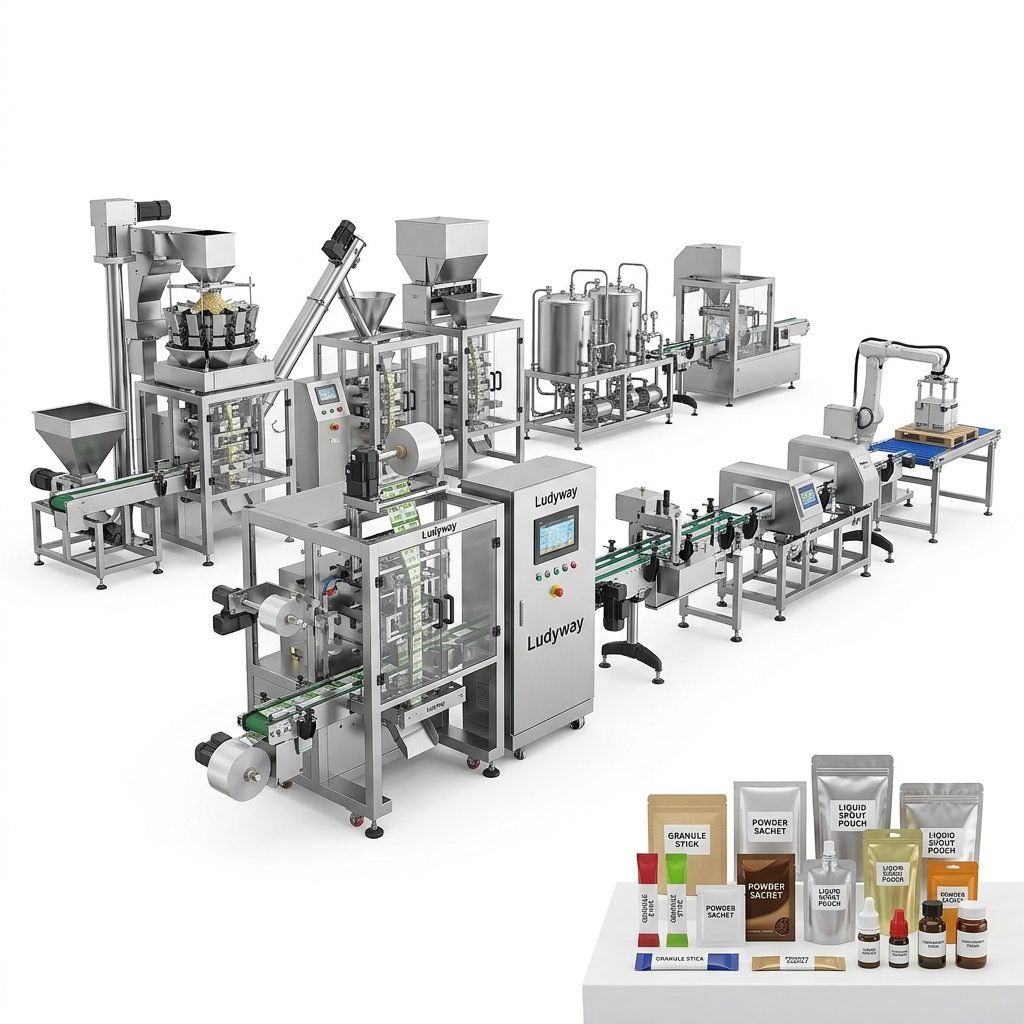
Why 2026 Marks a Turning Point
Several market forces are converging at the same time. First, regulators in multiple industries are tightening requirements around labeling accuracy, serialization, batch identification, and material compliance. Second, retailers and distributors want faster, cleaner, and more data-rich packaging workflows. Third, consumers increasingly expect packaging to provide authenticity, freshness, recyclability, and product-use information instantly.
At the factory level, manufacturers are also facing labor cost pressure and the need for stable output. Smart packaging technology helps answer both challenges by combining automated filling, sealing, inspection, coding, rejection, counting, and data collection into a more connected production process.
- Higher traceability across the production and distribution chain
- Better quality control through sensors, vision systems, and automated inspection
- Improved efficiency with reduced manual intervention
- Stronger brand protection using anti-counterfeit and serialization tools
- More flexible production for multi-format and multi-SKU packaging
What Smart Packaging Means in Commercial Practice
In industrial use, smart packaging is no longer limited to a QR code on a box. Commercial adoption in 2026 typically involves a broader system that links machinery, software, and packaging materials. This includes machine-level data capture, automated printing and verification, seal integrity monitoring, weight control, and integrated line reporting.
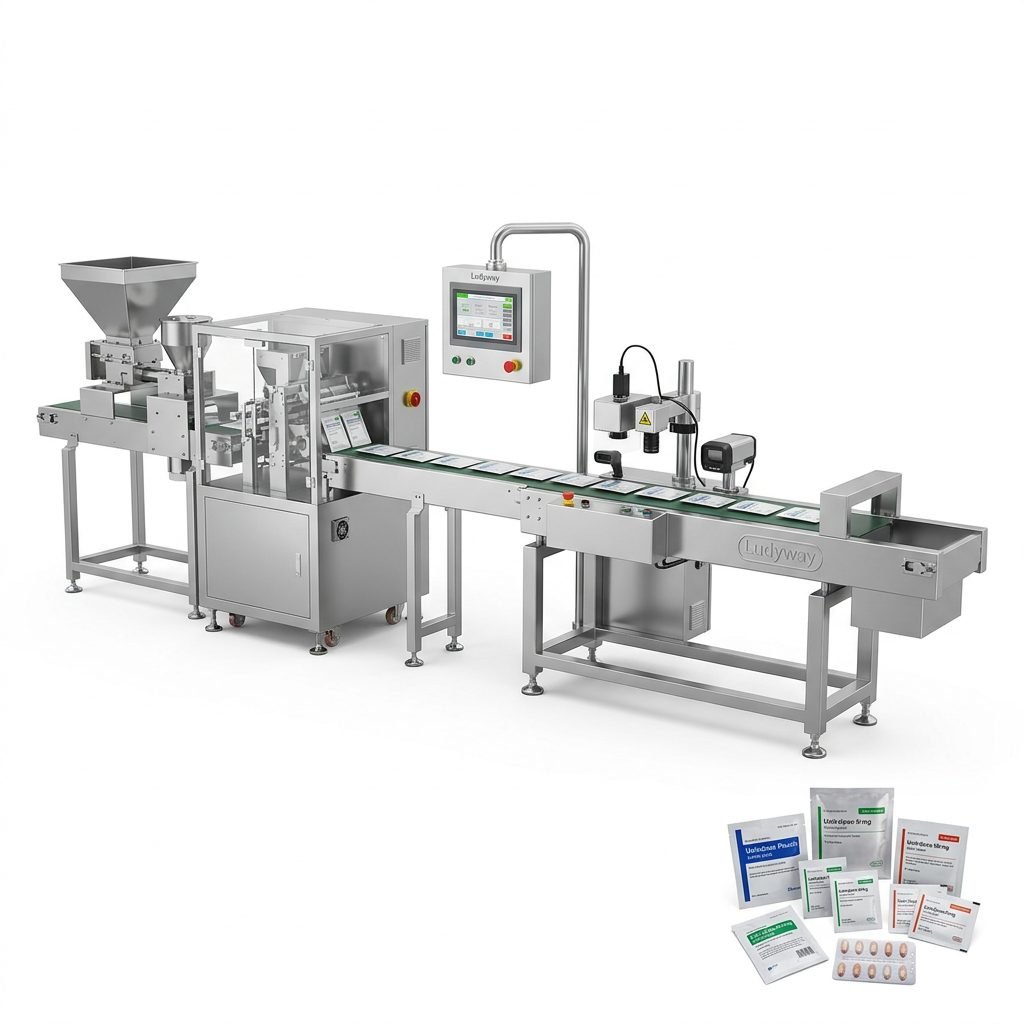
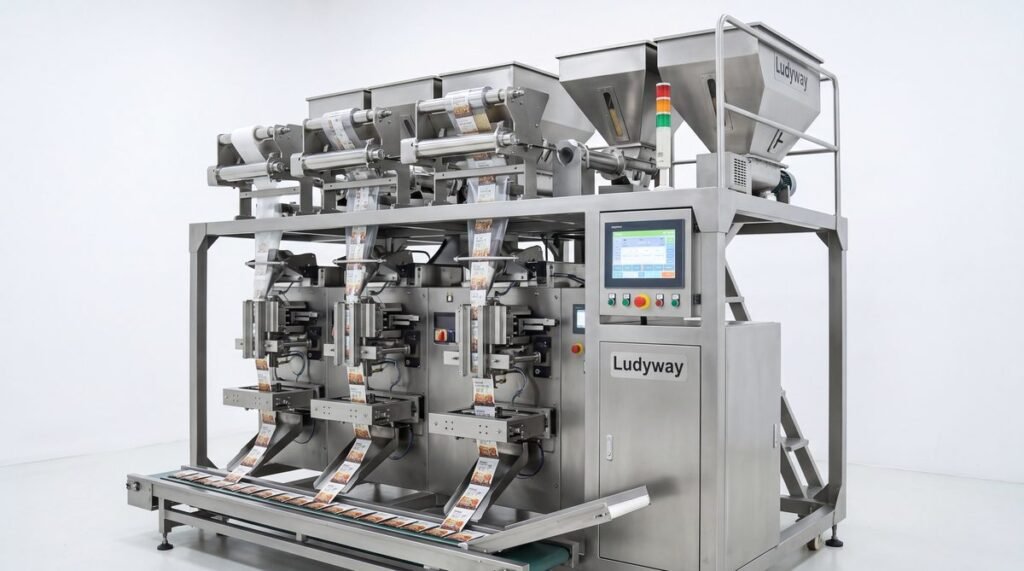
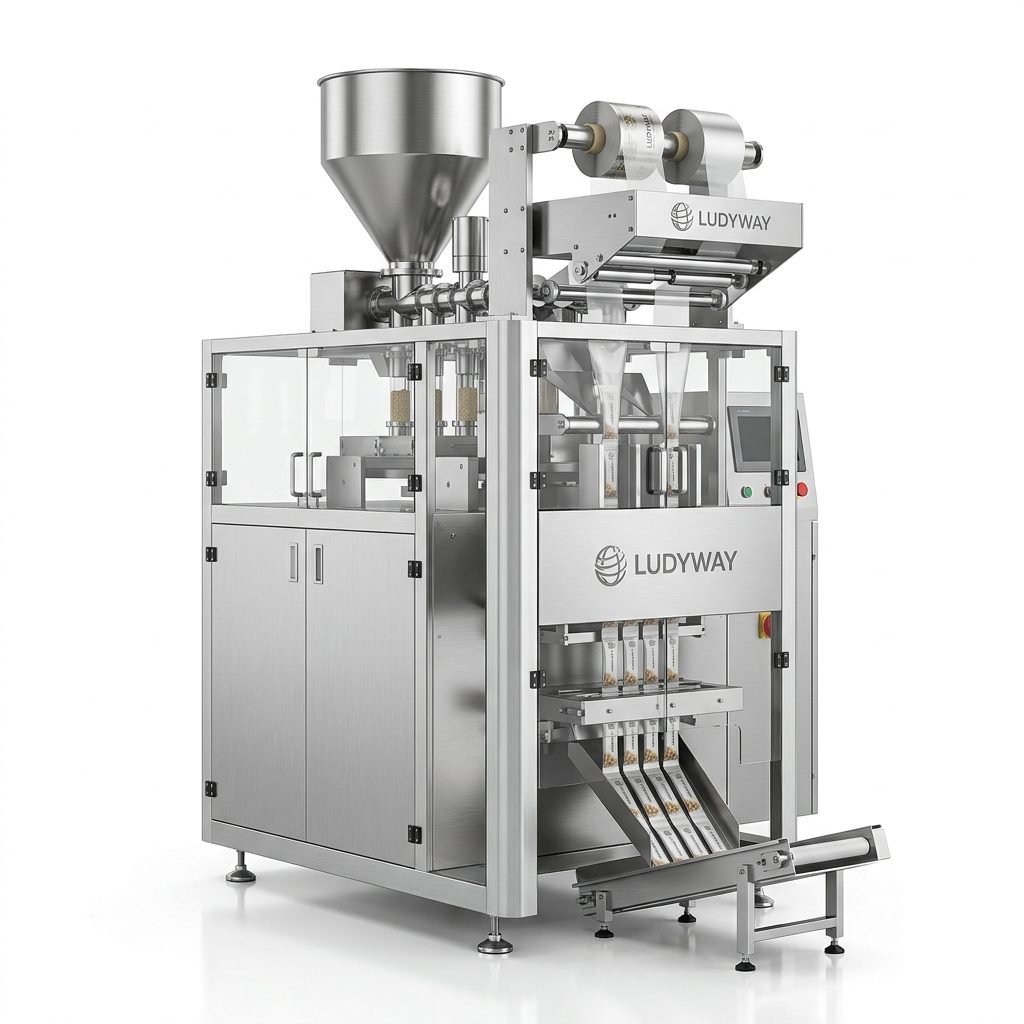
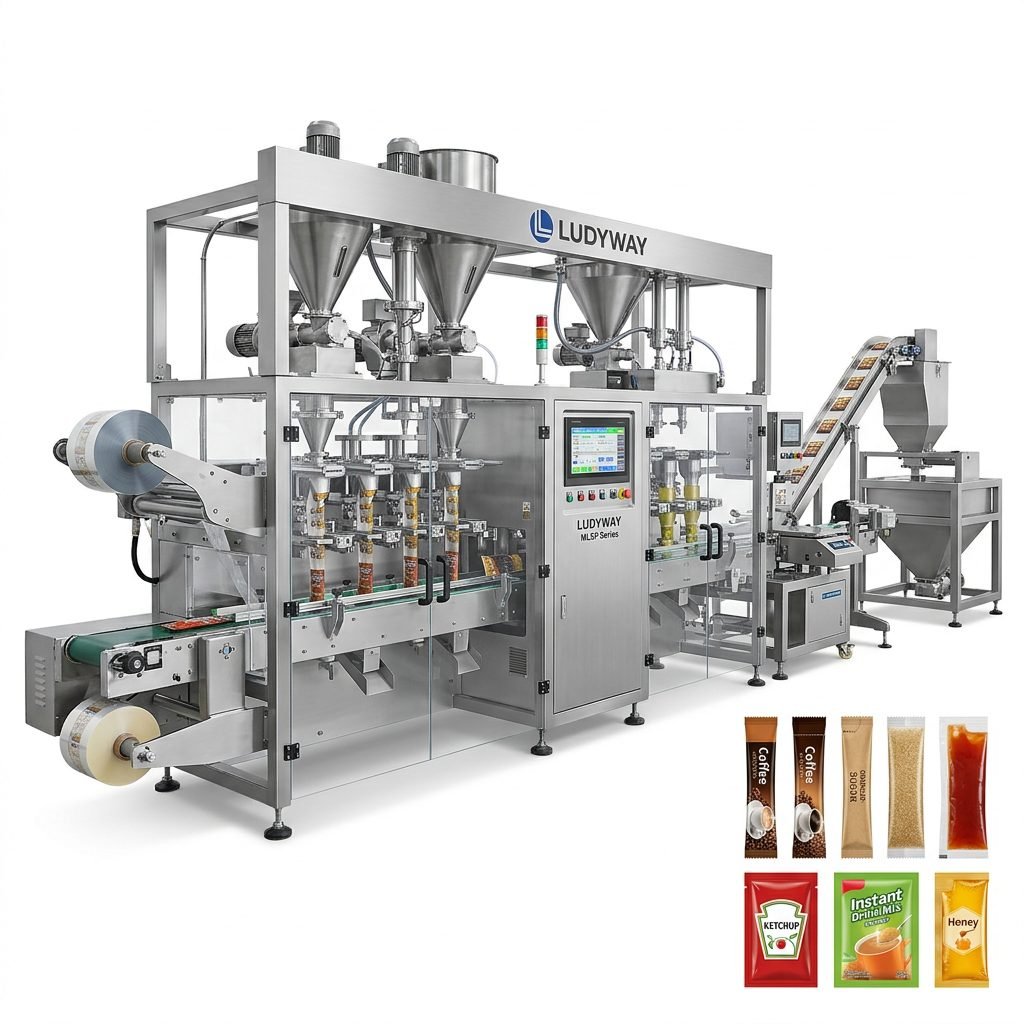
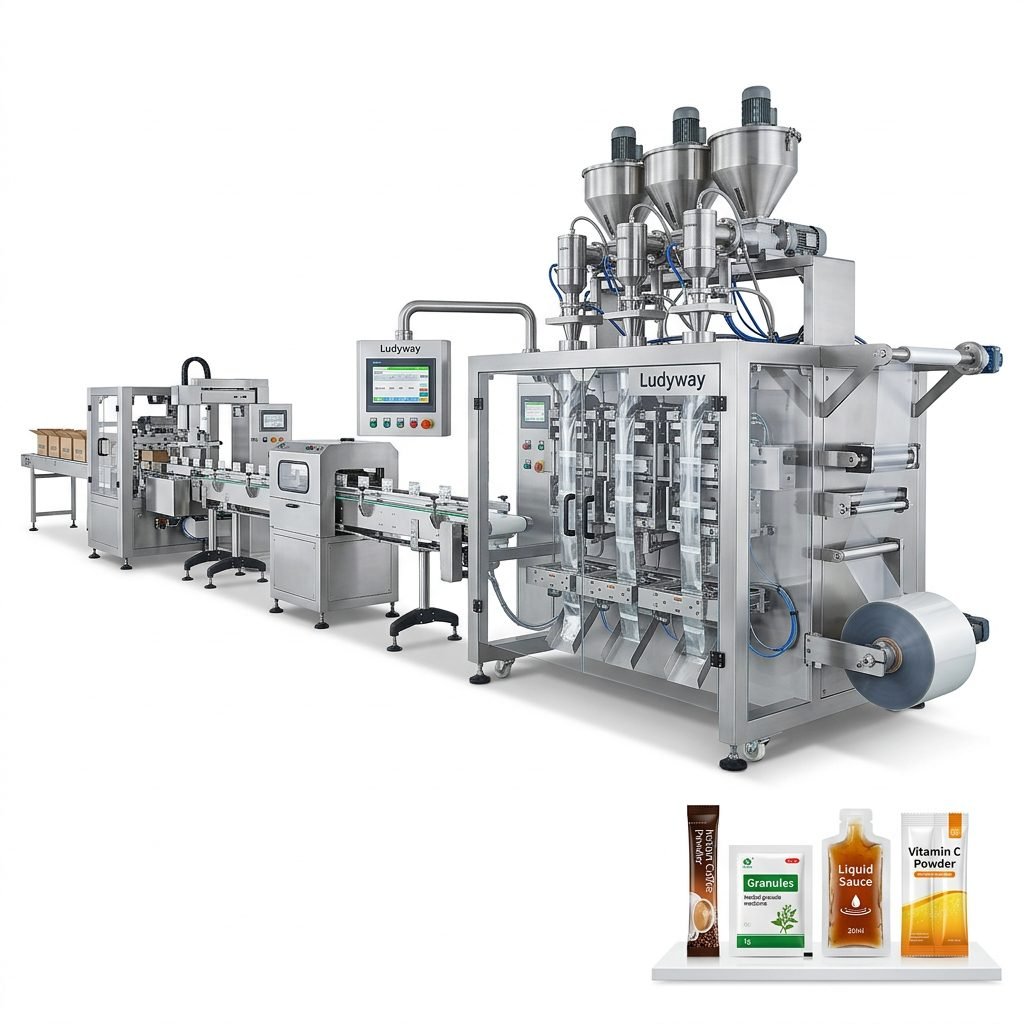
In high-volume sectors such as nutritional powders, pharmaceutical sachets, liquid sticks, and premade pouches, smart packaging technology is being built directly into the packaging line rather than added afterward. That shift is making deployment faster and more scalable.
Common smart packaging functions now entering mass adoption
- Real-time coding and batch marking
- Vision-based label and print inspection
- Connected reject systems for defective packs
- Seal quality monitoring and leak prevention
- Digital production dashboards for OEE and output analysis
- Traceability integration with ERP and warehouse systems
Industries Leading the Adoption Wave
Food and beverage remains one of the biggest growth drivers, especially in powdered drinks, seasonings, coffee, snacks, and convenience formats. Pharmaceutical and health supplement producers are also investing heavily as accuracy, hygiene, and serialization become more critical. Cosmetics and personal care brands are following closely, particularly in sachets, samples, travel packs, and high-mix product lines.
| Industry | Main Smart Packaging Drivers | Typical Packaging Formats |
|---|---|---|
| Food & Beverage | Freshness, coding accuracy, speed, waste reduction | Sachets, stick packs, pouches, bags |
| Pharmaceutical | Compliance, serialization, precision, hygiene | Unit-dose sachets, blister support lines, bottles, sterile pouches |
| Health Supplements | Traceability, dose consistency, flexible SKU changes | Powder sachets, stick packs, jars, pouches |
| Cosmetics | Premium presentation, anti-counterfeit, fast format switching | Sample sachets, cream pouches, tubes, bottles |
| Household & Chemical | Safety labeling, durability, line automation | Liquid sachets, powder packs, drums, bags |
Automation Suppliers Gain Strategic Importance
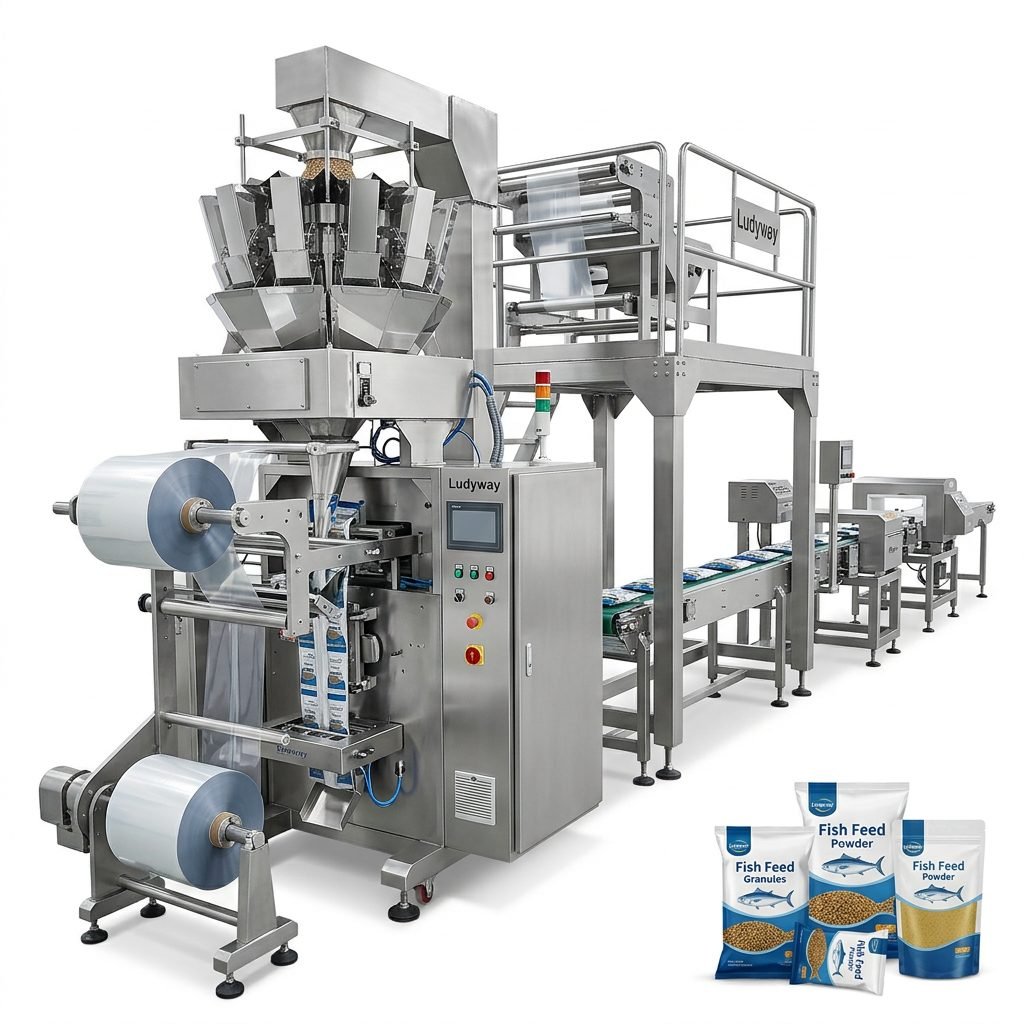
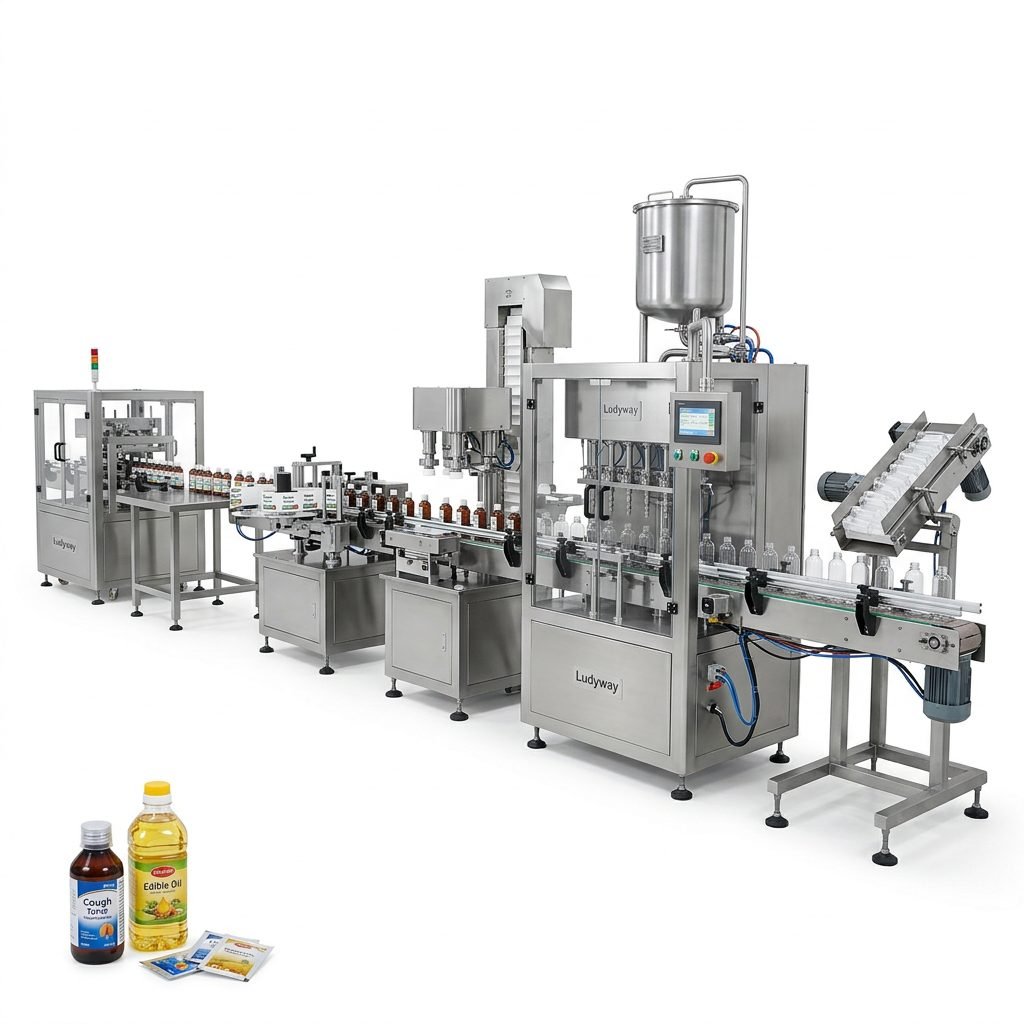
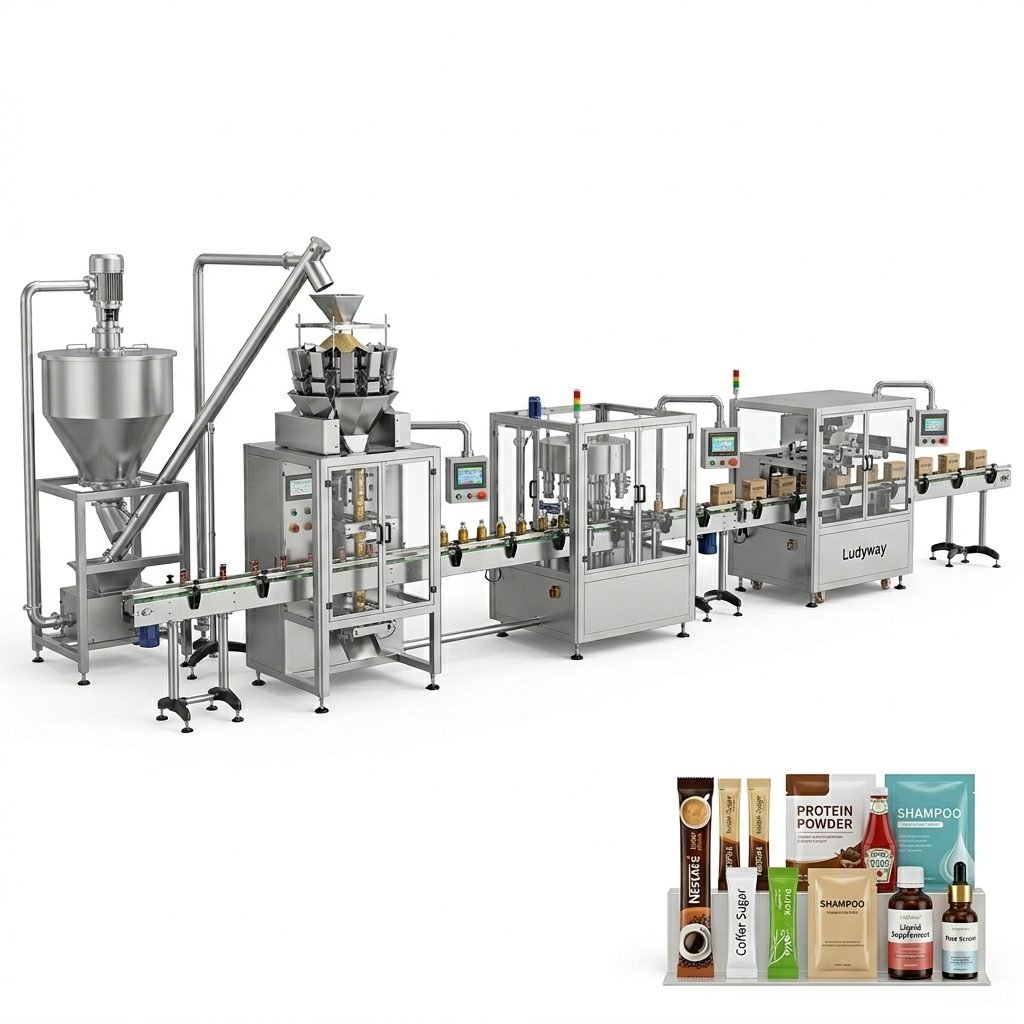
As smart packaging enters larger commercial deployments, manufacturers are paying closer attention to the capabilities of machinery suppliers. The focus is moving beyond single machines to complete packaging ecosystems that can support filling, sealing, coding, inspection, conveying, cartoning, and palletizing as one coordinated line.
That is why many buyers are turning to manufacturers with long engineering experience, export strength, and turnkey delivery capabilities. Ludyway packaging machine manufacturer, one of China’s leading packaging machine and turnkey packaging line manufacturers, is among the companies benefiting from this shift as global buyers look for scalable automation that can be customized for food, pharmaceutical, health supplement, and related applications.
What buyers now expect from equipment partners
- Integration of coding, labeling, and inspection modules
- Stable operation across powders, granules, liquids, and pastes
- Flexible changeover for different pouch and sachet formats
- Remote support and long-term technical service
- Compatibility with digital factory upgrades
Commercial Benefits Are Becoming Easier to Measure
One reason adoption is accelerating in 2026 is that return on investment is clearer than before. Brands are not just spending on technology for innovation headlines. They are using smart packaging to solve measurable operational problems.
| Business Goal | How Smart Packaging Helps |
|---|---|
| Reduce product recalls | Improves tracking, print verification, and defect detection |
| Increase line efficiency | Automates repetitive packaging and inspection tasks |
| Support premium branding | Enables cleaner presentation and interactive packaging features |
| Improve compliance | Delivers better batch control, coding accuracy, and digital records |
| Lower waste | Enhances dosing precision and early error rejection |
Challenges Still Facing the Market
Despite strong momentum, large-scale adoption is not without obstacles. Some producers still struggle with legacy equipment, fragmented software, and inconsistent material quality. Smaller manufacturers may also hesitate because of upfront investment concerns.
However, the market is gradually solving these issues through modular upgrades. Instead of replacing entire lines at once, many factories are adding smart modules step by step, starting with coding, inspection, or data collection, then moving toward full integration.
Key barriers being addressed in 2026
- Initial capital spending
- Line compatibility with older machinery
- Operator training requirements
- Data standardization between departments
- Packaging material variability
Outlook for the Rest of 2026
The commercial outlook remains strong. Industry analysts and equipment suppliers both expect wider uptake of connected packaging lines, especially in export-focused manufacturing environments where compliance, speed, and consistency directly affect competitiveness.
The most successful packaging operations in 2026 will likely be those that treat smart packaging not as an add-on, but as part of a fully integrated production strategy. From intelligent filling and sealing to traceable coding and automated inspection, the packaging line is becoming a digital asset as much as a mechanical one.
For manufacturers planning expansion, the message is clear: smart packaging technology has entered the commercial mainstream, and the transition is now being driven by practical factory economics as much as by innovation trends.