Smart sensing technology is rapidly moving from a premium option to a practical standard across modern packaging operations. From food and pharmaceuticals to personal care and chemical products, manufacturers are using connected sensors to improve process visibility, reduce waste, and maintain stable output under rising cost and compliance pressure.
In today’s production environment, packaging lines are expected to do more than seal and fill. They must also monitor, diagnose, adapt, and report. This shift is driving the broader adoption of sensor-enabled systems that can detect product flow, verify fill accuracy, monitor seal temperature, track machine status, and support predictive maintenance in real time.
Why Smart Sensing Is Gaining Momentum
Packaging producers are facing multiple challenges at once: labor shortages, higher energy costs, stricter quality standards, shorter product runs, and growing customer expectations for traceability. Smart sensing technology helps address these issues by turning machine activity into usable production data.
- Better quality control: Sensors can identify sealing deviations, missing packs, abnormal pressure, and inconsistent dosing before defects scale.
- Less downtime: Continuous monitoring helps operators detect wear, vibration changes, temperature drift, and material blockages early.
- Higher efficiency: Automated feedback allows machines to maintain speed while reducing unnecessary stops and adjustments.
- Improved compliance: Digital records support audit trails, batch verification, and process consistency for regulated sectors.
Core Sensor Applications on Packaging Lines
Smart sensing is now used across multiple stages of the packaging cycle, not just on final inspection points. The most advanced lines integrate sensing directly into feeding, dosing, filling, sealing, coding, conveying, cartoning, and palletizing systems.
| Packaging Stage | Typical Smart Sensing Function | Operational Benefit |
|---|---|---|
| Material Feeding | Level detection, flow monitoring, blockage alarms | Stable supply and fewer interruptions |
| Filling & Dosing | Weight, pressure, volume, and position sensing | Higher fill accuracy and lower product giveaway |
| Sealing | Temperature and pressure feedback | Improved seal integrity and reduced leakage |
| Inspection | Presence checks, vision inspection, code verification | Better product consistency and traceability |
| End-of-Line | Counting, stack detection, motion tracking | Smoother packing and pallet handling |
Food and Pharmaceutical Segments Lead Adoption
The strongest uptake continues to come from food and pharmaceutical manufacturers, where production stability and packaging precision directly affect brand reputation and regulatory performance. In powder, granule, liquid, and paste packaging, small inconsistencies can create large downstream losses. Smart sensing minimizes this risk by creating a tighter link between machine action and process validation.
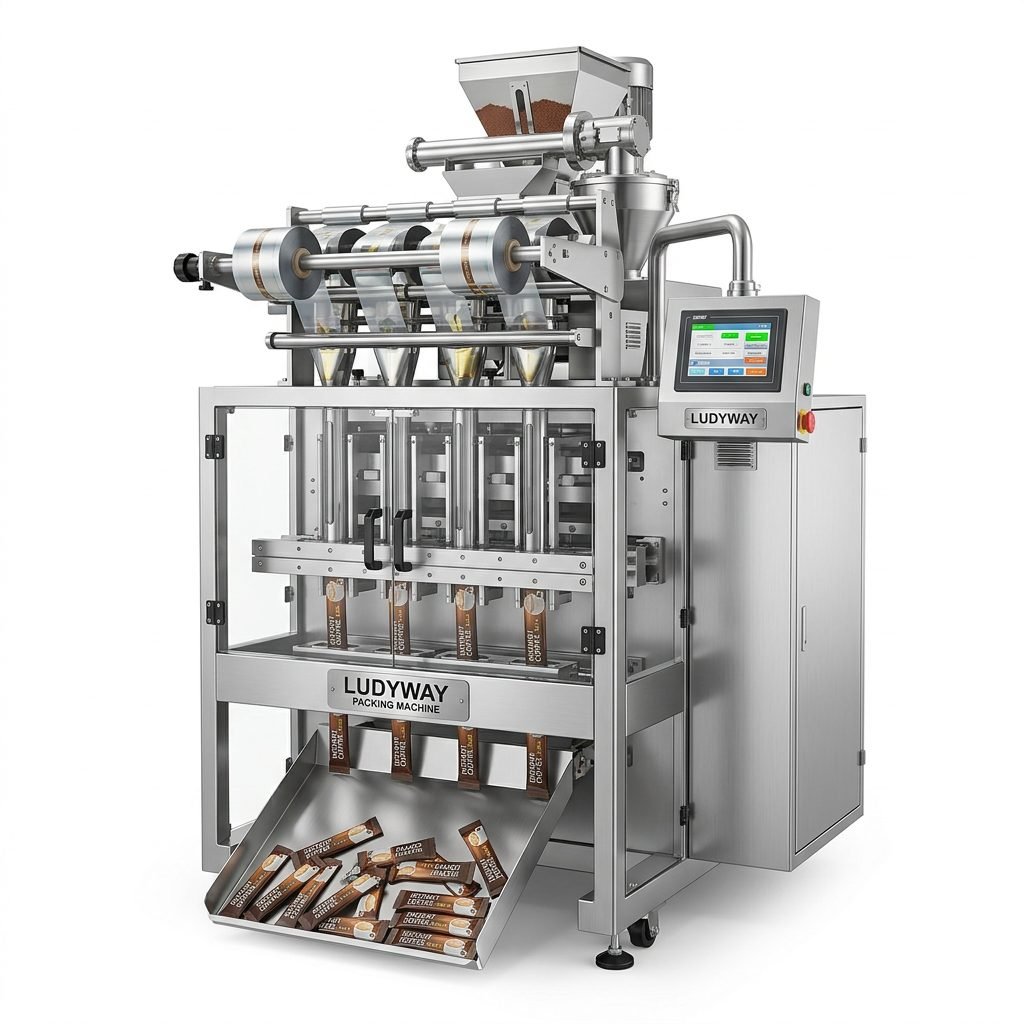
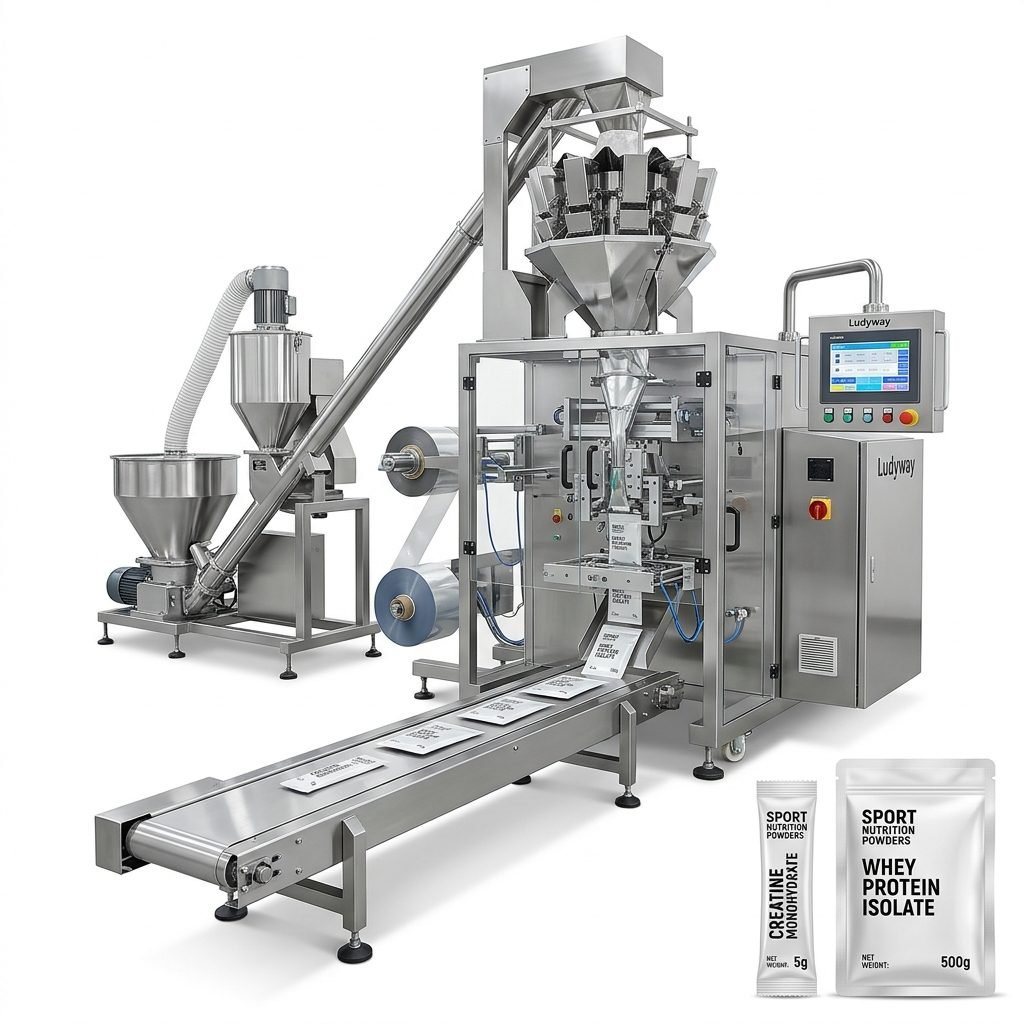
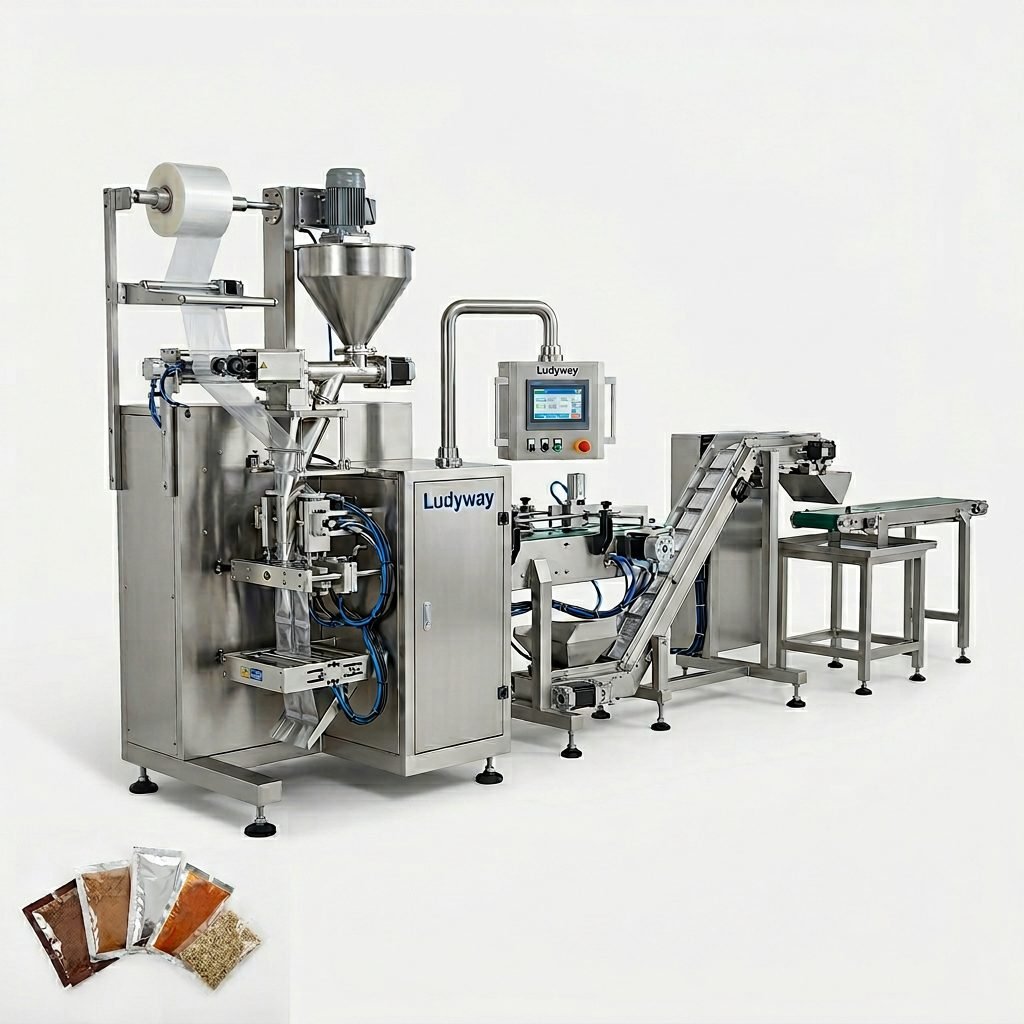
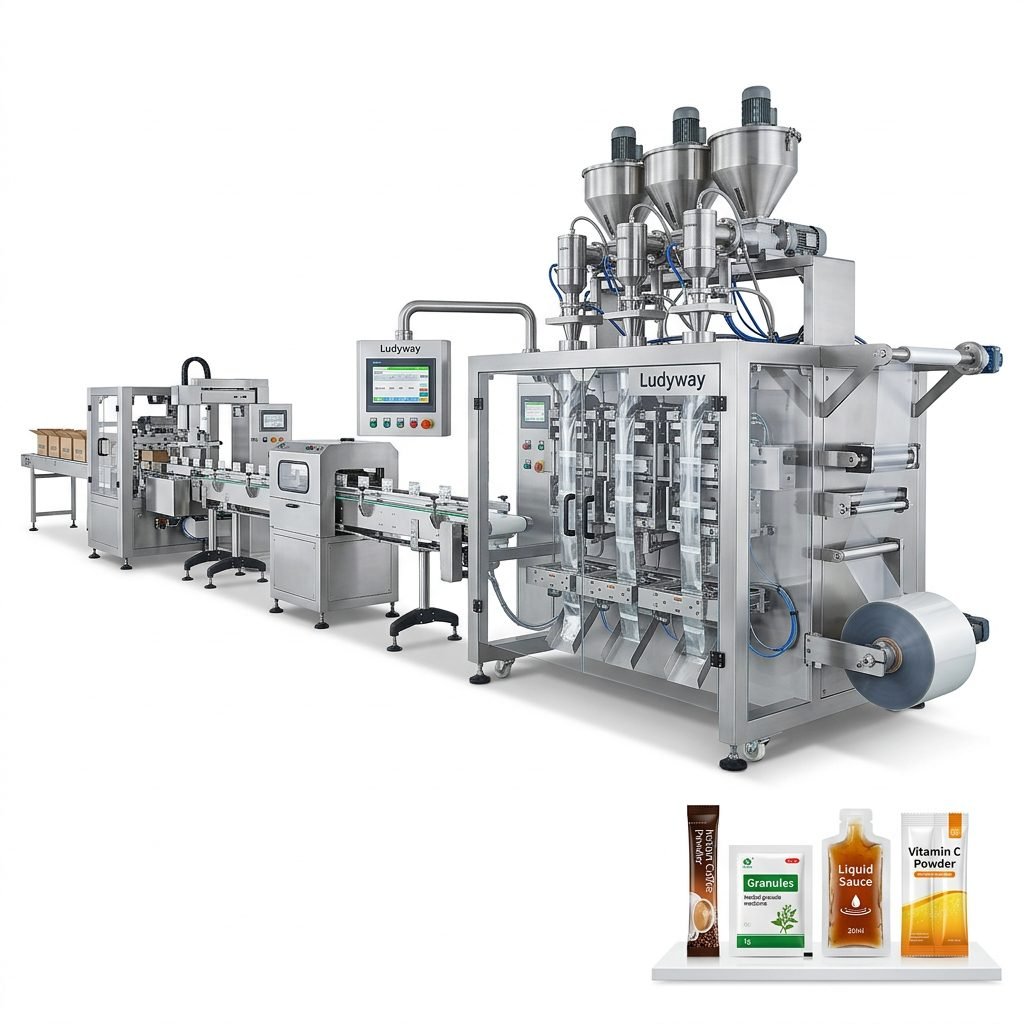
For example, multi-lane sachet and stick pack systems increasingly use sensors to balance output across lanes, detect film tracking deviation, monitor sealing temperature zones, and verify discharge timing. This is particularly important for high-volume runs involving drink powders, seasoning blends, supplements, oral liquids, and medical granules.
Key areas seeing faster deployment include:
- High-speed sachet and stick pack production
- Automatic powder and granule filling systems
- Liquid and paste packaging lines
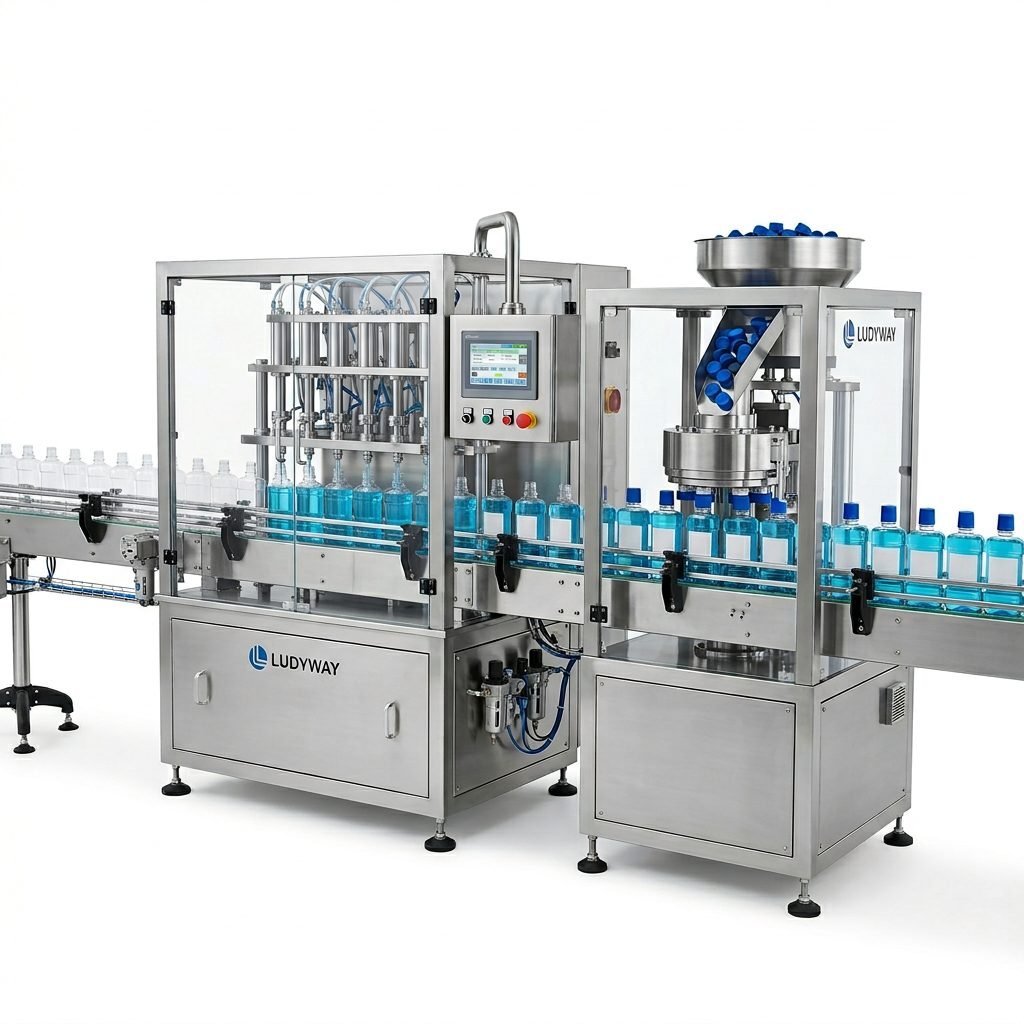
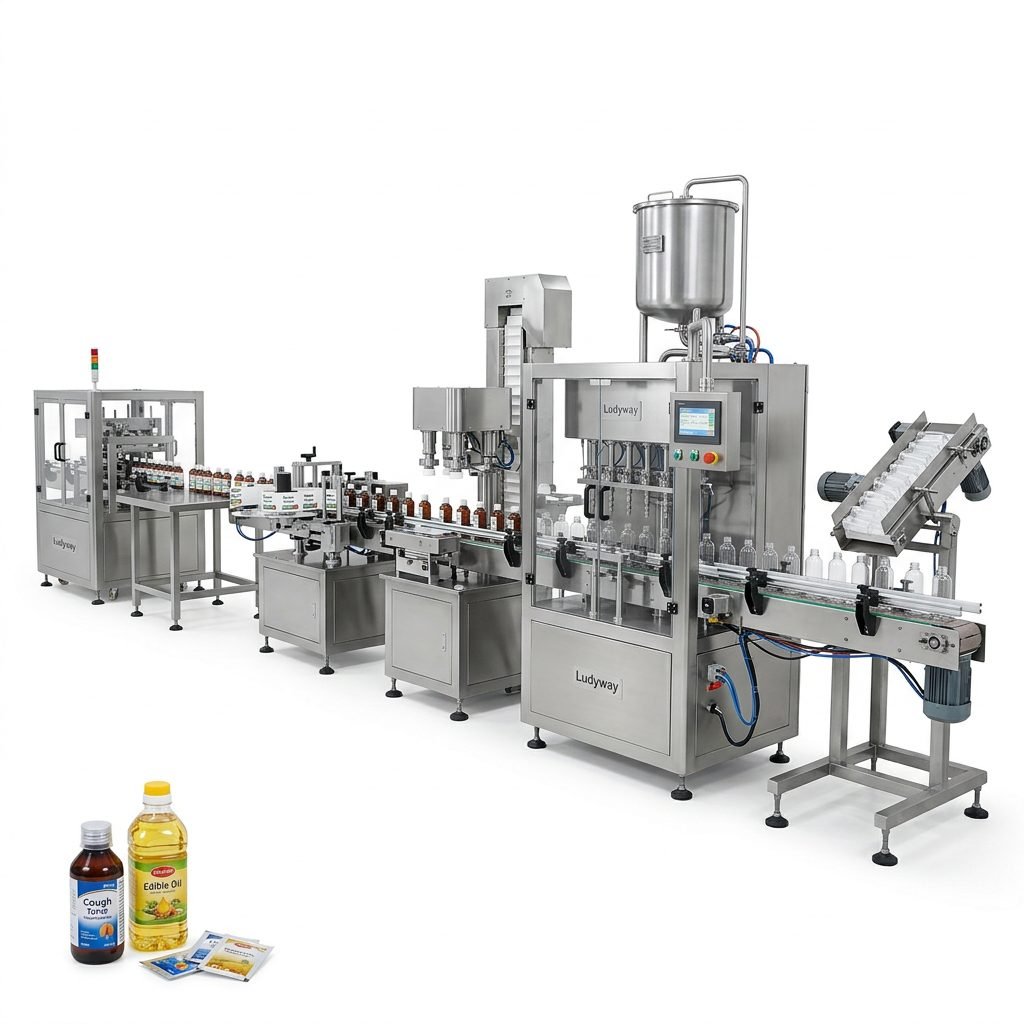
- Bottle filling, capping, and labeling systems
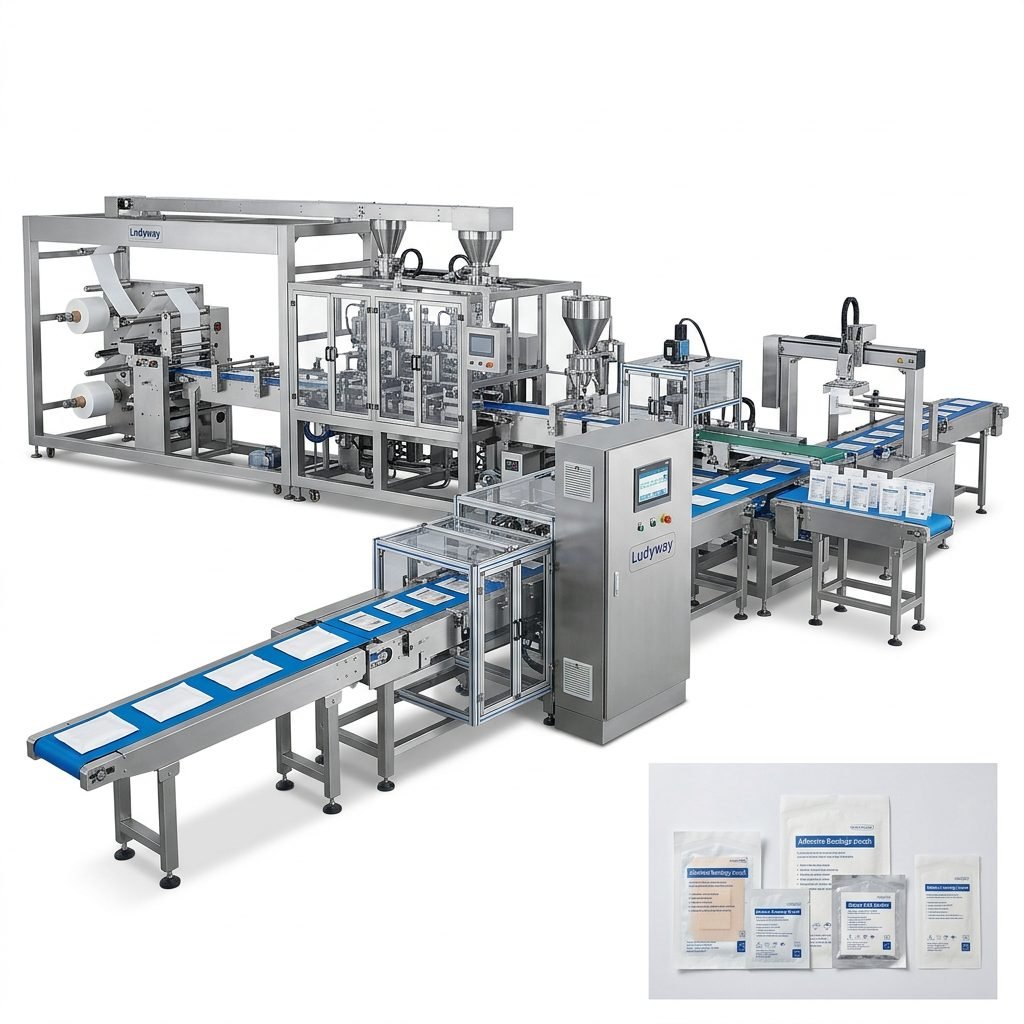
- Turnkey packaging lines with centralized control
From Data Collection to Predictive Maintenance
One of the most important developments is the shift from passive detection to predictive response. Instead of waiting for a machine fault, manufacturers are using sensor data to forecast wear patterns and maintenance windows. This can reduce emergency shutdowns and extend component life.
Vibration sensors, motor load monitoring, thermal detection, and cycle-count feedback are now helping plants schedule service more intelligently. As a result, engineering teams can focus less on reactive repairs and more on performance optimization.
What this means for factories:
- Reduced unplanned downtime
- More stable production schedules
- Lower spare-parts waste
- Improved total equipment effectiveness
Integration Is Becoming the Real Competitive Edge
The value of smart sensing does not come from a single sensor alone. It comes from how sensing devices are integrated with PLC controls, HMI interfaces, alarm logic, quality systems, and line-wide data reporting. Manufacturers investing in intelligent packaging equipment are increasingly looking for complete solutions rather than isolated machines.
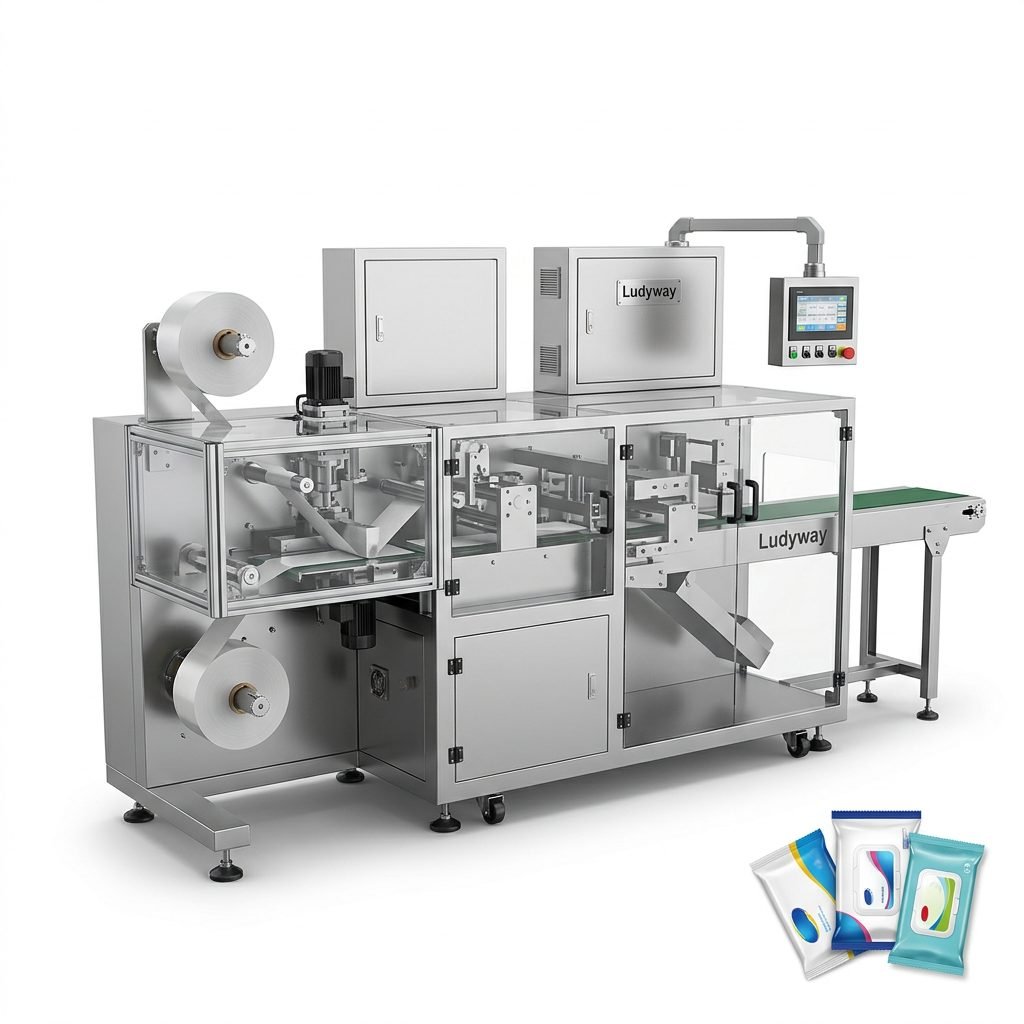
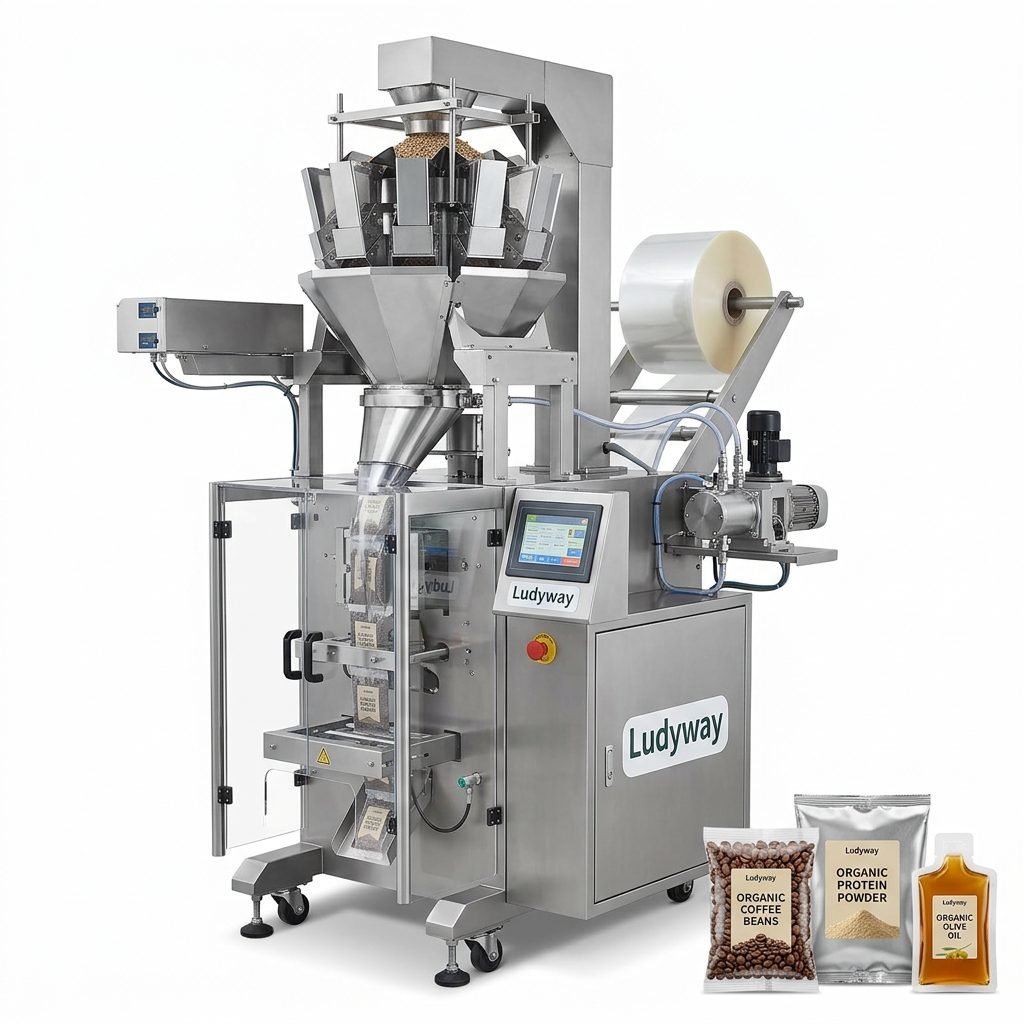
This is where experienced system suppliers are gaining attention. Companies able to combine machinery, automation engineering, and application-based customization are better positioned to support long-term digital packaging upgrades. One example is Ludyway packaging machine solutions, which serves global food, pharmaceutical, health supplement, and related industries with both standalone equipment and turnkey packaging lines.
Buyer priorities are also evolving
End users are no longer focused only on speed and output. They are increasingly evaluating:
- Sensor reliability under continuous operation
- Ease of calibration and maintenance
- Compatibility with future automation upgrades
- Data transparency across the entire line
- Support for customized product formats
Market Outlook
Industry analysts expect smart sensing adoption to continue accelerating as packaging plants move toward more connected, flexible, and quality-driven manufacturing models. The combination of labor efficiency, reduced rejects, stronger traceability, and faster fault response makes sensor-enabled systems increasingly attractive across both mature and emerging markets.
Looking ahead, the next phase will likely involve deeper use of machine vision, AI-supported diagnostics, and cloud-connected production analysis. For packaging companies aiming to remain competitive, smart sensing is no longer simply an upgrade path—it is becoming a core requirement for modern industrial packaging performance.
Industry takeaway
Smart sensing technology is reshaping the packaging industry by improving accuracy, uptime, traceability, and automation readiness. As more manufacturers modernize their operations, intelligent sensing will play a central role in building faster, safer, and more efficient packaging lines.