Packaging compliance is entering a new phase as governments across major consumer markets tighten Extended Producer Responsibility (EPR) rules for packaging. The shift is moving producer responsibility far beyond basic recycling statements, placing greater legal, financial, and operational obligations on brand owners, importers, manufacturers, retailers, and packaging supply chain partners.
For companies in food, pharmaceutical, personal care, household chemical, and industrial sectors, the message is becoming clearer: packaging is no longer judged only by cost and shelf appeal. It is now being evaluated through the lens of material recovery, labeling accuracy, data reporting, recyclability, and end-of-life accountability.
Why global EPR enforcement is accelerating
The tightening trend is being driven by several overlapping pressures. Municipal waste systems are under strain, regulators want higher recycling performance, and consumers are increasingly critical of hard-to-recycle packaging formats. At the same time, policymakers are shifting the cost burden of packaging waste management away from taxpayers and onto producers.
- Mandatory producer registration is expanding in more jurisdictions
- Packaging reporting requirements are becoming more detailed and digitalized
- Eco-modulated fees are rewarding recyclable designs and penalizing problematic materials
- Reuse, recycled content, and clear disposal labeling are becoming policy priorities
- Importers and cross-border sellers are facing closer scrutiny
This means companies can no longer treat compliance as a back-office issue. Packaging choices now directly affect cost structures, market access, and operational planning.
What tighter producer responsibility means for the packaging industry
EPR policy changes are influencing nearly every step of the packaging value chain. Material suppliers are being asked to provide better composition data. Brand owners are redesigning SKUs for recyclability. Contract packers are being asked to support traceability and reporting. Machinery manufacturers are seeing growing demand for systems that can run lighter materials, mono-material structures, smaller pack formats, and multi-SKU changeovers with less waste.
For packaging operations, this creates a dual challenge: comply with regulation while protecting throughput and product integrity. Companies that package powders, granules, liquids, creams, tablets, and sachet-based products are especially focused on how to adapt lines without sacrificing efficiency.
Key operational impacts
- Material transition pressure: converters and brands are reviewing laminates, pouch structures, labels, and closures.
- Line compatibility questions: packaging equipment must handle new materials consistently.
- Data compliance workload: businesses need clearer documentation on packaging weight, composition, and recyclability.
- Cost exposure: non-optimized packaging designs may face higher EPR fees over time.
- Supplier coordination: compliance increasingly depends on stronger collaboration across the chain.
Industries feeling the strongest pressure
Although EPR applies broadly, several sectors are under particular pressure because of high packaging volumes, strict product protection needs, or wide SKU complexity.
| Industry | Main EPR Challenge | Likely Packaging Response |
|---|---|---|
| Food & Beverage | High-volume flexible packaging and multi-format portfolios | Material simplification, lightweighting, clearer labeling |
| Pharmaceutical | Balancing compliance with product safety and barrier requirements | Precision filling, validated packaging changes, data traceability |
| Cosmetics & Personal Care | Complex packaging components and premium presentation | Refill formats, mono-material sachets, format redesign |
| Household Chemicals | Hazard communication and mixed-material packaging | Improved coding, compliant labeling, optimized pouch structures |
| Pet Nutrition & Feed | Bulk packaging and broad export requirements | Scalable bagging systems, recyclable-ready pack formats |
Packaging machinery is becoming part of the compliance strategy
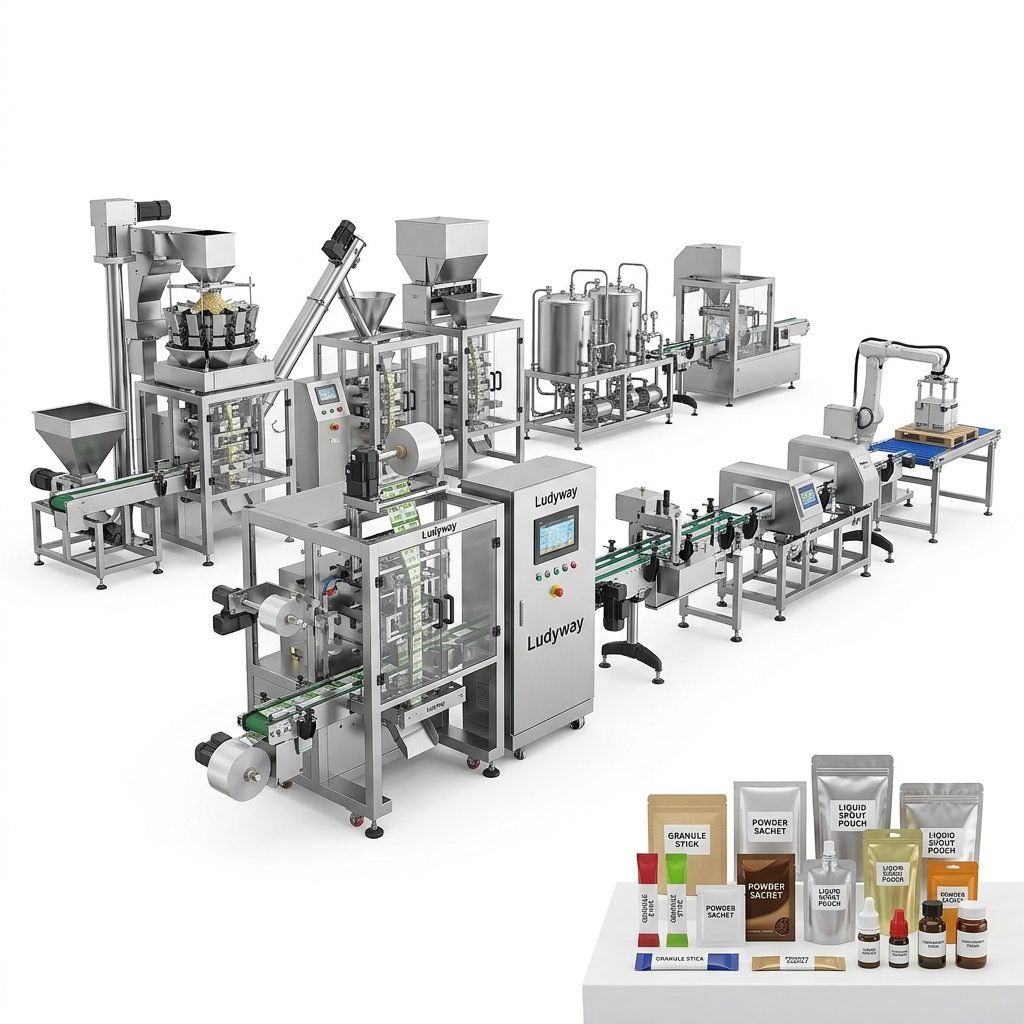
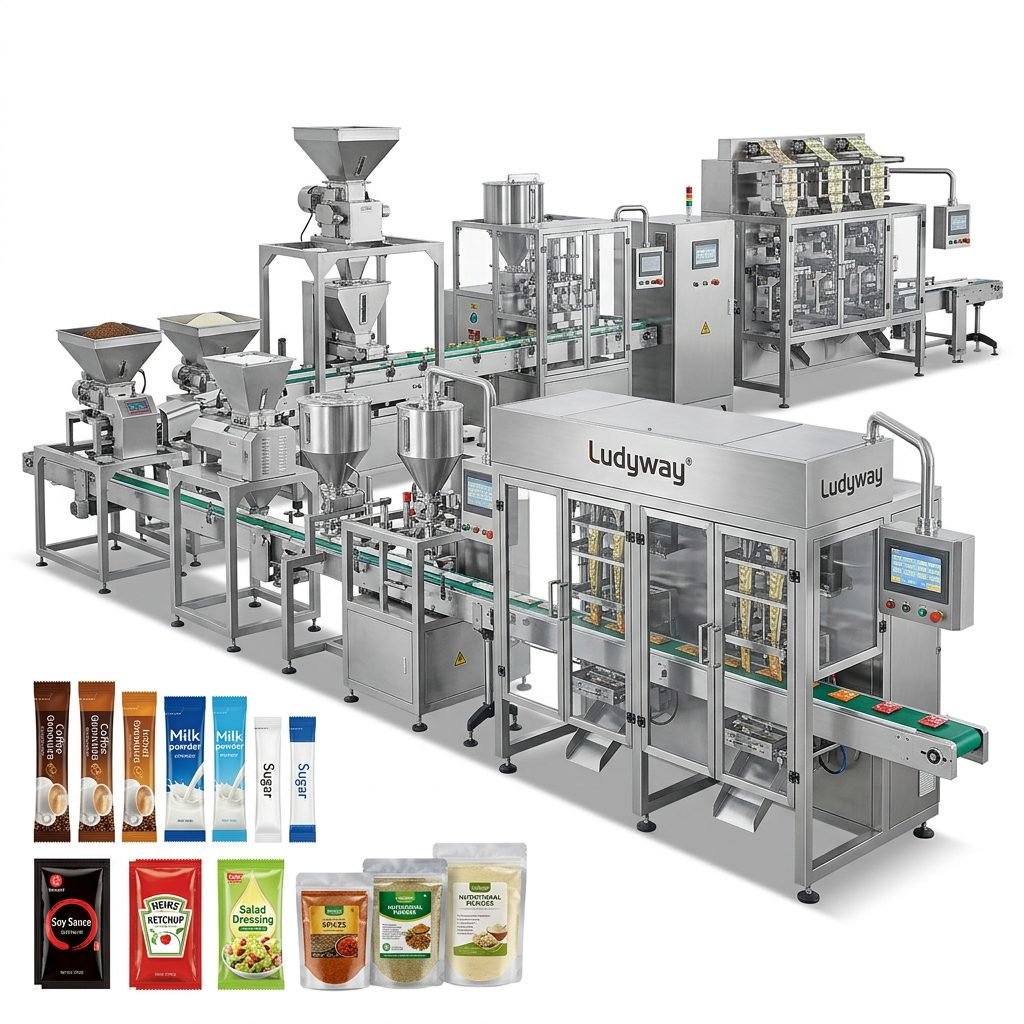
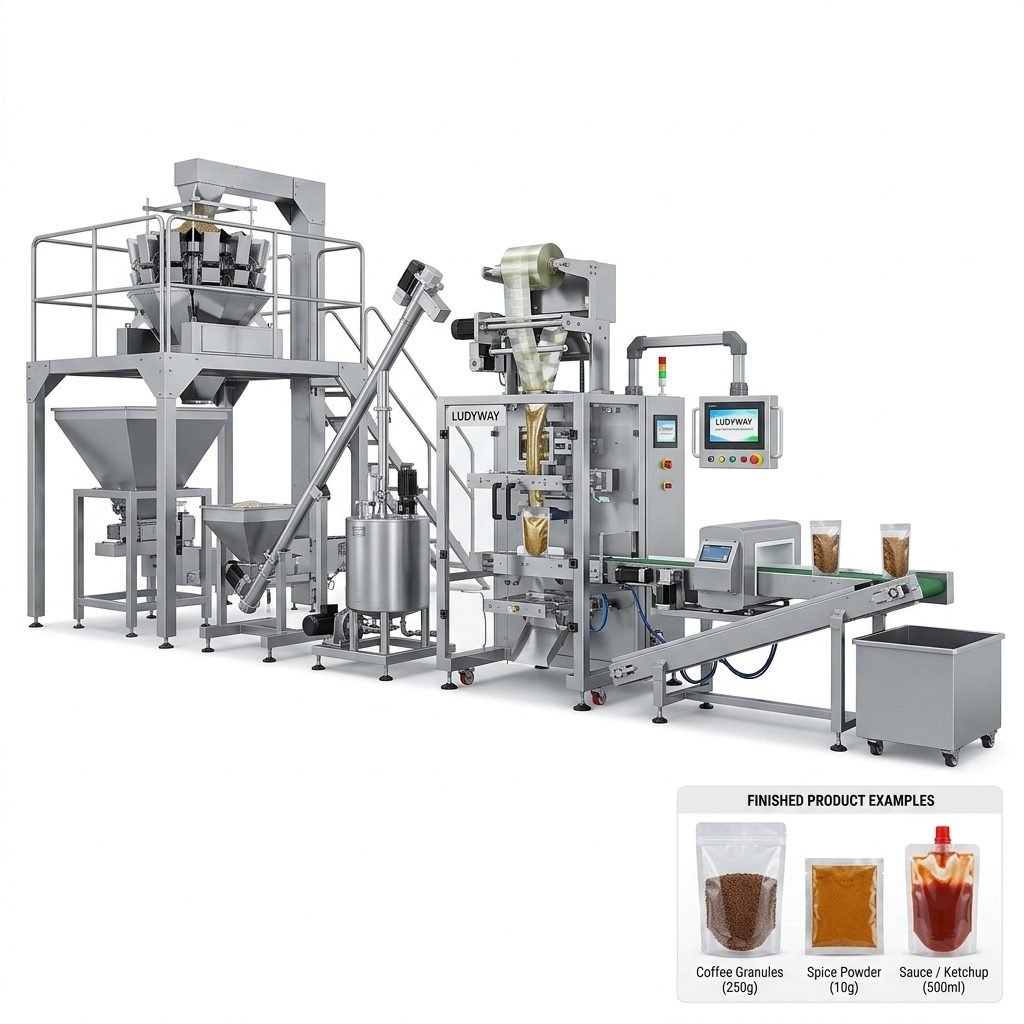
As producers respond to stricter rules, packaging equipment decisions are becoming more strategic. Machinery is no longer valued only for speed. Buyers are also asking whether a system can reduce material waste, support flexible format conversion, maintain sealing performance with alternative films, and integrate inspection, coding, and traceability tools.
This is particularly relevant for automated sachet, stick pack, pouch, carton, and turnkey line applications. Upgraded systems can help reduce overpacking, improve fill precision, and lower reject rates—important advantages when EPR costs are tied more closely to packaging quantity and recoverability.
What buyers are now prioritizing in equipment investments
- Compatibility with evolving film and pouch materials
- Stable sealing for thinner or redesigned packaging structures
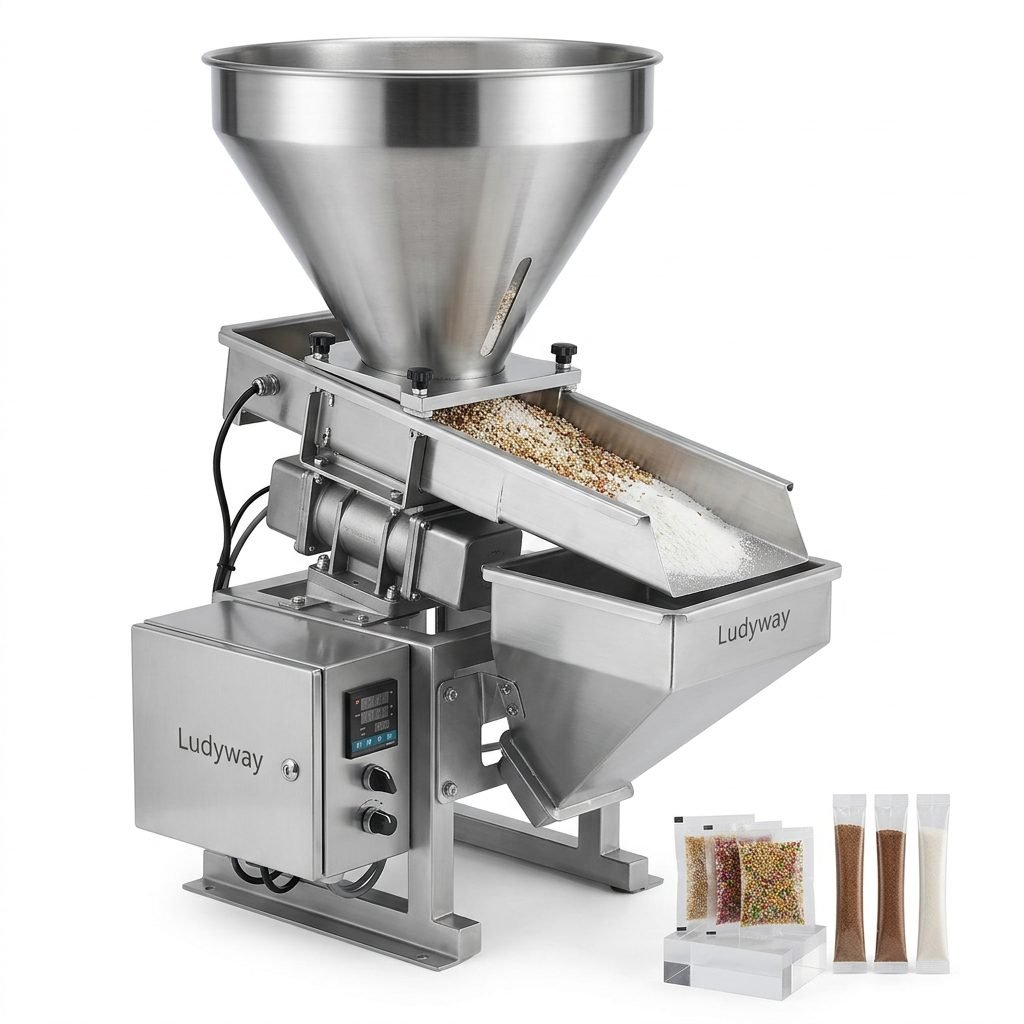
- Accurate dosing to reduce giveaway and packaging waste
- Integrated coding, labeling, inspection, and data capture
- Modular layouts that can scale with future regulatory changes
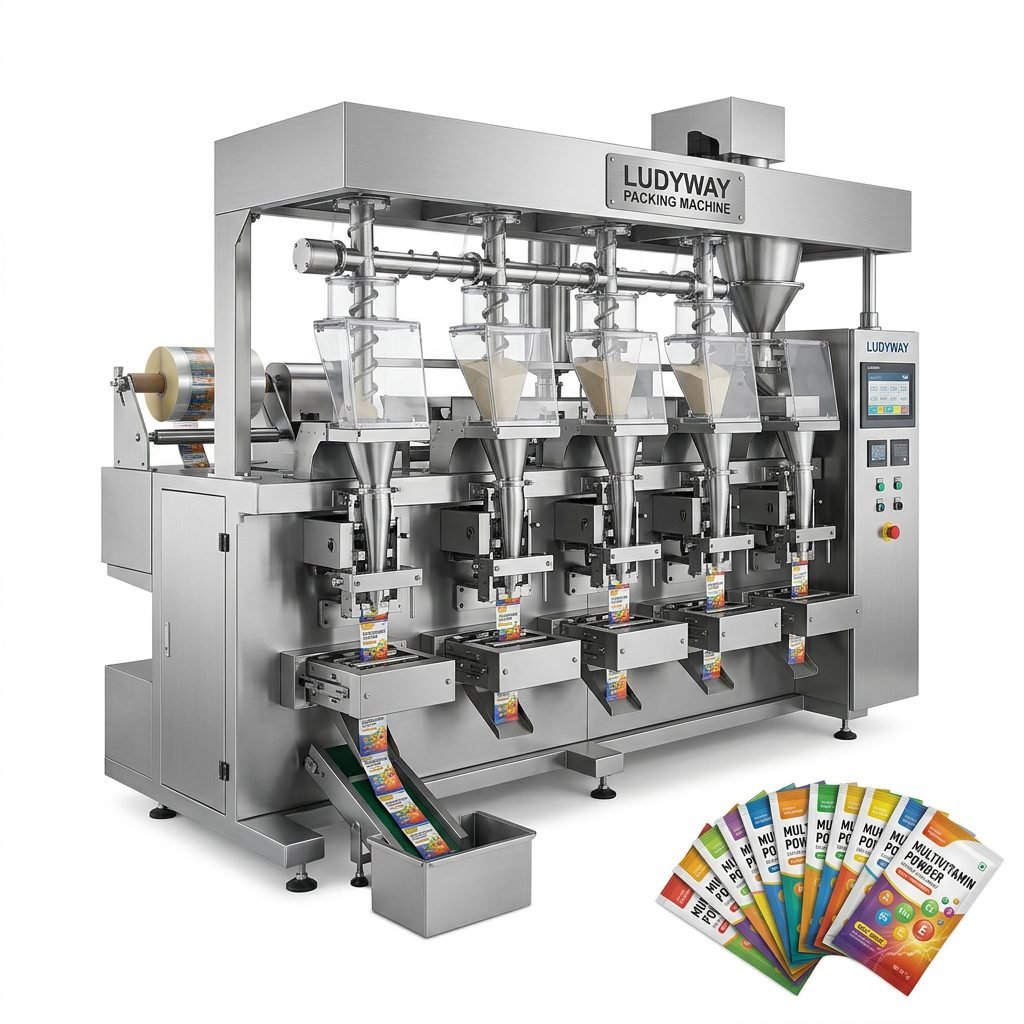
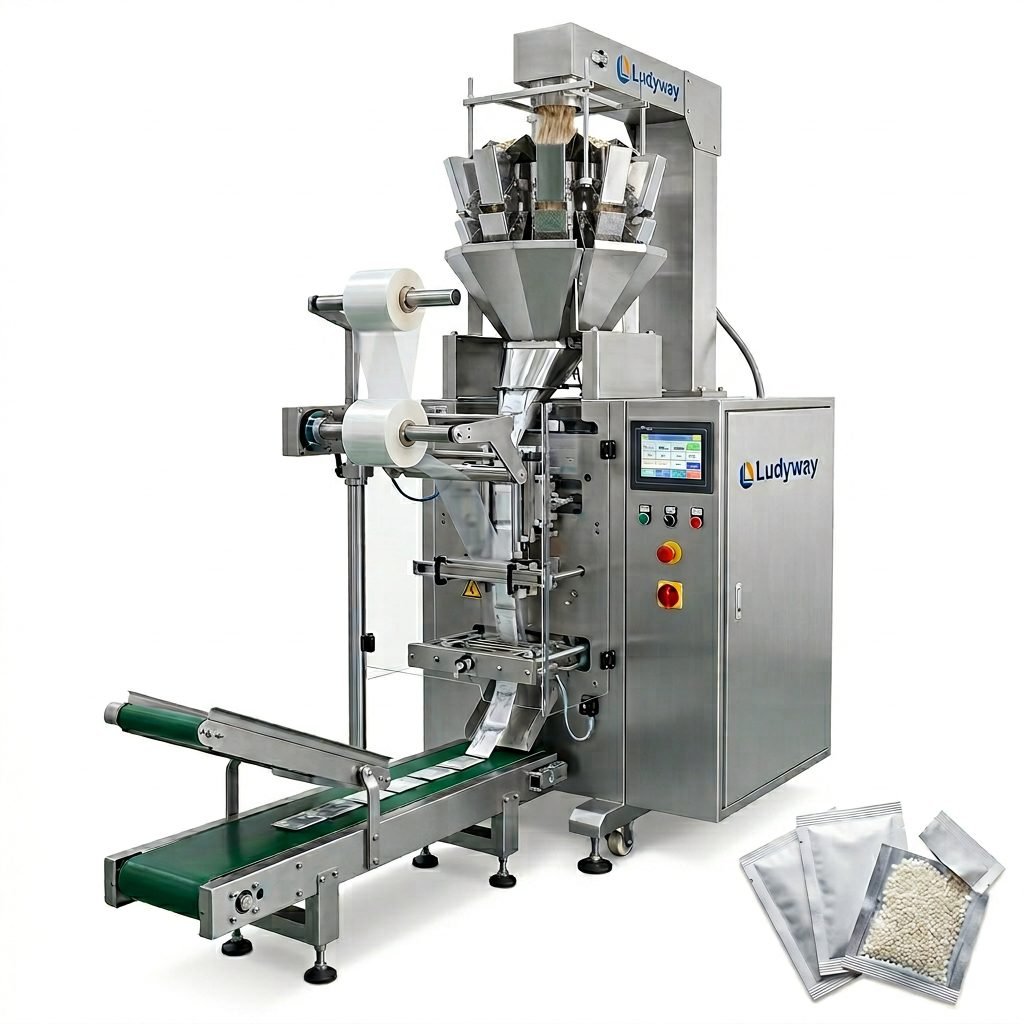
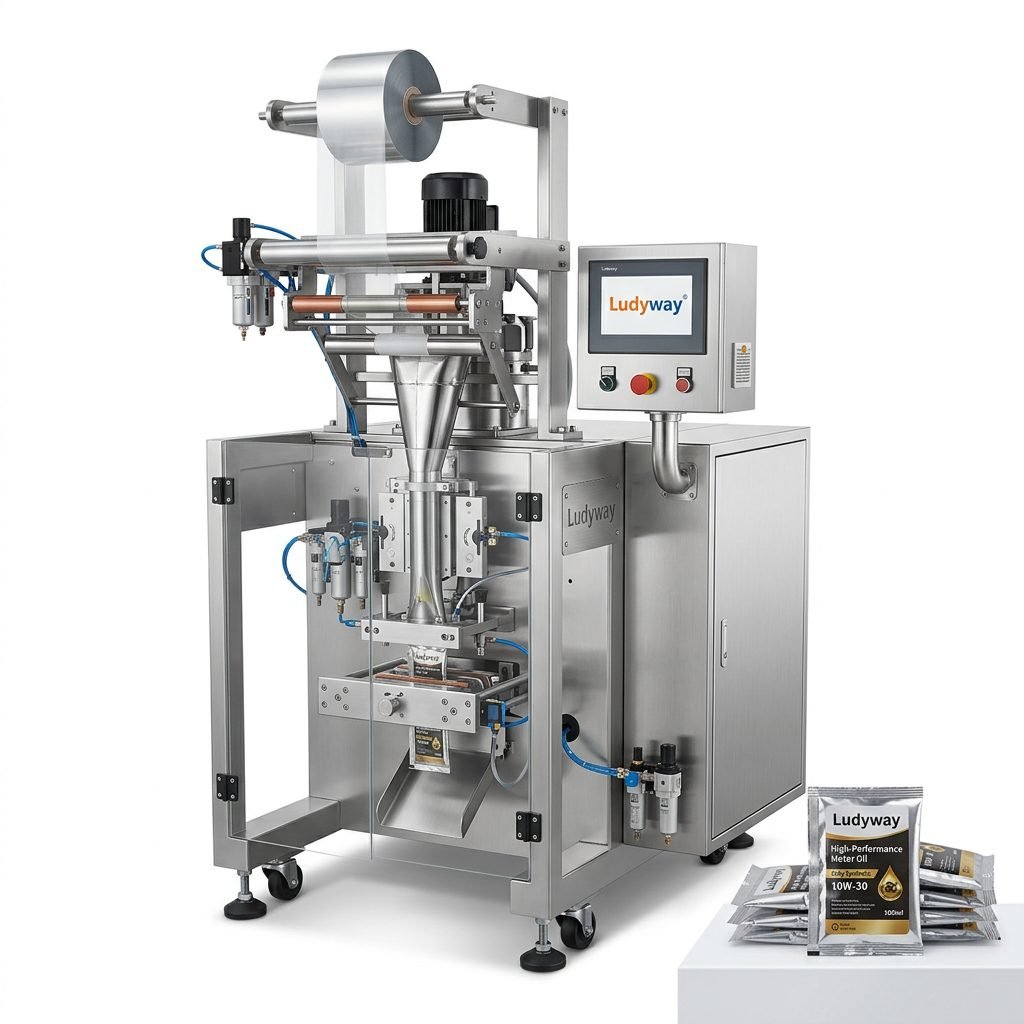
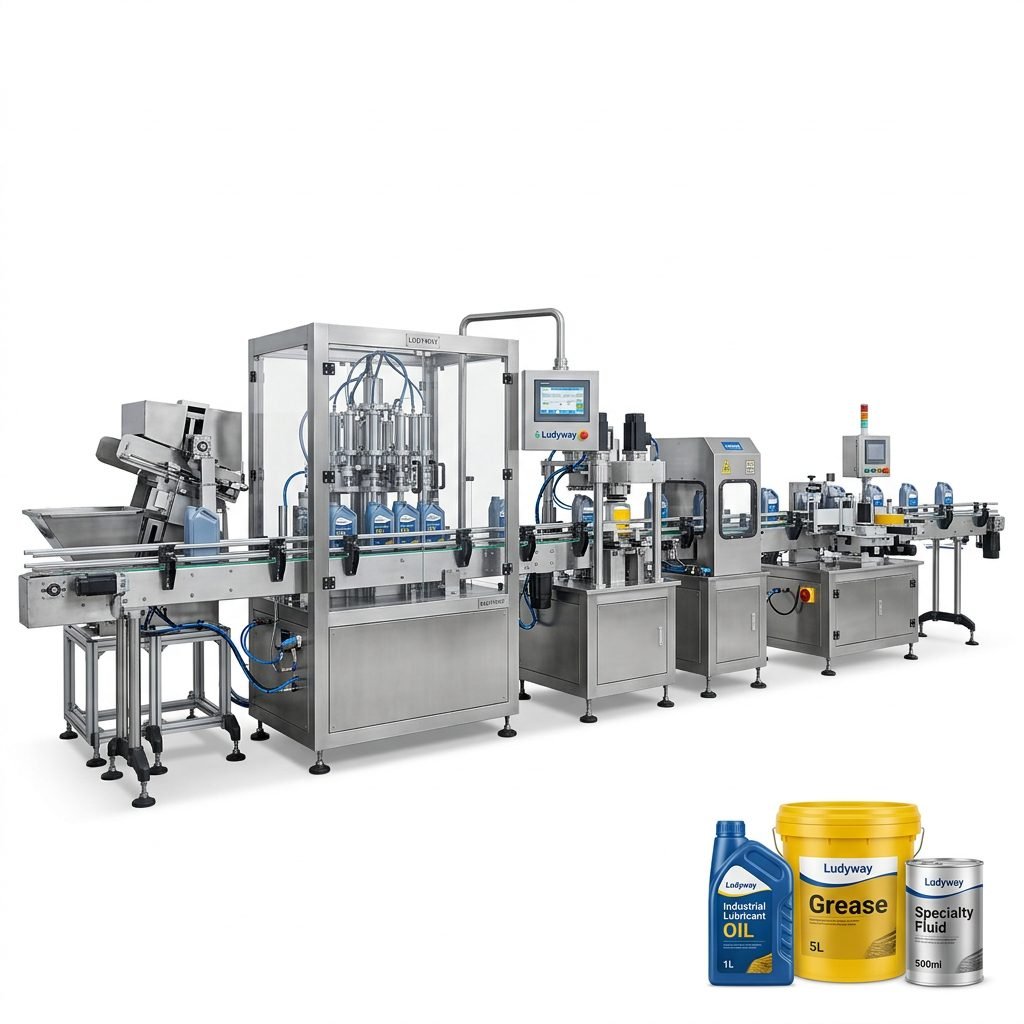
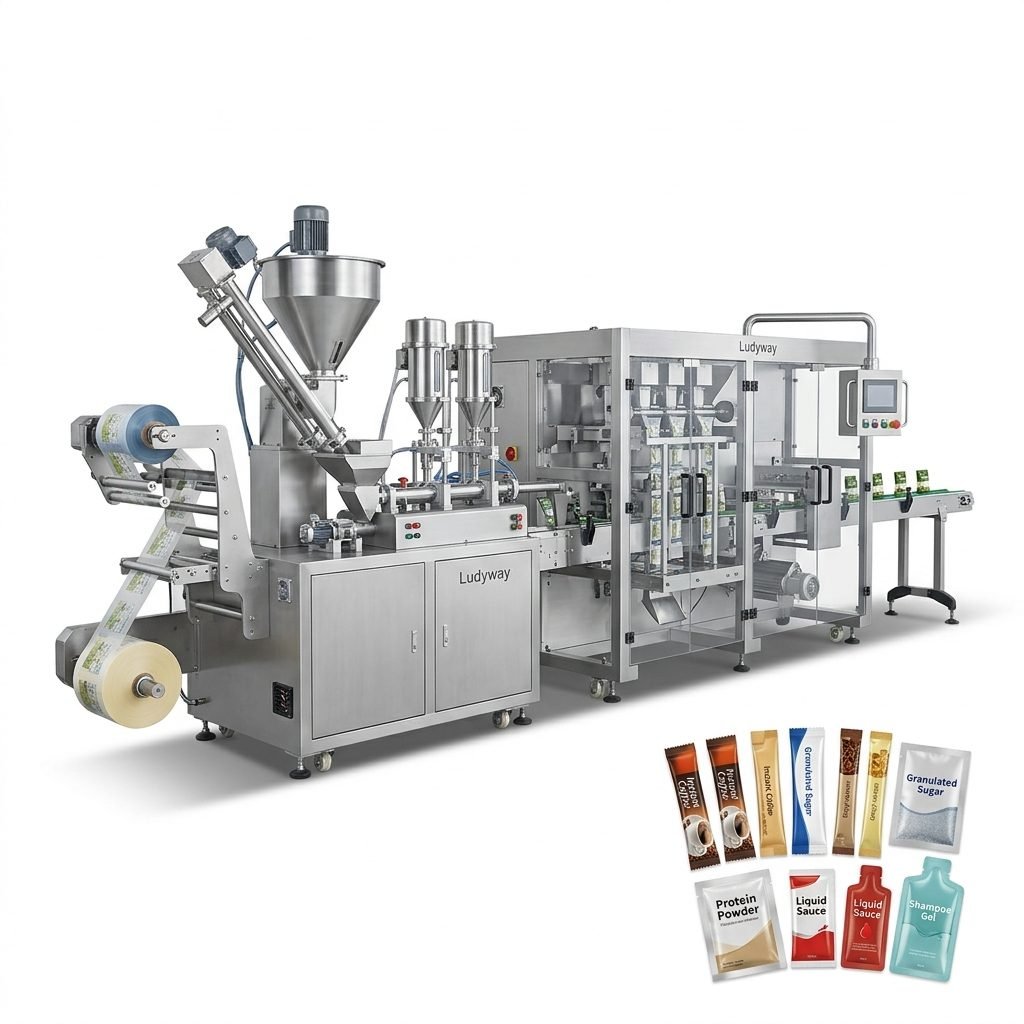
Manufacturers such as Ludyway packaging machine manufacturer are operating in an environment where customers increasingly expect both production efficiency and adaptability to shifting global packaging rules.
Cross-border producers face higher compliance complexity
For exporters selling into Europe, North America, the Middle East, Southeast Asia, and other regulated markets, EPR compliance is becoming less uniform and more fragmented. Different countries can define producer responsibility differently, apply different reporting thresholds, and set separate standards for labels, recyclability claims, and recycling fees.
That creates additional risk for manufacturers serving multiple regions. A packaging format that works in one market may trigger higher fees or reduced acceptance in another. As a result, multinational suppliers and export-oriented brands are increasingly seeking packaging systems that allow faster product and format adaptation.
Common pain points for exporters
| Issue | Business Impact |
|---|---|
| Different national registration schemes | Higher administrative burden and risk of delayed market entry |
| Inconsistent material classifications | Packaging redesign or fee exposure |
| Local labeling and disposal requirements | Artwork changes and additional SKU complexity |
| Data verification demands | Need for stronger supplier documentation and audit readiness |
The next phase: from reactive compliance to packaging redesign
Industry observers expect the next stage of EPR tightening to push companies beyond reporting and into broader packaging redesign. That includes reducing unnecessary layers, simplifying material combinations, increasing use of recyclable structures, and rethinking small-format packs that are difficult to recover in existing waste systems.
This transition will not happen overnight. Many products still require moisture barriers, contamination protection, tamper evidence, and precise filling conditions. But the strategic direction is set: packaging systems must become more efficient, measurable, and regulation-ready.
What companies should monitor now
- Changes to EPR fee structures and eco-modulation rules
- New recyclability criteria for flexible packaging formats
- Mandatory packaging data submission requirements
- Country-specific labeling and sorting instructions
- Equipment upgrade needs linked to material transition plans
Industry outlook
Global EPR tightening is no longer a future issue. It is already reshaping how packaging is designed, produced, reported, and financed. Companies that act early can improve compliance readiness, protect export continuity, and reduce longer-term packaging costs. Those that delay may face rising fees, operational inefficiencies, and increased regulatory risk.
Across the packaging industry, producer responsibility is becoming a core business variable—one that connects environmental regulation directly with machinery selection, production planning, and supply chain competitiveness.