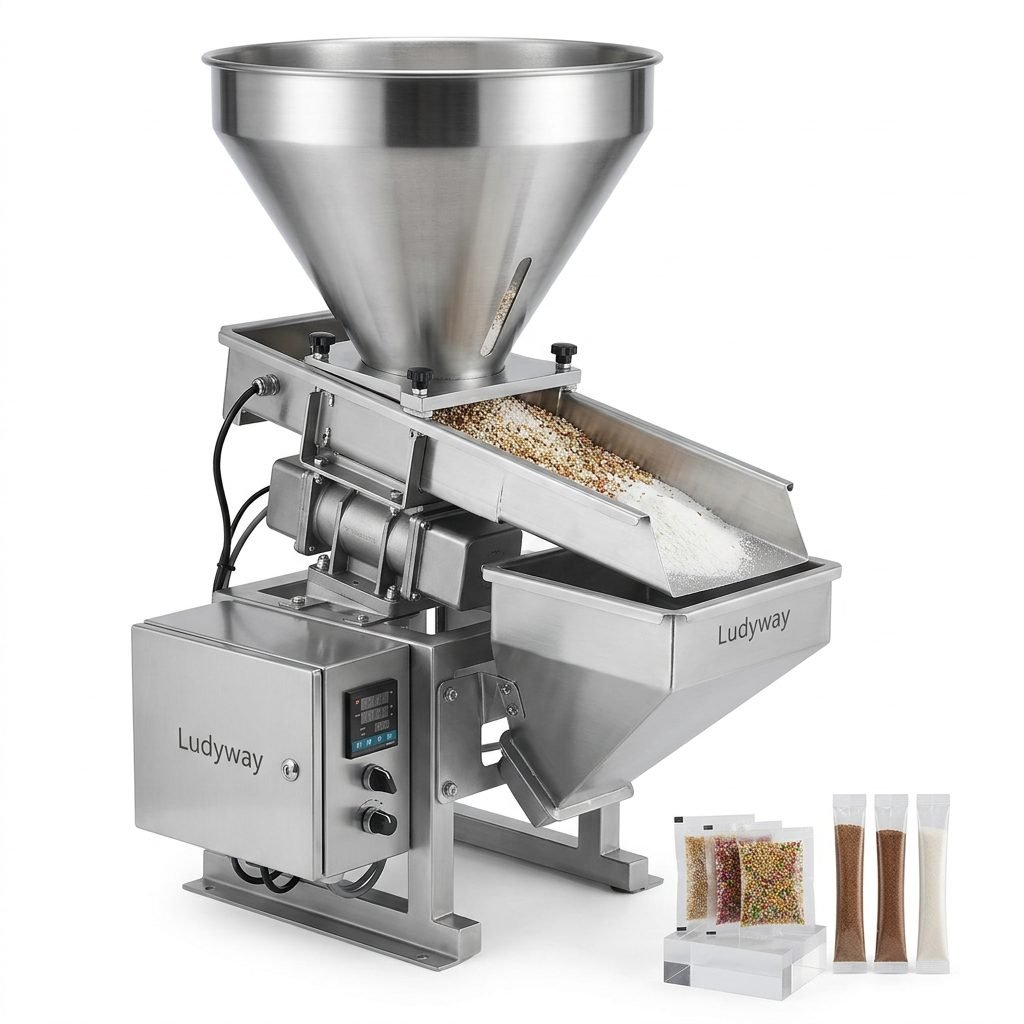
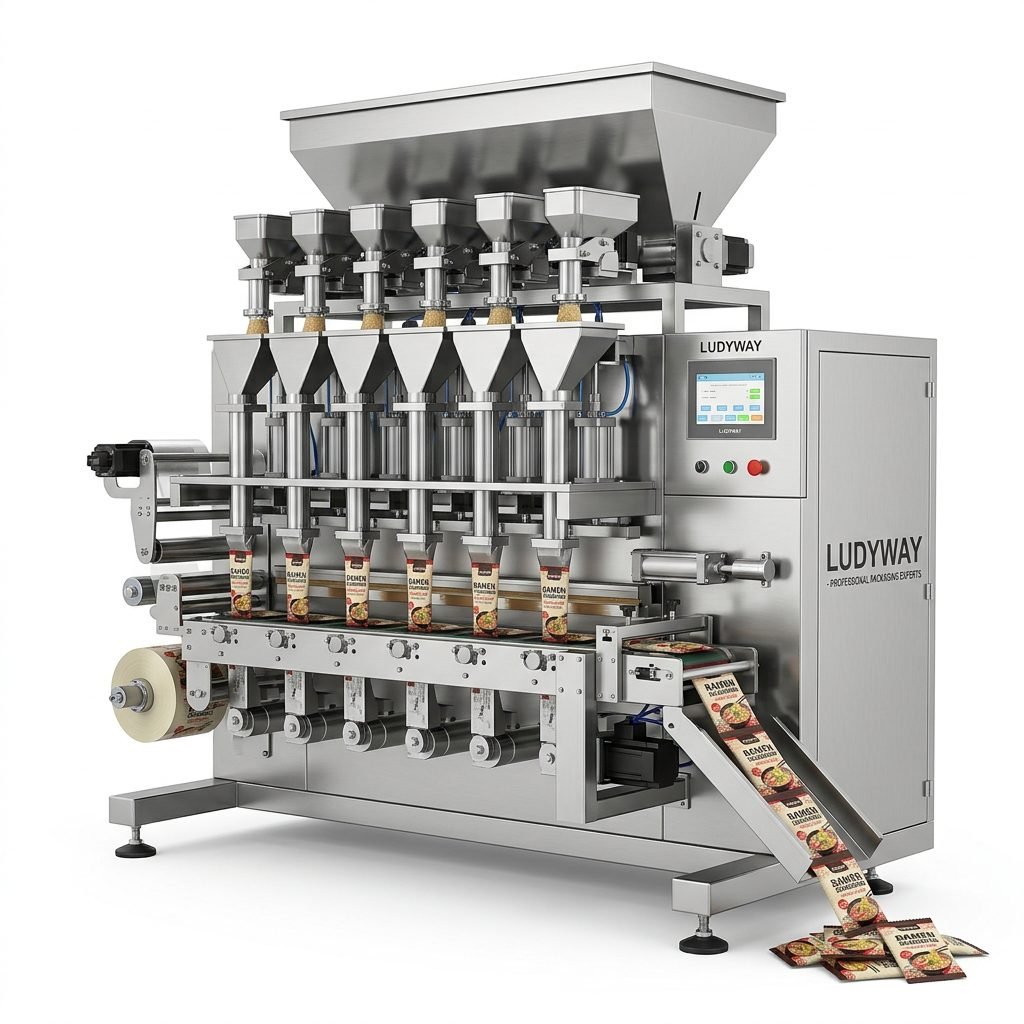
Choosing the right packaging machine supplier is not only about price. It is about finding a partner that can deliver stable machine performance, reliable technical support, consistent product quality, and long-term value for your production line. Whether you are sourcing a standalone unit or a complete turnkey line, the comparison process should be structured, practical, and data-driven.
This buying guide explains how to compare packaging machine suppliers step by step, what questions to ask, what red flags to avoid, and how to make a smarter purchasing decision for food, pharmaceutical, cosmetic, chemical, pet food, and other industries.
Why Supplier Comparison Matters More Than Ever
Packaging equipment is a capital investment that directly affects production speed, labor cost, packaging consistency, product safety, and brand reputation. A low-cost machine may look attractive at first, but if it causes downtime, inaccurate filling, poor sealing, or delayed spare parts, the real cost becomes much higher.
- Reduce the risk of buying an unsuitable machine
- Improve return on investment
- Ensure compatibility with your product and packaging format
- Protect compliance in regulated industries
- Secure better after-sales support and future line expansion
Start With Your Own Requirements First
Before comparing suppliers, define your project clearly. Many buying mistakes happen because the buyer asks for quotations before finalizing technical requirements.
Key Information You Should Prepare
| Requirement Area | What to Define |
|---|---|
| Product Type | Powder, granule, liquid, paste, tablet, pouch, bottle, etc. |
| Packaging Format | Sachet, stick pack, premade pouch, bottle, bag, carton, tray, bulk bag |
| Output Target | Packs per minute, shifts per day, annual demand |
| Dose Range | Minimum and maximum filling weight or volume |
| Material Specs | Film type, pouch dimensions, bottle size, seal style |
| Factory Conditions | Power supply, compressed air, floor space, humidity, dust control |
| Compliance Needs | CE, GMP, FDA-related requirements, validation documents |
| Budget & Timeline | Project budget, delivery expectations, installation target date |
The clearer your project brief is, the easier it becomes to compare suppliers fairly and accurately.
Compare Suppliers by Manufacturing Strength
A supplier’s real capability is reflected in its factory, engineering resources, production process, and export experience. This is especially important if you need customized equipment or a complete automated line.
What to Check
- Factory size and in-house manufacturing capacity
- Years of experience in packaging machinery
- Engineering and customization capability
- Assembly, machining, and quality inspection process
- International project delivery experience
- Industry specialization in food, pharma, cosmetics, chemicals, or pet products
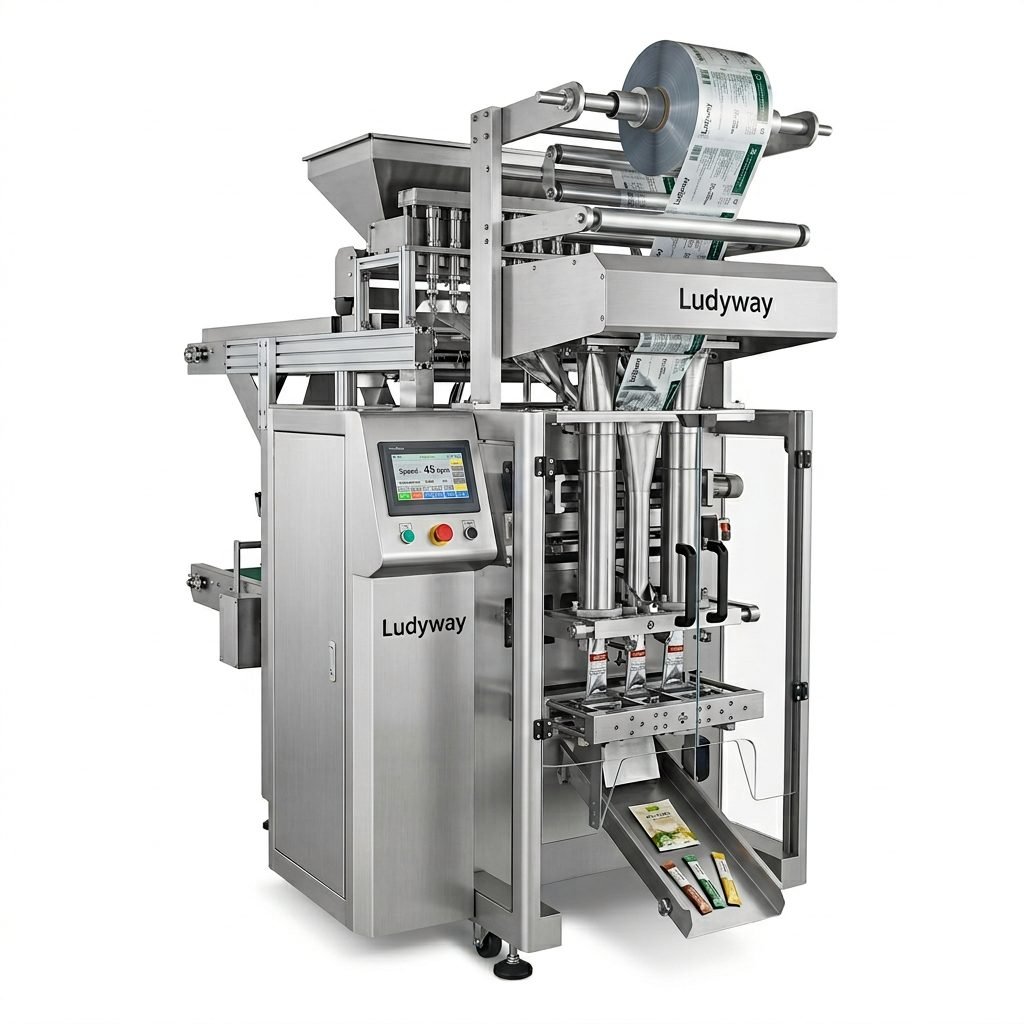
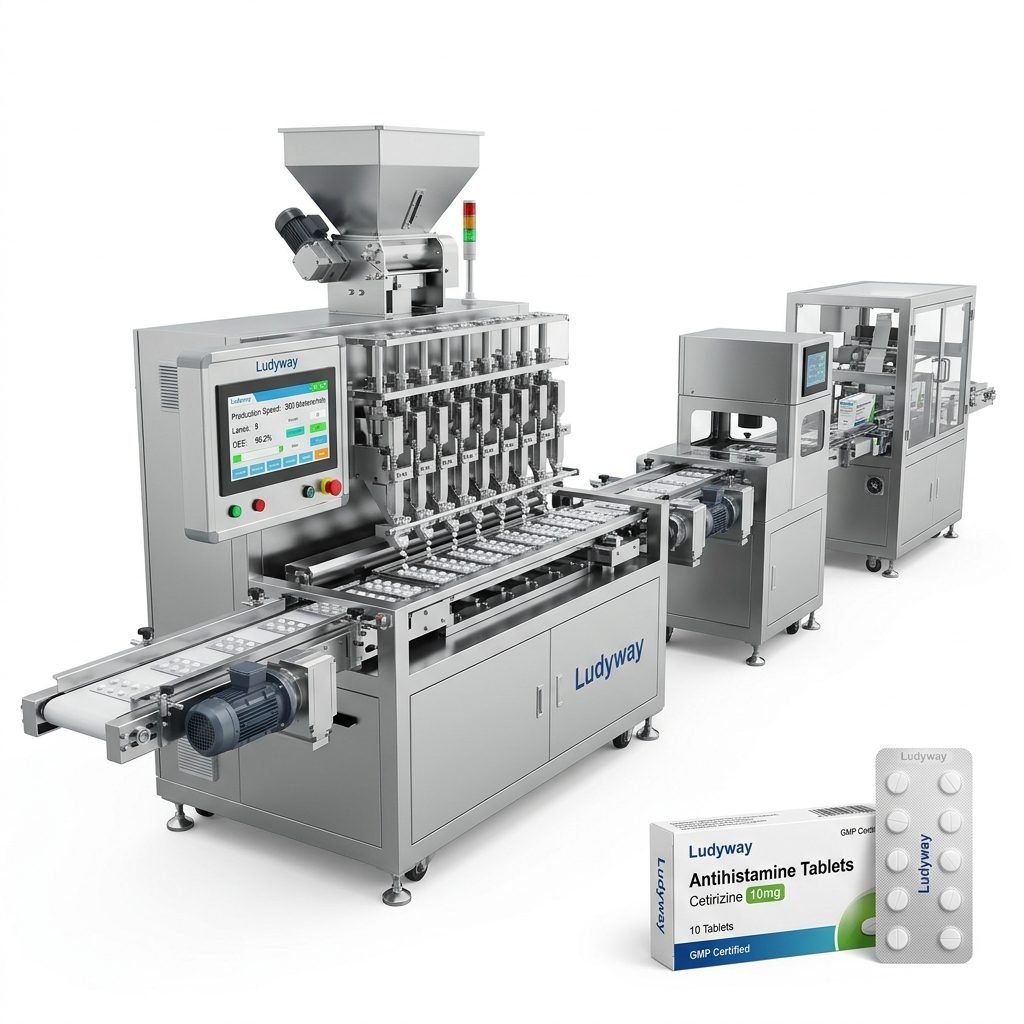
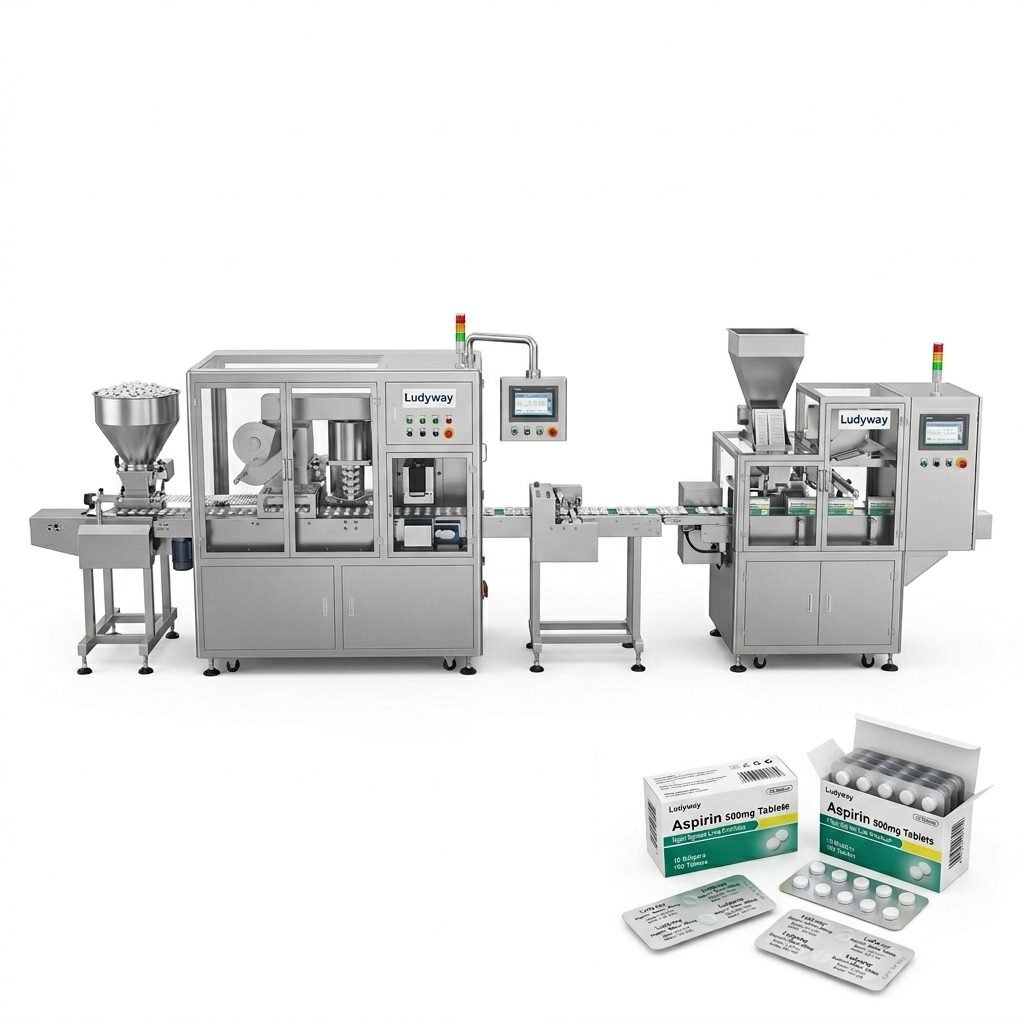
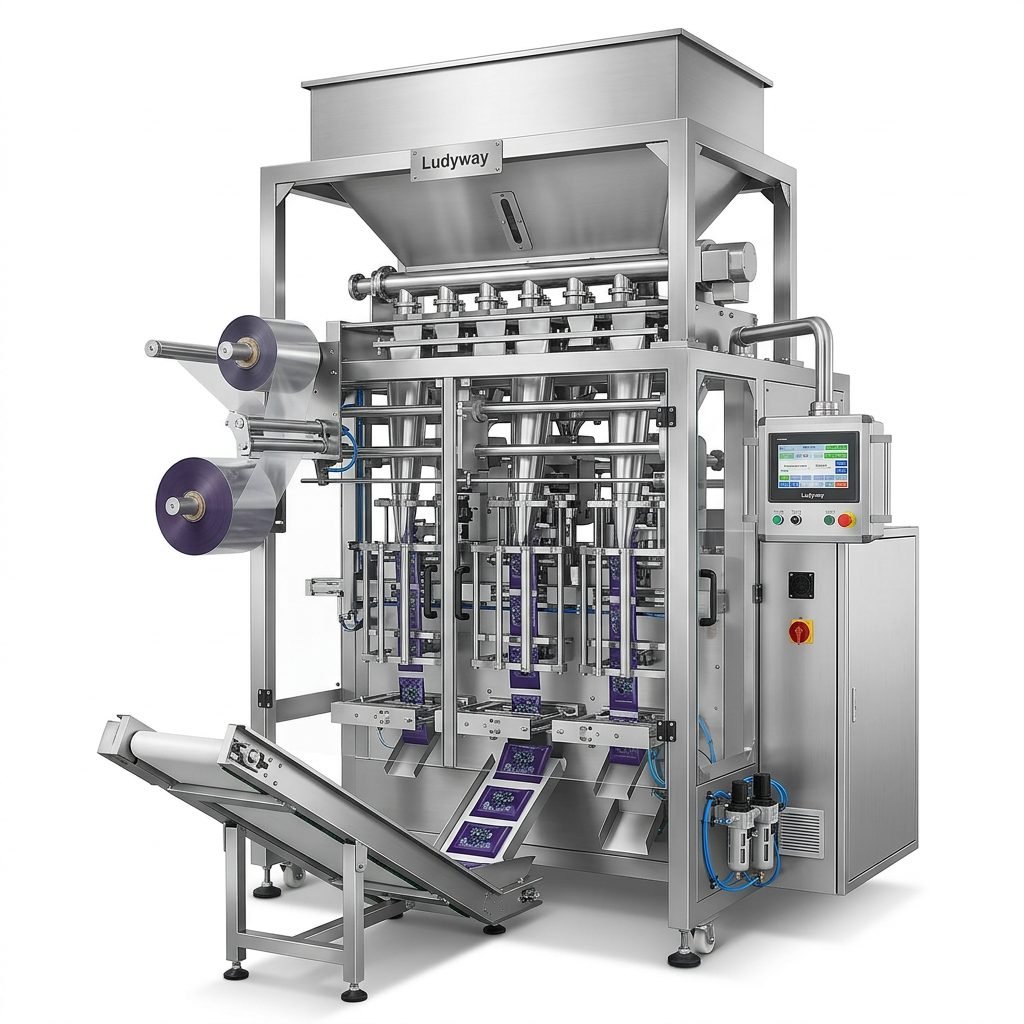
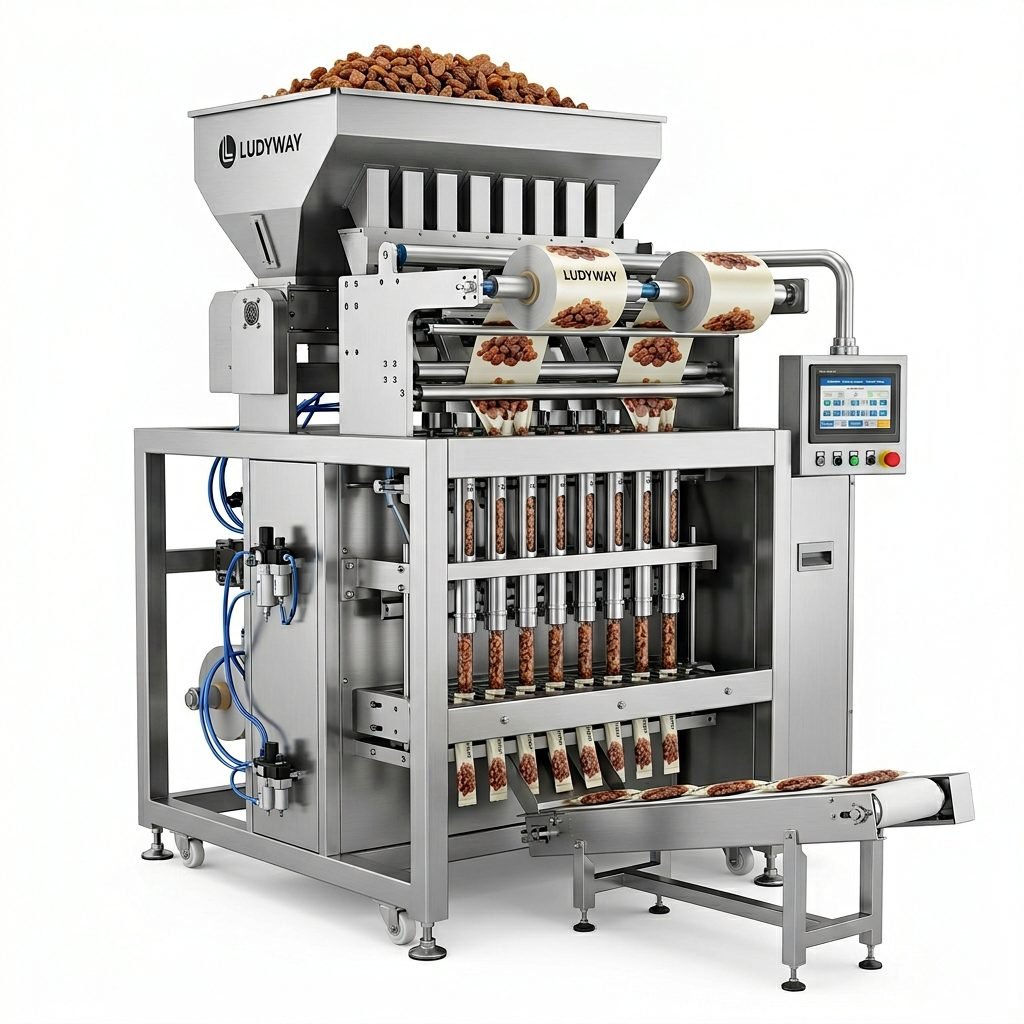
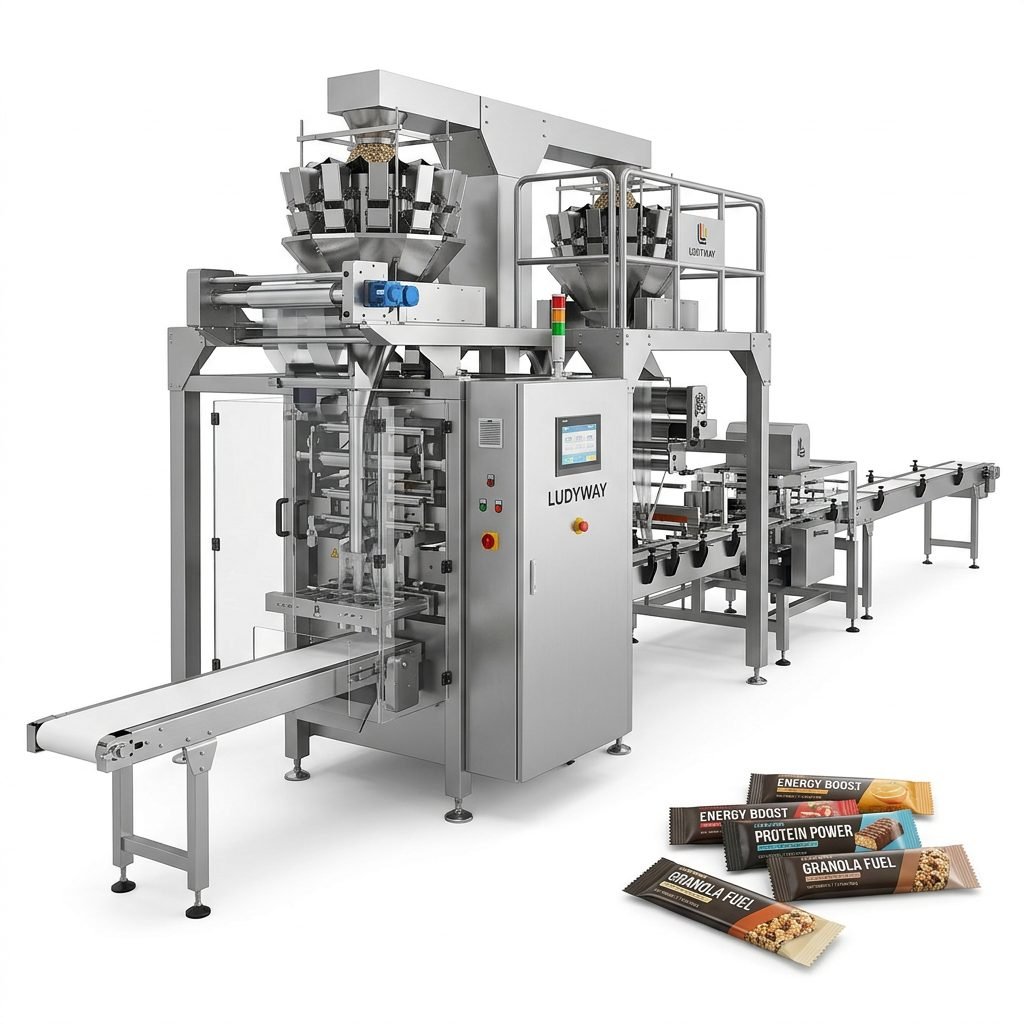
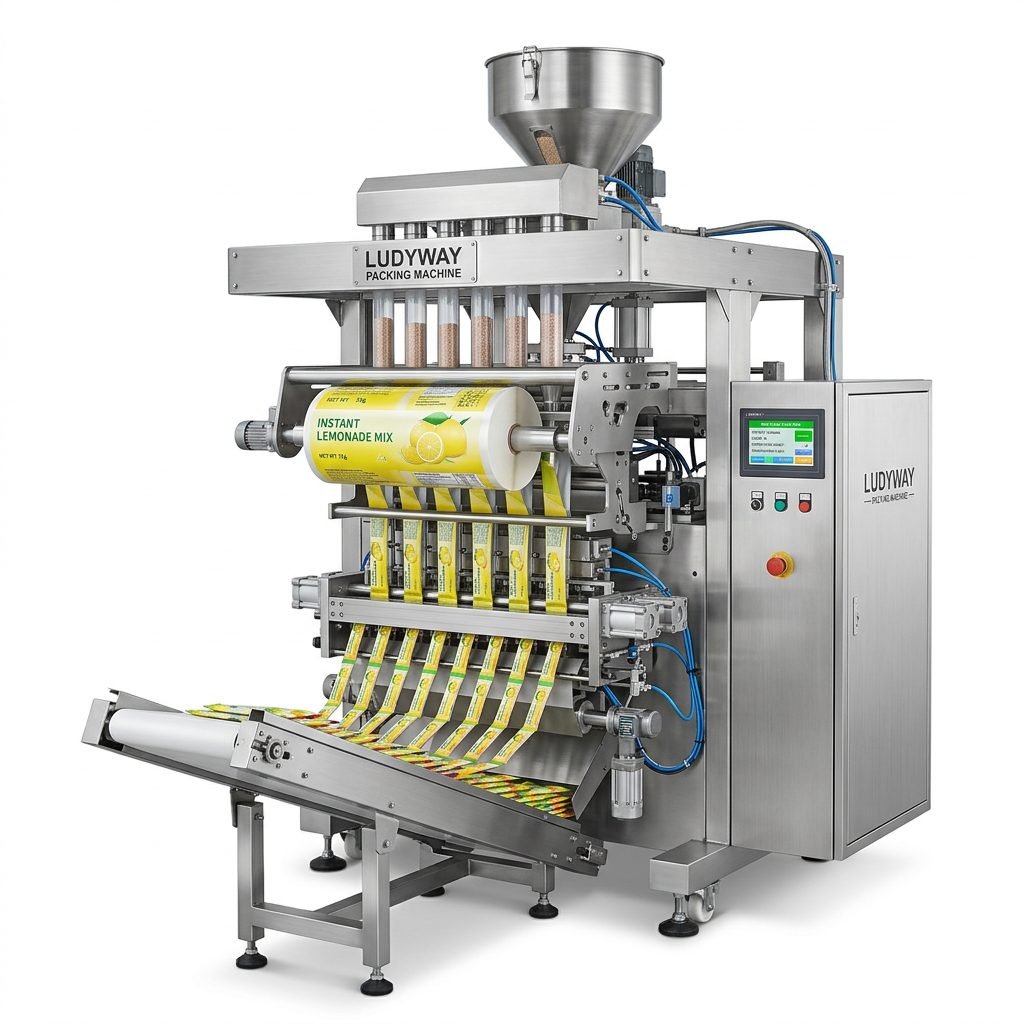
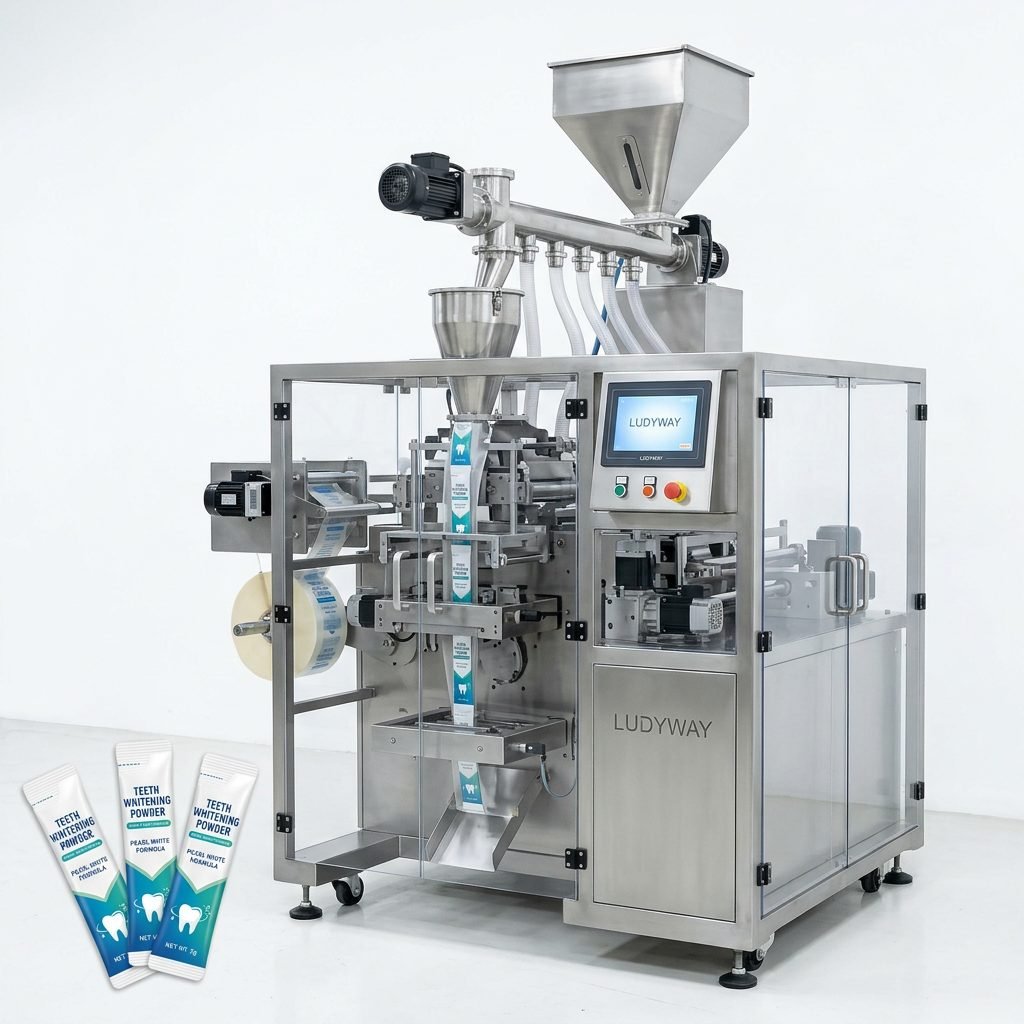
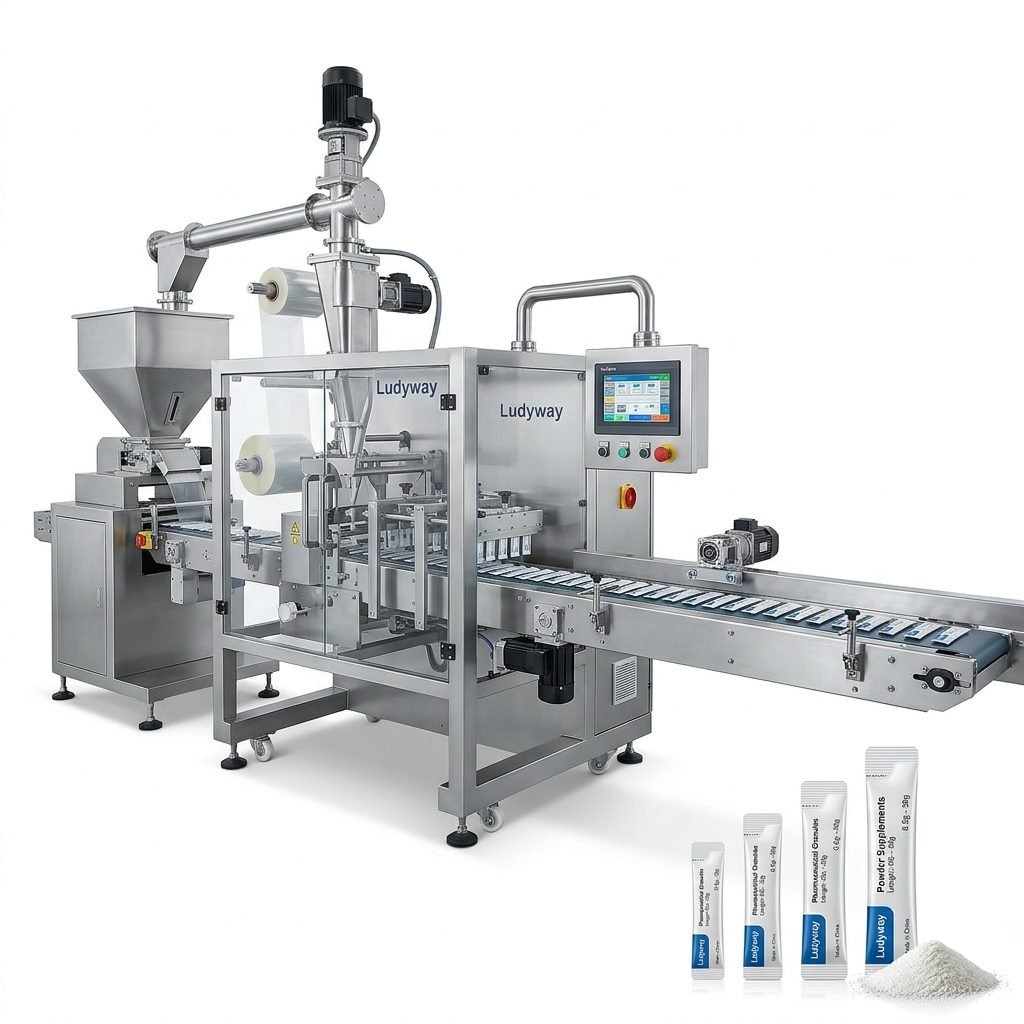
For example, a supplier with decades of experience and an established export operation is generally better positioned to handle custom specifications, multilingual communication, line integration, and post-sale service. One example is Ludyway packaging machine manufacturer, which has over 30 years of experience, a factory of more than 20,000 square meters, and turnkey packaging line capability across multiple industries.
Evaluate Product Range and Technical Fit
A supplier may be reputable, but that does not mean it is the right fit for your application. The machine must match your product behavior, package style, and production goals.
Look for Proven Experience With Similar Applications
Ask if the supplier has previously handled products similar to yours, such as:
- Powders: milk powder, seasoning, protein powder, pharmaceutical powder
- Granules: sugar, coffee, seeds, supplements, pet snacks
- Liquids and pastes: sauces, oils, shampoo, creams, detergents
- Special formats: stick packs, sachets, premade pouches, bottles, vials, cartons
A supplier with a broad portfolio can often recommend the best machine configuration rather than forcing a standard model into an unsuitable application.
Questions to Ask About Technical Fit
- Can you test my sample product and packaging material?
- What filling system do you recommend and why?
- What is the realistic speed for my product, not the theoretical maximum?
- How accurate is the filling result in actual production?
- How easy is the machine to clean, maintain, and change over?
- Can the machine connect to upstream and downstream equipment?
Compare Customization Capability, Not Just Standard Models
Many buyers need more than a standard machine. You may need specific electrical brands, multilingual interfaces, dust collection, nitrogen flushing, batch coding, checkweighing, cartoning, or robotic palletizing.
The right supplier should be able to adapt the equipment to your real production environment. This is especially important if you plan to scale later or integrate multiple machines into one line.
| Comparison Point | Basic Supplier | Strong Supplier |
|---|---|---|
| Machine Options | Limited standard models | Wide model range with configurable options |
| Line Integration | Standalone only | Turnkey line planning and integration |
| Engineering Response | Generic answers | Application-based solutions and drawings |
| Expansion Potential | Limited upgrade path | Scalable design for future automation |
Review Quality Standards and Certifications
If you are in food, pharmaceutical, medical, or health supplement packaging, quality standards are non-negotiable. Machine construction, contact materials, electrical safety, and documentation all matter.
Important Areas to Verify
- Machine frame and material grade
- Food-contact or pharma-contact component standards
- Electrical component brands and safety design
- Certificates and compliance documents
- Factory acceptance testing procedures
- Inspection reports before shipment
Do not just ask whether a supplier has certificates. Ask to see the actual documents and machine-specific compliance details.
Check Delivery Reliability and Project Management
A good quotation means little if the supplier cannot deliver on time. Delayed equipment can disrupt product launches, labor planning, and customer commitments.
Ask These Delivery Questions
- What is the confirmed lead time?
- How much of the machine is made in-house versus outsourced?
- Will you provide a production schedule?
- Can I inspect the machine before shipment?
- What export packing method do you use?
- How do you support installation and commissioning?
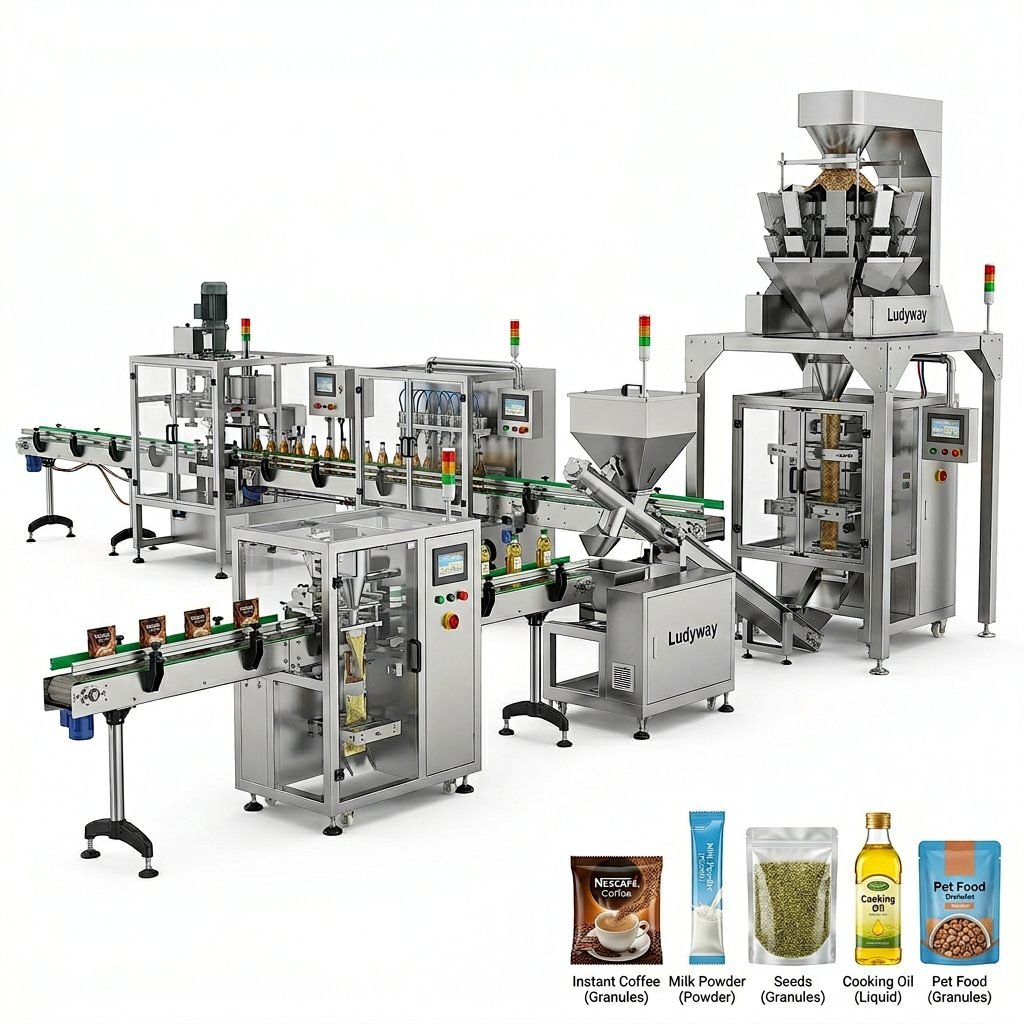
Suppliers with structured project management usually communicate milestones clearly, provide FAT videos or live inspections, and prepare manuals, wiring diagrams, and spare parts lists in advance.
Compare After-Sales Service in Detail
One of the biggest differences between suppliers appears after the machine arrives. Reliable support can save you weeks of downtime and prevent expensive mistakes during setup or operation.
After-Sales Service Checklist
| Service Item | What Good Support Looks Like |
|---|---|
| Installation Support | Remote guidance or on-site commissioning |
| Training | Operator and maintenance training materials |
| Spare Parts | Recommended spare list and fast replenishment |
| Technical Response | Clear response times and troubleshooting process |
| Documentation | Manuals, wiring diagrams, parameter guides, parts lists |
| Warranty | Transparent warranty terms and claim process |
Suppliers that support customers in oversea markets usually have stronger communication routines, better export packaging, and more practical troubleshooting experience.
Do Not Compare Price Alone
Price is important, but it should never be your only decision factor. A lower quotation may exclude critical items such as commissioning, electrical upgrades, safety guards, spare parts, coding systems, or freight-safe packing.
Compare Total Cost of Ownership
- Initial machine cost
- Shipping and import costs
- Installation and commissioning cost
- Operator training cost
- Maintenance and spare parts cost
- Downtime risk
- Expected machine life and upgrade potential
A machine that runs accurately and reliably for years often delivers a much better ROI than a cheaper model with frequent failures.
Ask for Proof: Videos, References, and Test Data
Strong suppliers can usually provide evidence, not just promises. Ask for:
- Machine running videos with similar products
- Photos or videos from customer projects
- Factory acceptance test footage
- Case studies in your industry
- Performance data such as speed and filling accuracy
- Reference customers where possible
If a supplier avoids sample testing or cannot show relevant experience, that is a sign to investigate further.
Red Flags When Comparing Packaging Machine Suppliers
- Quotations that are vague or missing technical details
- Unrealistic lead times or speed claims
- No sample testing before recommendation
- Poor communication during the quotation stage
- No clear warranty or spare parts policy
- Limited documentation and weak technical answers
- Very low pricing without transparent scope
A Practical Supplier Comparison Scorecard
To simplify evaluation, score each supplier using a weighted comparison system.
| Criteria | Suggested Weight |
|---|---|
| Technical fit for your product | 25% |
| Manufacturing strength | 15% |
| Customization and line integration | 15% |
| Quality standards and certifications | 10% |
| After-sales support | 15% |
| Delivery reliability | 10% |
| Price and total cost of ownership | 10% |
This method helps your team compare suppliers more objectively, especially when several quotations seem similar on the surface.
Best Supplier Type for Different Buyer Needs
If You Are a Startup or Small Factory
- Prioritize ease of use and stable output
- Choose a supplier with strong remote support
- Focus on flexible machines that allow product expansion
If You Are a Growing Brand
- Look for higher automation and better changeover efficiency
- Compare suppliers on scalability and future line integration
- Ask about coding, cartoning, checkweighing, and inspection add-ons
If You Are an Industrial Manufacturer
- Prioritize project management and turnkey line capability
- Verify engineering depth and electrical standard compatibility
- Require stronger FAT, validation support, and long-term spare parts planning
Final Buying Advice Before You Make a Decision
Before placing your order, review the complete scope one last time. Confirm machine model, speed range, package dimensions, dosing accuracy, electrical configuration, spare parts, documents, lead time, warranty, payment terms, and service support. The more clearly these points are written into the contract, the lower your purchasing risk.
The best packaging machine supplier is not necessarily the cheapest or the biggest. It is the one that understands your product, offers the right technical solution, communicates clearly, and supports your production goals over the long term.
A smart packaging machine purchase starts with smart supplier comparison.